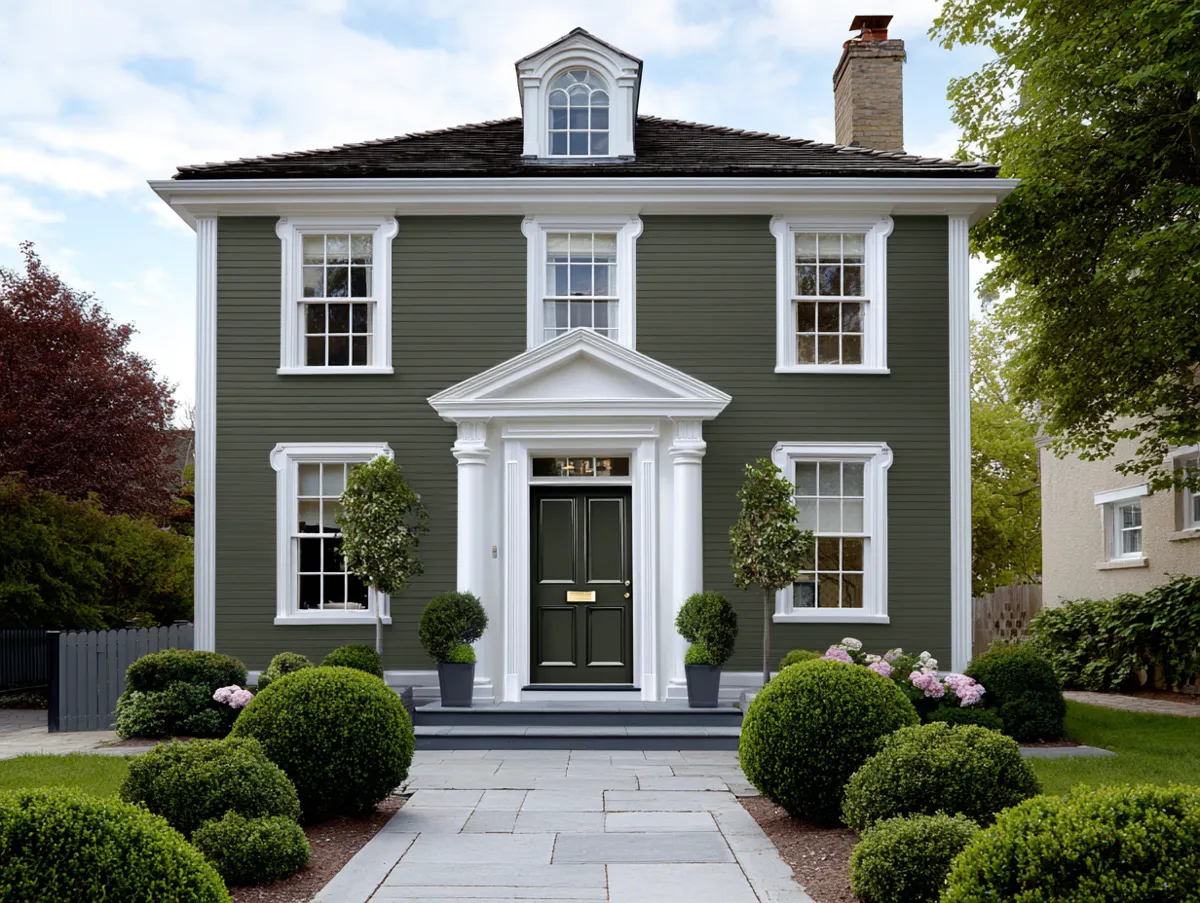
A pistachio green house exterior turns heads without announcing itself — it reads as calm from the curb but holds enough presence to stand out against beige-heavy neighborhoods. Pair it with Benjamin Moore White Dove OC-17 on trim and you get a two-color scheme that decorators keep recommending because the contrast is sharp but never cold.
The appeal runs deeper than aesthetics. Light, soft greens like pistachio reflect significantly more UV than saturated or dark shades, which translates directly to longer paint life between repaints. On wood siding with good prep, a quality exterior paint job in a pale tone regularly reaches the 7–10 year mark that professional painters cite as the standard for premium products.
Getting this combination to land correctly comes down to a few decisions most people get wrong: trim width, sheen selection, and where to stop the green. The sections below break each one down with specific product references and the mistakes worth avoiding before the first gallon is opened.
- Why pistachio green works on a wide range of house styles without looking costume-like
- How White Dove OC-17 differs from pure white trim and why it matters at this scale
- Sheen selection for walls vs. trim — the decision that determines how long the paint holds
- What the pistachio green color combination looks like across Victorian, Colonial, and modern facades
- FAQ: specific questions from real searches answered without filler
What Makes Pistachio Green Work on a House Exterior


Pistachio green sits at a specific tonal address — yellowy enough to read warm, muted enough to avoid looking like a vegetable stand. That combination is what makes it one of the few greens that photographs well in direct sun and still looks intentional on an overcast day. Sherwin-Williams Oh Pistachio (SW 9033) and Benjamin Moore’s equivalent pale greens sit in the LRV range of 60–70, which means they reflect enough light to stay fresh-looking rather than absorbing heat and fading into muddy olive within two summers.
Does pistachio green suit modern homes as well as traditional ones? The answer is yes, but the execution shifts. On a Victorian or Craftsman, the color reads as period-appropriate — it echoes the garden tones those styles leaned on historically. On a modern or minimalist facade, pistachio works best when the trim quantity is reduced and the window frames are kept crisp and narrow. The trick here is letting the green do its work without layering on decorative detail that competes with it.
Skipping primer is the single most common error on this color family. Pistachio greens have lower pigment density than deep colors; without a tinted primer matched to the finish coat, the siding color shows through and the result looks patchy after the first season. Painters who work with pale greens regularly apply a gray-tinted primer underneath — one 5-gallon bucket of primer saves a full extra topcoat. One gallon of exterior paint covers 350–400 square feet per coat; cutting primer costs an additional $150–$200 in topcoat to compensate.
Don’t choose pistachio green from a phone screen or in-store under fluorescent lighting. Both shift the yellow undertones and make the color read more neutral than it is. On a south-facing wall at 2 PM, pistachio green can appear almost sage — pale and washed out. Buy the sample pots, paint 2×2-foot test squares directly on your siding, and check them at 8 AM and 4 PM for two full days before ordering full gallons. Colors that survive both time slots are the ones worth committing to.
Don’t apply pistachio green in flat sheen on exteriors. Flat finishes trap moisture and mildew on wood and stucco, particularly on north-facing walls that see little drying sun. Satin is the correct sheen for body paint — it sheds water, cleans without streaking, and still reads as low-gloss from the street.
Dove White Trim — Why the Right White Changes Everything at Exterior Scale


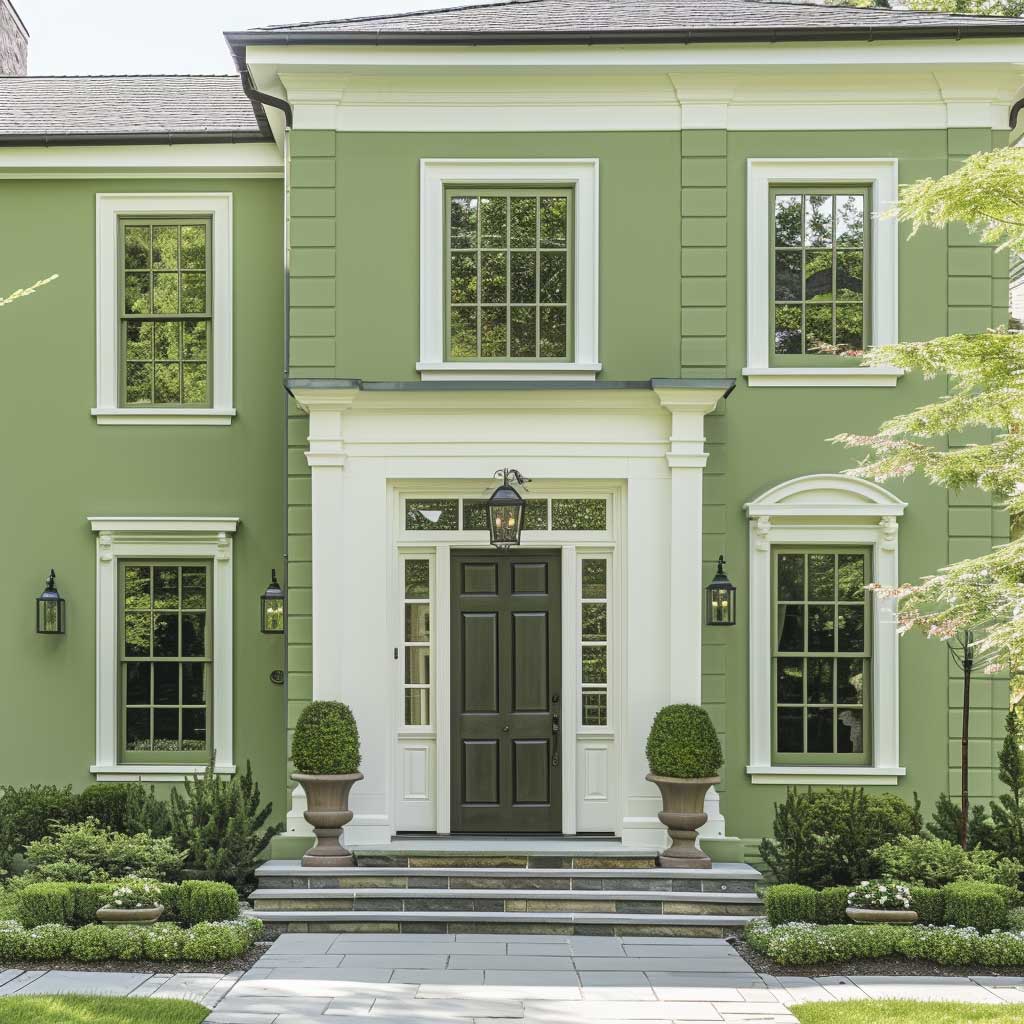

Benjamin Moore White Dove OC-17 has a Light Reflectance Value of 85 — enough to read as bright trim from across a street without the hard bluish cast of a pure optical white. Next to pistachio green, that slight warm-cream undertone keeps the contrast soft. Pure whites like Sherwin-Williams Extra White pull blue outdoors, creating a line against the green body that looks painted by a hardware store, not a designer. The difference is subtle in a swatch drawer and obvious on 40 linear feet of window trim.
What sheen should dove white trim carry? Semi-gloss at minimum — painters consistently recommend it for exterior woodwork because it sheds moisture at the wood-to-paint interface where rot starts. High-gloss reads as flashy on large trim runs but works on front doors and porch columns where you want a specific focal point. The pistachio green body in satin against semi-gloss white trim gives the facade visual layering without a single decorative addition.
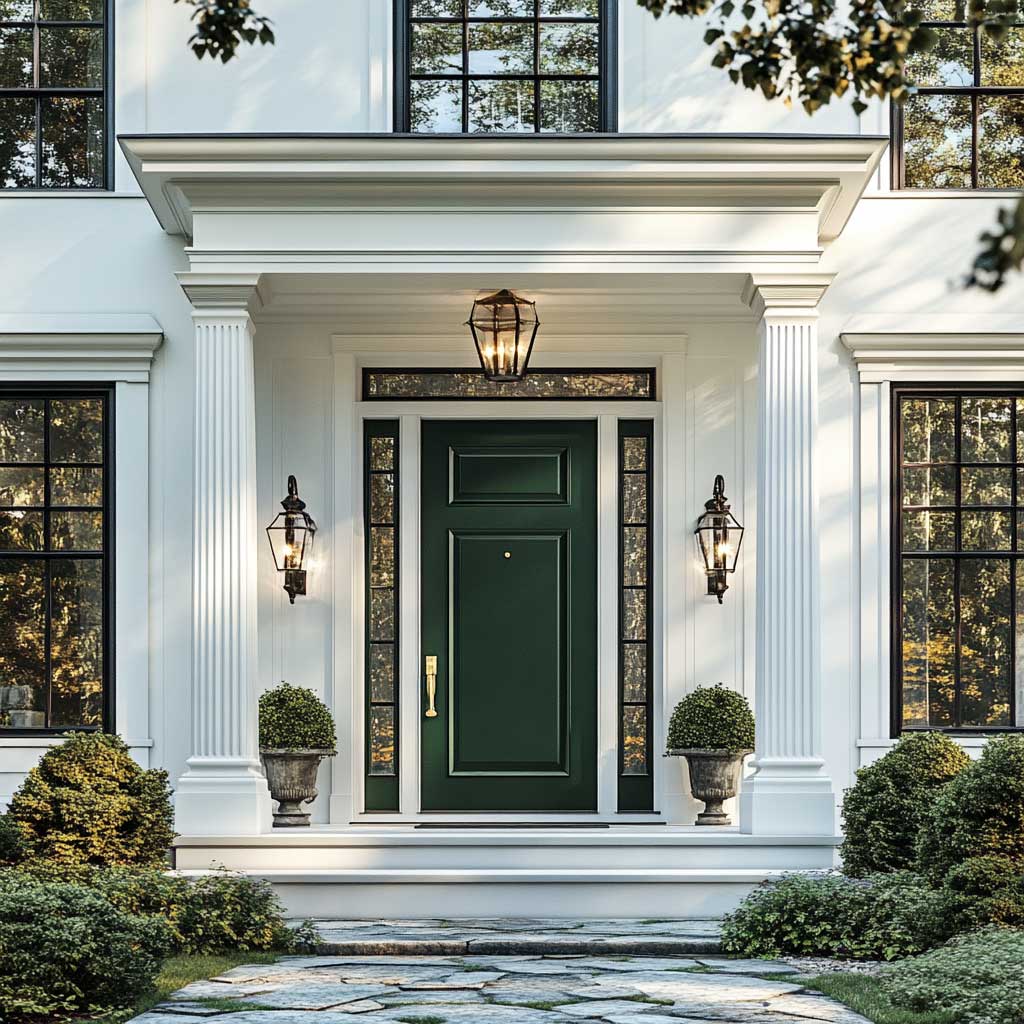
Trim quantity is the variable most homeowners underestimate. A wide Victorian cornice in White Dove against pistachio green walls looks architecturally correct — the color balance follows the 80/20 body-to-trim split the style demands. On a modern box house with minimal eaves and narrow window casings, that same combination can look underdressed if the trim disappears visually at distance. In that case, stylists recommend increasing trim width or painting the front door in a darker anchor color — black or charcoal — to give the facade a third visual weight rather than relying on two soft tones alone. For more on how house exterior paint colour combinations work across different architectural styles, the breakdown covers blue, gray, earthy, and pastel pairings alongside specific product picks.
Pale Pistachio Green Color Combination Across Architectural Styles


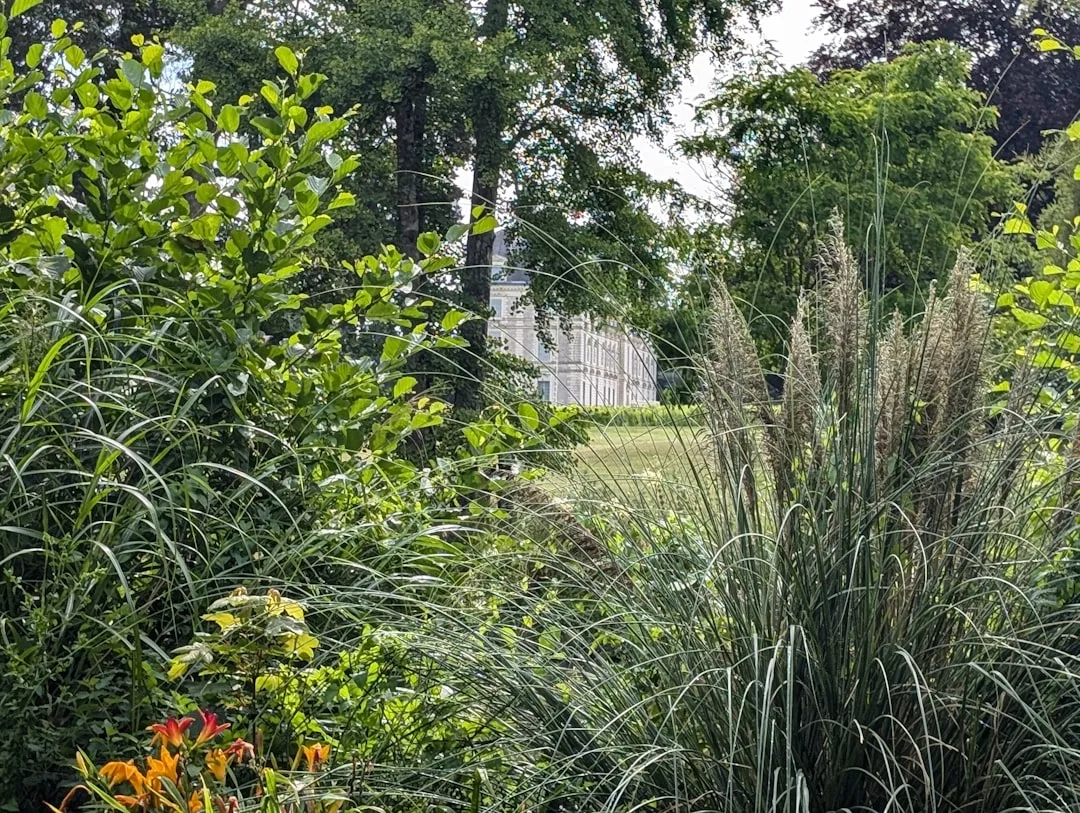
The pistachio green color combination for an outside wall performs differently depending on what surrounds it — and the surrounding landscaping matters as much as the architecture. Against a background of dark deciduous trees, pistachio reads almost silvery in overcast light and warm mint in direct afternoon sun. That chameleon quality is a feature, not a flaw: it means the facade stays visually interesting across seasons without repainting. A comparable dark green would read as forest at midday and nearly black in shade — pistachio holds its identity across the light range.
How does this color translate to specifically Indian or South Asian climates where searches like “pista colour combination for house outside wall” are common? The short answer is that pistachio green performs particularly well in high-UV environments because pale, muted shades absorb substantially less heat than saturated or dark colors. Research from CertaPro Painters confirms that light exterior colors can last two to five years longer on the same surface than their darker counterparts, purely because they reflect rather than absorb UV radiation. That longevity advantage compounds quickly in tropical climates where repainting costs and disruption are significant.
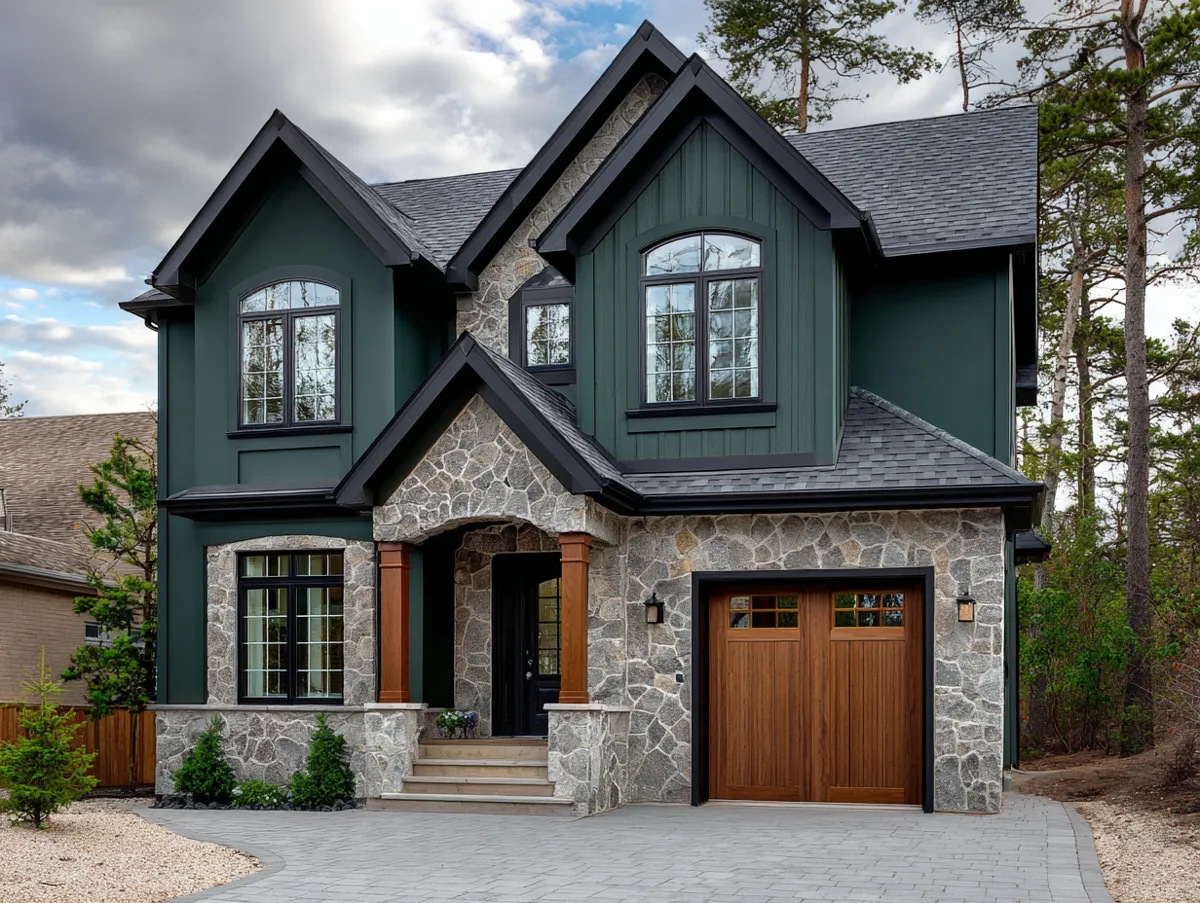
Where this combination runs into trouble is on homes with brown or orange-toned roof materials. Terracotta tile, warm cedar shake, or brick-red rooflines pull the pistachio green toward a color clash that no trim adjustment fully resolves. The solution is to shift the wall color one step warmer — toward a sage or celadon — rather than fighting the contrast. Homes with gray slate, dark charcoal asphalt, or cool concrete tile roofs pair cleanly with pistachio because the cool-neutral roof anchors the warm-green body without competing. See how other dark green exterior house color ideas handle the roof-to-wall relationship differently, particularly when using olive or forest green with stone accents.
Paint Longevity — Getting 10 Years From a Pistachio Green Exterior


Exterior paint on professionally prepared wood siding lasts 7–10 years on average, according to CertaPro Painters — and that range is heavily skewed by the quality of prep work rather than the paint brand. Power washing, caulk repairs at all seams, and spot-priming bare wood before the topcoat add roughly 2–3 years to the result. On the same surface done by a DIYer who skips the caulk step, the same premium paint starts peeling at seams within 3–5 years. Pistachio green doesn’t forgive poor prep any better than any other color, but its light shade means failures show later and less dramatically than on dark green or navy.
South-facing walls take the most UV punishment of any exposure. A common approach for long-haul pigment stability is to apply one extra coat on south and west walls specifically — not the full house — using the same paint at a slightly heavier mil thickness. This targets the problem without adding 30% to the overall budget. Does sheen affect durability? Yes, meaningfully: a satin exterior finish sheds water at wall penetrations like window sills and belt courses, which is exactly where peeling originates on most repaint candidates. A flat finish in the same formula will fail two to three years earlier at those joints.
For pistachio green specifically, exterior paints from Sherwin-Williams’ Emerald line run approximately $75–$110 per gallon and include a self-priming formulation that reduces coat count on surfaces in good condition. Benjamin Moore Aura Exterior, which carries the White Dove family, sits in a similar price bracket. The labor cost to repaint a 1,500-square-foot home exterior typically runs $3,000–$6,000 depending on region — meaning the paint product cost is a fraction of the total. According to CertaPro Painters’ exterior durability research, professional application and prep consistently deliver results in the upper end of the 7–10 year range, while DIY jobs without thorough surface prep average closer to 3–5 years before visible failure.
Color Proportion and What the Pistachio Green Exterior Design Gets Right


Color proportion on a house exterior follows roughly the same logic as clothing — what covers the most surface area anchors the look, and the smaller elements carry the energy. Pistachio green at 75–80% of the facade provides the calm, settled read. White Dove at 15–20% on trim does the structural work of defining window openings, roof lines, and corner boards. That remaining 5% — the front door — is where the combination either stays pleasant or gets memorable. A dark walnut-stained door keeps the palette organic. Black reads modern and contemporary. A dusty rose or terracotta door pulls warmth into the scheme without clashing with the green.
Why does the pistachio green and dove white pairing hold up across so many architectural styles? The mechanism is color temperature balance. Both colors sit in warm territory — pistachio carries yellow-green undertones, dove white carries yellow-gray undertones — which means they don’t create the cold, clinical edge that cool whites produce against warm body colors. Think of it like a room: a warm white against warm walls reads comfortable; a cool white against warm walls creates a slight visual tension that most people can feel but not name. Scaled to a facade, that tension becomes pronounced.
The combination does have a weak point: it can disappear on lots with heavy mature tree cover. A house surrounded by tall oaks or maples provides a green backdrop that swallows a pistachio facade — the structure seems to melt into the landscape rather than read as architecture. In that situation, a darker front door color becomes non-negotiable, and painting at least the front foundation plantings or hardscape in a contrasting material helps define the building edge. Parrot green, which appears in some search queries, is a distinctly brighter option that reads well in heavy foliage contexts but requires more precise trim placement to avoid looking aggressive from the street.


| Combination Variant | Best Architecture | Trim Sheen | Key Risk |
|---|---|---|---|
| Pistachio + White Dove (warm cream trim) | Victorian, Colonial, Craftsman | Semi-gloss | Disappears on tree-heavy lots |
| Pistachio + bright white trim | Modern minimalist, Cape Cod | High-gloss | Contrast reads cold, clinical |
| Pale pistachio + dark door accent | Contemporary, farmhouse | Satin body / semi-gloss door | Door color must anchor scheme |
| Pistachio + natural wood accents | Cottage, bungalow, Mediterranean | Satin | Wood needs resealing every 2 years |
Pistachio green works as an exterior wall color because it occupies a tonal range that almost nothing in nature competes with directly. Lawns are yellower or bluer. Sky is cooler. Stone is grayer. The house sits between all of them and reads as designed rather than accidental — which is the visual outcome that earns compliments from people who can’t articulate why the house looks good.
Final Verdict
Pistachio Green + Dove White Is a Paint Decision That Ages Backward
Light muted greens like pistachio hold UV better than dark colors — professionally applied exterior paint in this family regularly reaches 7–10 years on well-prepped siding. That’s a 10-year commitment worth getting right from the start.
Benjamin Moore White Dove OC-17 (LRV 85) as trim is not interchangeable with pure white — the warm undertone keeps the contrast from reading cold at street scale. Use satin on the body, semi-gloss on all trim runs. Apply a tinted primer that matches the finish coat to avoid patchiness on the first season.
Test swatches on the actual siding, not inside and not from a phone screen. Check at 8 AM and 4 PM on two different days before ordering full gallons. Save this post.