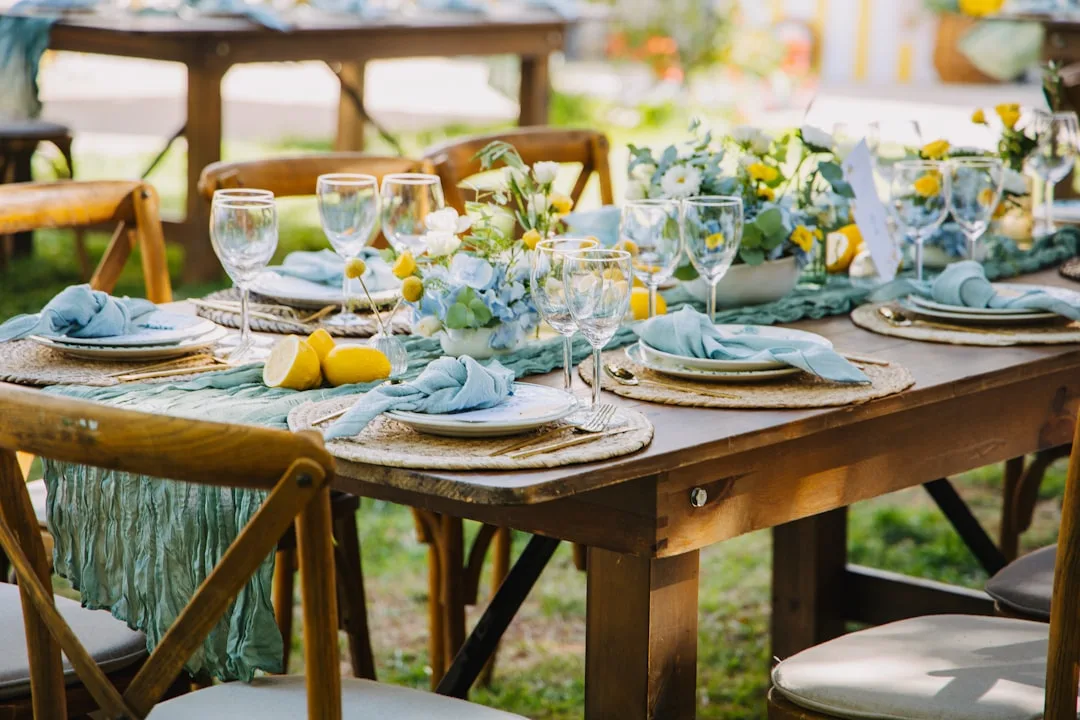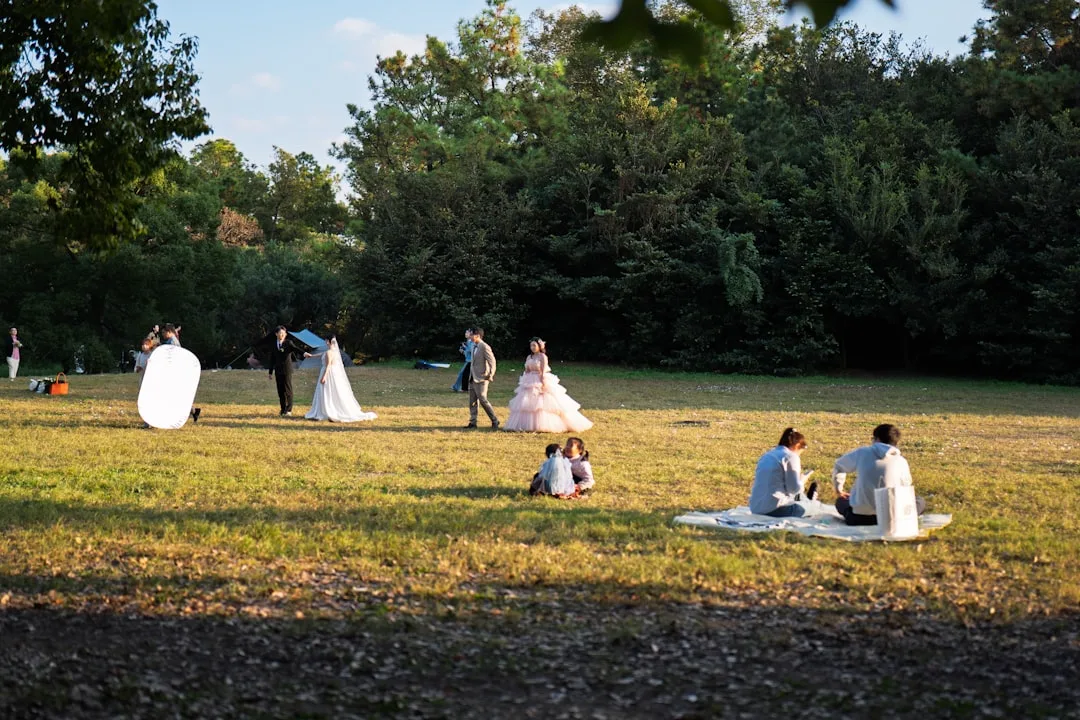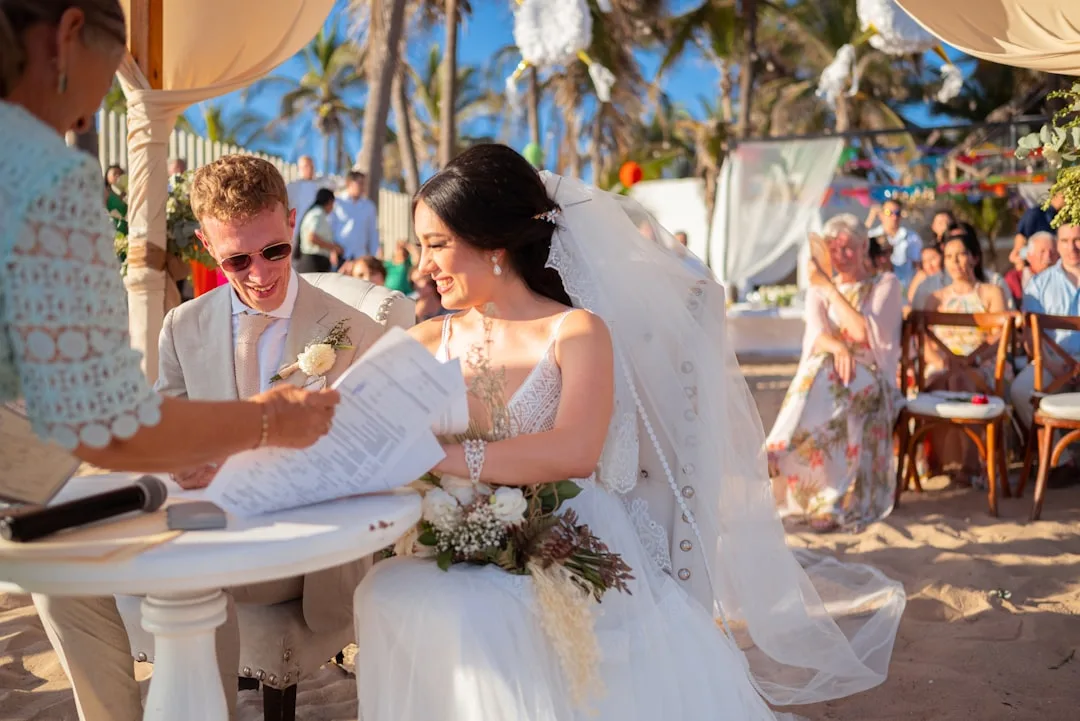
Destination wedding events are commanding 34% of luxury event budgets in 2026, up from 18% three years ago—a seismic shift that’s redefining how couples view the wedding itself as a travel experience rather than a single-venue ceremony. What started as an outlier preference among wealthy couples has become mainstream, with average destination wedding budgets now exceeding $85,000 compared to $62,000 for traditional at-home celebrations. This isn’t just about escaping to an exotic locale; it’s about engineering multi-day experiences where the wedding becomes embedded in landscape, culture, and shared adventure.
Why Destination Wedding Events Command Higher Budgets and Loyalty
Couples investing in destination wedding events are spending approximately 35% more per guest than traditional ceremonies, yet guest satisfaction metrics are climbing 28% higher. The reason is psychological: when guests commit to travel, they’re already psychologically invested in being present—phones down, distractions removed. Venues like Monteverdi in Tuscany (villa packages from $45,000 for three-day events) and Four Seasons Private Island Residences in Bora Bora ($120,000+ for exclusive venue takeovers) are reporting 94% repeat-booking rates from wedding attendees who later host anniversaries, corporate retreats, or family reunions at the same locations.
The economics work because destination wedding events compress multiple revenue streams—lodging, dining, activities, transportation—into a single brand experience. Resorts and private venues no longer compete on ceremony aesthetics alone; they’re selling the entire narrative arc of the long weekend. This shift explains why boutique destination wedding planning agencies like Timeless Celebrations and Coastline Events have grown their staff by 67% year-over-year, commanding 18-22% planning fees (compared to 10-15% for local weddings).
Quick Tips
- Lock destination venues 14-16 months in advance; high-demand properties are booked through 2027
- Budget 12-15% extra for travel logistics, visa coordination, and guest transportation packages
- Partner with local wedding planners in-destination; they reduce vendor chaos and cultural missteps by 40%
- Offer welcome dinners and farewell brunches to justify the travel investment—these meals add $8,000-$18,000 but drive emotional ROI
| Destination Type | Avg. Total Budget | Guest Count Trend |
|---|---|---|
| Tropical Beach (Caribbean, Mexico) | $78,000–$120,000 | 45–75 guests |
| European Villa (Italy, Greece, France) | $95,000–$185,000 | 35–60 guests |
| Mountain/Adventure (Colorado, Switzerland) | $68,000–$140,000 | 40–80 guests |
| Urban Luxury (Dubai, Singapore, Tokyo) | $110,000–$220,000 | 50–90 guests |
| All-Inclusive Resort (Cancún, Jamaica) | $52,000–$95,000 | 60–120 guests |
Where Destination Wedding Events Are Clustering in 2026
Greece and Portugal have surged 156% in wedding event volume since 2024, largely because COVID-era travel anxiety has evaporated and these Mediterranean destinations offer lower per-night costs than traditional hotspots. The Algarve region in Portugal is hosting 3,200+ destination wedding events annually (up from 890 in 2023), with venues like Quinta de Atouguia ($35,000–$65,000 for three-day packages) and Memento Events Space ($42,000–$78,000) capturing market share from Tuscany by offering 30% cost savings without sacrificing luxury positioning.
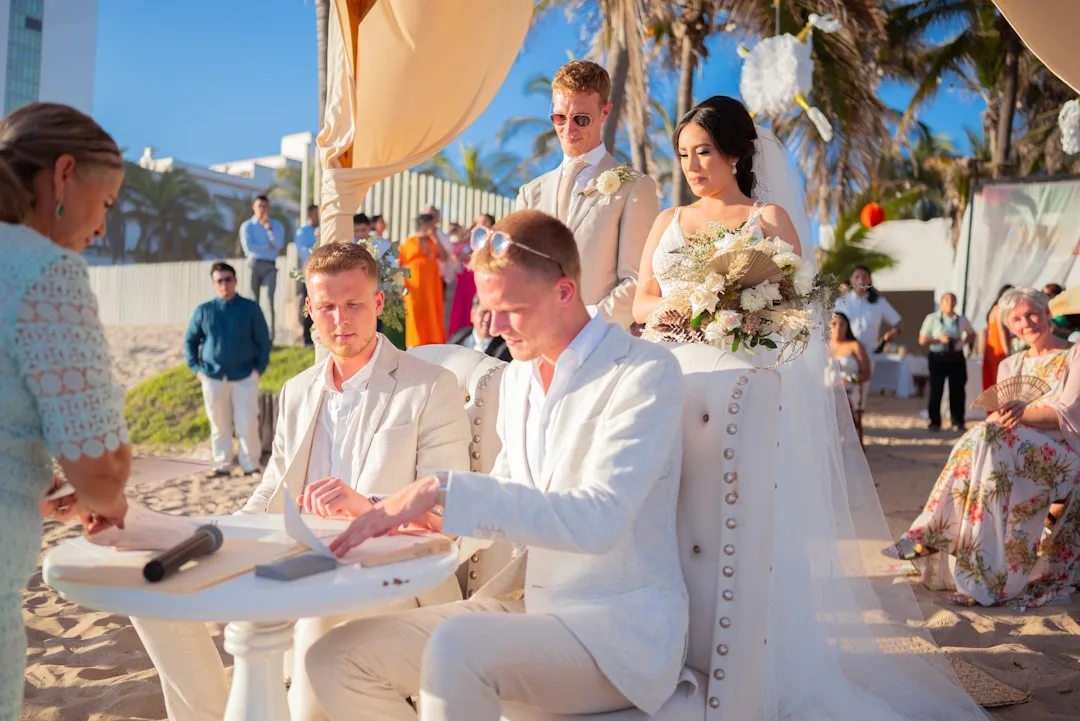
Mexico’s Riviera Maya continues to dominate the North American market, with interactive wedding guest experiences replacing passive attendance through adventure add-ons: cenote ceremonies, jungle ziplines, and private beach clubs. Venues like Azul Fives ($58,000–$110,000) and Grand Palladium ($48,000–$88,000) are now bundling multi-day itineraries as standard offerings. Meanwhile, Southeast Asia—Thailand, Bali, Vietnam—is capturing younger, budget-conscious couples with all-inclusive destination wedding events priced at $35,000–$72,000 for 50-80 guests.
How Technology and Logistics Are Reshaping Destination Wedding Events
Destination wedding events now require seamless digital coordination across time zones, and platforms like Junebug (wedding tech suite) and Zola Destination have captured 41% of the planning market by offering automated welcome document creation, guest accommodation aggregation, and real-time itinerary sharing. Couples are also demanding hybrid attendance options; venues like Rosewood Hotels have installed 4K streaming infrastructure (approximately $18,000–$32,000 per installation) to allow remote guests to participate in real-time ceremonies.
Transportation logistics have become a major differentiator. Wedding planners now negotiate group rates on private charter flights ($4,500–$9,000 per person for international flights), airport transfers, and hotel blocks negotiated 12+ months in advance. The result: guests save 20-35% on travel costs, making destination wedding events financially comparable to traditional ceremonies when accounting for the multi-day value proposition.
Why Destination Wedding Events Outpace Traditional Venues in 2026
The narrative shift is critical: destination wedding events are no longer framed as extravagant luxuries but as cost-effective alternatives to managing local logistics. A couple hosting 75 guests at a New York City venue pays $180,000–$280,000 (venue, catering, florals, décor). That same couple spending $95,000–$140,000 on a Mexican destination wedding—with all-inclusive meals, activities, and three-night accommodations—presents a value argument that resonates with millennial and Gen Z couples (67% of destination wedding bookers in 2026).
Sustainable wedding flowers replace imported blooms across 2026 celebrations, particularly at destination venues where local floristry reduces carbon footprint while supporting regional artisans. Destination wedding events also benefit from inherent sustainability: concentrated guest travel (fewer individual car trips) and single-location setup (less duplicate décor and setup waste) score higher on ESG metrics that appeal to conscious couples.
The competitive advantage for destination wedding venues is retention and lifetime value. Guests who attend a memorable destination wedding events generate referrals at 4x the rate of traditional wedding guests, and 43% return to the same venue within five years for anniversaries or family celebrations. This network effect has created a self-reinforcing flywheel where luxury resorts and private estates are rapidly specializing in destination wedding events, investing in dedicated wedding staffing, in-house planning services, and multi-day programming that transforms the ceremony from an event into an experience.
Complete guide
Wedding Hairstyles for Every Length Role and Vision
Brides, bridesmaids, guests, mothers of the bride — all in one place
Complete guide
Party Fashion Outfits That Turn Every Room Into a Runway
Disco, holiday, pool, white party, themed dress codes — all in one place
Complete guide
Exterior Decor Ideas Every Homeowner Should Know
Facade trim, moldings, patio design, garden, hardscape, outdoor living — all in one place