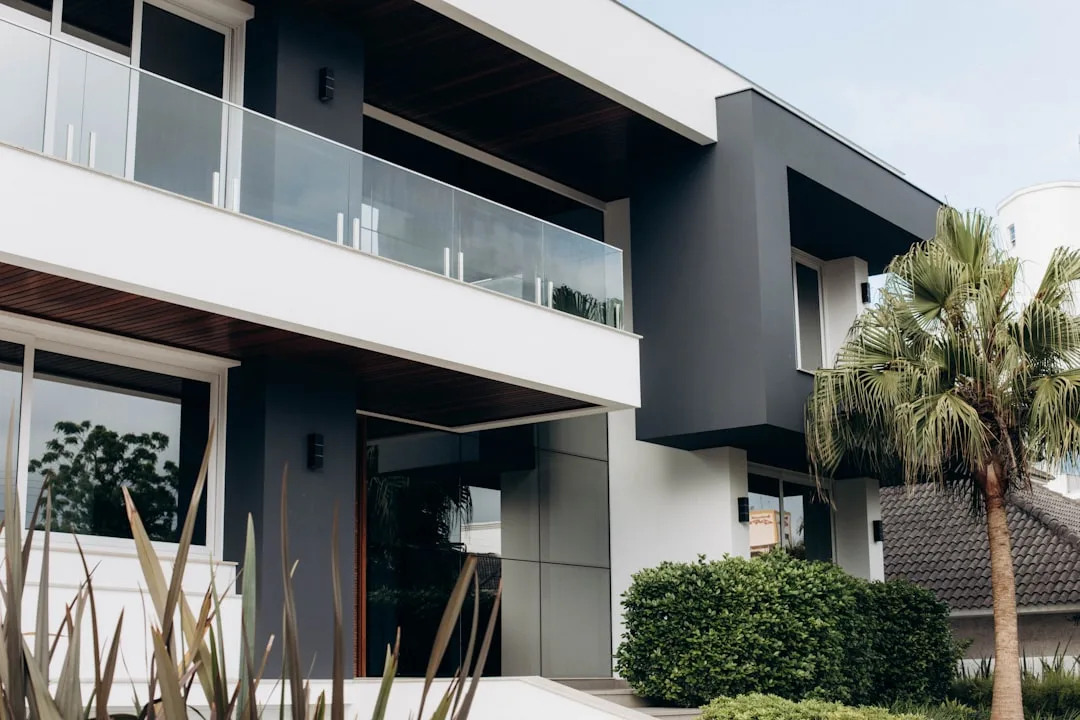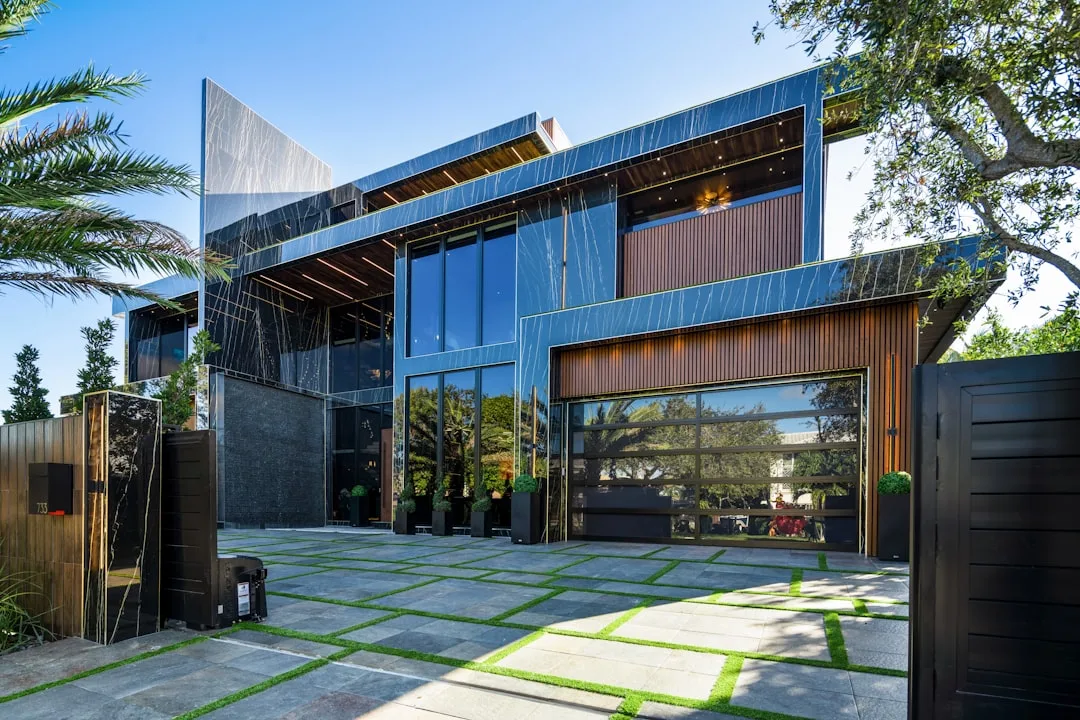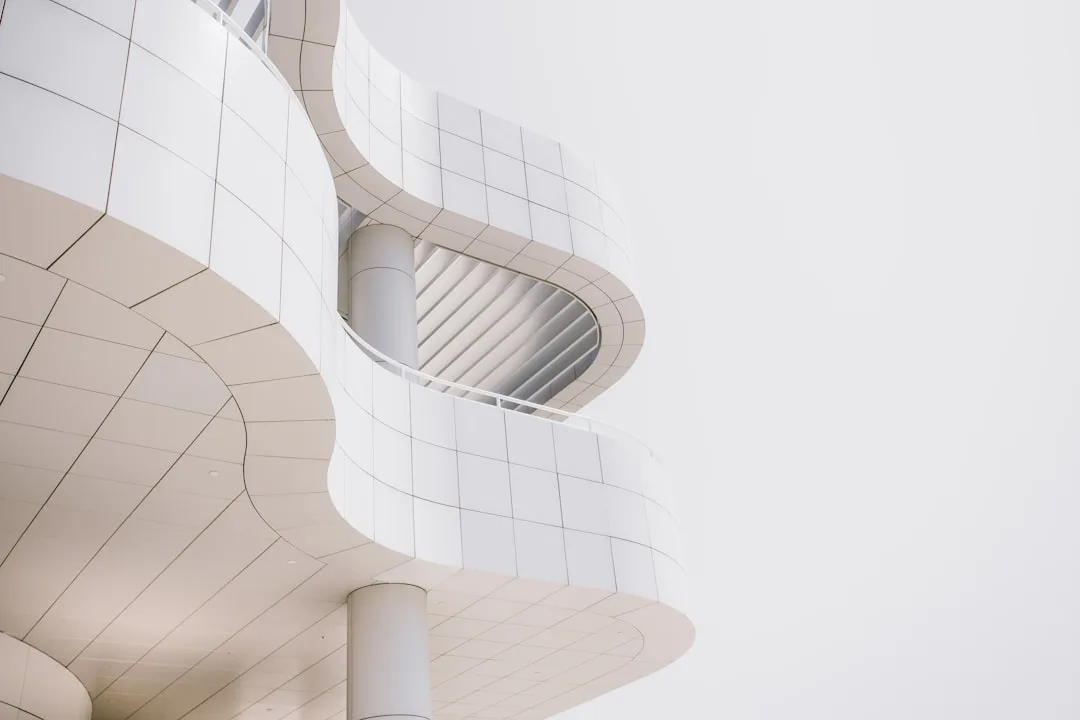
Monochromatic color blocking—layering multiple tonal depths of a single hue across facade zones—has jumped 340% in architectural specification since January 2026, according to paint manufacturer reports from Sherwin-Williams and Benjamin Moore. Rather than using contrasting colors or flat single-tone finishes, designers are strategically blocking different saturation levels of one color family to create optical depth, shadow definition, and sculptural presence without chromatic complexity.
Depth Through Single-Hue Saturation Shifts
The core principle behind monochromatic color blocking is manipulating value—the lightness or darkness of a single color—to create spatial illusion and architectural interest. A facade might feature a base in 40% saturation beige, mid-section in 70% saturation taupe, and top zone in 20% saturation cream, generating visual planes that make flat surfaces read as dimensionally complex. This method works because the human eye perceives tonal shifts as dimensional depth, even when the color name remains identical across zones.
Benjamin Moore’s Heritage Collection includes products like “Accessible Beige” ($42–$65 per gallon, 5-gallon minimum) paired with “Balanced Beige” and “Barely Beige” specifically engineered for this blocking technique. Sherwin-Williams offers similar tonal families through their ProClassic Exterior line, with products like “Urbane Bronze” ($55–$78 per gallon) available in both premium and standard saturation formulations. Architects and contractors are applying these in 3–5 distinct zones per 40-foot facade section.
Quick Tips
- Order paint samples in all proposed saturation levels and apply 3×3-foot test sections under different lighting (morning, noon, dusk)—tonal shifts appear dramatically different by light angle.
- Plan color blocking zones to align with architectural features: roofline, window bands, material transitions—this anchors the blocking to structure rather than appearing arbitrary.
- Use matte or satin finishes for blocking: gloss surfaces flatten tonal perception by reflecting light uniformly, reducing the depth effect.
- Photograph completed blocking zones at golden hour (dusk)—this reveals whether shadow play is reading correctly and saturation hierarchy is visually obvious.
| Hue Family | Light Saturation (Top) | Deep Saturation (Base) |
|---|---|---|
| Warm Gray | Accessible Beige (Benjamin Moore) | Urbane Bronze (Sherwin-Williams) |
| Warm Taupe | Barely Beige (Benjamin Moore) | Balanced Beige + 15% tint |
| Cool Gray-Brown | Agreeable Gray (Sherwin-Williams) | Urbane Bronze + 20% base |
| Warm Olive | Wool Skein (Farrow & Ball) | Mizzle (Farrow & Ball) |
Material Transitions Amplify Blocking Effect
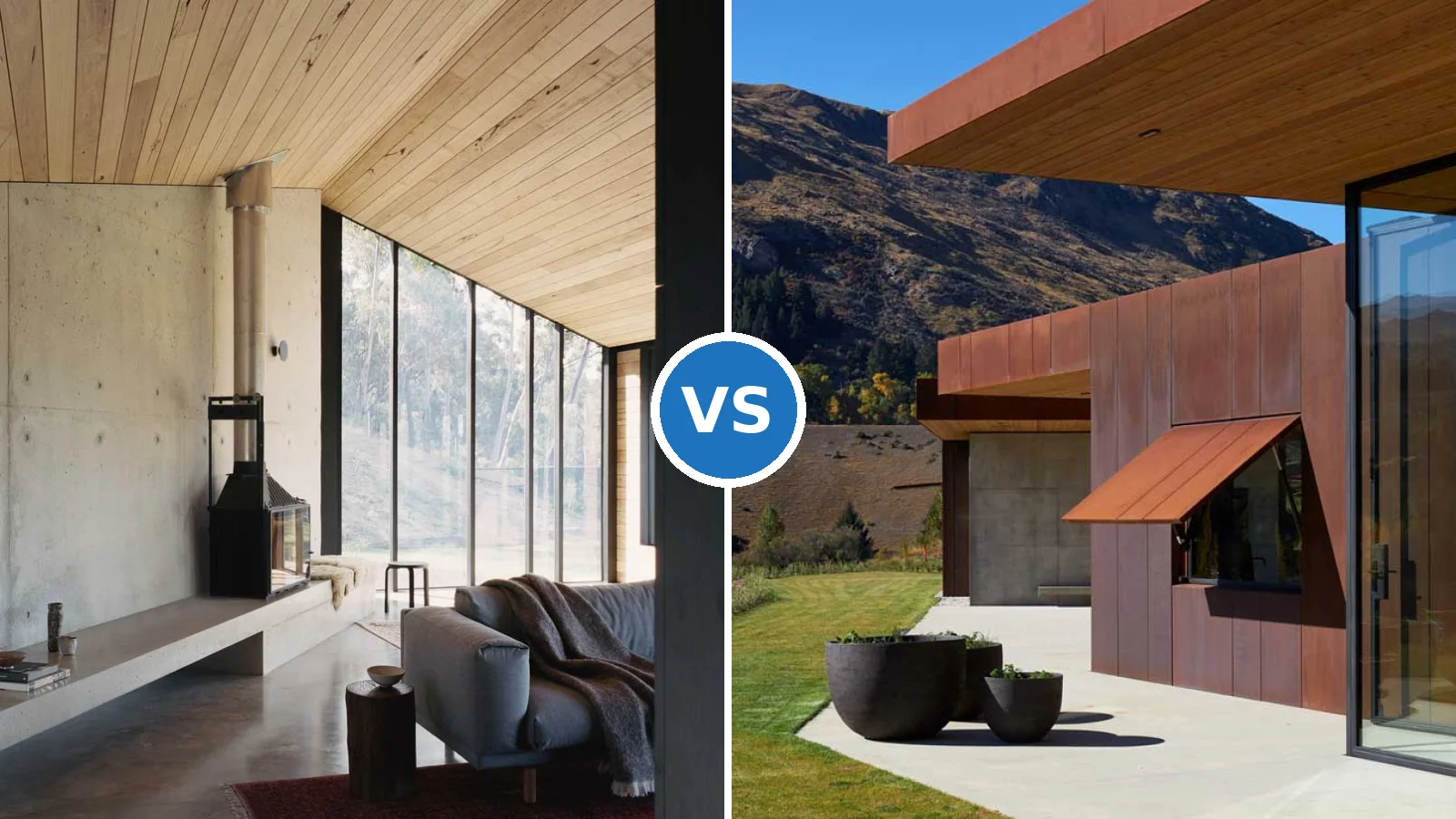
Monochromatic blocking performs most effectively when color zones align with material or texture shifts. A facade might pair cream-saturation stucco on upper sections with taupe-saturation limewash on lower zones—the textural difference between stucco and limewash amplifies the tonal blocking, making the color shift read as intentional architectural layering rather than paint variation. As detailed in our previous analysis of terracotta exterior wall cladding material, material choice directly influences color perception and saturation registration.
Farrow & Ball’s exterior paint ($85–$125 per 2.5-liter tin) is increasingly specified for monochromatic blocking because their pigment formulation maintains consistent undertone across saturation levels. Products like “Mizzle” (cool-neutral) and “Wool Skein” (warm-neutral) in their Modern Eggshell Exterior line preserve optical continuity even when lightened or deepened by 20–40%. This prevents the “different color” appearance that budget paints often exhibit when mixed to varying saturations.
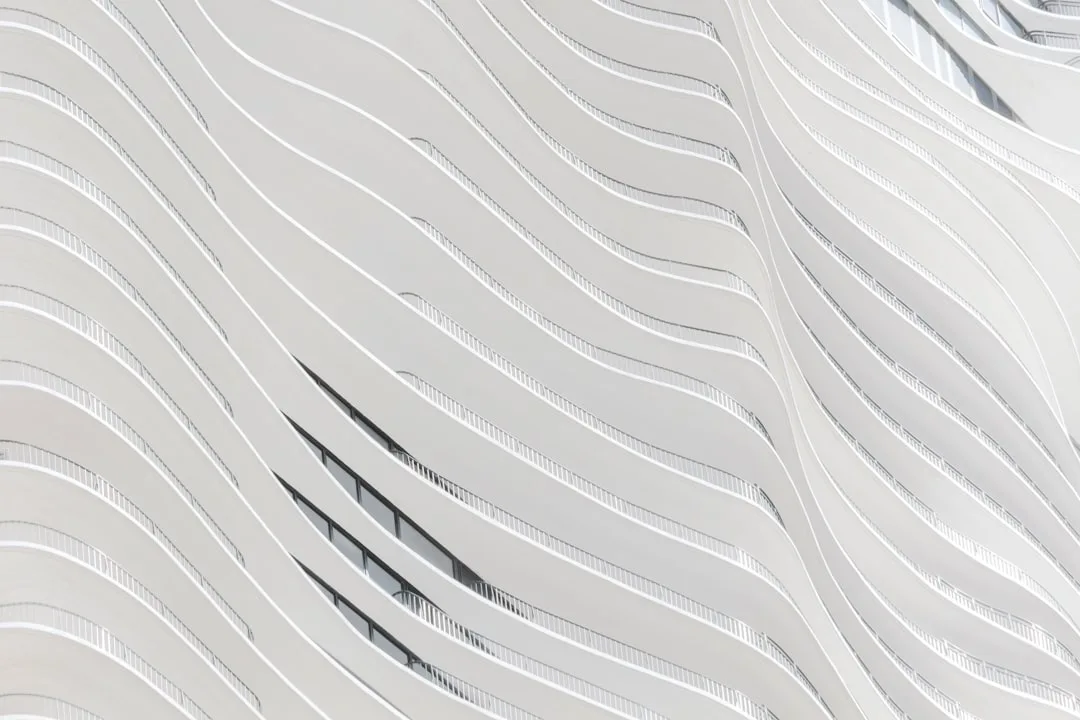
Geometric Precision Drives Installation Success
The success of monochromatic color blocking depends entirely on crisp delineation between zones. Professional installation uses laser levels, snap lines, and 2-inch painter’s tape applied with precision to create sharp transitions. A typical 3-zone facade block on a 40×50-foot wall might divide into 50-foot horizontal bands (top 15 feet, middle 20 feet, base 15 feet), or vertical sections aligned with window columns. Horizontal blocking typically feels more contemporary; vertical blocking reads more classical.
Installation cost runs $3.50–$7.50 per square foot for professional application (labor + materials combined), compared to $1.80–$3.20 for flat single-color application. A 2,000-square-foot facade costs approximately $7,000–$15,000 for monochromatic blocking versus $3,600–$6,400 for standard paint. The premium reflects tape removal precision, multiple paint cure cycles between zones (24 hours minimum between applications), and trim detail work around windows and doors.
Residential Applications and Market Adoption
Contemporary residential architecture—especially mid-century modern renovations and new construction in urban infill contexts—has embraced monochromatic blocking as a cost-effective alternative to expensive cladding material upgrades. Rather than installing new brick, metal, or stone cladding (running $25–$75 per square foot installed), property owners achieve similar dimensional and sculptural effects through strategic paint blocking. This explains the 340% specification jump across residential projects valued over $500,000 in major metro areas.
Real-world examples include the 2025–2026 renovation of brownstones in Brooklyn Heights, where contractors applied 3-zone monochromatic blocking to facades previously dominated by flat charcoal paint. The result reads as intentional contemporary reinterpretation rather than deterioration or inconsistency. Similar applications appeared in San Francisco’s Mission District lofts and Denver’s LoDo historic district, where preservation guidelines restrict cladding but permit exterior paint specification. For detailed guidance on coordinating blocking with adjacent materials, consult how to match stucco paint color for house facade with 50+ exterior ideas.
The trend reflects a broader shift away from color-contrast maximalism toward tonal sophistication and restraint. Monochromatic color blocking delivers visual complexity through technique rather than pigment diversity—a distinctly 2026 architectural philosophy that prioritizes understated depth over chromatic boldness.