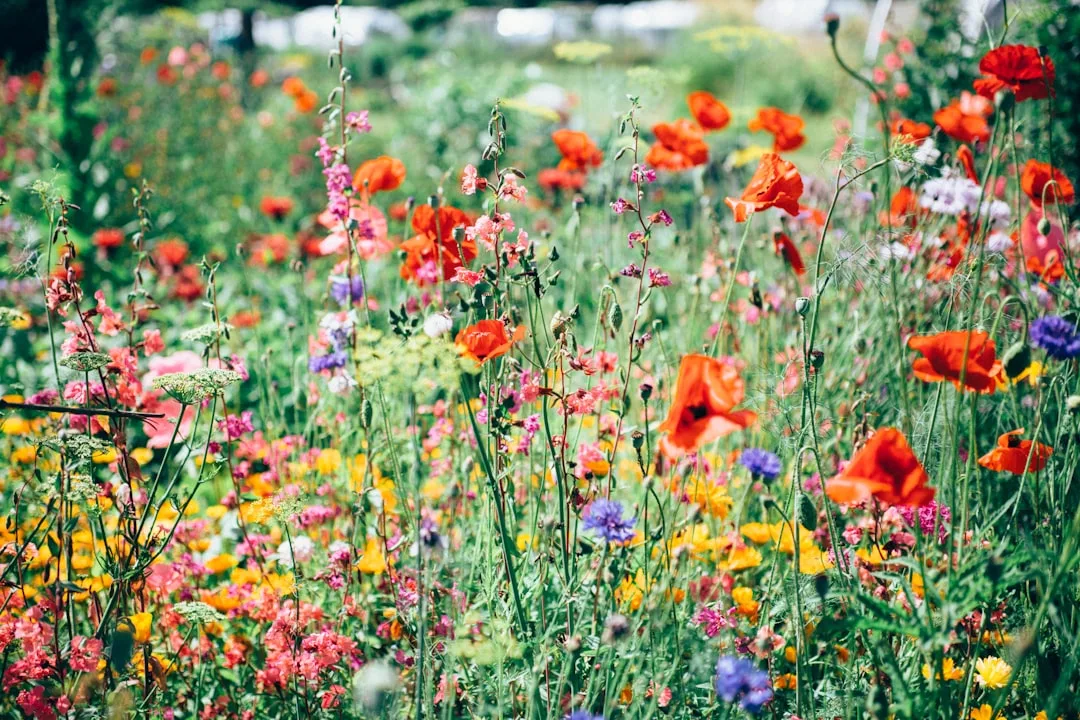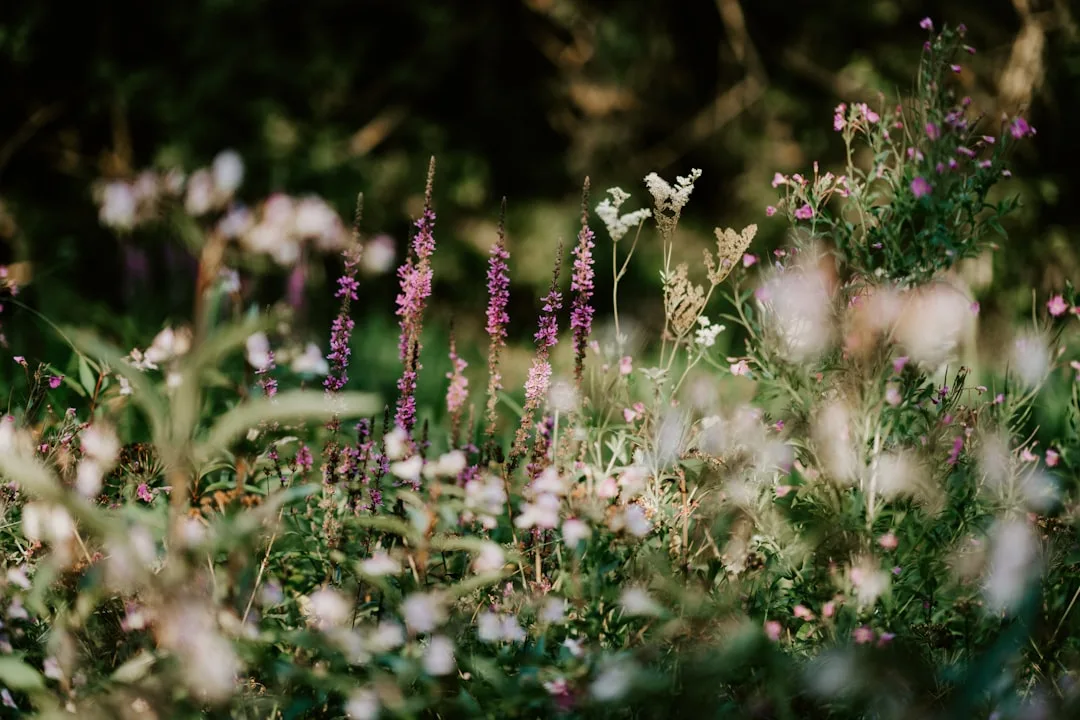
Walk through most American suburbs in June 2026, and you’ll spot the shift: mowed lawns giving way to wildflower meadows, ornamental exotics replaced by native shrubs that thrive without fussing. This isn’t nostalgia masquerading as design. Native plant gardens have become the fastest-growing residential landscaping category because they solve three problems simultaneously—water scarcity, ecosystem collapse, and maintenance burnout. Homeowners are no longer planting what Instagram tells them to plant. They’re planting what belongs.
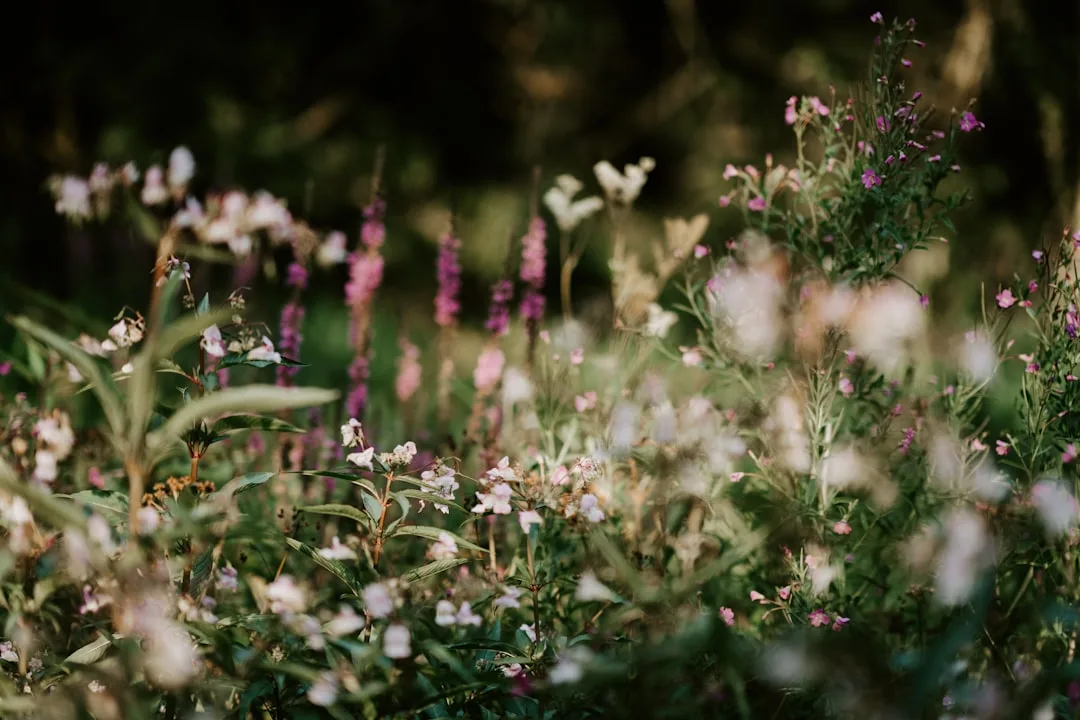
Native Flora Reduces Water Demand by 50 to 70 Percent
The economics are brutal and clear. Conventional ornamental gardens require 35,000 to 70,000 gallons of water per year for a quarter-acre lot in temperate zones. Native plant gardens of the same size typically consume 10,000 to 20,000 gallons annually—sometimes less depending on regional rainfall patterns. This matters urgently in 2026, when Western drought has destroyed conventional landscaping assumptions and water bills have climbed 18 percent nationally year-over-year.
Consider the native prairie garden design system from Prairie Moon Nursery (www.prairiemoon.com), which supplies seed mixes tailored to USDA hardiness zones at $45 to $120 per 500-square-foot kit. Once established in year two, these prairies need zero supplemental irrigation. Compare that to a hydrangea border demanding 1 inch of water weekly—$200+ annually in added water costs for a 100-square-foot installation. Over 10 years, that native conversion saves $2,000 in water alone, plus another $800 in reduced fertilizer and zero herbicide expense.
- Identify your native plant zone using USDA hardiness maps—don’t guess regional boundaries
- Start small (100–200 sq ft) in year one; expand once soil microbes establish
- Plant in fall or early spring for 18-month root establishment before summer stress
- Use native soil amendments (composted oak leaves, local topsoil) to match existing pH
- Accept the “ugly phase”—months 4–14 look sparse; this is normal
Regional Native Species Eliminate Chemical Dependency
Ornamental gardens depend on pest management because non-native plants lack the natural predator relationships that evolved with them. A Japanese maple in Ohio becomes a mite magnet. A hybrid rose in Texas invites black spot fungus. The remedy cycle—fungicides, insecticides, regular spraying—creates a chemical treadmill. Native plants flip this equation.
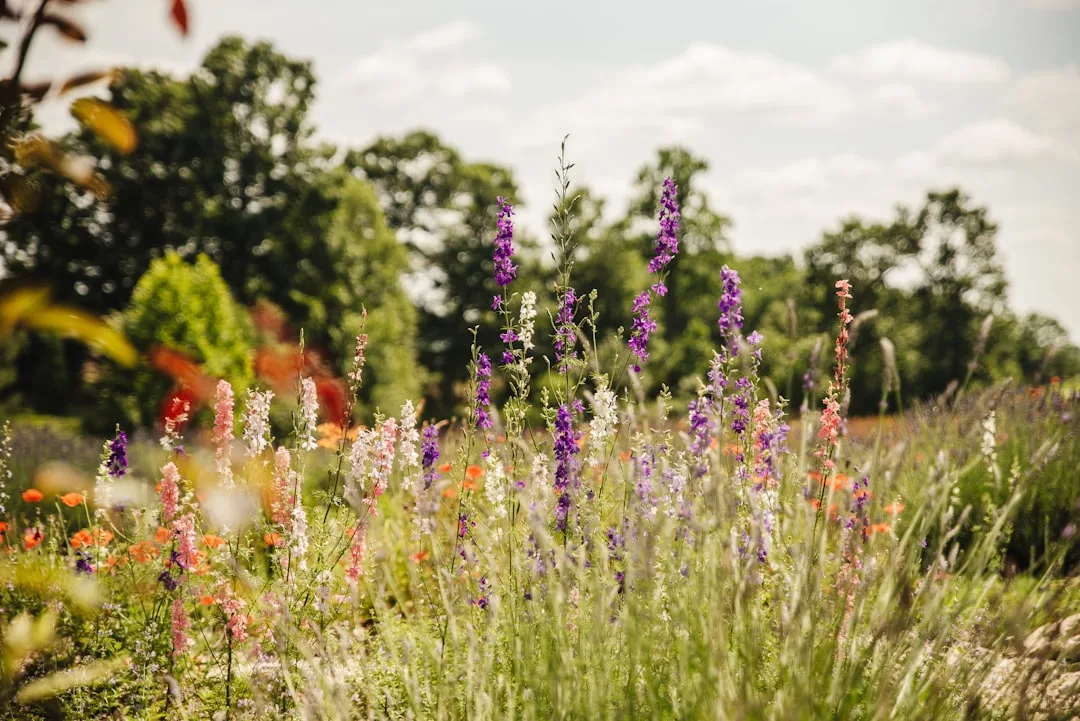
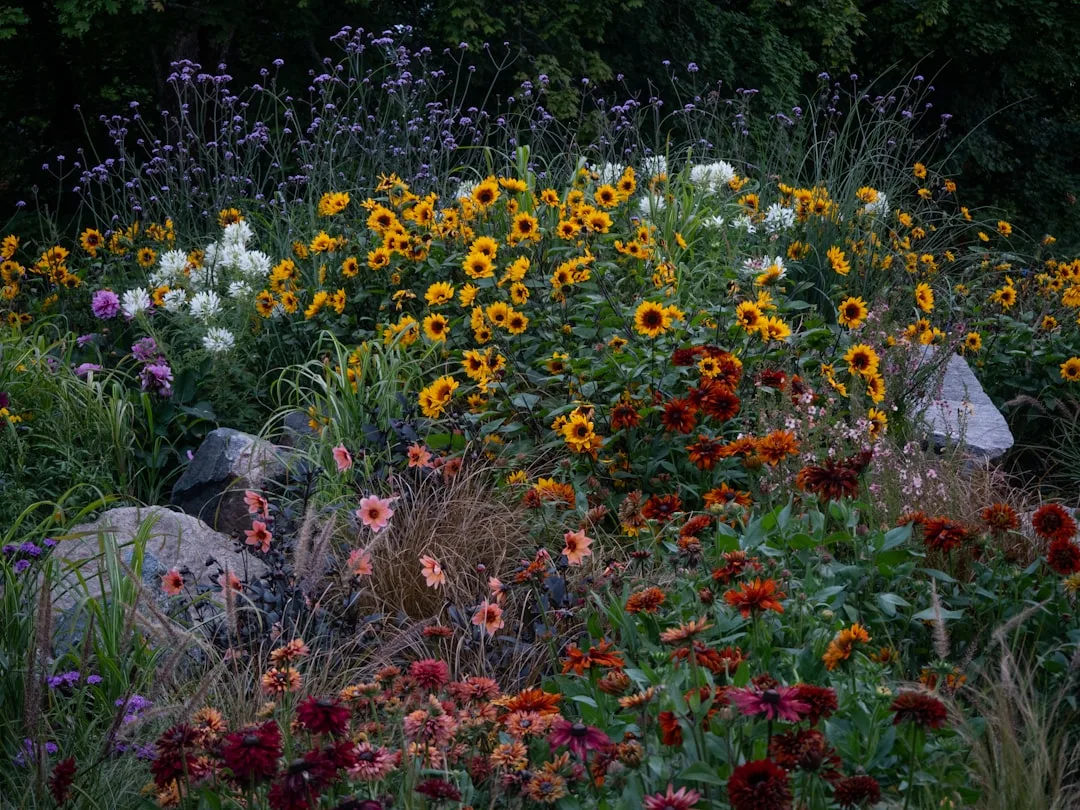
The Audubon Native Plant Database (audubon.org) catalogs over 4,000 native species across North America, each paired with the specific insects, birds, and beneficial fungi that depend on them. A native black-eyed Susan (*Rudbeckia hirta*) in Maryland attracts Monarch butterfly larvae, native bees, and goldfinches. It asks nothing from you except soil drainage. Monarda (bee balm) native to the eastern U.S. propagates itself, hosts 30+ native bee species, and costs $8–$15 per starter plant from Woodland Natives (www.woodlandnatives.com). One plant replaces three years of pest-control spending.
This explains why ecological landscaping firms like Cornerstone Ecological Landscaping (based in California, typical project cost $15,000–$45,000) now book 6+ months out. Homeowners calculate the cumulative cost of maintenance contracts and chemicals, realize native gardens cost 40 percent less to manage, and convert.
Design Layering Transforms Garden Structure Into Biodiversity
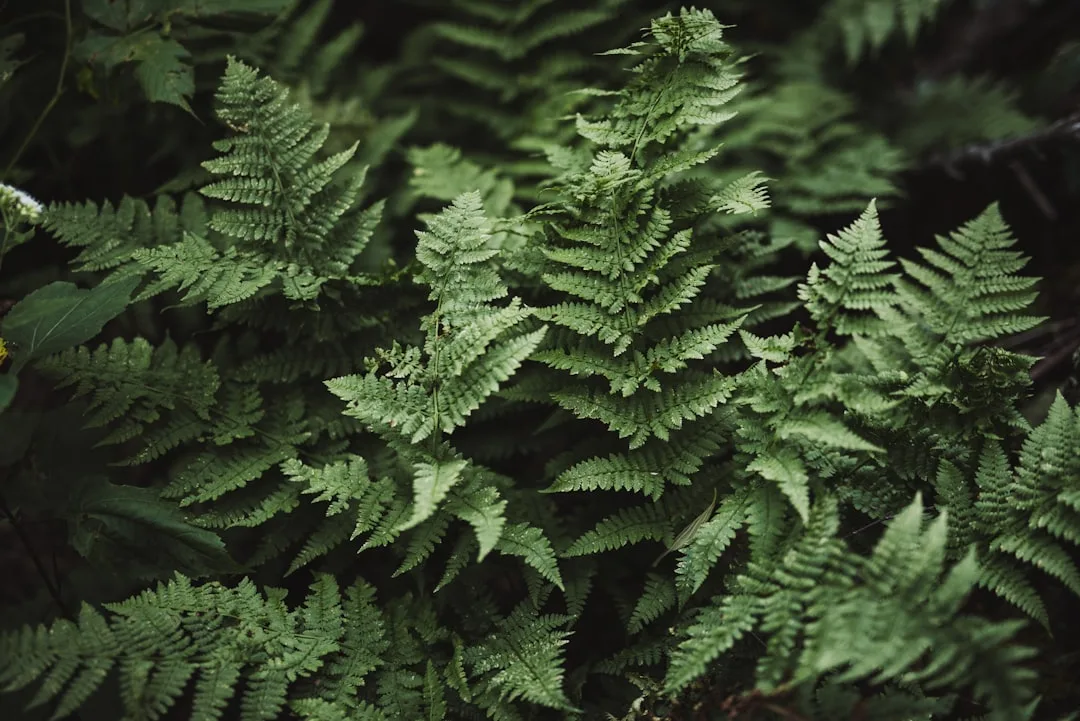
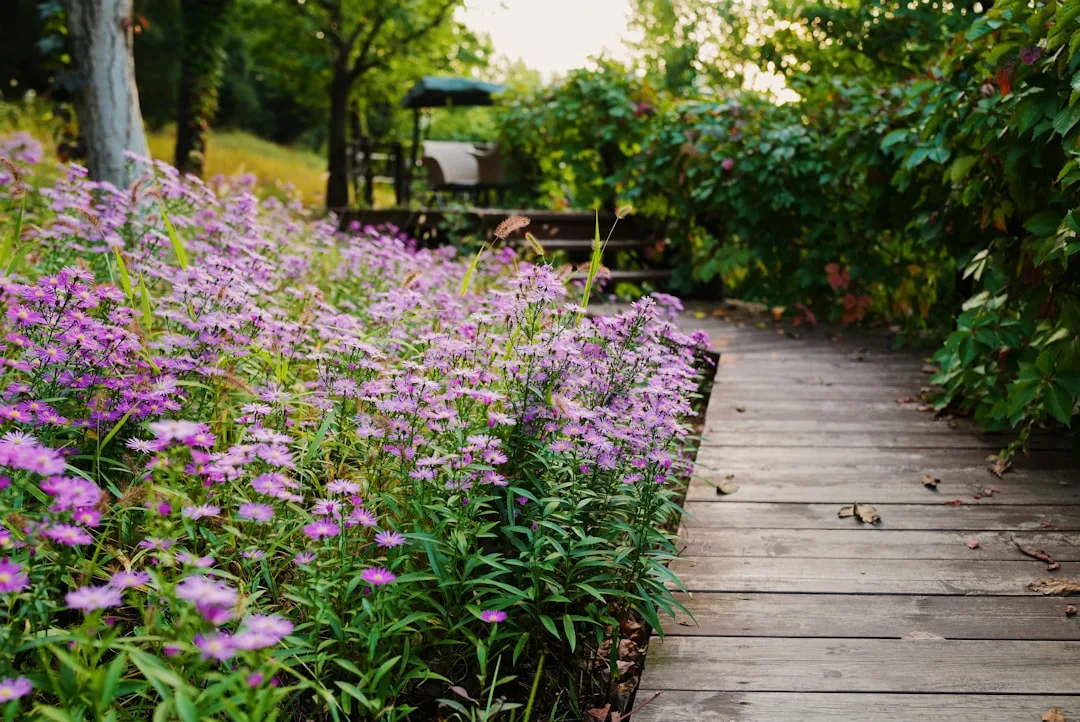
Native plant gardens succeed because they’re designed in ecological layers, not plant lists. A mature native garden includes canopy trees (oaks, maples), understory shrubs (serviceberry, ninebark), perennials (coneflowers, black-eyed Susans), and ground covers (sedges, asters)—each tier creating microhabitats that non-layered ornamental beds cannot replicate.
The Nearctic Garden model, detailed across ArtFasad’s vertical wall gardening design ideas, demonstrates how even small urban spaces can implement this layering. A 200-square-foot corner can hold a serviceberry (8–12 feet, $35–$60), three native shrubs ($20–$40 each), and eight perennials ($8–$15 each). Year-one installation cost: roughly $300. Year-two growth creates a pollinator corridor that competitors’ ornamental gardens cannot match.
The Hidden Cost of Starting Wrong: Why Garden Failure Happens Fast
The most common failure in native plant conversion occurs when homeowners treat native gardens as simplified ornamental gardens—buying a few native species, planting them in manicured rows, and expecting instant landscape impact. They fail within 18 months. Here’s why: native plants evolved to compete and coexist in community structure. They’re weak in isolation. A single coneflower surrounded by bare mulch looks anemic and dies to root rot from overwatering.
Proper native planting requires density—4–6 plants per 10 square feet in perennial beds, close spacing that feels overcrowded in month one but creates self-supporting ecosystem by month 14. If you plant at standard ornamental spacing (2 plants per 10 sq ft), expect failure rates above 40 percent within two seasons. Overwatering is the execution killer. Native plants are drought-adapted; weekly irrigation during establishment triggers fungal diseases that ornamental plants survive. Beginner gardeners water like they’re maintaining hybrid roses—and watch their $800 native garden rot in July.
The solution: follow regional guides from native plant societies (North Carolina Native Plant Society, California Native Plant Society, etc.) that specify density, soil amendments, and watering schedules. Expect the “establishment year” to look messy. Expect sparse growth. If you cannot tolerate a garden’s imperfect phase, buy ornamentals instead—native gardens demand patience, not money.
Native Gardens Become Outdoor Rooms in Expanded Courtyard Designs
By June 2026, native plant gardens are moving beyond perimeter plantings into functional spaces. The garden as outdoor room—a concept expanded in ArtFasad’s feature on modern garden ideas in narrow courtyards—now incorporates native flora as the room’s walls and atmosphere. A small courtyard (12×16 feet) planted with native shrubs creates natural screening, habitat, and seasonal interest without hardscape structures that consume budget.
A native plant courtyard renovation costs $4,500–$8,000 installed, versus $12,000–$18,000 for a hardscape-heavy design using pavers and built structures. The native version supports 30+ species of birds, insects, and small mammals by year two. The hardscape alternative supports concrete and echo. By autumn 2026, this calculation has reshaped landscape architecture completely.