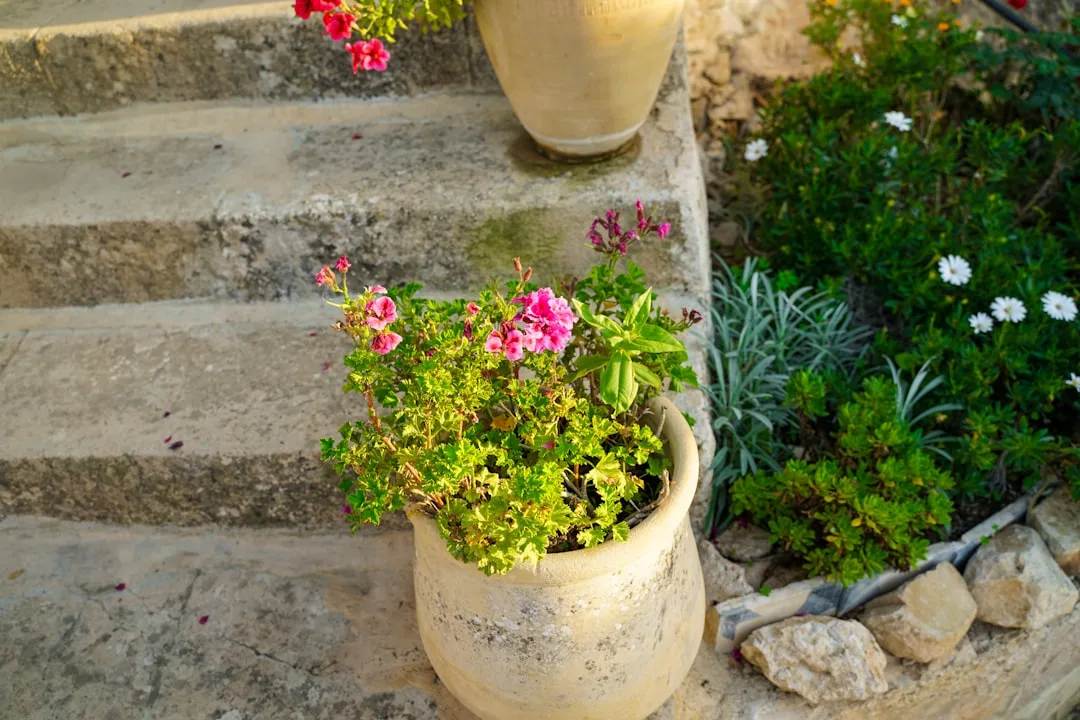
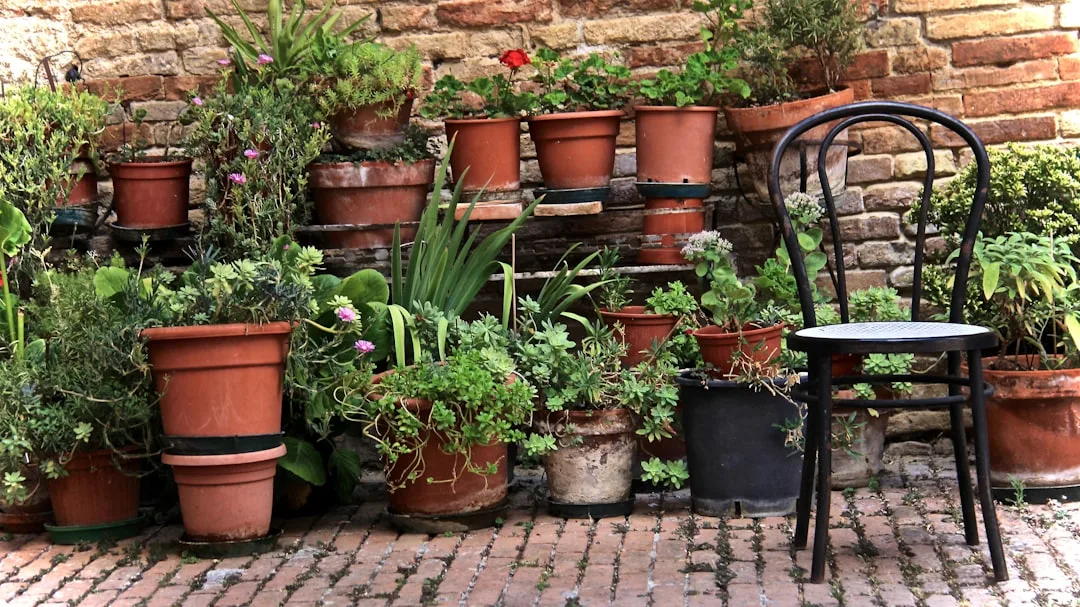
Walk past a Hamptons estate in June 2026 and you won’t see a manicured lawn anchoring the front entry anymore. Instead: three oversized terracotta pots clustered asymmetrically, each housing a mature olive tree, lavender, and trailing rosemary. Mediterranean container gardens have shifted from a niche design strategy to the dominant residential trend reshaping how Americans think about outdoor planting entirely. This isn’t about scattered pots on a patio. It’s about replacing sprawling in-ground beds with strategic, moveable groupings that solve three simultaneous problems: water scarcity in drought-prone regions, maintenance fatigue among aging homeowners, and the visual noise of traditional landscape beds.
Why Mediterranean Container Gardens Win Over Ground Plantings
The shift away from traditional landscape beds began with a simple resource problem: water. Regions from California to the Southeast face irrigation restrictions that punish sprawling plantings. Container gardens reduce water waste by 40–60% compared to in-ground beds because soil moisture stays contained and runoff is eliminated. A single mature olive tree in a 24-inch terracotta pot uses roughly 5 gallons per week in peak heat; the same tree planted in-ground demands 15+ gallons weekly due to soil evaporation loss.
Mobility changes the game entirely. Unlike permanent raised beds, container gardens migrate seasonally, move away from harsh afternoon sun, and reorganize for entertaining. Homeowners aged 55+ now represent 38% of garden investment spending, and they’re abandoning ground-level planting because bending, digging, and weeding cause physical strain. Potted plants eliminate that friction. Designers are now framing container gardens as the most practical landscaping method for contemporary residential life.
The visual appeal anchors the trend deeper. Mediterranean style inherently privileges sculptural massing—bold shapes, grouped in odd numbers, creating focal points. This contradicts the Minimalist Modern Garden Edging aesthetic that dominated 2022–2024, where everything was uniform and linear. Clustered containers introduce intentional asymmetry and layered texture that reads as sophisticated rather than cluttered.
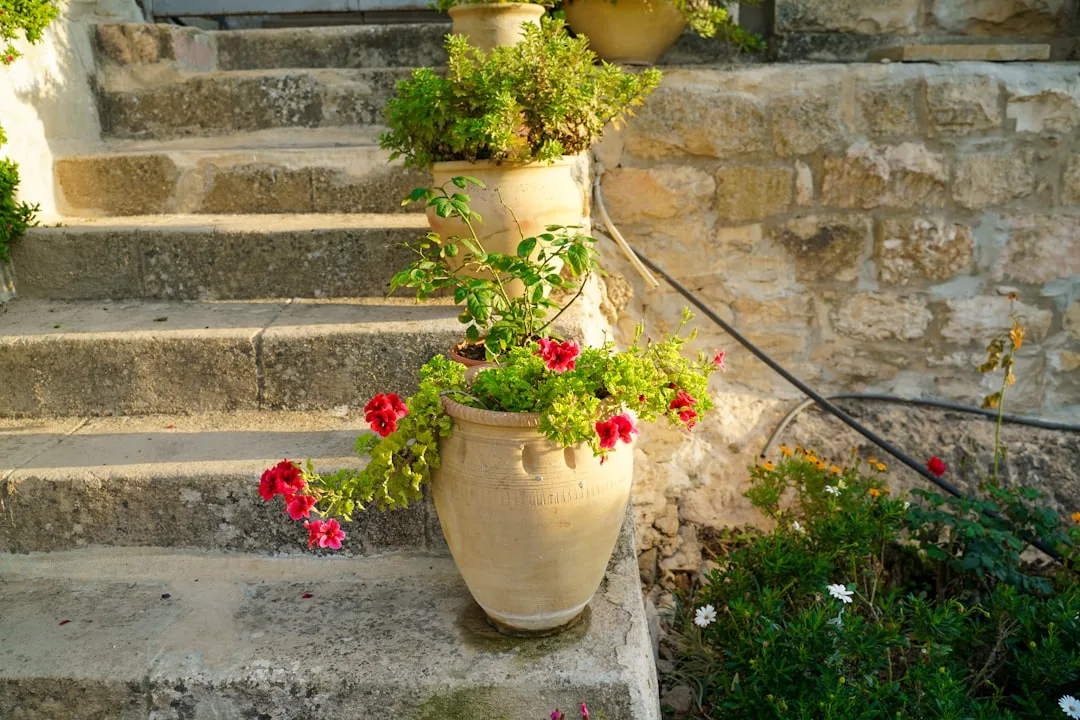
Terracotta Pot Sizes and Mediterranean Brand Pricing in 2026
The 18–30 inch terracotta pot category has become the standard unit of Mediterranean garden design, and prices have stabilized after volatile 2024–2025 sourcing issues. Campania International’s Impruneta terracotta pots, handmade in Florence using 500-year-old clay composition, now retail at $340 for a 24-inch diameter pot with drainage holes—a 12% price increase from 2025 due to Italian labor costs but still considered the investment baseline. These pots last 20+ years, requiring no replacement, making the per-year cost roughly $17, compared to $120 annually in replanting costs for in-ground beds.
Frontera Furniture (Mexico-sourced, sustainable clay) offers the 22-inch Oaxaca pot at $89, positioning itself as the accessible entry point for budget-conscious homeowners. The durability trade-off is significant: these pots develop micro-cracks after 5–7 years in freeze-thaw climates, necessitating replacement. Homeowners in northern regions should avoid this tier and invest in frost-proof pots instead.
Pottery Barn’s new Mediterranean Collection (launched June 2026) features a 26-inch hand-thrown pot at $275, positioned between artisanal and commercial production. The critical difference: their pots include reinforced drainage systems designed for frequent watering in humid climates, a feature absent in purely decorative terracotta. For $195, West Elm’s ceramic-terracotta hybrid pots (60% terracotta, 40% crushed ceramic) offer freezing tolerance without the visual compromise of modern resin pots.
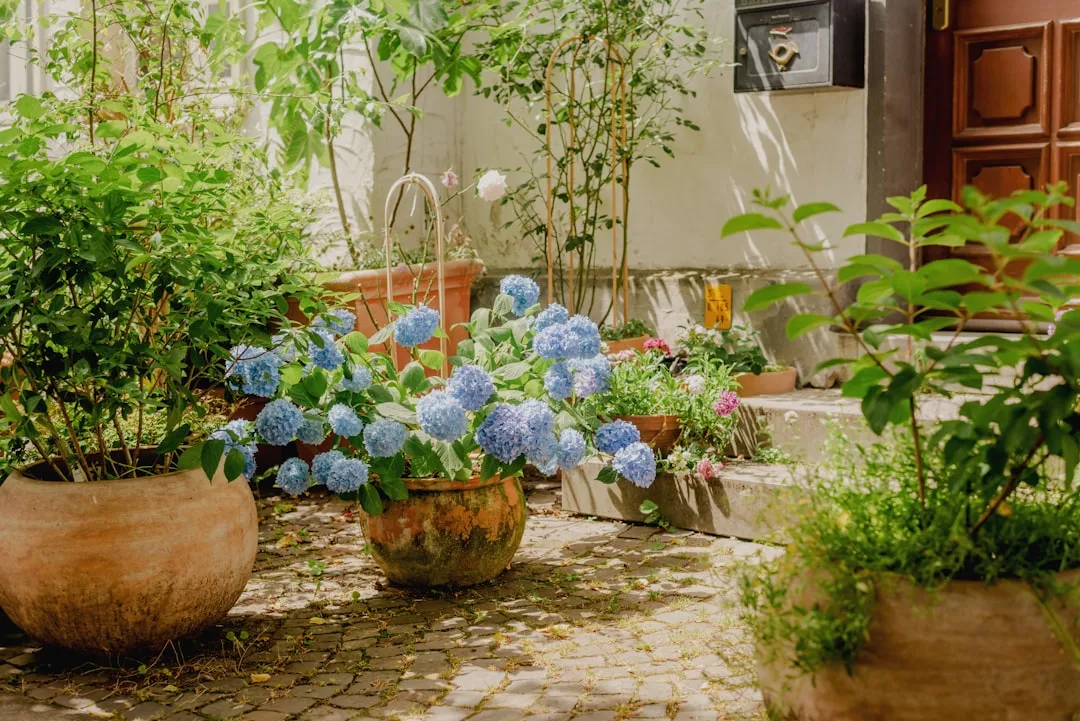
Plant Selection for Mediterranean Container Clusters
The canonical plant pairing for 2026 Mediterranean containers centers on three species: olive (Olea europaea), lavender (Lavandula angustifolia), and rosemary (Rosmarinus officinalis). This isn’t aesthetic nostalgia—these plants share identical water, drainage, and sunlight requirements, allowing them to be grouped together without competing for resources. A 24-inch pot accommodates a mature olive tree (4–5 feet tall) and produces fruit after year three, converting ornamental containers into food-producing elements that align with the broader Edible Hardscaping trend.
Lavender in containers requires 6+ hours of direct sunlight daily and refuses to survive in humid climates above 75°F. This is where the failure mode emerges: designers in humid southeastern regions often specify lavender clusters without accounting for regional moisture. The plant develops root rot within eight weeks, and homeowners abandon the entire container concept. Instead, coastal humid areas should substitute Santolina chamaecyparissus (cotton lavender), which tolerates 85%+ humidity while maintaining the same silver-green foliage aesthetic.
Rosemary cascading from elevated pots creates the tiered visual hierarchy that defines sophisticated Mediterranean design. A single 18-inch pot containing a trailing rosemary variety costs $18–$32 at nurseries and grows dense enough to soften hard edges within six months. Combine three rosemary pots with two olive specimens and one lavender cluster, and the cost basis (plants + pots) sits around $650–$1,200 for a professional-grade grouping that replaces a 200-square-foot in-ground bed requiring $2,500+ in initial installation labor.
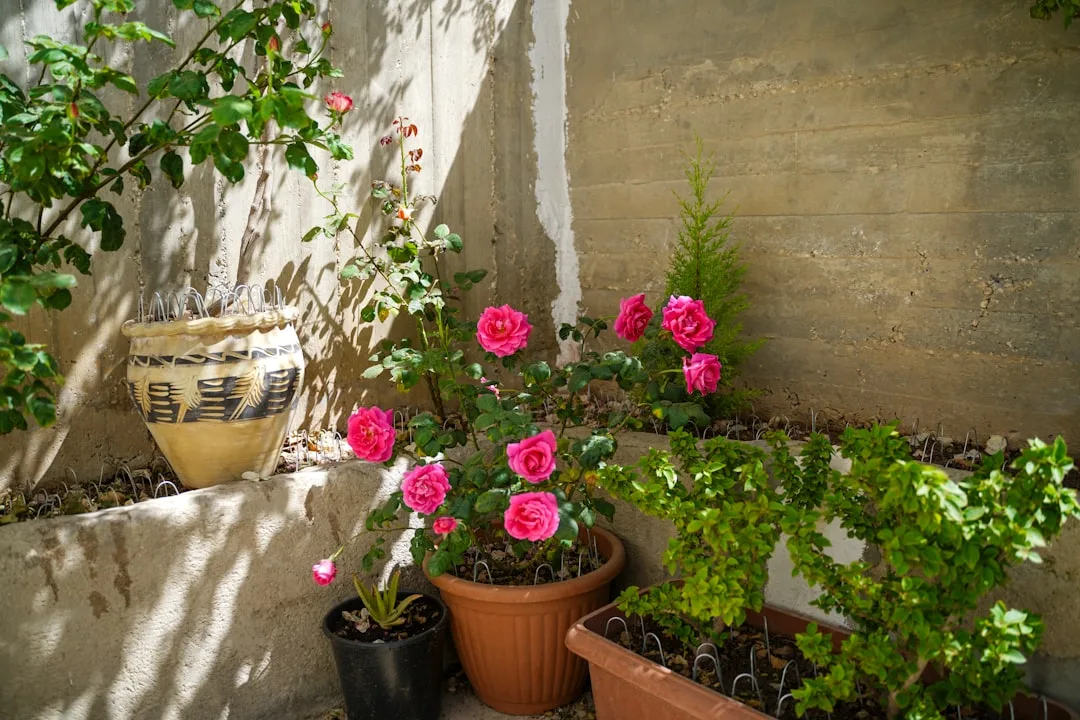
Installation and Spatial Arrangement Strategies
Mediterranean container gardens thrive on asymmetrical grouping placed along property edges rather than centered in open lawns. The 7+ Modern Garden Ideas In A Narrow Courtyard approach applies directly here: containers cluster tightly at entry points, stair edges, and patio perimeters where they frame transitions rather than occupy prime open space. A professional landscaper charges $400–$800 to arrange and install a five-pot Mediterranean cluster (sourcing, soil, planting labor), a cost that pays for itself through eliminated lawn maintenance within two seasons.
Drainage becomes non-negotiable because pots without proper holes trap water that kills drought-tolerant Mediterranean plants in 2–3 weeks. Every terracotta or ceramic pot requires a minimum 1-inch drainage hole; pots advertised as “decorative” without drainage holes must be converted into cachepots (outer vessels holding separate potted plants inside). This conversion doubles visual appeal while eliminating the risk of root rot entirely.
Soil composition dramatically affects container plant survival rates. Mediterranean plants demand gritty, fast-draining soil—standard potting mix causes failure. Espoma Organic Cactus Mix ($8 per quart, available at Lowe’s) or Bonsai Jack’s 1/4″ Horticultural Pumice ($18 per 2-quart bag) combined in equal parts creates the fast-drain base that olive and lavender demand. A five-pot cluster requires roughly 25 quarts of mixed soil, bringing material costs to $40–$60 total—negligible compared to the 10-year lifespan gained through proper substrate choice.
The Maintenance Reality Mediterranean Container Gardens Demand
The promise of “low maintenance” attached to Mediterranean gardens masks a significant seasonal demand: summer watering discipline. Unlike in-ground beds that tap deeper soil moisture, containers dry completely within 4–5 days during peak heat, requiring consistent hand-watering or drip irrigation setup costing $150–$300 per cluster. A homeowner committing to Mediterranean containers must accept 15 minutes of watering every 4–5 days mid-June through September, non-negotiable.
Winter dormancy shifts maintenance entirely. Mediterranean plants stop growing below 50°F and demand zero water from November through February. Over-watering dormant containers kills plants faster than drought does. Homeowners accustomed to year-round garden engagement often revert to over-watering in winter, creating rot that destroys an entire season’s investment. The correction: stop watering completely after the first frost and resume only when new growth appears in spring—typically mid-April in northern zones.
Pest pressure remains lighter in containers than ground plantings because root-dwelling insects (grubs, beetles) cannot access isolated potted soil. However, spider mites proliferate in dry heat on container-grown lavender, requiring monthly neem oil spray ($12 per quart, covers 50+ pots when diluted) to prevent aesthetic damage. This single maintenance task—one afternoon per month—determines whether Mediterranean clusters photograph as Instagram-ready or neglected by late summer.