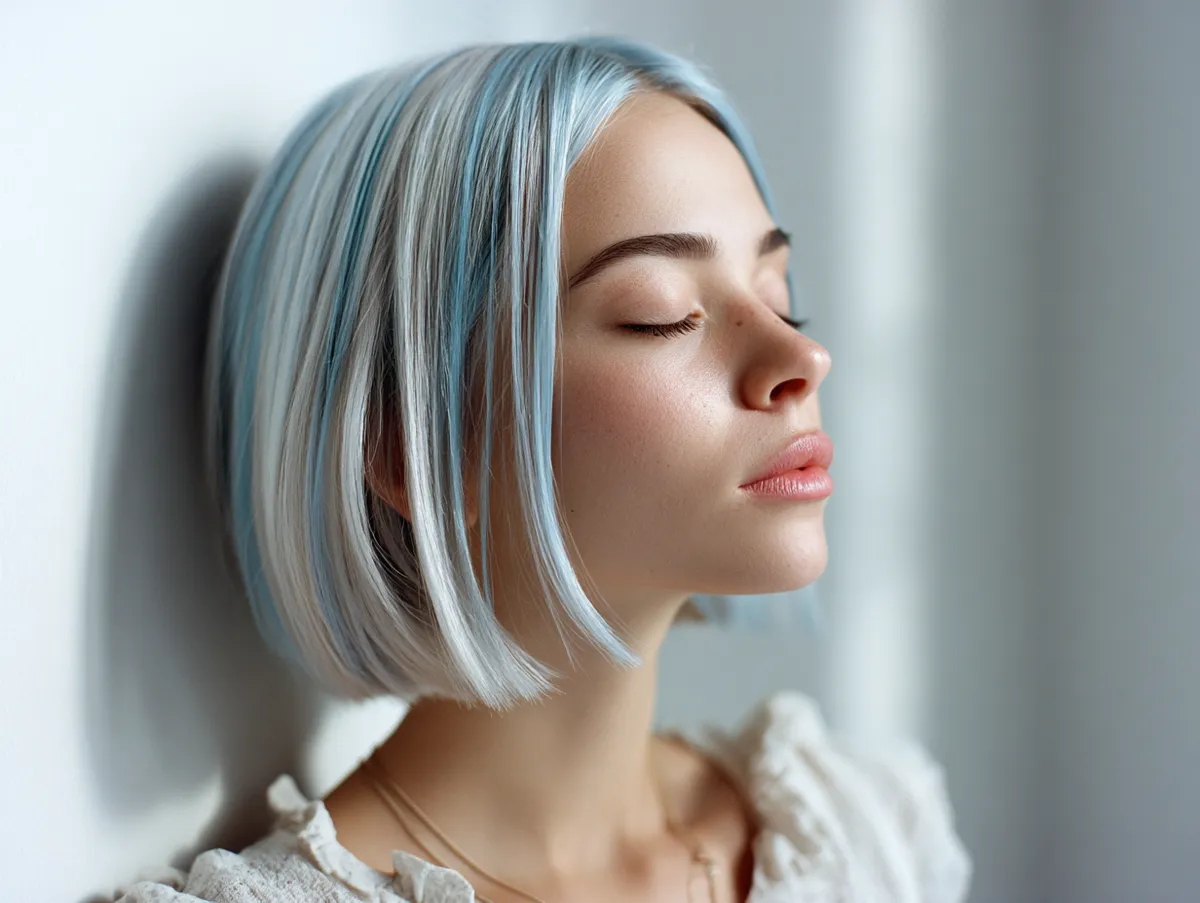
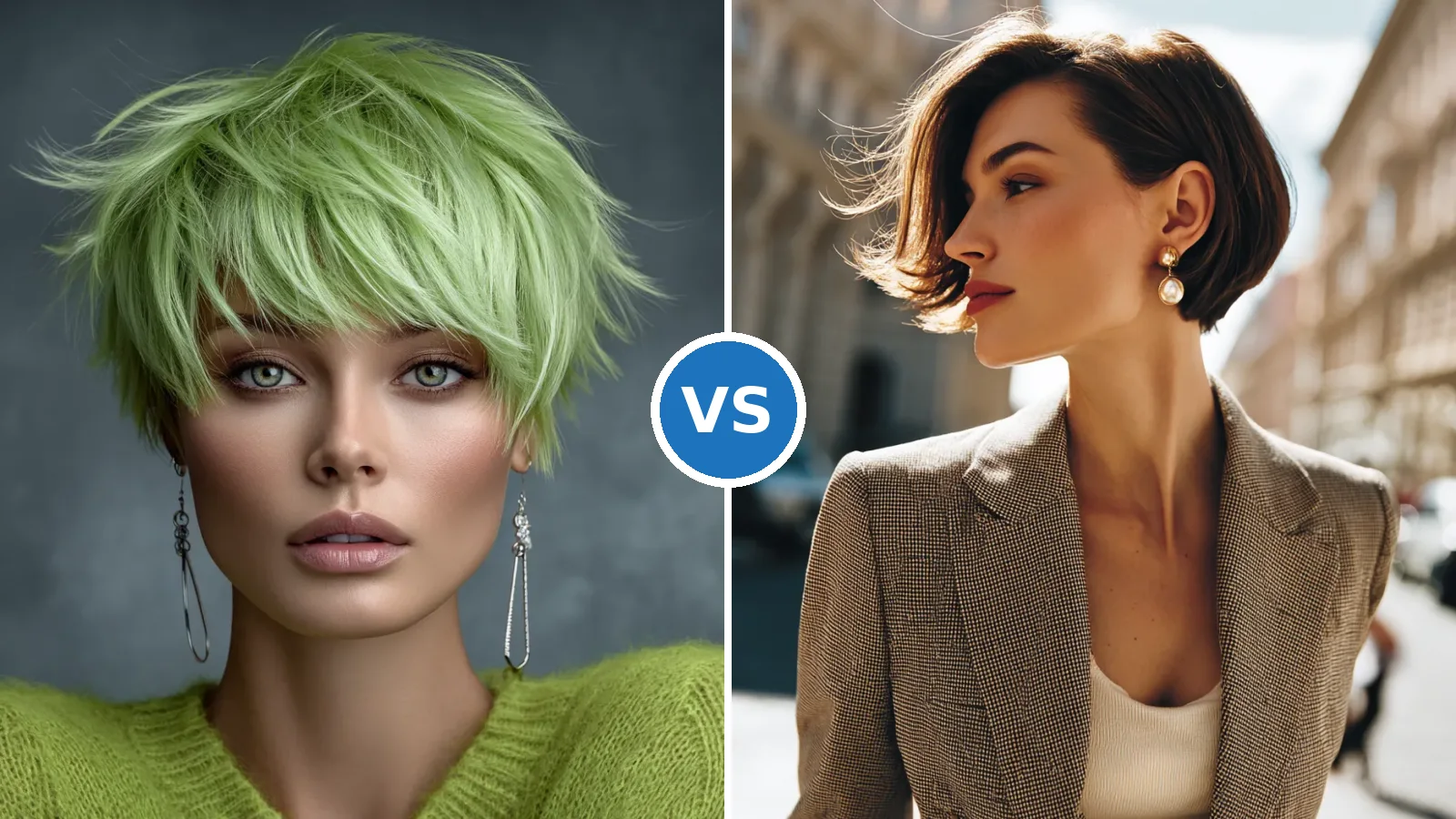
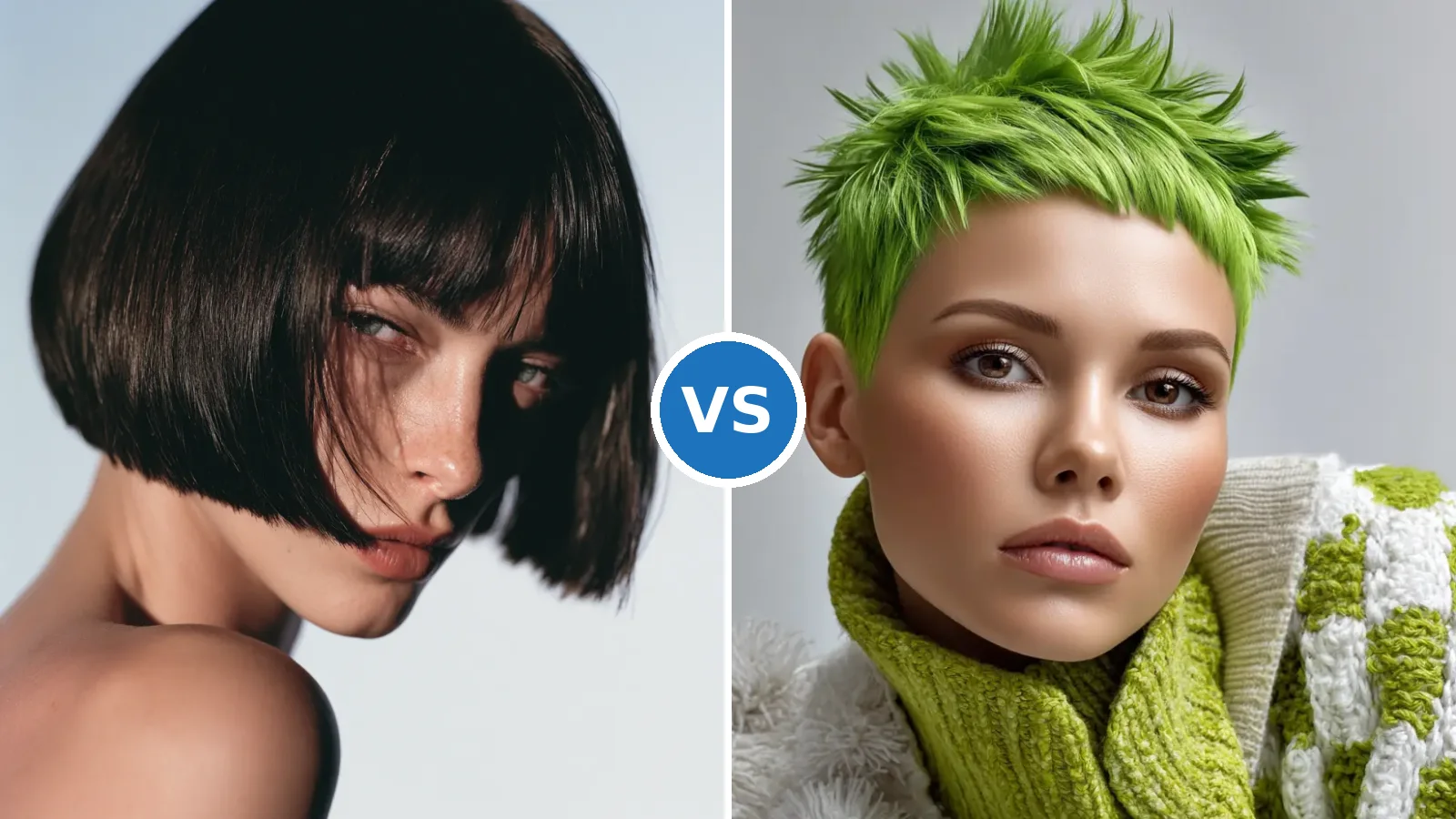
Short haircuts for wavy hair solve a problem most stylists won’t tell you about upfront: length is not your friend. The longer the cut, the heavier the wave, and the flatter the result. I’ve watched clients sit in my chair with waist-length hair and sad, elongated waves that looked nothing like their natural texture—and after taking off five inches, their hair came alive. A short haircut for wavy hair is not a compromise. It’s the move that finally lets your wave pattern do its actual job.
You’ll notice something else immediately: short wavy cuts photograph better. The wave compression at shorter lengths creates more defined bends, which means more dimension, more contrast, more life in every picture. That’s the kind of thing a pixie or a chin-length bob does that a mid-back cut simply cannot. These sections cover the three main directions you can take a short haircut for wavy hair—bold color, edge, and styling method—plus the honest answers to the questions I get asked most.
Quick Scan
🔴 Vibrant red waves — layered bobs that use color to deepen wave texture
🔵 Electric blue waves — cropped cuts where the shade amplifies natural curl shape
🩷 Pastel pink waves — soft-toned styles that make fine wavy hair look fuller
✂️ Edgy short wavy haircuts — pixie variations and undercut shapes
💧 How to style short wavy hair — products, diffuser method, and what to skip
🌊 Layered short haircuts for wavy hair — why internal layers matter more than the perimeter
Short Haircuts for Wavy Hair in Vibrant Red
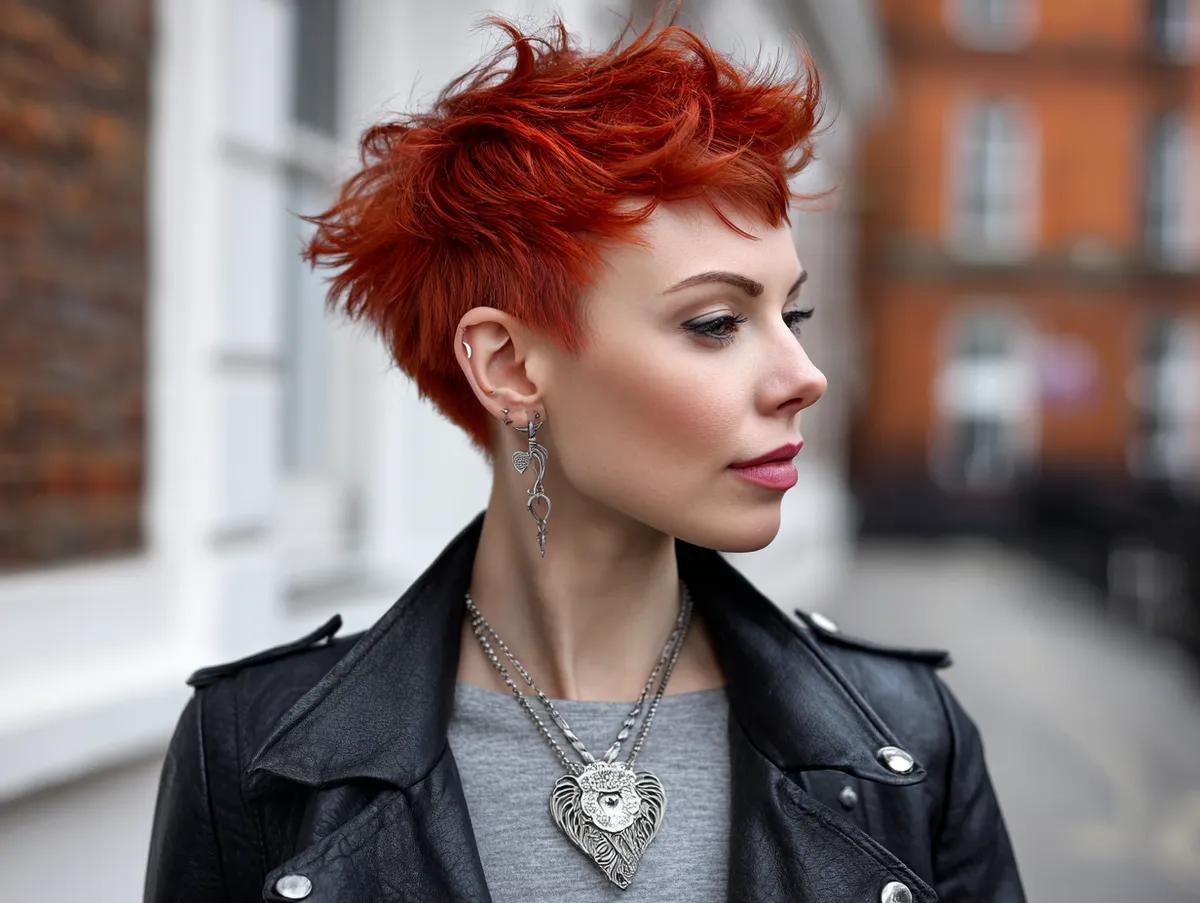
Red is the one color that makes a short haircut for wavy hair look intentional from 20 feet away. I’ve tried burgundy, auburn, and copper on short wavy bobs, and the result is always the same: people think you spent twice as long on your hair than you did. The color does the visual work. The wave does the texture work. Your morning routine stays at seven minutes.
The specific shade matters more than people realize. A fiery true red—think Wella Koleston Perfect 77/44—reads as electric under warm lighting and deepens to a sophisticated garnet in shade. A muted auburn in the same short wavy cut looks flat by comparison. Go vivid or go home. What doesn’t work: candy apple red on anyone with a warm complexion. It clashes with yellow undertones and makes the whole look feel costume-adjacent rather than fashion-forward.
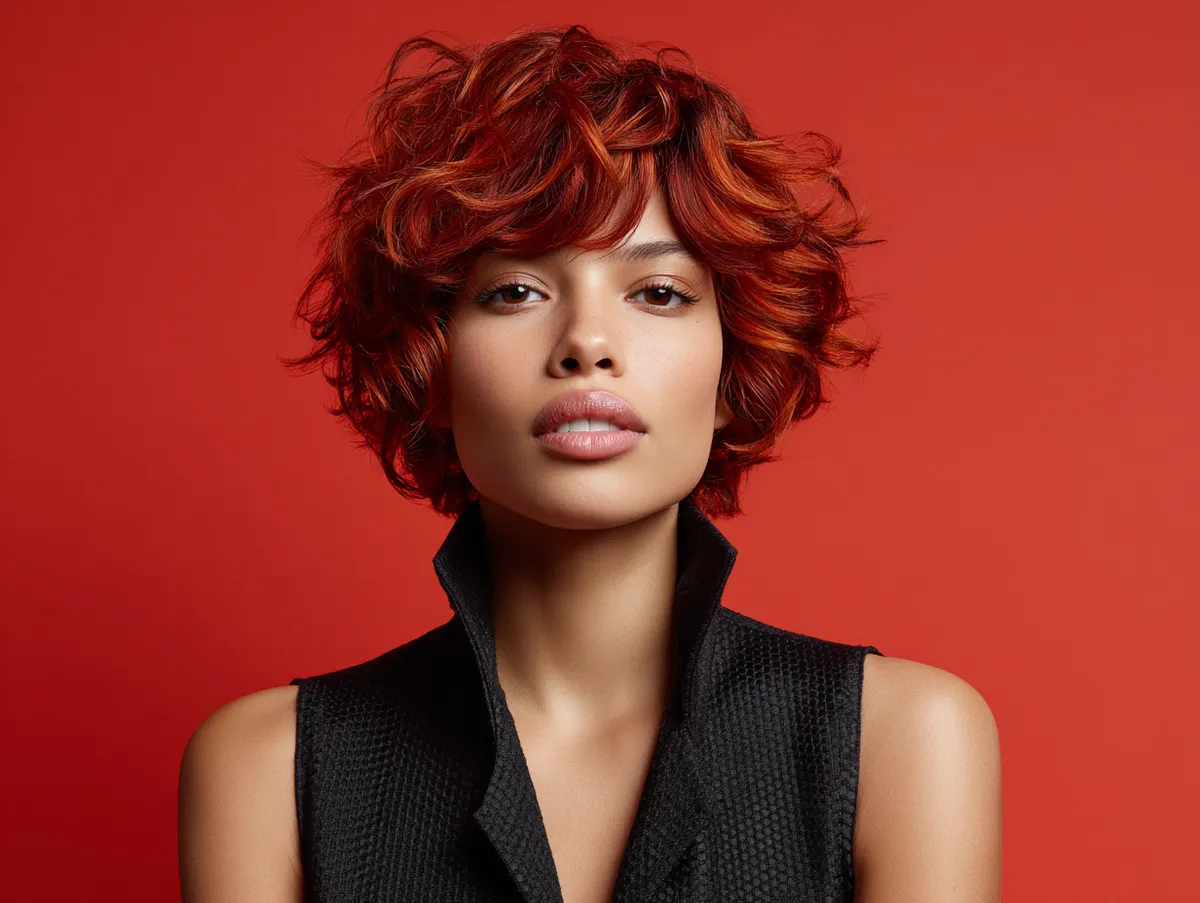
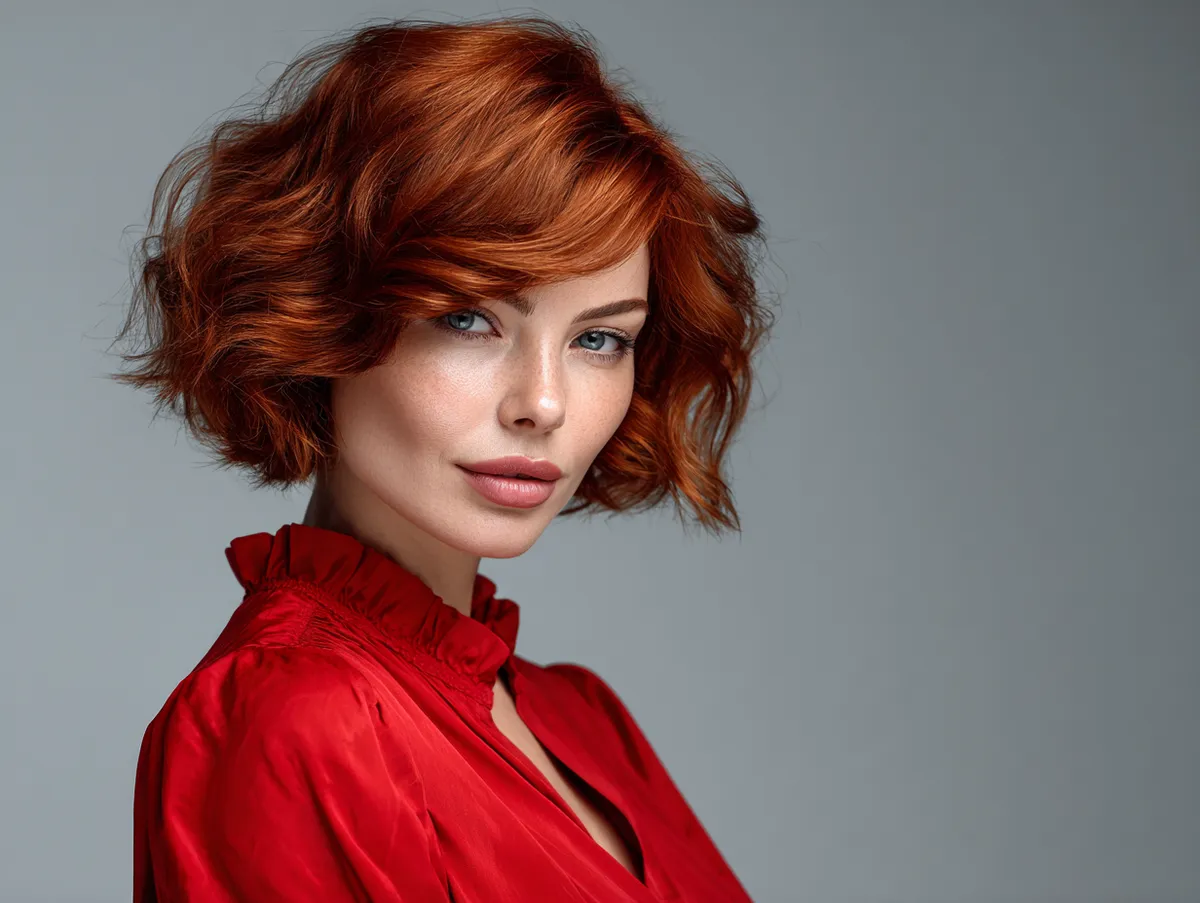
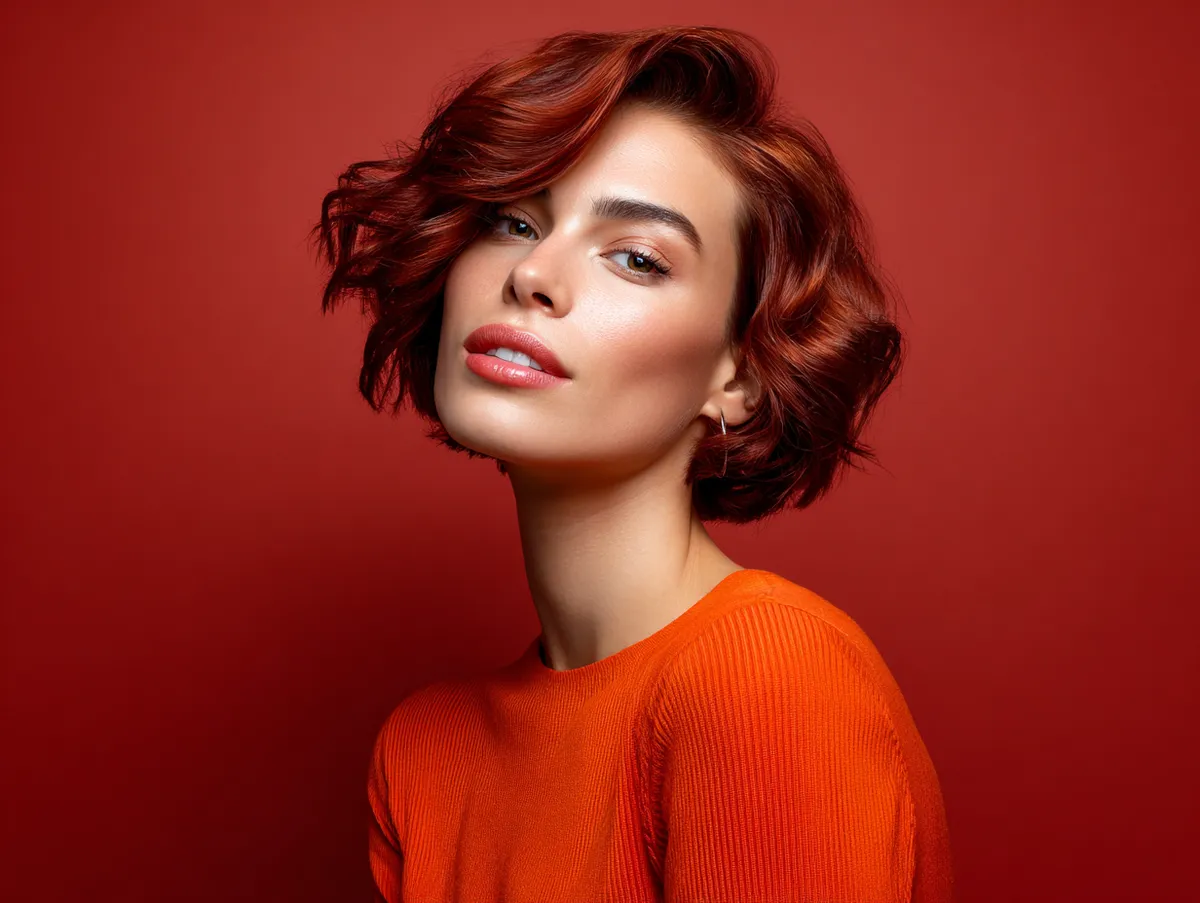
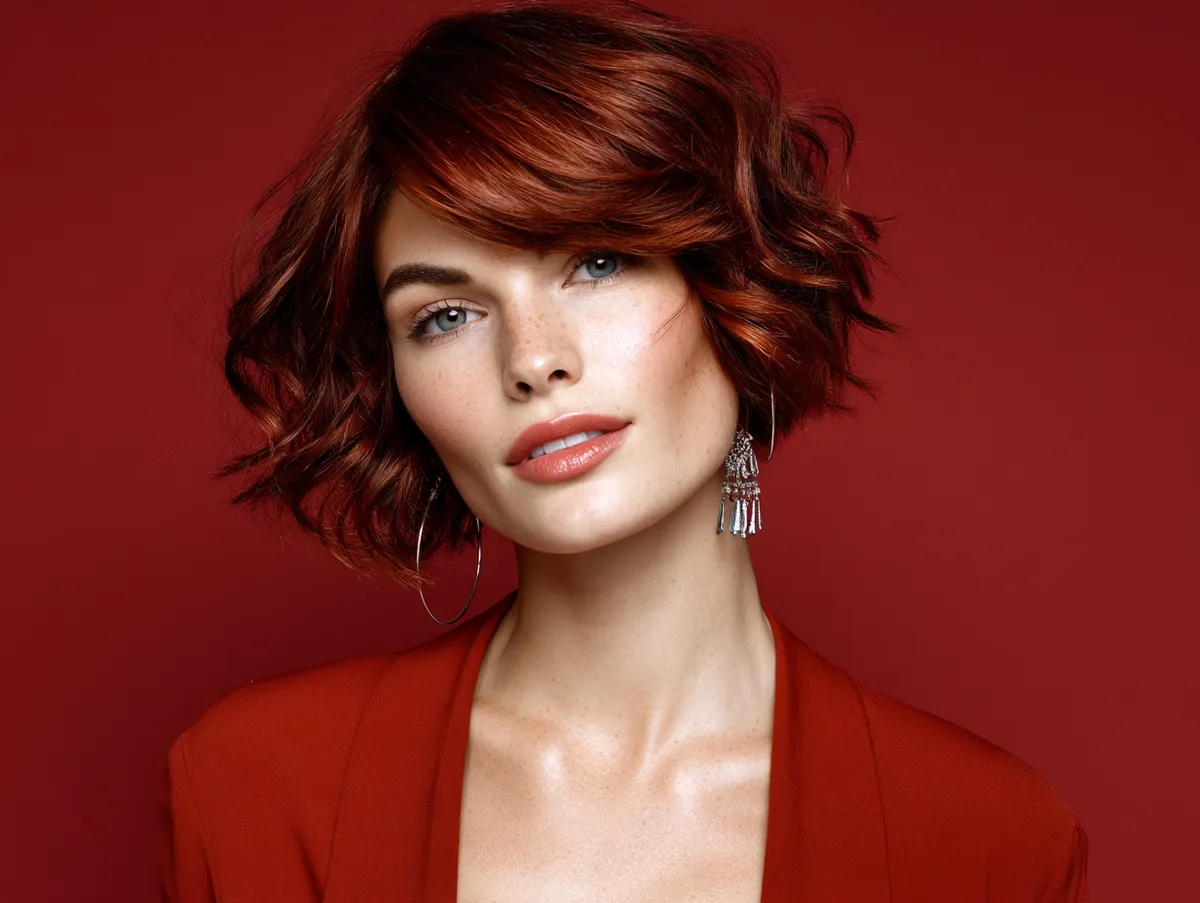
One practical note on maintenance: red pigment is the fastest to fade of all color families, and short wavy hair—because it requires more frequent washing than long hair—loses that vibrancy even faster. I budget $25 a month for a color-depositing shampoo. Overtone Vibrant Red ($29 for 8 oz) extends the life of the color by at least two weeks between salon visits. Skip it and you’re back to a washed-out copper within three weeks. That’s not a style. That’s a mistake growing out.
Layering is non-negotiable for this look. A blunt red bob on wavy hair creates a triangle silhouette by the end of the day—wide at the bottom, flat on top. Ask your stylist for internal layers that remove weight from the mid-shaft without shortening the perimeter. The wave then has room to bend rather than just sag. Check out these red short wavy hairstyle variations if you want to see how different cuts handle the same color across multiple lengths.
Short Wavy Hair in Electric Blue Reads Bolder Than You Think
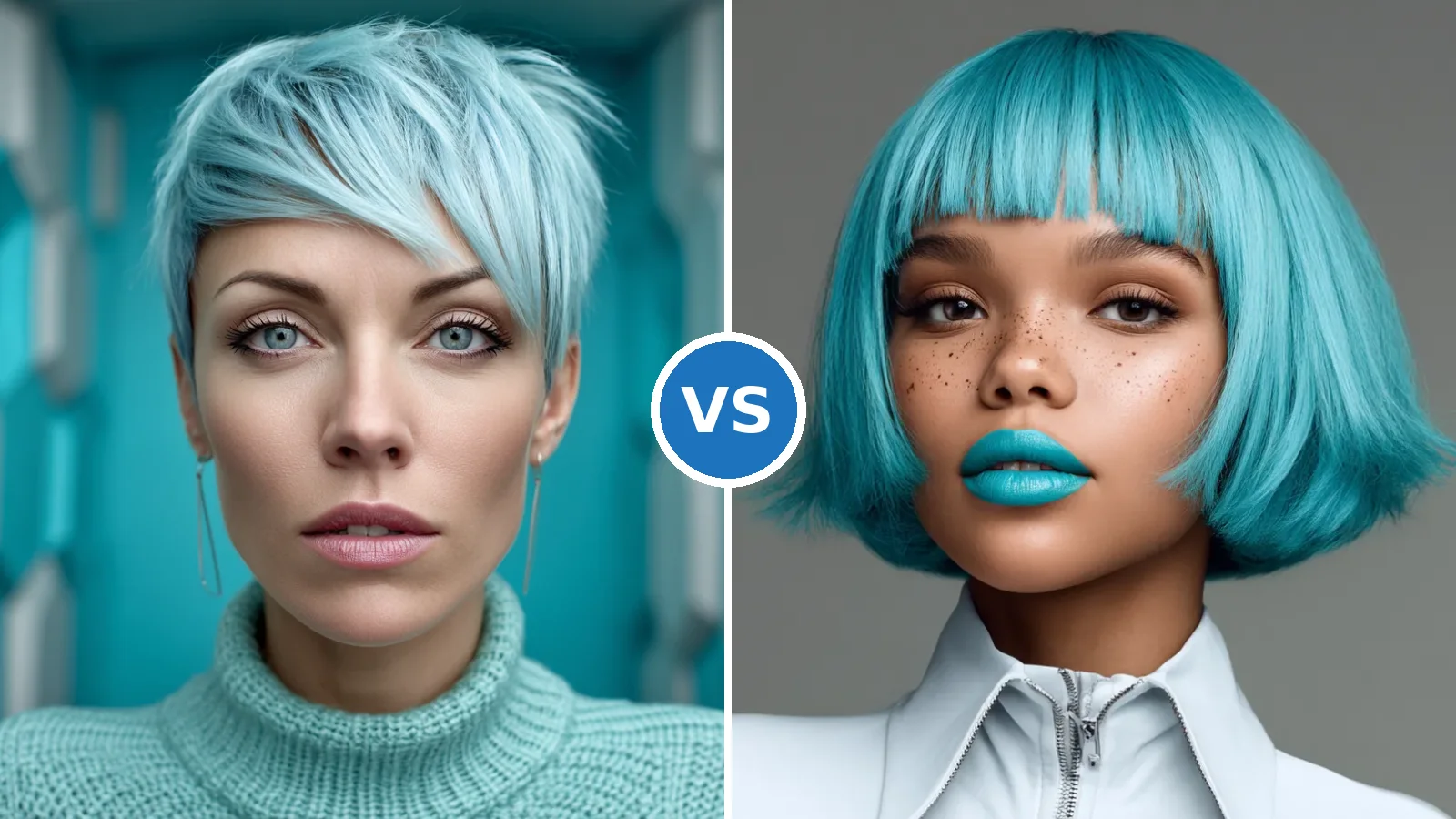
Electric blue on a short wavy haircut is the visual equivalent of turning up the volume on a track that was already good. The waves refract the blue differently depending on their angle—some sections catch cobalt, some catch teal, some catch almost navy. You get color variation without doing anything. Free dimension. That’s the reason I keep coming back to this combination for clients who want high impact with low upkeep.
Short length is the reason blue works here where it doesn’t always work on long hair. Long blue hair requires commitment: root upkeep every six weeks, toning every three, and a pre-lightening process that compromises hair integrity. Short wavy hair cycles through faster. You’re refreshing or changing the color every three to four months anyway as the cut grows out. That timeline aligns perfectly with how blue fades—from electric to soft powder blue to a faded denim tone that honestly looks good too.
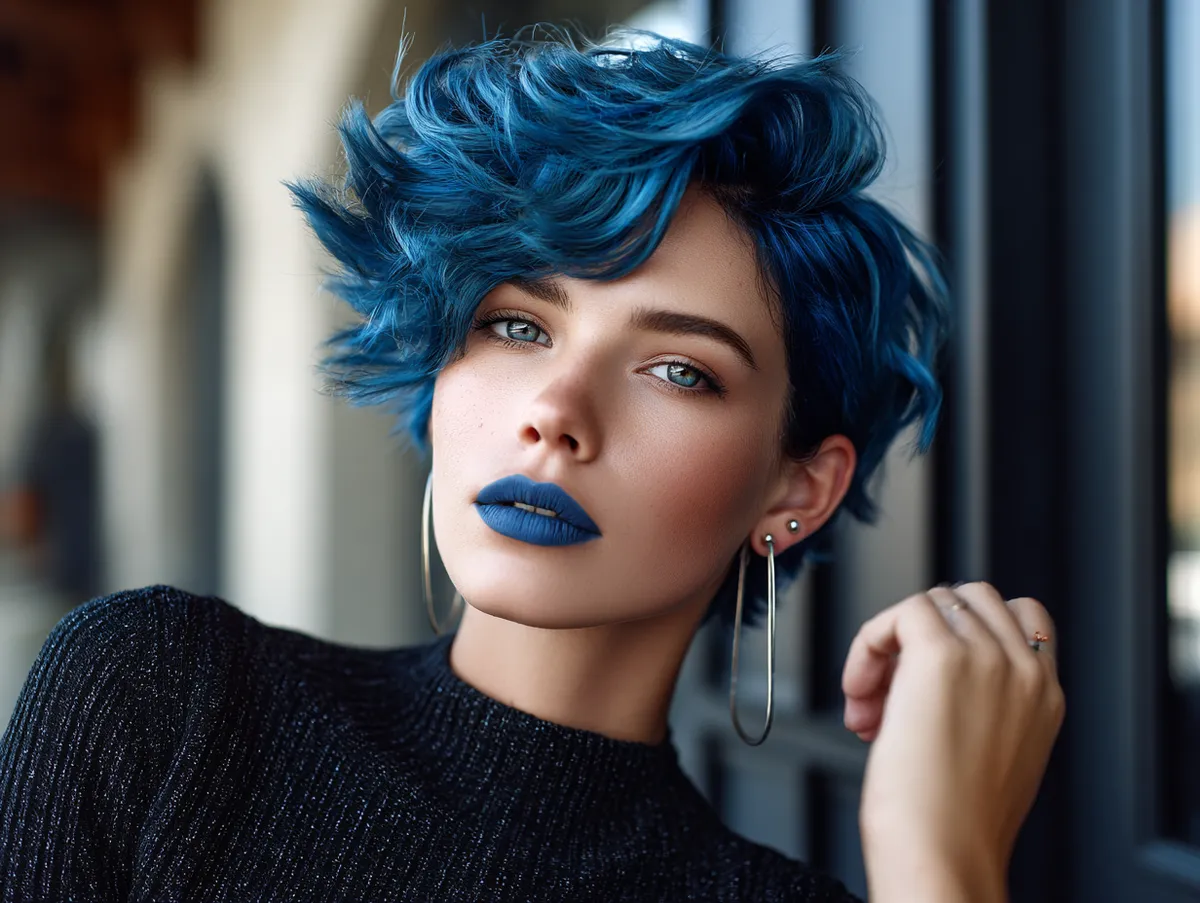
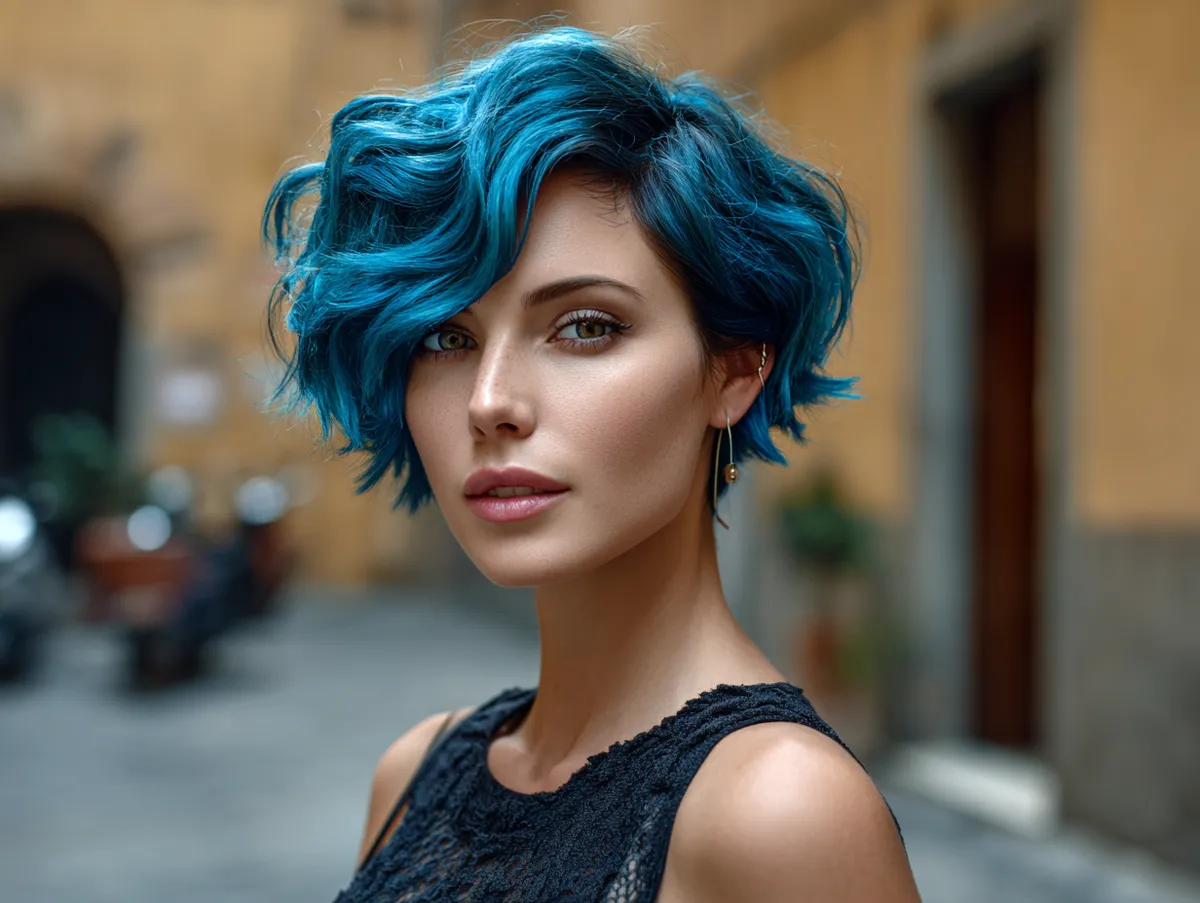
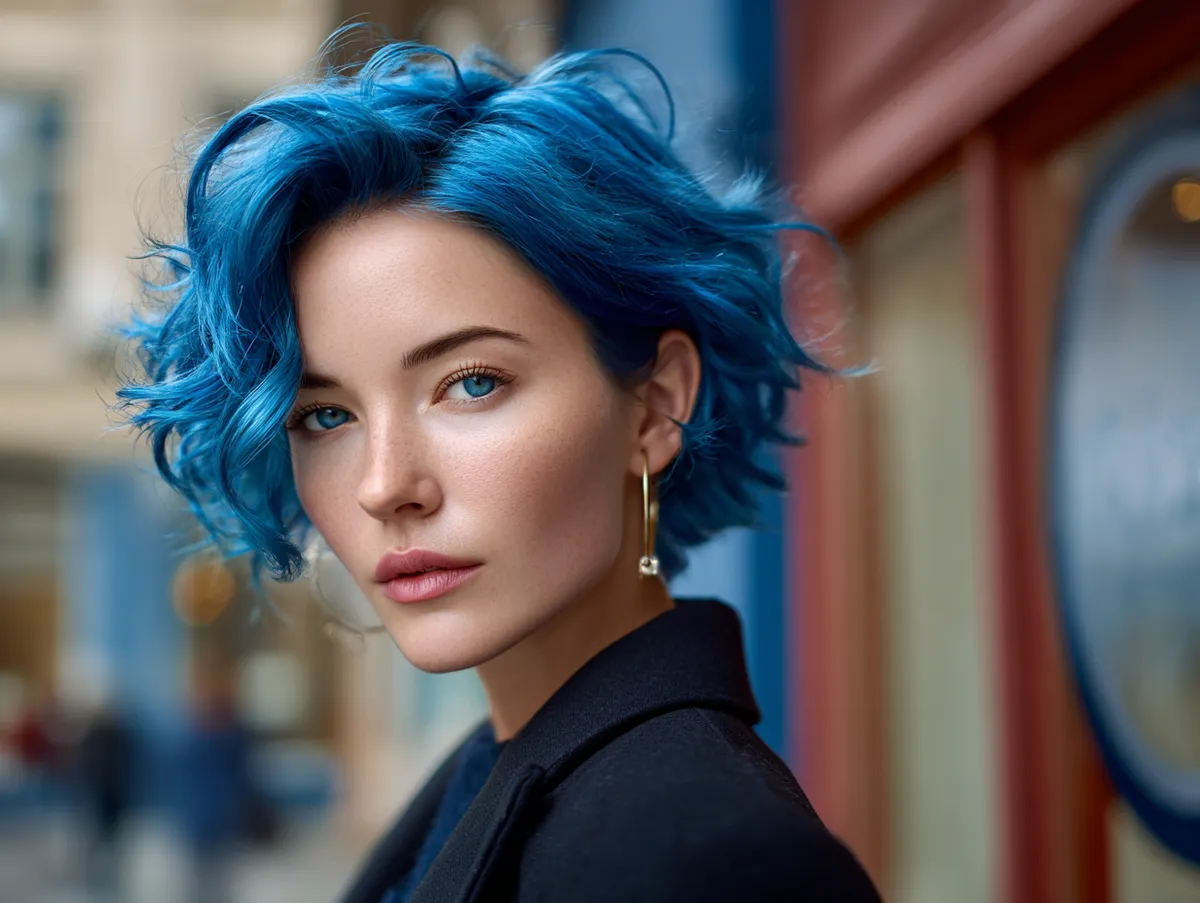
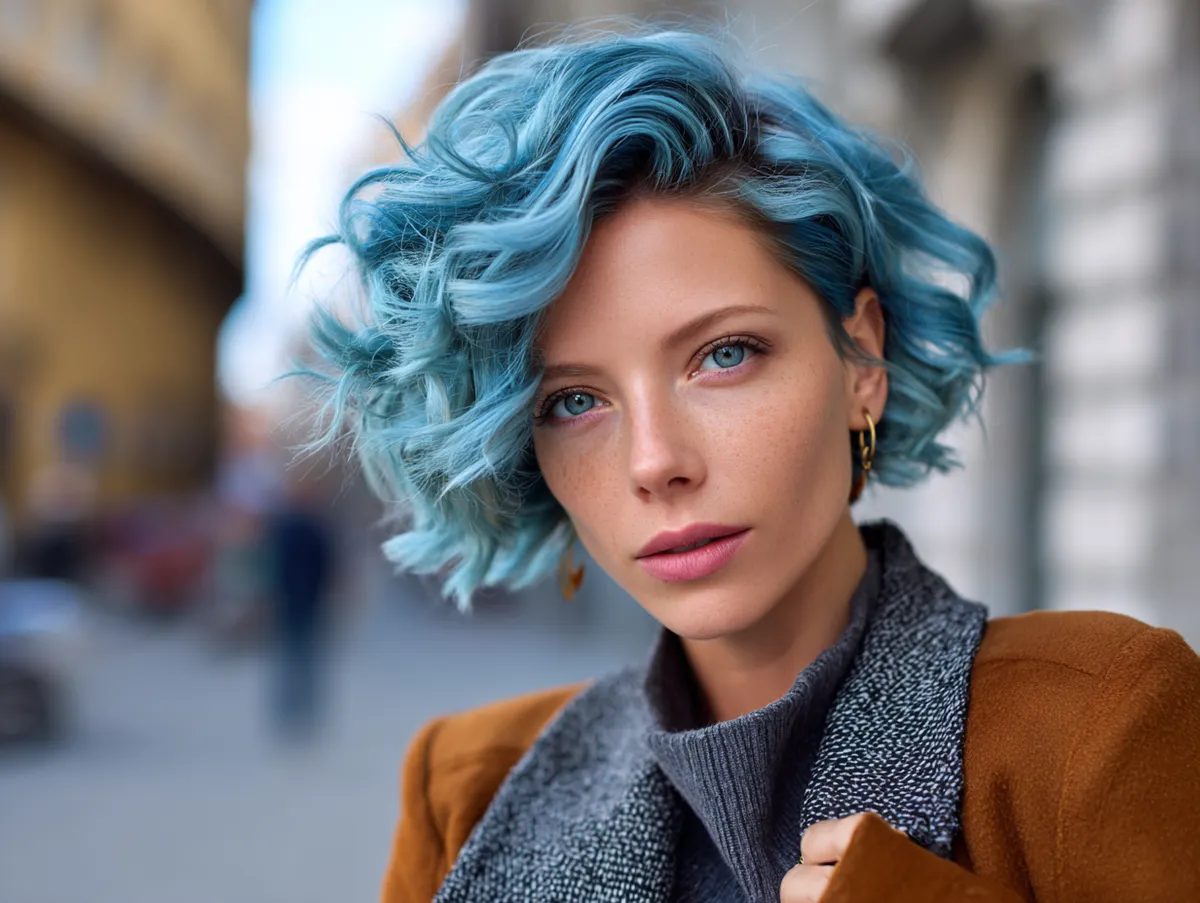
The cut shape I’d recommend under electric blue: a textured crop or a disconnected pixie with longer movement on top. Blunt ends read as stiff under a vivid shade—the contrast between the color and a hard line looks manufactured. Soft, razored ends let the blue blend into the wave pattern more naturally. The hair looks like it grew this way, which is the whole point.
Skin tone matters enormously. Electric blue is one of the few shades that reads warmly against cool or neutral complexions but can clash against very warm, yellow-toned skin. I’ve seen this go wrong in real time. If your undertone runs golden, consider a midnight blue with violet undertones instead of a pure electric cobalt. The violet compensates for the warmth and keeps the contrast flattering. Pure cobalt on warm skin creates a competing orange-blue effect that flattens the face.
Don’t Do This
Skipping the toner before going blue. I’ve seen people bleach their short wavy hair and go straight to blue deposit without toning out the yellow first. The result is a greenish cast that no filter fixes. Spend the extra 20 minutes and the $8 on a violet toner before the blue goes on. Also: do not use a regular purple shampoo to maintain blue — the violet pigment actively pulls the blue into a muddy lavender-gray within two weeks. Stick to a blue-pigmented color-depositing conditioner instead.
Pastel Pink Adds Weight to Fine Wavy Hair Without Product
Pastel pink is the counterintuitive option in this group and that’s exactly why it works. You’d expect a light shade to make fine wavy hair look thinner. It does the opposite. The soft tone creates an illusion of density because it highlights every individual wave bend, making the hair appear to have more layers than it actually does. I own two wigs in a short pastel pink wavy style and I reach for them specifically when I want to look like I have more hair than I do.
The trick is tonal placement. A flat, single-process pastel pink across a short wavy cut looks like a solid candy shell—it sits on top of the hair rather than inside it. Ask for a shadow root: keep two inches at the root in a mushroom or dusty brown, then blend into the pastel pink from the mid-shaft down. That depth at the root makes the wave structure visible as the hair moves. Shallow-toned versus the pastel tip, the contrast is subtle enough to look natural and dimensional rather than two-toned.

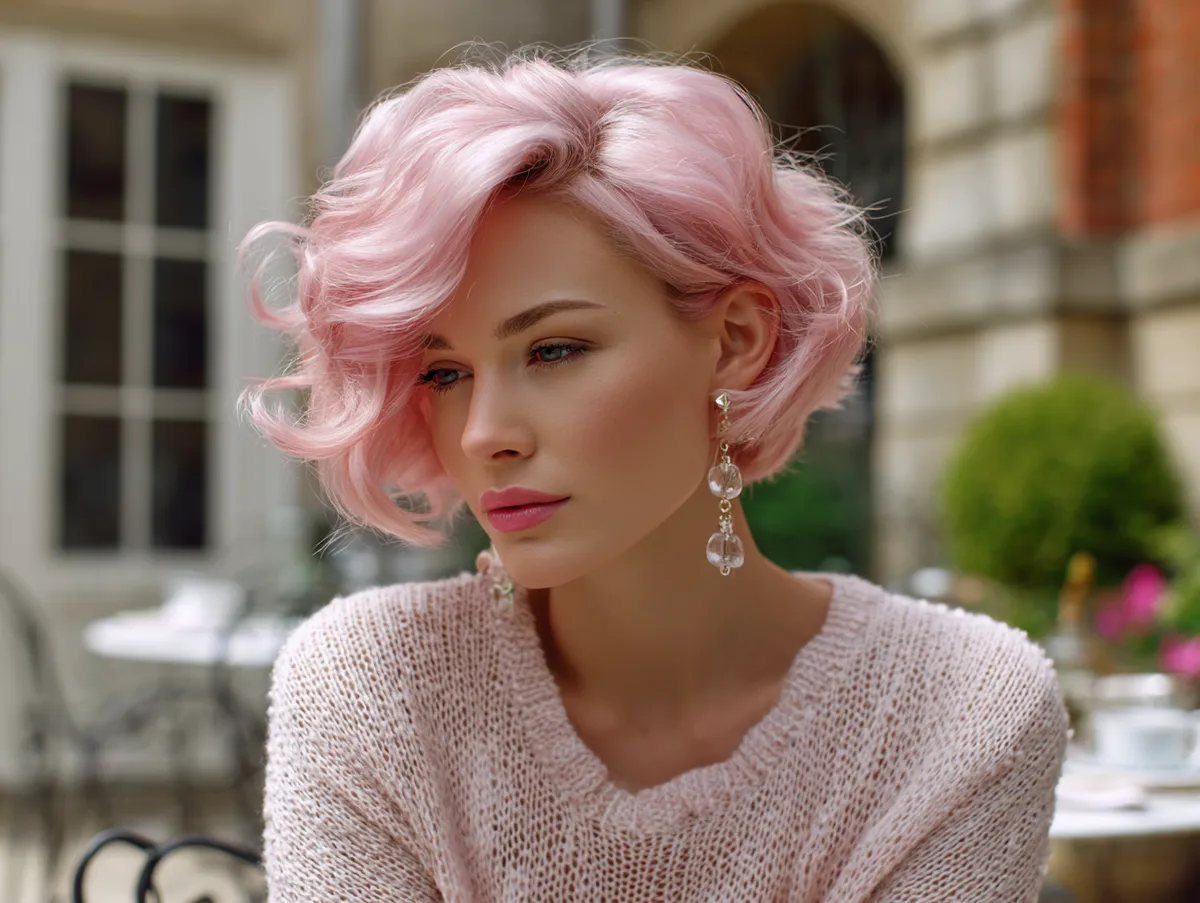
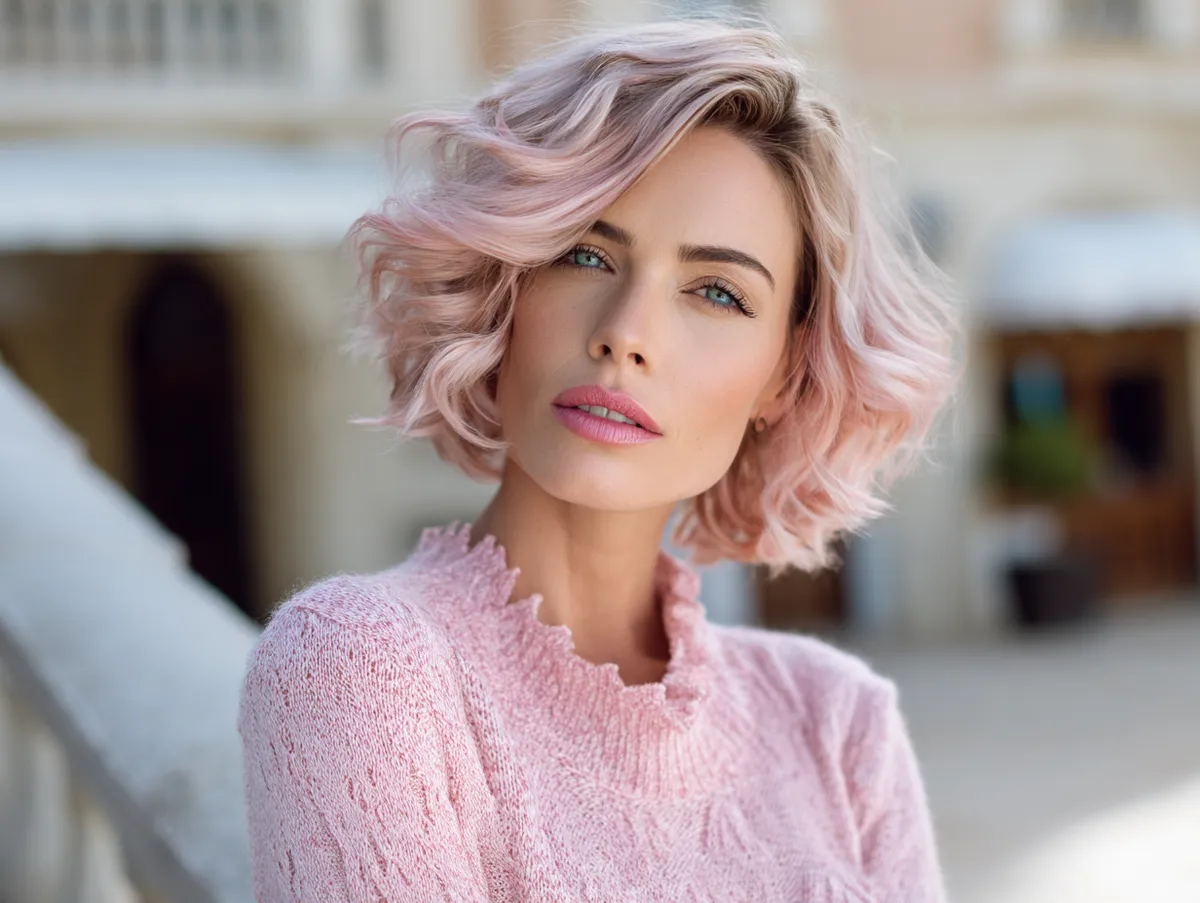
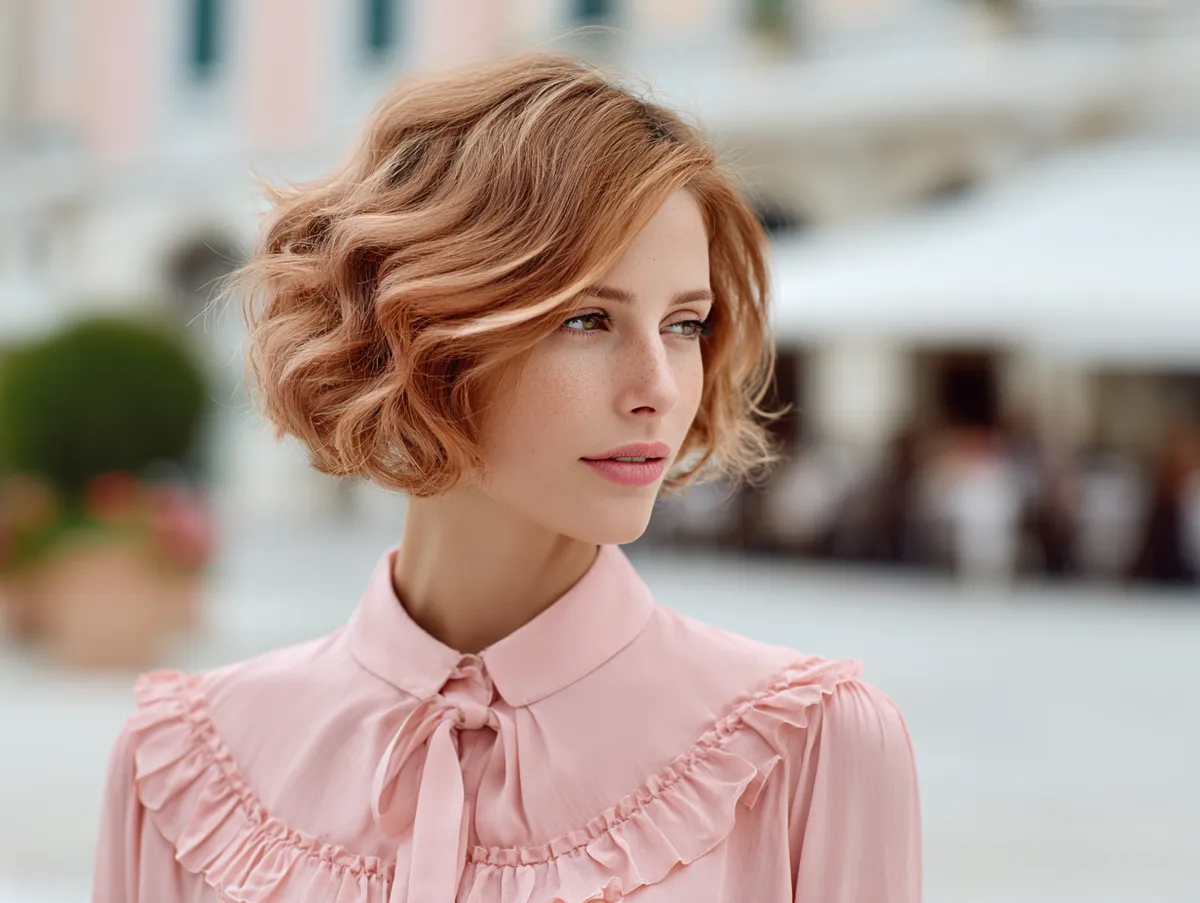
For fine wavy hair specifically, the cut shape under pastel pink should prioritize volume over precision. A stacked bob—shorter in the back, longer in the front—builds the illusion of fullness at the crown while the pastel shade keeps the front pieces from looking too wispy. Avoid the temptation to go too short in the back. Below the occipital bone, fine wavy hair starts to lie flat no matter what the color does. Keep at least an inch of length there to maintain the shape.
Pink fades faster than any shade here—typically two to three weeks in the shower before it starts reading as a pale blush. That can either be annoying or a feature. Some people love the progression from medium pink to rose to barely-there blush—it’s essentially three looks from one salon appointment. If you want to extend the saturation, Manic Panic Cotton Candy Pink ($15, widely available) as a weekly conditioning mask adds about ten days to each stage of the fade. Do not use it on dry hair. The deposit is uneven and you end up with pink spots.
Pastel pink on a short wavy cut reads differently across seasons in a way the other shades don’t. In winter, under warm artificial light, it softens into something almost vintage. In summer sun, it pops and looks bold. You are not buying one look. You’re buying something that shape-shifts, which for a haircut that lasts you three to four months between major changes, is a very efficient investment. Also check out how blonde highlights interact differently with fine wavy hair if you want a lower-maintenance alternative to full color.
Edgy Short Wavy Haircuts Live or Die on the Undercut Decision
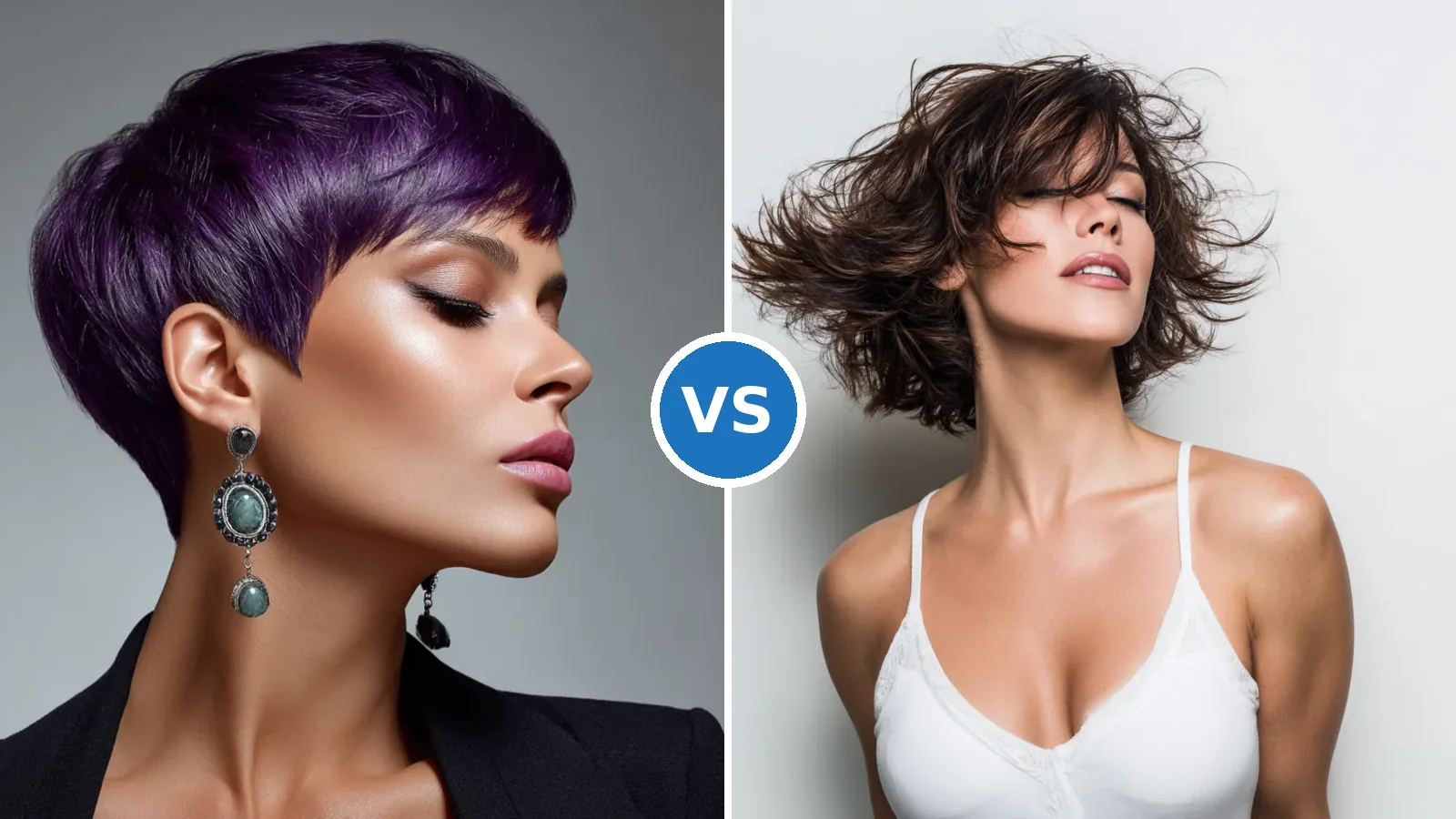
Edgy short wavy haircuts are a category, not a single style. The word “edgy” in a hair context gets misused constantly—people say edgy when they mean “asymmetrical” or “disconnected” or just “short.” The cuts that actually read as sharp and deliberate on wavy hair have one thing in common: intentional contrast between volume at the top and close structure underneath. That’s the undercut principle. Nape close, crown free.
The wavy pixie is the entry point. It’s not the same as a straight-hair pixie—your stylist needs to account for shrinkage. Cut the side sections an inch longer than you think you want them. Wavy hair springs up by 20 to 30 percent of its wet length when it dries. I’ve had clients walk out with what felt like a mid-ear pixie and arrive at work with hair above their ears because the stylist cut it dry-length rather than accounting for wet-to-dry compression. Every good wavy haircut should be cut dry, or at minimum with shrinkage accounted for.
A disconnected pixie with an undercut—close at the nape, textured and longer on top—gives wavy hair its most editorial shape. The undercut removes bulk from the area where waves tend to expand sideways rather than upward. With that weight gone, the top section gets volume without width. The result is a silhouette that looks intentional rather than round. I stole this trick from a stylist in Berlin who does nothing but short textured cuts and charges €180 per appointment. Worth it once to understand the geometry.
What doesn’t work: asymmetrical cuts that go dramatically longer on one side with wavy hair. The wave on the longer side creates more volume, which makes the asymmetry look accidental rather than architectural. Slight asymmetry—half an inch difference—reads as styled. Two inches of difference reads as a growing-out mistake. Keep it subtle or commit to a daily styling routine that smooths the longer side, which eliminates the appeal of a low-maintenance wavy cut entirely.
How to Style Short Wavy Hair Without Ruining the Wave
How to style short wavy hair comes down to one rule: stop touching it while it dries. Every time you run your fingers through damp wavy hair, you break the hydrogen bonds forming the wave. The result is frizz rather than definition. Scrunch once when you apply product, then put your hands down. Walk away. That’s the whole method.
The product sequence for short wavy hair: on soaking wet hair, apply a leave-in conditioner like the Kinky-Curly Knot Today ($12, Target) from mid-shaft to ends. On top of that, scrunch in a small amount of Bumble and Bumble Surf Spray ($32), which is the sea salt spray I keep coming back to. It gives grit and wave definition without the crunchy finish that cheaper salt sprays leave behind. If your hair is fine, stop there. If it’s medium to thick, follow with a pea-sized amount of curl cream.
The diffuser is the make-or-break tool for short wavy hair. Hold it cupped underneath a section of hair and push upward toward the scalp—do not move it back and forth. Stay on medium heat, low speed. High airflow blows the wave straight. Low speed preserves the bend. Work section by section for about six to eight minutes total, then let the remaining moisture air dry. Trying to diffuse until bone dry kills the softness and you end up with crunchy waves that look nothing like the glossy textured styles you were going for. Pull the diffuser away when the hair is 80 percent dry and let it finish on its own. This guide on sea salt spray techniques covers additional application methods for different hair densities if you want to dial in the product step further.
One more technique worth knowing for short wavy hair: the plop. Lay a microfiber towel flat, flip your wet hair forward onto it, then wrap and twist the towel around your head. Leave it for 20 minutes before diffusing. Plopping removes excess water without friction, which means less frizz from the start. Regular terry cloth towels roughen the cuticle. That’s what causes the halo frizz that people blame on their wave pattern when it’s actually a towel problem. A $9 microfiber towel from Amazon solves this completely.
Layered Short Haircuts for Wavy Hair Are a Structural Issue, Not a Style Choice
Layered short haircuts for wavy hair are not about adding visual interest—they’re about weight distribution. Remove too much weight and the wave pattern collapses. Keep too much weight and the waves sag rather than bend. Layers in a short wavy cut are an engineering decision.
The type of layering that works on short wavy hair is internal, not surface. Your stylist should be removing bulk from inside the hair shaft by point-cutting or slide-cutting through the mid-section of each section. This is different from face-framing layers, which just shorten pieces around the perimeter. Internal layers allow each wave to move freely without being weighted down by the section above or beside it. Surface-only layers on wavy hair create a feathered effect that looked right in 1998 and hasn’t aged well.
For short wavy bobs specifically, the back should be cut with a slight concave shape—shorter at the nape, curving longer toward the sides. This counteracts the natural tendency of wavy hair to expand outward at the bottom of the cut. A straight-across perimeter at the back of a wavy bob will puff into a bell shape by 2pm. The concave cut keeps it rounded and controlled through the day. You’ll want to see this in person at the salon—ask your stylist to show you the shape from the back before they start cutting.
How many layers is too many? More than three distinct weight lines in a short cut starts to look overly textured and thin at the ends. Short wavy hair already has movement—adding excessive layers removes the density that gives waves their visible shape. I’ve been in the chair while a well-meaning stylist took a razor to my wavy bob and left me with ends so thin the waves looked stringy rather than defined. Ask for minimal layers that remove weight, not layers that create texture. The wave creates the texture. The layers just make room for it.
For more structural inspiration, the low-maintenance short haircuts for textured waves collection shows how different layer placements perform across daily wear conditions.
FINAL TAKE
Short haircuts for wavy hair work precisely because they stop fighting the texture and start using it.
The wave pattern is not a complication. It is the cut’s entire visual argument. Whether you’re going red, blue, pink, or keeping it natural, the architecture of your layering and the discipline of your drying method are what separate a great short wavy haircut from an expensive disappointment.
Pick one section from above that matches your current situation—color, edge, or styling method—and execute that one thing well before adding anything else.
Save this post for your next salon appointment.
Related Topics