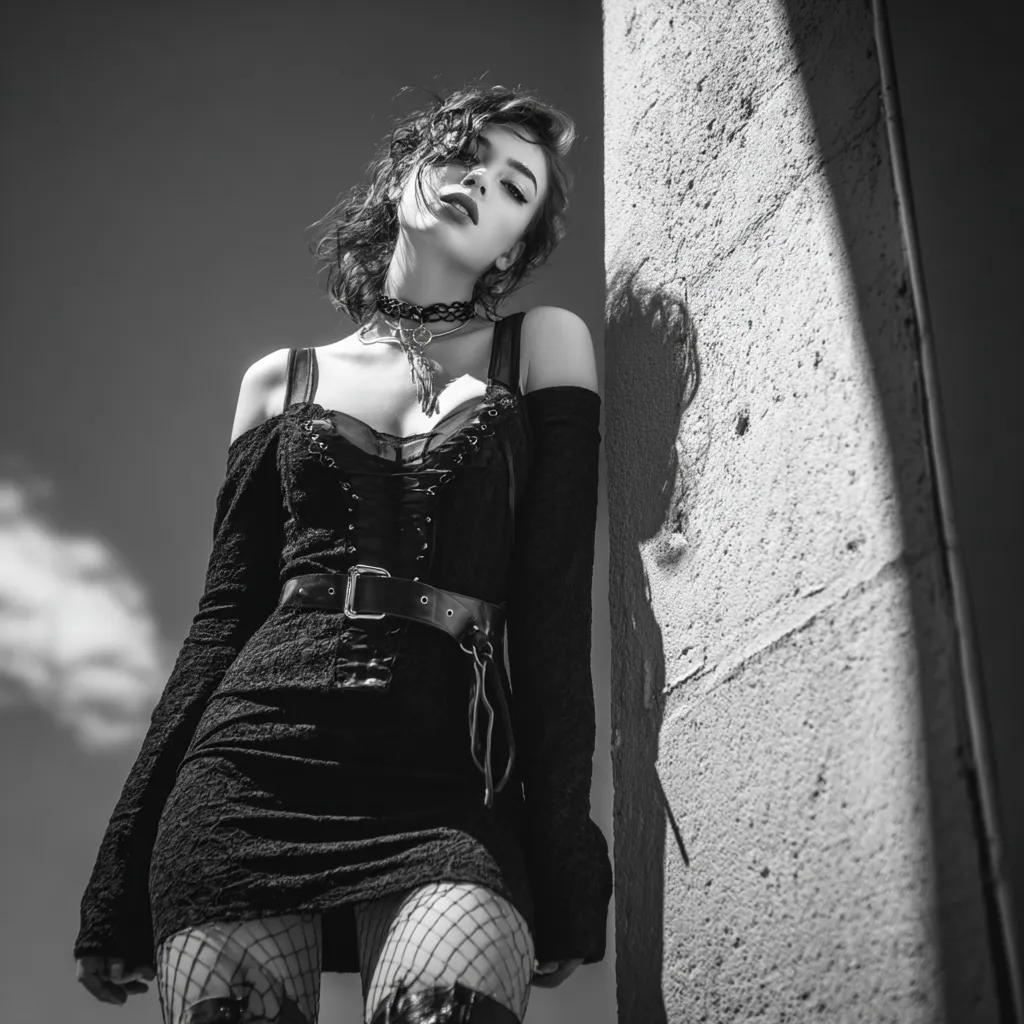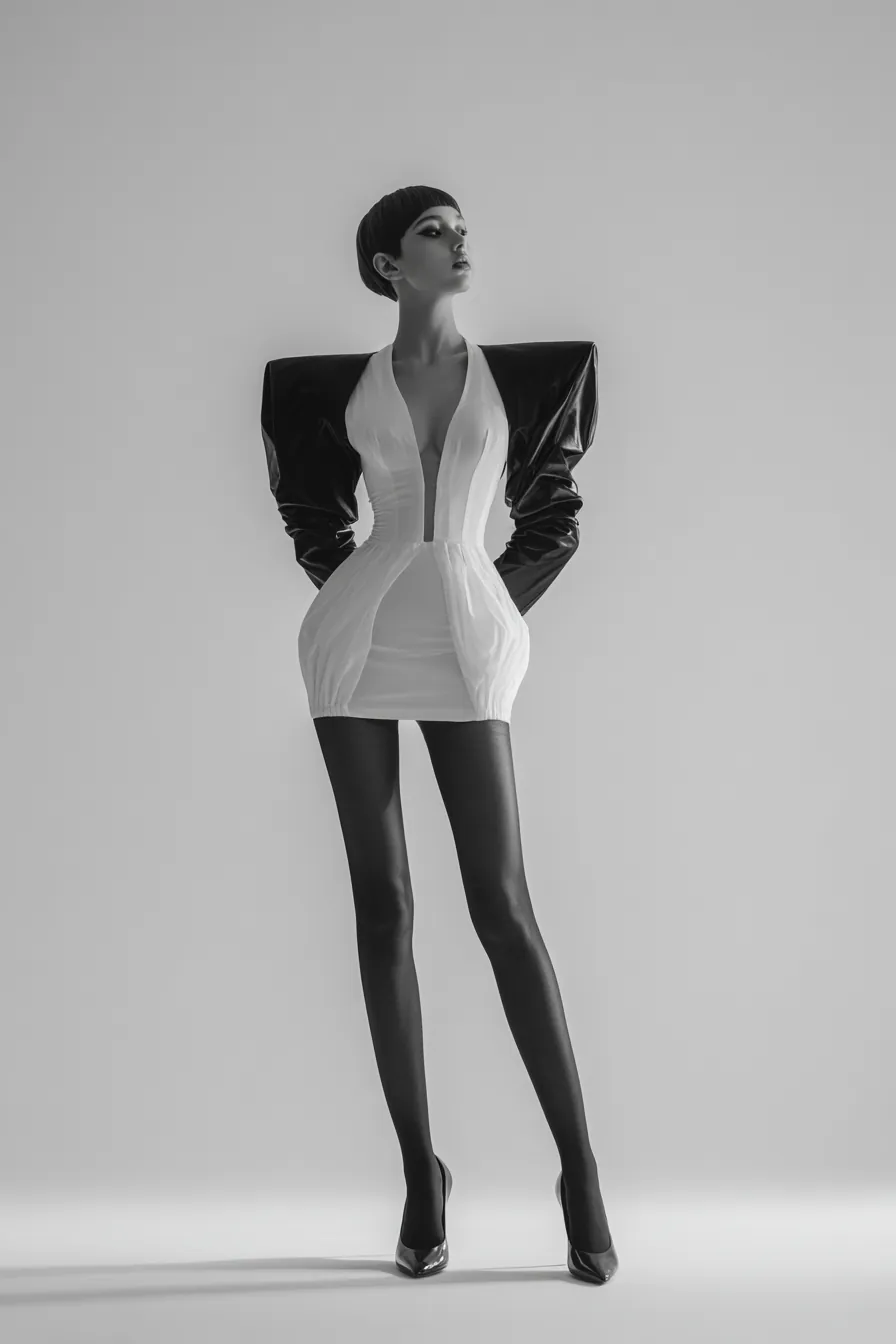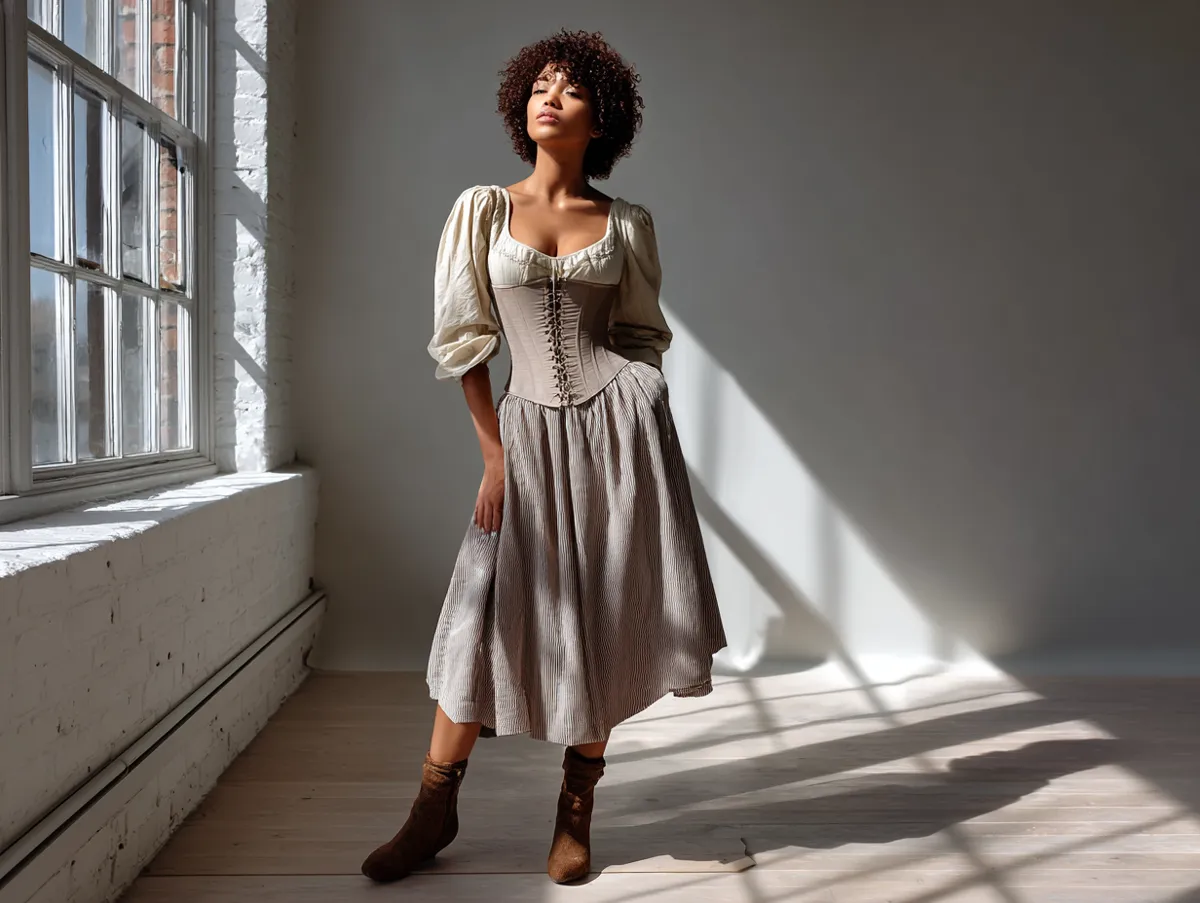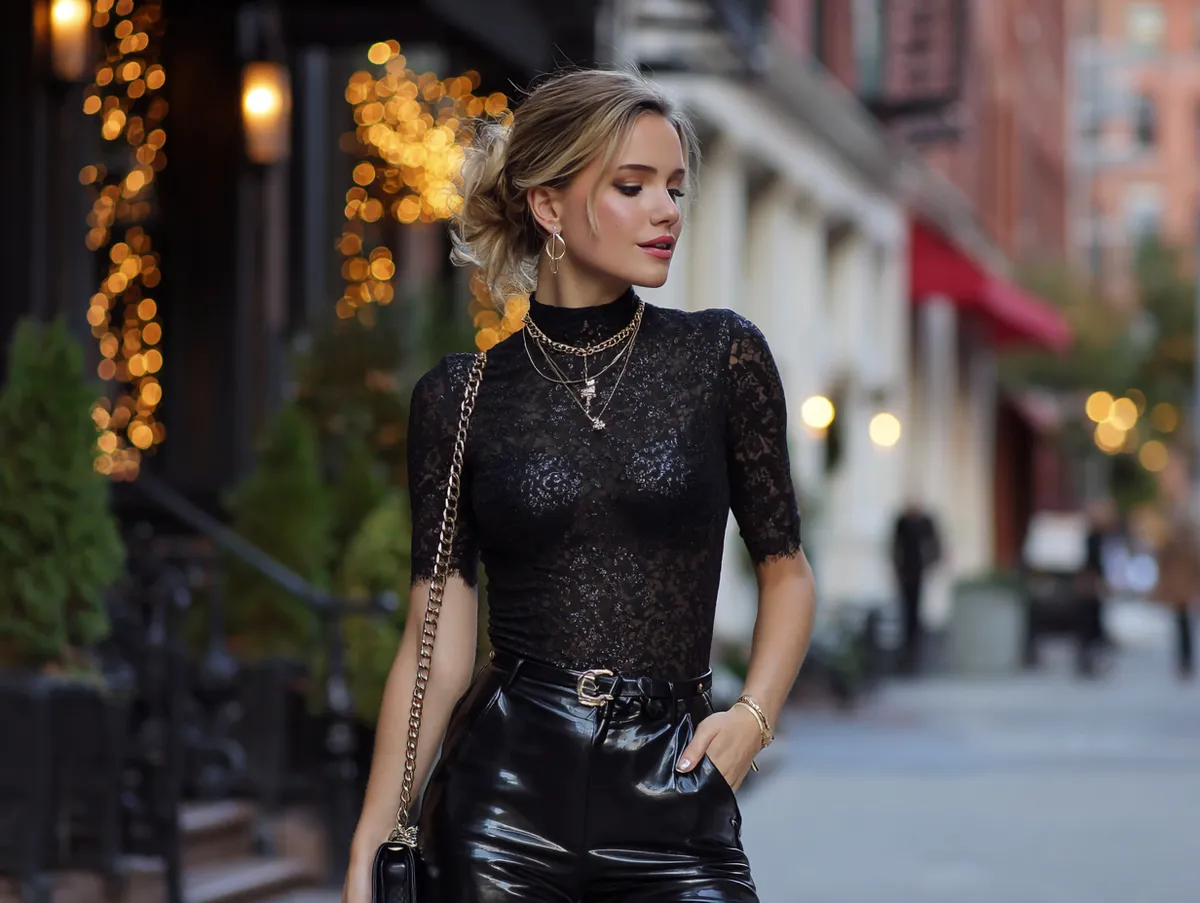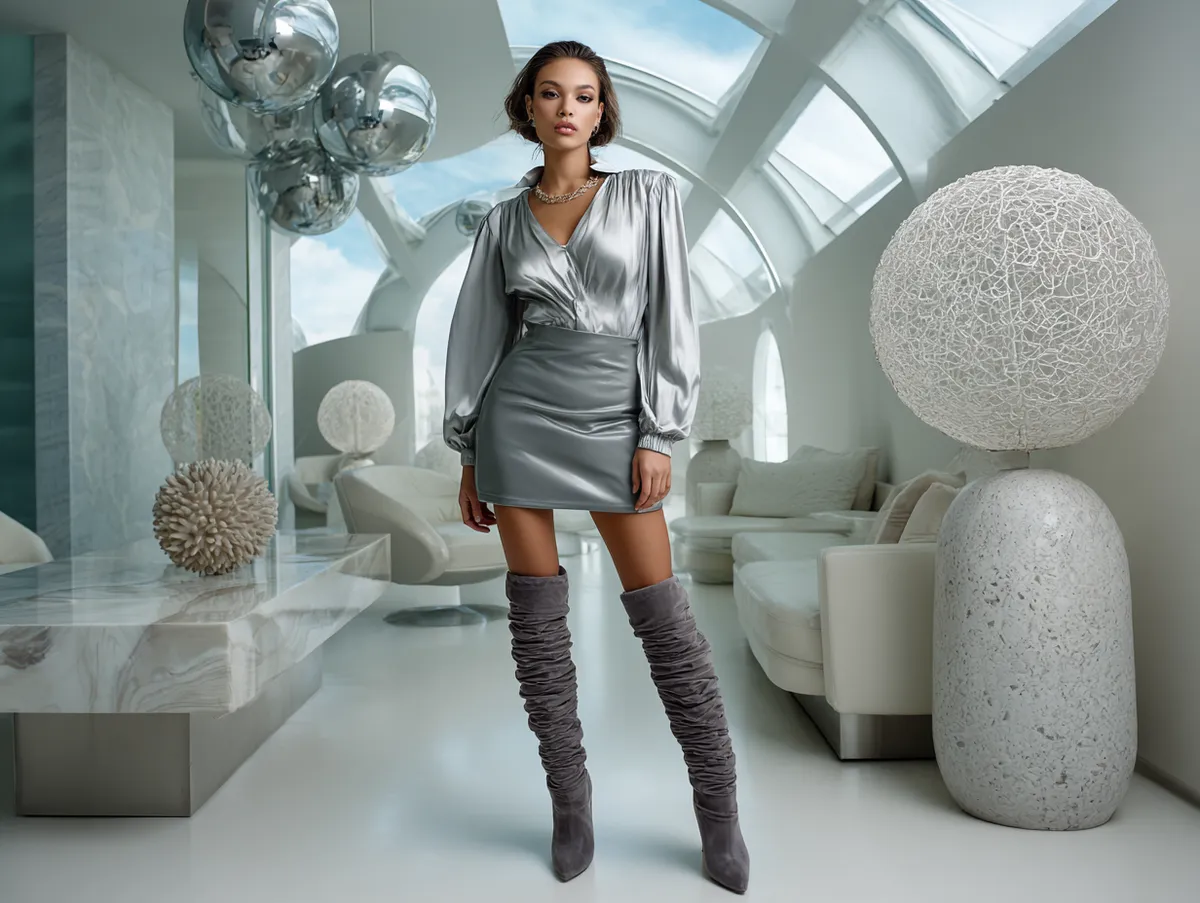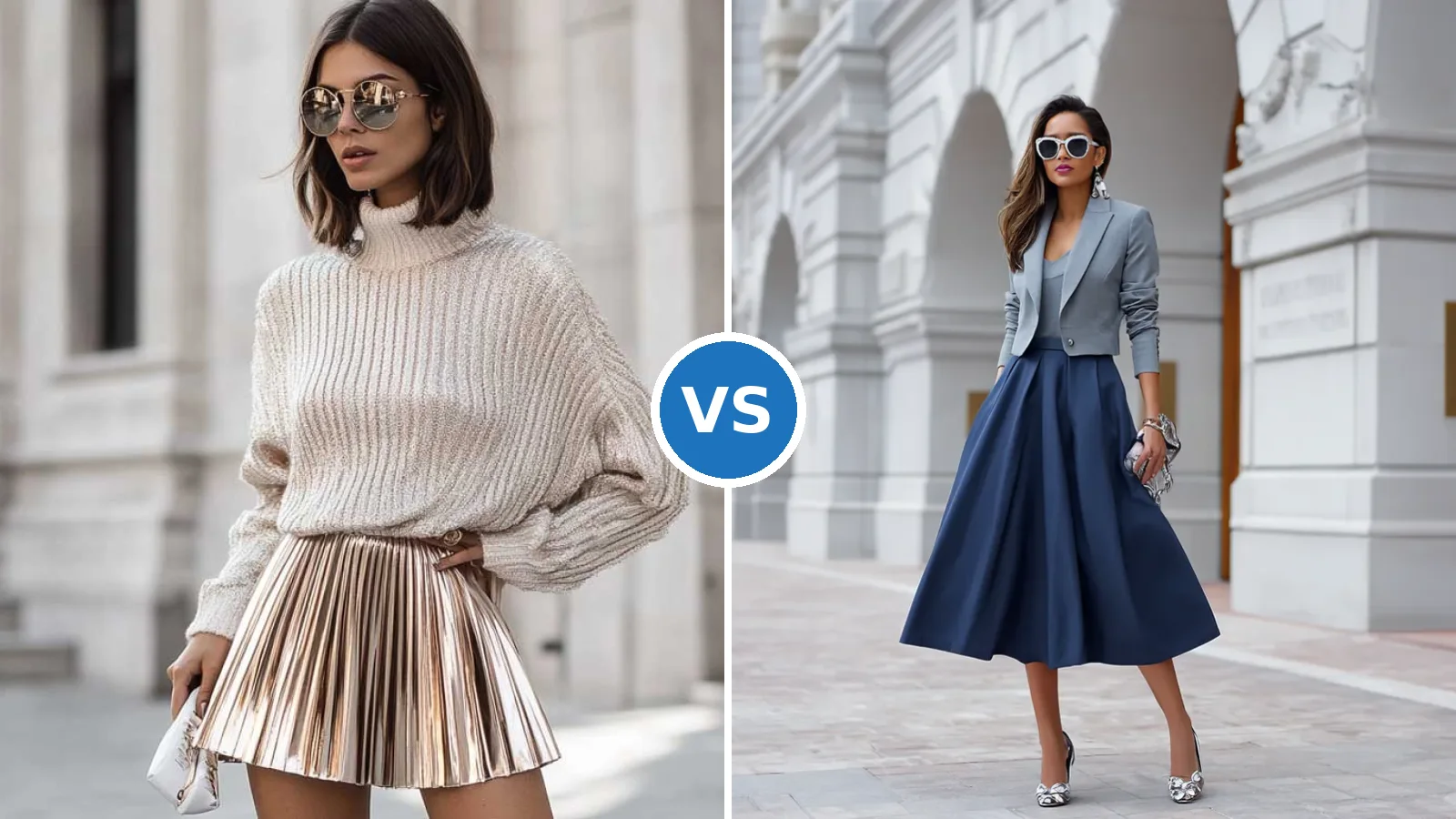
The choice between short vs long skirts shapes your entire outfit direction, from footwear to layering to the occasions you can wear them. A short metallic skirt paired with a fitted turtleneck creates visual impact and airiness, while a long skirt worn with a cropped jacket balances femininity with edge. Each approach solves different styling problems and suits different moments in your life.
What short and long skirts actually are
Short skirts—typically mini or knee-length designs—expose more leg and demand careful proportioning with upper-body pieces. Metallic short skirts paired with turtleneck sweaters exemplify how reflective fabrics and cozy knits work together to ground an eye-catching look. These pieces often feature pleated, wrap, or pencil silhouettes that emphasize waist definition.
Long skirts flow from the waist to the ankle and offer more fabric volume and movement. Long skirts styled with cropped jackets create defined waistlines through smart proportioning—the jacket cuts off right where the skirt begins, creating visual clarity. These garments accommodate prints, vibrant hues, and varied textures because the extended fabric area can absorb color without overwhelming the frame.
Quick Verdict
- Choose short skirts if you attend frequent evening events, prefer showing leg, and want instant visual energy through metallics or bold pairings.
- Choose long skirts if you work in conservative or creative professional settings, want year-round styling flexibility, or prefer a quieter, more covered aesthetic.
- Own both if your life includes mixed occasions—work by day, social events by night, and seasonal variation.
Occasion versatility and when each excels
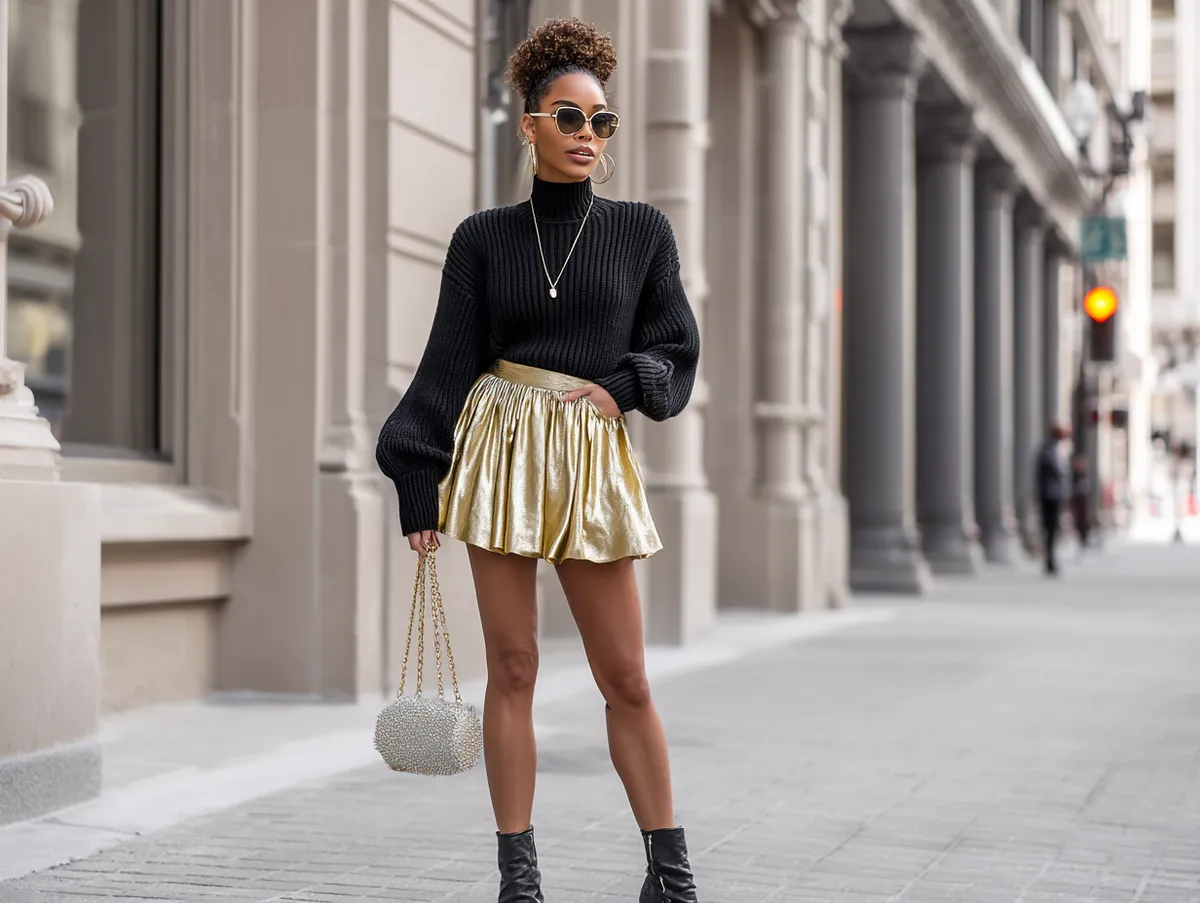
Short skirts dominate evening events and warm-weather styling. Gold metallic short skirts work for holiday parties and upscale dinners when paired with black turtlenecks and ankle boots. Silver mini skirts transition from daytime brunches to evening cocktails with a simple footwear swap.
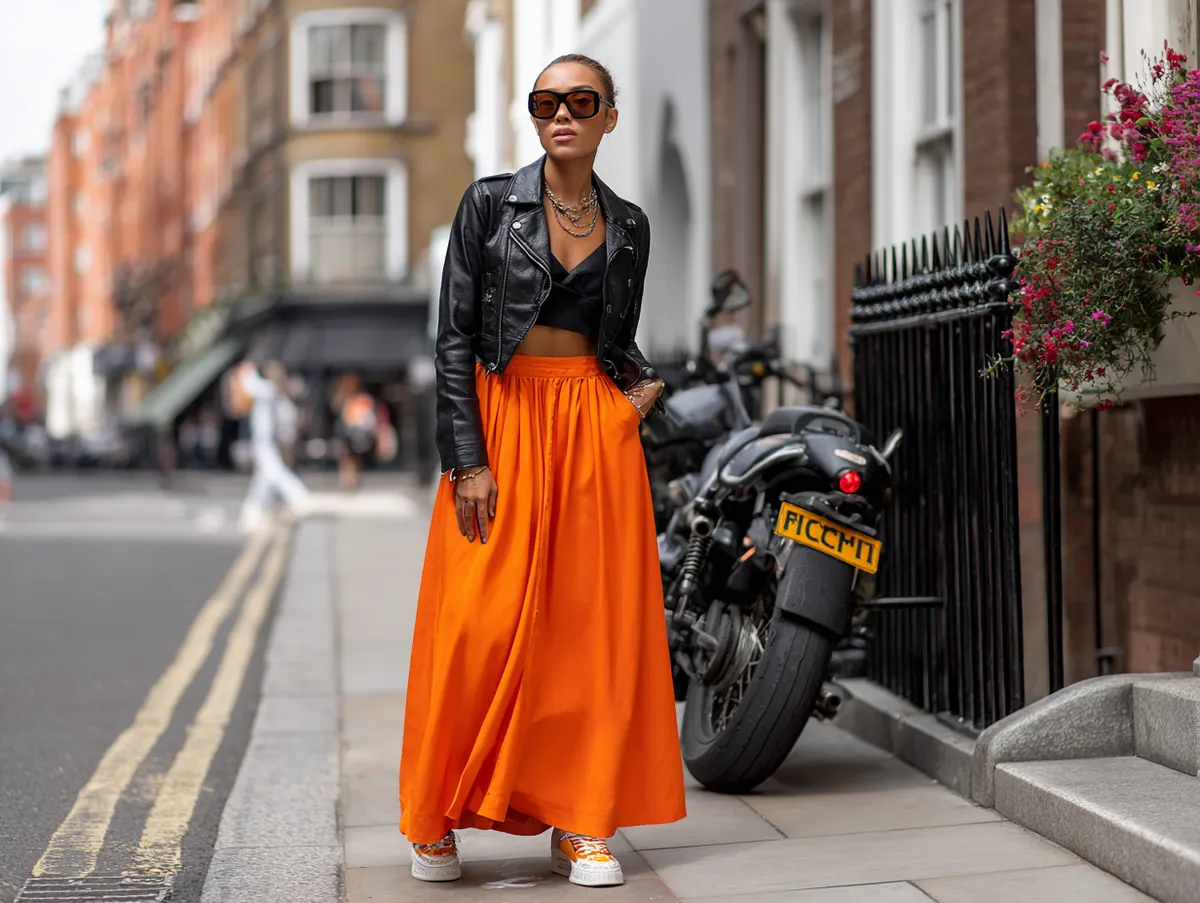
Long skirts command semi-formal and work settings more naturally. Pairing a classic navy long skirt with a grey cropped blazer delivers polish for office environments and dinner engagements. Vibrant orange long skirts with black leather jackets suit creative workspaces and casual evening meetups where personality matters more than formal restraint.
Short skirts feel casual in daylight but gain glamour at night through lighting and skin exposure. Long skirts read sophisticated regardless of time of day, making them safer for unpredictable social calendars.
| Criteria | Short Skirts | Long Skirts |
|---|---|---|
| Best occasions | Evening events, brunches, night outs, casual gatherings | Work, semi-formal dinners, creative spaces, daytime events |
| Layering approach | Fitted tops (turtlenecks, bodysuits) for balance | Cropped jackets or simple tucked layers |
| Footwear flexibility | Heels, sneakers, boots all work depending on vibe | Pointed heels, ballet flats, or lug-sole boots |
| Color and print range | Metallics shine; prints compete with bare leg | Vibrant hues, pastels, and bold prints all read well |
| Body confidence required | Higher comfort needed showing more leg | Lower—legs fully covered regardless of coverage preference |
| Visual impact | Immediate, bold, attention-getting | Sophisticated, intentional, slower to register |

Where short skirts win
Short skirts excel at showcasing leg and creating immediate visual interest. A bronze mini skirt with a fitted black turtleneck and black leather boots reads edgy and intentional right away. The simplicity of the silhouette means every styling detail—heel height, necklace weight, bag finish—registers clearly and contributes to the overall mood.
Metallic short skirts amplify this advantage because shimmer demands attention. Rose gold short skirts with white turtlenecks create soft daytime sophistication, while gold and silver versions suit evening glamour without requiring pattern or texture play. The fabric’s reflective surface becomes your outfit’s main statement.
Short skirts also suit temperature changes better. Warm weather calls for legs out, and a short skirt delivered with sneakers and a cropped top feels natural. In cool weather, adding tights, boots, and a sweater transforms the same skirt for autumn or spring.


Where long skirts win
Long skirts dominate color range and print flexibility. A vibrant orange long skirt doesn’t compete visually with an exposed body—the fabric absorbs the bold hue completely. Pastels like soft pink work on long skirts without reading too juvenile or costume-like because the extended length lends maturity.
Cropped jackets solve the long-skirt proportioning challenge instantly. Navy long skirt plus grey cropped blazer creates visual definition of the waist without exposed skin. This proportion trick is built into the silhouette itself, making the outfit harder to misfit.
Long skirts also provide security and accessibility. No thigh-awareness, no repositioning needed, no weather-dependent tights or concern about leg presentation. For professional settings, conservative contexts, or anyone preferring full coverage, long skirts reduce styling friction entirely.


The number one mistake people make choosing between them
The biggest error is selecting based on trend alone rather than your actual lifestyle. A person who works in an office, attends semi-formal dinners, and rarely goes out at night might buy a bronze mini skirt because it photographs well on social media. Then it sits unworn because every context in their life demands longer hemlines and more covered styling.
Conversely, someone with a primarily social evening calendar buys a long skirt in pastel pink hoping it works everywhere. When worn to bars or clubs, the silhouette reads formal or costume-like rather than age-appropriate or fun, and the piece never becomes a staple.
The fix is honest calendar auditing. Count your events by type—work, casual social, formal evening, athletic—then choose the skirt length that fits the majority of those moments. One well-styled short skirt beats five long skirts that never leave the closet.

Final verdict on short vs long skirts
Neither silhouette is universally better. Short skirts win on visual impact, leg-showcasing ability, and metallic versatility. Long skirts win on occasion flexibility, color range, and professional appropriateness.
Choose short skirts if your calendar tilts evening, your body confidence supports leg exposure, and you want simplicity in layering. The fitted turtleneck formula works reliably, and your accessory choices (boots, heels, bags, jewelry) create all the mood variation you need.
Choose long skirts if you work in structured or creative professional settings, need a range of outfit options across seasons, or prefer a fuller silhouette. The cropped jacket pairing handles proportion mathematically, and your color and print choices carry the outfit’s personality.
Ideally, own both and build each wardrobe around realistic usage patterns. A gold short skirt with black turtleneck and a navy long skirt with grey blazer together cover most occasions, and each solves problems the other cannot.