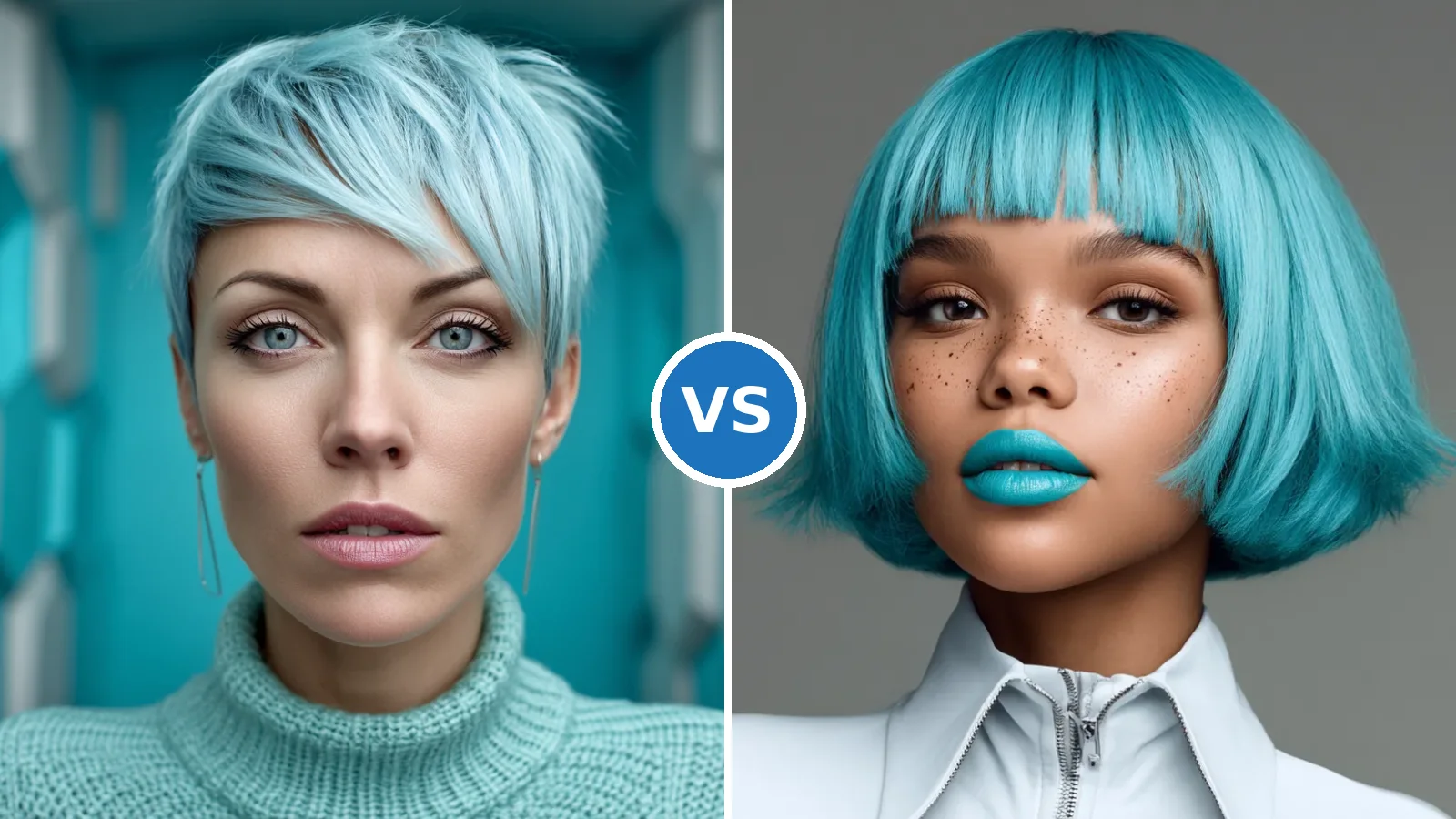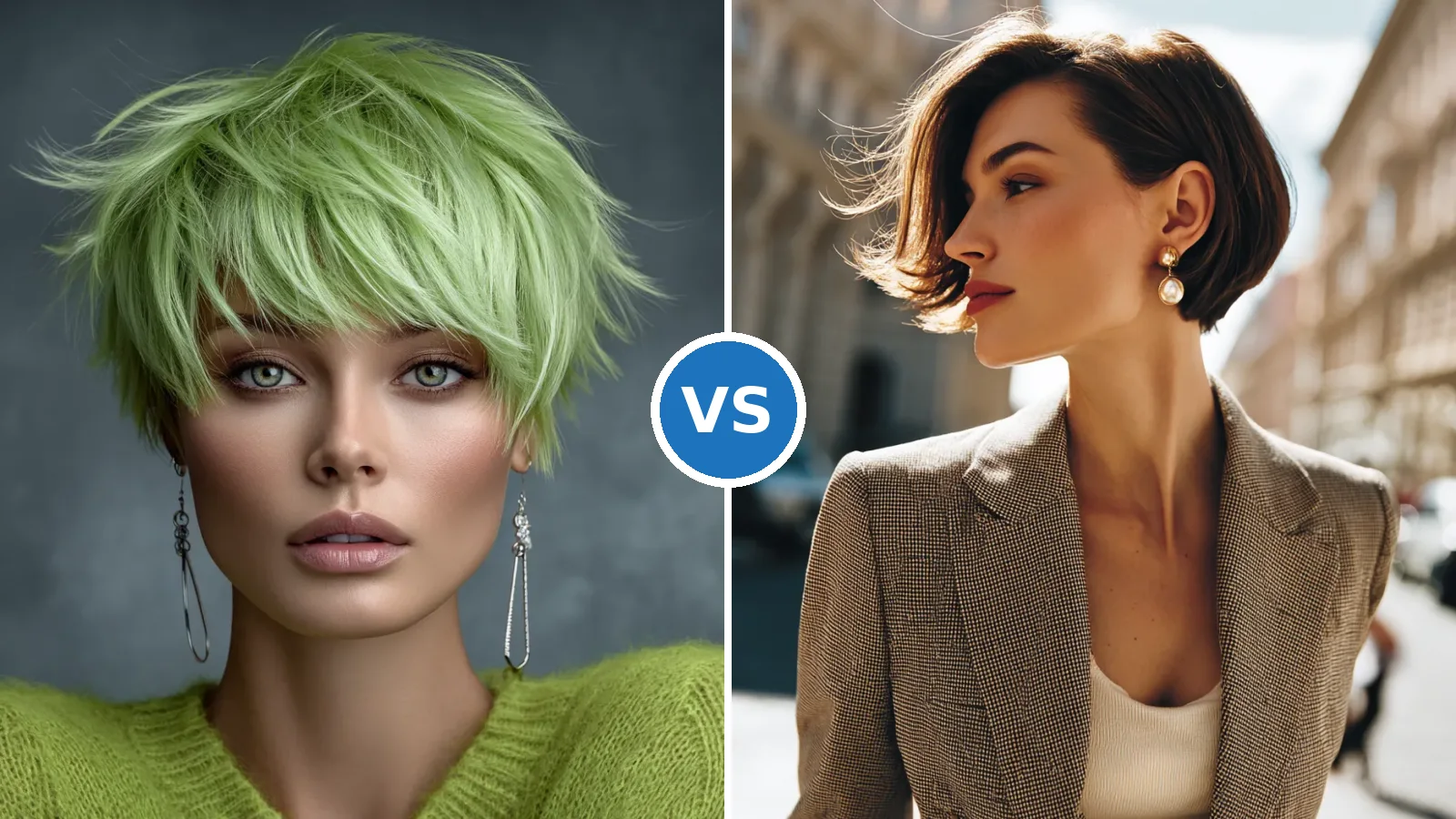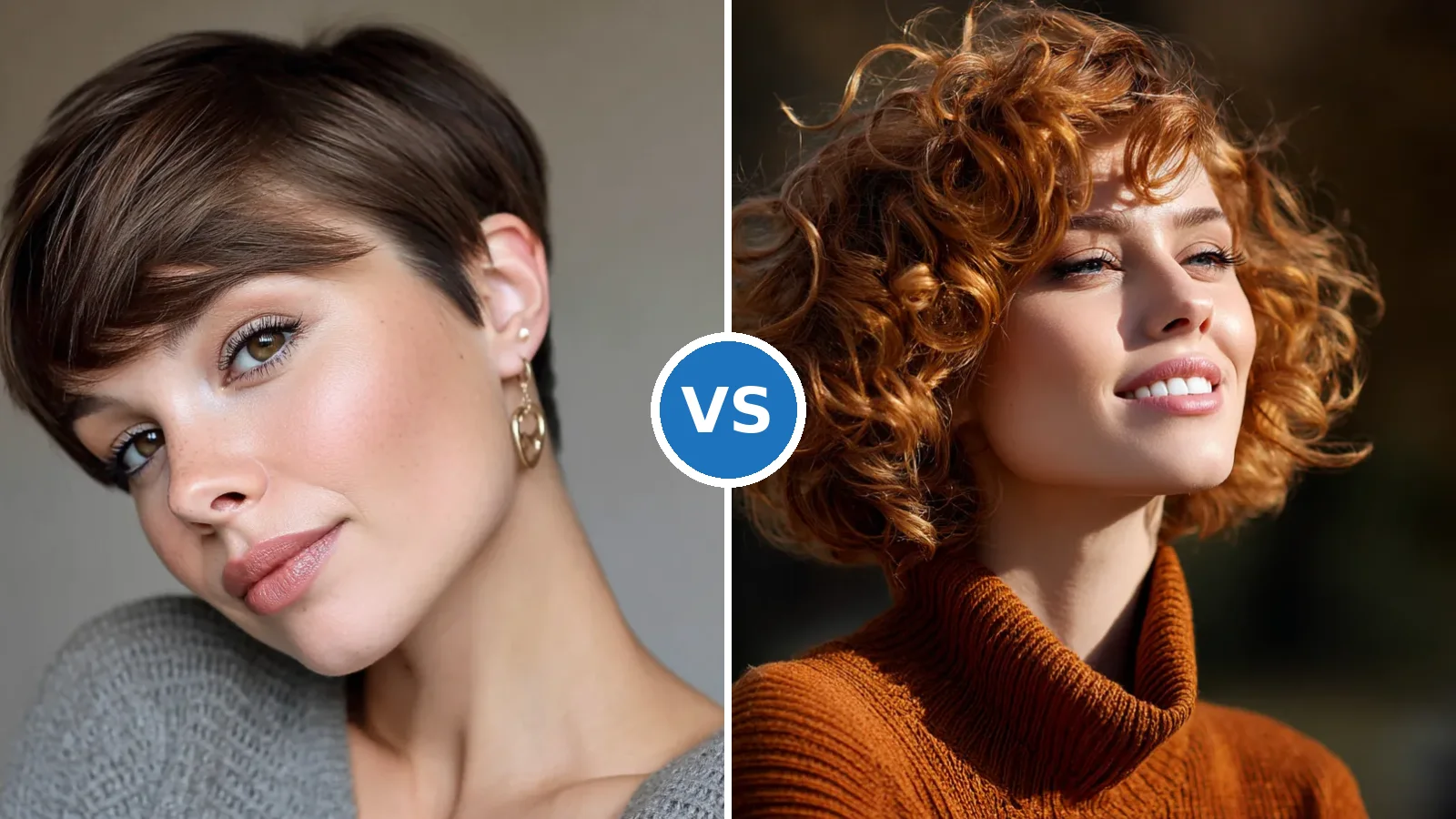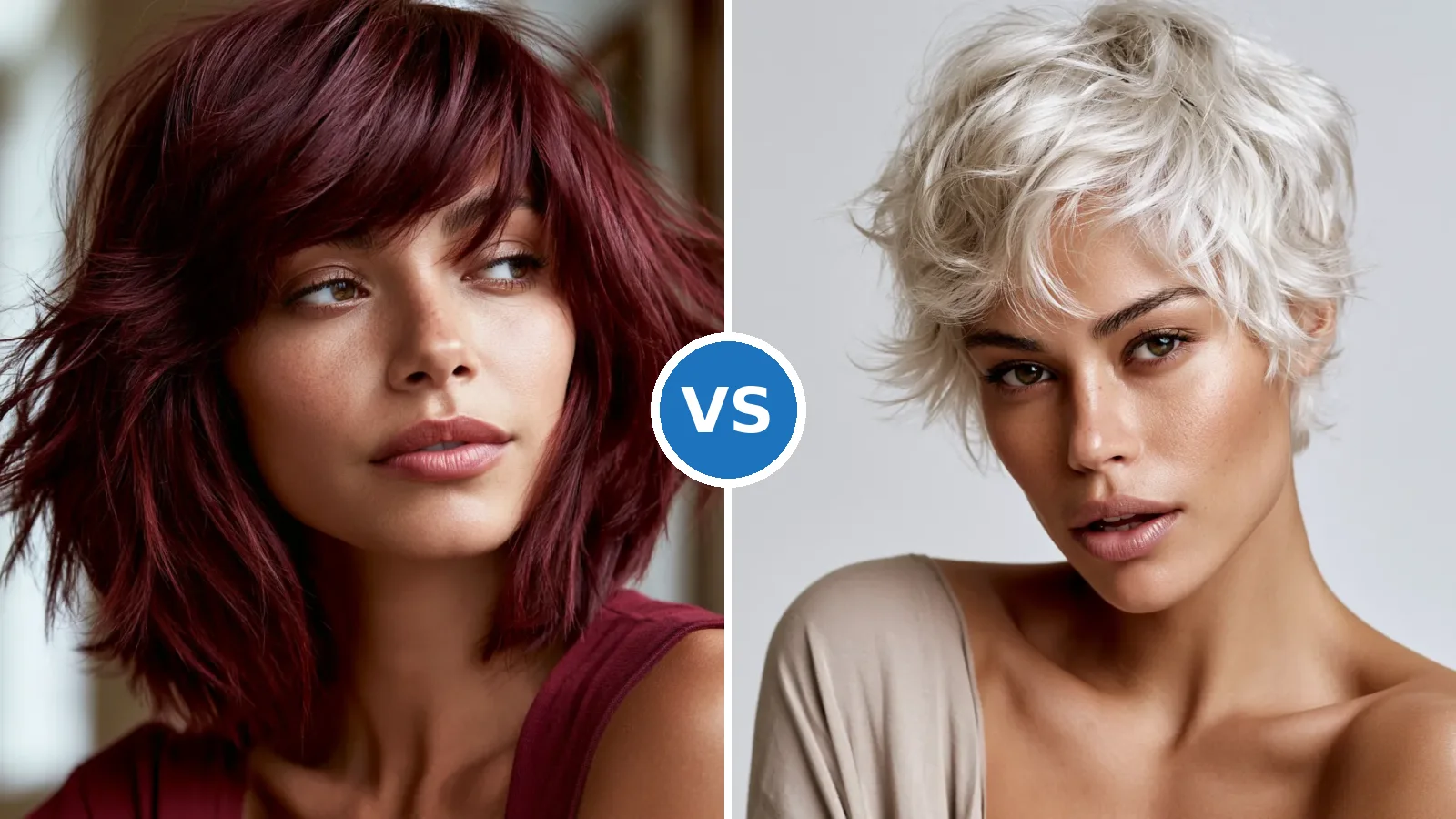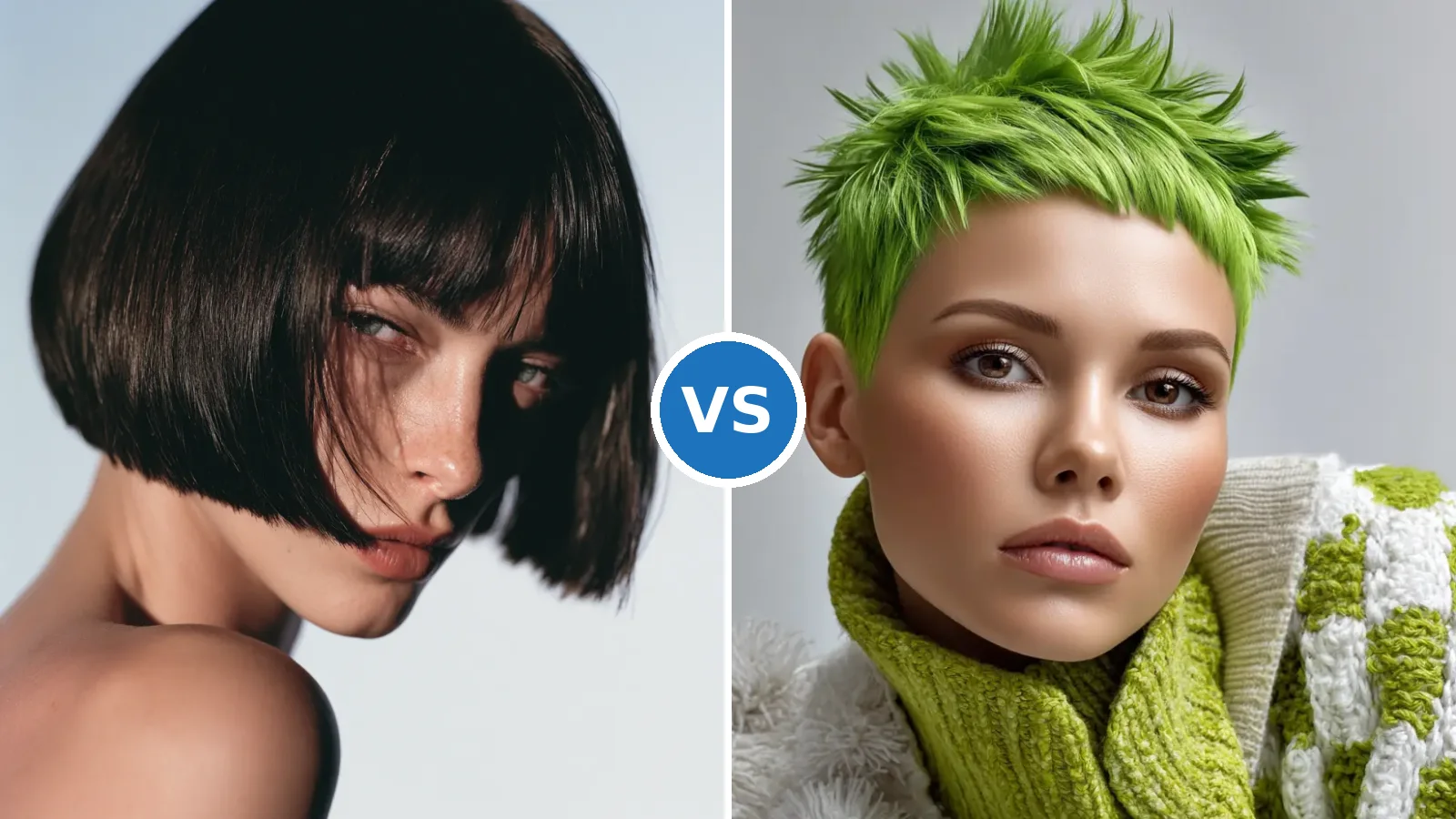
You’re sitting in the salon chair, ready for a bold change, but the decision stops you cold: should you commit to a bob or take the plunge into a shaggy pixie? Both are short, both are on-trend, and both promise to transform your look. Yet the daily reality, styling time, and face-shape fit are worlds apart.
When deciding between a bob vs pixie, know this: a bob suits almost every face shape when cut properly and requires minimal daily styling. A shaggy pixie cut, by contrast, demands confidence, regular maintenance, and a willingness to style daily.
What a bob and pixie cut actually are
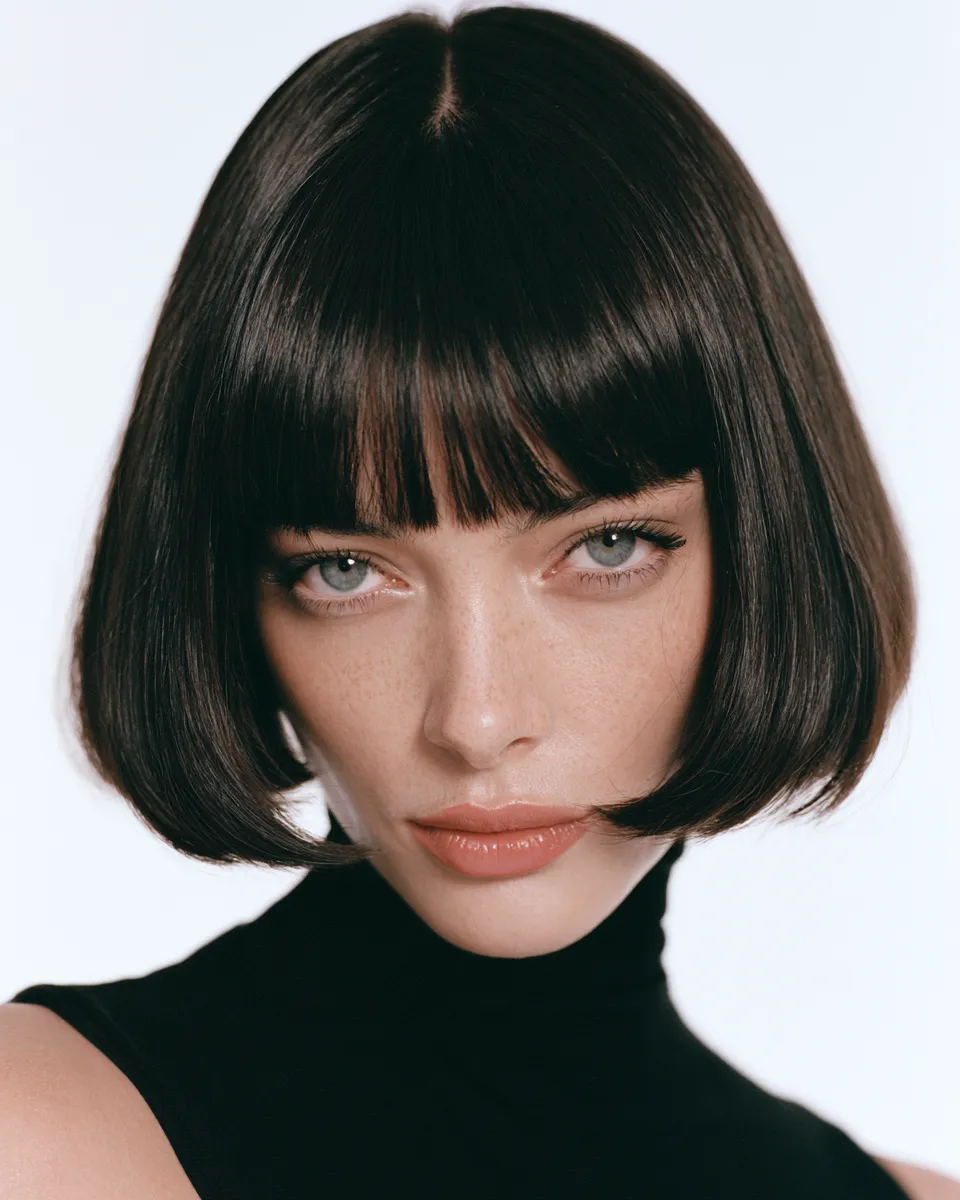
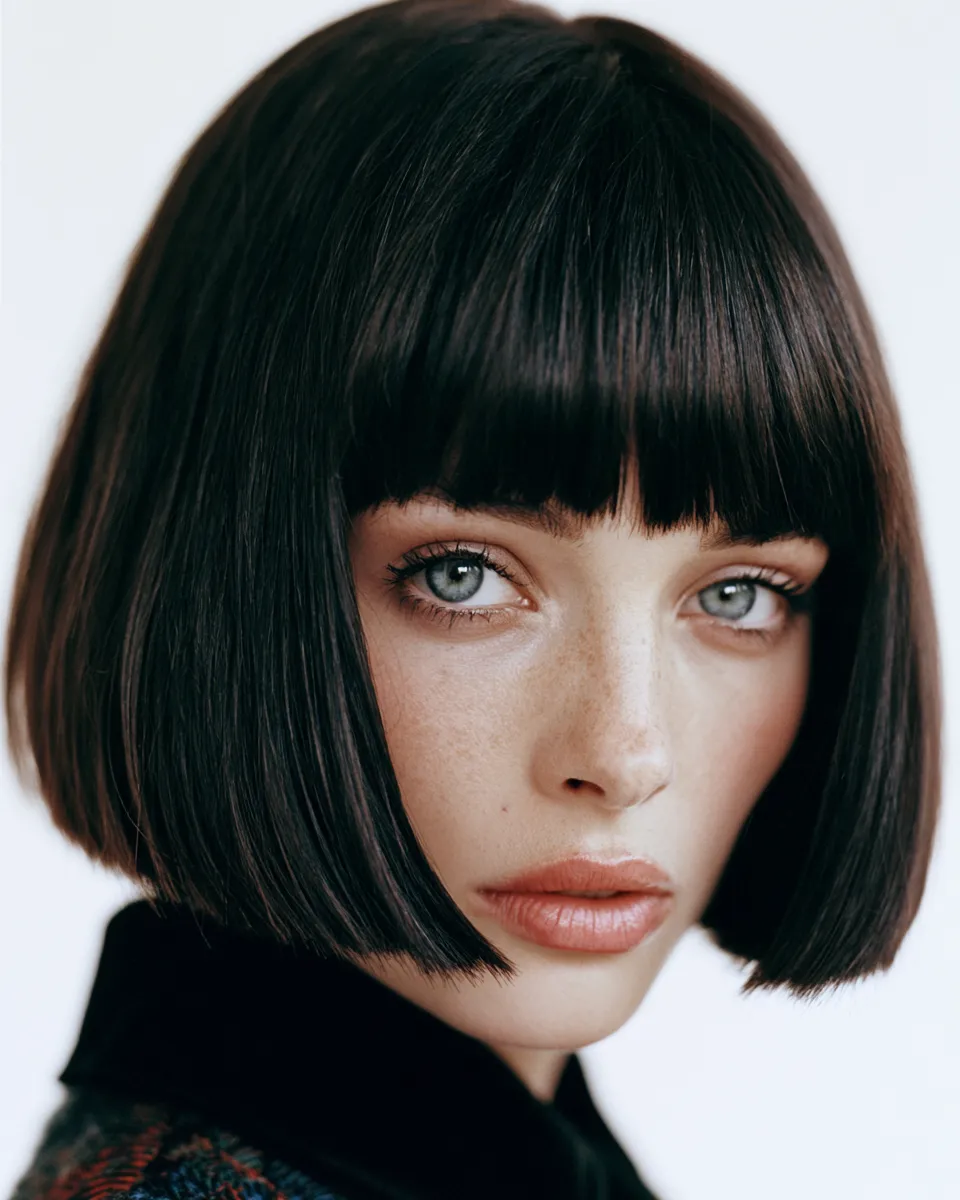
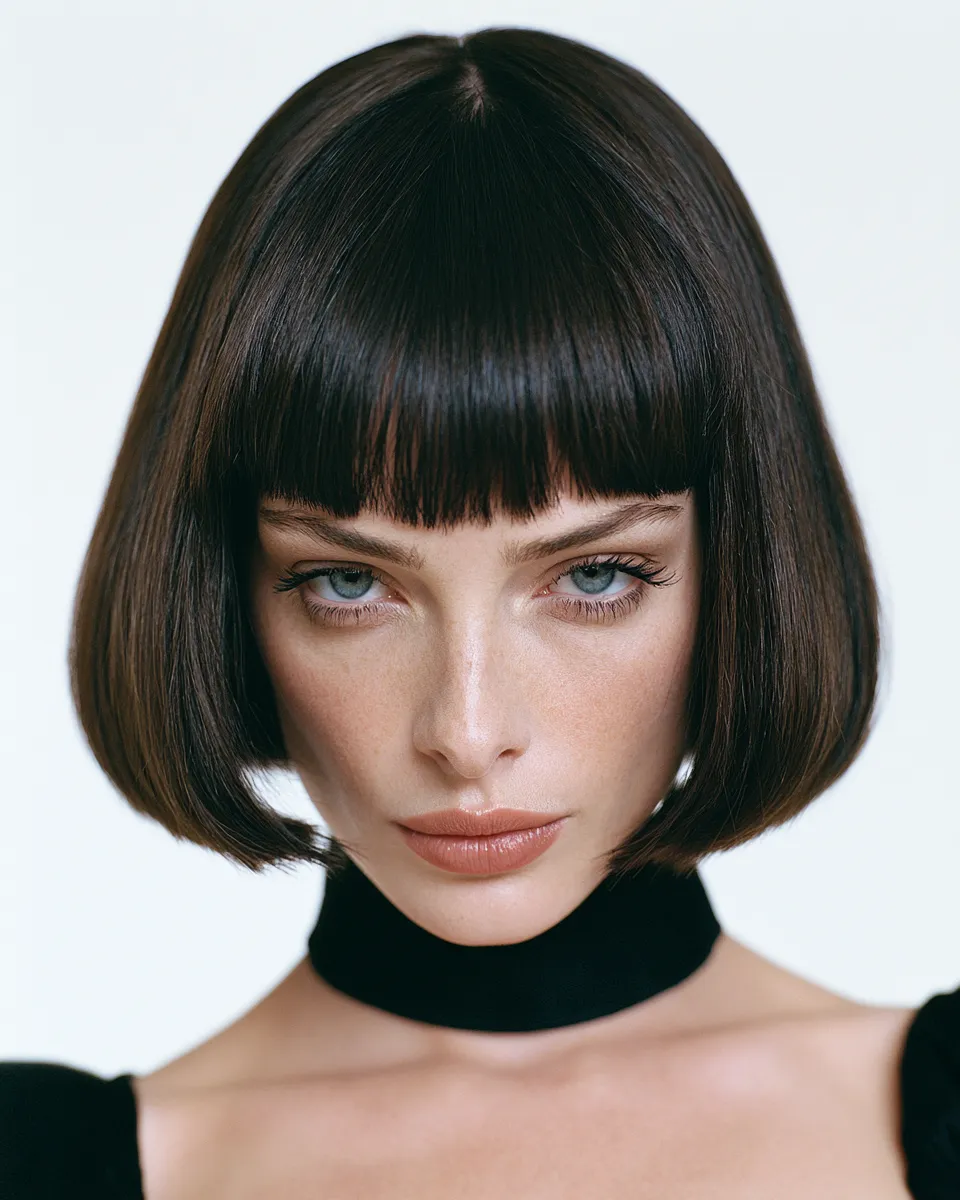
The bob haircut is a cut where hair falls roughly between the chin and collarbone, often with a clean perimeter line. It can be blunt or choppy, layered or flat, with or without bangs. The magic of the bob lies in its structure: where the weight line sits, how the perimeter is cut, and whether layers are added or removed. This structural flexibility means a bob can be customized for fine hair, thick hair, curls, or waves.
The shaggy pixie cut is a cropped, textured cut with precisely chopped layers that build height at the crown. Hair sits much shorter overall—typically clipped close at the sides and nape, with longer, piece-y layers at the top. The defining trait is irregularity: layers flow unpredictably, creating texture and volume through their asymmetry. Every version relies on styling to achieve its final shape.
Quick Verdict
- Choose Bob if you want a cut that looks intentional with minimal daily styling and adapts to multiple face shapes.
- Choose Shaggy Pixie if you enjoy styling, have straight-to-wavy hair, and want a bold, textured statement piece.
- Bob wins on flexibility and low daily maintenance.
- Pixie wins on visual impact and the energy of a daring transformation.

Length, styling time, and daily commitment
The bob gives you hair you can wear down, pin back, or part differently without completely changing the silhouette. Depending on the cut type—layered, graduated, or blunt—styling ranges from five minutes to fifteen. A textured, piece-y bob actually looks better on day three than day one because the texture is built in.
The shaggy pixie demands active styling almost every time you wear it. Volume is created using a root-lifting mousse, blow-dryer, and often a texturizing powder or dry shampoo at the crown. Finger-styling breaks up sections and defines movement.
Without this ritual, the cut falls flat or looks unkempt rather than intentional. You’re committing to 15–20 minutes of styling most days.
| Criteria | Bob Haircut | Shaggy Pixie Cut |
|---|---|---|
| Cut Length | Chin to collarbone | Clipped short; longer crown only |
| Styling Time | 5–15 minutes, often skippable | 15–20 minutes, key |
| Texture Built In | Yes (especially textured versions) | No; created through styling |
| Face Shape Flexibility | Works on all shapes when cut correctly | Best for oval, heart, square faces |
| Hair Texture Compatibility | Fine, thick, curly, straight | Works best on straight to wavy |
| Maintenance Frequency | Trim every 4–6 weeks | Frequent trims to preserve crown height |
Where the bob haircut wins
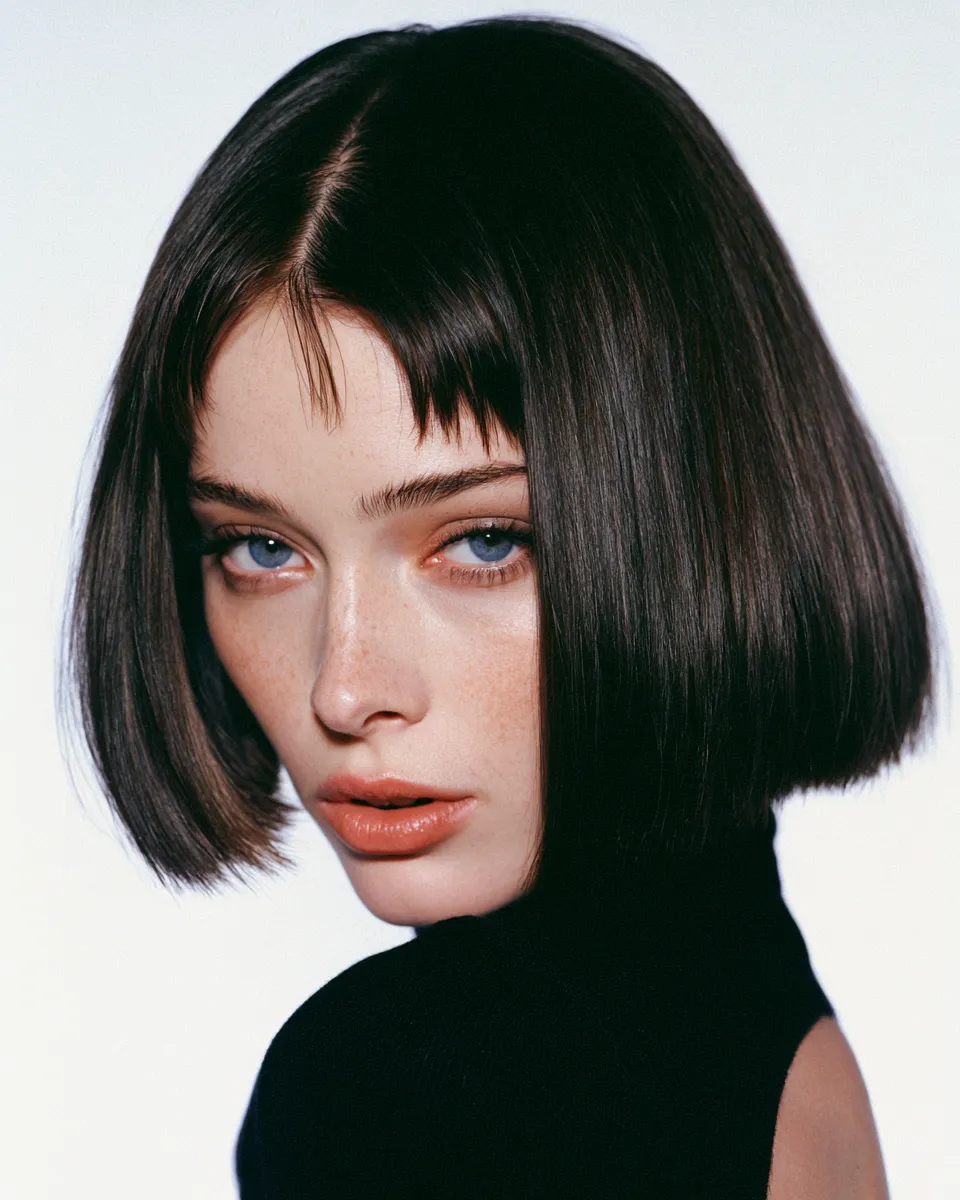
The bob’s greatest strength is its adaptability to face shape. Angled forward toward the face, it sharpens the jaw. Angled away, it elongates the neck.
On round faces, a layered bob with internal graduation creates contouring without additional styling. On square faces, soft layering with bangs softens harsh angles. This isn’t theoretical—it’s built into the cut itself.
The bob also wins on hair-texture compatibility. A blunt cut with a low weight line adds volume to fine hair. A graduated bob stacks weight at the nape and removes bulk through the sides for thick hair that needs control.
A layered bob distributes texture evenly across all types. You don’t need to blow-dry, texturize, or style a bob daily to have it look intentional.
Cost-wise, bobs are the most requested cut in salons worldwide, so finding an experienced stylist is easier. Maintenance follows the same timeline as most haircuts: a trim every four to six weeks to keep the perimeter sharp or layers defined.

Where the shaggy pixie cut wins
The shaggy pixie cut delivers maximum visual impact with minimal hair to manage long-term. Once you commit to the cut, you’re committing to texture and movement that photographs beautifully. The chopped layers at the crown catch light differently than a bob, creating dimension and an almost sculptural silhouette. This is a statement piece, not a background haircut.
For those with the right face shape and styling stamina, the pixie offers creative freedom that a bob cannot match. A rose gold shaggy pixie with side-swept bangs reads romantic and refined; an electric blue version becomes avant-garde rebellion; a neon green choppy crown is pure performance art. Color works harder on a pixie because the layers amplify shadows and highlights.
The pixie also requires less product buildup over time. Because hair is shorter overall, you’re not accumulating months of conditioning treatments or color damage the way longer styles do. Growth looks intentional, not overgrown.


The number one mistake people make when choosing between them
Choosing a shaggy pixie because it looks striking on someone else—without considering your own hair texture, styling patience, or face shape. The pixie requires straight-to-wavy hair; on curls, it either needs frequent blow-drying to define the layers or it reads shapeless. More importantly, the pixie is a daily styling commitment masquerading as a low-maintenance cut.
Someone with fine, straight hair who loves a polished look at 7 a.m. without styling might fall in love with a shaggy pixie’s tousled aesthetic on Instagram, then spend six months frustrated that their version never holds that easy shape. The bob, by contrast, suits almost everyone and forgives missed styling days.
Conversely, choosing a bob because you want to look edgy, then selecting a blunt, geometric version without texture is another trap. Not all bobs deliver movement or attitude. A textured, piece-y bob with internal layers delivers the movement and personality many seek—not sleek, polished bluntness. Knowing which bob structure you need before you sit in the chair saves months of growing out the wrong cut.

The final verdict on bob vs pixie
The bob is the right choice if you value adaptability, minimal daily styling, and a cut that works on multiple face shapes and hair textures. It’s the most technically useful short haircut. A layered or textured bob gives you movement and personality without demanding 15 minutes of styling each morning.
The shaggy pixie is right if you have straight-to-wavy hair, genuinely enjoy styling, and want your haircut to function as a personal statement. It suits oval, heart, and square face shapes best and delivers visual punch that a bob, no matter how well-cut, cannot match. It’s a commitment to texture and presence—not a cut you wear passively.
Neither is objectively better. Your face shape, hair texture, lifestyle, and styling commitment determine the winner.