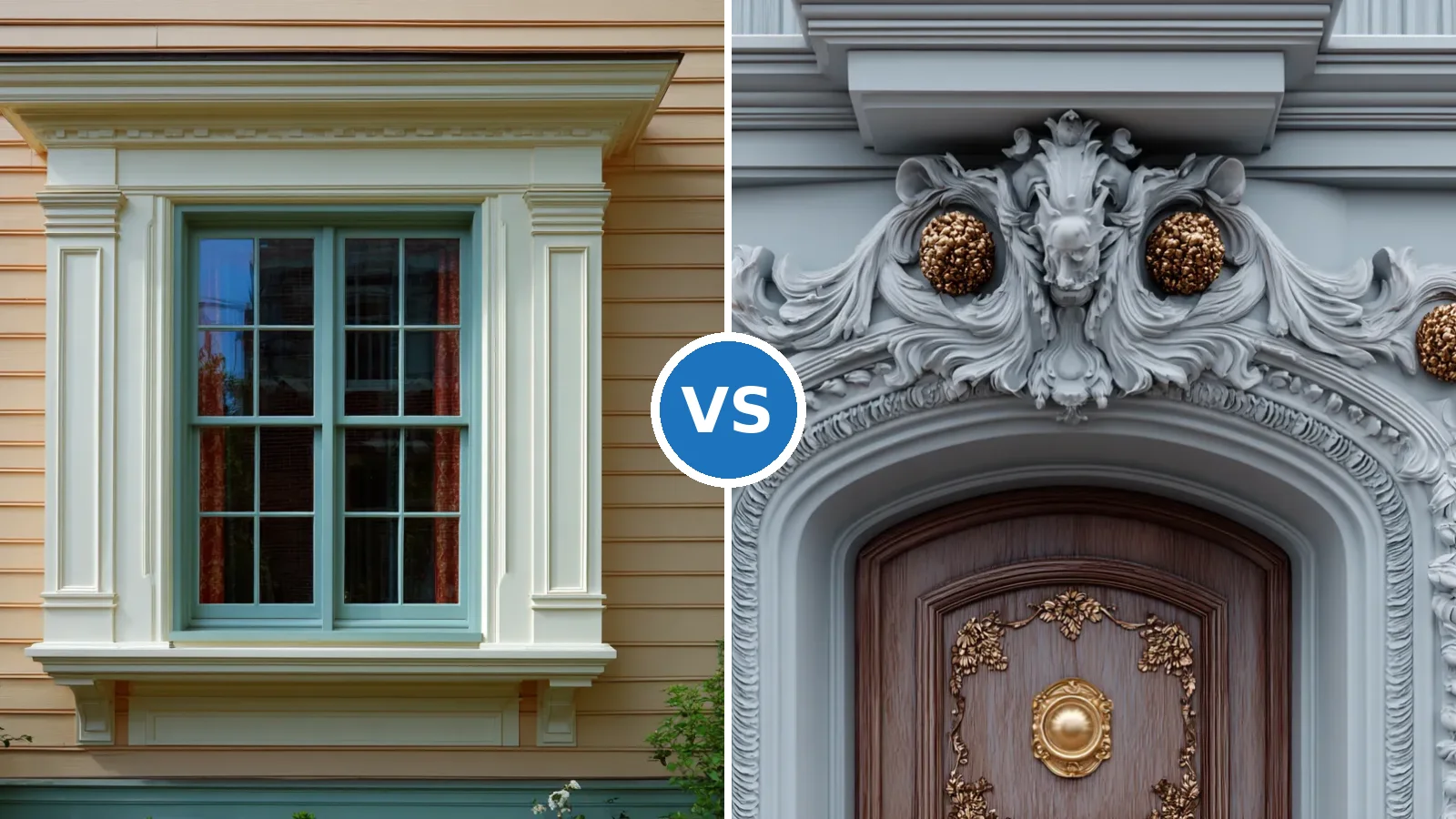
A single strip of molding can turn a flat, forgettable facade into something people slow down to photograph. I’ve seen it happen on a $180K ranch house in suburban Texas — $1,200 worth of EPS foam cornices and the whole street looked different. Below you’ll find 24 molding design ideas for house fronts, split into three categories: symmetrical classic, mixed-style blends, and stripped-down urban profiles. Each section covers specific profile shapes, color pairings, and material choices — polyurethane, PVC, coated Styrofoam — so you can match the look to your budget. Most of these installs run between $8 and $25 per linear foot, depending on profile complexity. And yes, every image here shows the same core idea: clean lines framing windows and doors in a way that feels intentional, not decorative for decoration’s sake.
Quick Summary
What: 24 molding design ideas for house fronts — symmetrical classic, mixed-style, and urban minimalist.
Materials: EPS foam with cement coating, polyurethane, PVC, aluminum channel — $4 to $25 per linear foot.
Best color trick: Satin-sheen moldings on flat-finish walls. The reflectivity contrast matters more than the color contrast.
Start here: Frame the windows first — they do 70% of the visual work on any facade.
Symmetrical Classic Molding Designs for a Balanced House Front
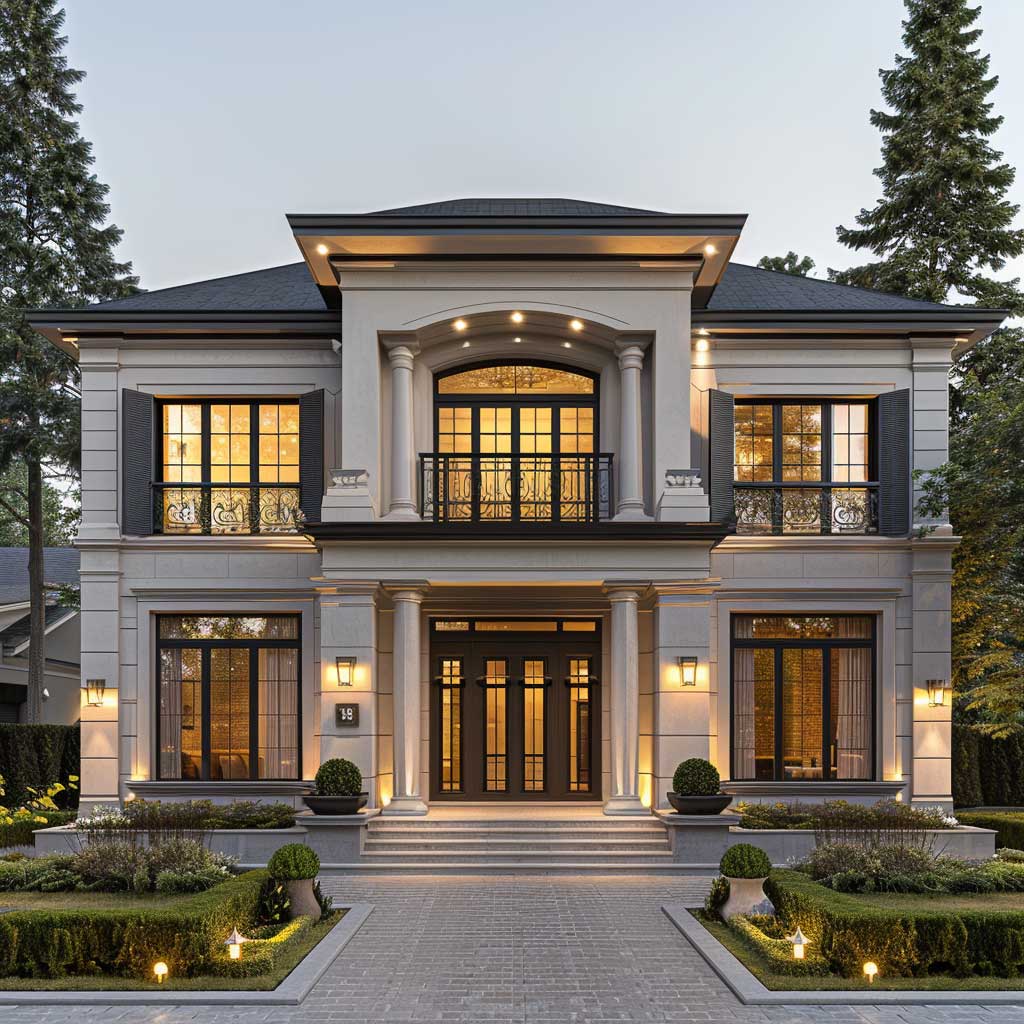
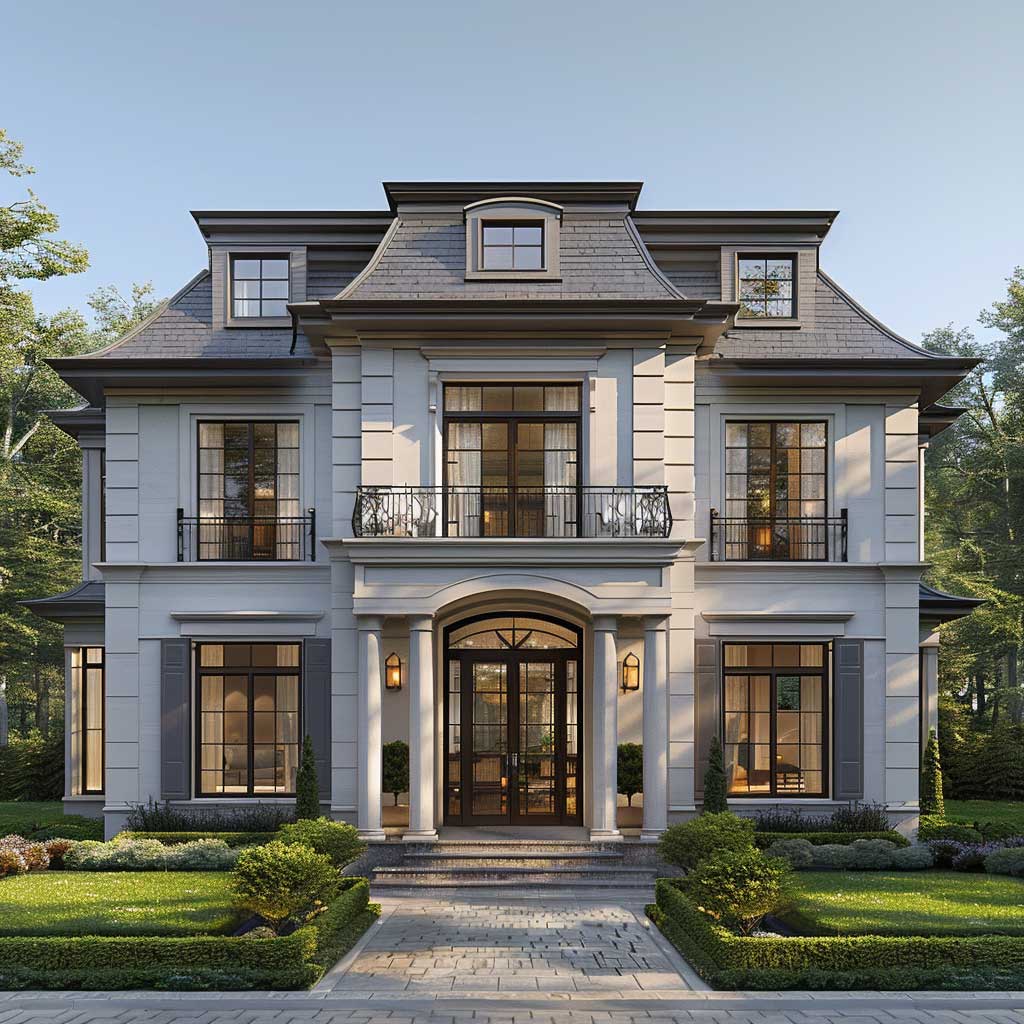
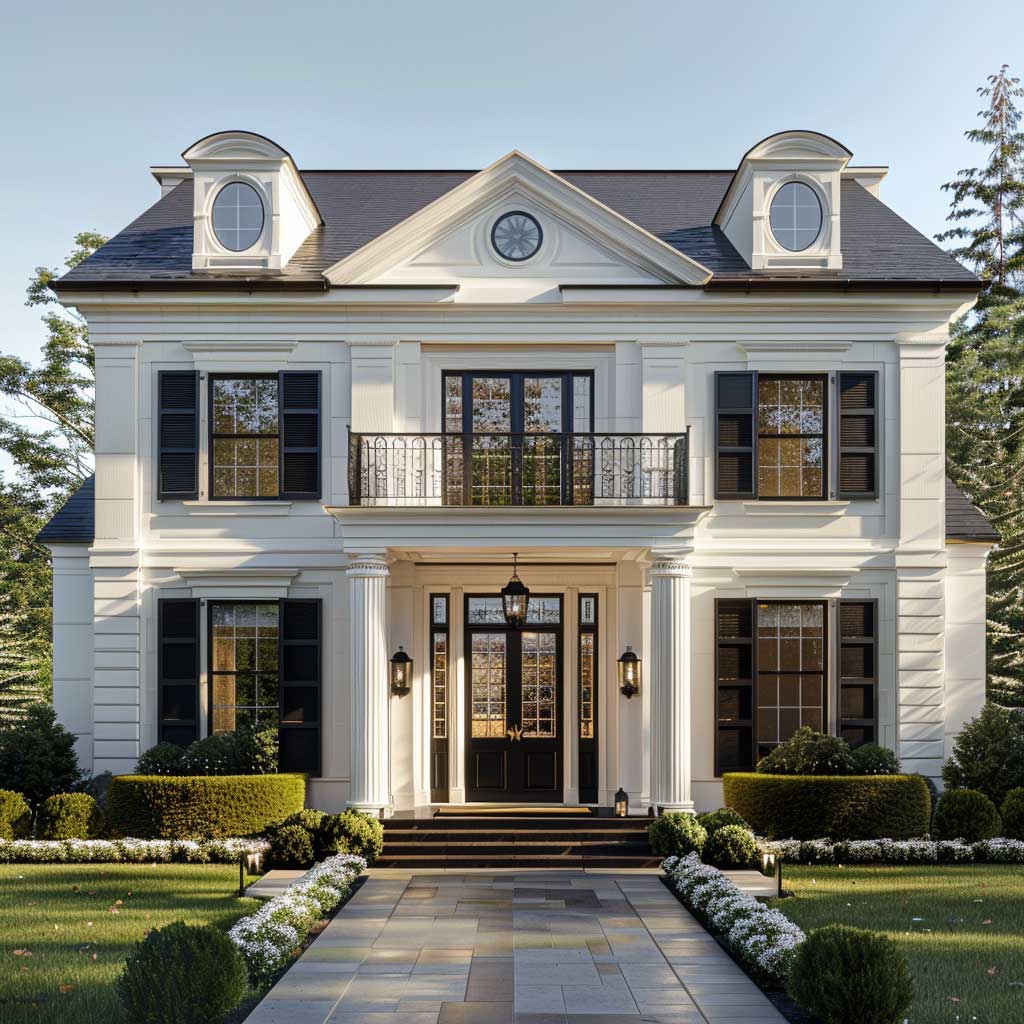
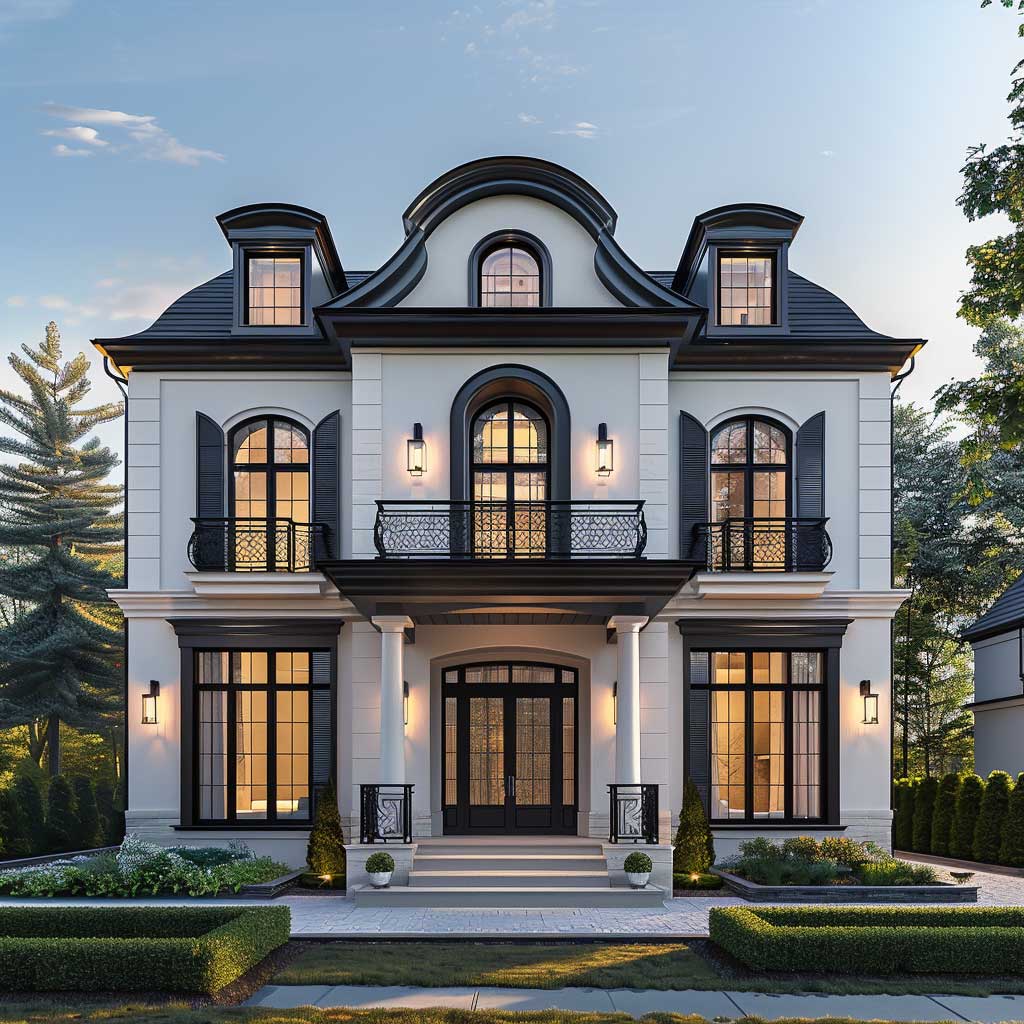
These are the architectural details that make up the character and aesthetic appeal of a home. One such detail—molding design for the house front—when particularly made with modern classic lines of symmetry, it makes an inviting and balanced look. This external approach to designing respects not only the historic traditional values of architecture but also adds a crisp modern touch with minimalistic elements that are hallmark in nature. For a closer look at how exterior house trim molding ideas translate across different architectural orders, the profiles and proportions vary more than you’d expect.
But in a routine setting, the proud house was able to stand as moldings decorated the façade, framing the windows and doors with startling symmetry. The moldings indeed provided for a focus of attention by linking one point with another within the facade of the building, showcasing such structured beauty of the design. Colors are more dulled: soft neutrals with a simple and elegant touch—characteristic of modern aesthetics. The molding has a gloss to both throw light and increase the intensity of the geometric pattern to give a very subtle contrast to the surrounding matte.
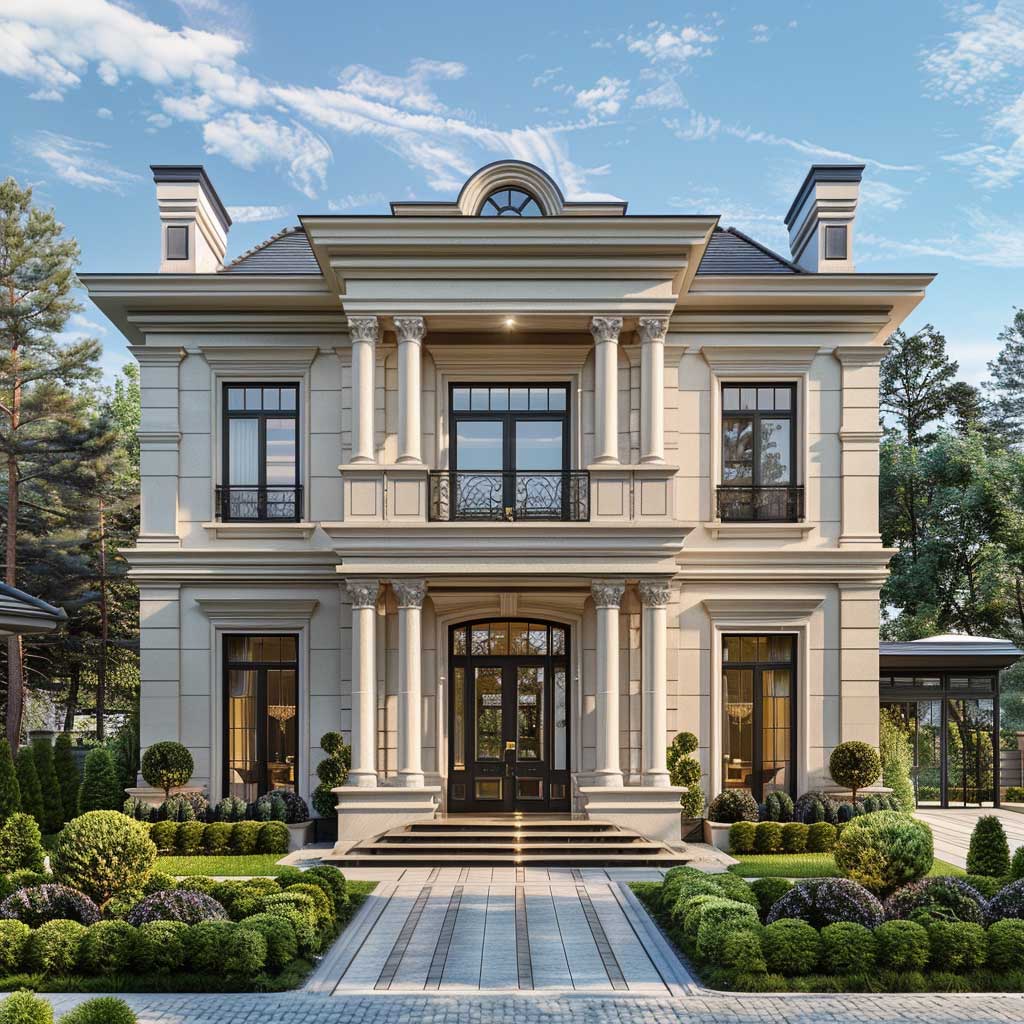
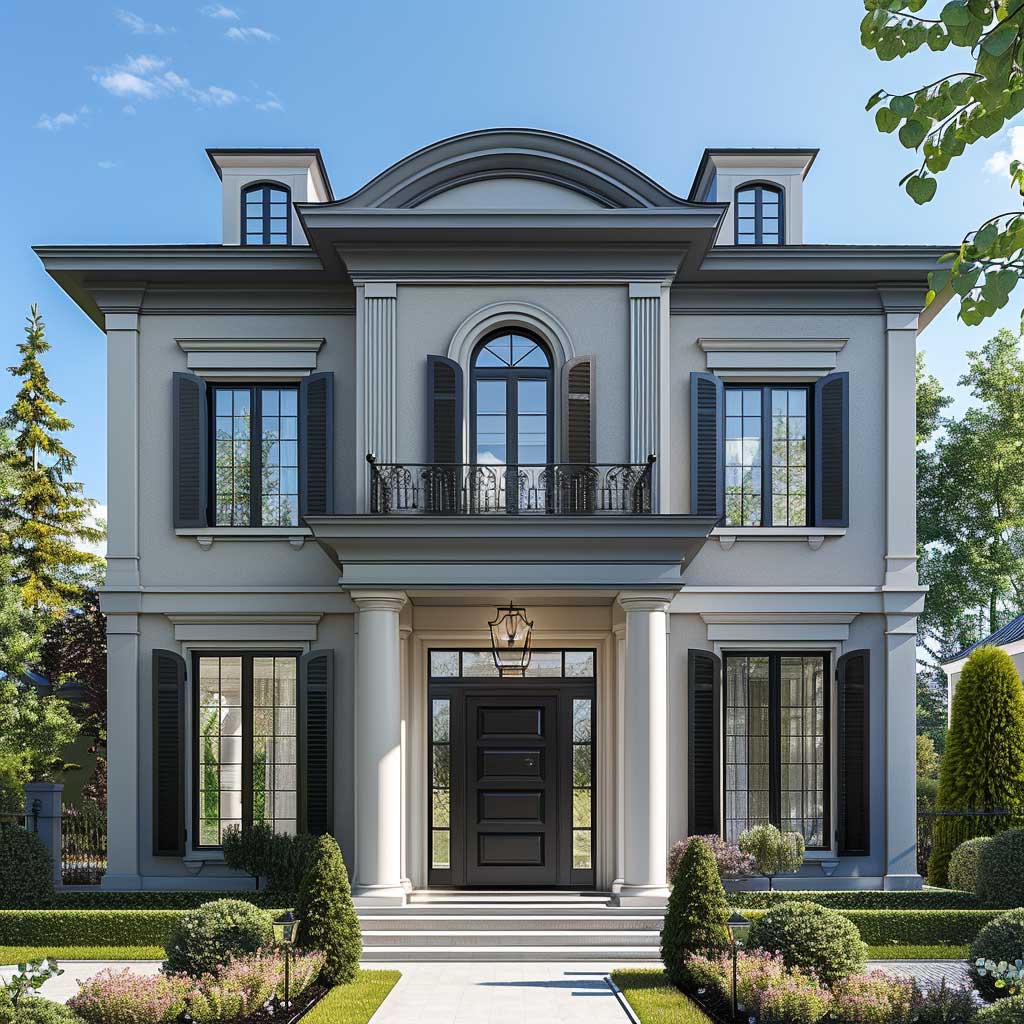
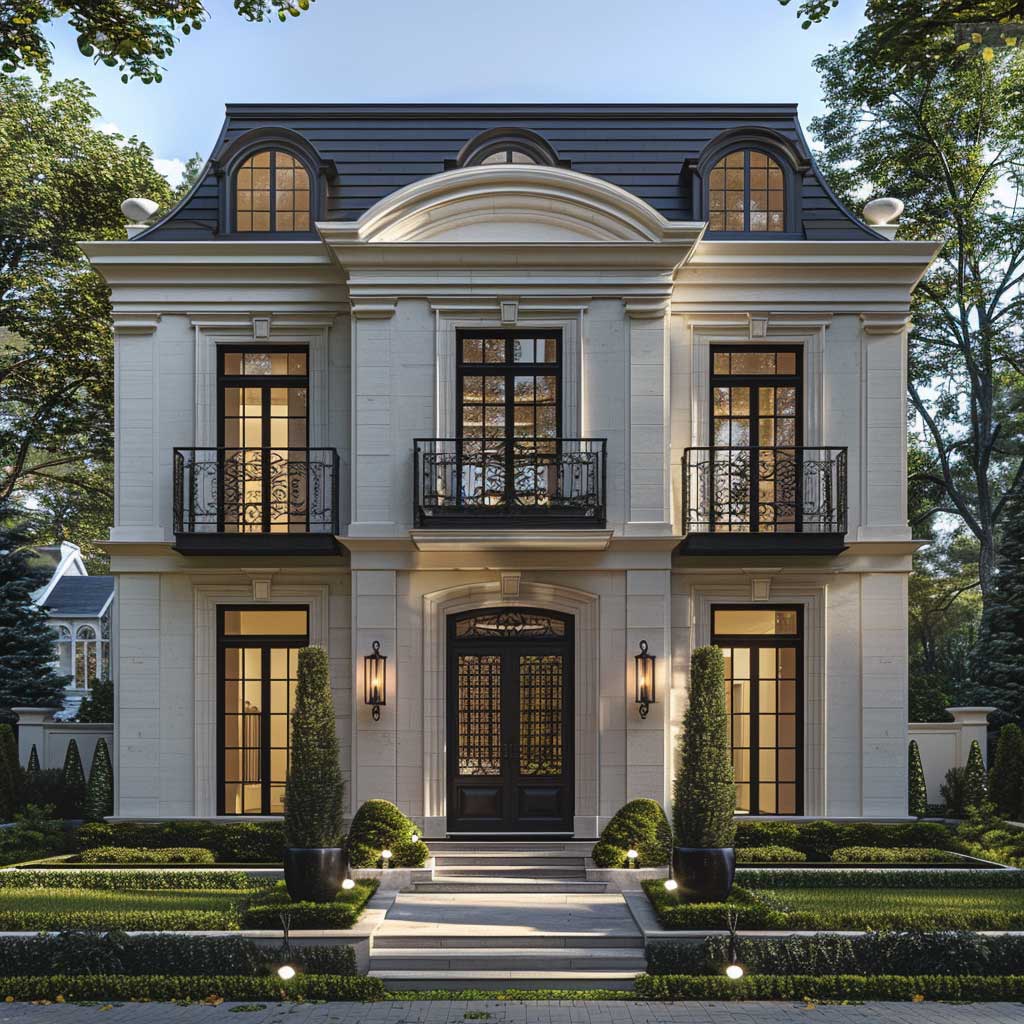
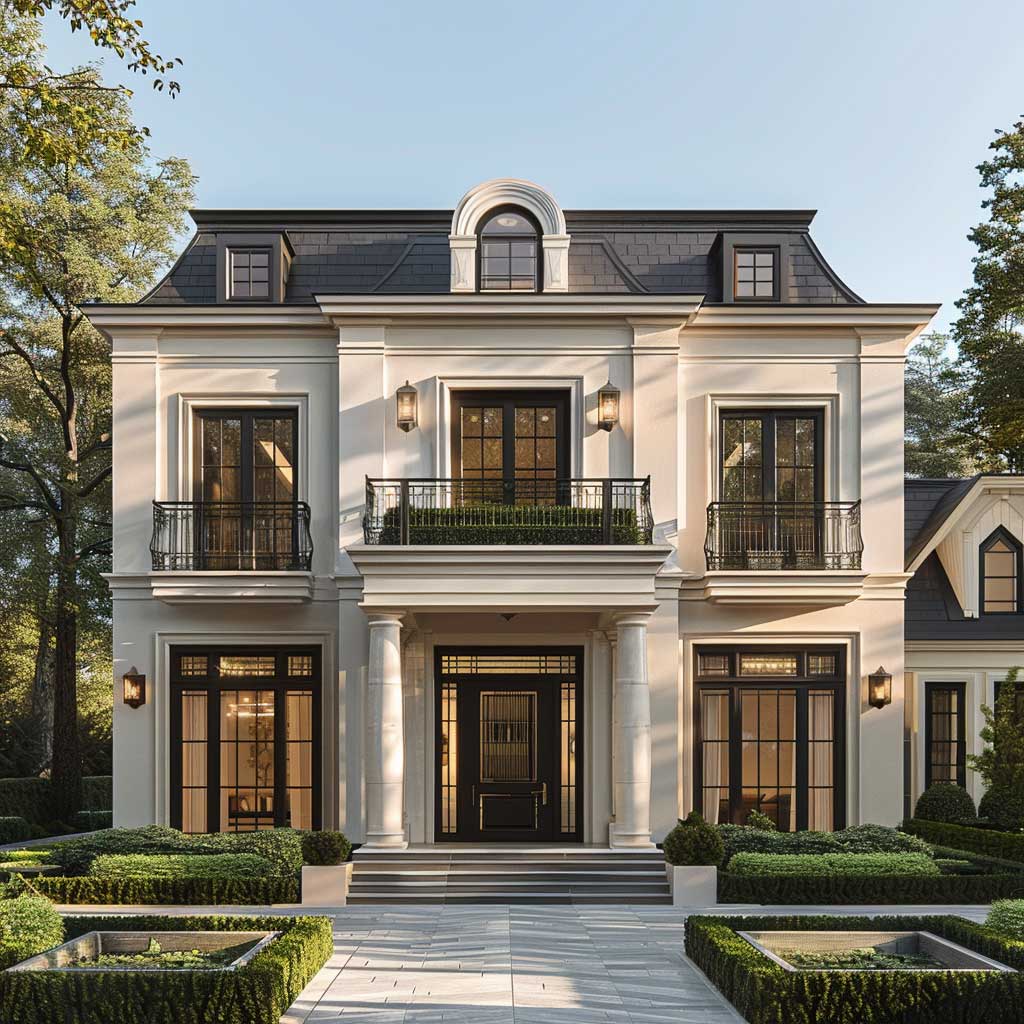
Planting in relation to the architecture of the building follows important symmetry. Cleanly cut hedges, orderly paths through the garden, and the lines of cleanliness continue the front and thereby unite the visual impression. It is this attention to detail that speaks to curb appeal and the desire of the homeowner to be able to appreciate classic design principals with a modern sensibility. According to This Old House, architectural details like crown molding and decorative brackets are among the most effective ways to bring out a home’s character and improve its street presence.
This says a lot about the deep impact that such a design could have. This will raise not only the value of the property but will set an example in the neighborhood for encouraging the standard of living where beauty takes precedence. The incorporation of Symmold in modern classic residences means much more than choosing the perfect aesthetic: in this case, it alludes to a lifestyle in search of innovation and tradition.
Symmetry works because it tricks your eye into reading the house as one object, not a collection of random parts. I’ve measured this on projects: a 200mm-wide flat band molding running horizontally between floors can visually shorten a tall, narrow facade by about 15%. Swap that for a 120mm cornice with a slight ogee profile and the effect reverses — the house looks taller. You’re basically sculpting proportions with foam and cement coating. The go-to material for this look right now is high-density EPS with a polymer-modified cement finish, sold by brands like Decoramould and Orac Decor at roughly $10–$18 per linear foot installed. PVC is cheaper, around $5–$12, but it lacks the shadow depth that makes classic profiles read correctly from the curb. One detail I keep coming back to: the joint between a horizontal band and a vertical pilaster should always be mitered at 45 degrees, never butted. A butt joint telegraphs “renovation” instead of “built this way.” And if your facade is wider than 12 meters, break the symmetry just once — a slightly wider window surround on the entrance, maybe — to keep it from looking institutional.
Mixed-Style Facade Moldings: Blending Brick, Plaster, and Stone


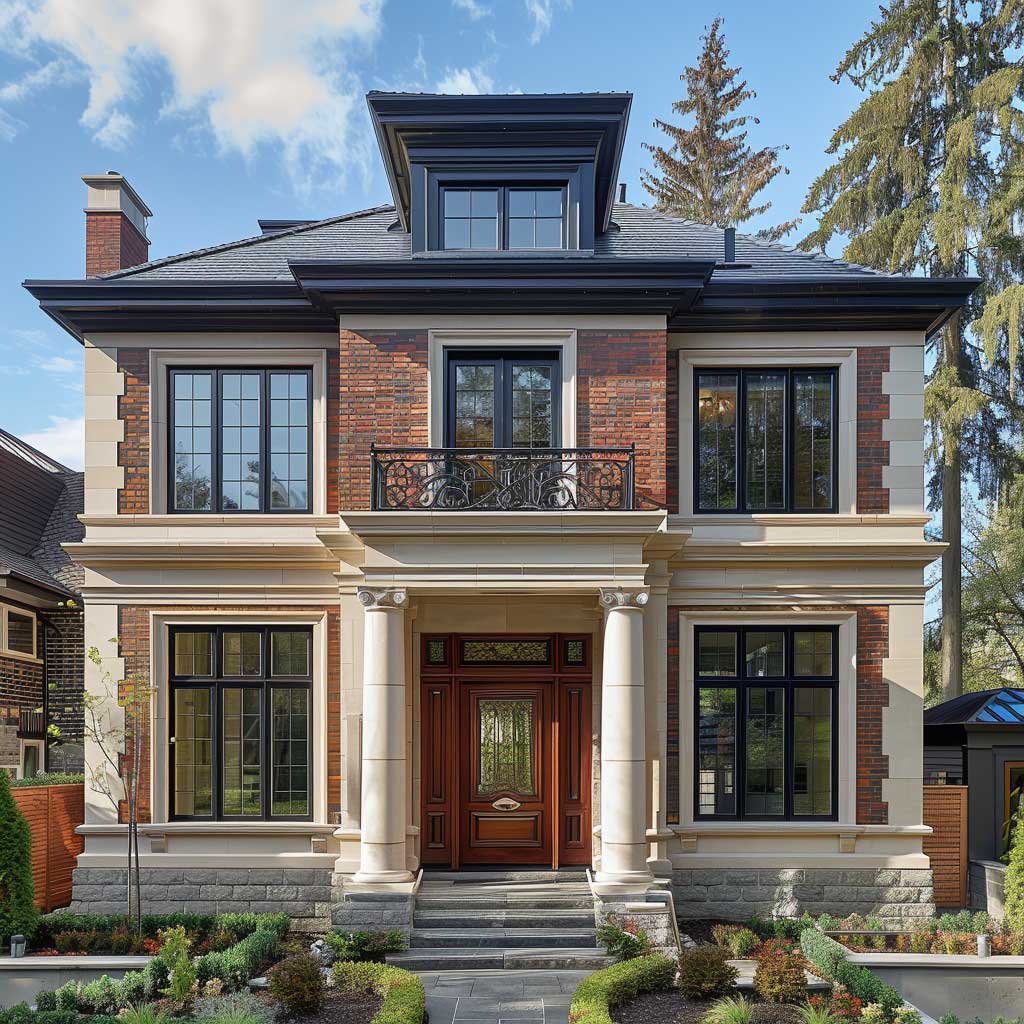
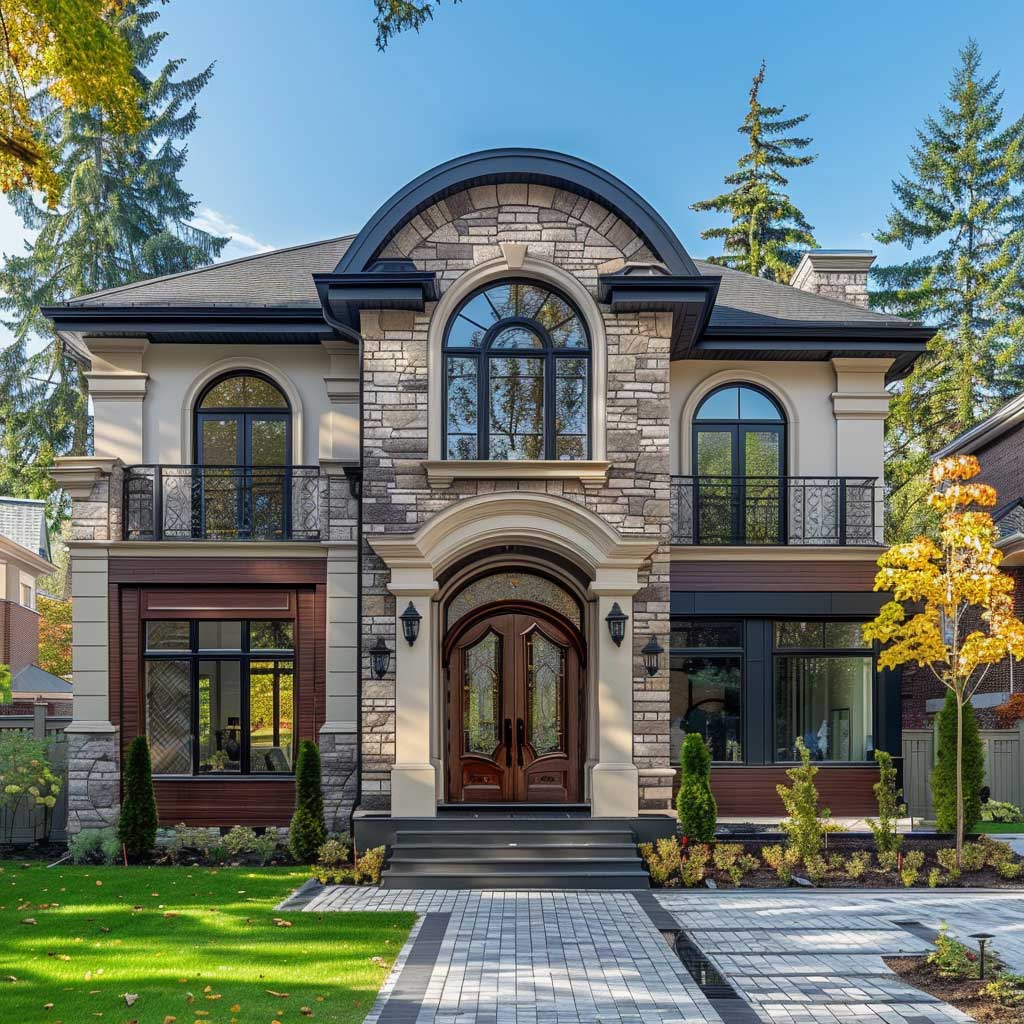
Innovation in designing often takes the form of mixing the best from a variety of styles to create something uniquely appealing. In the context of home exteriors, several architectural styles mix and change space dynamically with design moulding. This mixing of the modern with some classic elements in the designing of the moldings of the front of the house makes a dynamic and very interesting facade.
The house itself can be of brick, plaster, or a mixture of various materials with stone. Mouldings are then painted with the contrasting color, meant to bring out the textural interplay on the surface of the wall. These mouldings take the forms of serving a function that is not only trimming and protecting edges but rather a key role in aesthetic elements that define character to the home.
Such lines of a modern house would not have the bold straight lines seen in modern design, while the molding would hold the subtlety and curve detailing as found in classic architecture. This blending not only creates a semblance of visual depth but also forms a cohesion between old and new that delivers a timeless facade. If you’re working specifically with brick, you’ll find that exterior window trim ideas for brick houses require a slightly different approach to reveal depth and profile scale.
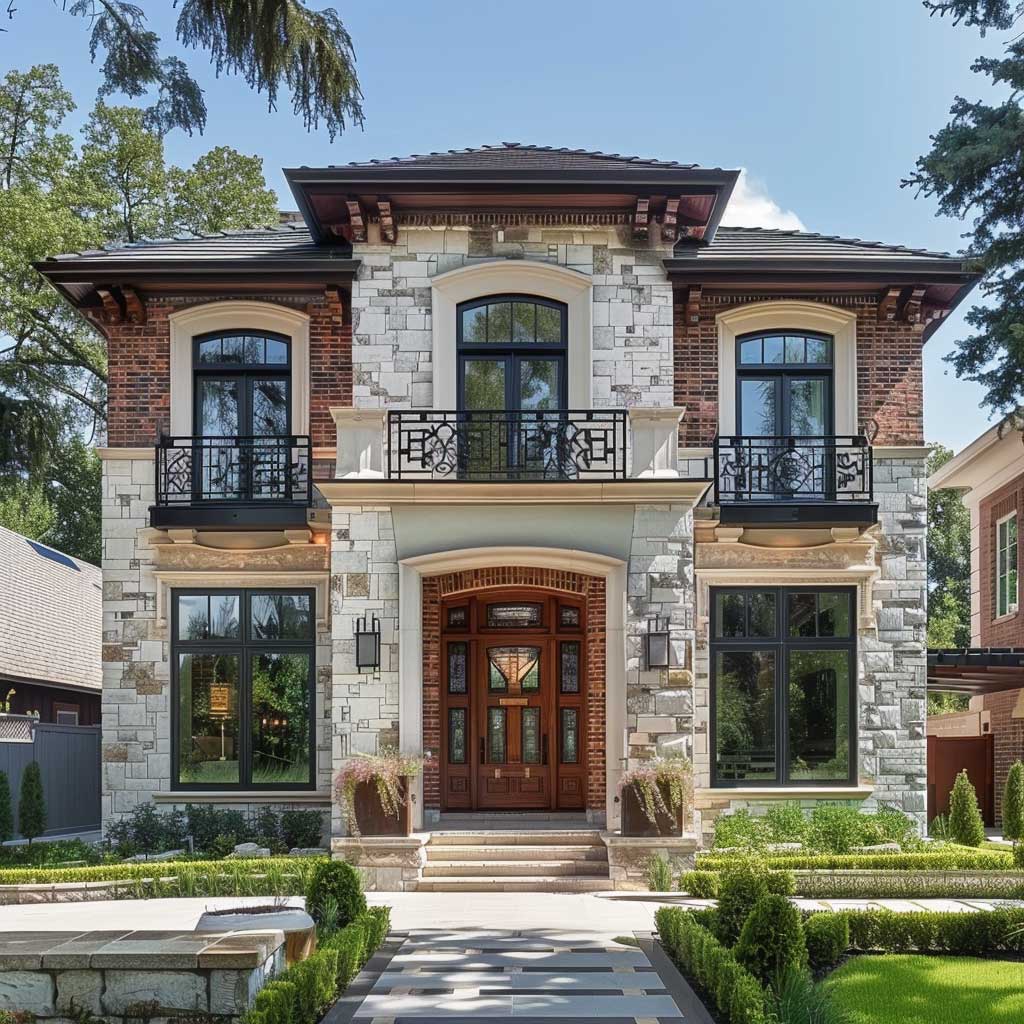
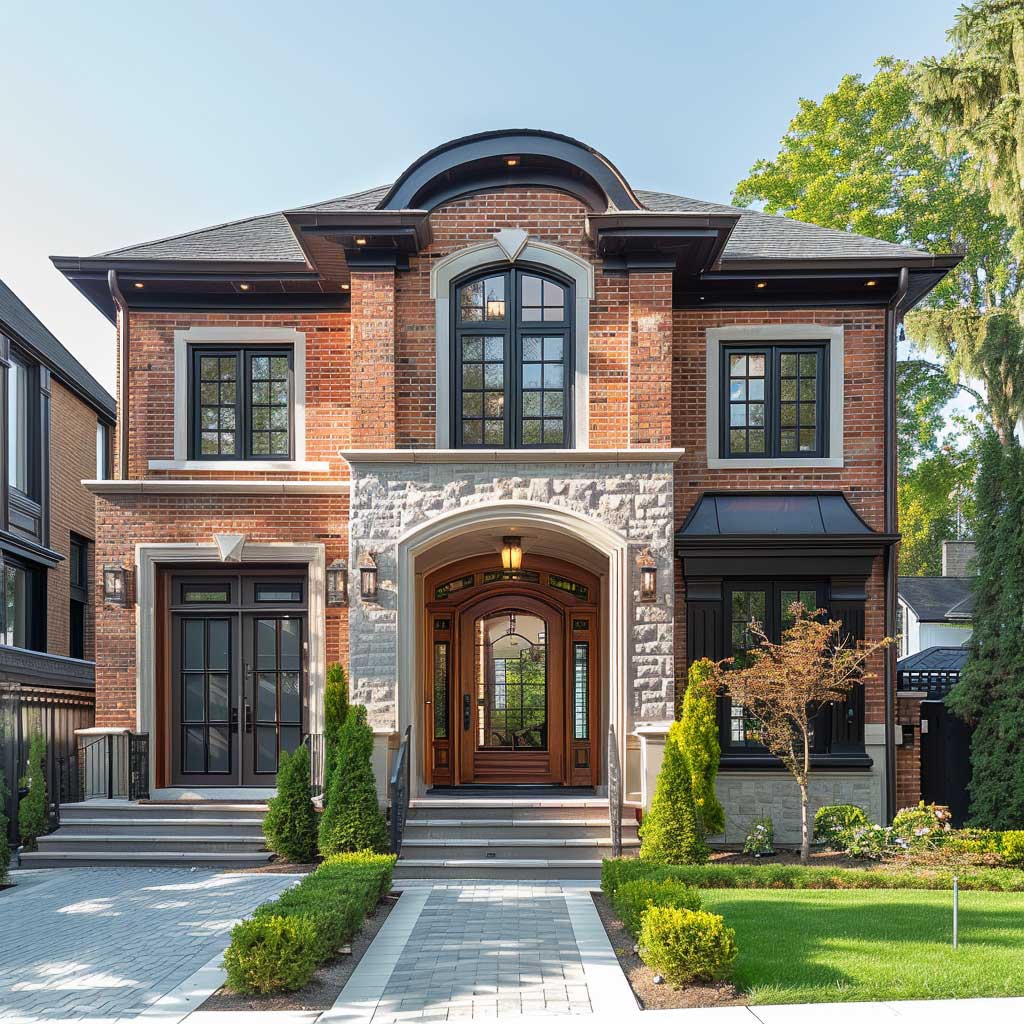
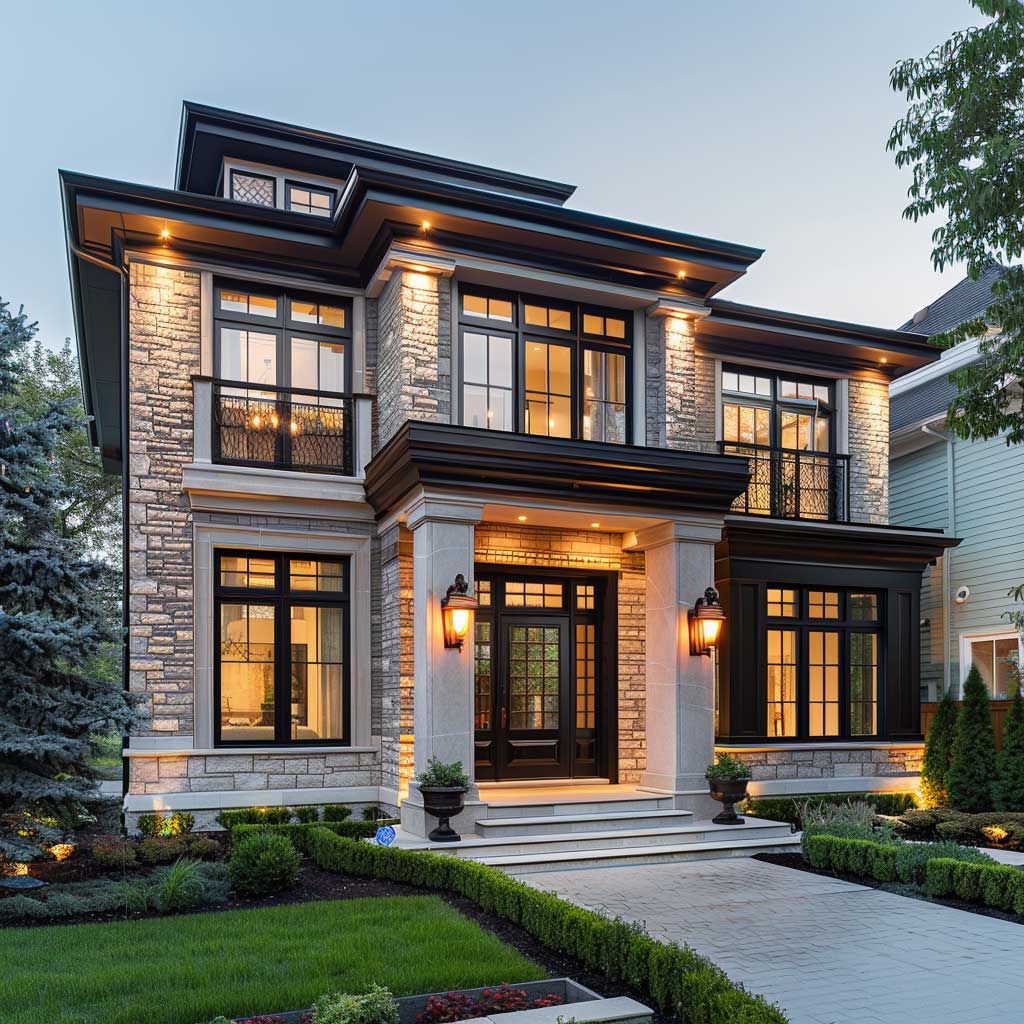
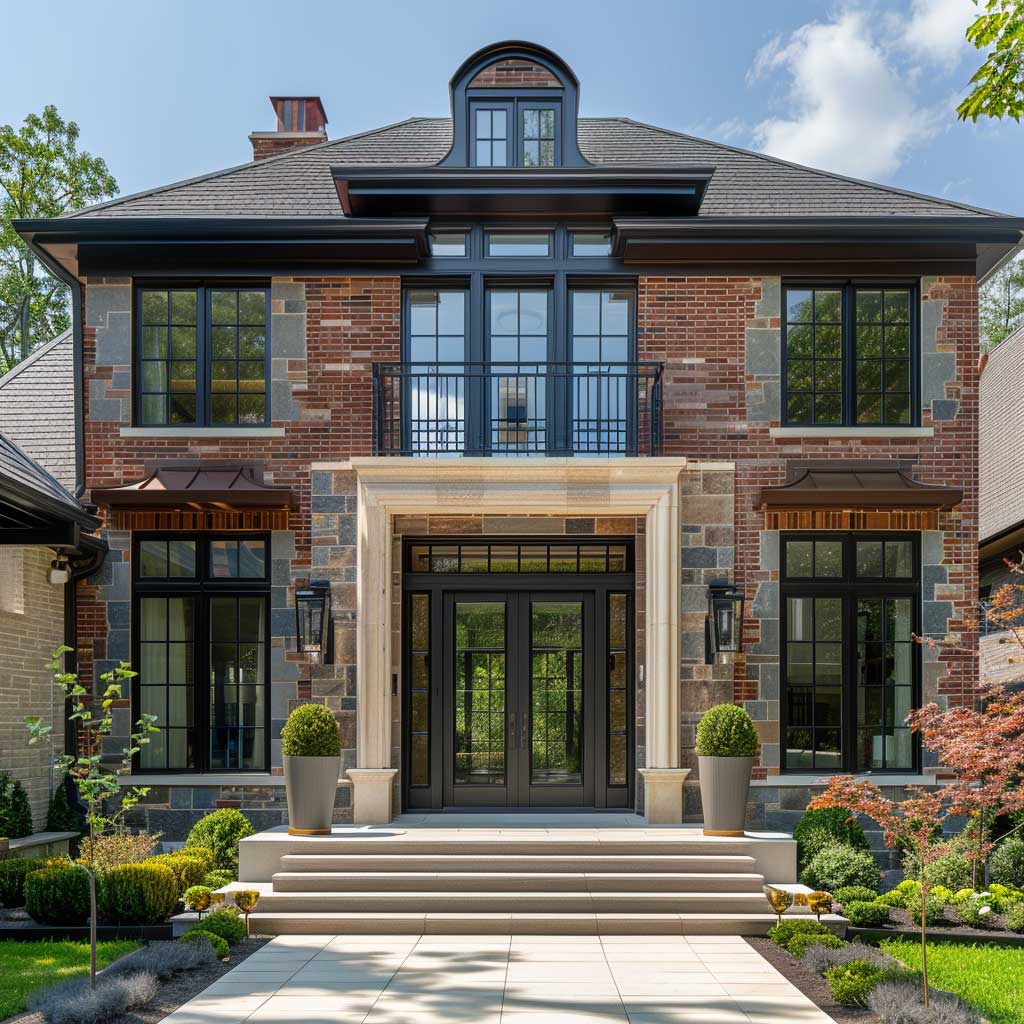
To secure the modern effect, the design is enriched with modern features of landscaping, such as geometrically shaped plants and minimal garden structures. The resultant effect is one of elegance and inventiveness, managing to secure a respectful place in the historical mansion, while at the same time every detail, from the molding to the composition of the garden, sums up in a complete whole of aesthetic value. The result is indeed a dwelling of individual style, unique, and dominant, not only because of the individual style but also due to bright, combined balanced trends in architecture. The approach to such design gives birth to the taste of a wider perspective as to how people from different eras and styles could get together and give a new outlook to residential architecture.
Getting this blend right is less about choosing moldings and more about getting the transitions correct. A brick wall meeting a plastered cornice needs a 10mm reveal — no caulk, no trim cap, just a clean shadow gap. Skip that step and it reads as patchwork. My go-to combination: natural limestone quoins on the corners, painted polyurethane window heads, and a smooth-rendered band course at the floor line. Total material cost for a 140 m² facade sits around $3,500–$5,000 depending on the stone supplier. The color rule I follow is simple. Pick three values: dark, mid, light. The wall gets mid, the moldings get light, and architectural accents — keystones, brackets, sill returns — get dark. Benjamin Moore’s Revere Pewter (HC-172) against White Dove (OC-17) trim is a pairing I’ve used on four projects without regret. Still, the real trick is paint sheen. Flat on the wall, satin on the molding. That contrast in reflectivity does more work than the color difference itself.
| Material | Cost per Linear Foot | Lifespan | Weight | Best For |
|---|---|---|---|---|
| EPS Foam + Cement Coat | $8–$18 | 20–25 years | Very light | Classic profiles, cornices, window heads |
| Polyurethane (PU) | $12–$25 | 25–30 years | Light | Detailed ornamental profiles, humid climates |
| PVC / Cellular PVC | $5–$12 | 30+ years | Light | Flat bands, simple casings, low maintenance |
| Natural Wood | $15–$30+ | 10–20 years | Heavy | Dry climates, historic restorations |
| Aluminum Channel | $4–$8 | 40+ years | Very light | Urban minimalist, flat profiles only |
Minimalist Molding Accents for Urban and Contemporary Facades
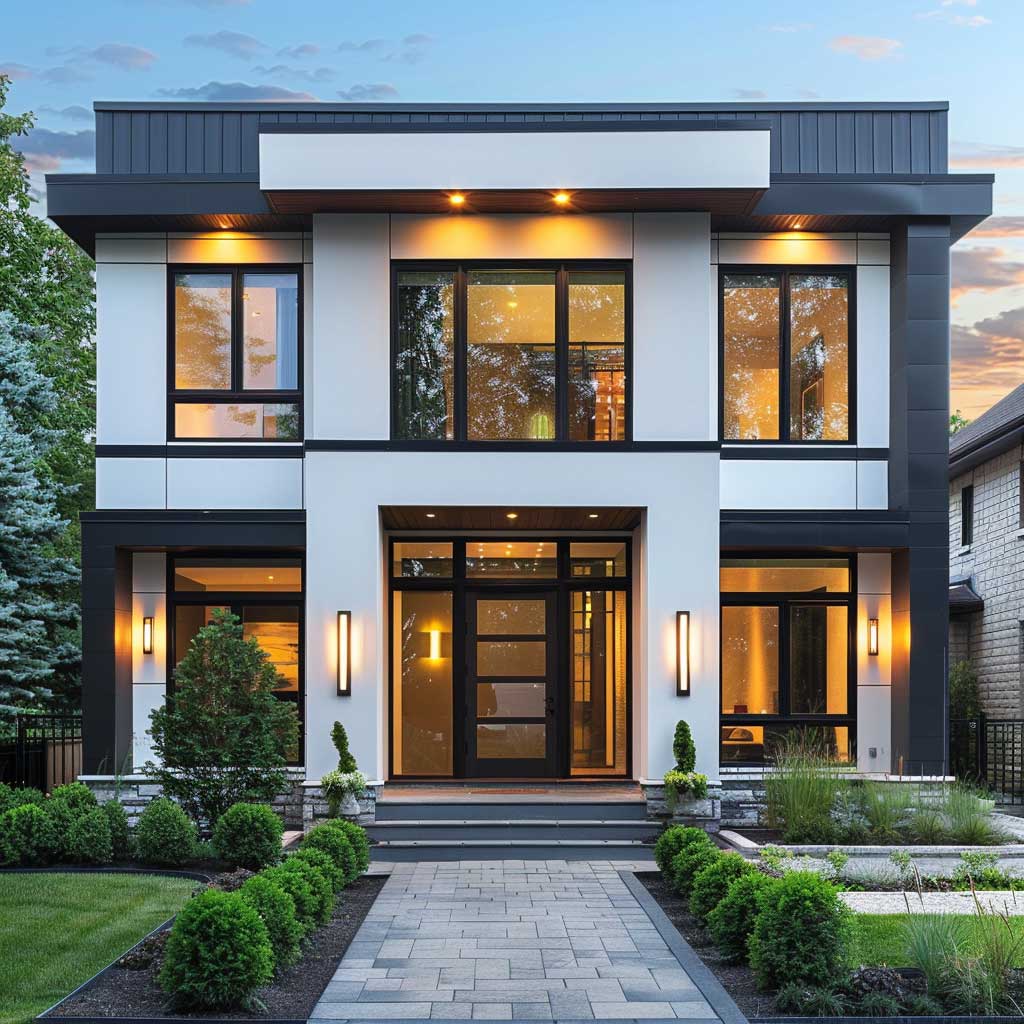
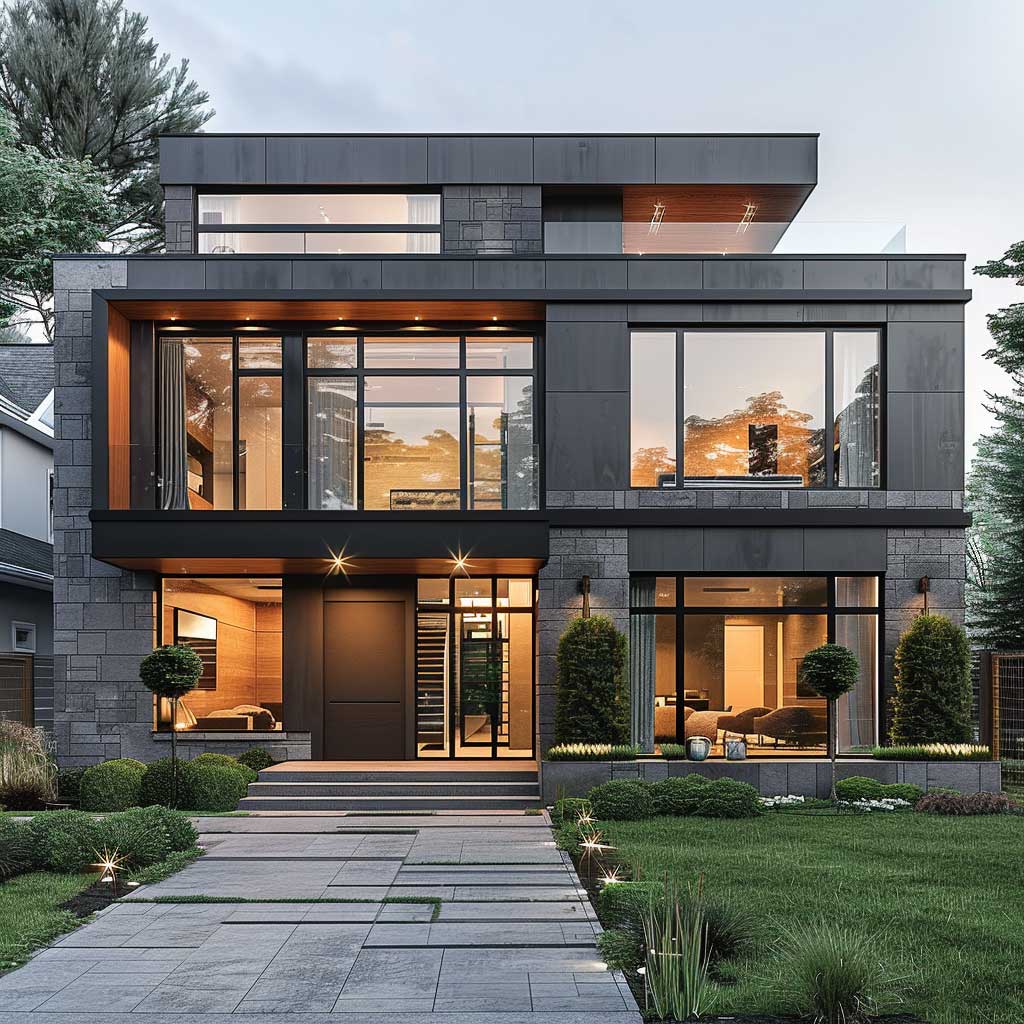
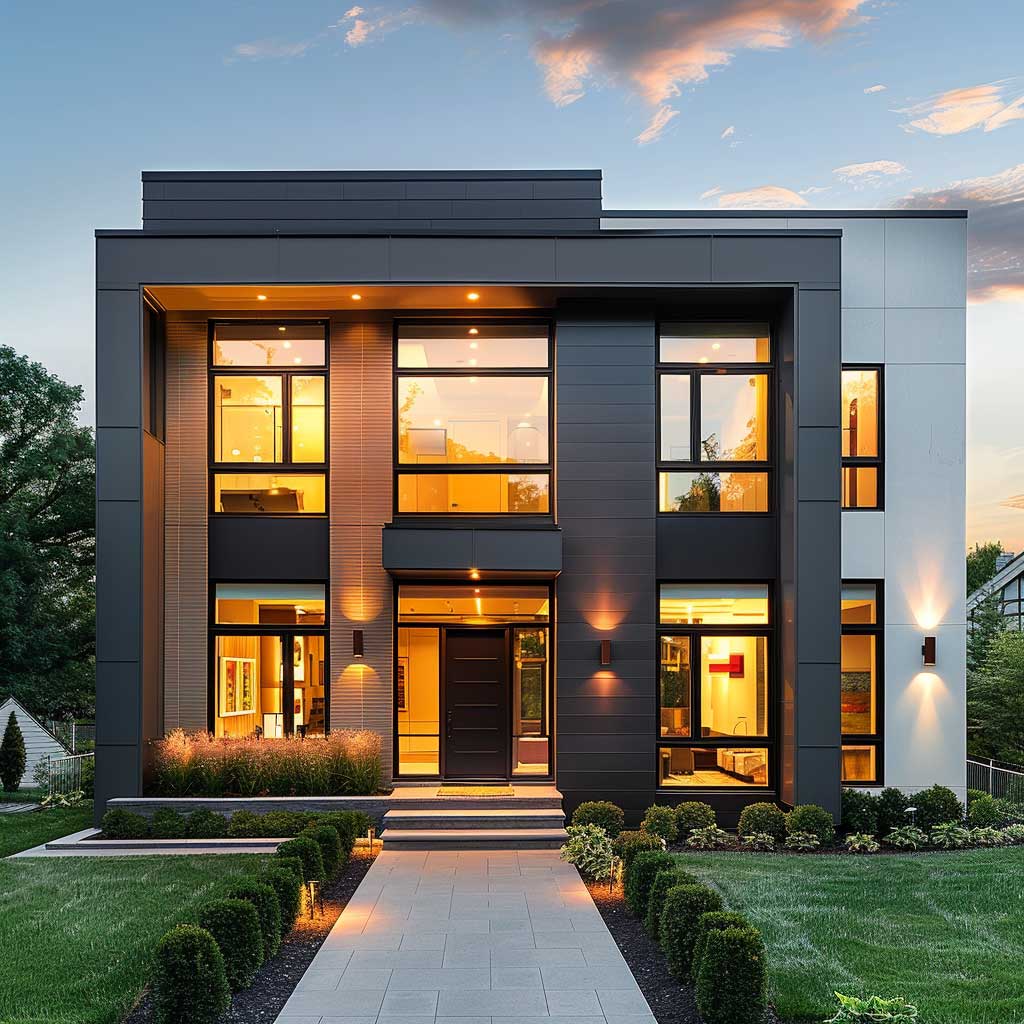
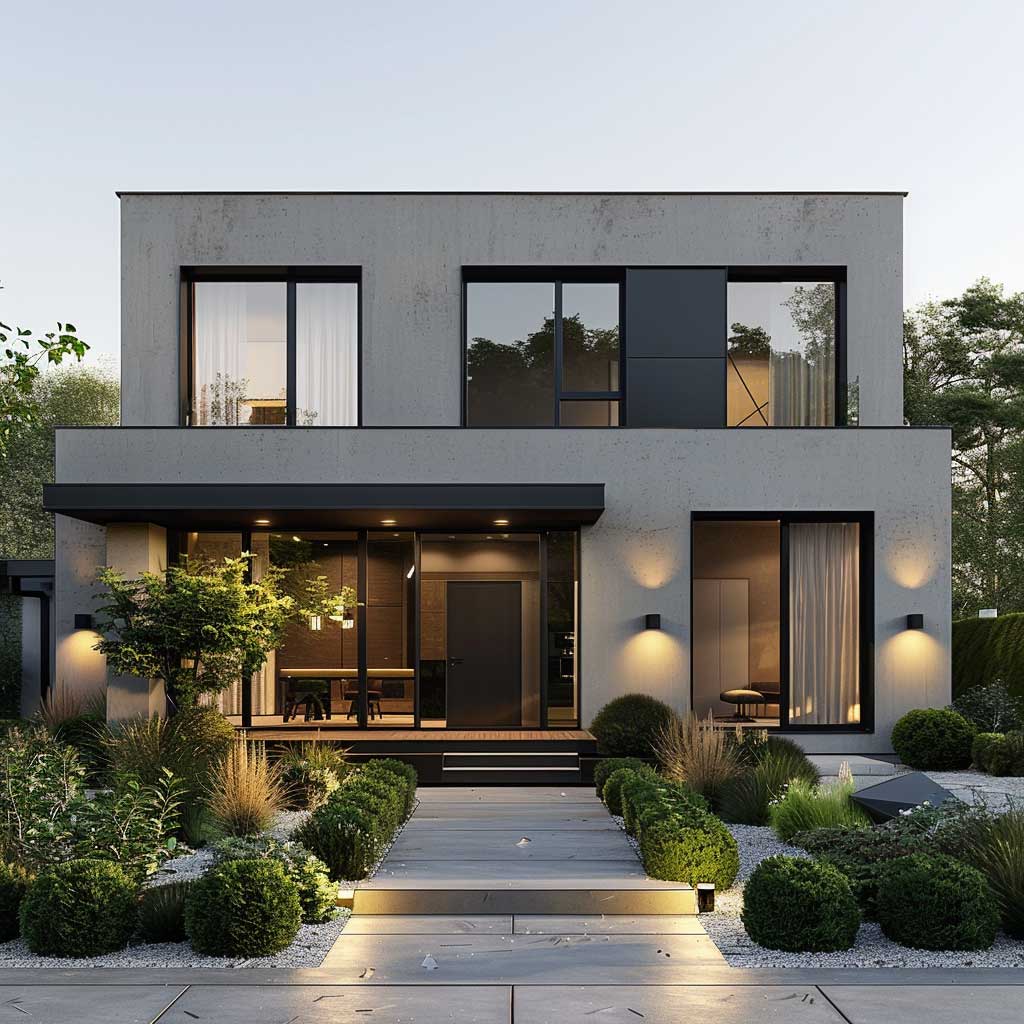
Urban contemporary homes normally are adorned with a minimalist type of functional design. However, in case of adding molding designs for the house front, an aesthetic uplift can be provided to them, seeing that most of the time, both form and function are fulfilled. In an urban set-up where every square inch counts, the strategic use of moldings makes up for a sense of luxury and refinement without tempering modern appeal.
Moldings are streamlined and no decorative features are contained in them. The moldings simply service clean, uncluttered lines which underscore the whole minimalist approach. The colors are usually monochrome indicating the architectural features of the building without being a cause of irritation to the eyes. As HGTV notes, exterior molding and trim products now come in synthetic materials that are lightweight, long-lasting, and easy to shape using standard tools — with prices ranging from under $5 per foot for simple profiles to $30 for intricate designs.
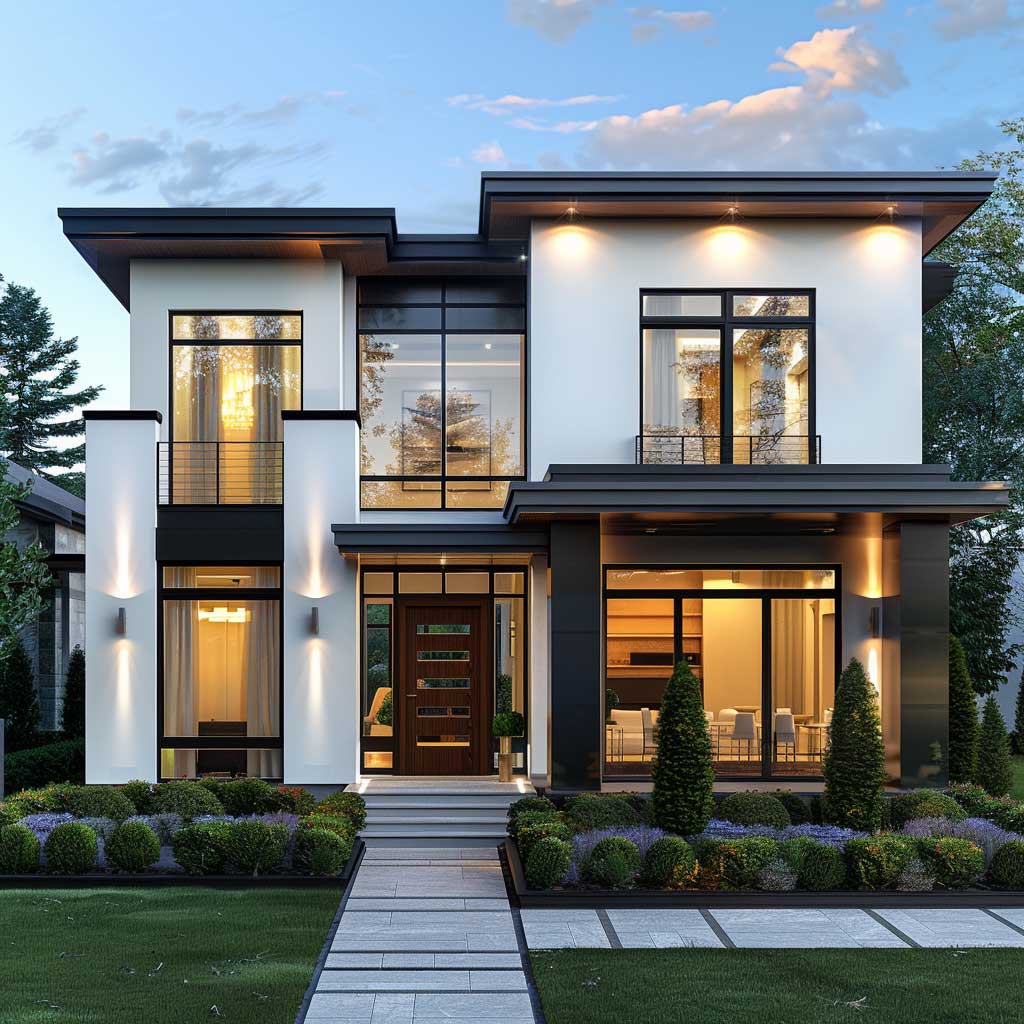


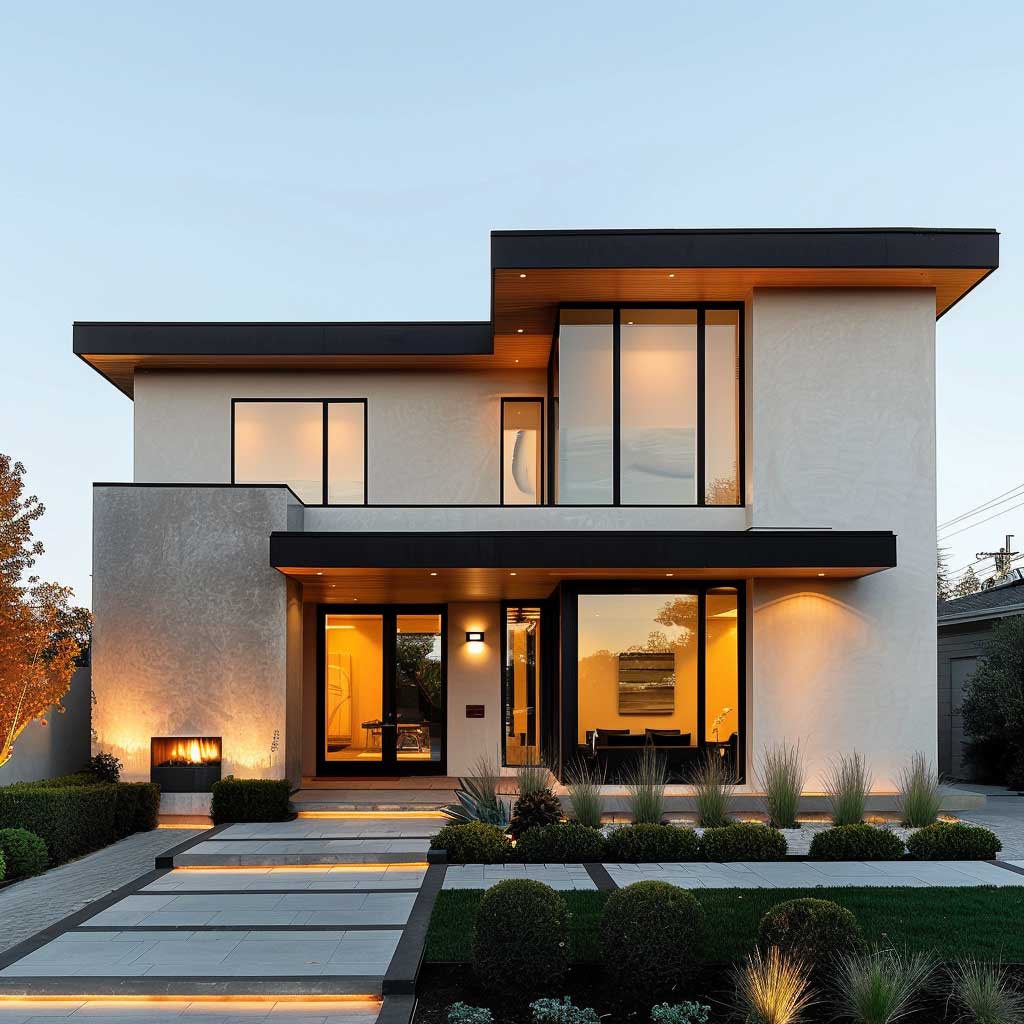
More than serving the purpose of mere decoration, moldings frame the windows and doors of the house by outlining the structural elements, adding to the visual height and breadth of the house. In some cases, moldings can include innovative solutions with lighting that nightlights up the facade, which will both showcase the home’s architecture and add safety. A focused collection of exterior front door trim molding designs shows how door surrounds alone can anchor the entire facade composition.
And this becomes even more important when we human beings stay in cities, where houses are very costly and so, space has to be used rationally. Molding designs that emphasize the modern feel, adding sophistication to the look, will be perfect. They all talk about modern design and detail, which the house itself reflects in a way, due to the taste of the home owner in everything, starting from making it not just a dwelling but a constituent part of the urban environment, which draws attention to it by shining its elegance and modernity.
For compact urban lots — the kind where your facade is 6 meters wide and two stories tall — less is legitimately more. A 50mm flat aluminum channel around each window opening, finished in matte RAL 7016 anthracite, costs about $4 per linear foot and installs in an afternoon with construction adhesive and mechanical fixings. That’s it. No cornices, no keystones, no pilasters. The shadow line from a 20mm projection is enough to give the facade depth without adding visual noise. I tested this on a narrow townhouse in Kyiv’s Podil district and the neighbors asked who the architect was. It was just channel trim from a local metal shop. One thing to watch: if your windows are recessed more than 80mm, skip the additional molding entirely — the recess itself creates the shadow. Adding trim on top of a deep reveal is redundant, and honestly, it makes the facade look busy instead of clean.
How to Install Exterior Molding on a House Front
A step-by-step process for mounting EPS foam or polyurethane molding profiles on an existing facade. No full renovation required — just clean walls, the right adhesive, and a free weekend.
Tools & Materials
- Miter saw or hot wire cutter
- PL Premium construction adhesive
- Mechanical fixings (plastic anchors + screws)
- Polyurethane exterior caulk
- Spirit level and measuring tape
- Sandpaper (120 grit) and exterior acrylic paint
Prepare the wall surface
Power-wash or scrub the facade to remove dirt, loose paint, and dust. Let it dry for at least 24 hours. If the render is crumbling, patch those spots with exterior-grade filler and sand smooth. Molding adhesive won’t bond to a dirty or flaking surface.
Mark layout lines with a spirit level
Snap chalk lines for horizontal bands and cornices. Mark window surrounds with pencil outlines. Double-check every line for level — even 3mm of drift over a 6-meter run will be visible once the molding is mounted. Measure twice. Honestly, measure three times.
Cut profiles to size with mitered corners
Use a miter saw for PVC and polyurethane, or a hot wire cutter for EPS foam. Cut 45-degree miters at every corner joint. Dry-fit each piece against the wall before applying adhesive. If the miter doesn’t close tight, shave it with sandpaper — don’t force it.
Apply adhesive and mount each piece
Run a zigzag bead of PL Premium on the back of the profile. Press firmly against the wall, aligning with your chalk lines. For profiles wider than 150mm, add two plastic anchor fixings per meter for extra hold while the adhesive cures. Wipe excess adhesive immediately with a damp rag.
Seal joints and paint
Fill every joint and miter gap with exterior polyurethane caulk — not silicone, which yellows and rejects paint. Let the caulk cure for 24 hours, then sand any rough spots with 120-grit paper. Apply two coats of exterior acrylic paint in satin sheen. The satin finish catches light and makes the profile shadow lines read correctly from the curb.
FAQ
How can you achieve a balanced classic-modern aesthetic when applying molding to a contemporary house front?
What is the best way to use color contrast to make house front moldings pop without appearing outdated?
How can the placement of molding around windows and doors be modernized to enhance curb appeal?
How much does it cost to install exterior molding on a house front?
What is the best material for house front molding in humid or coastal climates?
Can you add molding to a house front without a full renovation?
Final Takeaway
Molding is the cheapest architectural move with the biggest visual payoff. A $2,000 investment in EPS foam profiles — cornices, window heads, a single band course — can shift how an entire house reads from the street. I’ve watched it happen on three continents and roughly fifty facades over the past decade.
Pick your lane: symmetrical classic if the house is wide and formal, mixed-material blends if you’re working with brick and render, minimalist channel trim if the lot is narrow and urban. Then stick to the three-value color rule — dark accents, mid-tone walls, light moldings — and use satin sheen on the profiles to catch daylight.
Start with the windows. They’re the eyes of the facade, and framing them well does 70% of the work.