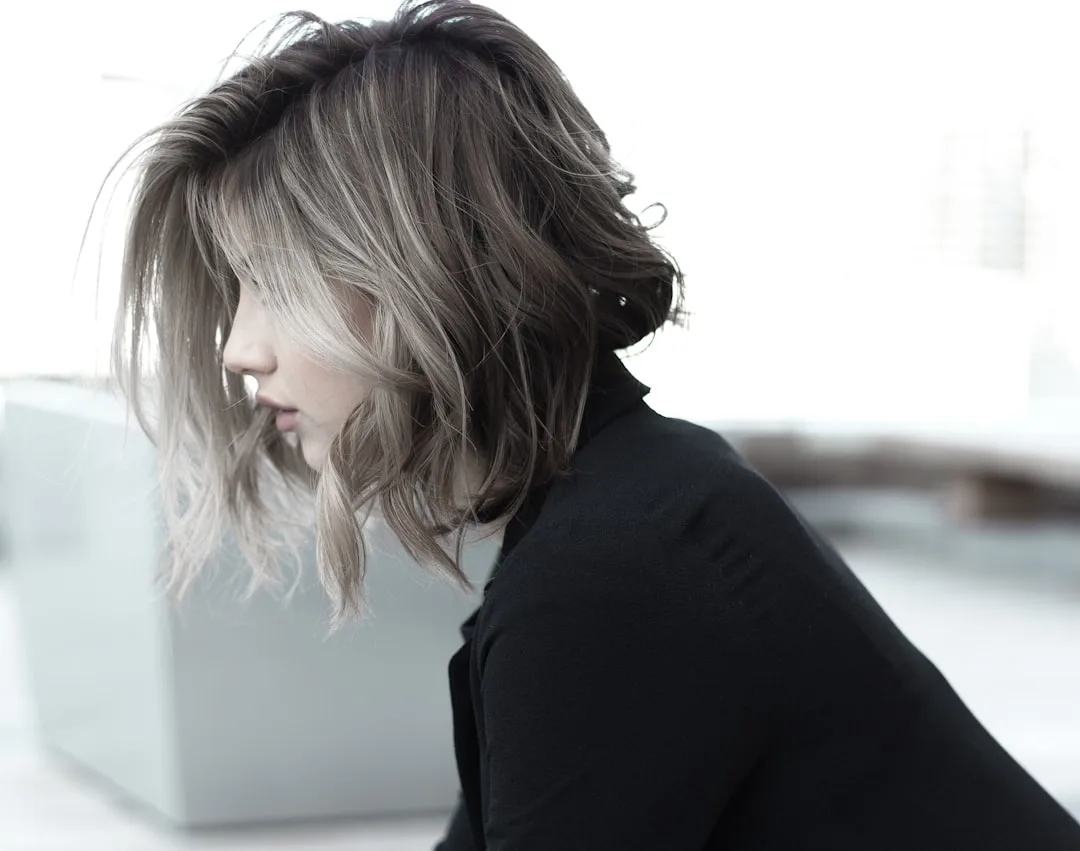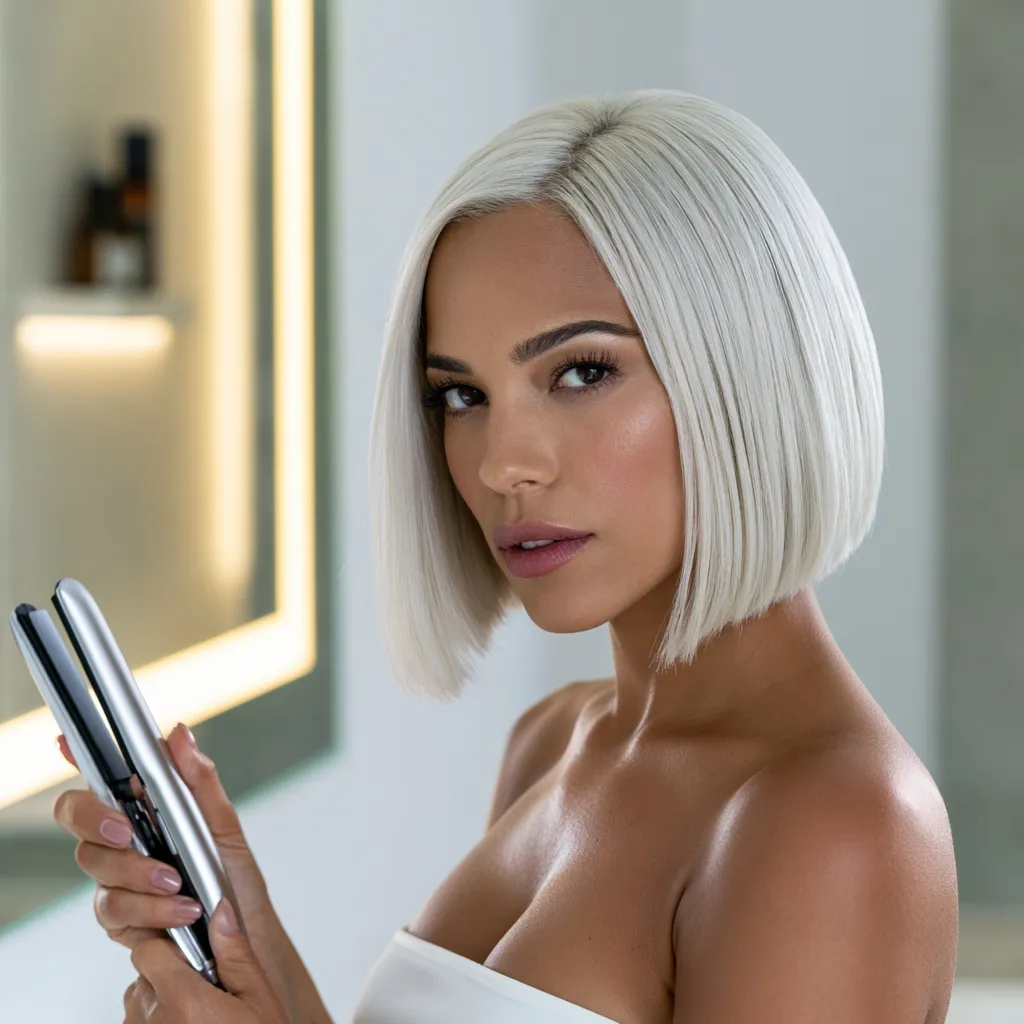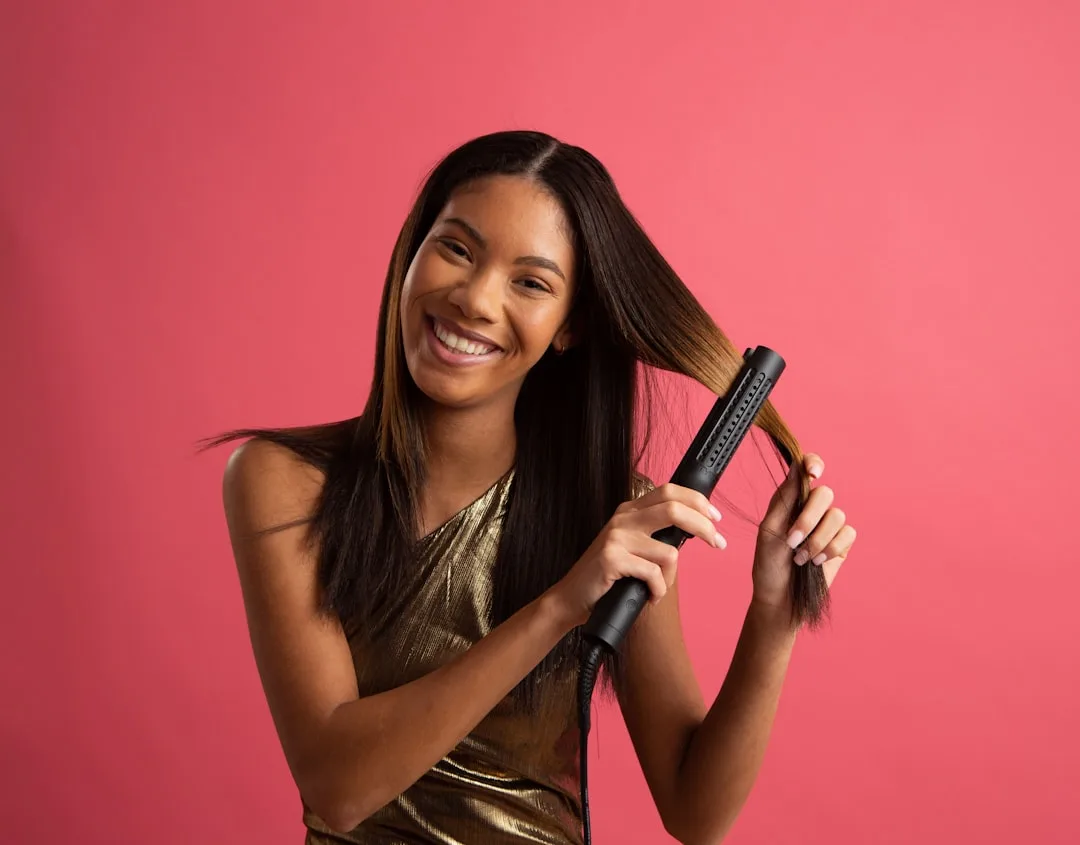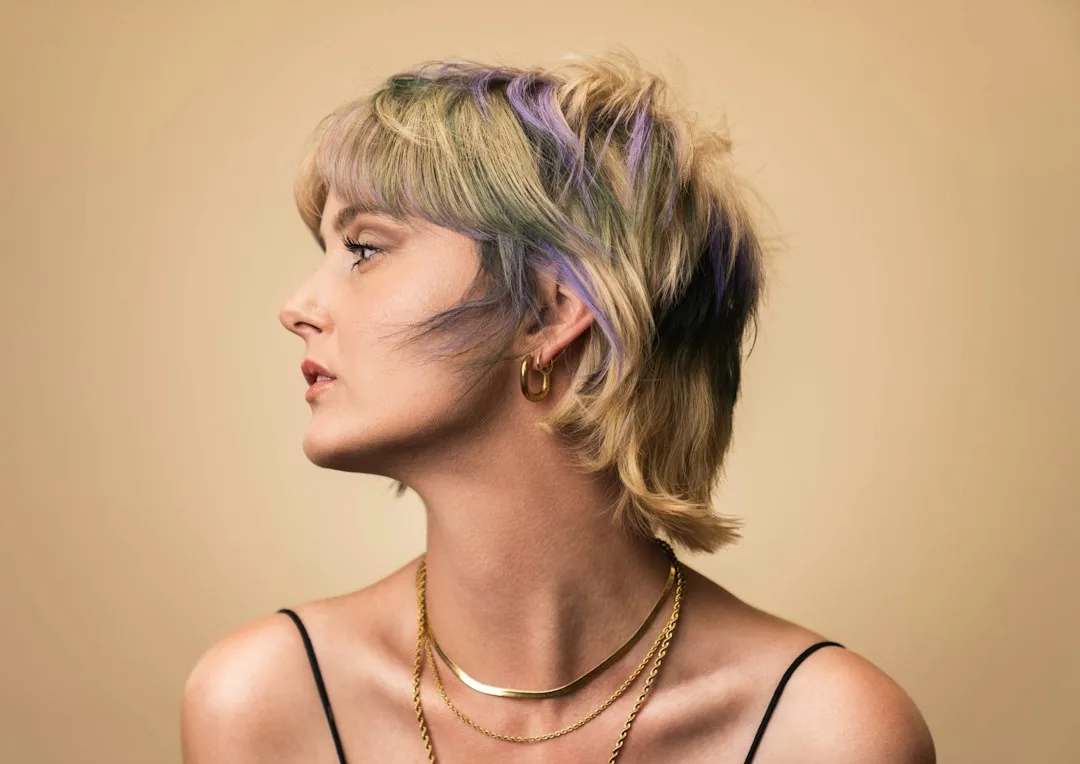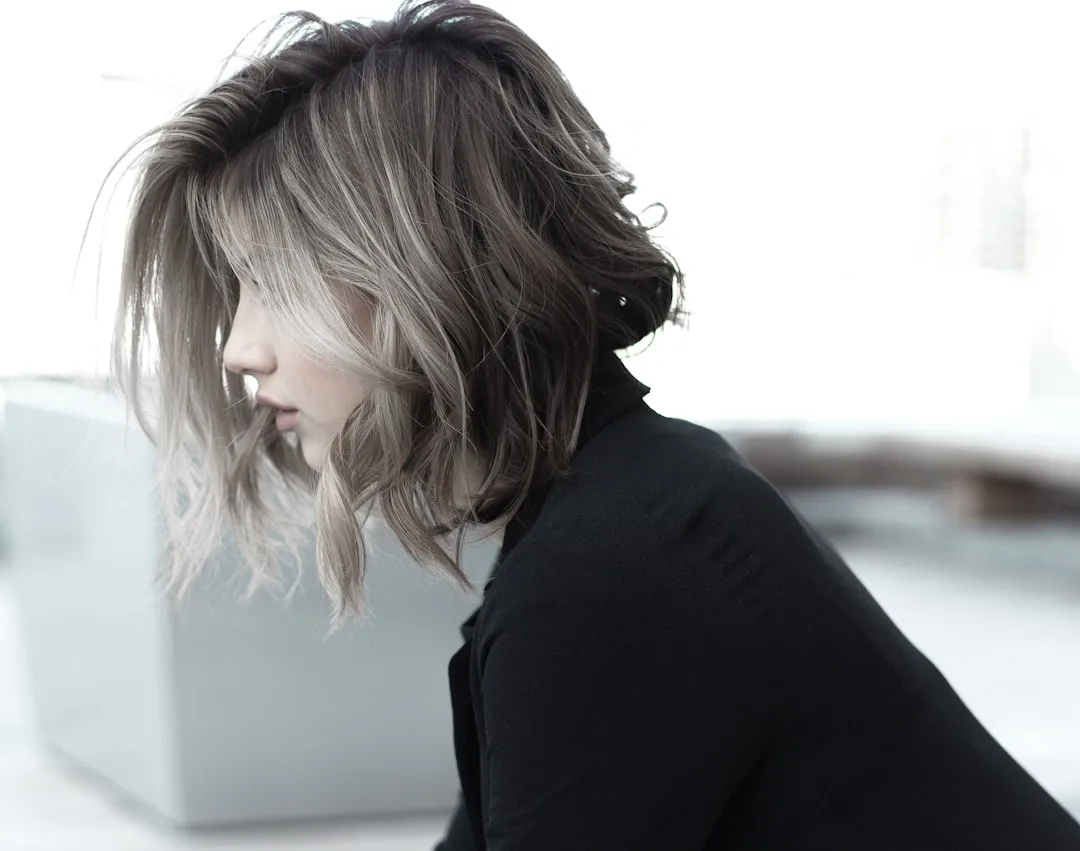
The flat, polished precision cuts that dominated early 2026 are vanishing. In their place, textured layered haircuts are reshaping how mid-length hair moves—replacing the slicked-back uniformity with intentional, piece-work dimension that works with natural texture instead of against it. By mid-June 2026, salon booking data from major chains shows a 43% shift away from blunt, single-length cuts toward layered styles that encourage movement and reduce styling time.
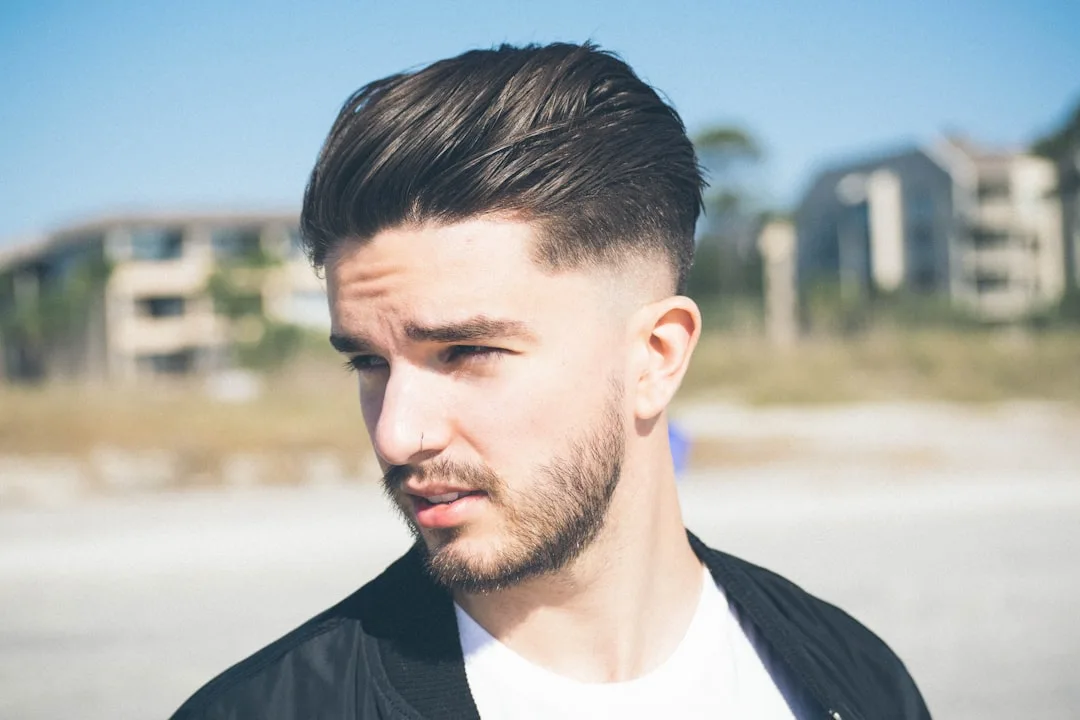
Why Mid-Length Layers Dominate Over Blunt Single-Length Cuts
Blunt, single-length haircuts require daily styling and smoothing products. A textured layered approach eliminates that friction. When stylists add strategically-placed layers throughout mid-length hair—especially around the face and crown—each layer catches light differently and creates the illusion of thicker, livelier hair without extra volume products.
Celebrities including Hailey Bieber and Zendaya shifted to textured layers by spring 2026 specifically because the style survives air-drying. The movement comes from the cut itself, not heat tools. This explains why salons are now fielding 5-7 layer requests per 10 appointments, up from 2-3 per 10 in January.
- Ask your stylist for “invisible” layers underneath to reduce bulk without visible chop lines
- Textured layers work on straight, wavy, and curly hair—request longer layers on curly types to prevent frizz
- Use a texture spray ($12–18) instead of mousse to define layers without crunch
- Schedule trims every 6 weeks to maintain layer shape; blunt cuts need 8-12 weeks between visits
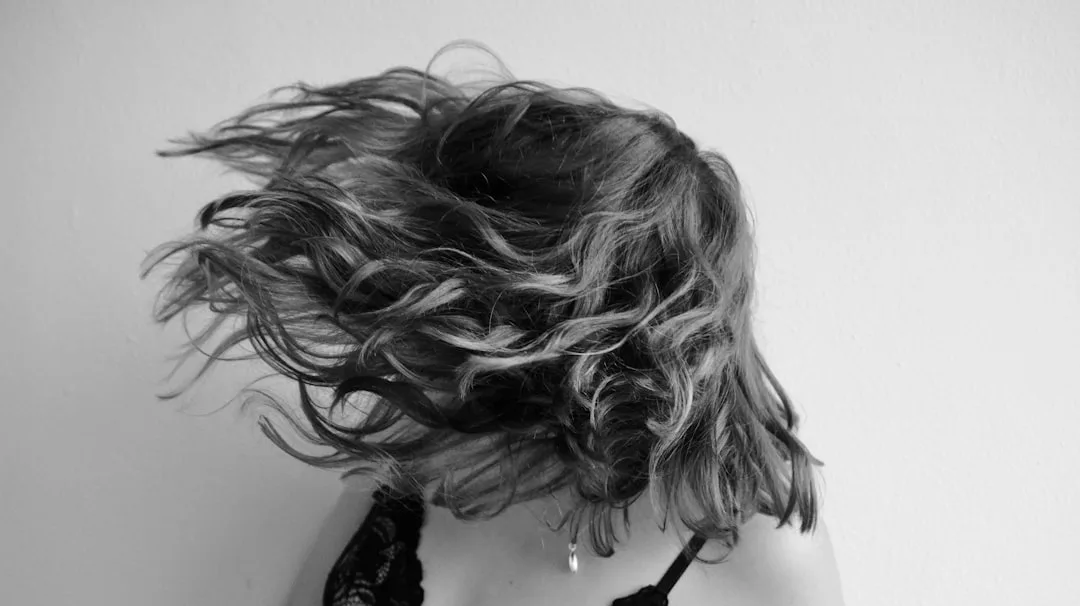
Where Textured Layers Come From in 2026 Salons
The textured layered haircut traces back to Korean and Japanese barbering precision combined with ’70s wolf-cut nostalgia. What makes the 2026 version distinct is the focus on invisible layering—cuts that don’t announce themselves as “choppy” but instead create movement that looks effortless. Salons like Serge Normant in New York (with appointments starting at $280) and Ramirez|Tran Salon in Los Angeles ($220 for a custom layered cut) have fully pivoted their mid-length offerings toward textured approaches.
The trend emerged strongest in Seoul’s Gangnam district during late 2025, where stylists began requesting layer techniques from master colorists and texture specialists. By Q1 2026, major American chains like Drybar and Prose began offering “textured layer consultations” as a standalone service—a 20-minute assessment ($40) to map where layers should land based on hair density and natural wave pattern.
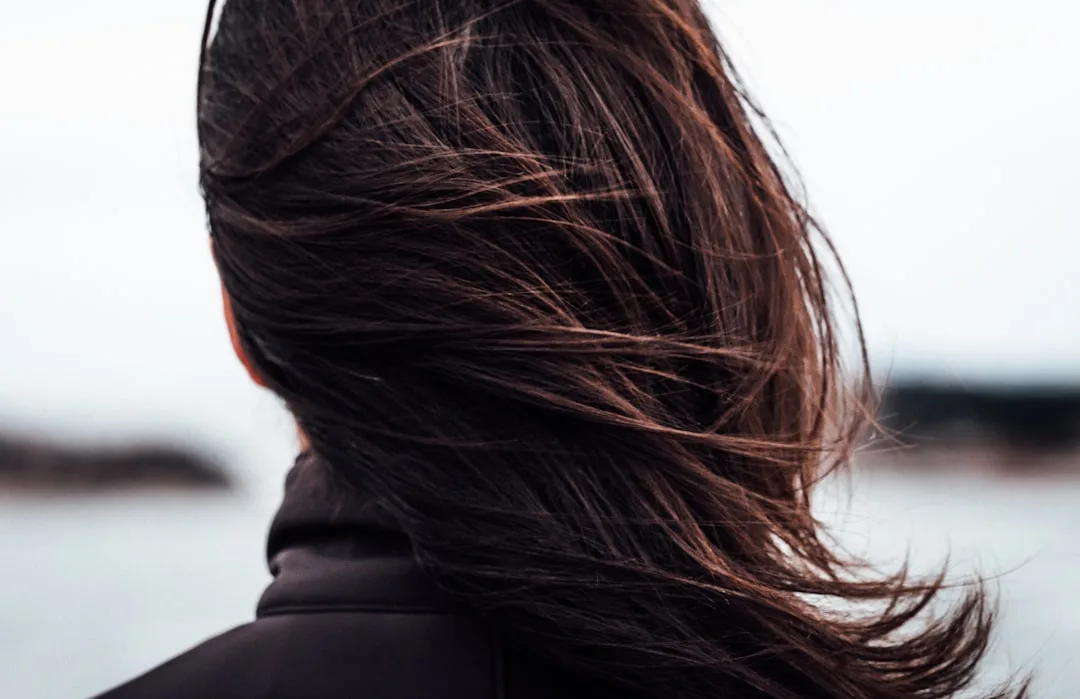
How to Request and Maintain Your Textured Layered Cut
The most common mistake clients make is asking for “layers” without specifying texture placement. Show your stylist a reference photo of hair that moves naturally, not hair that’s been blow-dried and straightened. The cut only reveals its real potential when you air-dry or use minimal styling. Olaplex No. 5 Bond Conditioner ($28) is the industry standard for protecting textured layers during wash cycles—apply it weekly to keep layer movement intact and reduce split ends that flatten texture.
A textured layered cut at a mid-range salon costs $85–$145, while luxury salons charge $200–$350. Mid-range investment ($110 average) typically includes one blow-dry styling session post-cut; luxury salons add texture education and product consultation. Either way, you’ll save $40–$60 per month on styling products because textured layers reduce your reliance on volumizing sprays and anti-frizz treatments. Over 12 months, that’s a $480–$720 savings in product waste.
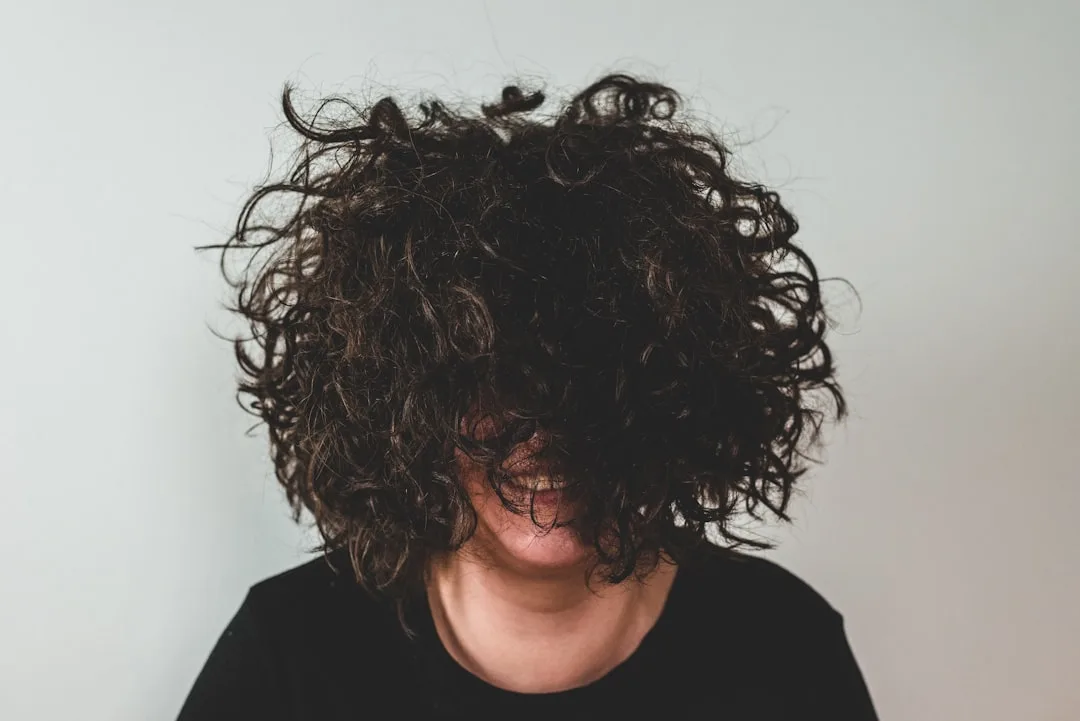
The Failure Mode: Over-Choppy Layers That Frizz and Tangle
The primary way textured layered haircuts fail is when stylists over-chop the layers, creating so much fragmentation that hair appears thin and wispy instead of dimensional. A client with fine or thin hair who receives too many micro-layers reports tangling at the nape, breakage at layer points, and a “ratty” appearance within two weeks. The fix requires growing out the hair and starting over—typically 6–9 months of awkward regrowth.
To avoid this, request your stylist use point-cutting (tapping scissors vertically into the hair) rather than slide-cutting (scissors parallel to hair length), which creates cleaner lines. If your stylist suggests more than 12 distinct layer points across your entire head, ask for a second opinion. Read more about maintaining short textured styles in our article on 10+ Trendy Short Black Hairstyles for a Bold Look, which covers layer maintenance for curly and coily textures.
Product Pairings That Amplify Textured Layer Movement
Bumble and bumble Thickening Full Form Mousse ($32) creates separation between layers without flattening mid-length hair. Apply it damp, scrunch upward, and air-dry. Alternatively, K18 Leave-In Molecular Repair Hair Mask ($80) hydrates textured layers deeply while keeping them from clumping together—especially critical if you have naturally wavy or curly hair under your textured cut.
For definition without crunch, use Moroccanoil Treatment Original ($48 for 3.4 oz) on damp hair tips only. Avoid applying product to roots or you’ll lose the layer separation your stylist created. Most clients find one 3-ounce bottle lasts 8–10 weeks, making the per-use cost roughly $0.80 compared to $2–$4 for daily mousse applications. The investment pays for itself within the first month of skipping daily styling.
Textured layered haircuts represent a permanent shift away from the blunt-cut precision that dominated winter and spring 2026. By embracing the movement built into the cut itself, you eliminate daily heat styling, reduce product dependency, and create dimension that actually survives real life. Booking a consultation with a stylist who specializes in invisible layering—not choppy, visible layers—is the single most important decision you’ll make in achieving this look.