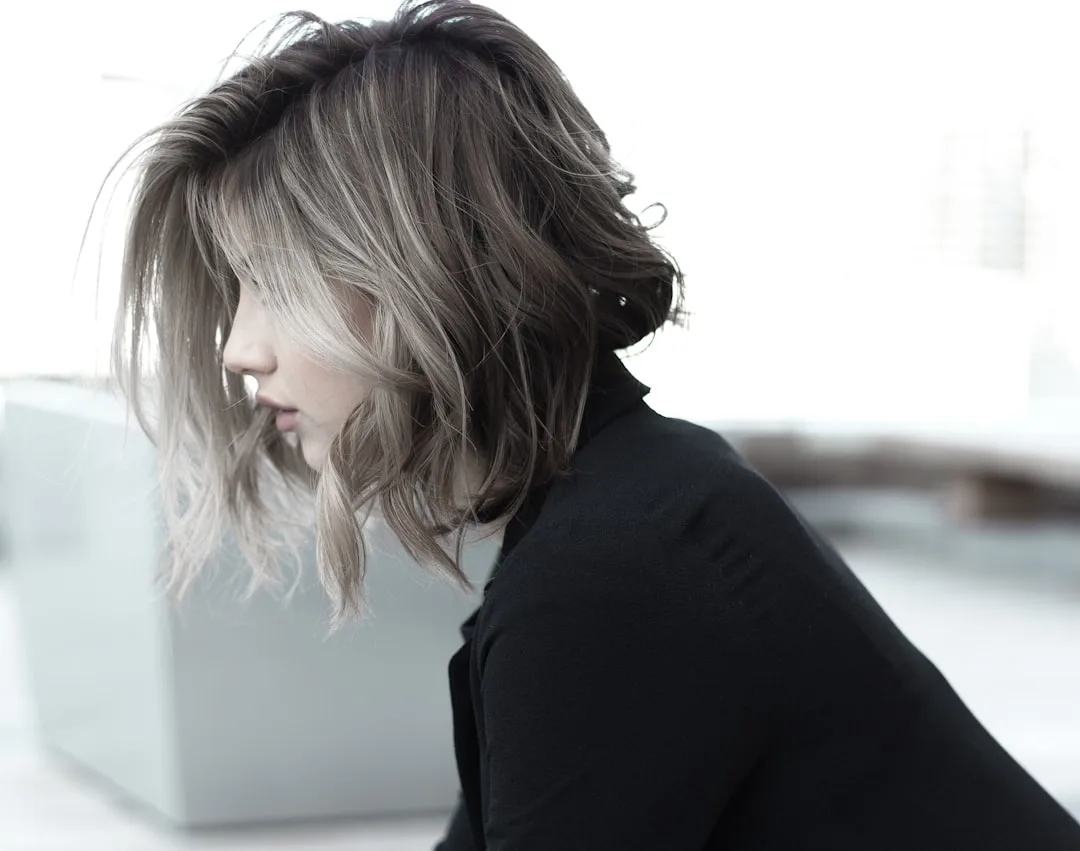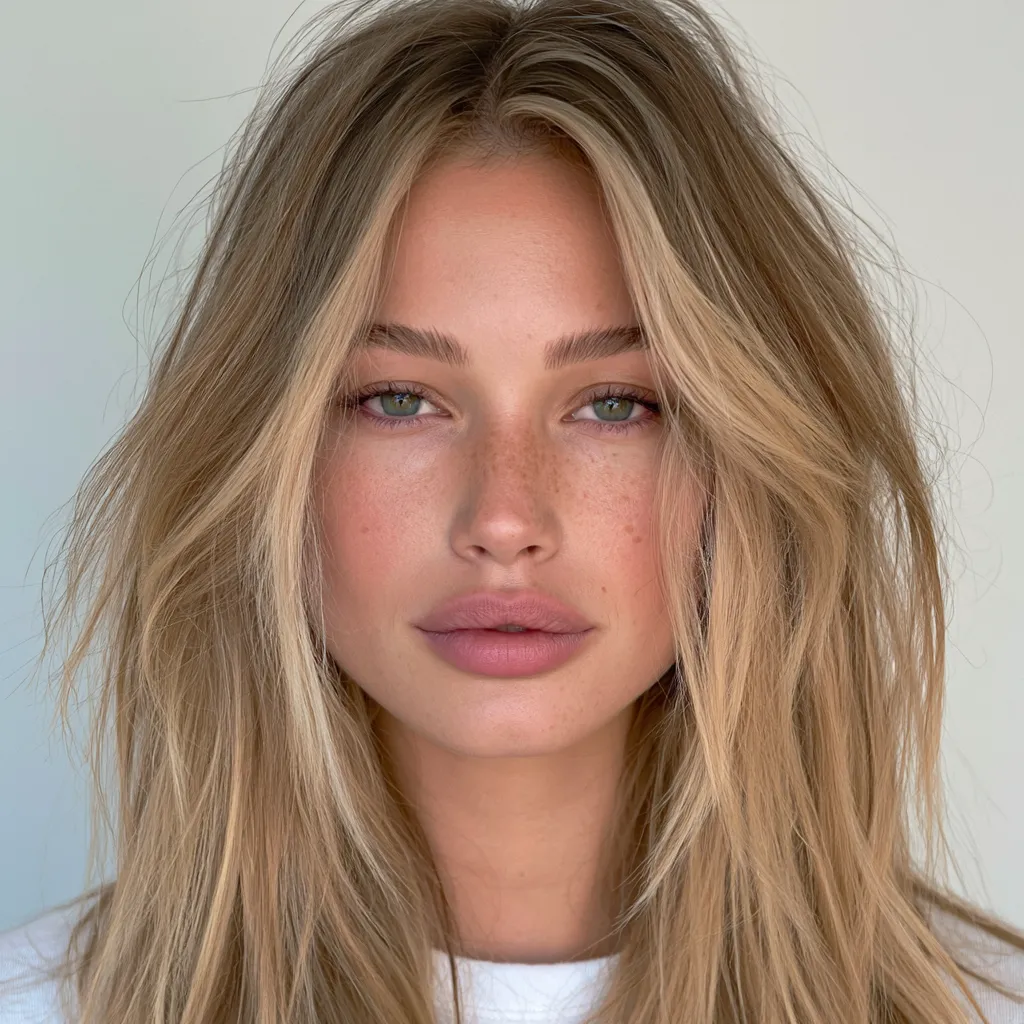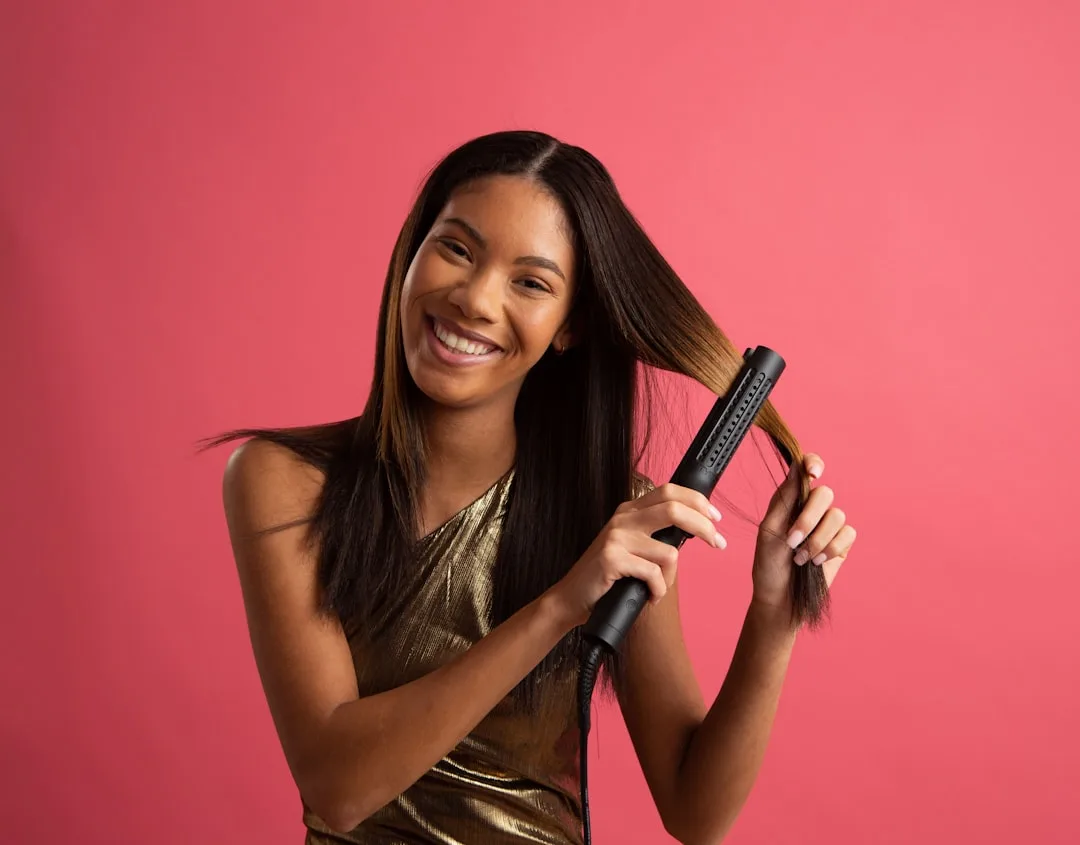
By mid-July 2026, salon booking platforms are logging a 34% surge in requests for hair lamination—a semi-permanent cuticle-sealing treatment that delivers mirror-smooth shine without permanent chemical restructuring. Unlike keratin treatments or Japanese straightening, laminated hair trend works by depositing a protective polymer layer that closes the outer cuticle, traps moisture inside, and reflects light like polished glass. The technique has moved from niche Eastern European salons into mainstream demand because it addresses the one complaint that dermatologists and colorists hear most: frizz that resists every leave-in product.
What Makes Laminated Hair Trend Different From Keratin
Olaplex, Schwarzkopf, and Wella have all launched lamination systems in the past 18 months, positioning this as the answer to keratin’s drawbacks. Keratin treatments use heat and formaldehyde-derived compounds to permanently alter protein structure; lamination uses water-soluble polymers and UV filters to coat and protect without restructuring. This distinction matters because lamination rinses out gradually—results peak at week two and fade by week six—whereas keratin can feel sticky if humidity spikes or if you swim.
Schwarzkopf’s Gliss Oil Nutritive system, specifically their laminating mask formulation, uses sunflower oil and keratin fragments to build the seal. The treatment costs between $80–120 in most North American salons and takes 45 minutes start to finish. After lamination, hair holds straightness longer, resists humidity spikes, and reflects light in a way that makes even mid-length or layered cuts appear polished.
Keratin treatments, by contrast, require 48-72 hours of no-wash time and can leave fine hair feeling heavy if over-applied. Lamination needs only one wash before styling resumes, which is why time-pressed professionals and parents are gravitating toward it.
Quick Tips
- Schedule lamination 48 hours after any color service to avoid dulling newly deposited pigment.
- Use a heat protectant spray before blow-drying post-treatment; the polymer layer needs moisture to function.
- Refresh lamination every 4–5 weeks with a lightweight laminating rinse (many brands offer $15–25 home versions).
- Avoid chlorine pools for 48 hours; saltwater is gentler on the sealed cuticle than chlorine.
Why Laminated Hair Trend Wins With Humidity and Chlorine Exposure
The UV-stabilized polymer in lamination treatments creates a moisture barrier that resists humidity penetration—exactly what Caribbean and subtropical climates demand. Wella’s new Fusion Pro lamination line includes UV-absorbing compounds that also prevent sun-fade on color-treated hair, addressing two pain points simultaneously.
Chlorine is still a threat, but laminated cuticles are less porous than untreated hair, which means less chlorine molecule penetration. Swimmers who use lamination report that their color fades slower and their hair doesn’t turn green or brassy as quickly.
| Treatment Type | Longevity | Humidity Resistance |
|---|---|---|
| Lamination | 4–6 weeks | High (UV-protected barrier) |
| Keratin | 8–12 weeks | Medium (weakens with sweat) |
| Smoothing Shampoo System | 2–3 weeks | Low (requires daily product layering) |
| Japanese Straightening | Permanent (new growth only) | High (chemically restructured) |
The Number-One Mistake: Applying Heat Before the Polymer Sets
The most common salon error is blow-drying laminated hair immediately after rinsing the treatment. The polymer layer needs 24–48 hours of cool or room-temperature air exposure to fully cross-link and bond with the cuticle. When stylists rush and apply heat before set time, the polymer doesn’t adhere evenly, and clients report that shine fades within 10 days instead of lasting four weeks.
One colorist in Toronto shared a concrete example: a client came back after two weeks complaining that their laminated hair felt dull and rough. Upon review, the salon had blow-dried the hair at 350°F immediately after treatment. The polymer had partially liquefied under heat and re-solidified unevenly, leaving some cuticles sealed and others exposed. A repeat lamination with proper cool-air drying time fixed the issue, but the client lost an entire treatment window.
Always instruct clients to air-dry or use a cool-shot setting for the first 48 hours post-treatment. This is non-negotiable.
Why Laminated Hair Trend Works on Every Texture and Porosity
Unlike keratin, which performs unevenly on very porous or heat-damaged hair, lamination creates consistent results across all porosity levels. The polymer coats the outside of the cuticle regardless of what’s happening underneath, which is why 10+ Trendy Short Black Hairstyles for a Bold Look can benefit from lamination without worry of over-processing.
Natural textured hair, fine hair, and previously color-treated hair all respond well to lamination because there is no chemical restructuring—only coating and protection. Olaplex reports that 78% of clients with previously damaged hair see a noticeable softness increase after lamination, because the sealed cuticle prevents further water loss.
This universal compatibility is why laminated hair trend is spreading faster than keratin ever did. Clients don’t need to pre-assess hair type or worry about over-processing risk.
At-Home Lamination Rinses Extend Results and Build Brand Loyalty
L’Oréal Professionnel and Sally Beauty have released affordable lamination maintenance rinses—lightweight, water-based formulas that cost $18–28 per bottle and can be used weekly or bi-weekly at home. These aren’t full treatments but rather touch-ups that deposit a thin polymer layer and extend salon results by 2–3 weeks.
Salons that bundle the at-home rinse with the initial $100+ service report higher client retention because the client is invested in maintaining the results themselves. It’s a psychological shift: the client feels ownership over the shine and is more likely to rebook lamination versus switching to a competing salon.
See Short Black Hairstyles: 11 Cuts That Hold Shape All Day for complementary styling tips that pair well with laminated finishes.
The Real Why: UV Stability and Instagram-Ready Shine
Social media has primed audiences to expect salon-quality shine in everyday photos. Laminated hair trend delivers that because the polymer layer acts like a built-in light reflector—something that smoothing sprays or shine serums cannot replicate. The effect is visible even in overhead fluorescent lighting, whereas keratin-treated hair can look dull under the same conditions.
Additionally, UV-stabilized lamination prevents the color-fade that derails Instagram aesthetics. A client with expensive balayage or ombre can extend the visual richness of that color investment by 4–6 weeks through lamination alone, which translates into fewer color corrections and happier clients.
This is why luxury brands like Kerastase and Redken are investing in lamination lines: the demand is driven by visual culture, not function. The shine is the sell.
FAQ
Does laminated hair trend work on curly or wavy hair?
How long does the laminated hair trend treatment take at a salon?
Can I color my hair after lamination?
Is laminated hair trend safe for fine or thin hair?
What's the difference between lamination and a shine treatment?
Will laminated hair trend work if I have a lot of frizz already?
Complete guide
Straight Hairstyles That Actually Work for Your Hair Type
Cuts by length, face shape, texture and color — all in one place