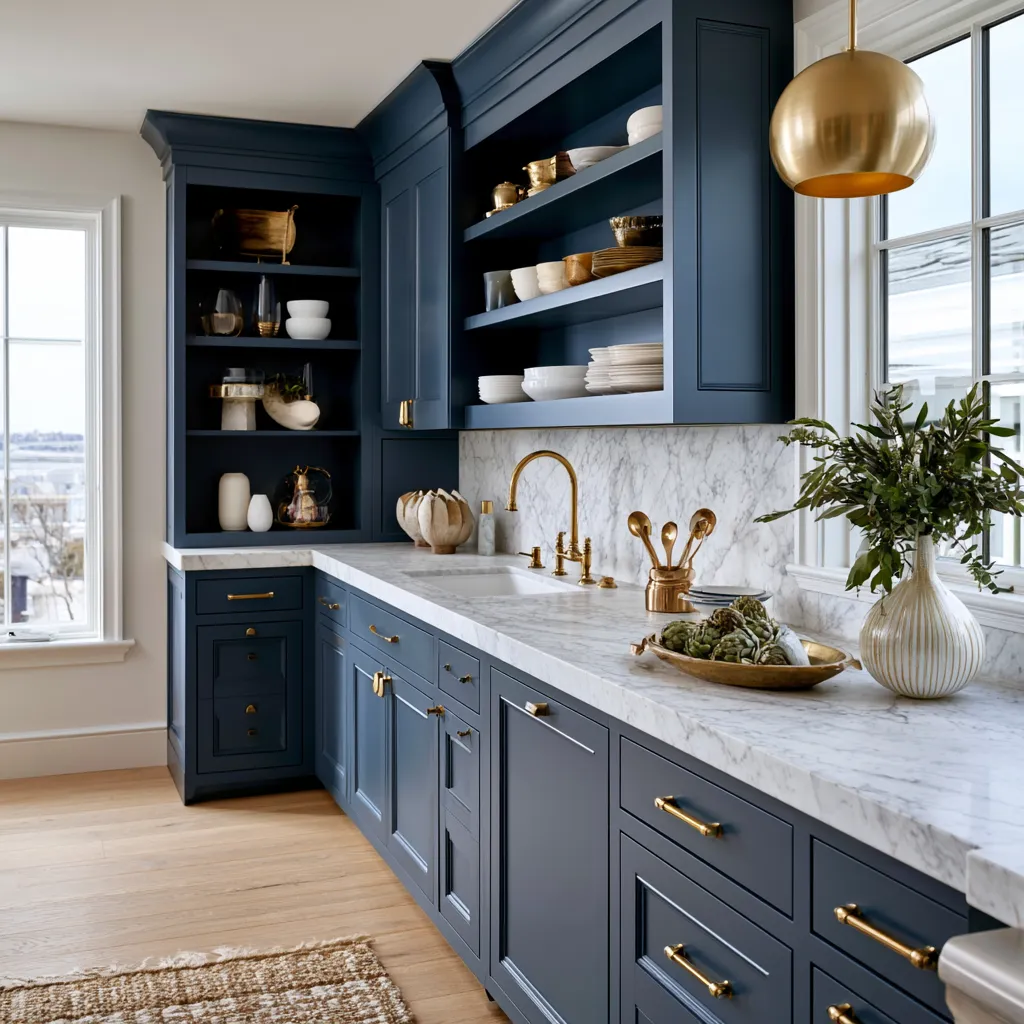
A minimalist bathroom works when every surface, fixture and material earns its place. Clean lines, neutral palettes and hidden storage turn a standard wet room into a quiet daily retreat that still handles real life.
The style succeeds in three core setups: white paired with warm wood, high-contrast black and white, and rooms flooded with natural light. Each approach keeps visual noise low while delivering function that lasts years of heavy use.
Mid-range projects typically land between $150 and $300 per square foot according to recent industry ranges. That covers floating vanities, large-format tile and frameless glass without sliding into luxury pricing.
- White-and-wood schemes add warmth without clutter
- Black-and-white contrast delivers bold calm in compact rooms
- Natural light multiplies the sense of space more than any fixture
- Floating vanities and frameless glass remain the two highest-impact upgrades
- Budget $15,000–$25,000 for a mid-range 50-square-foot remodel
- Keep one metal finish and one wood tone across the entire room
White Surfaces Meet Warm Wood Accents
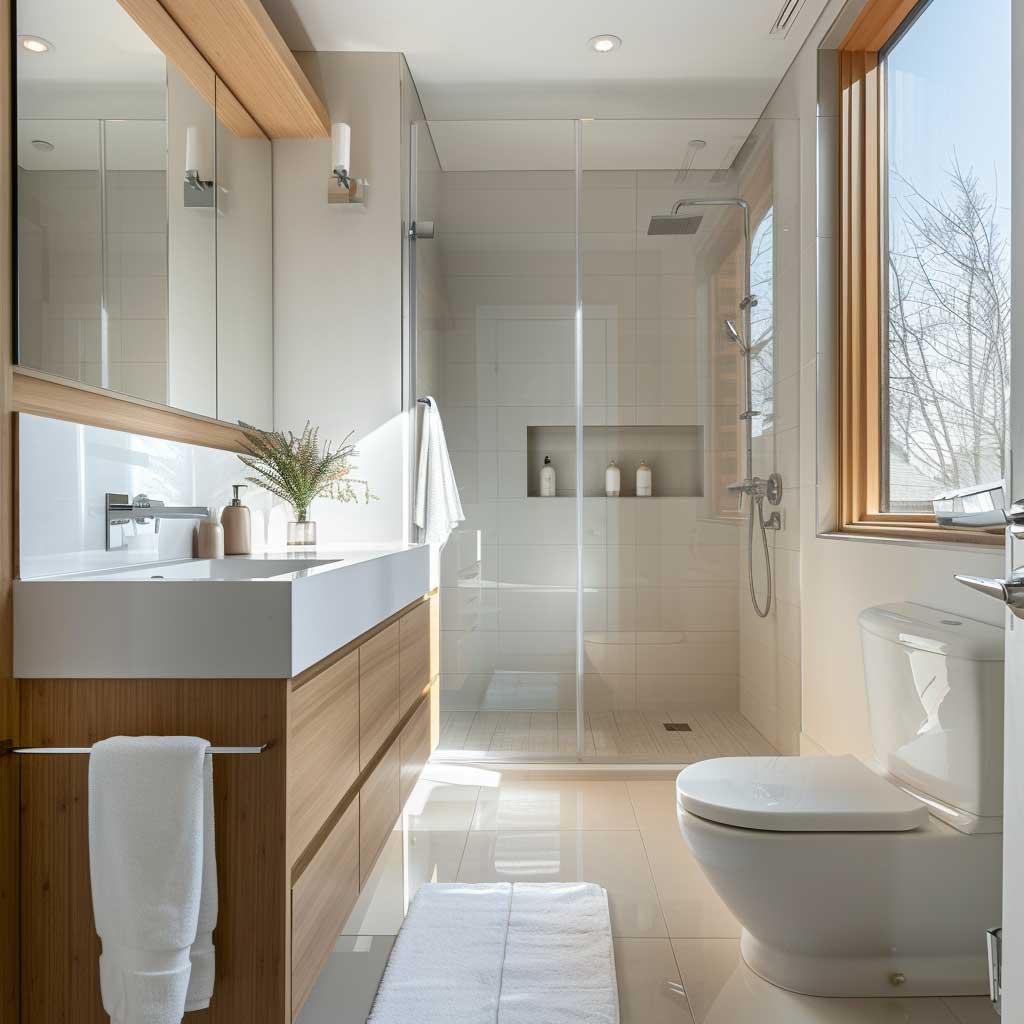
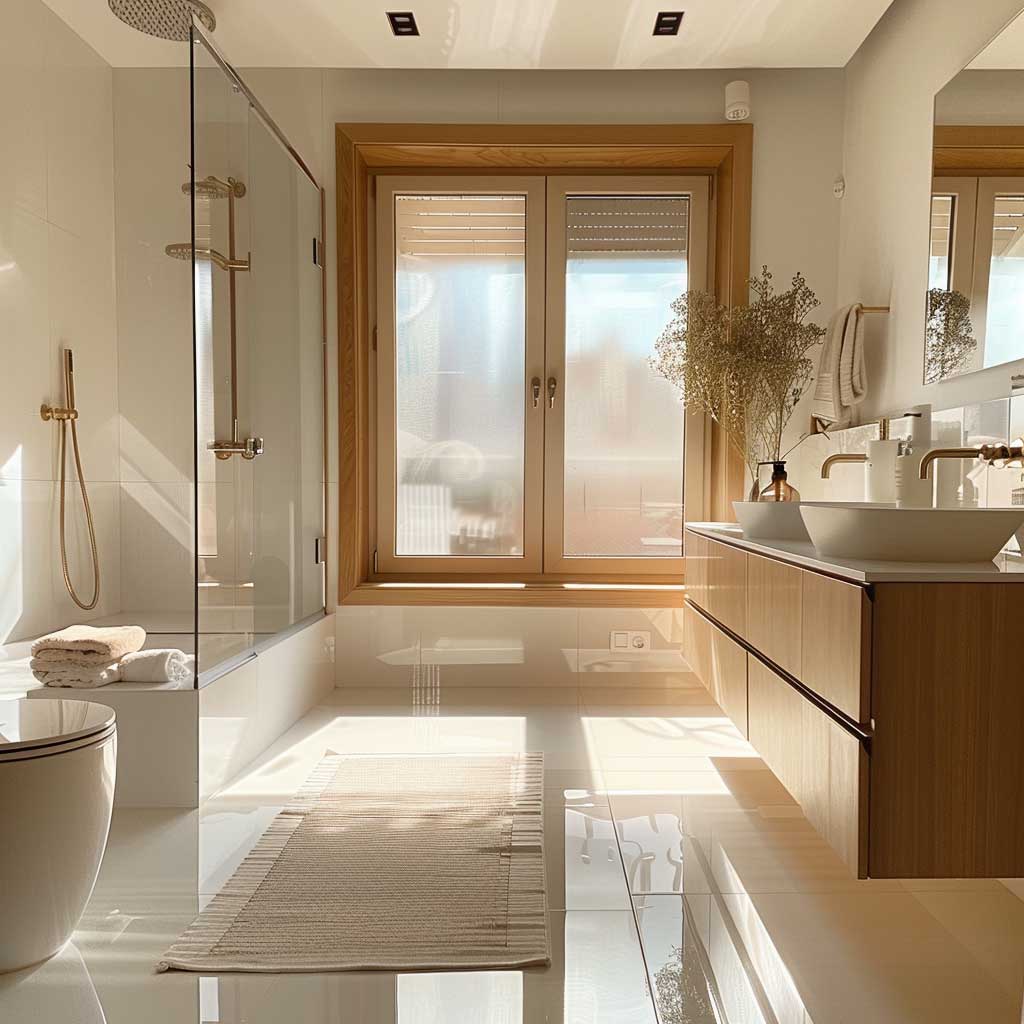
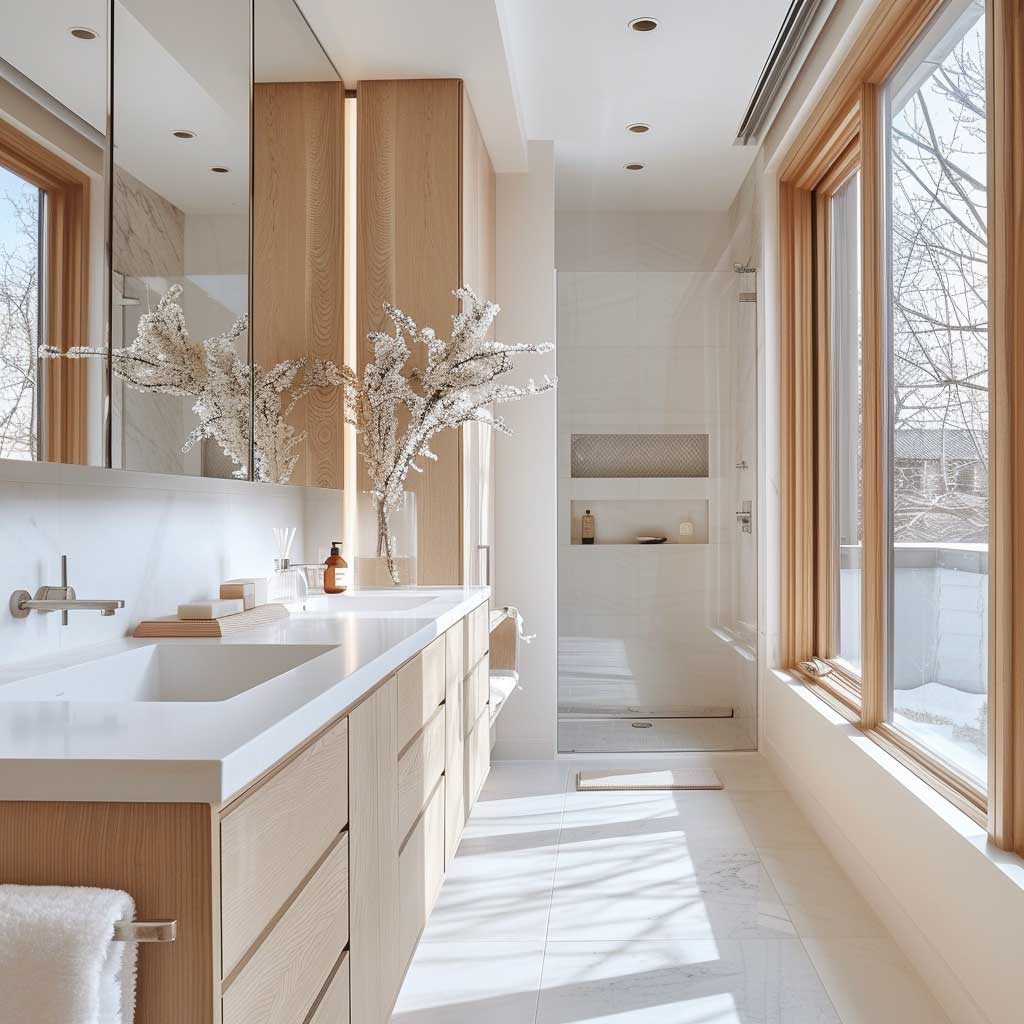
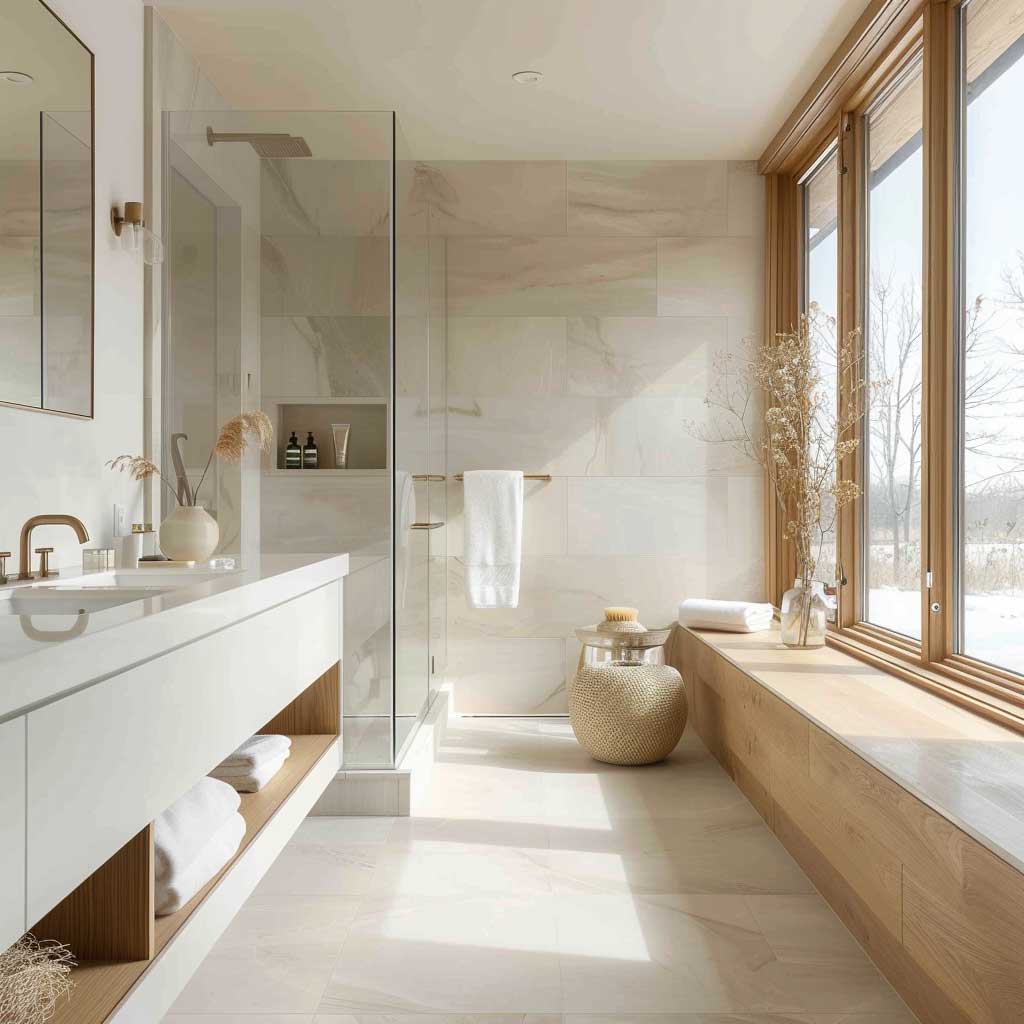
White-and-wood minimalist bathroom schemes succeed because the cool surfaces bounce light while the timber introduces the only organic note the room needs. Think of it as a blank notebook with one quality pen—everything else stays in the drawer. Crisp white walls reflect daylight from large windows, making the space feel larger than its actual footprint.
Why choose a floating vanity over a floor-standing unit? The open floor plane underneath creates continuous visual flow and simplifies cleaning. Mid-range floating vanities in light oak or ash typically cost $500–$1,500 installed. Pair one with a single metal finish—chrome or brushed nickel—and the room stays calm. Avoid mixing two wood tones; the second grain immediately reads as clutter.
Frameless glass shower panels remove the visual barrier that framed units create. Installed costs for a standard frameless enclosure run $2,500–$5,000 according to current market data. Large neutral floor tiles complete the uninterrupted base. Keep hardware minimal and the room feels like a quiet clearing rather than a storage closet.
For more storage solutions that keep counters clear, explore these small modern bathroom vanity designs that focus on wall-mounted formats.
Black and White Contrast Delivers Quiet Drama

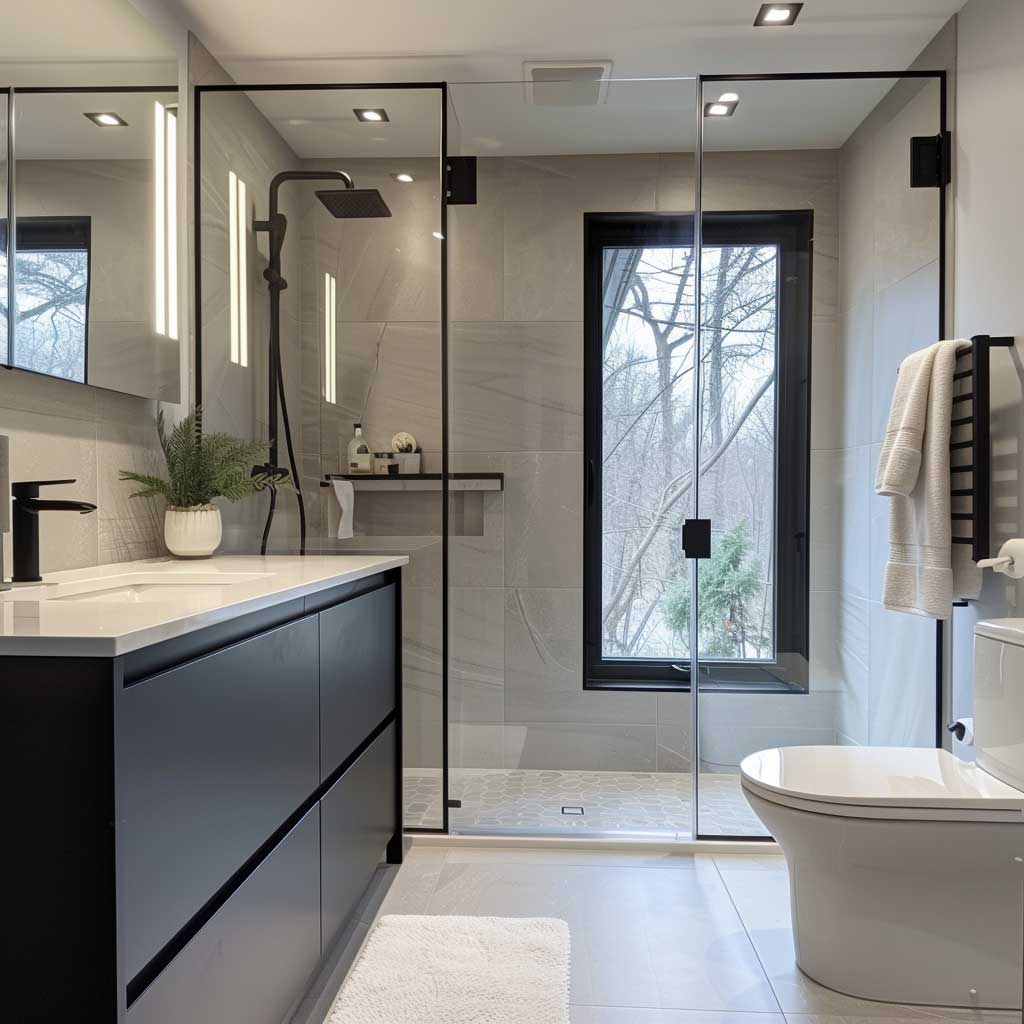
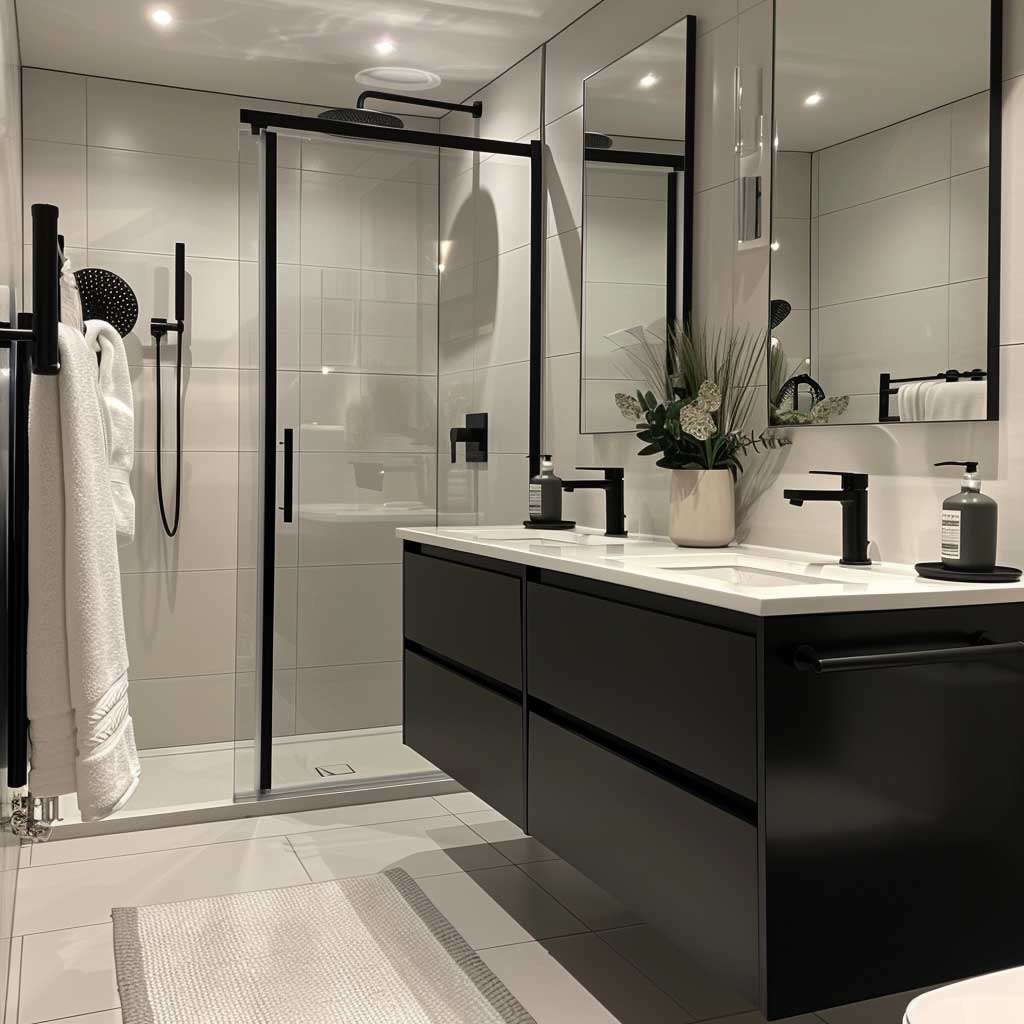
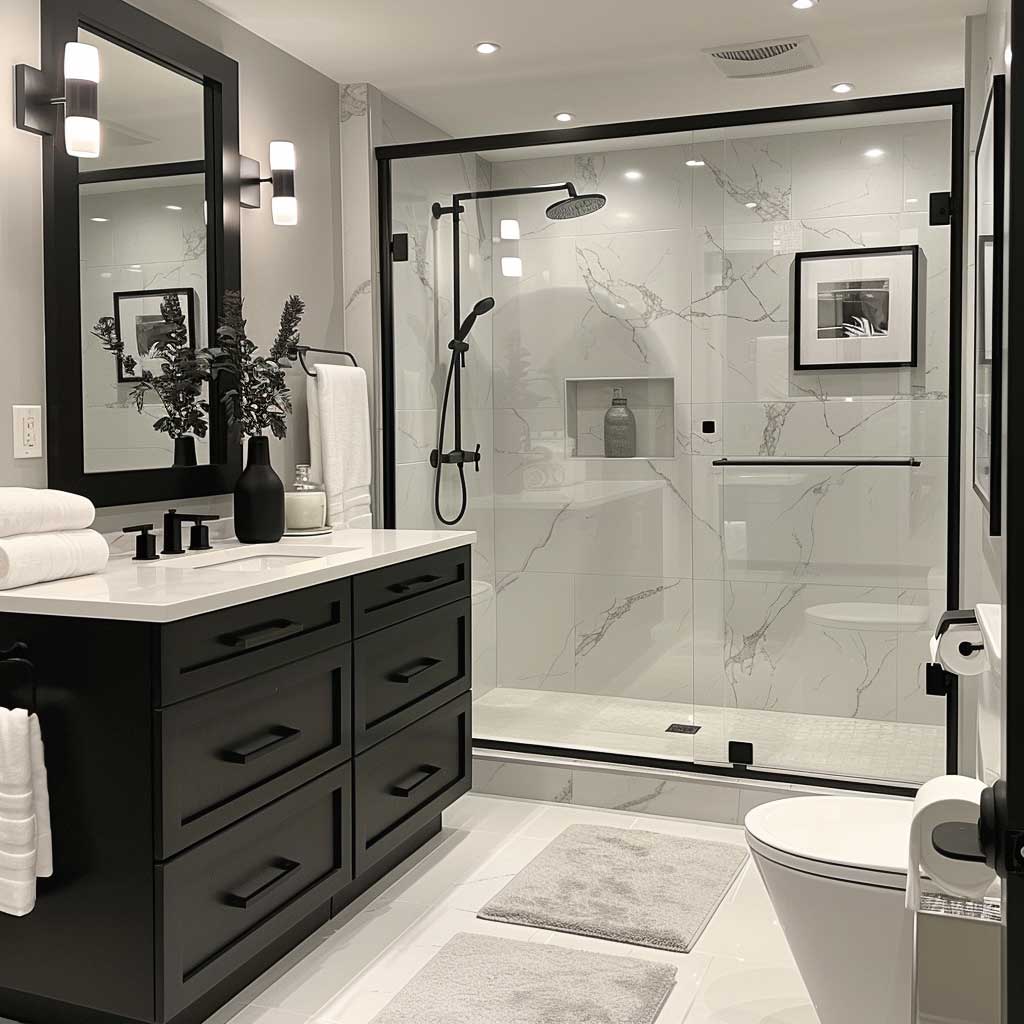
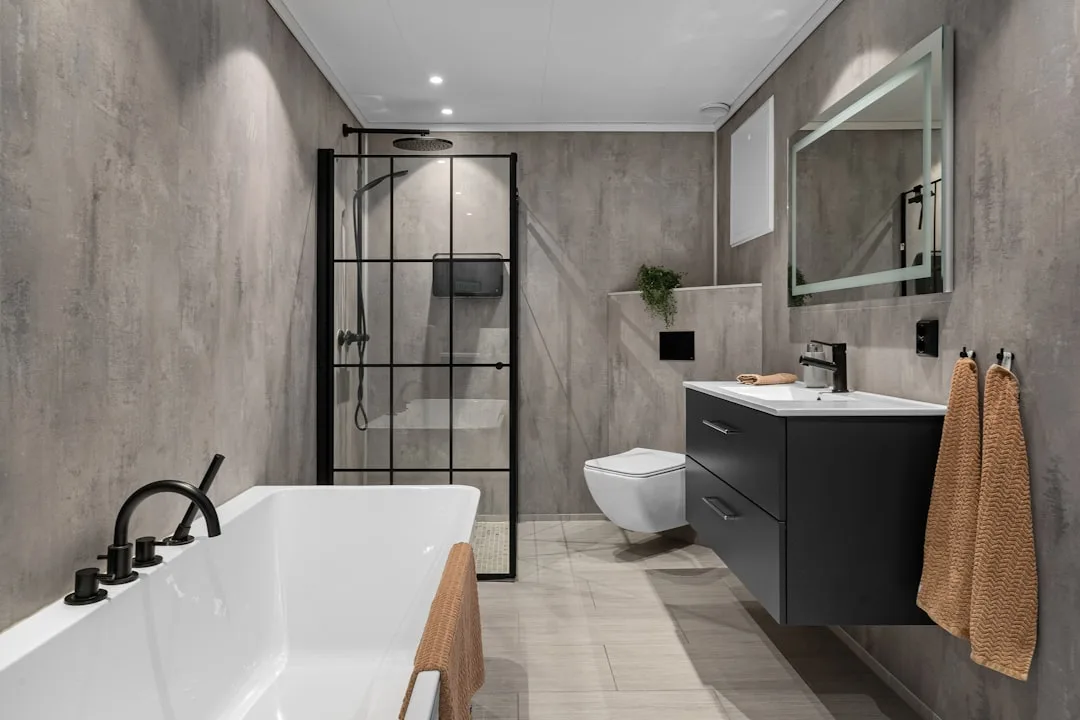
Black-and-white minimalist bathroom designs rely on contrast the way a chessboard relies on clear squares—each tone defines the other without competition. Matte black fixtures against pure white walls create instant sophistication while the lack of intermediate colors keeps the eye from resting on ornament. The result feels bold yet restful.
What happens if you introduce a third color? The scheme loses its graphic strength and begins to look unfinished. Stick to black fixtures, white surfaces and large-format tile. A black floating vanity with white countertop typically sits in the $800–$2,500 range for mid-tier units. Black floor tiles ground the space so the white walls never float away.
Frameless glass continues the uninterrupted plane. A large frameless mirror above the vanity multiplies both light and the sense of volume. This approach works especially well in rooms under 50 square feet because the high contrast expands perceived depth. Keep every accessory in the same matte black finish and the room stays disciplined.
Don’t Do This
Skip glossy black surfaces in a wet room. They show every water spot and fingerprint within hours. Matte finishes hide daily marks and maintain the calm look far longer.
Natural Light Turns Simple Rooms Into Open Retreats
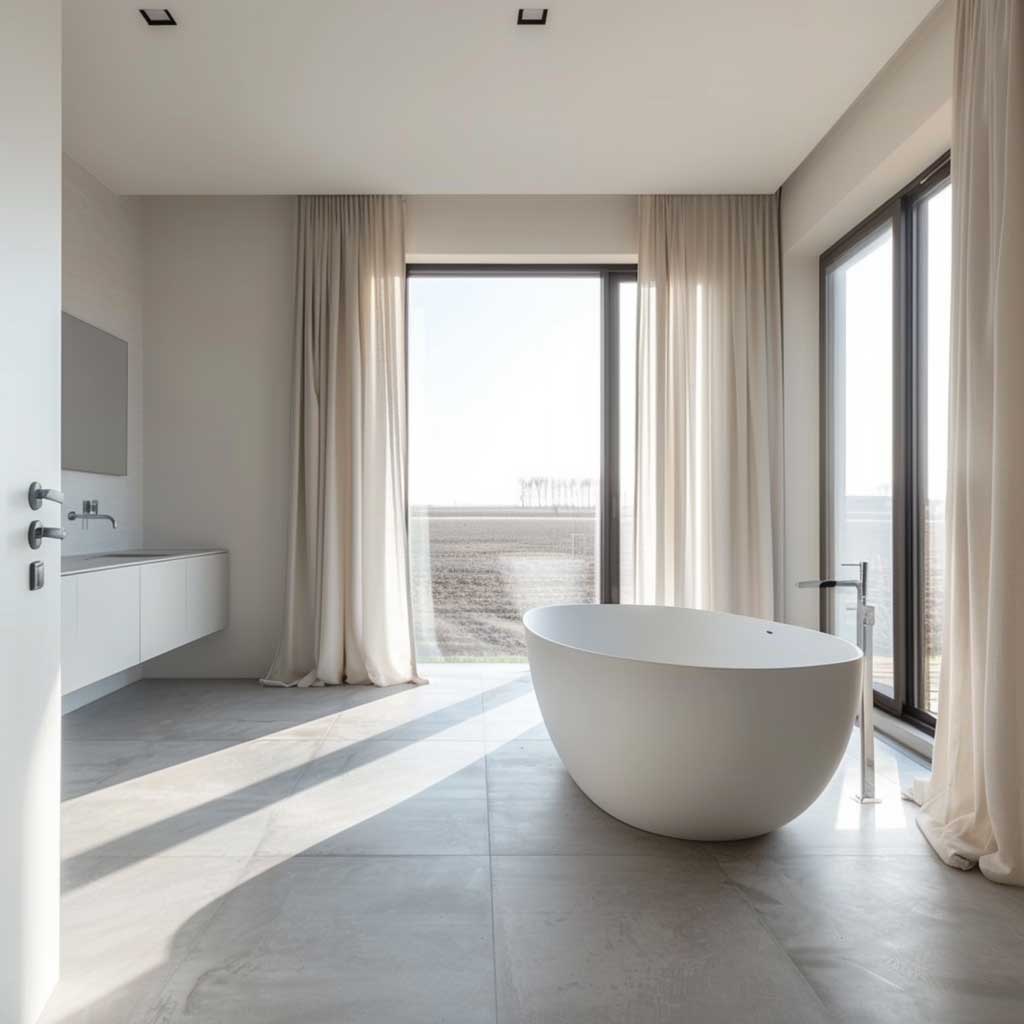
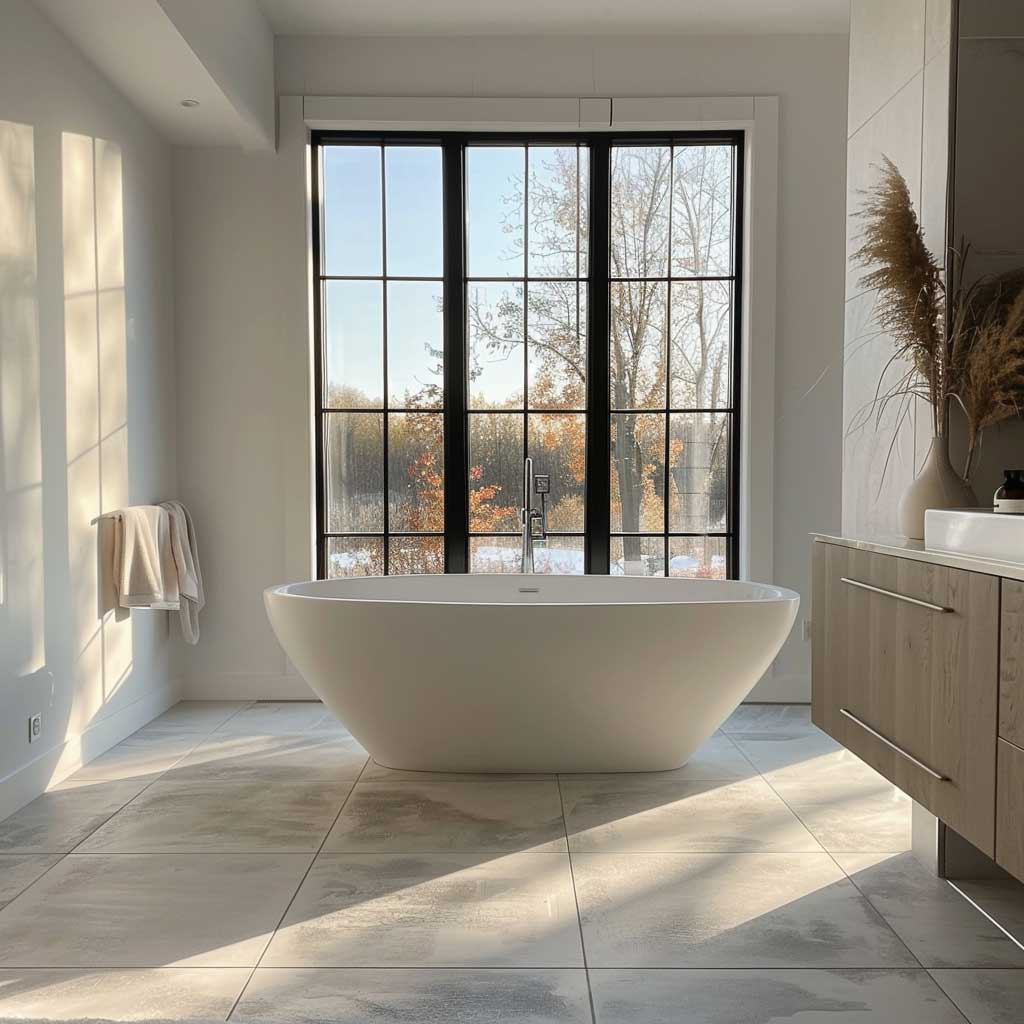
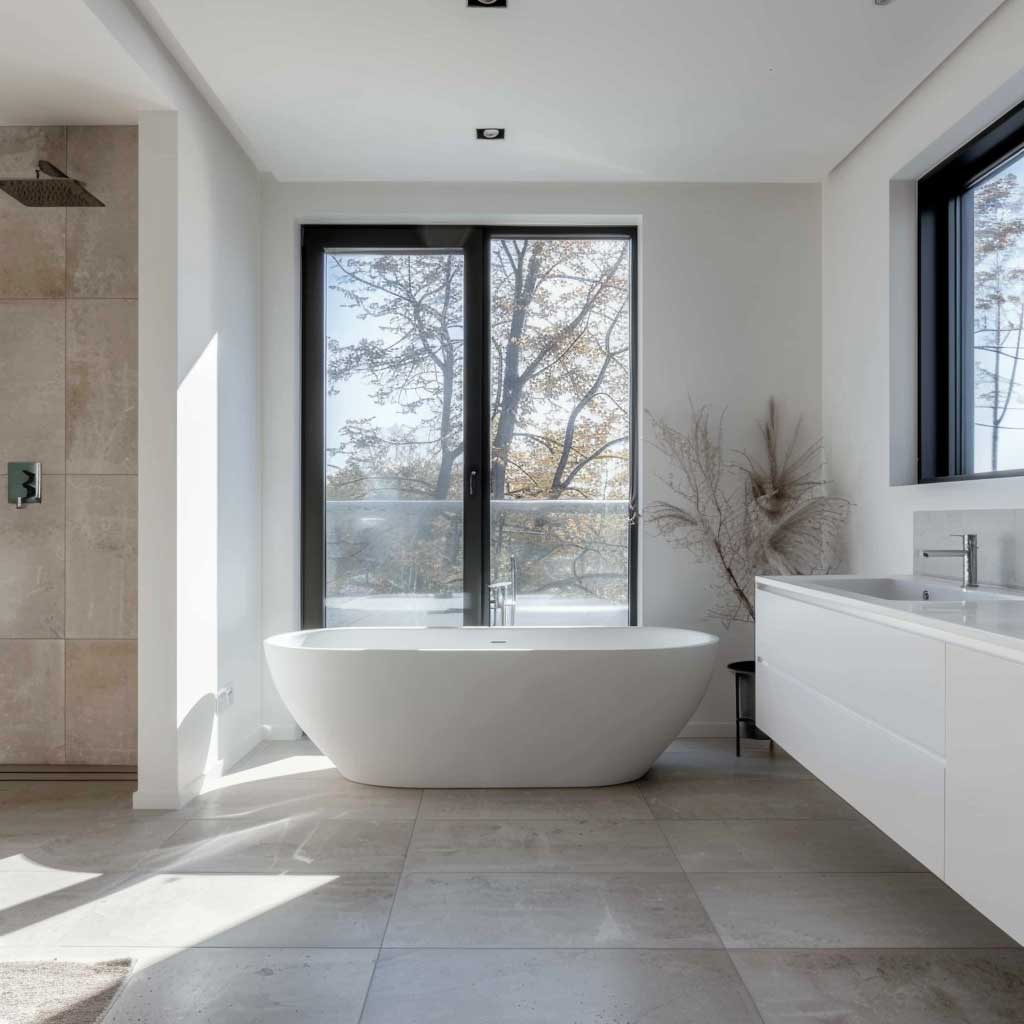
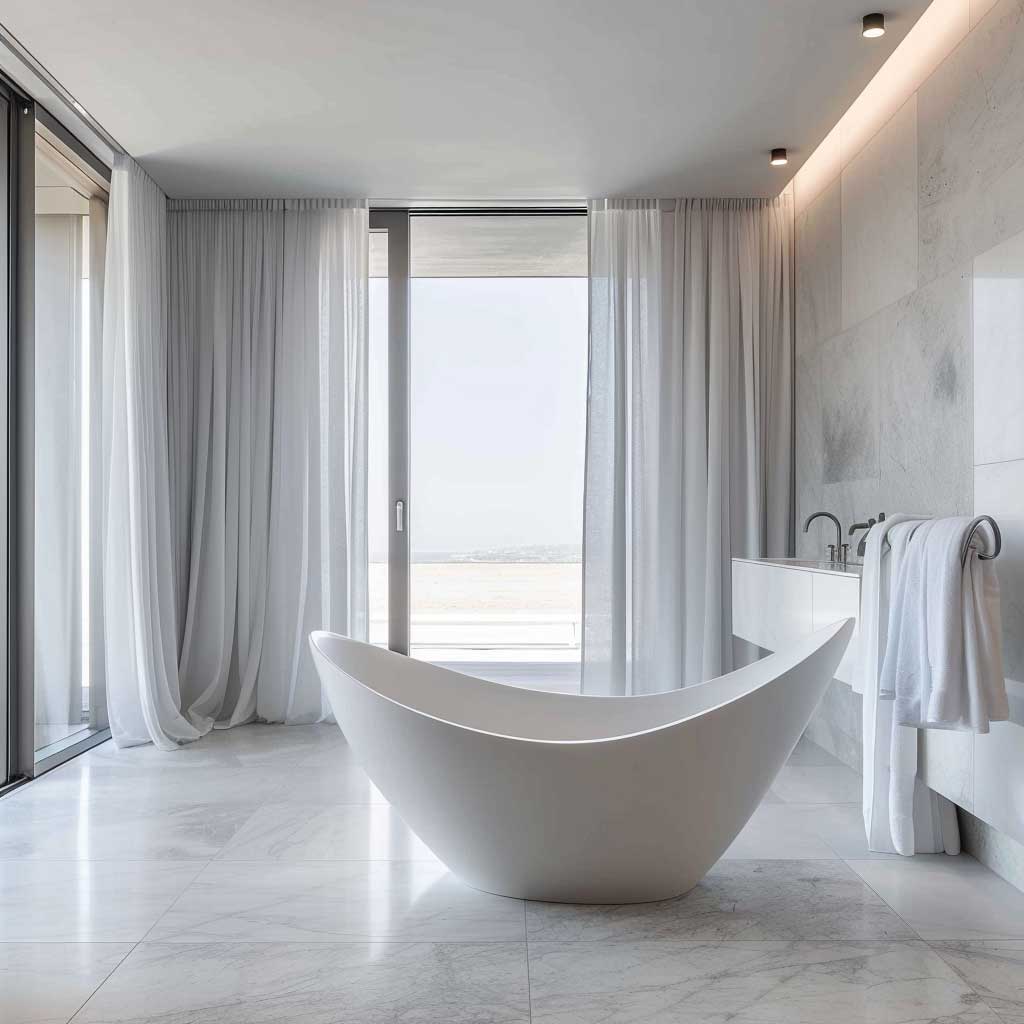
Natural-light minimalist bathrooms treat sunlight as the primary design material. Large windows or a skylight do more spatial work than any expensive fixture. White walls and light grey stone floors act like reflectors, bouncing daylight into every corner so the room feels open even on overcast mornings.
How much difference does window size make? A full-height window can double the perceived volume of a 40-square-foot bathroom. Position a simple freestanding tub to capture the view rather than hiding it against a blank wall. Acrylic or solid-surface freestanding tubs in clean shapes usually cost $1,000–$3,000 before installation. Keep the rest of the room nearly empty so the light remains the main event.
Chrome fixtures stay quiet against the pale surfaces. Avoid heavy curtains or frosted film that block the view—the connection to outdoors is the entire point. This approach pairs especially well with the black-and-white schemes shown in these black and white bathroom concepts with Scandinavian simplicity.
Side-by-Side Comparison of the Three Approaches
| Approach | Best For | Key Materials | Typical Mid-Range Cost Driver |
|---|---|---|---|
| White + Wood | Warm, inviting primary baths | Light oak vanity, white tile, chrome | Floating vanity $500–$1,500 |
| Black + White | Compact or high-contrast rooms | Matte black fixtures, large-format tile | Frameless glass $2,500–$5,000 |
| Natural Light Focus | Rooms with strong outdoor views | White walls, light stone, simple tub | Freestanding tub $1,000–$3,000 |
According to Forbes Home data on small bathroom remodel costs, a typical project averages around $6,300 with a common range of $2,500–$10,000 depending on materials and labor. These three minimalist directions sit comfortably inside that band when layouts stay simple.
Choose the Scheme That Matches Your Light and Routine
White-and-wood, black-and-white, or light-focused layouts all deliver the same core benefit: a bathroom that feels larger and calmer than its square footage suggests. The right choice depends on available daylight and how much visual quiet you need each morning.
Start with one strong material decision—wood tone, matte black hardware, or maximum window exposure—and let every other choice support it. Keep storage hidden, surfaces clear, and finishes limited to two or three at most.
A mid-range remodel that respects these rules usually lands between $15,000 and $25,000 for a 50-square-foot room. That budget covers the floating vanity, frameless glass and large-format tile that actually move the needle.
Pick the palette that matches your existing light conditions, install the fewest possible visible objects, and the room will do the rest of the work every day.