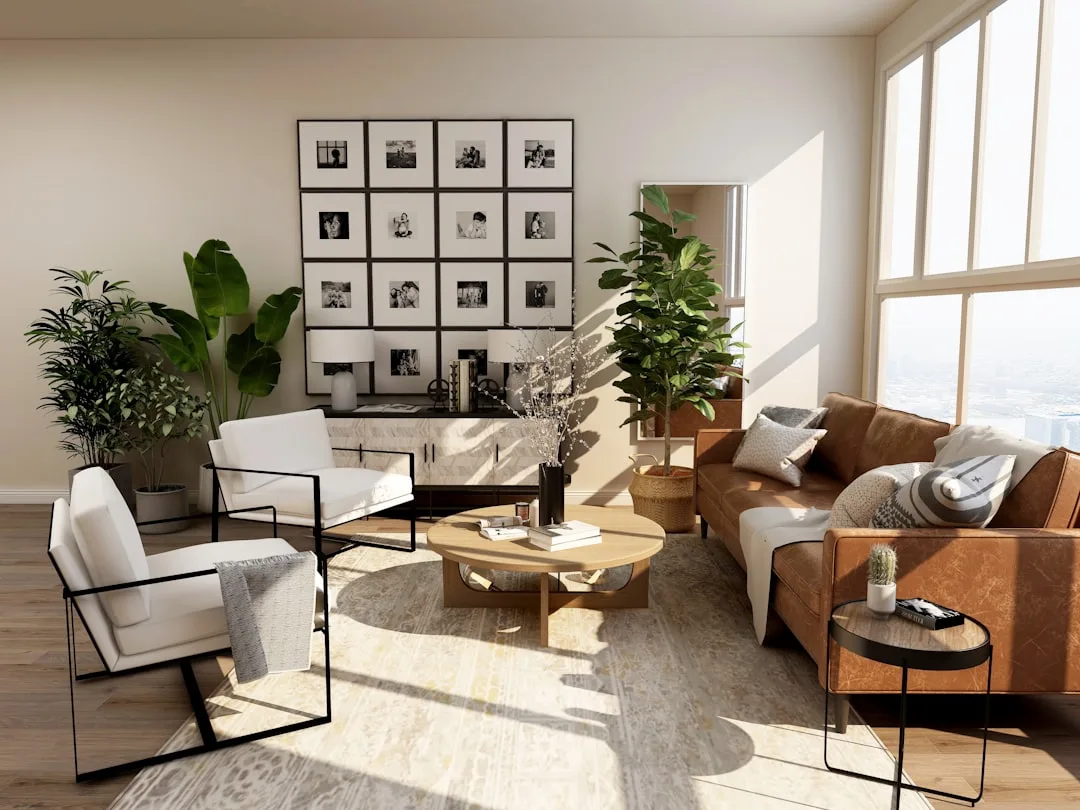
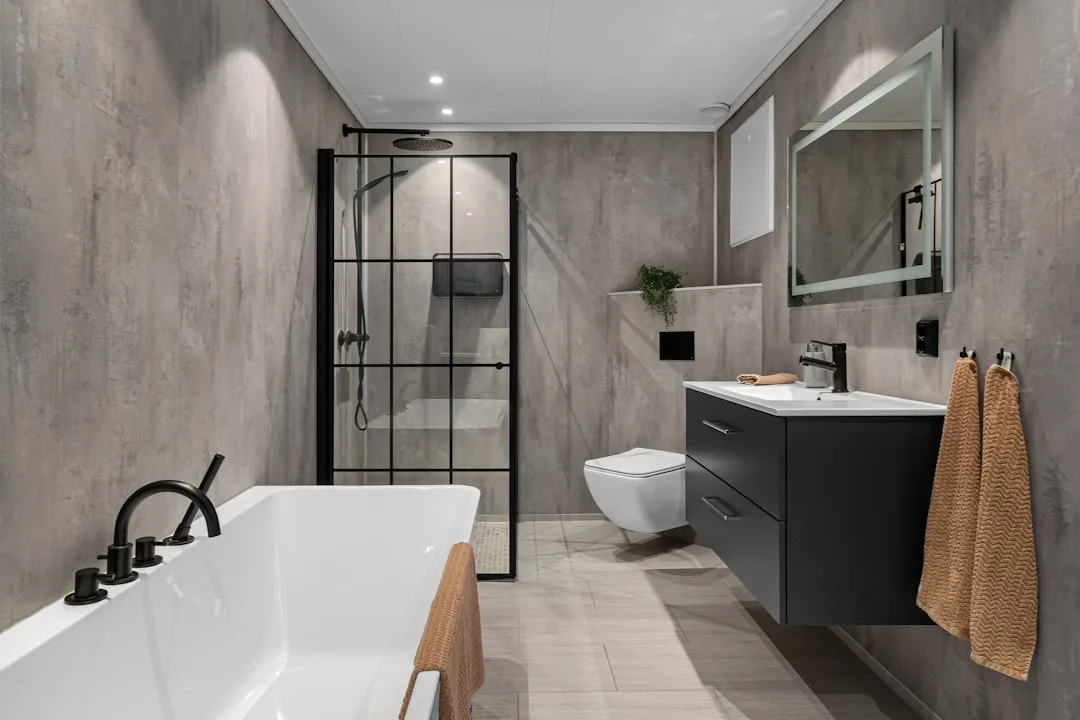
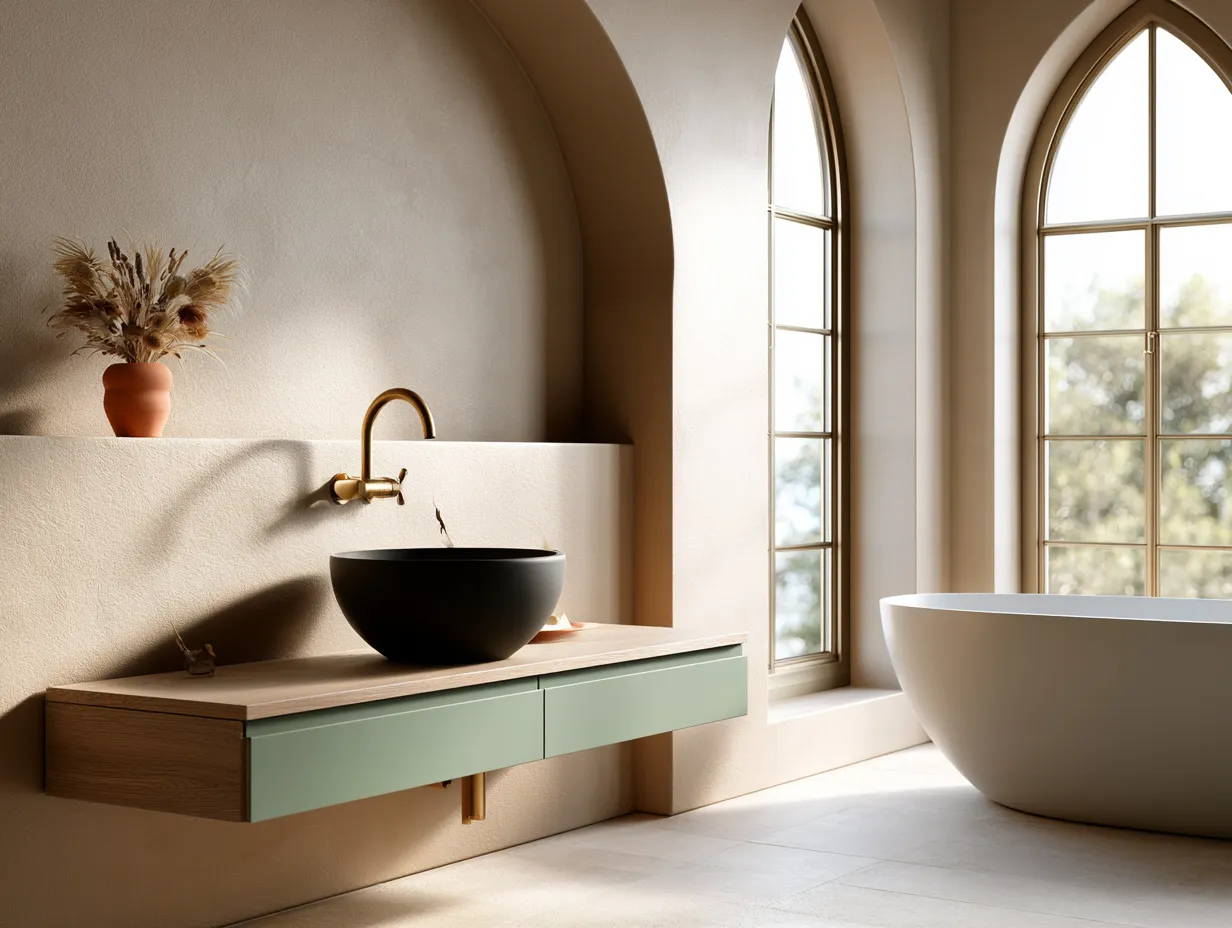
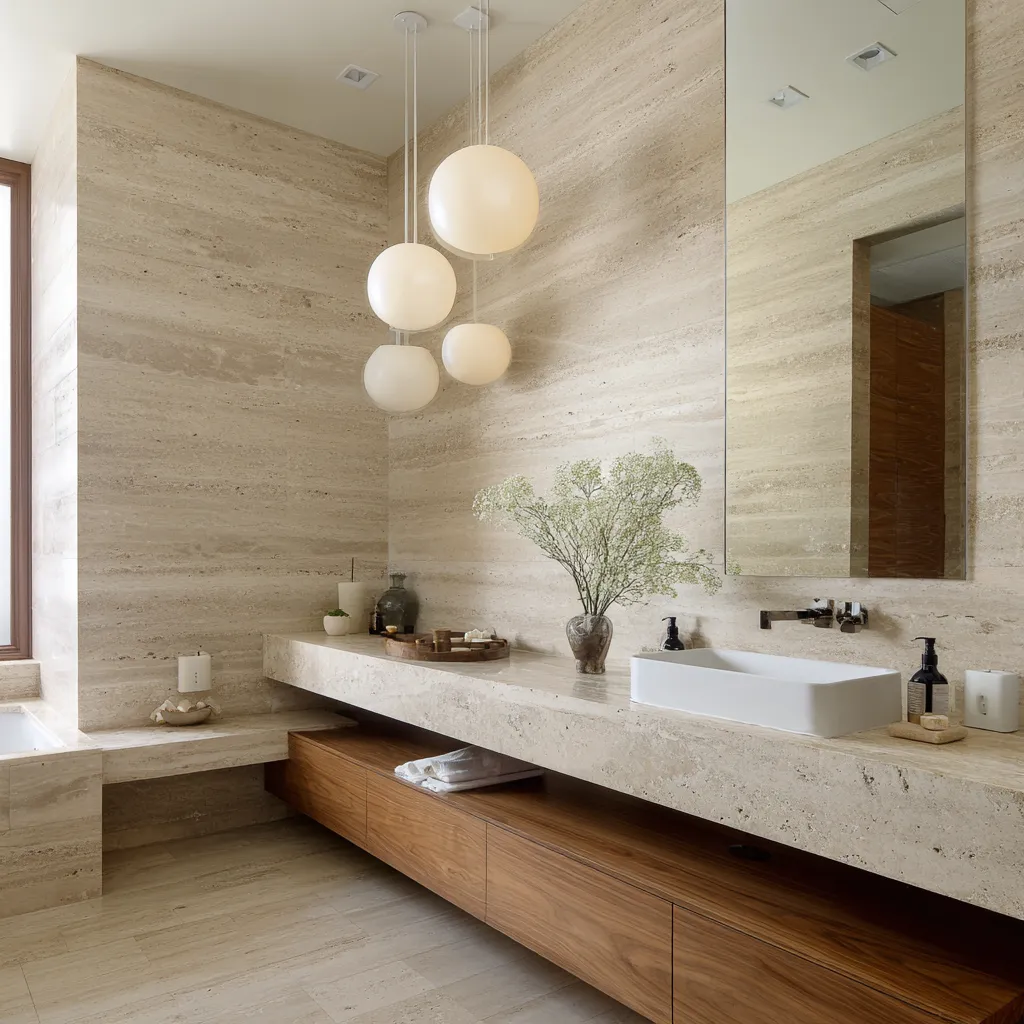
Luxury bathroom vanity designs earn the name through three things: stone or quartz on top, solid construction underneath and enough width for the way the room is actually used. Do they justify the price? In most primary bathrooms they do, because the vanity is the piece you touch every morning and every night. Installed costs typically run $300–$3,800, with many homeowners landing near $1,500, so the upgrade sits closer to a good sofa than a kitchen remodel. Anchor your budget to that $1,500 midpoint before you fall for a specific style.
The right style depends on space more than taste. A double sink vanity usually needs 60–72 inches of wall, a single cabinet fits in 24–48 inches, and floating units are mounted so the counter lands 30–36 inches off the floor. Marble looks richer than quartz but needs sealing every 6–12 months, while quartz is non-porous and skips that chore entirely. Measure the wall first, choose the top material second and pick the finish last.
Ten high-end vanity styles follow, each with typical prices, key dimensions and the mistake that most often spoils it. A comparison table near the end lines them up by cost, size and upkeep. Jump to the table first if your budget is already fixed.
Quick Scan
- Typical installed vanity cost runs $300–$3,800, with about $1,500 as the common midpoint.
- Double vanities need 60–72 inches of wall vs 24–48 inches for a single.
- Keep sink centers 30–36 inches apart and at least 20 inches from a side wall.
- Floating vanities hang 30–36 inches high and must anchor into studs, never drywall alone.
- Bathroom quartz costs about $80–$180 per sq ft installed; marble needs resealing every 6–12 months.
- Vessel bowls belong on a 30–31 inch cabinet so the rim lands near 36 inches.
- Genuine brass faucets cost $400–$1,200 vs $150–$400 for chrome.


Double Sinks Anchor Most Luxury Bathroom Vanity Designs
Double sink vanities show up in more upscale primary baths than any other layout, because two basins end the morning queue. The trade-off is wall space: most double vanities measure 60–72 inches wide and premium lines stretch to 84 inches, while a single-sink cabinet fits in 24–48 inches. Is 60 inches enough for two people? It works, but 72 inches gives each user real counter space on both sides of the bowl. Choose 72 inches whenever the wall allows it.
Spacing matters more than the cabinet itself. NKBA planning guidelines put sink centerlines 30–36 inches apart and recommend at least 20 inches from each centerline to a side wall, against a code minimum of 15 inches. Squeeze two bowls closer and you get two people fighting over one elbow zone, like economy seats with a shared armrest. Don’t order a double vanity until both drain centers are marked on the wall with tape.


Finish choices split this category into two camps. Marble tops with warm brass taps read classic, while flat-front cabinets with matte hardware read modern. Hardware is where double-vanity budgets slip, since brass and stone bathroom fixtures that are replacing chrome in high-end bathrooms typically cost two to three times as much as standard chrome. Price two faucets, not one, before committing to a double layout.
Floating Vanities Make a Modern Luxury Bathroom Vanity Feel Lighter
A floating vanity is the fastest route to a modern luxury bathroom vanity look, because open floor beneath the cabinet makes a small room read larger. Most wall-hung units are set so the counter lands 30–36 inches above the floor, with a 4–8 inch gap underneath that lets tile run all the way to the wall. Think of it as a cantilevered balcony for the sink: the drama comes from what is missing below. Plan a toe-kick LED strip or heated floor so that exposed gap earns its keep.
Can drywall alone hold one? No, a floating cabinet must be anchored into studs, which typically sit 16 inches apart, or into solid blocking added between them. Mounted that way, many units are rated for roughly 200–500 pounds, while estimates for weaker installs start as low as 100 pounds. That gap is the difference between a stone top that stays level and one that slowly tilts forward. Never hang a stone-topped floating vanity on drywall anchors.


Height is the hidden perk of this style. A floor-standing cabinet comes at a fixed 32–36 inches, while a wall-hung vanity can go lower for children or higher for tall users, and some households mount it at 38 inches. That flexibility matters most in a primary bath shared by people of very different heights. Decide the mounting height with both users standing at the wall, then mark it before tile goes up.
Antique Vanities Bring Patina No Showroom Can Fake
Antique vanities give luxurious bathroom vanities a sense of history, usually by converting an old dresser, sideboard or console into a sink base. The easiest conversion pairs the piece with a vessel sink, because the bowl sits on top and needs only a drain hole instead of a large cutout. Is a standard-height dresser too tall for that? Often it is, since a vessel bowl on a 32-inch base can push the rim close to 38 inches, while a 30–31 inch piece lands near a comfortable 36. Measure the furniture height before you fall for the carving.
Depth decides whether the piece fits the room. Most bathroom vanities run 20–24 inches deep, and narrow rooms can drop to about 18 inches, so a shallow sideboard often suits a tight bath better than a deep chest. Old wood near a sink behaves like an old boat hull, where one slow drip does more harm than a splash. Don’t install an antique without sealing the cut edges and lining the inside floor with a waterproof finish.


Fixtures should look as old as the furniture or deliberately newer, never somewhere in between. Genuine brass from the 1920s still works today, while plated brass can start breaking down in about 18 months in a humid room, by most designer accounts. A cross-handle faucet in unlacquered brass suits a carved walnut base far better than a sleek chrome lever. Spend on solid brass here and save on towel bars instead.
Minimalist Lines Give High-End Vanities Their Quiet Edge
Modern minimalist design shows how high end luxury bathroom vanities can impress with less: flat fronts, no visible pulls and one strong material on top. Quartz is the usual choice, costing about $80–$180 per square foot installed in bathrooms, and it never needs sealing because it is non-porous. Marble spans a wider $50–$250 per square foot and needs resealing every 6–12 months in a daily-use bath. Pick quartz if you want a surface you can stop thinking about.
Does minimalist mean less storage? Not when the cabinet uses full-depth drawers instead of doors, since drawers bring everything forward rather than hiding it behind a shelf. A wall-mounted faucet also frees the back edge of a 22-inch-deep top, where every inch of clear surface shows. A good minimalist vanity works like a well-packed carry-on: everything has a slot, so nothing sits out. Don’t add open shelving unless you’re ready to restyle it every week.

Art Deco Vanities Trade Restraint for Brass and Geometry
Art Deco vanities bring exquisite luxury bathroom vanity detail from the 1920s and 1930s, when fan shapes, fluting and polished metal signaled money without apology. The look leans on brass, and genuine brass faucets typically run $400–$1,200 compared with $150–$400 for chrome. One popular sculptural faucet shows the gap clearly, listing at $879 in polished brass against $649 in chrome. Put the Deco budget into the faucet first, because it is where the eye lands.
Is fluting worth the upcharge? On a vanity front it is, because vertical ridges catch light the way pleated curtains catch a breeze, and they hide fingerprints better than flat lacquer. Pair the cabinet with geometric tile or a fan-shaped mirror, but keep one bold pattern per wall. Don’t mix brushed brass, polished brass and gold-tone plating in one room; pick a single finish and repeat it.

Mirrored Vanities Double the Light in Elegant Bathrooms
A mirrored vanity is the most theatrical take on an elegant luxury bathroom vanity, with glass panels on the doors and sides that bounce light back into the room. It behaves like a slow-motion disco ball, sending every lamp in the room back at you from a new angle. Placement still follows standard planning numbers, such as keeping the bottom of the wall mirror no higher than 40 inches above the floor. Hang the main mirror first and size the cabinet to it, not the other way around.
Lighting makes or breaks this style. Sconces placed near eye level, typically 65–70 inches from the floor, light the face evenly, while a single ceiling fixture casts shadows that mirrored doors then multiply. Do mirrored fronts scratch? Beveled or antiqued glass hides small marks far better than plain clear mirror, which shows every scuff. Don’t put a mirrored vanity where a door swing or step stool will knock it daily.

Custom Vanities Put Every Inch on Your Terms
Custom work is where upscale bath vanities stop being products and become built-ins, made to the exact width, height and drawer layout of one room. Semi-custom and custom cabinetry from showrooms or cabinet makers typically costs about $75–$250 per square foot, compared with roughly $200–$800 for an average stock vanity. A fully custom project can push the installed total to around $4,000 once plumbing and countertop work are added. Get two quotes from identical drawings so the numbers actually compare.
How wide can a built-in go? Retail double vanities already reach 117 inches at the top end, so going custom is about fit rather than size. This retailer price roundup covering vanities from $74 to more than $10,000 shows where stock options end and custom begins. Custom versus stock works like a tailored suit versus off-the-rack, and the tailoring pays only when the room has odd angles, a sloped ceiling or a window over the sink. Don’t go custom just to fill a standard 60-inch wall.

Vessel Sinks Turn the Countertop Into a Pedestal
Vessel sink vanities put the bowl on display, which is why sculptural stone and glass basins appear in so many luxury bathroom vanity ideas. Height is the catch: set a vessel on a standard 32-inch cabinet and the rim can sit near 38 inches, while a 30–31 inch base brings it to a comfortable 36. A vessel on the wrong cabinet feels like eating at a bar counter from a dining chair. Order the cabinet and the bowl together so the heights work as a pair.
Stone vessels push the price up quickly. Hand-carved marble basins from premium makers run about $2,800–$5,200, while travertine starts lower at around $2,200 but needs resealing roughly every 18 months. Which faucet works with a vessel? A tall vessel faucet or a wall-mounted spout, since a standard deck faucet can’t clear the rim. Don’t pair a $4,000 basin with an $80–$180 plated faucet that may start peeling within 18 months.

Integrated Sinks Deliver the Cleanest Luxury Bathroom Vanity Designs
Integrated sinks give a modern luxury vanity its easiest-to-clean surface, because basin and countertop form one continuous piece with no rim to trap grime. The effect resembles a molded car dashboard: one shape, no joints for dust to collect in. Ready-made 30-inch vanities with a quartz top and built-in sink sell for roughly $778–$826 at mainstream retailers, far below a custom slab. A standard top at this size measures about 31 by 22 inches and fits a 30 by 21 inch cabinet. Choose an integrated top when daily wiping matters more than a dramatic bowl.
Is an integrated top a problem if the basin chips? It can be, since the whole top gets replaced instead of just the bowl, which is the main downside versus an undermount sink. For a compact version of the look, this modern small black bathroom with a wall-mounted vanity shows how a 24-inch unit near $216 can pull off the same clean line. Darker tops hide water spots better than bright white ones. Don’t choose a glossy white integrated top for a hard-water home.

Freestanding Vanities Read Like Furniture, Not Cabinetry
Freestanding luxurious vanity pieces sit on legs or a plinth and read like furniture moved into the bathroom, which suits traditional and transitional rooms. Standard heights land around 32–36 inches, and widths at warehouse retailers run from a compact 24 inches up to 84 inches. Price spreads are wide, with a 30.5-inch cultured marble model selling near $299 and a premium single-sink piece from a design retailer starting around $3,499. Decide whether you are buying a fixture or an heirloom before comparing the two.
What does a freestanding unit do better than a floating one? It carries heavy stone without wall reinforcement, since the floor takes the load, which helps in older homes with uncertain framing. Legged versions show more floor than a plinth base, much like a table compared with a chest of drawers. Don’t buy a legged vanity if the plumbing comes up through the floor, because the pipes will sit in plain view.

Don’t Do This
- Don’t hang a floating vanity on drywall anchors; it needs studs or blocking rated for a 200-pound-plus load.
- Don’t space double sinks closer than 30 inches center to center.
- Don’t set a vessel bowl on a 36-inch cabinet; aim for 30–31 inches instead.
- Don’t skip marble sealing; a daily-use bath needs it every 6–12 months.
- Don’t pair a stone basin with $80–$180 plated brass that may peel in about 18 months.
Compare Luxury Bathroom Vanity Designs by Price and Upkeep
Lining up upscale vanity styles side by side shows that price gaps come from the top and the faucet more than the cabinet. Quartz at $80–$180 per square foot and brass at $400–$1,200 per faucet move totals faster than any paint or stain choice. Is the cheapest row the best value? Rarely, since a marble top resealed every 6–12 months costs time every single year. Read the upkeep column before the price column.
| Vanity style | Typical price | Key dimensions | Upkeep | Best for |
|---|---|---|---|---|
| Double sink | About $2,597–$3,999 at premium retailers | 60–72 in wide; sinks 30–36 in apart | Two drains and two traps | Shared primary baths |
| Floating | From about $216 for a 24 in unit | Counter 30–36 in high; 4–8 in floor gap | Must anchor into studs | Small or modern rooms |
| Antique conversion | Depends on the piece | 30–31 in base for a vessel; 18–24 in deep | Seal all cut edges | Traditional, character homes |
| Minimalist quartz | $80–$180 per sq ft for the top | 22 in top on a 21 in cabinet | No sealing needed | Low-maintenance baths |
| Art Deco brass | $400–$1,200 per brass faucet | 1920s–1930s motifs, fluted fronts | One finish throughout | Statement primary baths |
| Mirrored | Varies by maker | Mirror bottom 40 in max; sconces 65–70 in | Glass cleaning, scratch care | Dark or windowless rooms |
| Custom | $75–$250 per sq ft | Any size; retail tops out near 117 in | Depends on materials | Odd layouts, sloped ceilings |
| Vessel sink | $2,800–$5,200 for carved marble bowls | 30–31 in cabinet; rim near 36 in | Reseal stone; tall faucet | Sculptural looks |
| Integrated sink | About $778–$826 for 30 in | 31 × 22 in top | Wipe-clean; whole top replaced if chipped | Busy family baths |
| Freestanding | About $299–$3,499 | 32–36 in high; 24–84 in wide | Floor carries the load | Older homes |
The Smart Splurge
The best luxury bathroom vanity is sized to the wall first and styled second, which is why a 72-inch double with quartz beats a cramped 60-inch marble version in daily use. Width, height and top material decide comfort. Finishes only decide mood.
For shared primary baths, budget around the $1,500 installed midpoint for a stock double vanity. Keep sink centers 30–36 inches apart and at least 20 inches from side walls. Add brass only where hands actually touch it.
For small or modern rooms, a floating cabinet at 30–36 inches with a quartz or integrated top gives the cleanest look for the least upkeep. Quartz skips the 6–12 month sealing routine that marble demands. Anchor the cabinet into studs, never drywall.
For statement rooms, put the money into one hero piece, either a $2,800-plus stone vessel or a solid brass faucet in the $400–$1,200 range. Keep everything around it quiet. One splurge reads intentional, while three read like a showroom floor.