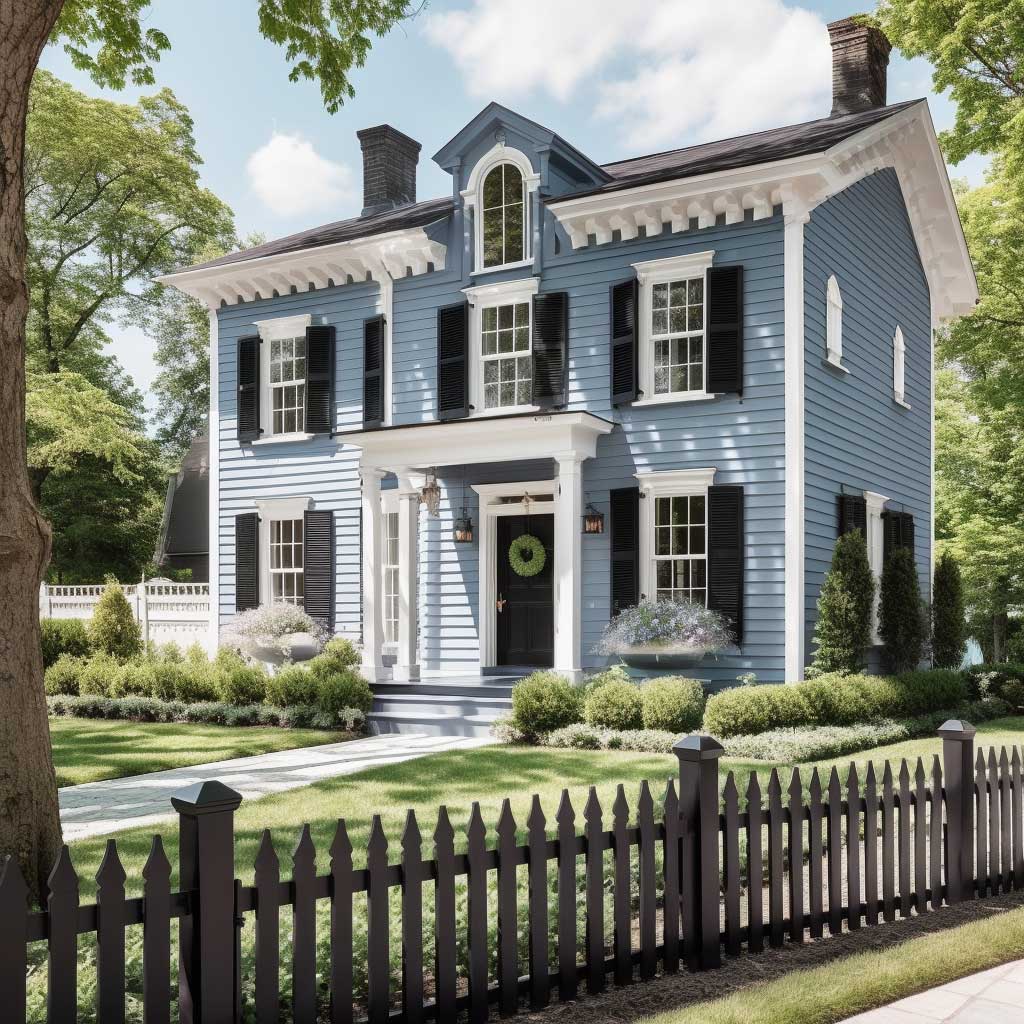
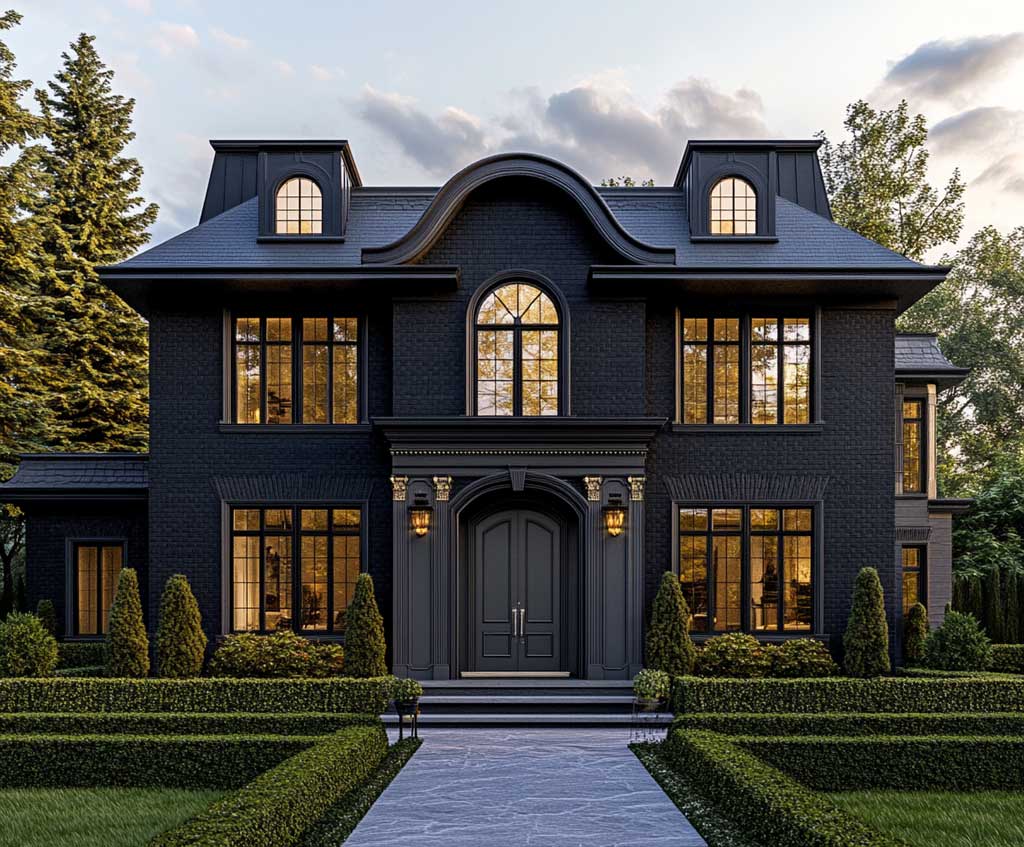
Burnt sienna wall paint is one of those exterior colours that photographs beautifully in the morning and morphs entirely by 3 PM — shifting from a warm, sun-baked terracotta to something almost mahogany in full shade. That shift is why colour consultants consider it one of the most light-sensitive exterior choices on the market, and why getting it right takes more than picking the right code off a swatch. What goes with burnt sienna matters as much as the colour itself.
Cloudy grey is the pairing that stabilises it. The two colours share enough warmth in their undertones to feel cohesive, but sit far enough apart in value that the facade reads with real depth. The combination appears across traditional stucco villas, Craftsman bungalows, and brick townhouses — wherever the goal is warmth that doesn’t tip into heaviness. Benjamin Moore lists Burnt Sienna as colour 1196 in their Classic Collection, which covers 400 square feet per gallon in a single coat.
This piece covers how to use both colours on an exterior, what not to pair them with, and why the trim choice makes or breaks the whole scheme. The sections below follow the three combinations the GSC data shows readers are actively searching for: burnt sienna walls alone, cloudy grey walls alone, and the two used together on the same facade.
– Burnt sienna wall paint shifts dramatically with light — check swatches at 8 AM and 4 PM before committing.
– Benjamin Moore 1196 Burnt Sienna covers 400 sq ft per gallon; budget $75–$110 per gallon for quality exterior paint.
– Cloudy grey with a high LRV (55–65 range) stays readable in shade and doesn’t go muddy in overcast conditions.
– White trim makes sienna pop; slate charcoal trim makes grey feel intentional — avoid matching trim to body colour.
– Quality exterior paint lasts 7–10 years on most surfaces; wood siding needs repainting closer to every 5–7 years.
– The single biggest mistake: using both colours in equal surface coverage — let one dominate at 70%, the other play accent.
What Burnt Sienna Wall Paint Actually Does to a Facade Through the Day
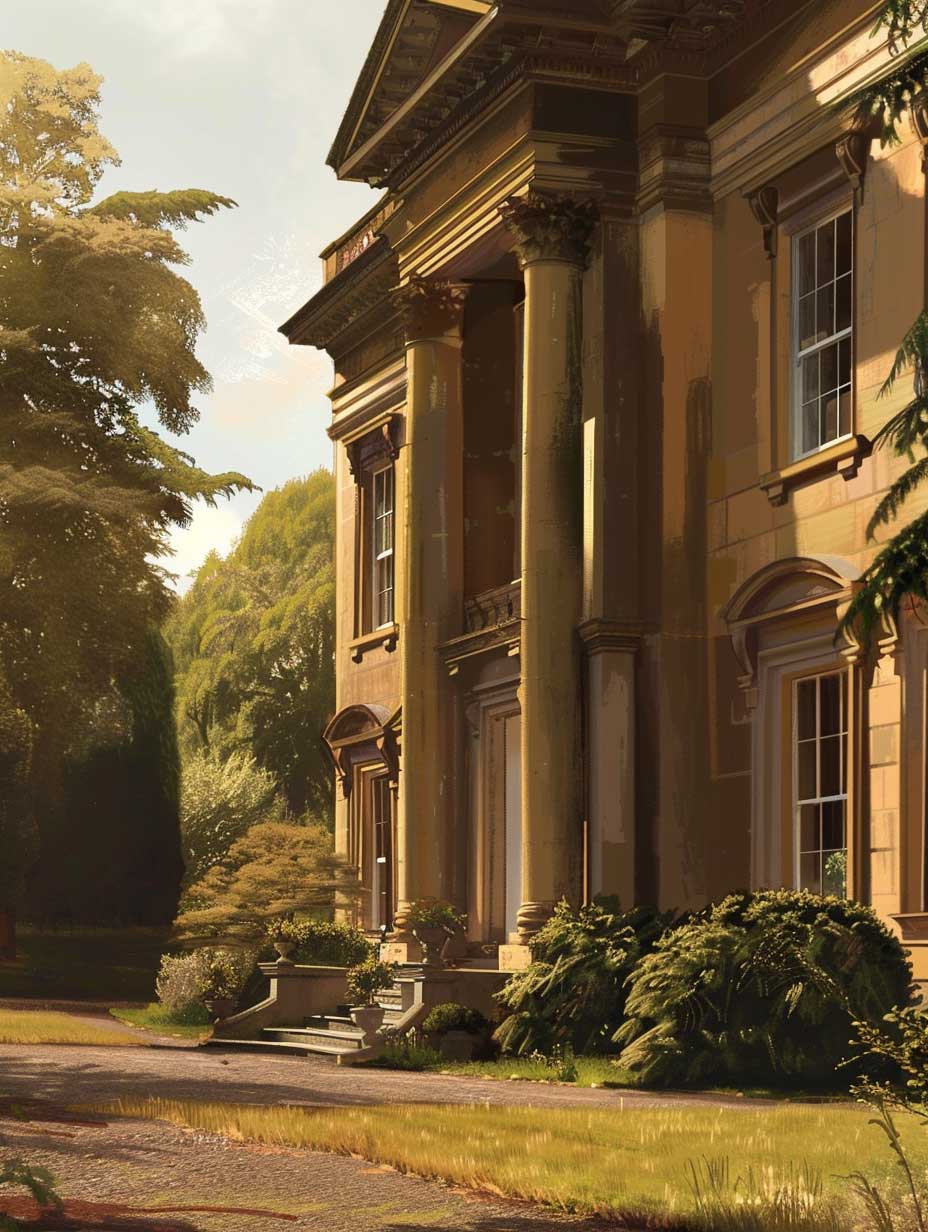
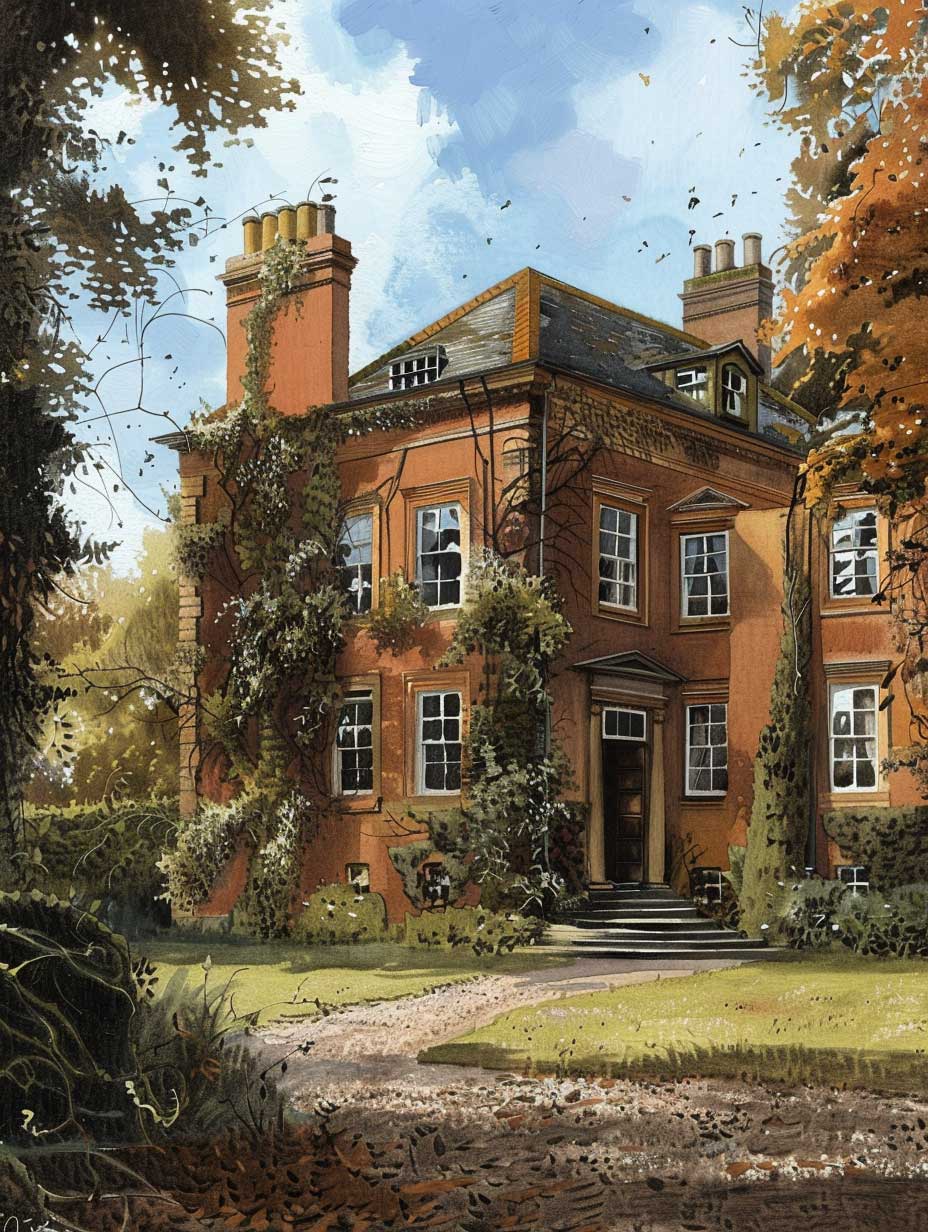
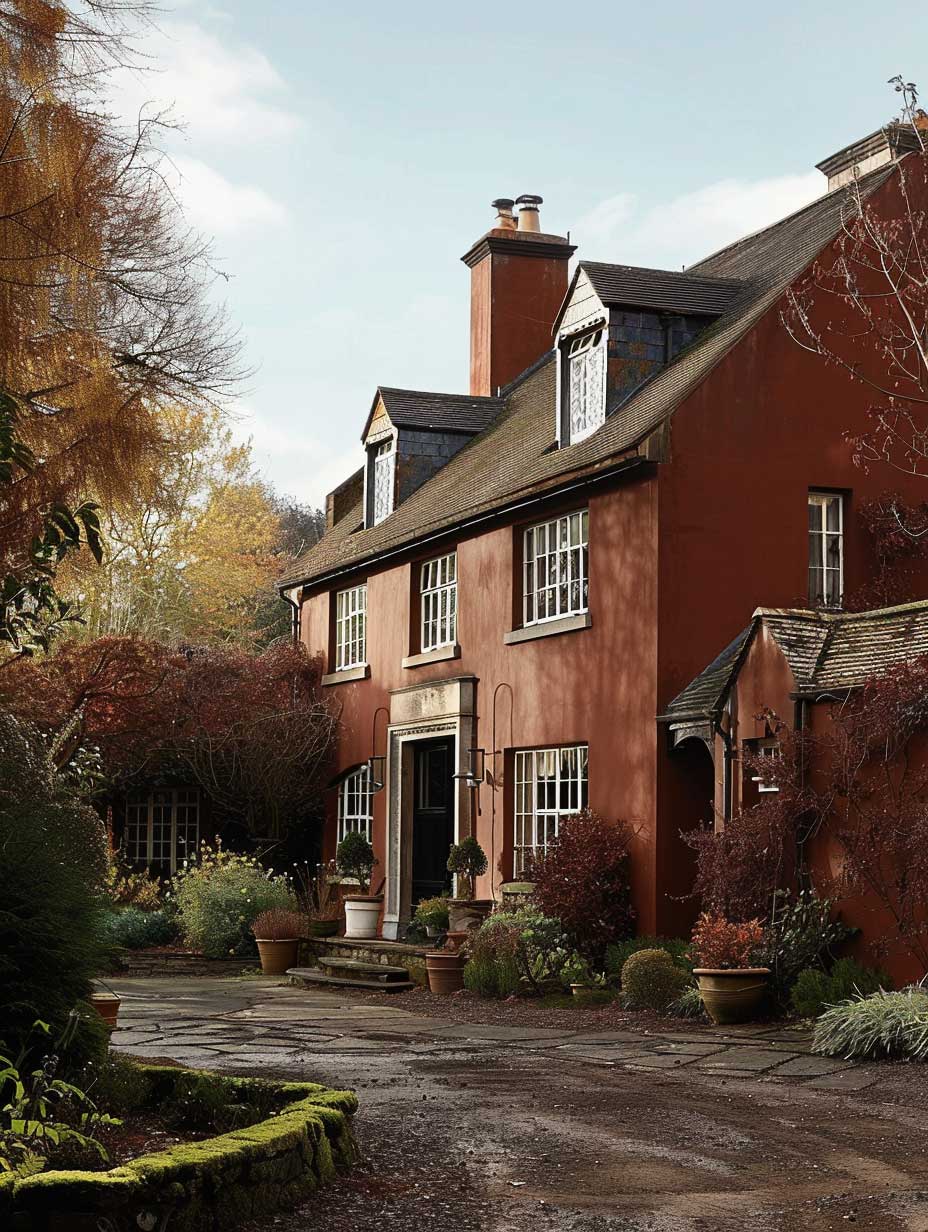
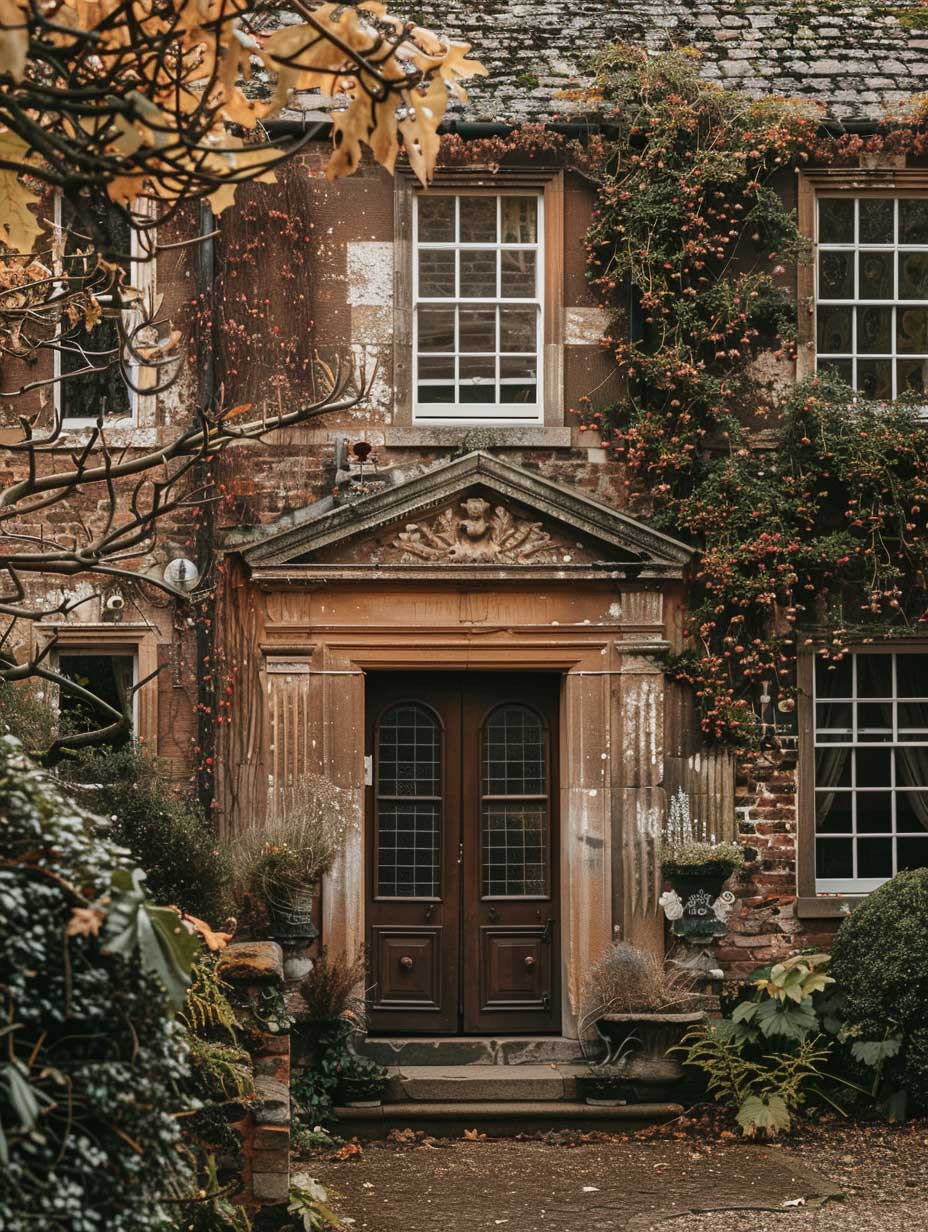
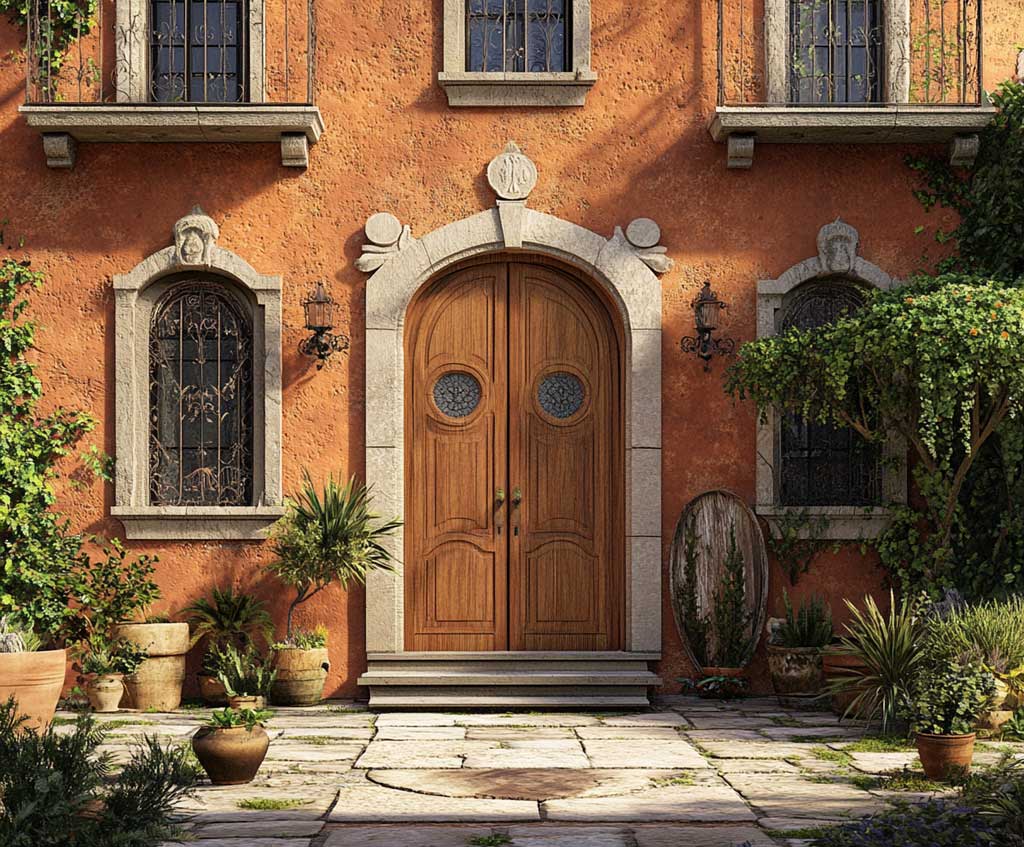
Burnt sienna wall paint earns its reputation as a dynamic colour specifically because of how it handles light — not despite it. At golden hour, the red-orange pigments in the paint catch direct sun and glow almost amber. By midday on a south-facing wall, that same colour reads closer to russet brown. Under overcast skies it drops into muted territory that can read more burgundy than orange. This is not a flaw; it’s the reason the colour has appeared on Tuscan farmhouses and Spanish Colonial homes for centuries. The trick is choosing a formulation with enough red in the base to hold warmth even as the light flattens out. Sherwin-Williams Cavern Clay SW 7701 is a popular field match; Benjamin Moore 1196 Burnt Sienna — part of the Classic Collection — is the most referenced code in North America.
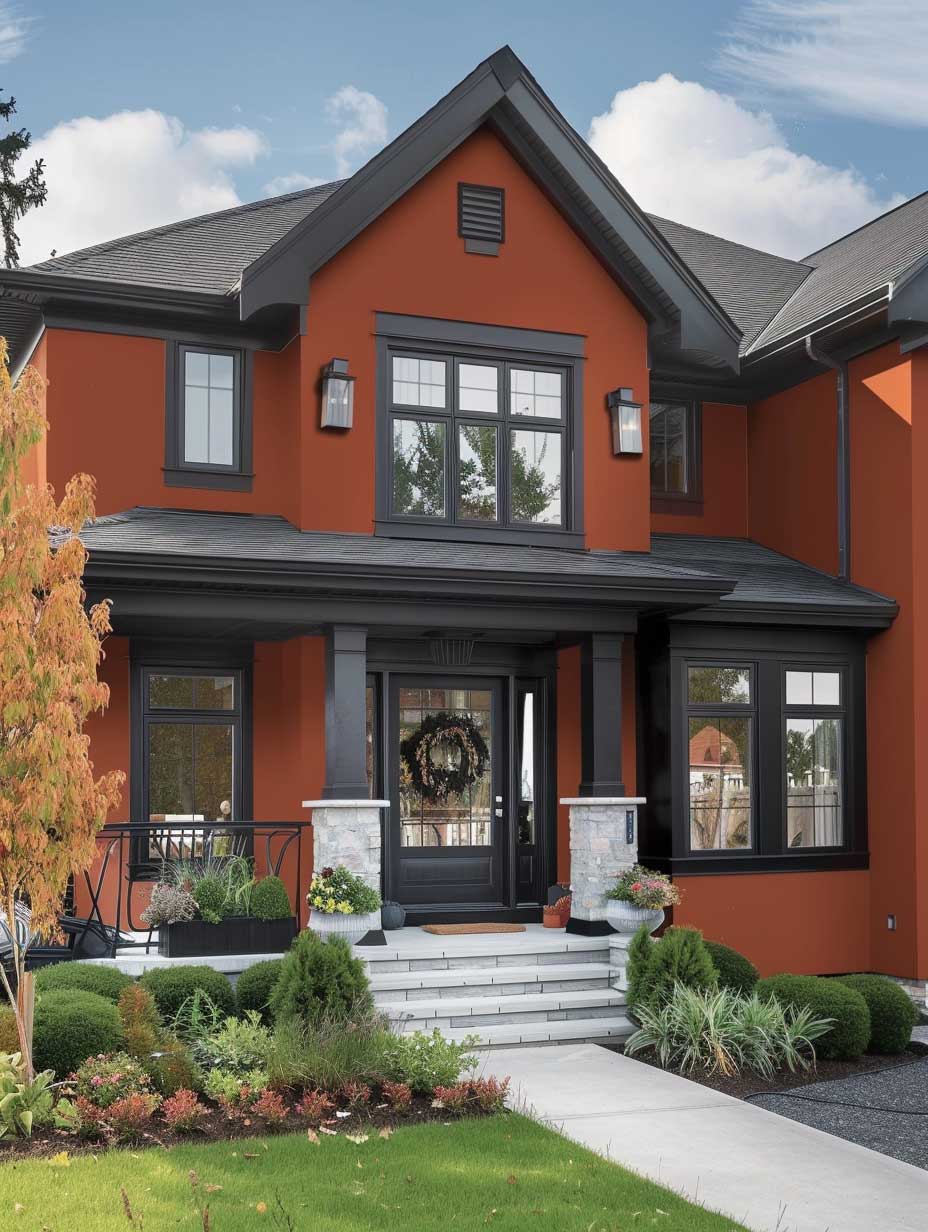
What colour goes with burnt sienna on trim? Crisp white is the conventional answer, and it works for a reason: the contrast is high enough that the sienna reads as a deliberate choice rather than a faded red. Slate charcoal — think Sherwin-Williams Peppercorn SW 7674 — is the bolder alternative, pulling the palette toward a more urban, contemporary finish. Avoid greige trim. The warm undertones in greige fight with the orange in sienna and the whole facade looks muddied from the street. Window frames are where this mistake shows up most clearly.
Does burnt sienna suit a home with a burnt sienna roof? Not directly — the combination flattens the architecture because there’s no contrast to define the roofline. Stylists recommend going at least three shades lighter or darker when body and roof are in the same colour family. A burnt sienna body pairs better with a dark slate or terracotta tile roof than with shingles of the same tone. One underrated pairing: deep navy or slate grey shutters against sienna walls. The contrast is unexpected and reads as confident rather than accidental. For more tested earthy pairings at similar warmth levels, warm house colour combinations in terracotta and sand cover the full spectrum from light sand to deep clay.
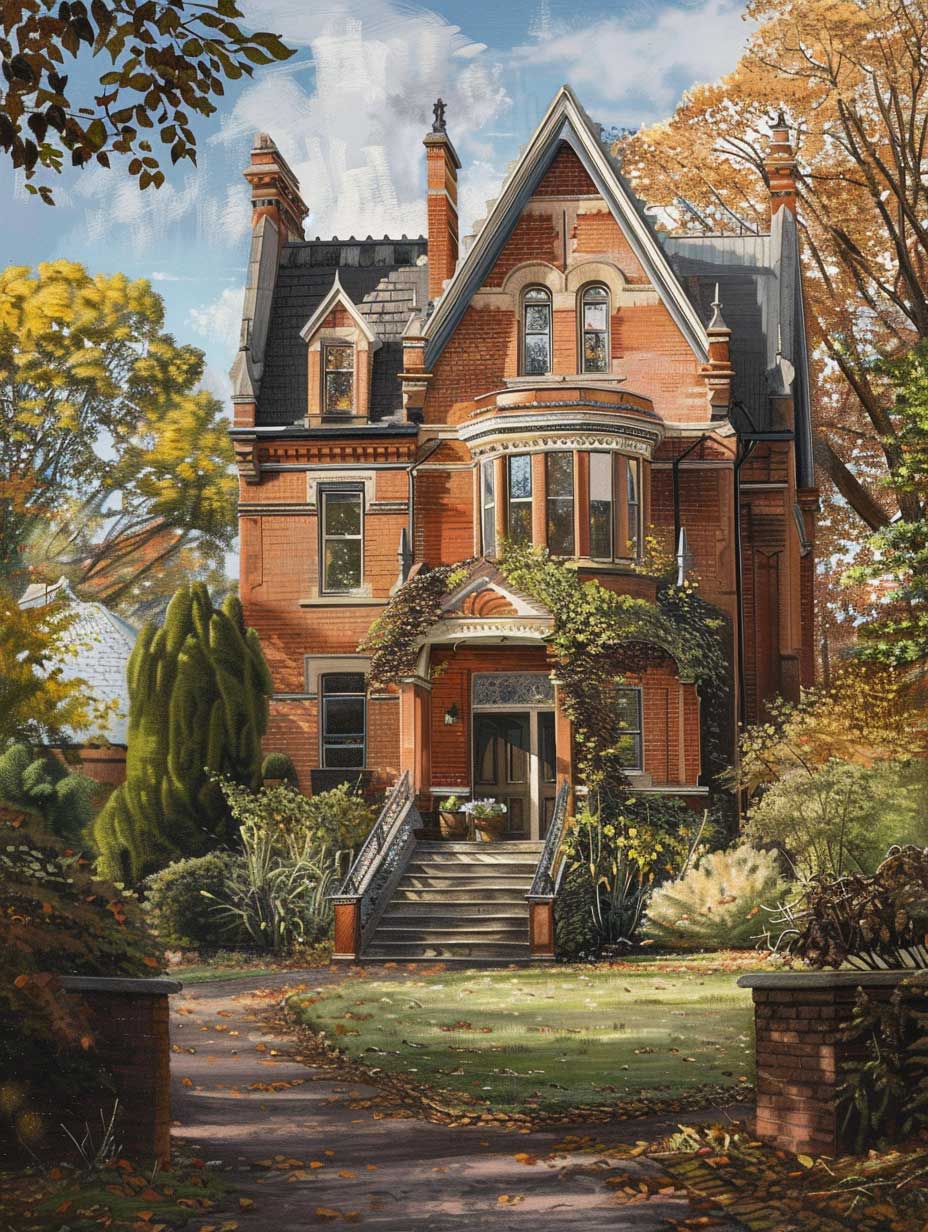
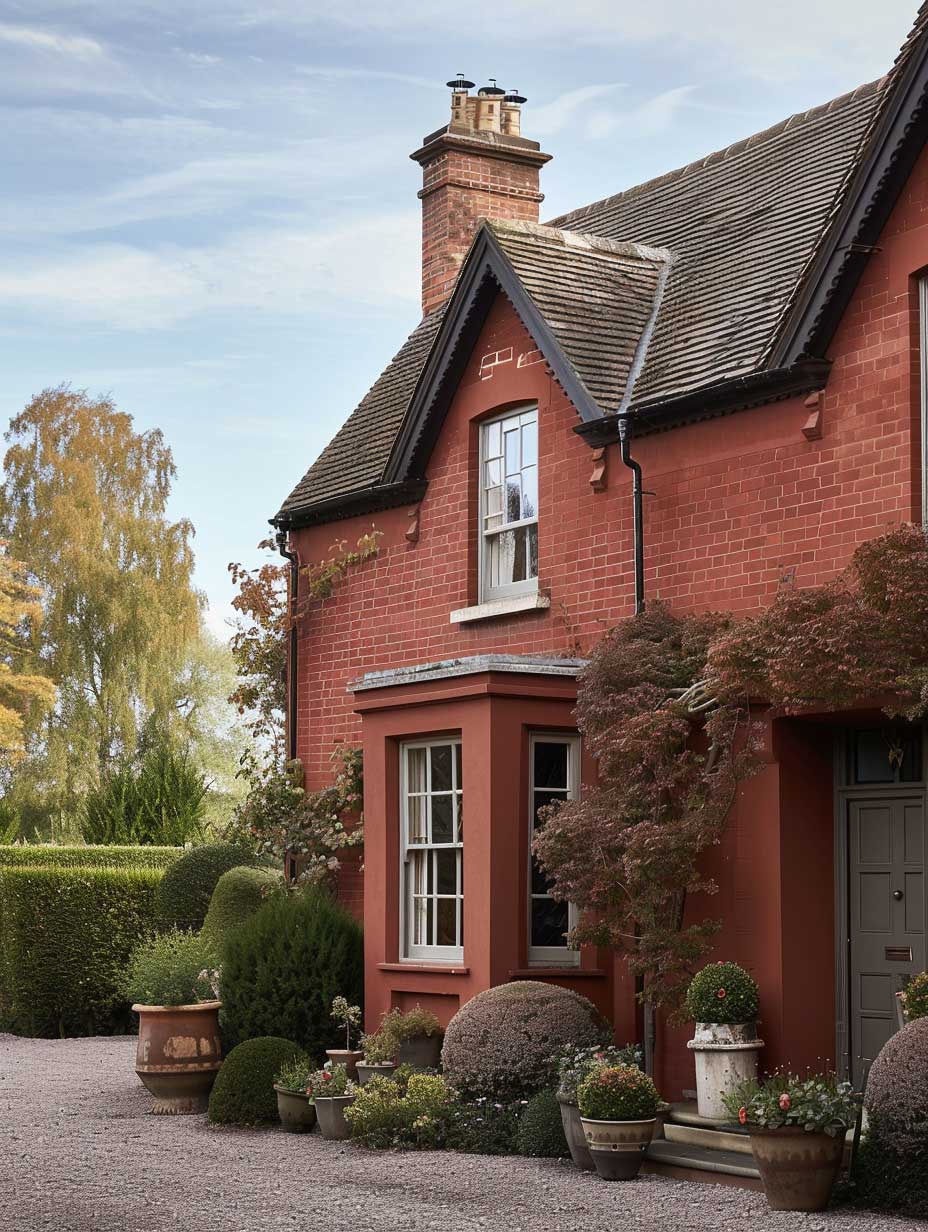
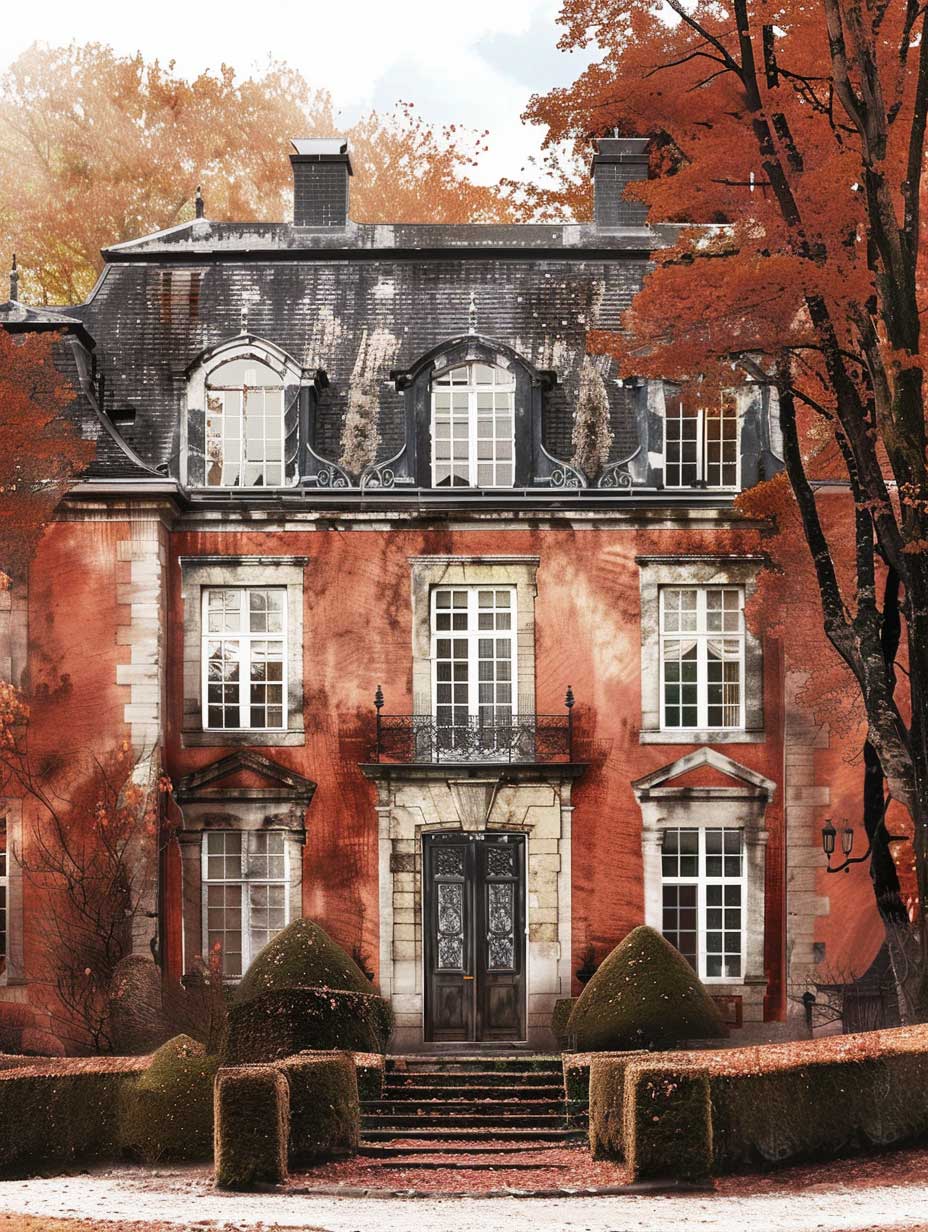
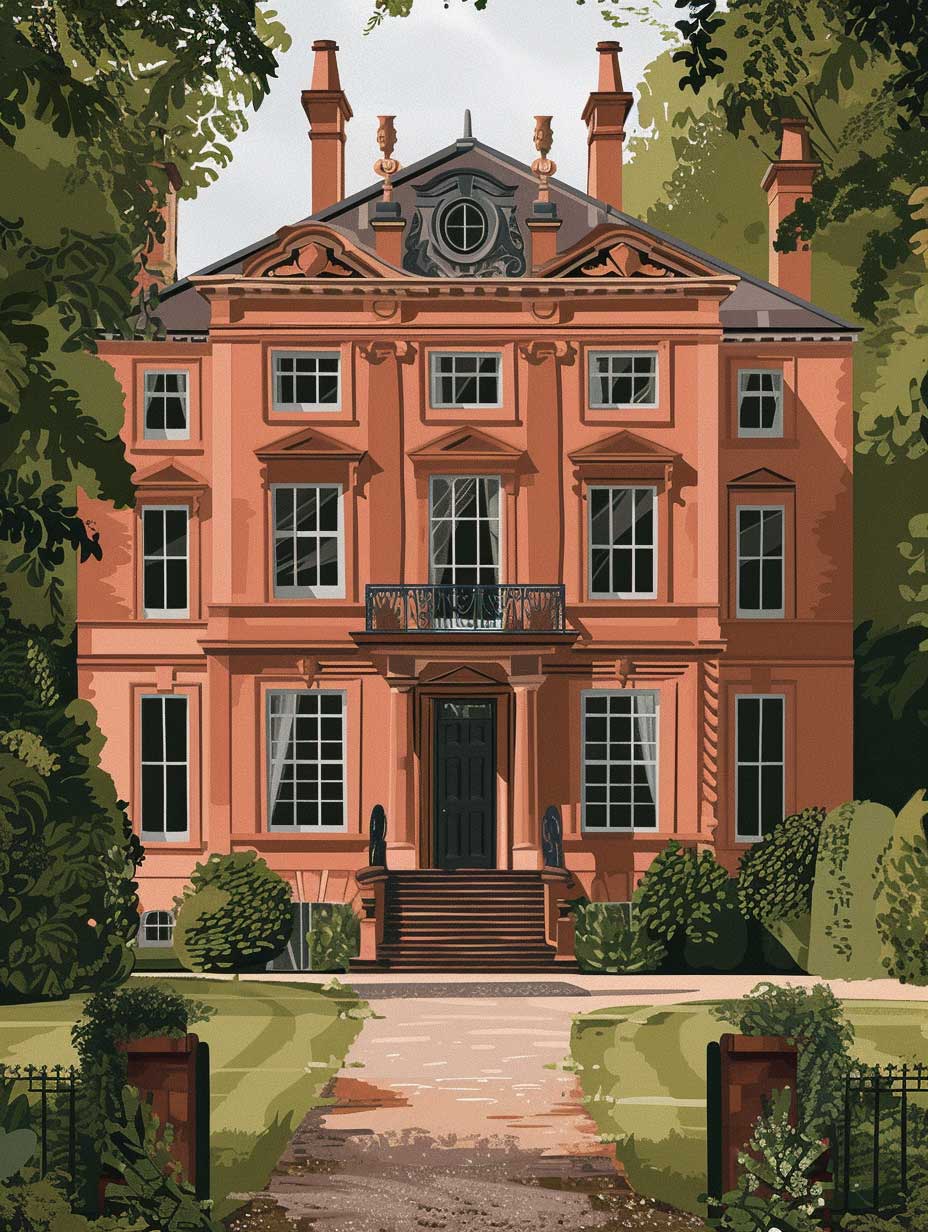
Darker exterior colours like burnt sienna do carry a practical advantage: they hide surface imperfections, minor dents in stucco, and weathering far better than pale shades. Lighter colours show every patch, every crack repair, every water mark. That said, the thermal trade-off is real — darker colours absorb more heat, which can accelerate paint degradation in climates with strong UV. Quality exterior paint on a well-prepared surface typically lasts 7–10 years; on wood siding, that window narrows to 5–7 years due to expansion and contraction across seasons. Budget for one repaint per decade on most surfaces, and inspect the south-facing walls first — that’s where fading and chalking show up earliest.
One overlooked detail about burnt sienna combinations: the colour combination with grey is not just aesthetic — it’s strategic. Using grey on architectural features (gable trim, window surrounds, fascia boards) gives the eye somewhere to rest and allows the sienna to do its job as a bold field colour without overwhelming the street view. Think of it as a ratio: sienna owns the wall surface, grey handles the lines that define the building’s shape. Swap that ratio — grey dominant, sienna as accent — and the scheme reads completely differently, which is the premise of the third section below.
Don’t sample burnt sienna from a phone screen or store display. Paint brands photograph their swatches on backlit digital surfaces — they show more saturation and warmth than the actual pigment on exterior stucco or wood siding. Buy a physical sample pot ($8–$12) and paint a 2×2-foot square directly on the wall. Check it at 8 AM and 4 PM over two days before ordering full gallons.
Don’t pair burnt sienna walls with warm beige or greige trim. The undertones fight. From the street, the facade reads muddy and indecisive — not sophisticated. White trim or slate grey trim only.
Cloudy Grey Exterior Walls Hold Differently on Brick Versus Stucco
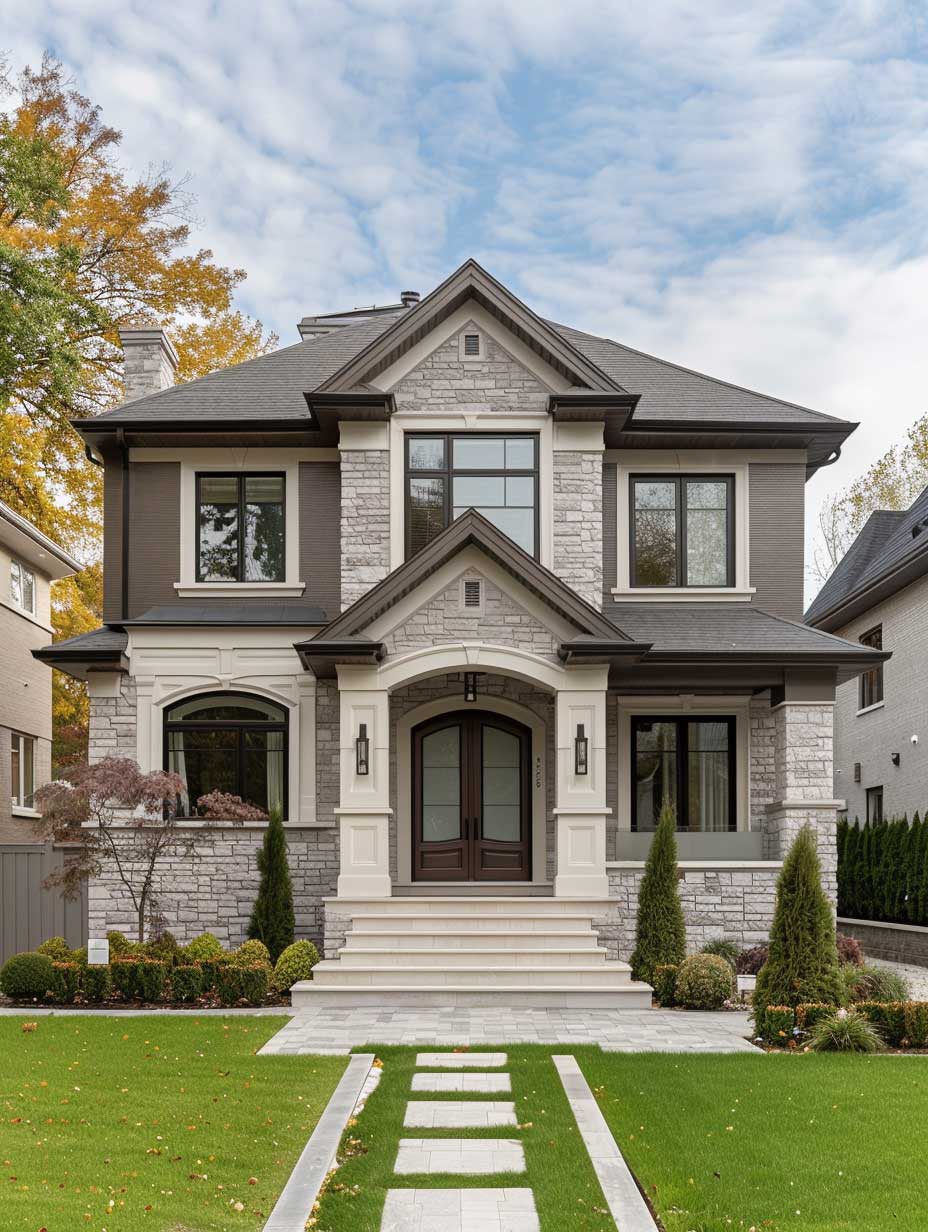
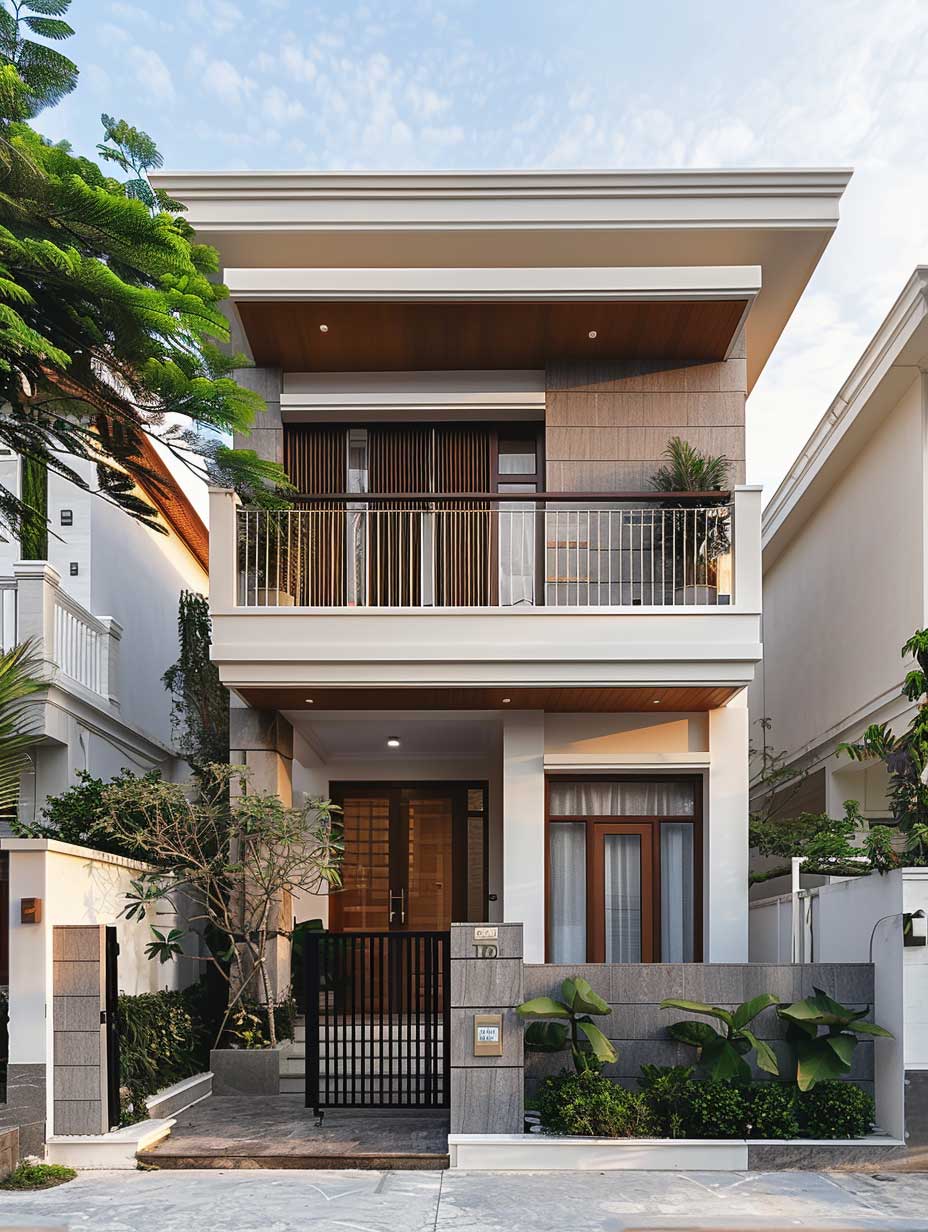
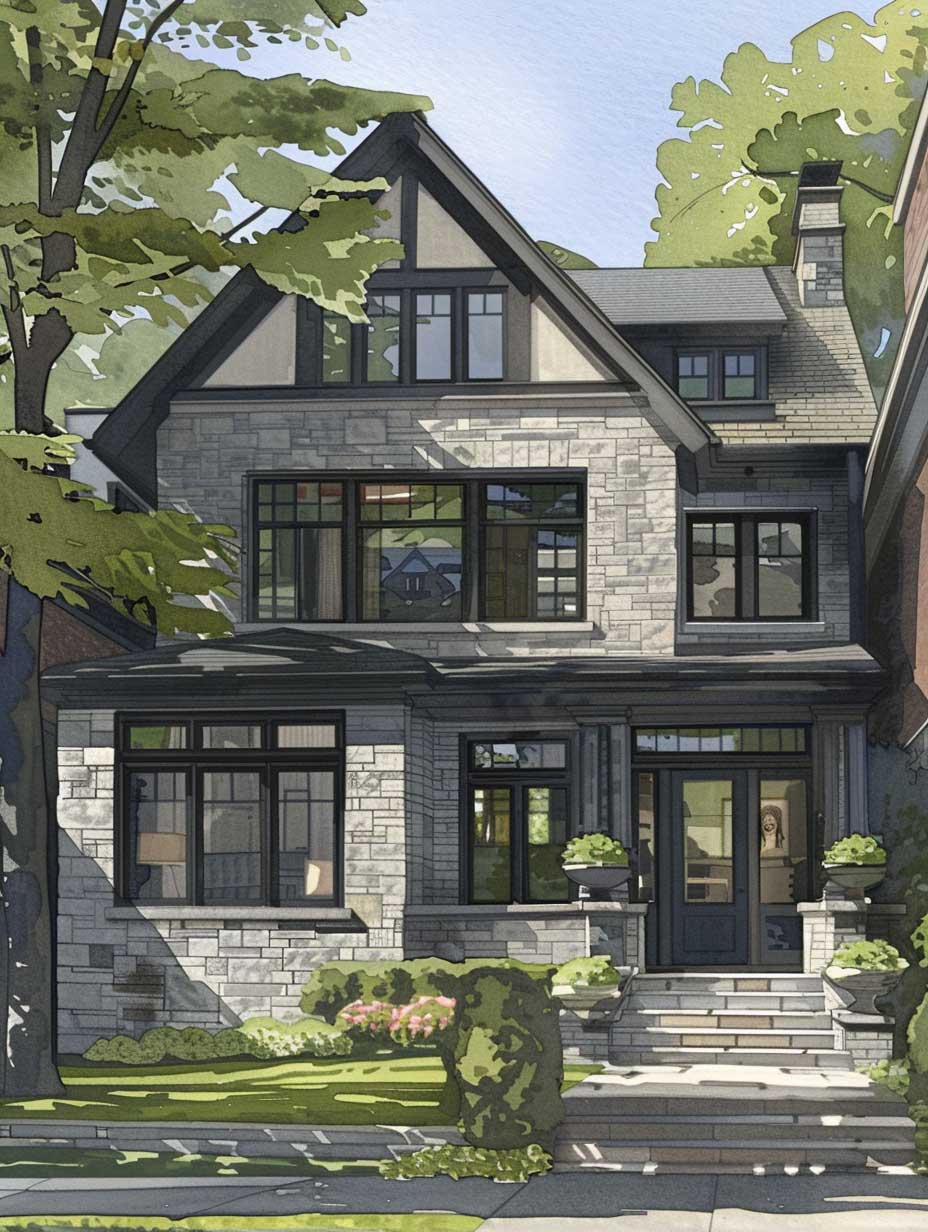
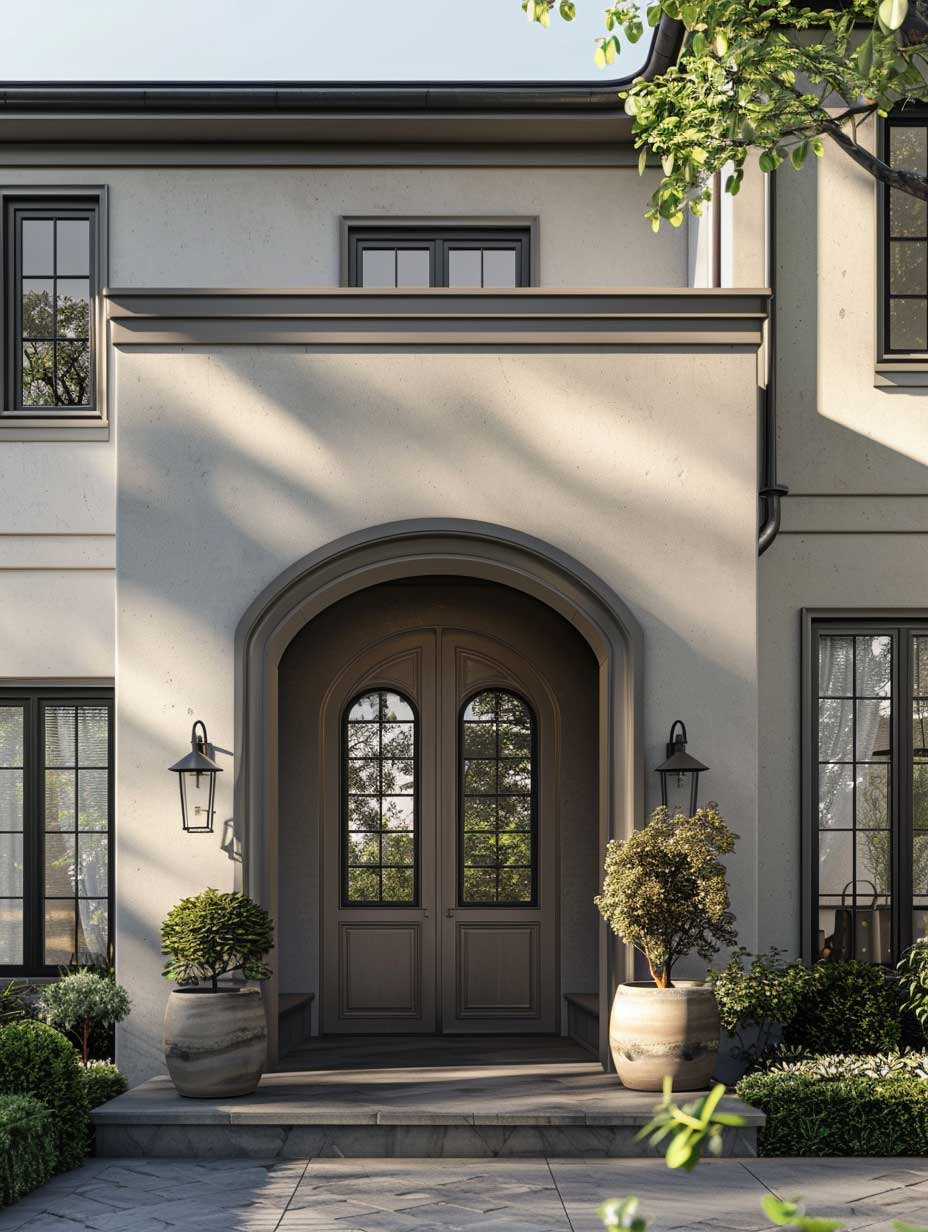
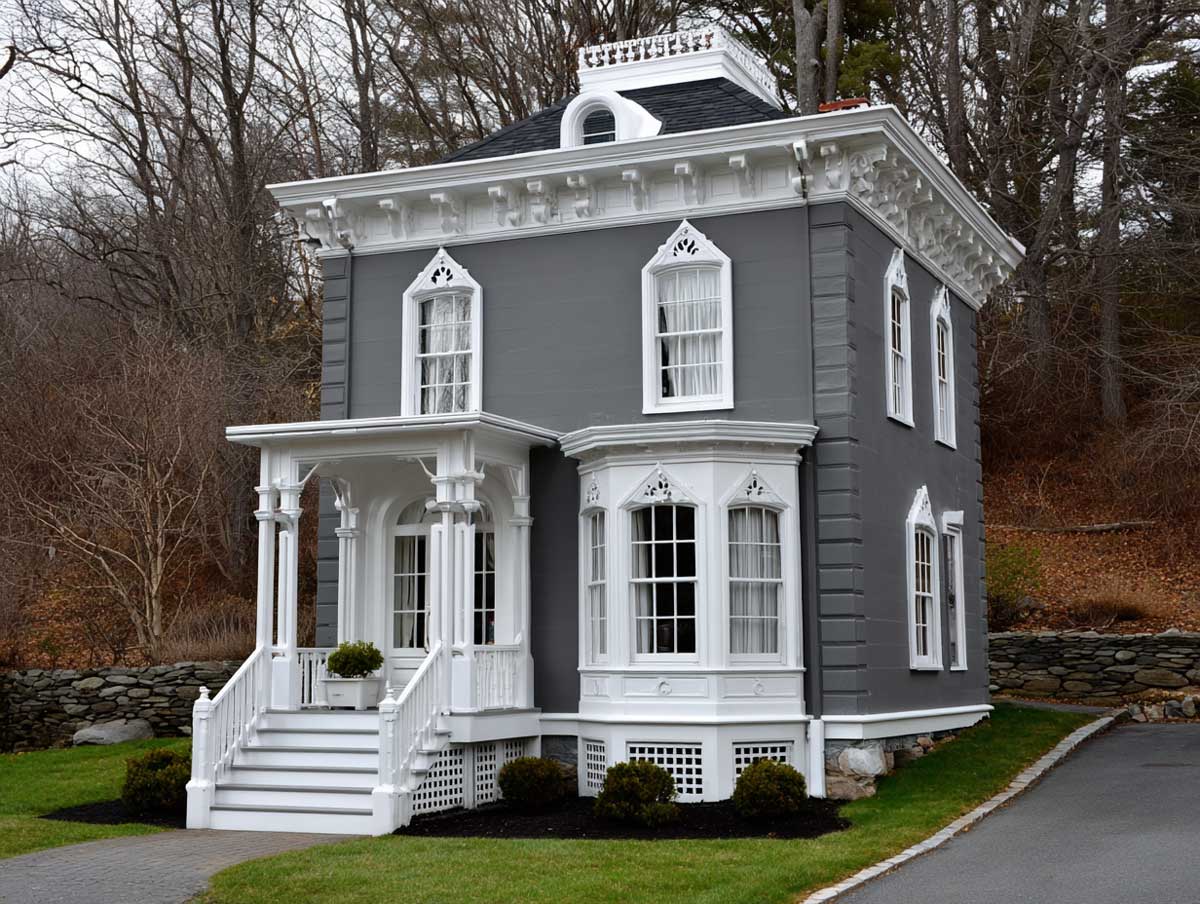
Cloudy grey as an exterior wall colour sits in the LRV range of roughly 55–65 — light enough to reflect overcast sky without going stark, dark enough to hold definition in bright sun. That LRV band is where grey stops looking like primer and starts looking like a deliberate design choice. Sherwin-Williams Repose Gray SW 7015 and Uncertain Gray SW 6234 are two confirmed field matches in this zone; both are regularly specified on residential exteriors. The distinction matters more on rendered stucco, where a grey with too-low an LRV looks almost concrete-grey in flat light and needs strong trim to rescue it.
The surface texture changes everything. On smooth render or vinyl siding, cloudy grey reads as clean and restrained — the minimalist hotel look that performs well on contemporary builds. On rough brick or hand-finished stucco, the same paint picks up shadow differently: the recessed mortar joints or surface variation read as lighter or darker depending on angle, giving the grey a depth it wouldn’t have on a flat wall. This isn’t a reason to avoid grey on textured surfaces — it’s a reason to test it specifically on the surface material of the actual house, not a sample board held against the wall.
What goes with cloudy grey siding on the roof? A dark charcoal shingle or slate tile defines the roofline cleanly. Terracotta roof tiles introduce warmth and create a natural bridge toward the sienna pairing covered in the next section. Avoid pale grey roofing against a grey body — the whole house reads monochrome and flat from the street. The trick here is contrast at the roofline. Landscaping reinforces the scheme: silver-leaf plants, dark mulch borders, and stone paths in cool grey tones extend the palette from wall to ground without needing a separate design decision.
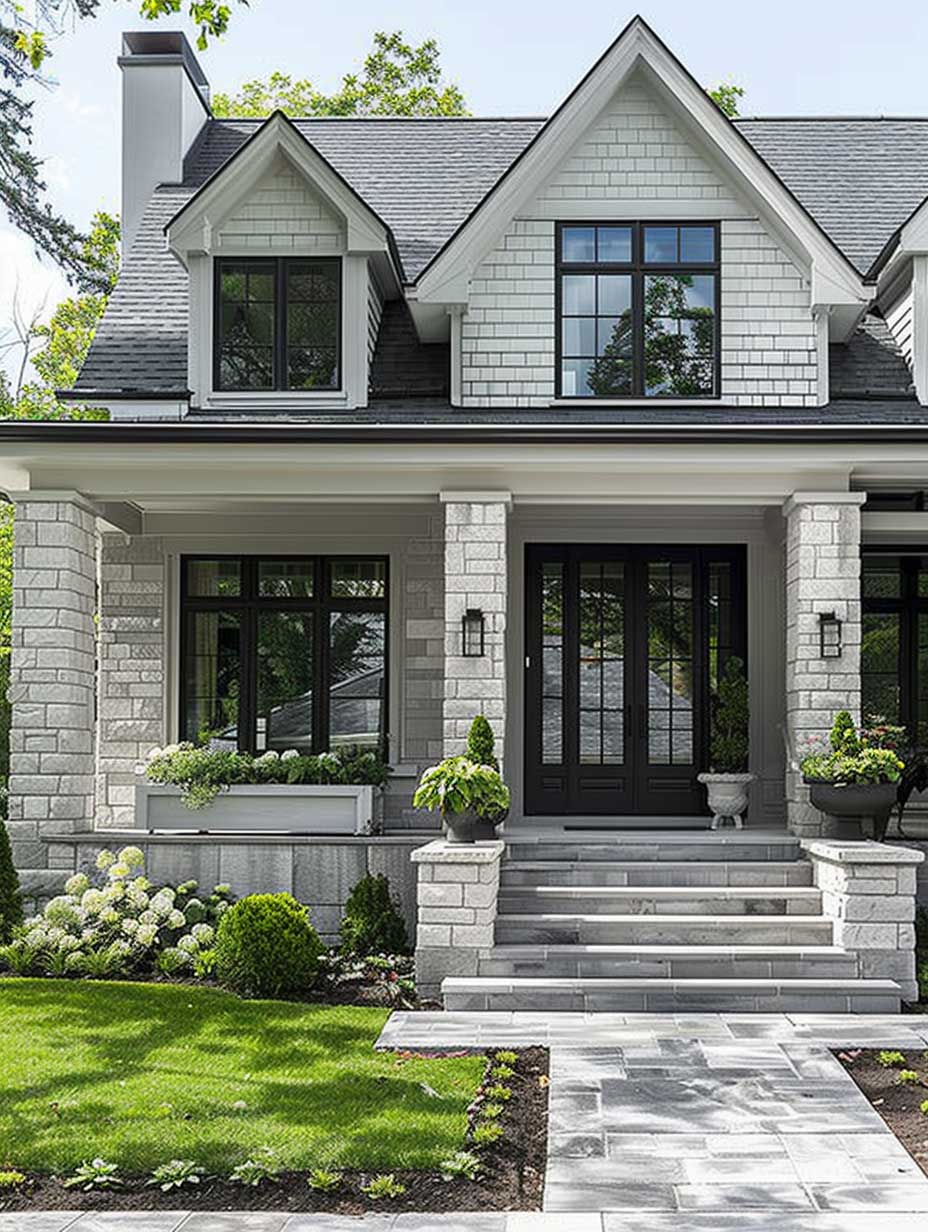
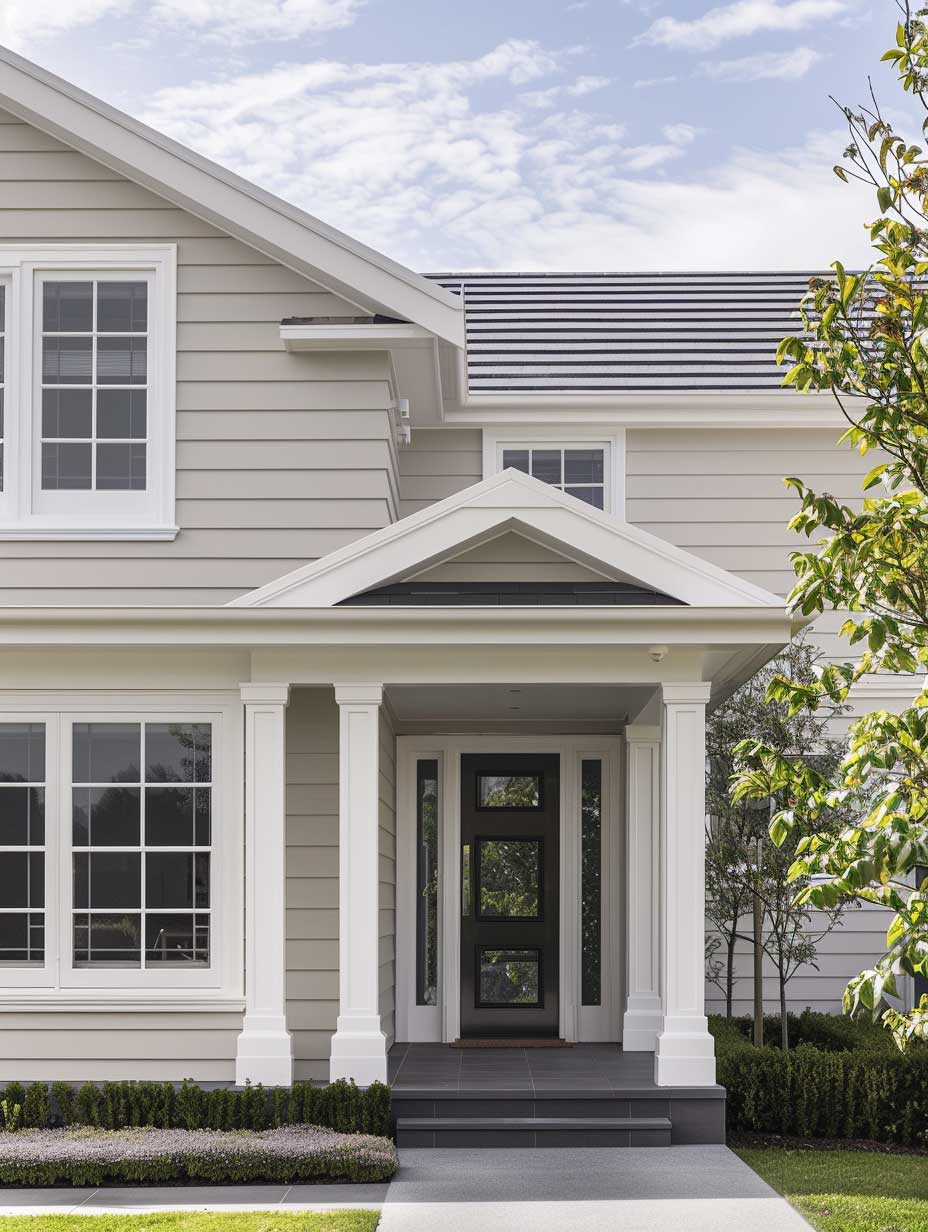
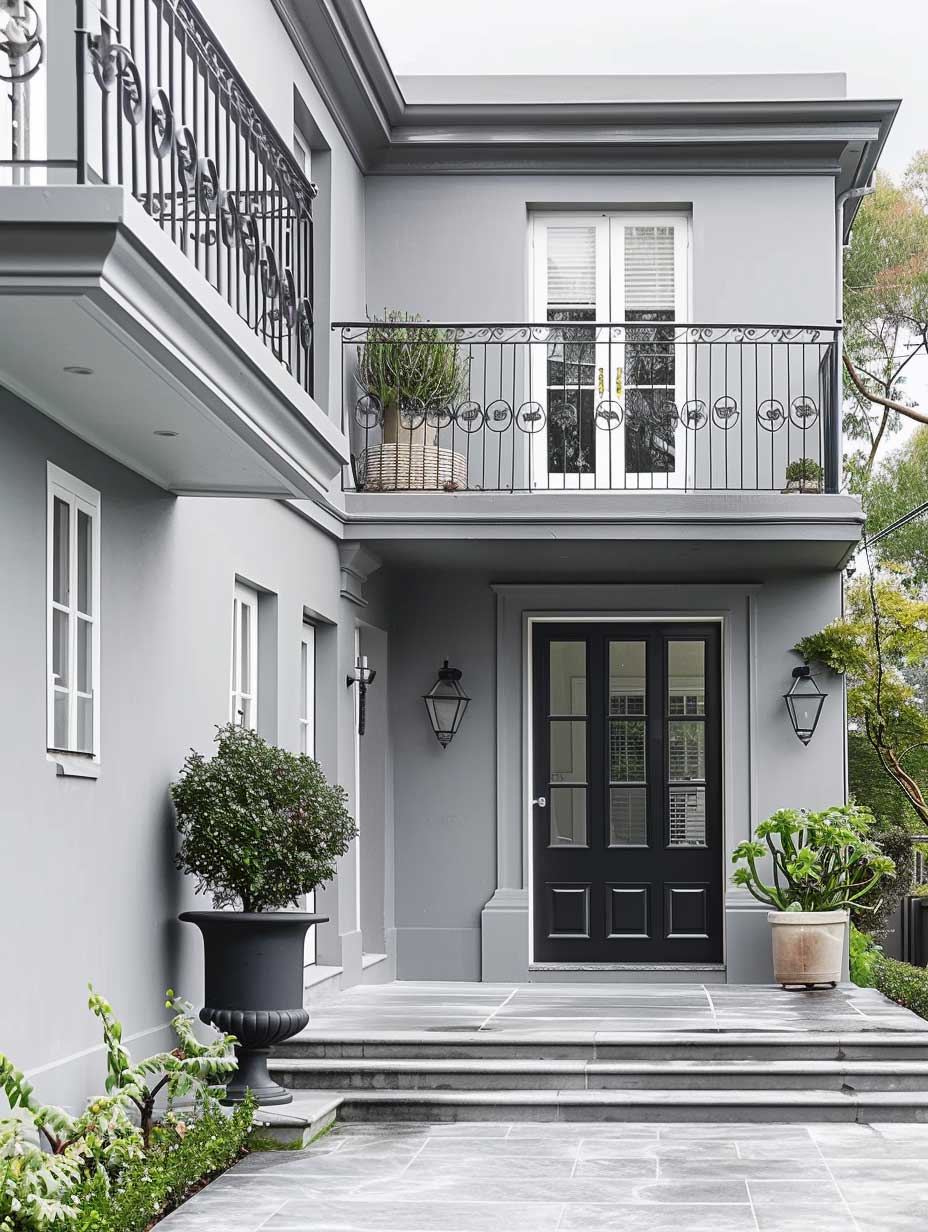
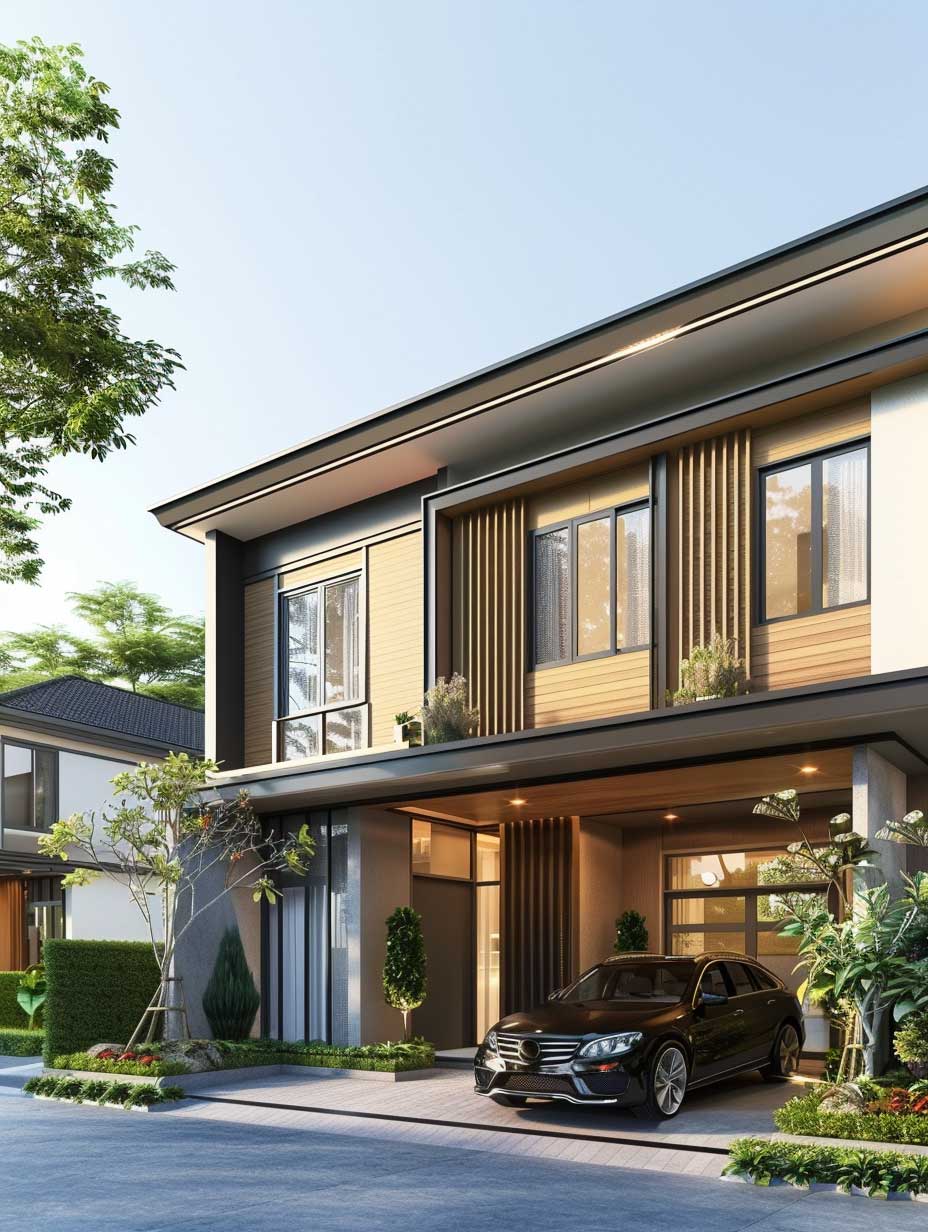
The maintenance case for cloudy grey is straightforward. Light enough to hide dust and surface dirt that accumulates between washes, darker enough to mask minor surface wear from weather — it sits in the practical middle. Exterior paint generally lasts 7–10 years with proper preparation and two-coat application; DIY jobs that skip the primer step typically fail in 3–5 years regardless of paint quality. On aluminium or vinyl siding, a properly primed grey can hold for 15 years or more. The south and west-facing walls will show fading first: those get more UV hours annually, and grey — especially cooler-toned greys — can shift slightly blue-green as the warm undertones fade out.
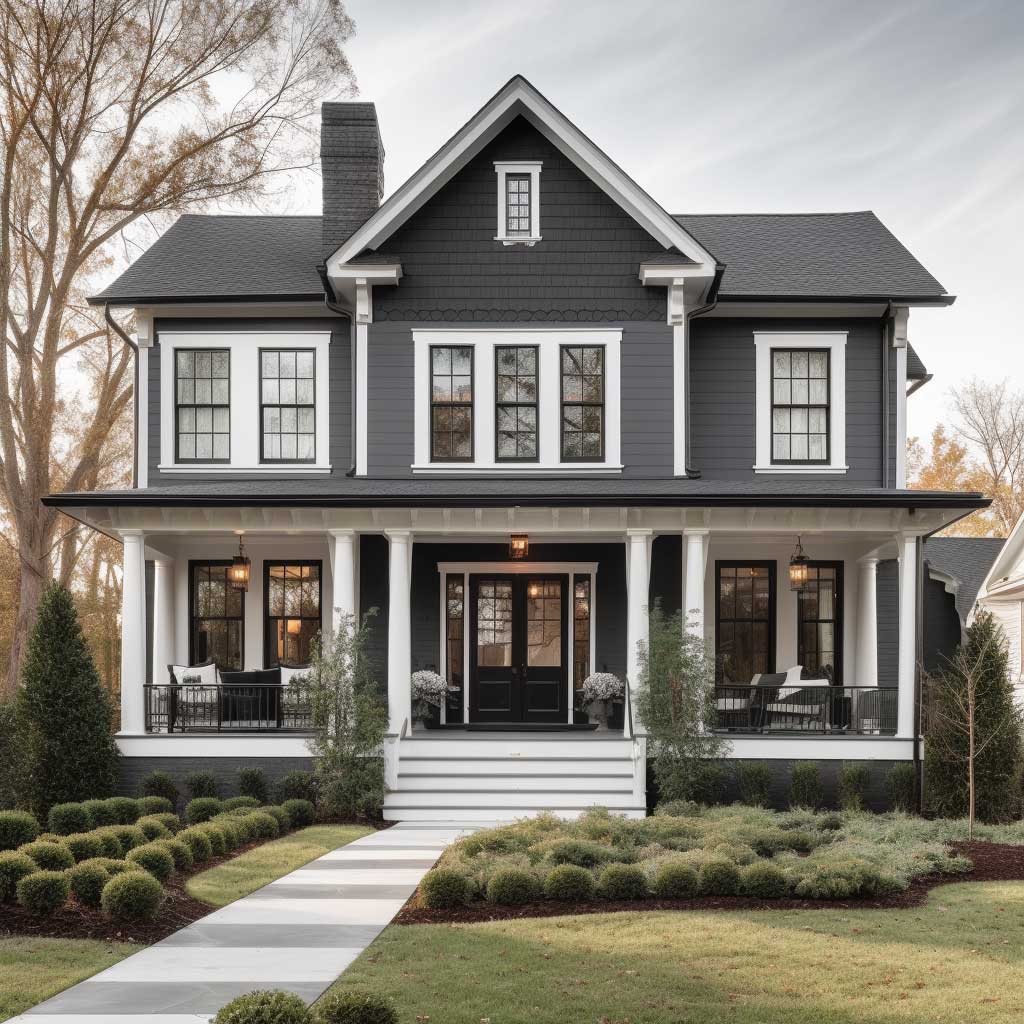
One thing that consistently trips people up with grey exteriors: the depth of the trim colour needs to be decided before the body grey is finalised, not after. A body grey at LRV 60 needs trim either at LRV 75+ (lighter — crisp white, bright cream) or LRV 30 or below (darker — charcoal, slate, deep navy) to create a readable contrast. Trim in the 45–55 LRV range — the mid-grey zone — produces a flat facade with no definition. Sherwin-Williams’ exterior colour scheme collections, organised by architectural style, show this ratio applied correctly across dozens of confirmed house types and can be a useful reference for seeing actual painted results before committing.
Mixing Burnt Sienna and Cloudy Grey Wall Colours on One Facade
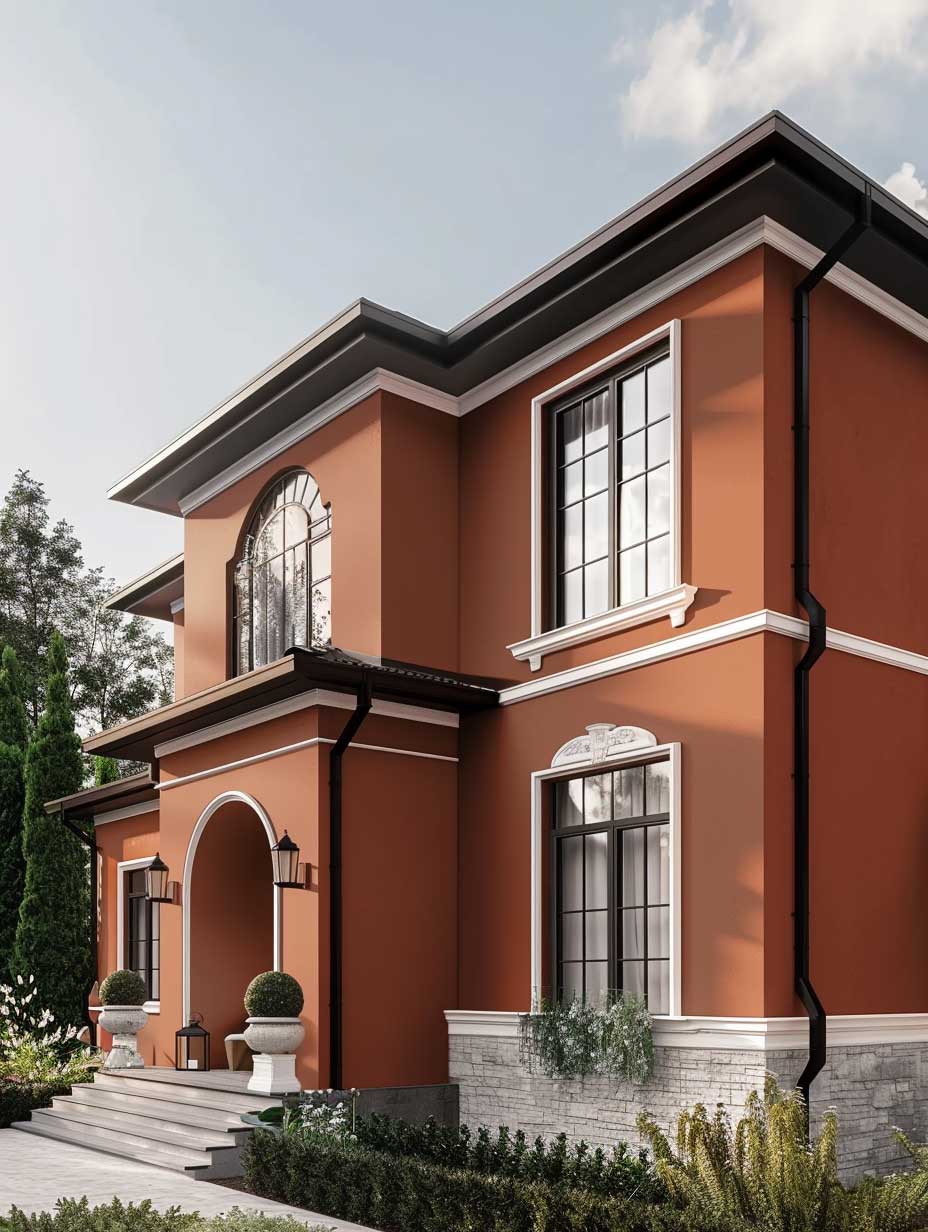
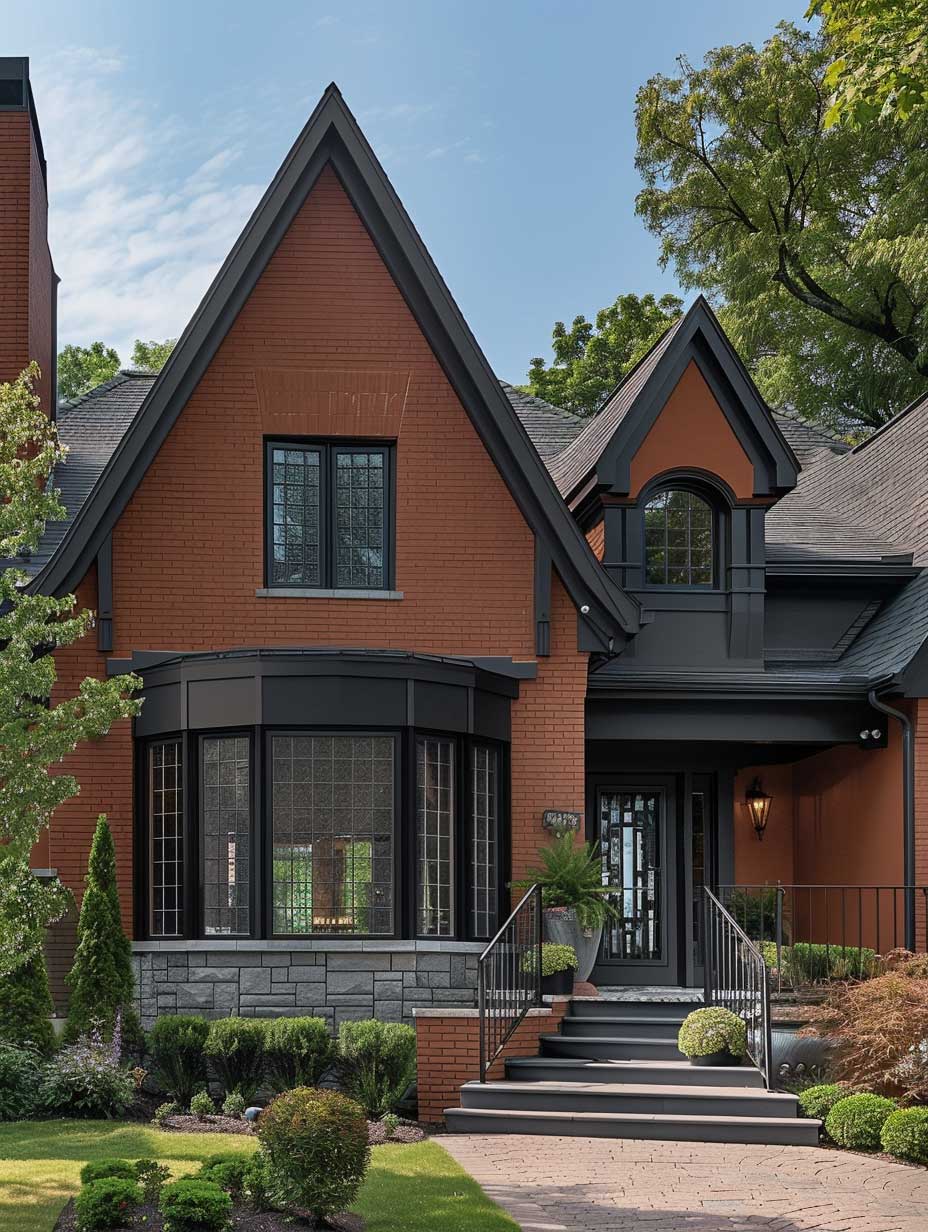
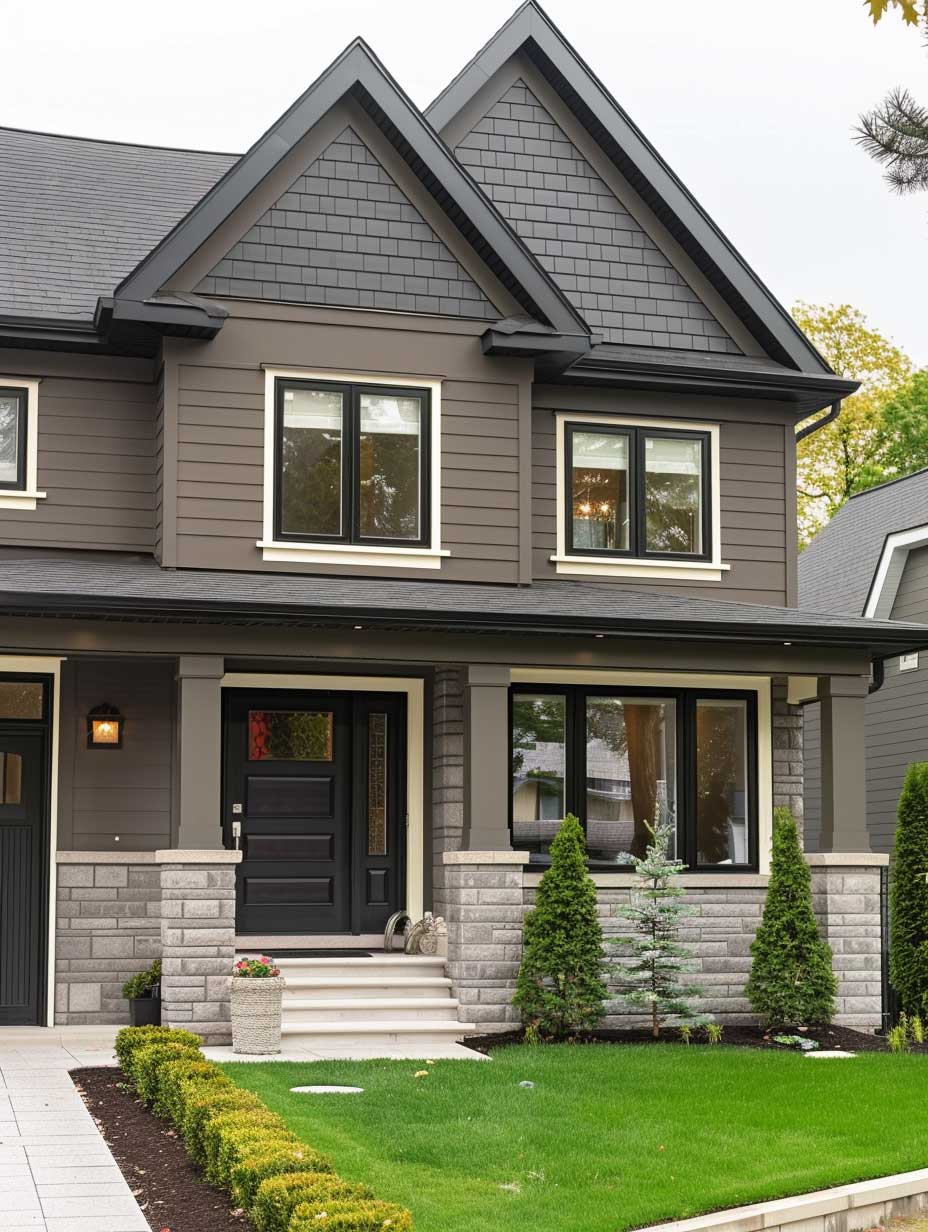
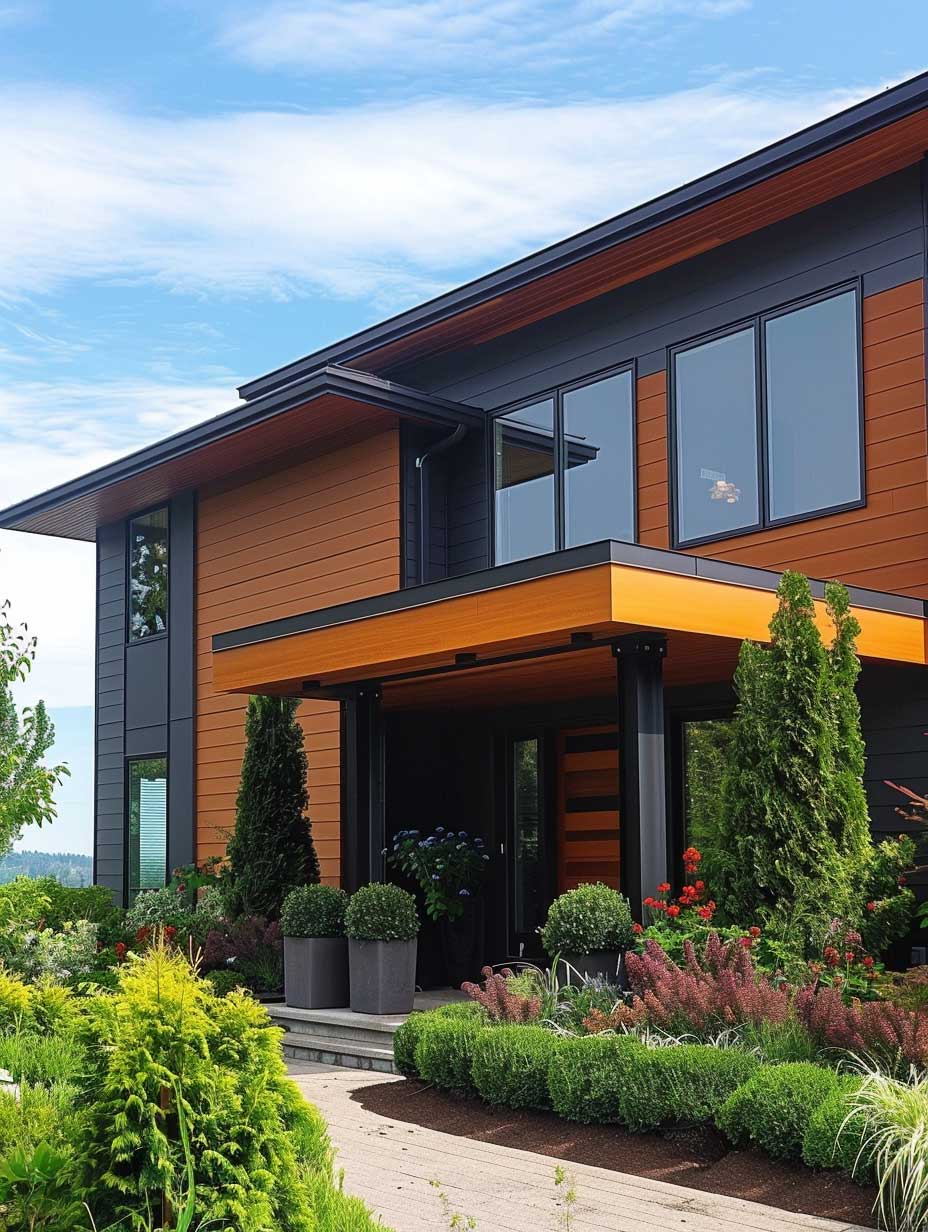
Burnt sienna and cloudy grey on the same exterior wall work because they share warm undertones without sharing temperature — sienna runs hot and saturated, grey runs cool and neutral, and that tension is exactly what makes the combination interesting. The key is surface assignment. Applying sienna to textured elements — brick, rough stucco, corbels — and grey to smoother surfaces — painted render, wood fascia, metal trim — uses each colour where its character reads best. Try reversing that logic and the facade often looks confused rather than layered.
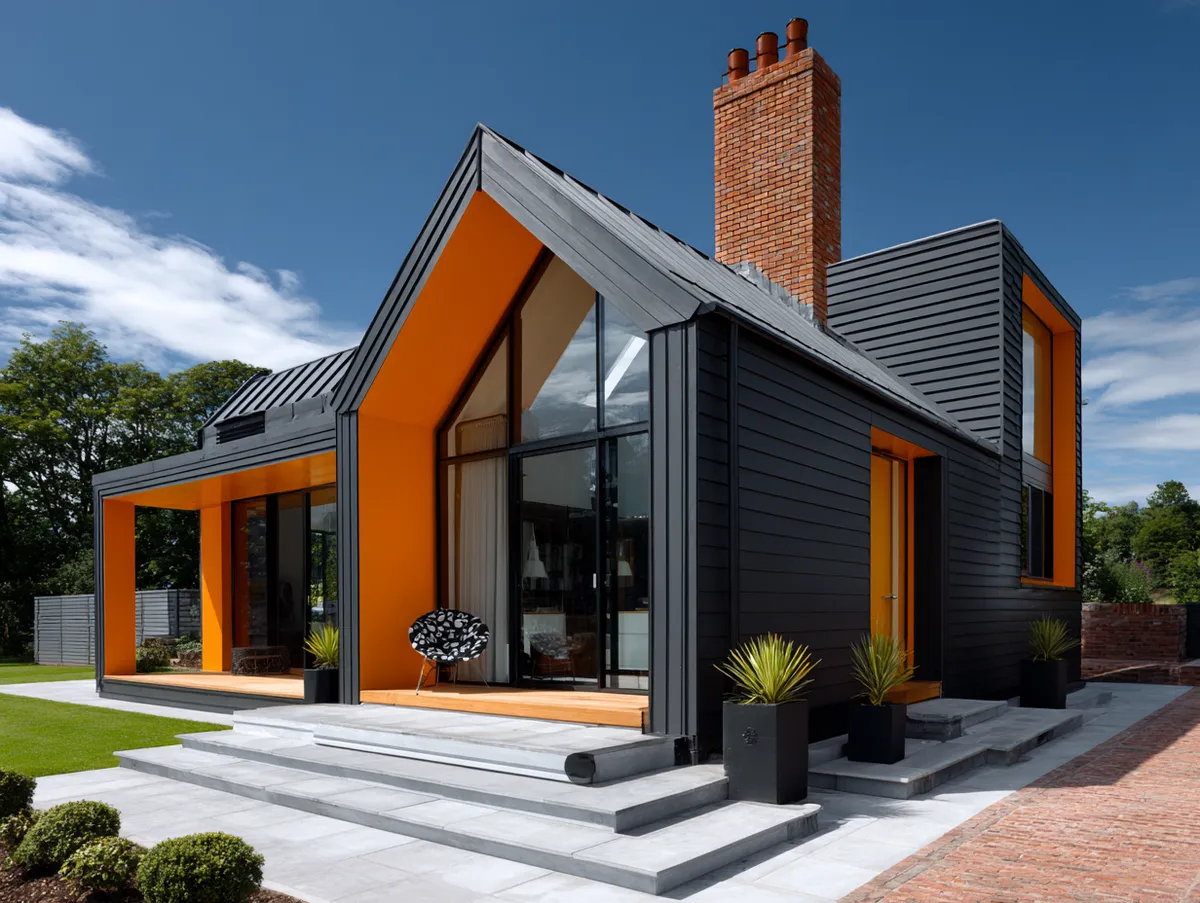
The ratio question comes up in every two-colour exterior project. A 70/30 split is the starting point: 70% sienna as the primary body colour, 30% grey on trim elements, gable ends, and architectural features. At that split the sienna reads as the intention and the grey as the frame. Flip it to 30/70 — grey body, sienna as the accent — and the mood shifts entirely toward cool and contemporary, with the sienna acting almost like a warm accent against a cool field. Both are valid; they produce different houses. Budget roughly $75–$110 per gallon for quality exterior paint in either colour, at a coverage rate of approximately 350–400 square feet per gallon per coat. Two coats are standard; on dark colours covering a light substrate, three coats may be needed for full opacity.
What doesn’t work: equal coverage. Split the facade 50/50 — half sienna, half grey — and the eye has nowhere to land. Both colours fight for dominance and neither wins. This is the version of the combination that appears in renovation regret forums and before-and-after posts where the caption reads “thought this would look good.” The problem isn’t the colours; it’s the ratio. A common approach is to define the split by architectural element — body walls in one colour, all trim, window surrounds, and eave details in the other — which naturally produces the 65–75% dominance that makes the scheme legible from the street. For a structured breakdown of how to assign colours by architectural feature, exterior paint colour combinations that hold up over time cover the assignment logic across four tested schemes.
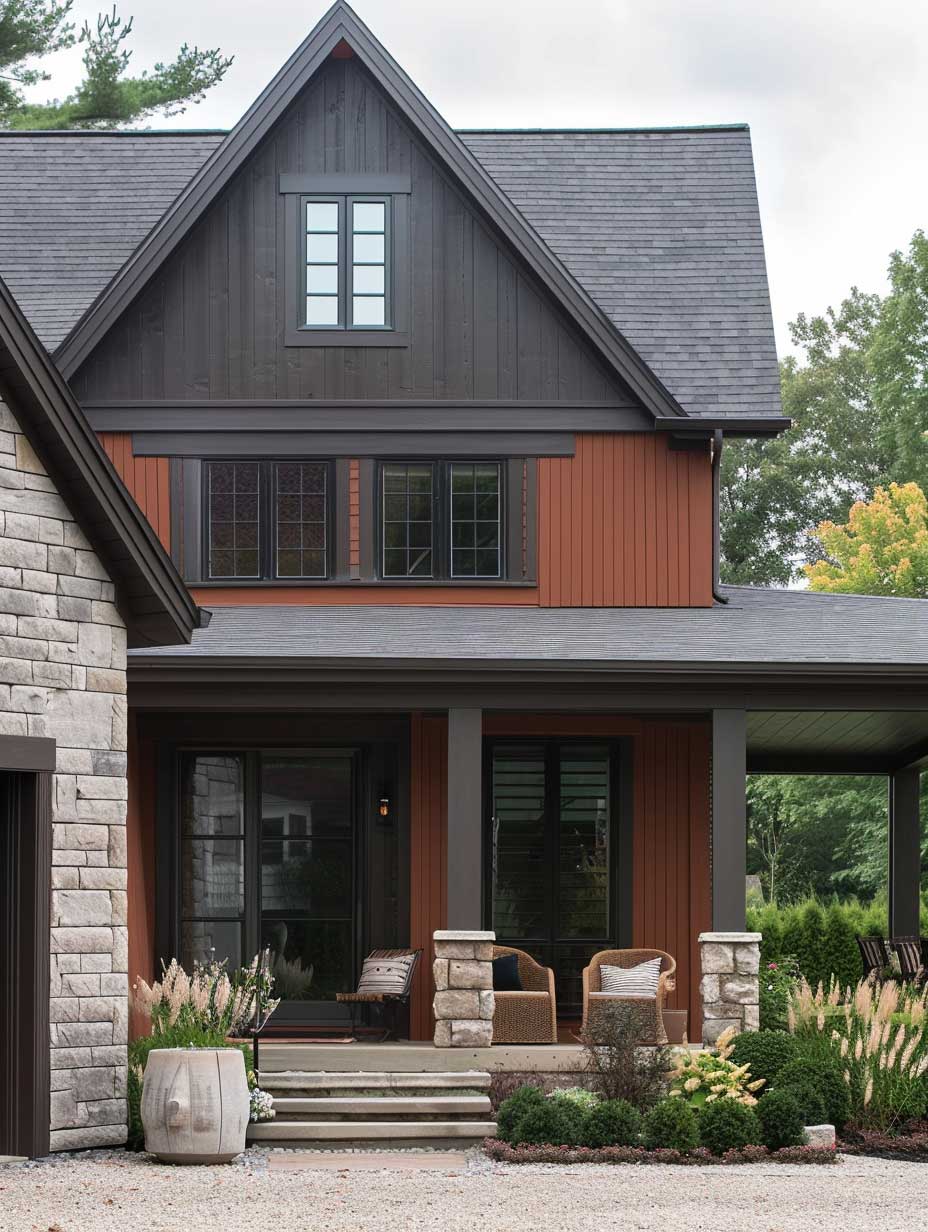

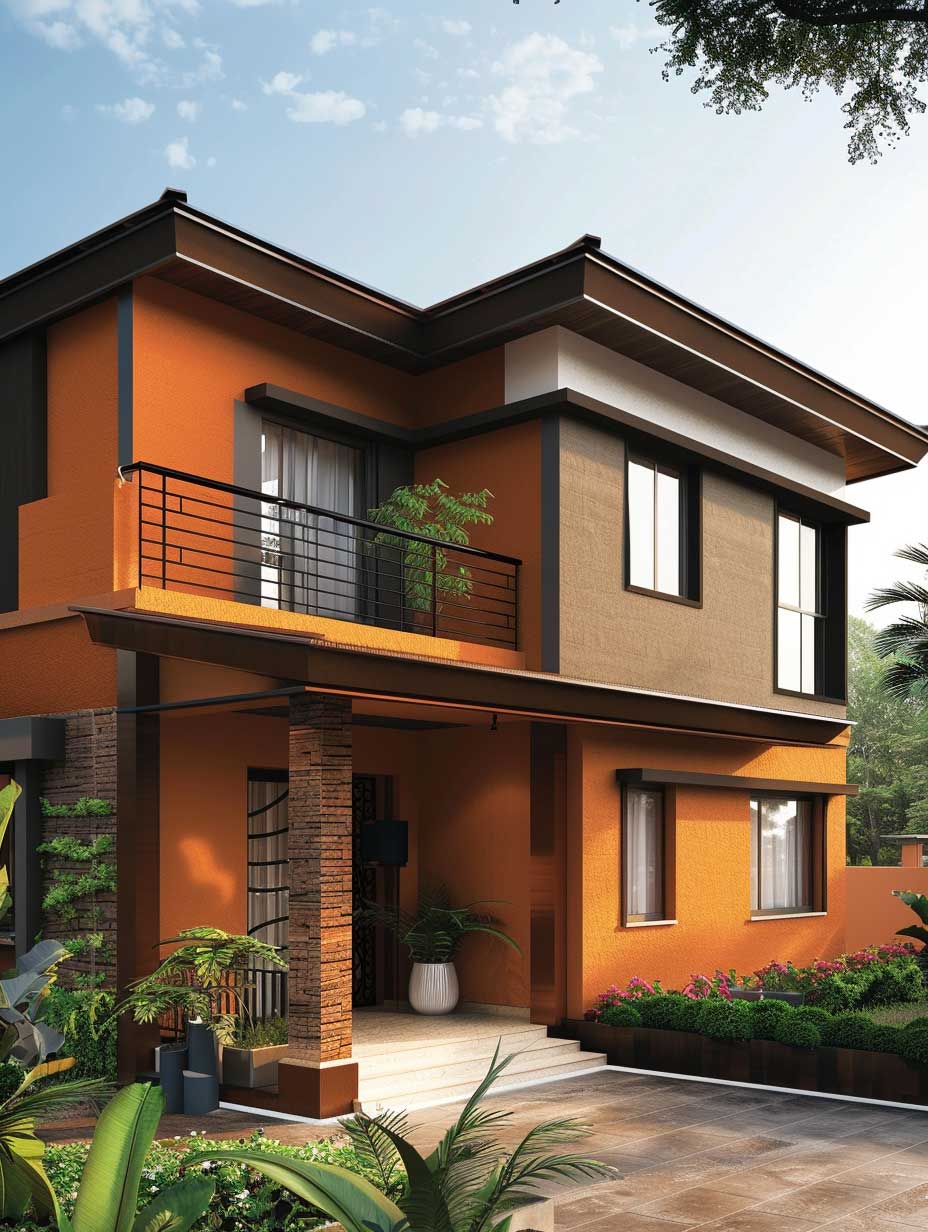
Outdoor lighting amplifies the combination in a way that daylight doesn’t. Warm-tone LED uplighting (2700K–3000K) pulls out the red in the sienna and makes the grey recede — the house glows at dusk in a way that cool daylight never produces. Cool-spectrum lighting (4000K+) has the opposite effect: the grey flattens the sienna and the whole facade looks washed out. Landscape and architectural lighting colour temperature is worth specifying before the painting is done, not as an afterthought — it changes how the colour combination reads during the hours most neighbours are actually outside looking at it.
The sustainability argument for both colours is practical rather than ideological. Darker field colours like sienna hide surface aging, efflorescence on brick, and minor impact damage better than any pale shade. Mid-range grey is forgiving of dust and biological growth (algae, lichen) that accumulates on exterior surfaces in humid climates. Together they produce a facade that looks well-maintained for longer between washes, which matters practically in climates with significant seasonal weather variation. Lighter colours on the same substrate would need cleaning or spot-touch-ups at least twice as often to maintain the same visual quality.
| Colour Scheme | Best Surface | Trim Recommendation | Key Risk |
|---|---|---|---|
| Burnt Sienna Body | Textured stucco, brick | Crisp white or slate charcoal | Goes dark on south walls by afternoon |
| Cloudy Grey Body | Smooth render, vinyl, wood siding | White (LRV 75+) or deep charcoal | Reads flat without contrast trim |
| Sienna 70% / Grey 30% | Traditional brick or stucco homes | Off-white or deep charcoal on fascia | Grey accent too thin to register at distance |
| Grey 70% / Sienna 30% | Contemporary render or fibre cement | Charcoal or black on windows and doors | Sienna accent reads orange in harsh light |
Sherwin-Williams maintains regional exterior colour scheme collections — organised by architectural style from Traditional to Spanish — that show confirmed colour ratios on actual houses. These are a useful reference for seeing how the warm-cool split performs across different building types before ordering full gallons. The exterior colour palette page at Sherwin-Williams exterior colour schemes groups results by region and style, which makes it easier to filter for Southwest and Desert palettes where sienna-adjacent tones are most heavily represented.
The Takeaway
Burnt Sienna Wall Paint Works Because of Contrast, Not Despite It
Burnt sienna and cloudy grey succeed together because they pull in opposite directions — warmth versus coolness, saturation versus restraint — while sharing enough undertone to feel like a system rather than two colours that wandered onto the same house.
The ratio is everything: 70% dominant, 30% supporting. Assign by surface type, not by floor or zone. Test swatches on the actual wall material at 8 AM and 4 PM before buying full gallons.
Budget $75–$110 per gallon for exterior-grade paint; expect a 7–10 year lifespan on stucco or render, 5–7 years on wood siding. Save this post before your next exterior repaint.