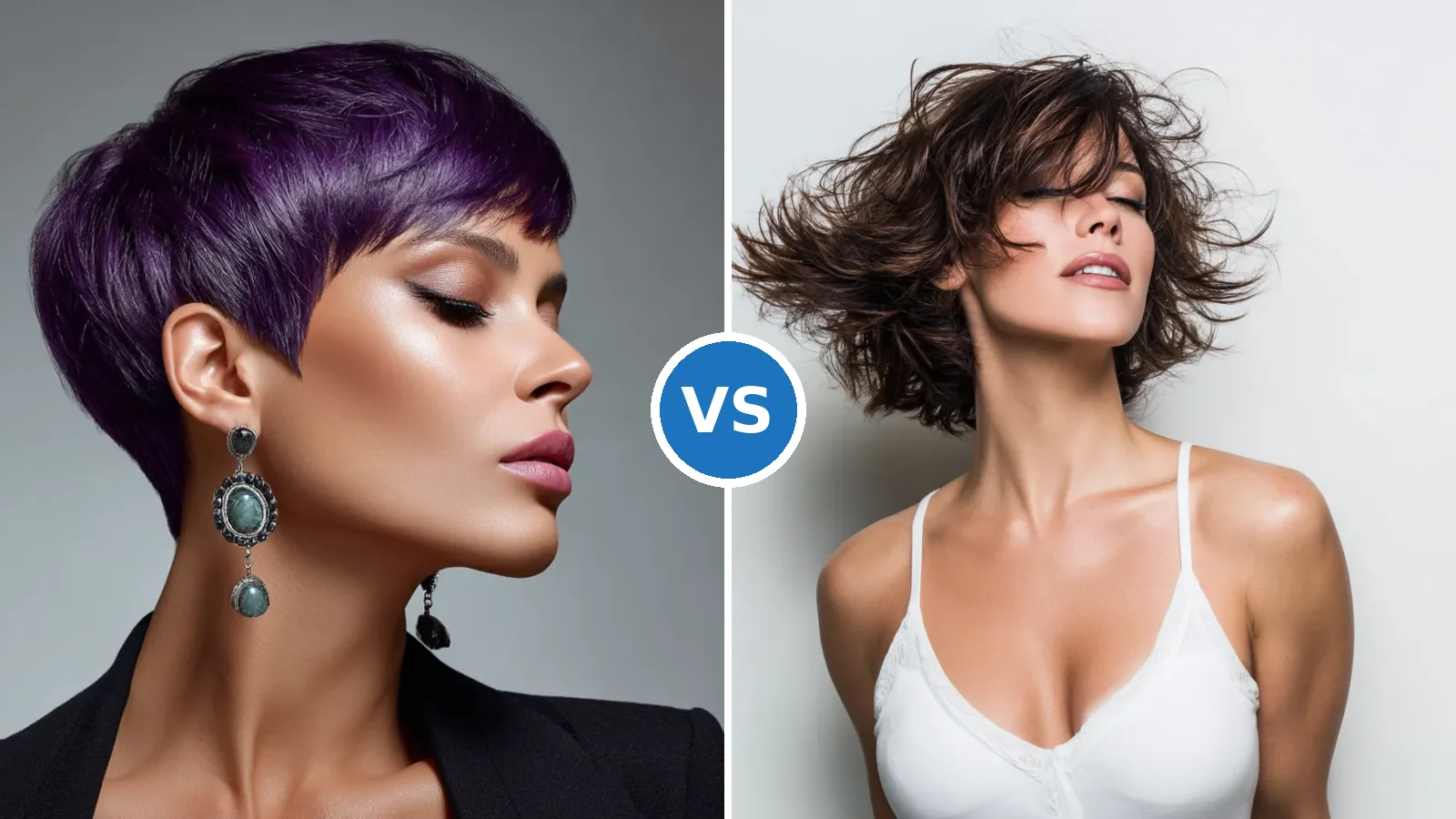
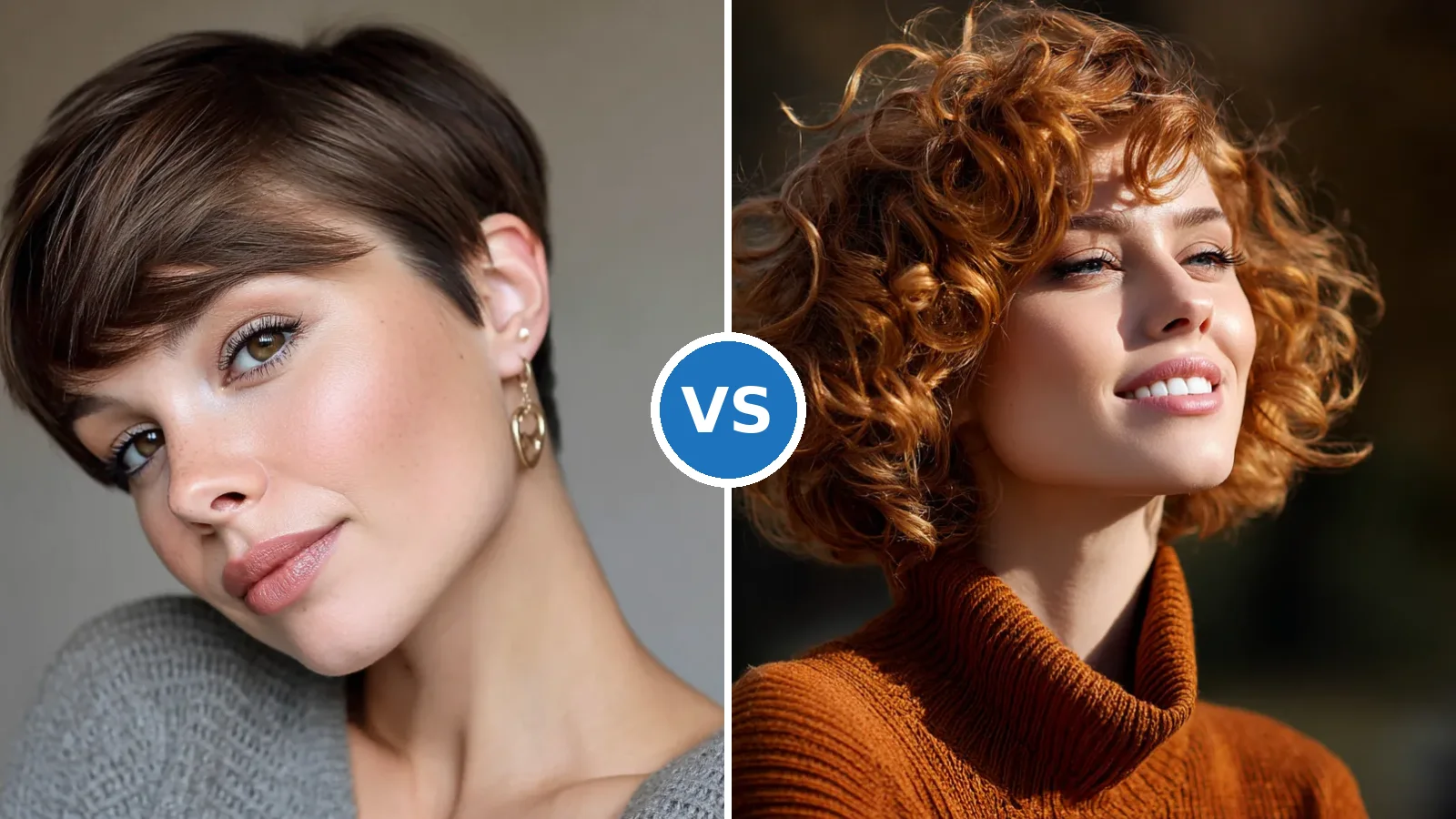
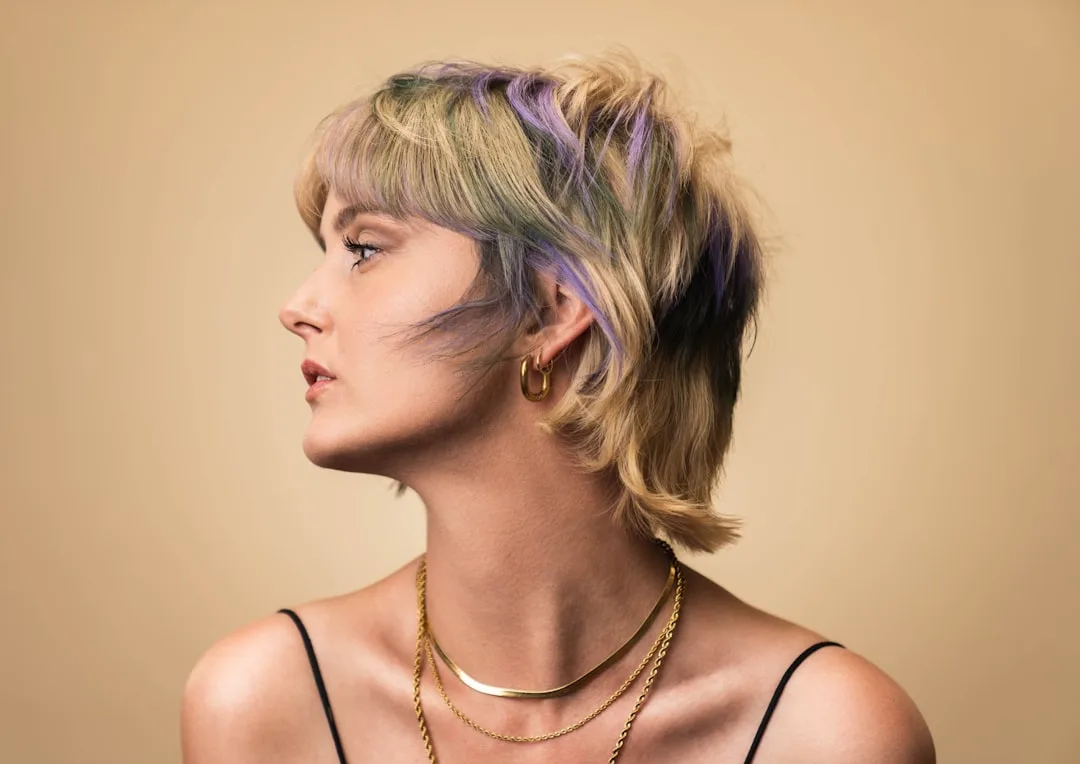
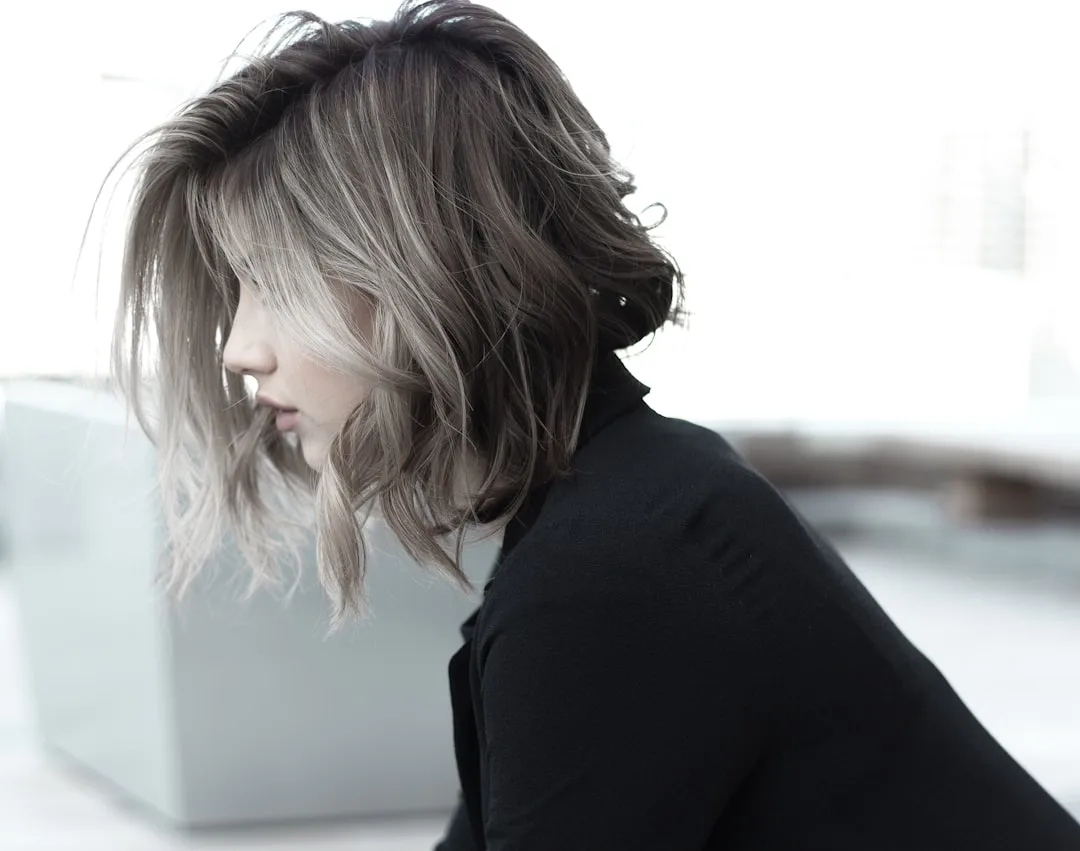
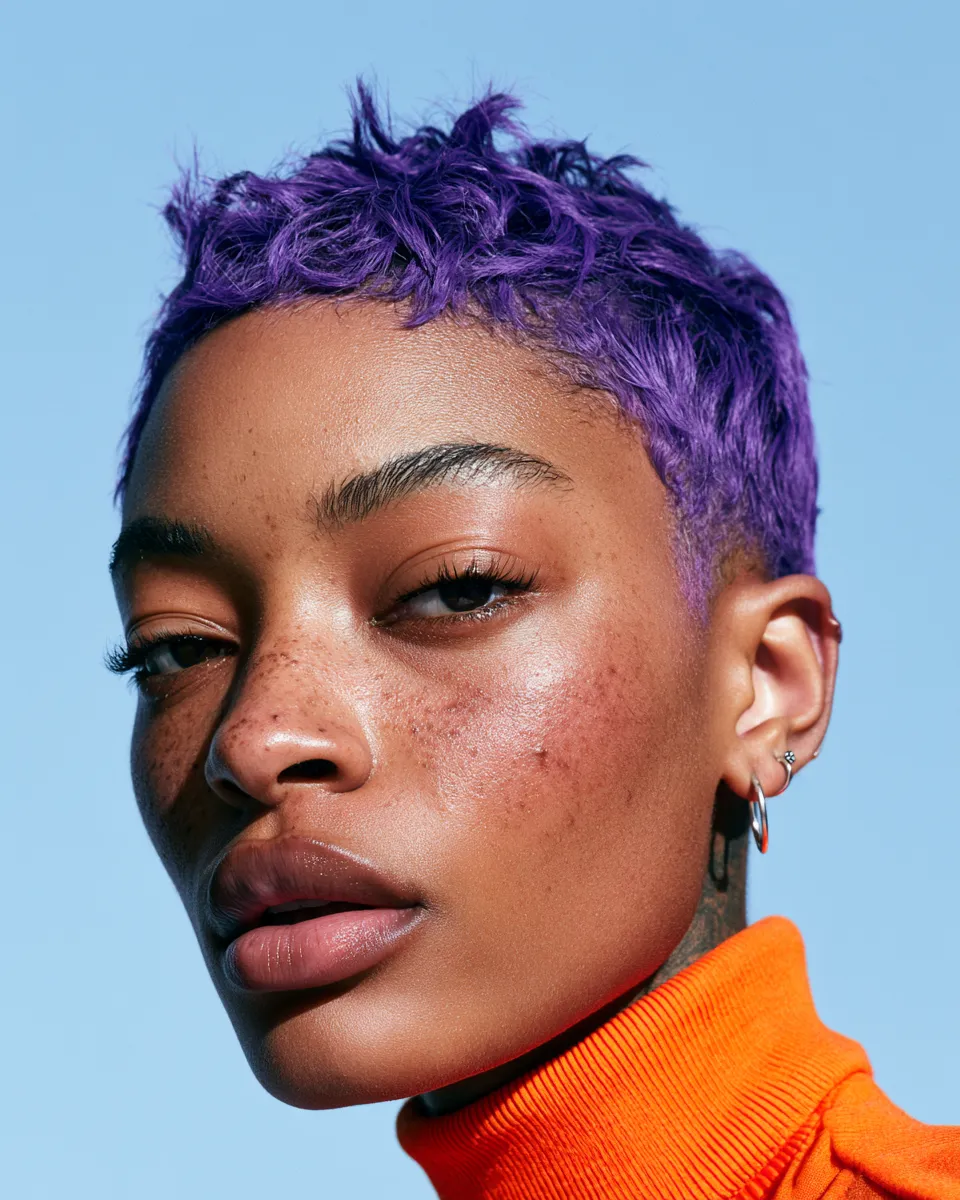
Beach wave short hair flatters a round face when the waves start below the cheekbones and the ends stay straight, because the bend then pulls the eye down and outward instead of piling width at the widest point. On hair between chin and collarbone, a 1-inch curling iron is the standard tool. Bigger barrels run out of length before a full bend forms, while a half-inch barrel produces tight ringlets. Expect a shape that reads longer and lighter than a flat bob of the same length.
Does color change the effect? It does, mostly in upkeep rather than shape. Semi-permanent pinks typically wash out in 1–6 weeks, red and copper tones need a refresh every 4–6 weeks, and blue pigments often survive 10–20 washes. Pick the shade by how often you can return to the salon chair, then pick the wave placement by your jawline.
The three looks below share one wave technique but ask for very different care calendars. Treat the wave as the frame and the color as the paint inside it. Lock in the technique first, then match a shade to your skin tone and schedule.
Quick Scan
- A 1-inch barrel suits hair above the shoulders; 1.5 inches and up suits longer lengths.
- Leave the last 1–2 inches of each section out of the iron for a flatter, modern finish.
- Waves that begin below the cheekbone slim a round face; waves at the temple widen it.
- Semi-permanent pink lasts about 1–6 weeks vs roughly 10–20 washes for blue.
- Copper fades faster than brown shades and needs a gloss every 4–6 weeks.
- A deep side part beats a center part for short waves on round faces.
Placement Decides Whether Beach Wave Short Hair Slims a Round Face
Short wavy hair for a round face works only when the bend sits in the right zone. Short strands lack the weight of long hair, so gravity never stretches the curl into a soft S, and a wave that starts at the temple simply adds bulk beside the cheeks. Think of a heavy picture frame placed at the widest part of a canvas: it makes the whole picture look wider. Start the first bend at cheekbone level or lower on every section.
How do you get beach waves on short hair without turning them into curls? Wrap vertical sections about one inch wide around a 1-inch barrel and hold for 5–10 seconds before releasing. Keeping the last 1–2 inches of hair out of the iron leaves straight ends, which look more current than fully coiled tips. Alternate the wrap direction toward and away from the face so the waves never merge into one block.
- Dry hair completely, since curling damp strands sets frizz instead of waves.
- Mist heat protectant and a light salt or texture spray from mid-length down.
- Part deeply to one side to add the asymmetry a center part removes.
- Curl 1-inch vertical sections for 5–10 seconds, skipping the last 1–2 inches.
- Let sections cool, then break them up with fingers rather than a brush.
Don’t Do This: never curl the whole head in one direction on a 1.5-inch or larger barrel. On hair shorter than the shoulders, that barrel runs out of length before it completes a bend, so you get a bump at the cheek instead of a wave. A single direction also stacks the waves into one rounded mass that echoes the face shape. Swap to a 1-inch barrel and alternate direction section by section.
Waves vs a sharp crop is the other choice worth weighing. A platinum pixie haircut built for round faces creates length through crown height, with daily styling usually under 10 minutes and trims every 4–6 weeks. Waves win when you want movement around the jaw, while a pixie wins when you want zero heat tools. Compare both before you book the cut.
Rose Pink Waves Pull Attention Above the Cheeks
Rose pink beach waves on short hair lift focus toward the eyes, because a bright hue at the crown catches light before the cheeks do. The loose bends keep strands off the skin, so hair never clings and outlines the jaw. Pink behaves like a spotlight angled slightly upward. Ask for the strongest saturation on the top layer and a softer tone toward the ends.


How long will the color stay? Semi-permanent pink typically holds for 1–6 weeks, and many formulas fade out after roughly 5–15 washes. That makes it a short-lease shade compared with copper, which keeps visible warmth for 4–6 weeks. Washing two or three times a week instead of daily is the simplest way to stretch the color.
Rose pink flatters fair and warm skin by echoing the natural flush in the cheeks. Skip heavy mousse, because it flattens short waves within hours and mutes the pink under a film. A light foam and a 1-inch iron give definition without the weight. Finish with a cool rinse, sheer highlighter and a nude lip so the hair stays the headline.
Golden Copper Beach Wave Short Hair Warms Without Widening
Golden copper beach curls on short hair add depth that makes a round face look more sculpted, since a richer underside and brighter surface create built-in contour. The shine shifts with every wave, a bit like sunlight on rippled water. That movement breaks the solid outline a flat bob would show. Ask your colorist for deeper tone underneath and gold on the top layer.


Why does copper fade faster than brown? Red and copper dye molecules are larger, so they sit less deeply in the hair shaft and rinse out sooner. Most shades in this family look fresh for about 4–6 weeks, and colorists often schedule a gloss on that same rhythm. Garnier’s breakdown of red hair fading pairs that timeline with a weekly hydrating mask and a sulfate-free shampoo. Book the gloss before the shade turns orange, not after.
Copper vs pink comes down to brassiness rather than raw fade speed. A 1-inch barrel and a light texture spray keep the waves soft, and finger-combing replaces the brush. Avoid permanent color from root to tip at every visit, since repeated processing raises porosity and makes the ends fade even faster. Pair the shade with peach blush and warm brown liner.
Electric Blue Gives Short Wavy Hair a Louder Voice
Electric blue beach waves on short hair create the strongest contrast of the three, pulling the eye up and away from the cheeks. On a round face, that vertical pull works like a tall collar on a coat. The shade needs a pre-lightened base so the blue reads clean rather than muddy. Budget for lightening as part of the first appointment.


Is blue more durable than pink? Generally, yes. Semi-permanent blues commonly last 10–20 washes, and some turquoise formulas stretch to 15–30 washes or more, against 5–15 for a bright pink. Manufacturers typically advise 30–60 minutes of processing on clean, conditioner-free hair for full intensity. Cut that time short and the waves look patchy where the bends catch light.
Build texture with salt spray, curl on a 1-inch wand and tousle with fingers so the finish stays loose rather than structured. Skip daily hot-water washing, because it opens the cuticle and fading blue can leave a greenish cast on very light hair. A sulfate-free shampoo and a weekly mask keep the ends from drying out. Keep makeup minimal, with fine liner and a neutral lip.
Pink vs Copper vs Blue Waves Side by Side
| Shade | Typical wear | Washes before fade | Refresh rhythm | Barrel for short hair | Upkeep level |
|---|---|---|---|---|---|
| Rose pink | 1–6 weeks | About 5–15 | Re-dye once pastel | 1 inch | High |
| Golden copper | 4–6 weeks | Gradual fade | Gloss every 4–6 weeks | 1 inch | Medium |
| Electric blue | Varies by base | About 10–20 (turquoise 15–30+) | Top up when pale | 1 inch | Medium to high |
Copper vs blue is the closest call: copper gives a predictable 4–6 week cycle, while blue lasts more washes but needs lightened hair first. Pink sits at the other end as the fastest-fading option. If soft waves still feel too round for your jaw, an asymmetrical bob for short hair and a chubby face adds a diagonal line that waves alone cannot. Pick the cut first, then layer the wave and color on top.
Low Bends Beat High Volume
Short beach waves slim a round face when the first bend starts at or below the cheekbone and the last 1–2 inches stay straight. That single placement rule matters more than any shade choice.
Choose pink for a 1–6 week experiment, copper for a steady 4–6 week warm rhythm, and blue for 10–20 washes of high contrast.
Keep a 1-inch barrel, a deep side part and fingers instead of a brush, and hold each section for no more than 5–10 seconds.
Wash two or three times a week with sulfate-free shampoo and add one hydrating mask weekly to protect both the wave and the color.