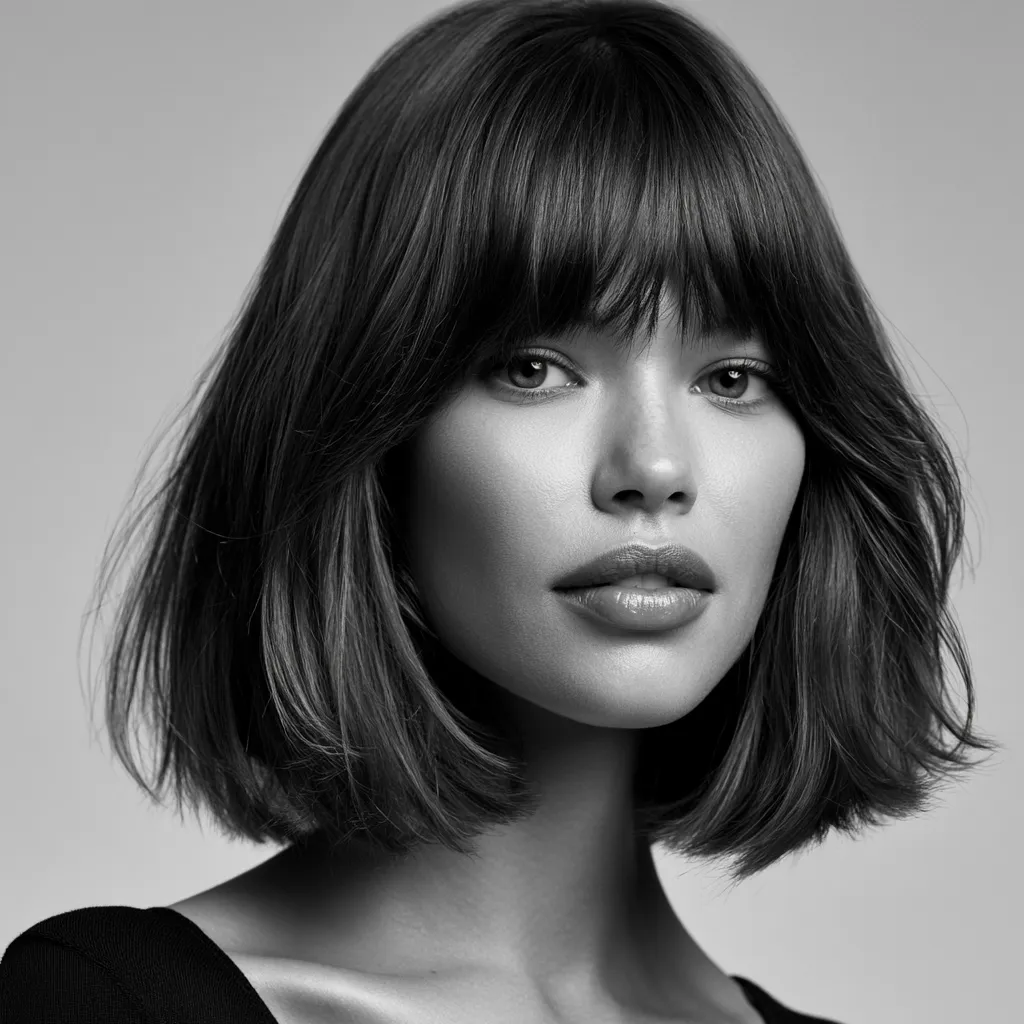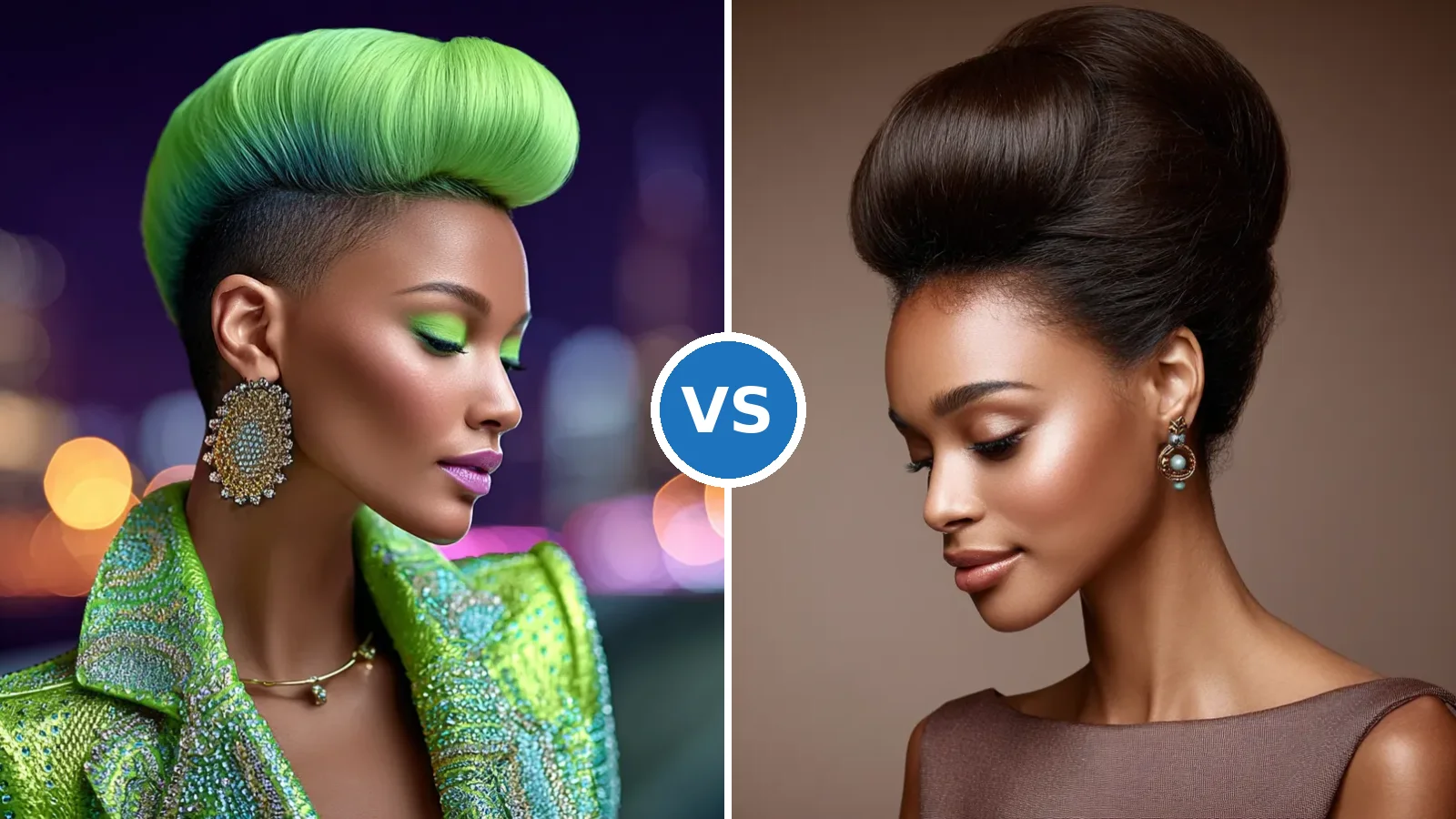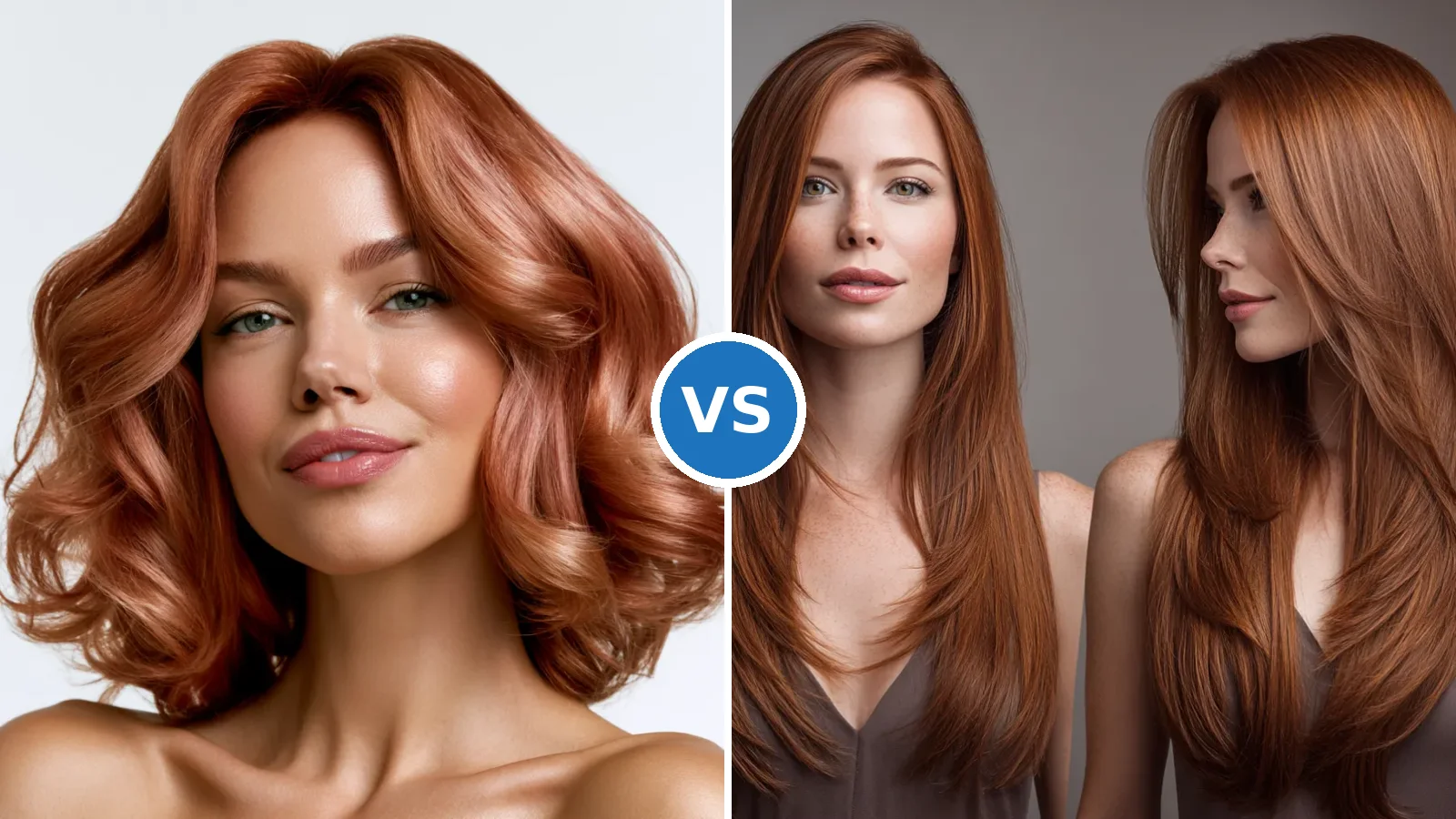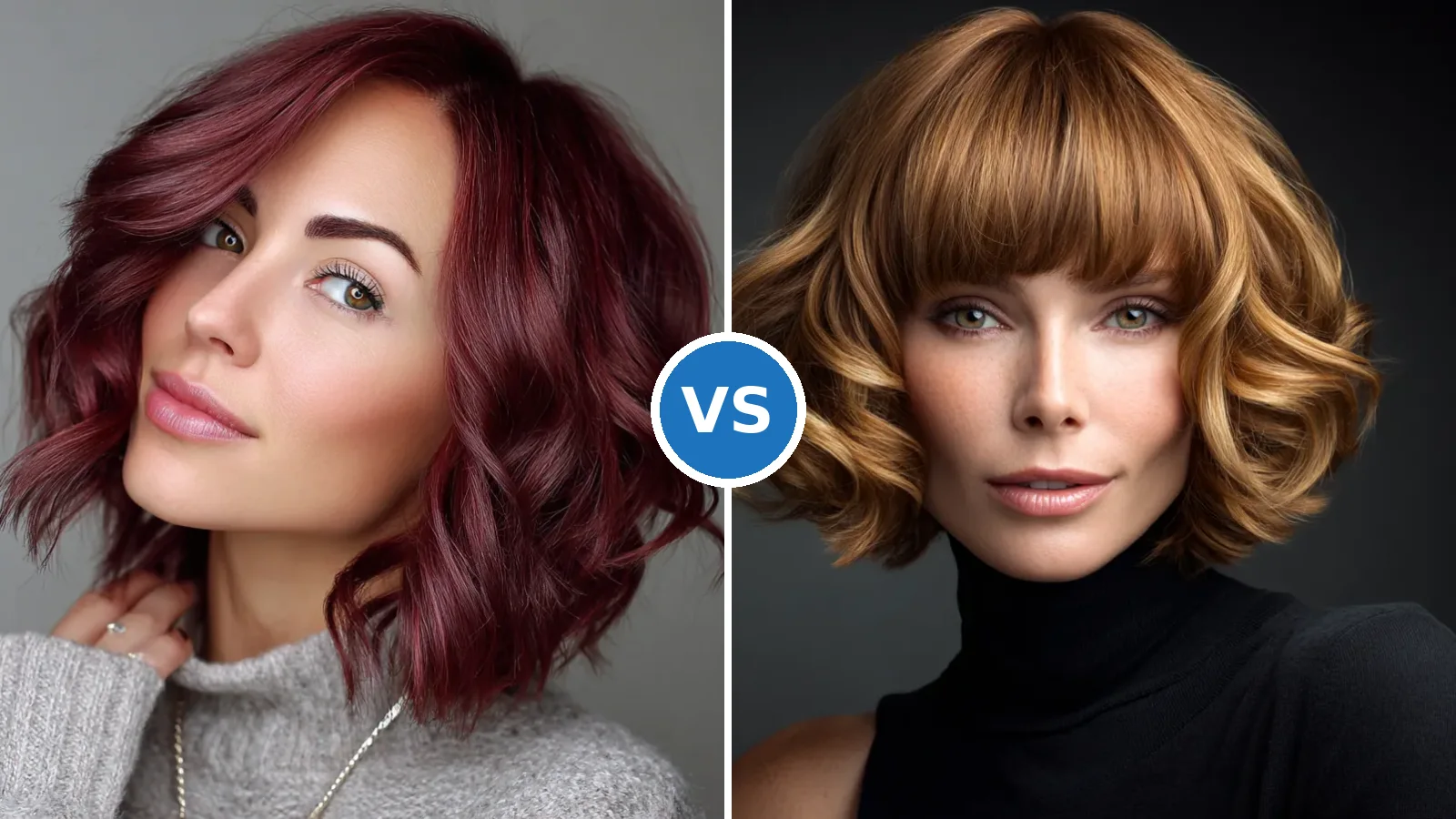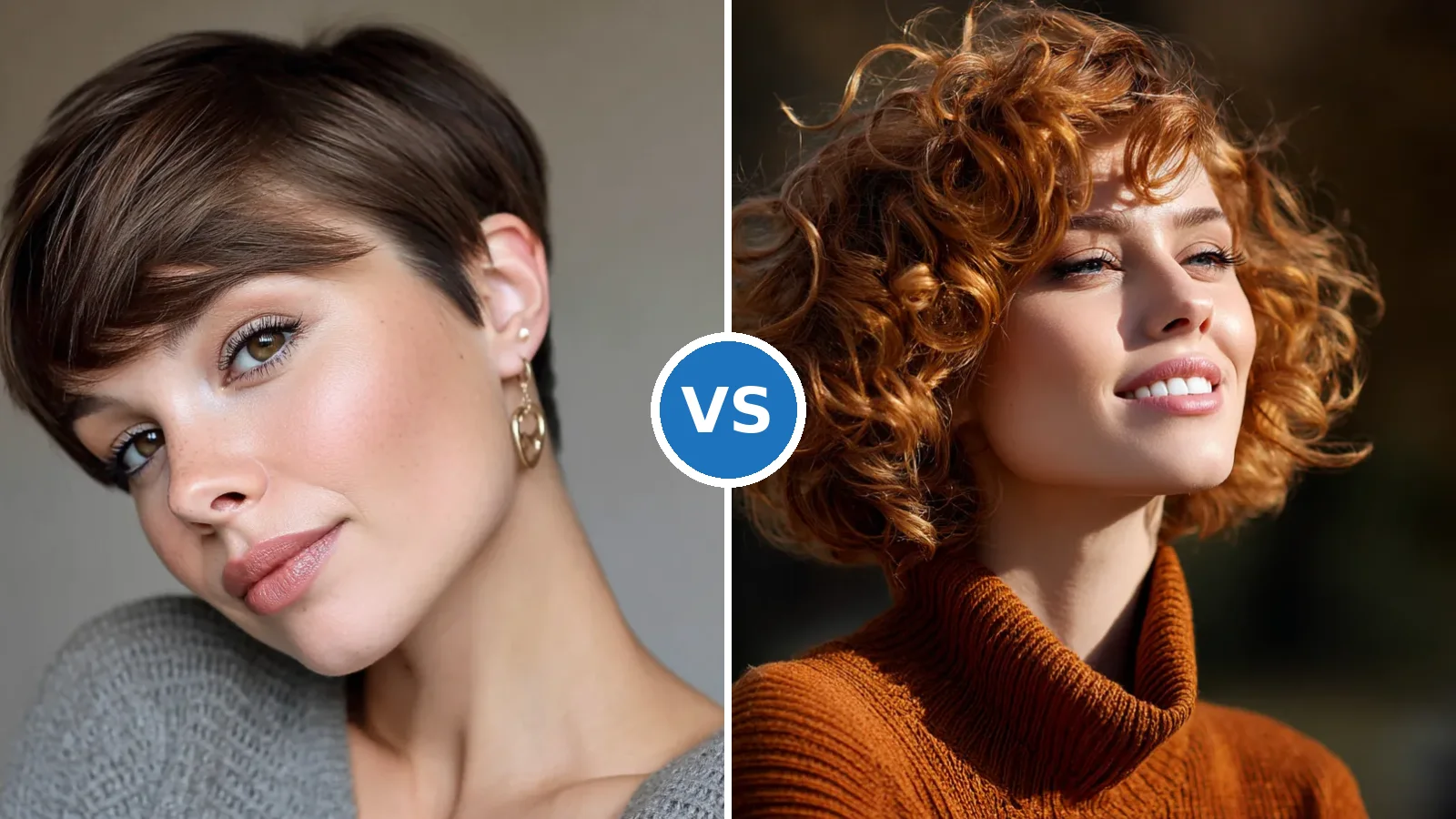
A lob haircut looks completely different depending on which face shape it lands on, and that’s the detail most people skip before booking the appointment. The same length that slims a round face can flatten an oval one, and the same layers that soften a square jaw can make an already-balanced oval face look busy. Length alone doesn’t do the work — where the layers start and how the front pieces fall against your jaw does.
Four face shapes need four different approaches to the same basic cut: round, square, oval, and angular or rectangle. Each one has a length cue, a layering rule, and at least one styling habit that quietly works against it. Skip the trend photos for a minute and match the cut to your own jawline first.
Quick Scan
- Round face — textured lob, front pieces kept below the chin, not at it
- Square face — sleek or lightly waved lob, avoid letting the ends sit exactly at the jaw
- Oval face — the most forgiving shape, almost any lob length and layer amount works
- Angular or rectangle face — layered lob between chin and collarbone, softens without hiding the jaw
- Most stylists recommend a trim every 6–8 weeks to keep any of these shapes intact


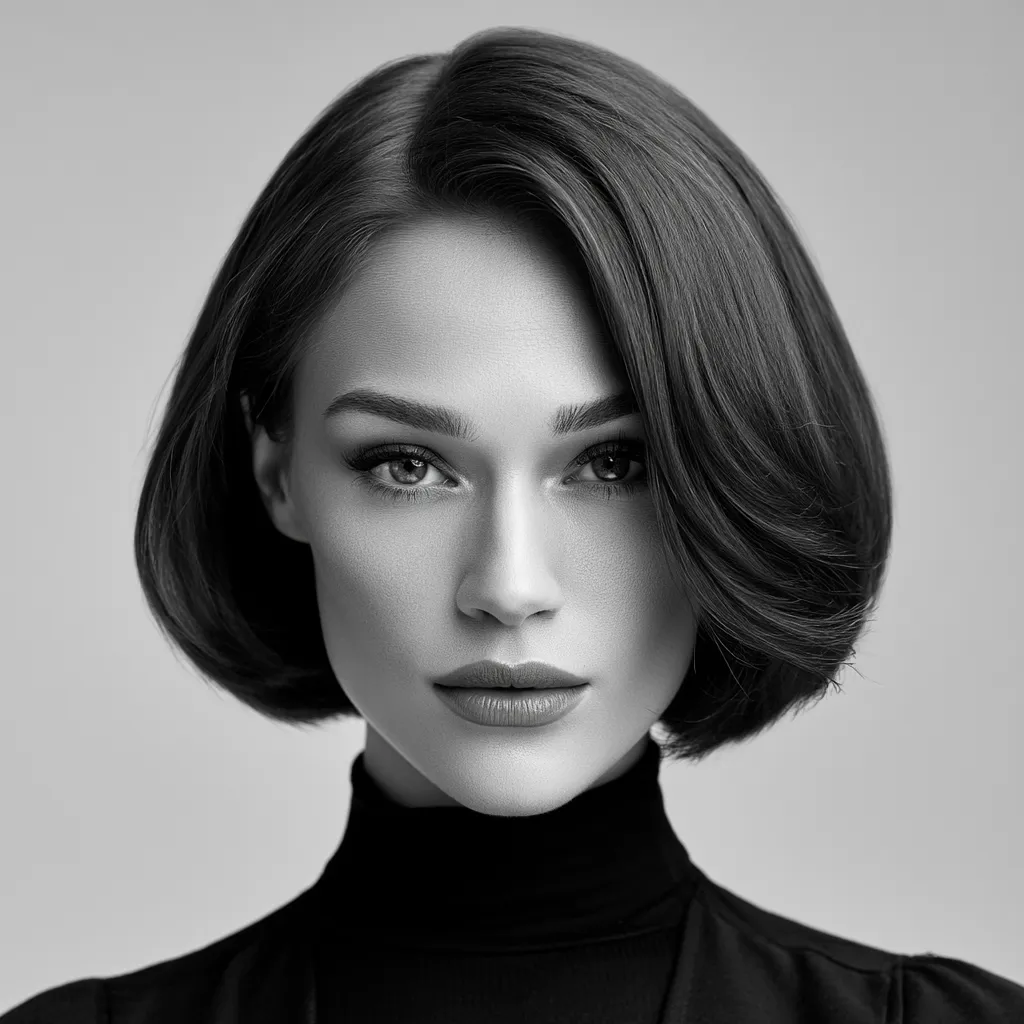
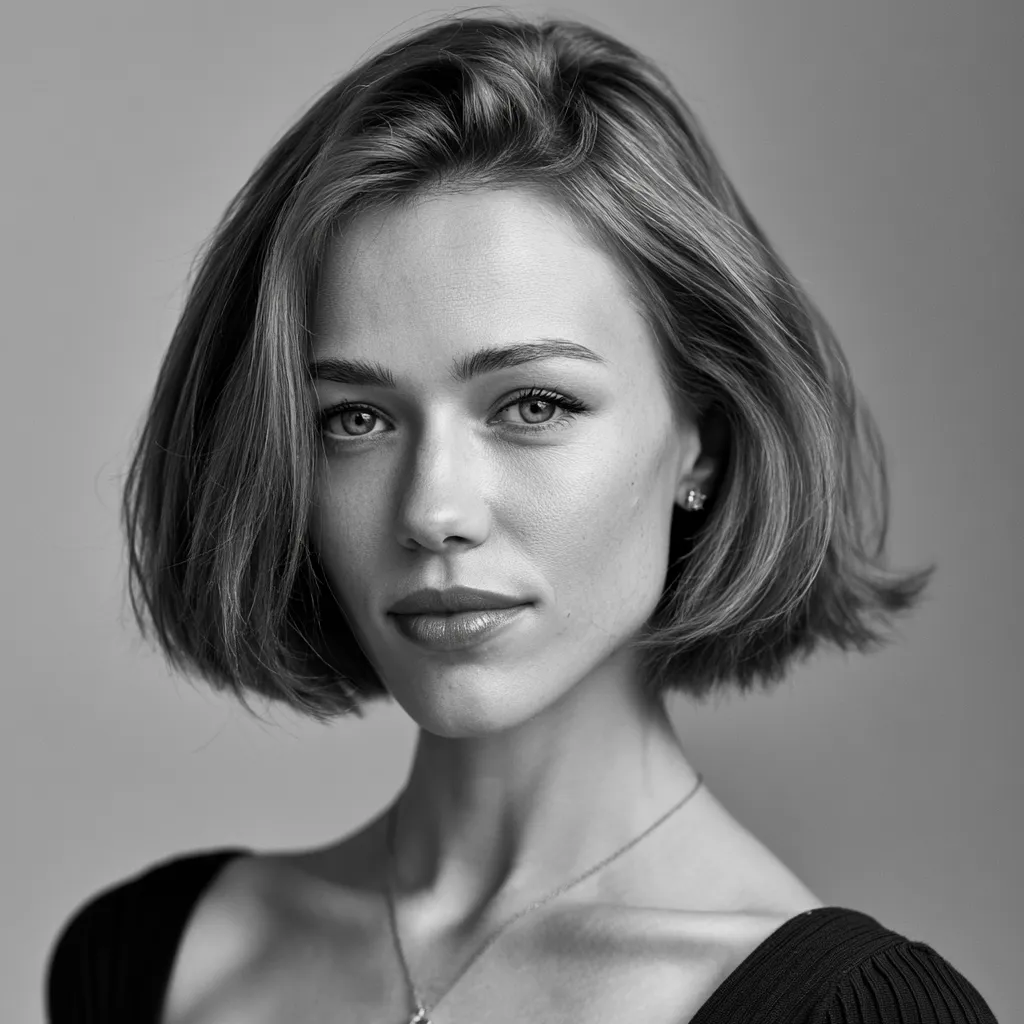

Round Faces Get More Definition From a Textured Lob Haircut
Round faces and blunt, one-length cuts don’t mix — the straight edge lands right at the widest part of the cheek and adds width instead of removing it. A textured lob haircut breaks up that horizontal line with layers that start below the cheekbone, which pulls the eye down instead of out. The texture does more work here than the length does.


Length placement matters more than most people expect. Front pieces that sit an inch above the chin add width right at the cheekbones; drop that same length an inch lower and the face reads longer instead. It’s the same principle behind bob styles that elongate a round face, just applied at a slightly longer length. A deep side part reinforces the effect by breaking the symmetry that a center part leaves untouched.
What actually holds the texture in place through the day? A lightweight wave spray on damp hair — something like Ouai Wave Spray, which runs around $30 — does more for this cut than a heavy mousse, since mousse tends to weigh down the exact layers doing the slimming work. According to hairstylist Charoo Bakshi, keeping the front length below the chin is what stops a round face from reading wider, not the amount of layering itself. Air-drying with your fingers, not a brush, keeps the waves from falling flat by midday.
Is a curly or wavy texture harder to manage in this cut? Not really — natural movement actually fills in the layers without much styling effort, the same way it does on a layered bob. Straight, fine hair needs more help from a wand or spray to get the same result. Either way, the goal is the same: keep the shortest pieces away from the widest part of the face.
Don’t Do This
- Cutting a blunt, one-length lob on a round or square face — it seals in width instead of framing it
- Letting the front pieces land right at the jaw on a square face — this mirrors the exact angle you’re trying to soften
- Adding a heavy, straight-across fringe with a lob on a round face — it closes off the forehead and adds width at the top
- Skipping layers on thick, straight hair — a blunt lob with no movement reads flat, not sleek
- Picking a lob length from trend photos instead of your own jawline — the geometry that works is personal, not universal
A Square Jawline Softens Without Losing Its Structure
A square face has a strong, roughly equal-width forehead, cheekbones, and jaw, and a sleek lob works on this shape for the opposite reason it works on a round one — it doesn’t try to hide the structure, it just softens the edges around it. The straight lines of the cut echo the bone structure while the length below the jaw breaks up the sharpest angle.


Grazing just above the shoulders keeps the cut from framing the jaw directly, which is the exact thing to avoid — length that lands exactly at the corner of the jaw only adds volume to the widest, sharpest part of the face. Think of it the way a woodworker rounds the corner of a table: the strength stays, only the sharp edge softens. Most salons recommend a trim every six to eight weeks to keep that line clean before it grows out and starts framing the jaw again.
A flat iron paired with a heat protectant — something like Redken’s Smooth Lock Heat Glide, priced around $22 — keeps the sleek finish from turning frizzy by the afternoon. A middle part adds symmetry to the straight lines; a side part does the opposite and softens them. Either way, subtle balayage along the ends adds enough dimension that the cut doesn’t read as flat or severe.
Should you add layers to a lob on a square face? A few, but not heavy ones — light layers move with the jaw instead of mirroring it, and layered haircuts for every face shape covers exactly why that distinction matters across cuts beyond the lob. Heavy layering right at jaw level does the opposite of what you want and adds bulk exactly where the face is already widest.
An Oval Face Can Wear Nearly Any Lob Haircut Length
An oval face is close to already balanced — length and width sit in proportion, so a wavy lob haircut here isn’t correcting anything, it’s just adding personality. That’s a different job than the round or square sections above, where the cut has to actively counter the shape. Here it just has to avoid undoing the balance that’s already there.


A lob that sits just below the chin and above the shoulders draws attention to the cheekbones without adding unnecessary length. Loose waves from a round brush — a decent one runs about $28 — add bounce without disrupting the natural proportions, and either a middle or deep side part works, since neither one fights the shape the way it would on a round or square face. Highlights or lowlights add depth without changing the silhouette at all.
How much does a cut and blowout like this typically run? A standard women’s haircut with styling now averages around $69 nationally, ranging roughly $40 to $120 depending on the salon tier, and a wavy lob with a blowout usually lands in the middle of that range. What’s easy to get wrong on an oval face isn’t the length — it’s over-layering. Adding heavy, short layers where none are needed can undo the natural balance the shape already has, according to stylist guidance on long bob lengths.
This cut moves easily between casual and formal without much rework. A curling wand section-by-section for defined waves, or a diffuser for a looser, air-dried texture — both read as intentional on an oval face in a way they might not on a rounder one.
Sharp Angles Need Movement, Not More Structure
An angular or rectangle face — a prominent jaw, high cheekbones, and clean lines rather than curves — asks for a different fix than a square face, even though the two get lumped together often. A layered lob that hits between the chin and the collarbone gives the cut enough structure to hold its shape while the layers add the movement that rounds off the hardest angles.
Face-framing layers that start at the cheekbones do most of the softening here — a stylist carving out weight near the temples has roughly the same effect as a jeweler softening the facets of a raw-cut stone, taking the edge off without losing the underlying structure. Curtain bangs pair especially well with this length, since they add a curved line right at the temples where the angles are sharpest.
What does this kind of restyle typically cost on top of a base haircut? Adding texturizing or face-framing layers to an existing cut generally adds $20 to $50 to the bill, depending on how much reshaping is involved. A texturizing spray worked through the mid-lengths keeps the layers separated instead of falling into one solid block, which is the whole point of choosing this cut over a blunt bob.
Should the ends stay blunt or get softened? Softened, almost always — a crisp, blunt edge at exactly jaw level does for a rectangle face what it does for a square one: it mirrors the angle instead of breaking it up. Point-cut or razor-finished ends avoid that problem and keep the cut looking intentional rather than accidental.
| Face Shape | Lob Style | Length Cue | Product to Reach For |
|---|---|---|---|
| Round | Textured, layered lob | Front below the chin | Ouai Wave Spray ($30) |
| Square | Sleek, straight lob | Above the shoulders | Redken Smooth Lock Heat Glide ($22) |
| Oval | Wavy, loosely layered lob | Just below chin, above shoulders | Round brush ($28) |
| Angular/Rectangle | Layered lob with face-framing pieces | Chin to collarbone | Texturizing spray |
The Takeaway
A Lob Haircut Only Works When the Length Matches Your Jaw
Four face shapes, four different length rules — and none of them come down to picking a trending photo and asking for the same thing. Round faces need the front pieces kept below the chin. Square and angular faces need layers that soften without mirroring the jaw. Oval faces mostly need to be left alone.
Bring your own jawline into the consultation, not just a screenshot. The stylist can adjust length and layering on the spot, but only if they know which effect you’re actually going for.
Save this post. Come back to it before your next appointment.