Transitioning from a military cut hairstyle to a casual style is less about growing out the shape and more about what you add to it. The architecture of a military cut — tight sides, controlled top — is already a foundation that stylists build on for editorial looks. Texture, bold color, and a deliberate styling product can shift the read from disciplined to directional without a single extra inch of length.
The five looks below each start from the same structural baseline and land somewhere completely different. Red with tousled layers reads downtown-creative. Blue waves read feminine and polished. Neon pink with bangs is festival-ready. Electric green with undercut detailing is pure street style. Golden feathered layers are the softest play — the kind that photographs beautifully at outdoor events and requires almost no daily effort. Stylists recommend planning the color before the cut appointment, not after, so the two decisions support each other.
One thing worth knowing upfront: semi-permanent fantasy colors like Manic Panic last 4–6 weeks per application, which means you’re looking at a color refresh roughly every five to six weeks if you want the vibrancy to hold. That cadence actually works well with the military cut’s maintenance schedule — barbers recommend a trim every 2–3 weeks to keep the fade crisp and the structure clean. You can time your color refresh to every second or third haircut visit.
- A military cut’s structure makes color do more visual work than on longer hair
- Semi-permanent fantasy colors last 4–6 weeks; plan your refresh around barber visits every 2–3 weeks
- Tousled texture softens the rigid military silhouette without changing the cut
- Undercut detailing adds a graphic element that reads intentional, not accidental
- Feathered layers on a golden base are the lowest-maintenance version of this transition
- Every look here works best pre-lightened to at least a level 8 blonde base
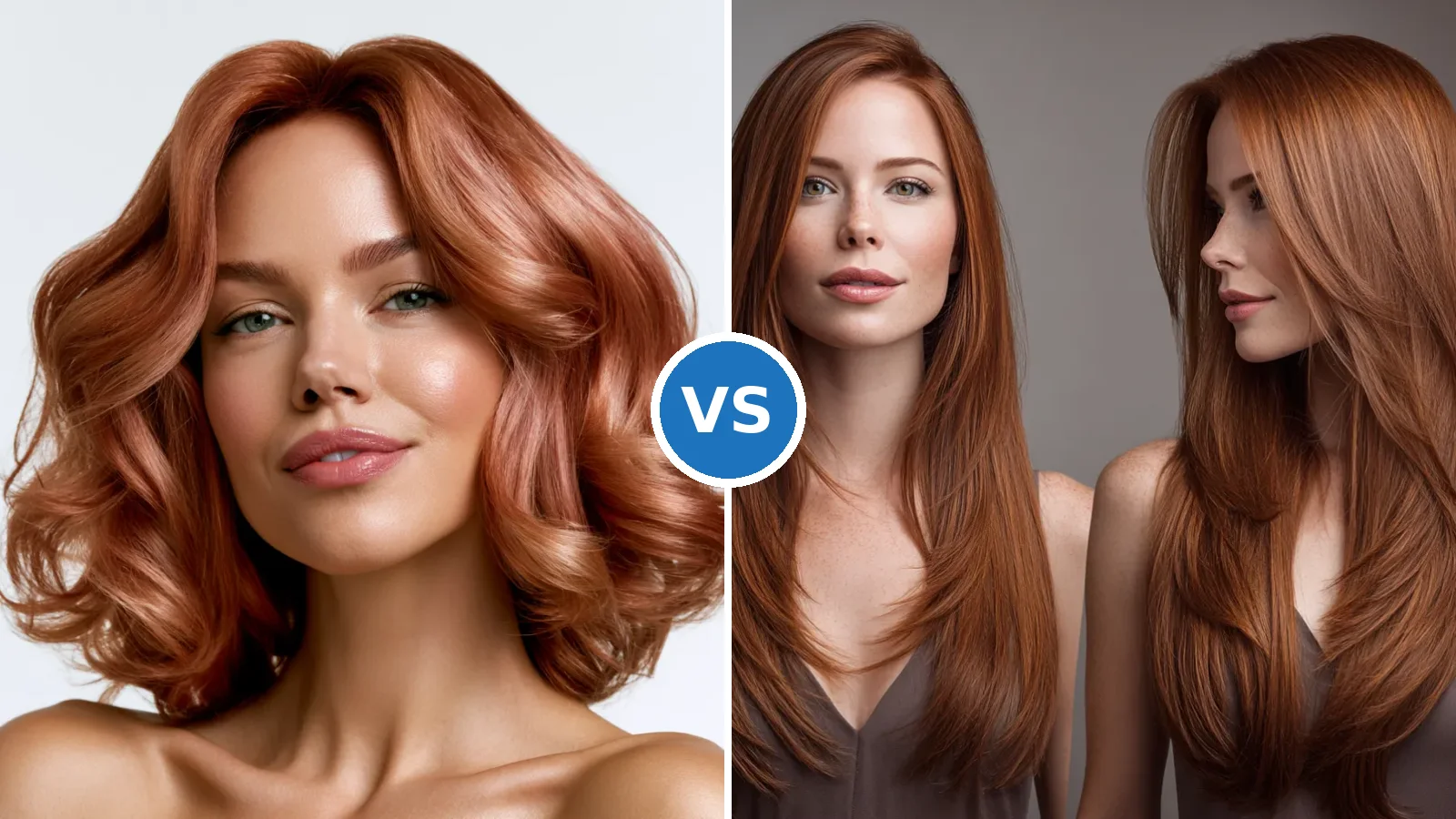
Red Tones Pull a Military Cut Straight Into Casual Territory
Adding vibrant red color to a military cut hairstyle transition is one of the fastest ways to shift how the whole look reads in a room. The structure stays — tight sides, controlled crown — but the red pushes the energy from professional-uniform to creative-intentional. What makes red particularly effective on this cut length is that the short sections reflect the pigment without diffusion, so the color reads at full saturation in natural light. Manic Panic Red Passion ($13.99 for 4oz at Walmart) is a reliable starting point: ammonia-free, semi-permanent, and lasts 4–6 weeks on a pre-lightened base of level 9 or above.


The actual texture comes from the cut modification, not just product. Ask your stylist to add uneven layers to the top section — emphasizing lengths that move rather than stack flat — while keeping the sides at their usual guard setting. The asymmetry between the cropped perimeter and the looser top is where the casual signal lives. Avoid asking for the layers to be too uniform: that precision reads back toward the military aesthetic you’re moving away from.

Styling takes about three minutes with the right products in the right order. Apply a lightweight texturizing spray to damp hair, distribute it with fingers rather than a brush, then blow-dry while lifting the crown upward — not outward, which flattens the shape. Finish with a small amount of matte styling wax worked between palms and pressed into sections for separation. What not to do: skip the heat protectant and wonder why your red fades to copper in two weeks. Color-safe shampoo and washing in cool water extend saturation significantly. For more approaches to short casual hairstyles that complement this kind of color energy, check out these easy hairstyles for short hair for casual outings.

Pair this look with a crew-neck tee and a clean bomber jacket rather than anything overly styled — the hair is doing the editorial work and the outfit should stay quiet. The underestimated detail here is the tousled crown against tight sides: it mimics the contrast ratios you see in high-fashion editorial shoots, where the length differential is the composition. Think of the fade line as a frame and the red top as the image inside it.
Bright Blue Waves Introduce Femininity Without Softening the Cut
Transitioning to a casual style through blue waves works because the curl introduces movement that the military cut’s structure never had. The shape stays architectural — the waves don’t erase the fade line, they play against it. Bright cobalt and electric blue read best on a pre-lightened base of at least level 8; on darker bases, the color shifts toward navy, which is a valid choice but a different look entirely. Manic Panic’s Bad Boy Blue and Rockabilly Blue both retail around $13.99 for 4oz and give predictably vivid results on bleached hair.


The waving technique matters more than the tool. Use a 1-inch curling wand on sections no wider than your thumb, wrapping away from the face for the first pass. The goal is a loose S-curve rather than a tight spiral — the latter competes with the military structure instead of easing away from it. Is it better to wave on damp or dry hair? Dry hair holds a looser wave longer on short lengths; damp hair sets tighter but the curl relaxes faster. For a military cut specifically, dry styling gives you more control over where the wave falls relative to the fade.

Always apply heat protectant before waving — fantasy-colored hair is chemically processed and the cuticle is more exposed. A light-hold hairspray over the finished waves (not a freeze spray) keeps the shape without turning movement rigid. Styling cream on the mid-lengths smooths flyaways that appear at the fade line where shorter hairs break the wave pattern. Don’t skip the cream step: those small pieces at the hairline are what distinguish a polished transition style from a look that hasn’t been properly finished.

Pairing this look with a floral midi dress or a silky slip top creates the kind of contrast that makes both elements land harder. The blue adds enough edge to prevent the outfit from reading overly delicate; the waves add enough softness to prevent the cut from reading severe. The trick here is keeping the makeup light — heavy eye looks compete with the hair color at this saturation level. One coat of mascara and a lip gloss let the blue do its work uninterrupted.
Side-Swept Bangs with Neon Pink Reframe the Military Cut’s Silhouette
Neon pink side-swept bangs on a military cut hairstyle create a silhouette shift that doesn’t require any extra length on the sides — the framing is entirely from the top section. The bang sweeps across the forehead and changes the face-framing entirely, softening the cut’s default symmetry into something more asymmetric and directional. Neon shades in the pink-magenta range (Manic Panic’s Hot Hot Pink or Electric Pink Pussycat) require a strong pre-lightened base — target a level 9 or 10 blonde — because the neon quality only activates against very light hair. On an inadequately lightened base, neon pink reads as pale salmon, which is a different look and often not the intended one.
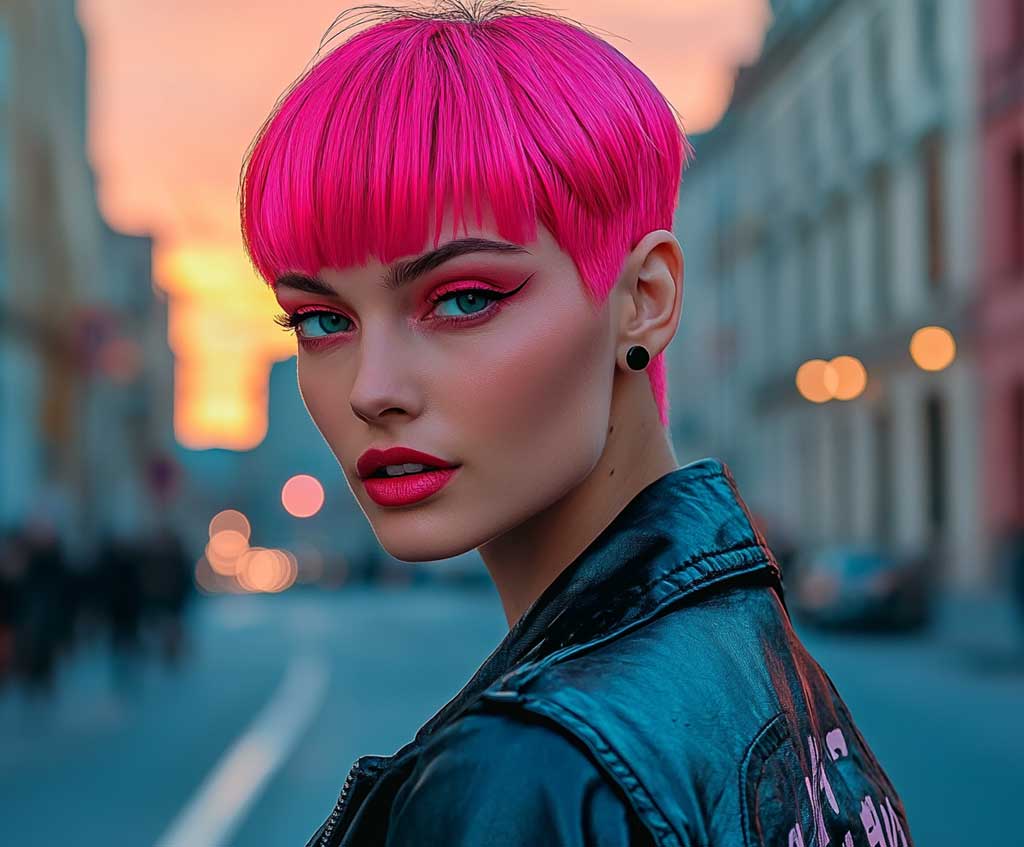

Request longer fringe at the consultation — roughly jaw-to-chin length swept to the dominant side — that sits clearly separate from the military structure underneath. Your stylist should point-cut the ends of the fringe rather than blunting them straight across; blunt ends on a short bang read choppy rather than intentional at this length. Styling is a two-step process: flat iron the bang smooth from root to tip, then use a round brush or your fingertips to create a slight c-curve at the end so it cups naturally over the forehead rather than jutting straight out.

A lightweight serum — not a heavy oil — on the finished bang adds the gloss that makes neon pink pop in photographs and under artificial light. Use a styling gel or pomade on the short sections to keep them flush and matte, which creates the tonal contrast between sleek sides and vibrant foreground that makes this combination register immediately. The neon pink maintains color vibrancy better when washed less frequently; stylists recommend washing colored short hair no more than twice a week, using cool water and color-safe shampoo both times.

Pair this look with dark, minimal clothing rather than prints — the neon handles all the visual weight and additional pattern competes rather than contributes. A black leather jacket or a structured blazer in charcoal or navy lets the pink read at its full intensity. The side-swept bang also works well with bold liner on the opposite eye from the sweep direction, creating a diagonal visual line across the face that mirrors the bang’s movement.
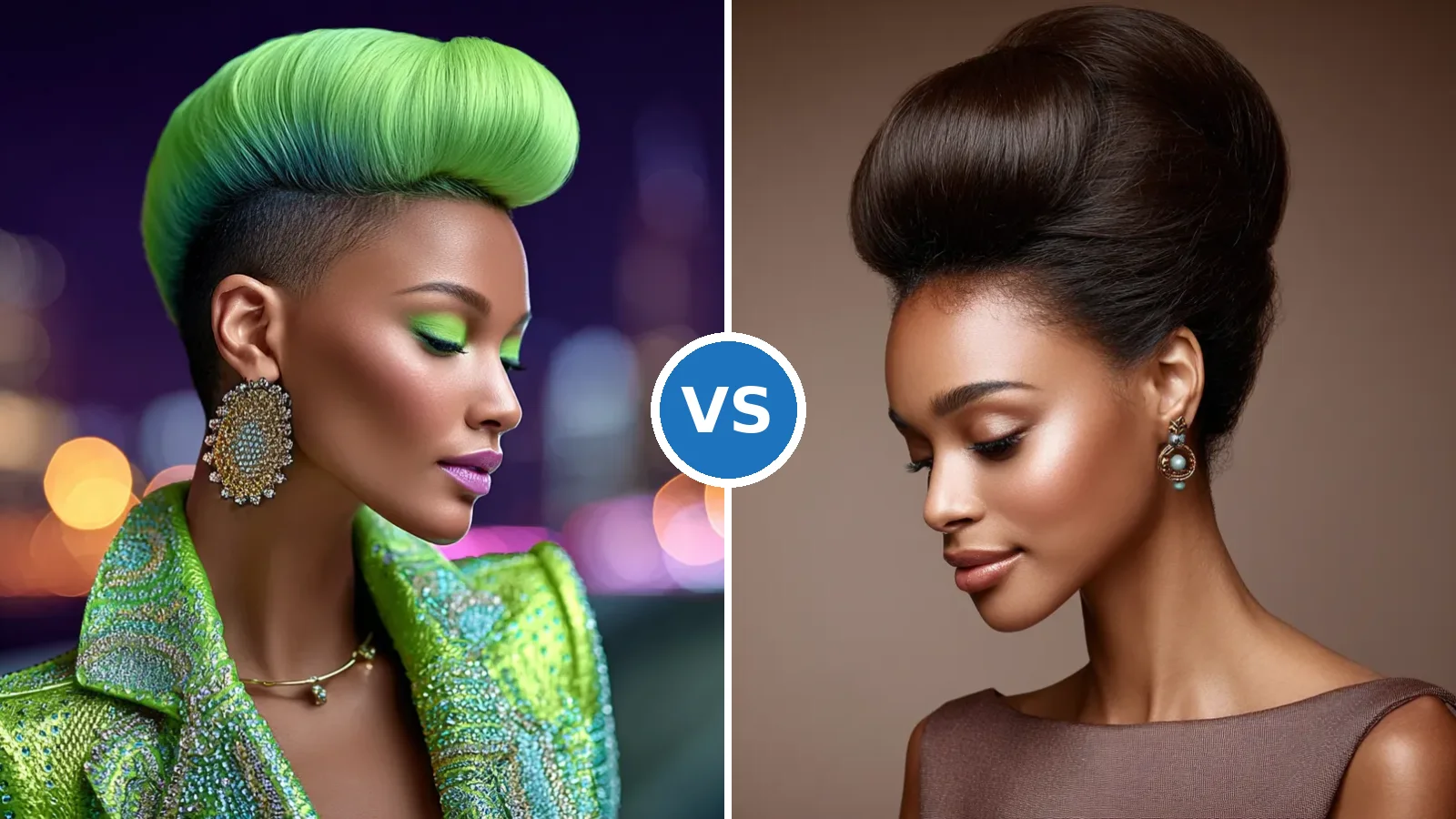
Electric Green Undercut Detailing Turns a Military Cut into a Graphic Statement
Undercut detailing etched into a military cut hairstyle transition creates a graphic element that makes the structure itself the design — the hair becomes a surface rather than just a shape. Electric green in the lime-to-neon range is ideal for this approach because it reads against dark skin and light skin equally well, which is a practical advantage most other fantasy colors don’t have. The detailing is etched into the undercut section using a razor or clipper with a detailing blade; geometric patterns, zigzags, and abstract line work all hold well on the short hair at the sides of a military cut because the length doesn’t disrupt the design. Barbers recommend planning the pattern before sitting in the chair — bring a reference image, not a description, because spatial communication about hair geometry is imprecise.
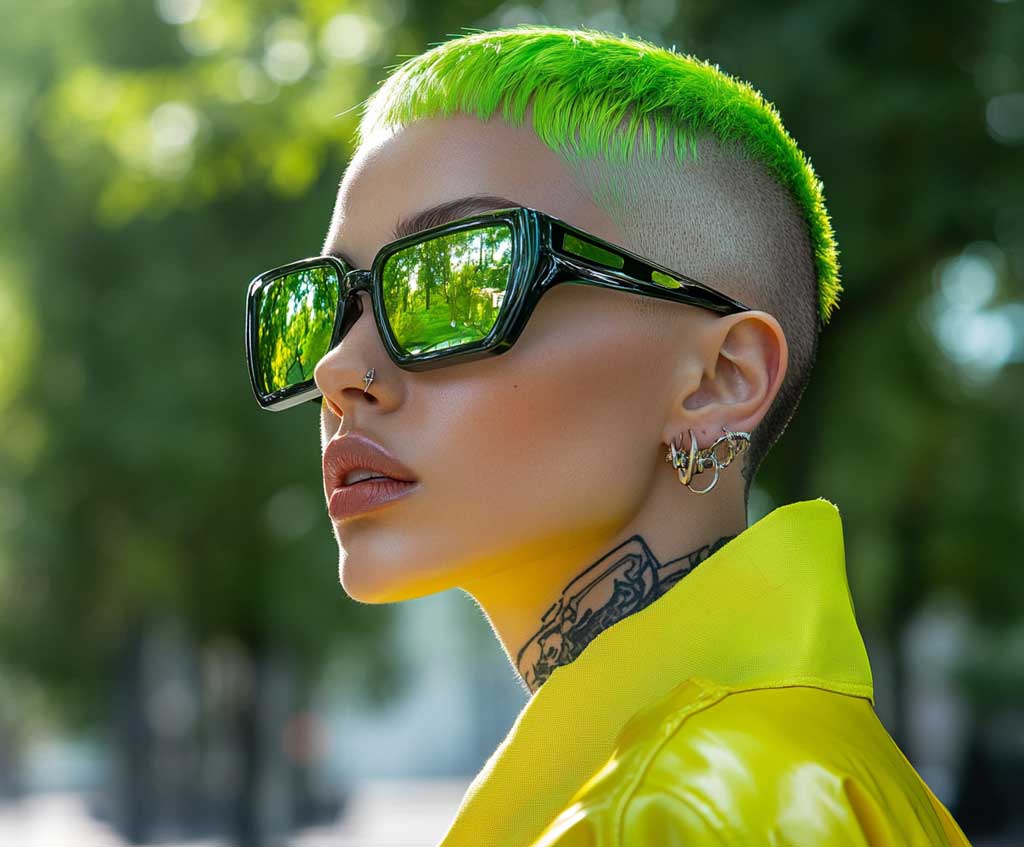

Because the undercut section needs to stay very short for the etched pattern to remain legible, the maintenance schedule is tighter than for standard military cuts: plan on returning to the barber every two to three weeks rather than the standard two to three, specifically to refresh the pattern lines. Semi-permanent electric green lasts 4–6 weeks at full vibrancy on bleached hair before the tone shifts toward yellow-green, so scheduling a color refresh to coincide with a pattern touch-up is the most efficient approach. What doesn’t work: applying the green to a base that still has warm brassiness in it. The color reads muddy olive rather than electric, and no lighting condition will save it. A toner appointment before the color session is non-negotiable for this shade specifically.

Styling the top section with a light pomade keeps the upper hair controlled without competing with the detailing below. A shine spray over the finished top makes the green catch light and appear more saturated, which is the visual effect you’re working toward — the hair should look like it’s generating its own light rather than just reflecting it. Avoid heavy creams on the undercut area; product residue in the etched lines blurs the pattern within hours and makes the design look like it’s growing out even when it’s not.

Sporty and urban outfits land best here — a tracksuit, a bomber, or a technical-fabric top all create the right context for the graphic energy of the green and the etched pattern. Reflective accessories (mirrored sunglasses, metallic earrings) push the look into festival or concert territory. For a deeper look at how undercut geometry functions across different textures and curl patterns, the curly hair undercut looks breakdown covers the structural principles in detail.
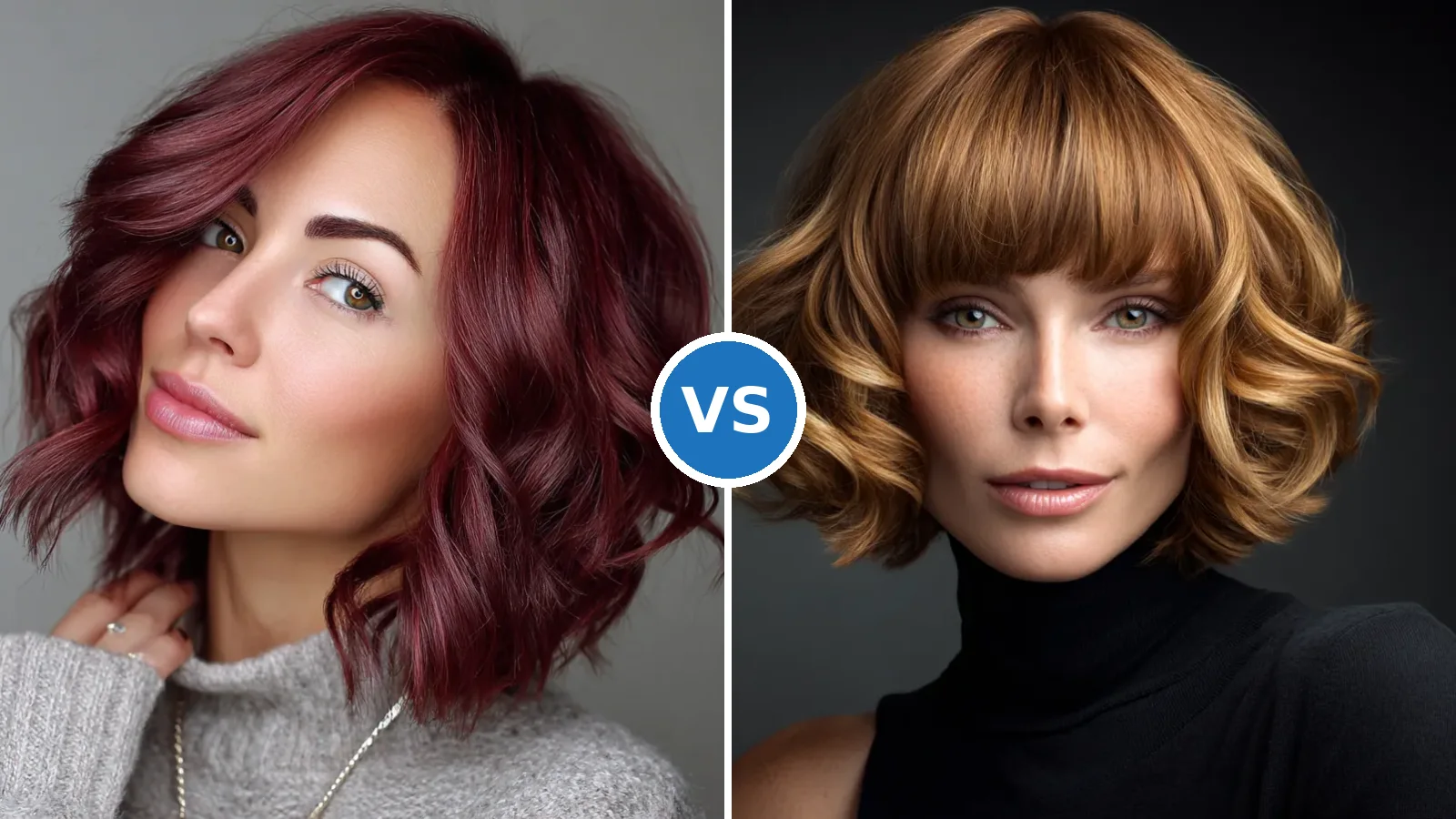
Feathered Layers on a Golden Base Make the Military Cut Transition Quietly
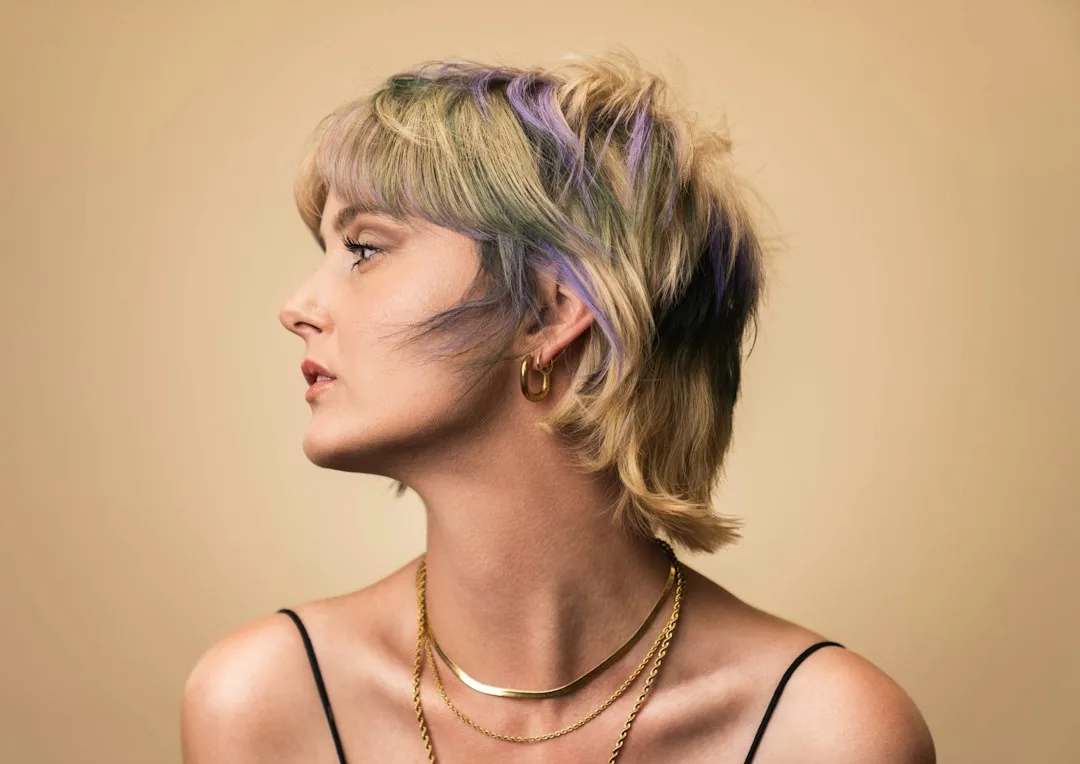
Golden yellow feathered layers are the most approachable military cut hairstyle transition on this list — the one that reads as a refresh rather than a reinvention. Feathering is a cutting technique where the stylist uses the scissors at an angle to create soft, graduated edges on the top section rather than a blunt cut that sits flat. The result is hair that moves with your head rather than sitting on top of it. Combined with a golden honey blonde — a warm level 8 that sits closer to harvest yellow than pale platinum — the look photographs warmly in natural light and maintains its dimension as it grows out, which is a significant practical advantage over cooler or neon colors.


The technical difference between feathered layers and just longer-than-average top length is where most people go wrong in the consultation. Specify feathering explicitly — some stylists default to a scissor-over-comb technique that leaves the top blunt-flat, which is the opposite of the movement you’re after. A lightweight mousse on damp hair before blow-drying activates the feathered sections so they hold their position with natural lift rather than laying flat by midday. A round brush during the blow-dry lifts the crown, but the sides should be left to air-dry or diffuse on low heat to avoid the hot-air-shaped look that makes short hair appear costume-like rather than casual.

Finish with a flexible-hold hairspray — not a firm-hold version, which kills the movement that feathering is designed to create. The golden yellow tone holds its warmth particularly well in sunlight, which means this look peaks visually outdoors and at events where natural light is present. Is golden yellow high maintenance for a busy schedule? It requires less color upkeep than neon shades because it fades gracefully toward a softer blonde rather than to an unrelated muddy tone — you can stretch the refresh interval to eight or even ten weeks without the look appearing neglected. According to grooming specialists at Forte Series, barber visits every 2–3 weeks keep the fade tight; the color timeline is completely independent and in your control.

This look pairs naturally with gold jewelry, delicate chains, and warm-toned earrings that pick up the hair’s yellow-blonde register. A flowy blouse or a linen shirt creates the soft, sun-soaked context that amplifies the golden color’s warmth — structured blazers push this look slightly formal, which works but removes some of the ease that makes it compelling. The unexpected detail: feathered layers on a military cut side profile look completely different from the front, which means this hairstyle has a compositional complexity that shorter, more uniform cuts don’t offer.
| Variant | Best For | Color Refresh | Key Styling Product |
|---|---|---|---|
| Red Tousled | Creative, urban daily wear | Every 5–6 weeks | Matte styling wax |
| Bright Blue Waves | Feminine occasions, brunches | Every 4–5 weeks | Curling wand + light hairspray |
| Neon Pink Bangs | Festivals, statement events | Every 4 weeks | Serum + styling gel |
| Electric Green Undercut | Street style, concerts | Every 4–5 weeks | Light pomade + shine spray |
| Golden Feathered | Outdoor events, everyday | Every 8–10 weeks | Flexible-hold hairspray |
For a technical breakdown of military cut maintenance cadence and product pairings by cut type, Forte Series’s complete military haircuts guide covers the full range of modern variations with product-specific recommendations.
The takeaway
A Military Cut’s Structure Is an Asset, Not a Starting-Over Problem
The fade line, the tight sides, the controlled crown — all of it gives color and texture a frame to work inside. That contrast between cropped perimeter and expressive top section is what makes these transitions look designed rather than accidental.
Plan your color choice around your lifestyle timeline: neon shades demand more frequent refresh appointments, while golden tones buy you more time between sessions. Barber visits every 2–3 weeks handle the structural side; color is a separate schedule you control.
Pick one approach from the five above, bring a reference photo to both the colorist and the barber, and specify the technique — feathering, tousled layers, fringe length — rather than just the color name. Save this post before your next salon appointment.