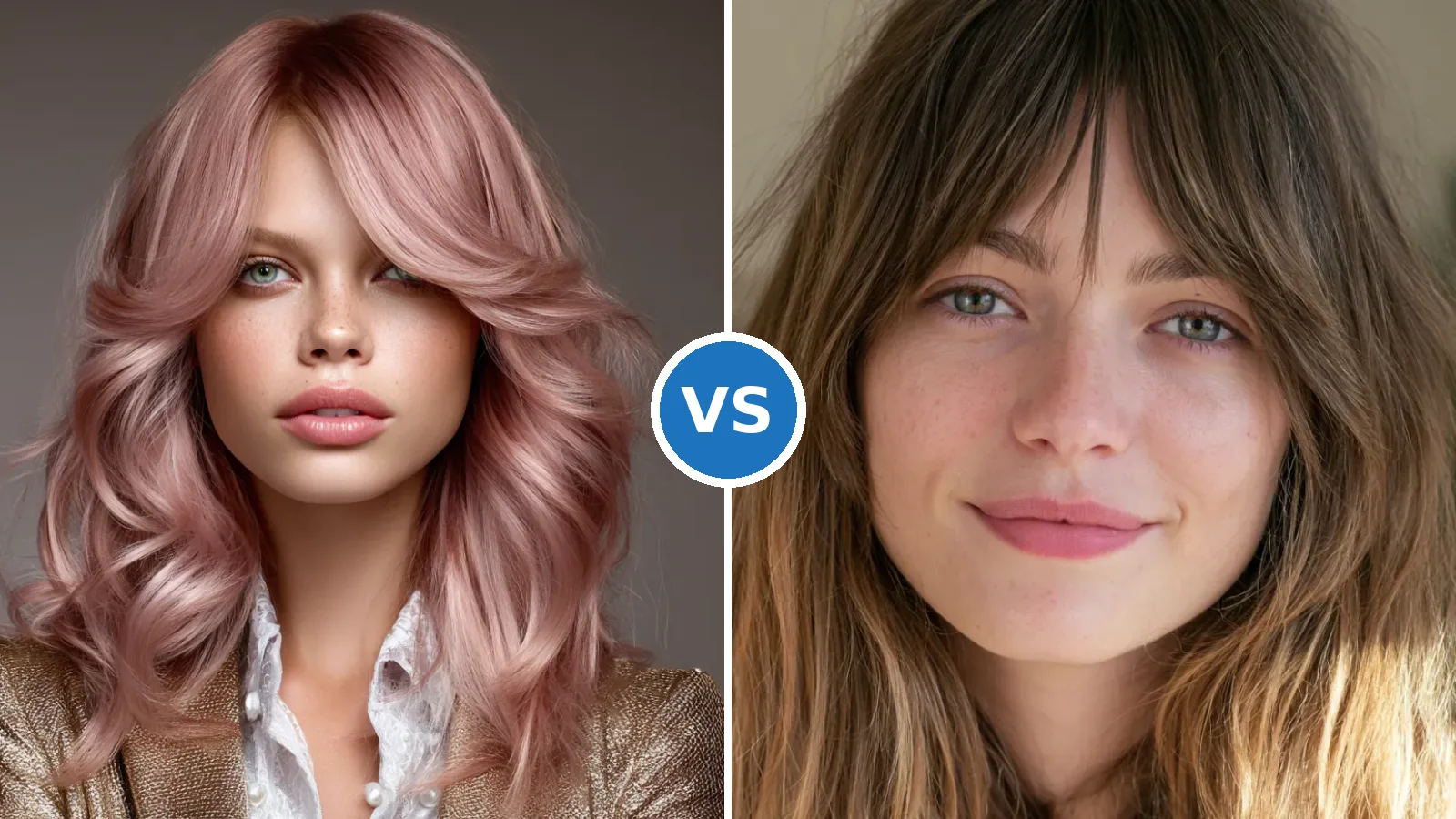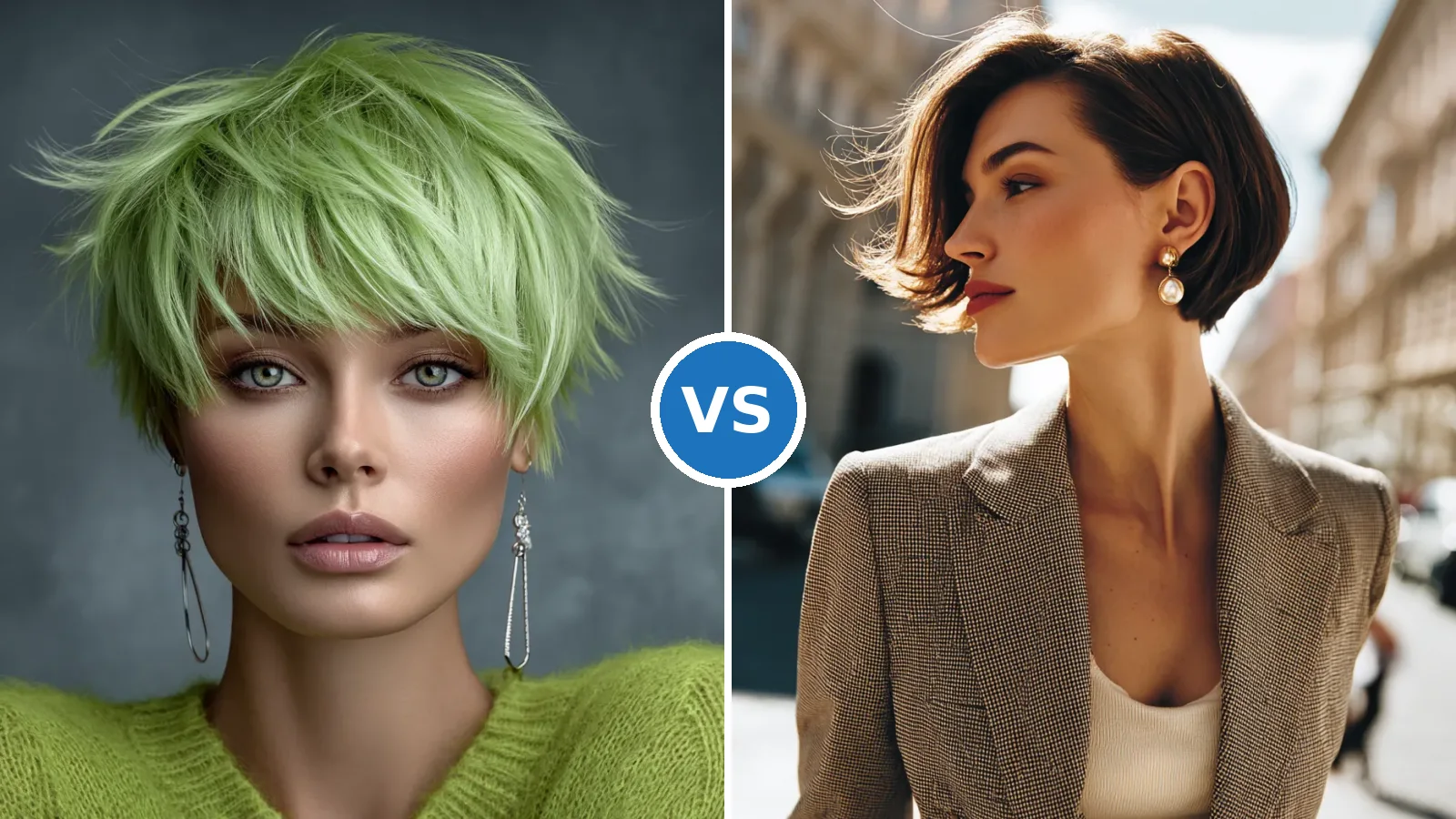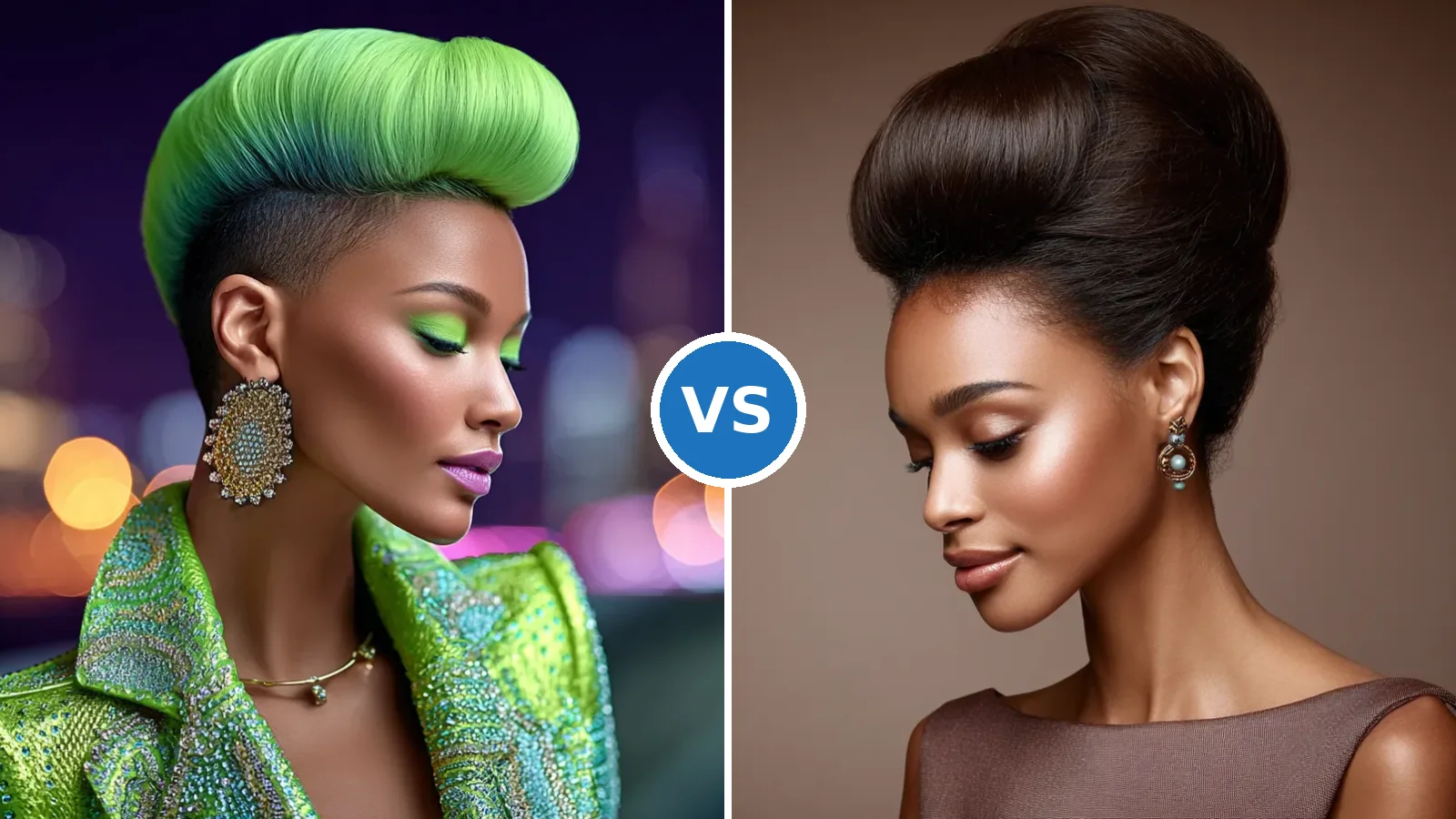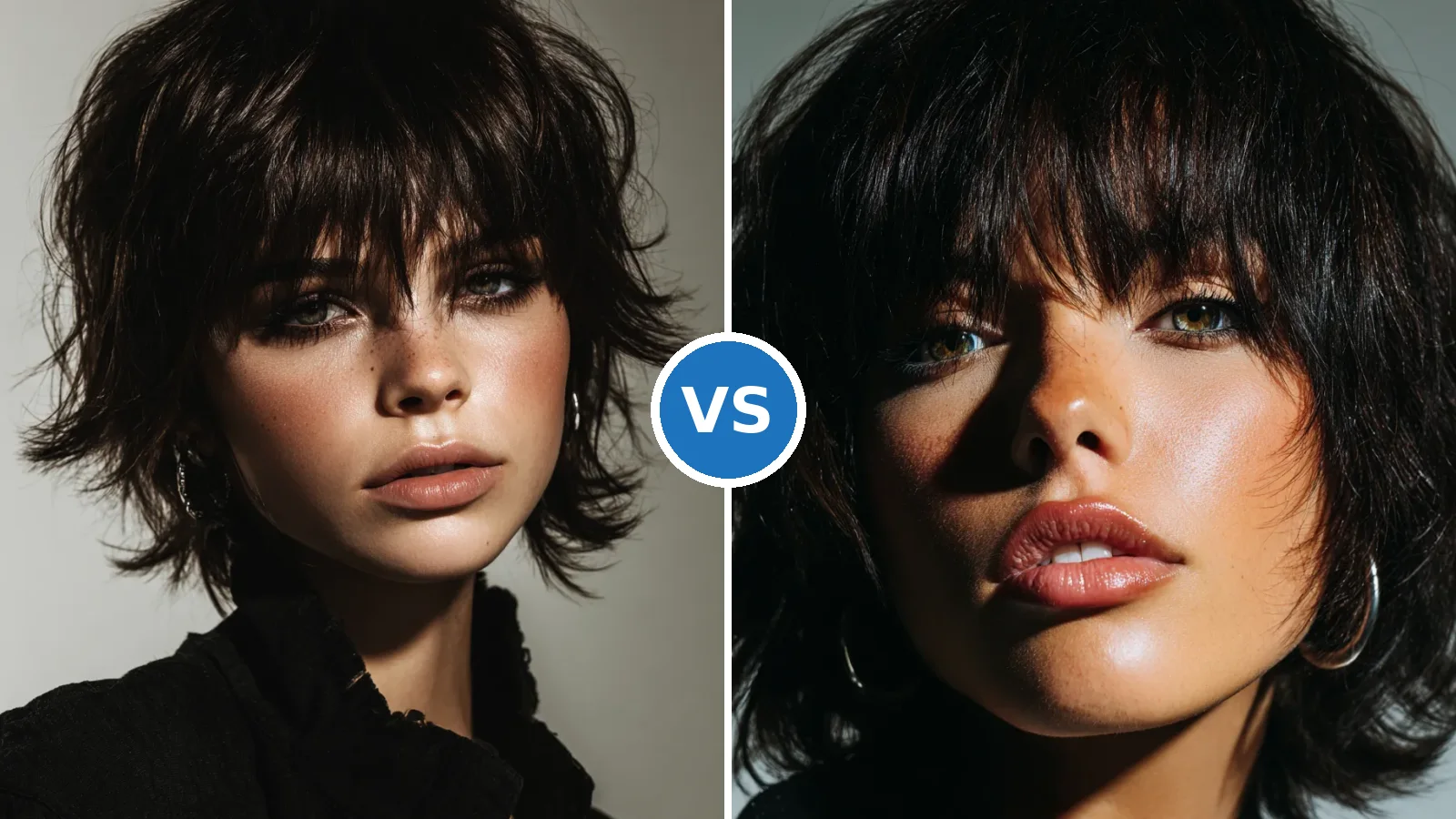
If you are weighing a wolf cut vs shag, the decision usually starts with your hair texture and how much length you want to keep. The soft wolf cut is the wolf cut variant we compare here, and the shag haircut is the shag variant we pit against it. Thick wavy hair tends to suit the soft wolf cut, while long hair you want to keep long tends to suit the shag.

What each option actually is
Quick Verdict
- Choose the soft wolf cut if your hair is thick or wavy and you want volume at the crown with a softer perimeter.
- Choose the shag haircut if you are keeping long lengths and want airy movement without giving up inches.
- Choose the soft wolf cut if you prefer to air-dry with minimal tools.
- Choose the shag haircut if you like wearing updos where shorter layers frame the face.
The soft wolf cut, covered in our soft wolf cut haircut article, is a layering approach that builds volume at the crown and softens the outline. The layers are blended at transition points rather than stacked, so the cut still looks relaxed after a round brush.
The shag haircut, explored in our modern shag variations piece, updates the old shelf-like shag with invisible internal layering. On long hair, the cut builds sweeping pieces that cascade from the crown to the ends, with a soft fringe softening the face.

How they compare on the criteria that matter
| Criteria | Soft wolf cut | Shag haircut |
|---|---|---|
| Best hair texture | Thick and wavy hair | Long hair that needs movement |
| Main visual goal | Crown volume with a softened perimeter | Airy, cascading movement from crown to ends |
| Layering method | Point cutting and channeling | Slide-cutting to remove internal bulk |
| Daily styling | Diffuser, towel plop, or hands-off air-dry | Lightweight cream on damp mid-lengths or a large barrel curling iron |
| Fringe pairing | Curtain bangs blend into face-framing layers | Soft curtain bang flows into longer jawline layers |
| Named salon schedule | Not specified in the source | Dusting every eight to ten weeks |
| Products mentioned | Lightweight wave-defining cream or spray | Moisture masks and bond-repairing serums |
The biggest split is hair texture and length, not the name of the cut. Use the table to match your own hair against each column.
Where the soft wolf cut wins
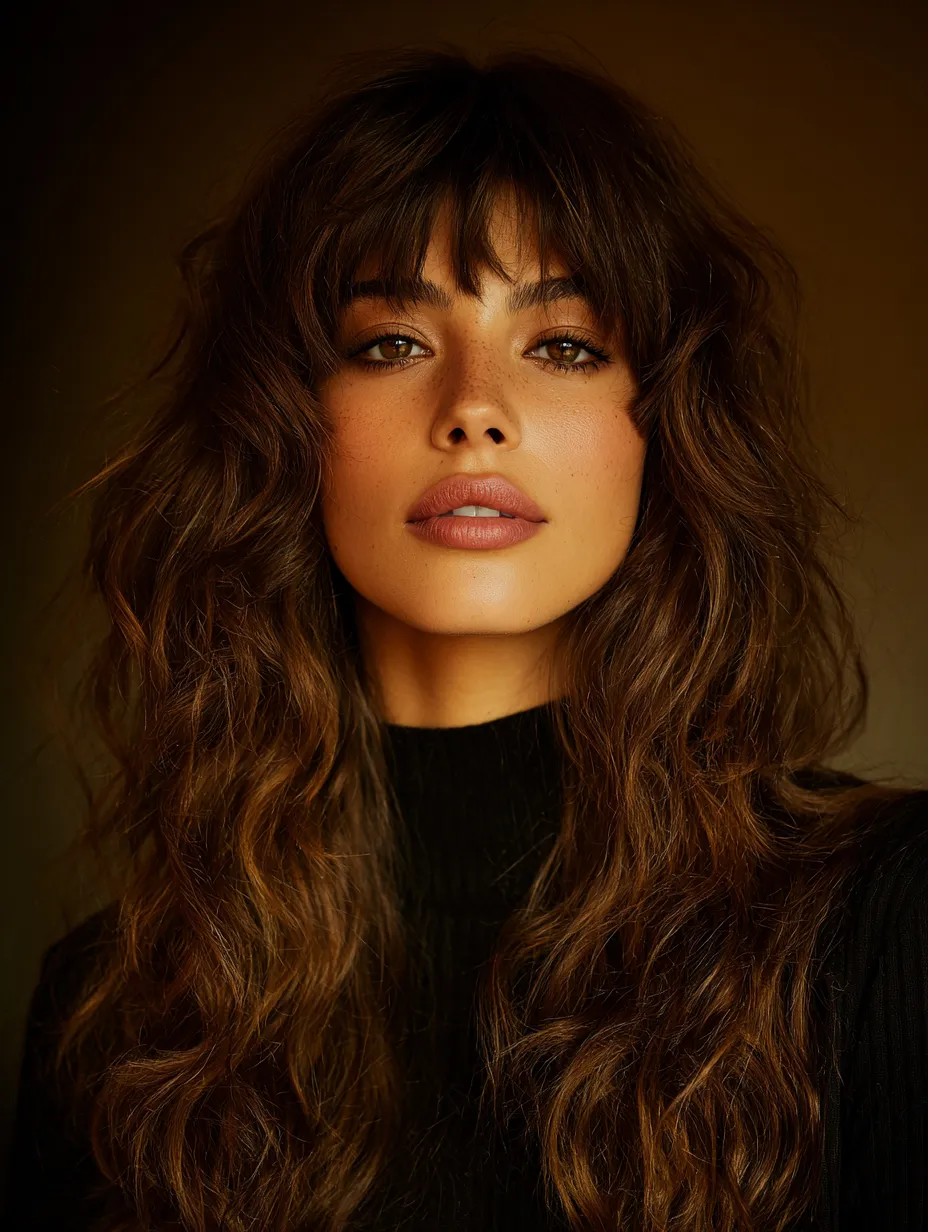
Thick and wavy hair is the soft wolf cut’s home ground. Point cutting and channeling thin the bulk without flattening the wave, which matters because careless thinning can leave the shape heavy or undefined.
At home, the cut works with a diffuser, a towel plop after washing, or a hands-off air-dry. A lightweight wave-defining cream on damp hair helps the wave hold without crunch.
Curtain bangs also blend more naturally here. The fringe flows from the forehead into the face-framing layers, so the front reads as one movement. For wavy hair that wants crown volume with little fuss, the soft wolf cut is the stronger pick.


Where the shag haircut wins
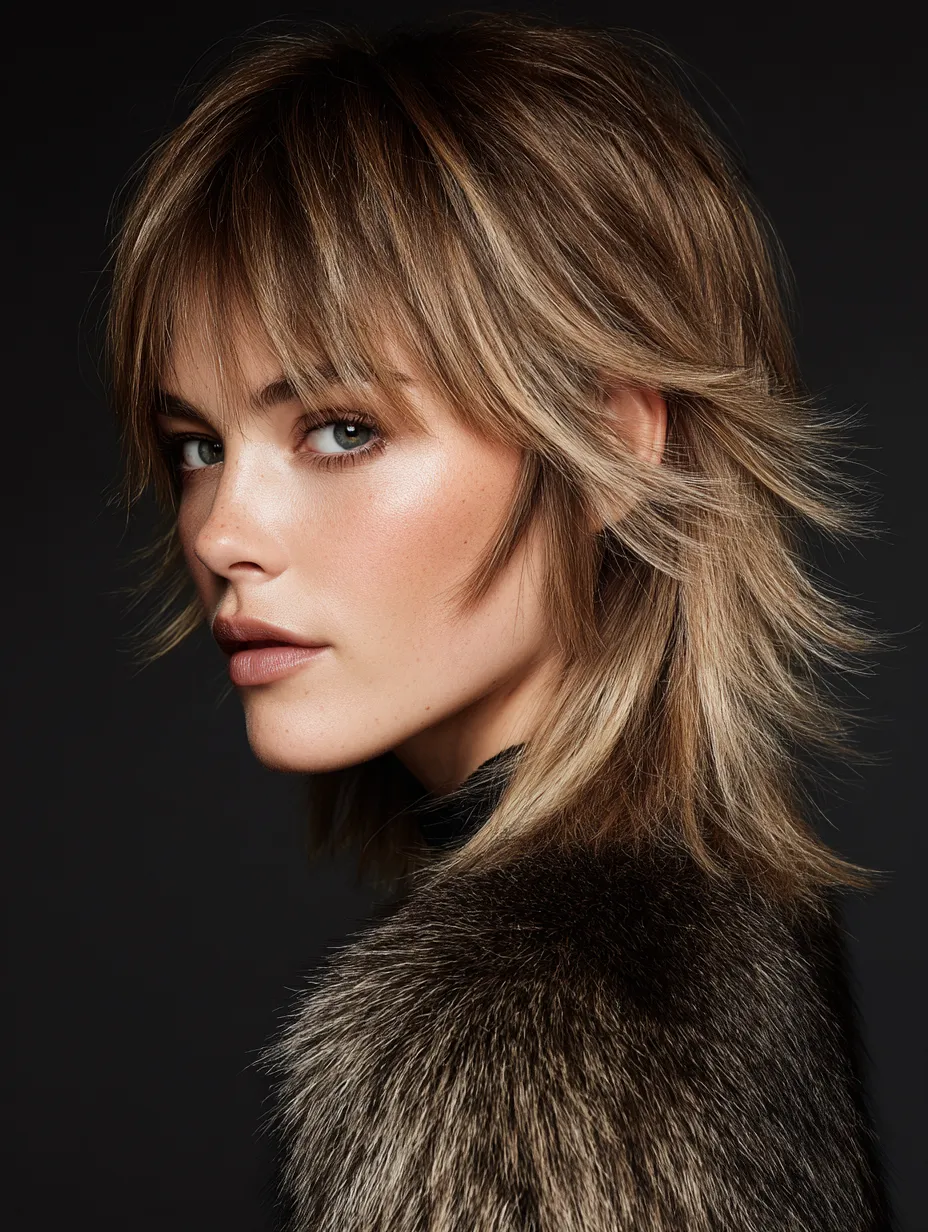
Long hair is where the shag pulls ahead. Slide-cutting removes internal bulk while the perimeter stays long, so you keep the length you have worked to grow.
The shag also handles updos well, since the shorter layers fall loose around the face. A large barrel curling iron, wrapped loosely with the ends left straight, amplifies the movement without a full restyle.
Care is the trade-off. Dusting every eight to ten weeks keeps the tips crisp, and weekly moisture masks plus bond-repairing serums protect the ends the cut depends on.


The mistake that sends people to the wrong cut
The most common error is choosing by name on the salon board instead of by hair texture. Picture someone with thick, wavy hair who asks for a long shag and expects the same weight removal used on straight, long hair.
On thick wavy hair, that approach can flatten the wave at the crown and leave the layers heavy. That is exactly the problem the wolf cut is built to avoid. Bring photos of your own texture, not only the cut you saw online.

Final verdict on who should choose which
Choose the soft wolf cut if your hair is thick or wavy, you want crown volume, and you prefer to style at home with minimal fuss. It wins on texture and daily styling, which matters most for those hair types.
Choose the shag haircut if you want to keep long lengths, enjoy wearing updos, and can commit to salon dusting every eight to ten weeks. Neither cut wins across the board, so the right pick depends on whether texture or length matters more to you.