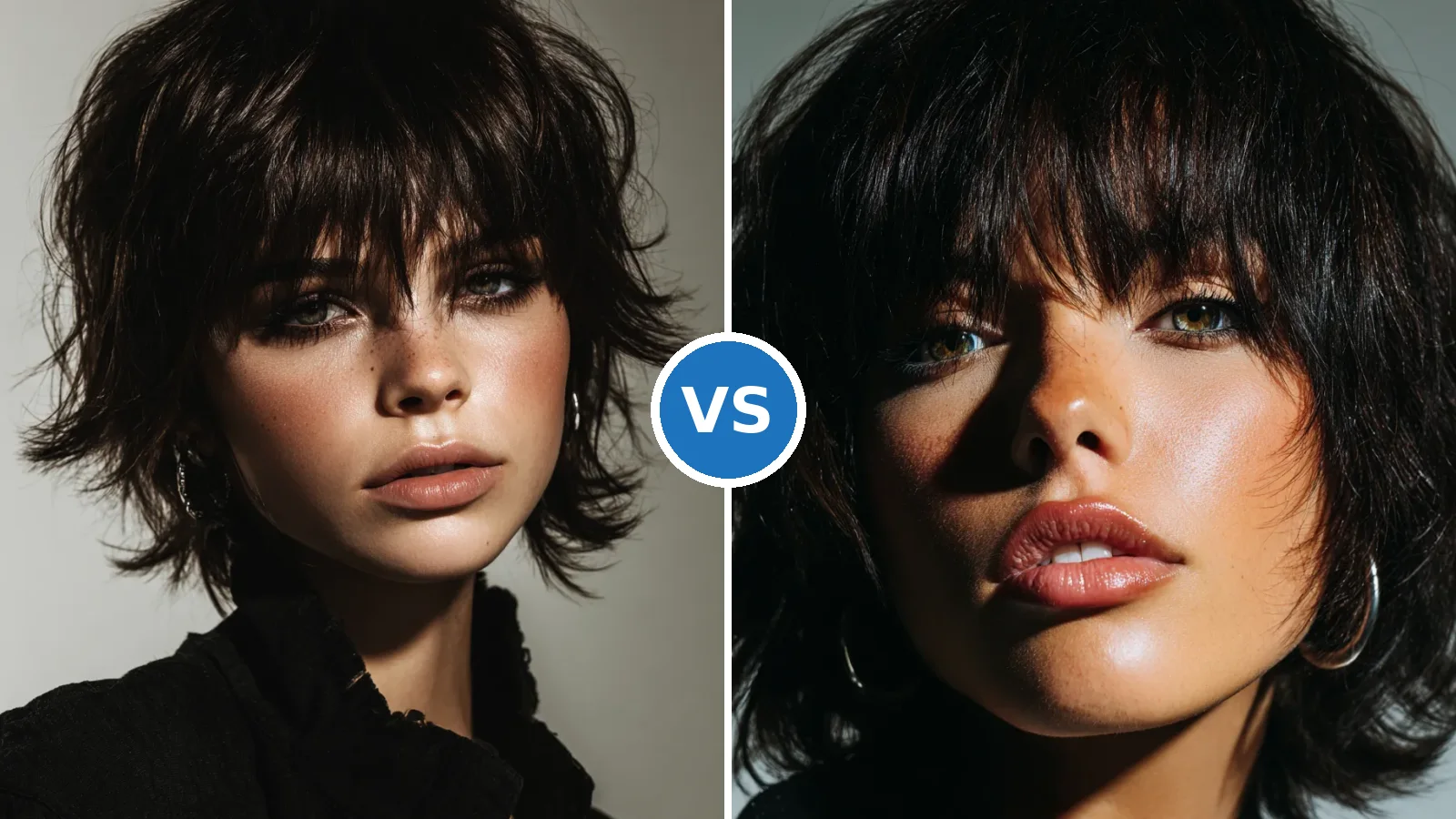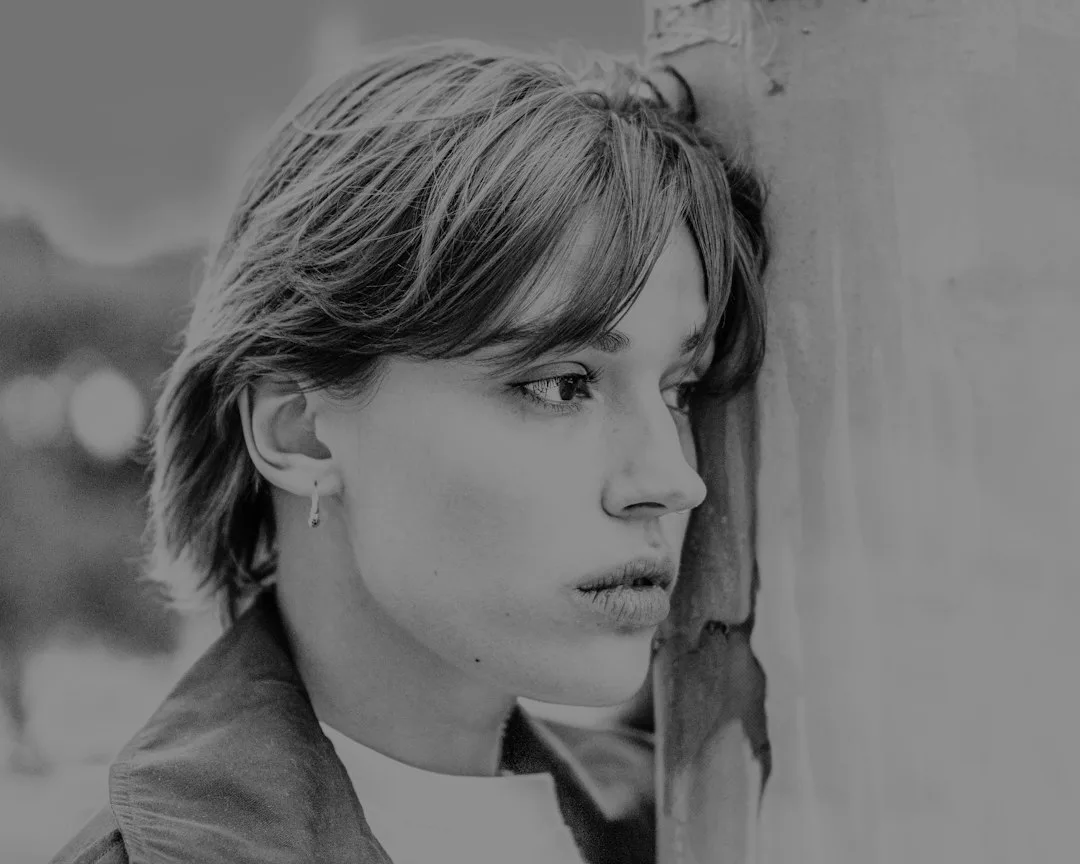
Walk into a salon this fall and you will hear the same request at the front desk: short on top, soft at the back, nothing that looks like a 1980s throwback. The soft mullet haircut has moved from fringe social feeds into real appointment books, and stylists are seeing it from clients who never wanted a mullet before. Here is why it is working, how it differs from the original, and what to tell your stylist so you leave with the shape you pictured.
Where the Mullet Came From and Why Softer Versions Won
Through the late 1970s and 1980s, the mullet was a hard, sharp contrast: short front, long back, and a clear dividing line. Those harsh edges are the reason many people swore it off for decades. Softer versions keep the length logic but remove the blunt separation.
What changed is the construction. Stylists now blend the back into the crown with long, feathered layers, so the length flows rather than sitting in a separate block. That is why the result reads as intentional instead of nostalgic.
Quick Tips
- Ask for the nape to be tapered, not chopped, so the back melts into the sides.
- Request face-framing pieces longer than the crown to keep the overall look soft.
- Bring two photos: one front view and one back view.
- Plan a trim every six to eight weeks to keep the outline crisp.
How a Soft Mullet Differs From the Classic Shape
The biggest difference is where the length lives. A classic mullet holds its bulk at the back with a defined step, while a soft version spreads length through the crown and sides. Salons often leave more length on top than people expect, then remove weight around the ears.
Texture matters just as much as length. Razored ends and point cutting create movement, so the hair does not hang in a solid curtain at the nape. That is also why fine hair responds well when the cut is finished dry.
| Feature | Soft Mullet | Classic Mullet |
|---|---|---|
| Back length | Tapered into the nape and flows into layers | Long block with a defined step |
| Crown | Textured layers that add lift | Often flat on top |
| Outline | Blended and soft around the ears | Sharp, visible line |
| Daily styling | Air dry or light blow dry | Heavy setting and product |
Which Face Shapes and Hair Types Suit This Soft Mullet Haircut
In humid cities such as Miami, where fine hair often falls flat by midday, soft layers give the crown lift without heavy product. Clients with fine or thinning hair often do well because the shorter top creates density at the crown. Curlier textures also work when the stylist cuts dry and respects the natural spring.
Round faces often benefit from the height at the crown, which lengthens the overall silhouette. Square jaws soften with face-framing pieces near the cheekbones. If your hair is very dense and straight, ask for more internal weight removal so the back does not look heavy.
The Mistake That Turns a Soft Mullet Into a Plain Mullet
The most common error is asking for a little off the back without naming the shape. Picture a client who says take a little off the back and nothing more. The stylist then has to guess how short to go, and guesses often land too short at the nape.
The result is a blunt, bulky neckline that looks unfinished rather than soft. Fix it by requesting tapering, a soft outline at the ears, and layers that start at the crown. Be specific. Describe the finish too, saying airy and textured instead of shorter.
Styling Tools and Products That Keep the Shape Soft
The Dyson Airwrap uses Coanda airflow to wrap hair around a barrel, which helps lift the crown without a traditional round brush. A Drybar round brush blow dryer works well for controlled volume at the roots. Both suit a soft mullet, though the Airwrap is a bigger investment and replaces a stack of separate tools.
For products, Olaplex No.3 Hair Perfector is a bond-building treatment you can use weekly, which helps layered ends look less frayed. Pair it with a light texturizing spray at the mid-lengths rather than the roots, so the crown stays soft. Skip heavy pomades, which weigh down the nape.
Booking the Appointment and Keeping the Shape Between Cuts
Bring your photos and state how much length you want to keep at the back. Ask the stylist to show you the nape from behind before the cape comes off. Expect the consultation to take a few extra minutes, which is worth it for a cut this specific.
Trim every six to eight weeks to keep the outline crisp, since the shape loses definition as the layers grow out. Between appointments, a dry shampoo at the roots helps the crown hold its lift. For reference shapes before you book, browse 10+ Trendy Short Black Hairstyles for a Bold Look and Short Black Hairstyles: 11 Cuts That Hold Shape All Day.