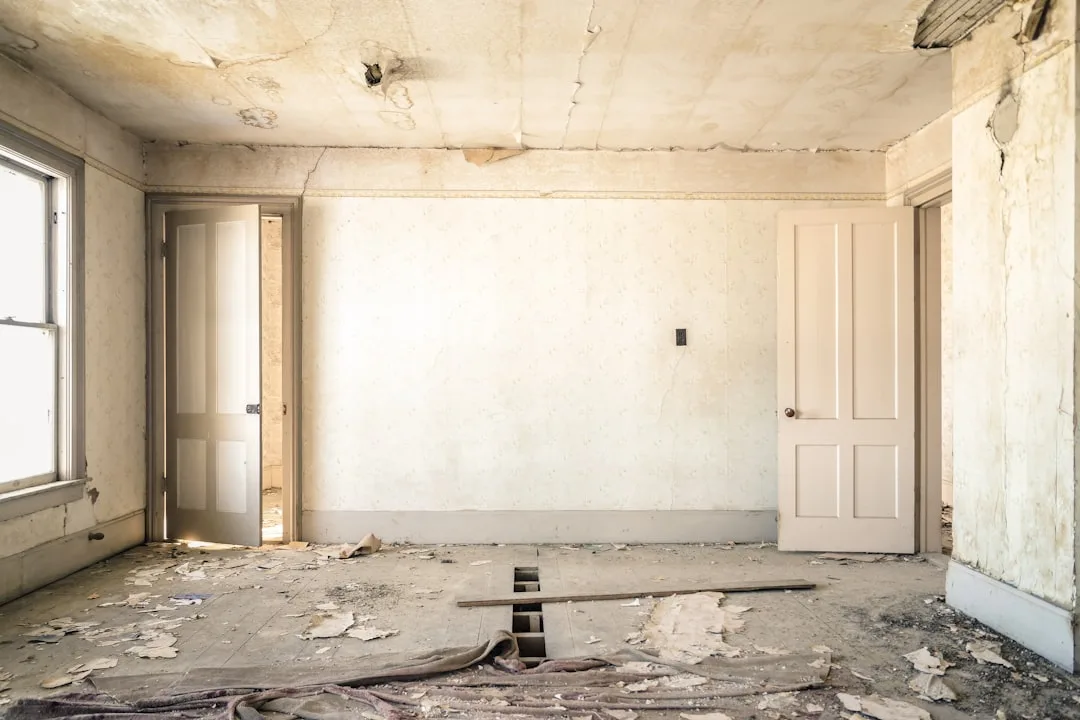

Picture a buyer who offers above asking, strikes the home inspection contingency to win the house, and learns about a cracked foundation wall three weeks after closing. Stories like this are why inspection contingency waivers are drawing fresh attention in competitive offers this fall. The trade-off is simple to describe and harder to live with, so it is worth understanding before you sign anything.
What the Inspection Contingency Actually Protects
An inspection contingency gives a buyer a fixed window after going under contract to hire a licensed inspector and review the property’s condition. If the report reveals serious problems, the buyer can ask the seller for repairs or a price reduction, or walk away and keep the earnest money deposit. That right is written into standard purchase agreements, and it is the buyer’s main lever once the offer is accepted.
Quick Tips
- Confirm the exact inspection deadline in the contract before you submit any offer.
- Book a pre-offer inspection on any home you would bid on without a contingency.
- Ask your agent how much of your earnest money is at risk if you walk away after a waiver.
- Set aside a repair reserve that matches what you would have negotiated for.
The window is set by the contract itself, so the length varies by region and by the terms negotiated. Many agreements run about a week or two, though local custom and the buyer’s own offer language both matter. Read the exact deadline before you write a single offer, because missing it can quietly convert your contingency into a waiver.
Why Buyers Are Dropping It Again
Days on market is the number many buyers now check first. Listing platforms such as Zillow and Redfin publish those figures, and a home that has sat for weeks often draws less competition than one that sold within days. Sellers who see a clean, fast offer tend to lean toward it, even at a similar price.
Waiving the contingency signals confidence and removes a deadline that sellers dislike. Many buyers in bidding situations treat it as the one concession they can offer without changing the price. Agents often send these offers through DocuSign or a similar e-signature platform, which compresses the timeline from offer to signed contract.
| Offer Term | With Inspection Contingency | With Waiver |
|---|---|---|
| Inspection window | Set by contract, often about a week or two | None after signing |
| Repair leverage | Can request repairs or credits | Little once the contract is signed |
| Earnest money | Refundable if you walk within the window | At risk if you back out over defects |
| Offer appeal | Weaker in bidding wars | Stronger, especially with cash buyers |
| Surprise costs | Shared through negotiation | Paid entirely by the buyer |
Interest rate conditions also play a role, since buyers who rely on tight financing have less room to absorb a surprise repair bill. A waiver can look like a shortcut to a sale, yet it moves the financial risk to the person least able to see it coming. Sellers notice this, and the strongest offers often combine price, speed, and a clear plan for the unknowns.
What a Waiver Changes in Your Budget
A waiver does not make a house cheaper to run; it moves the risk of hidden defects from the seller to you. Roof age, foundation movement, sewer lines, and electrical panels are the usual surprises. Any repair you discover after closing comes out of your pocket.
Roof age matters more than many buyers expect. A roof near the end of its service life gives you a negotiating point that disappears once you own the house. Without an inspection, that point never gets raised at all.
Many buyers who waive set aside a repair reserve before they bid. The reserve should match what you would otherwise have asked the seller to cover. Without that cushion, a waiver is a bet you cannot afford to lose.
The Failure Mode Buyers Keep Repeating
The most common mistake is waiving the contingency on a home whose condition you have never actually checked. Consider a buyer who waived inspection on a 1950s ranch house with an aging clay sewer line, skipped a walkthrough with a qualified inspector, and assumed the seller’s disclosure covered everything. Three months later, a backed-up drain turned into a line replacement that consumed the emergency fund meant for furniture.
Do not waive based on listing photos or the seller’s verbal assurances. Get a pre-offer inspection on the properties you truly want, even if it costs a modest fee, and let the report decide whether a waiver is wise. If you cannot get one, do not waive on a home with visible structural or moisture issues.
Protecting Yourself Without the Contingency
Waiving the inspection does not mean waiving everything. A title search, a closing review, and a careful reading of the seller’s disclosure form still do real work. Local attorneys and title agents can flag liens or easements that a home inspector would never see.
If you are considering a waiver, talk with a professional before you submit. Our piece on 5 Reasons to Know a Real Estate Attorney Even When Not Selling Your Home explains when legal review earns its fee. For a broader checklist, Selecting Your Ideal Real Estate Home covers the questions to ask before you narrow your list.
When a Waiver Makes Sense
A waiver is most defensible on a newer home with a recent inspection report and a seller who has shared maintenance records. It also suits buyers with cash reserves who already understand the home’s major systems. The key is that the decision rests on information, not on the pressure of a bidding war.
Ask your agent to model the worst realistic outcome before you decide. If the repairs you fear would strain your finances, keep the contingency and accept that your offer may lose. Winning a house you cannot maintain is a poor result.
Check whether your state’s standard purchase form allows a partial waiver, such as dropping the inspection while keeping the financing contingency. Partial terms can give sellers a cleaner offer while preserving one of your exit routes. Read every line before you initial it.