In the second half of 2026, a sharp reversal is reshaping suburban real estate across the U.S. Homes in walkable suburban neighborhoods—those with pedestrian access to shops, restaurants, schools, and transit—are appreciating faster than their car-dependent counterparts. The suburban walkability premium, once a niche preference, is now a measurable market force, with some properties commanding 8–12% price premiums simply because residents can walk to coffee shops, pharmacies, and transit hubs without a car. This trend marks a seismic shift from the 2010s, when suburban sprawl was synonymous with affordability and homeownership.
How Walk Scores Became a Pricing Driver
Walk Score, a Seattle-based metric that rates neighborhoods on a 0–100 scale based on walkability to amenities, has quietly become as influential as school district ratings or zoning type in listing descriptions. Properties with Walk Scores above 70 are now outpacing those below 50 by an average of 10–15% in price growth year-over-year. Redfin’s data shows that in June 2026, homes in mixed-use suburban villages—where retail, residential, and office space coexist—are selling within 18 days on average, compared to 34 days for isolated suburban developments.
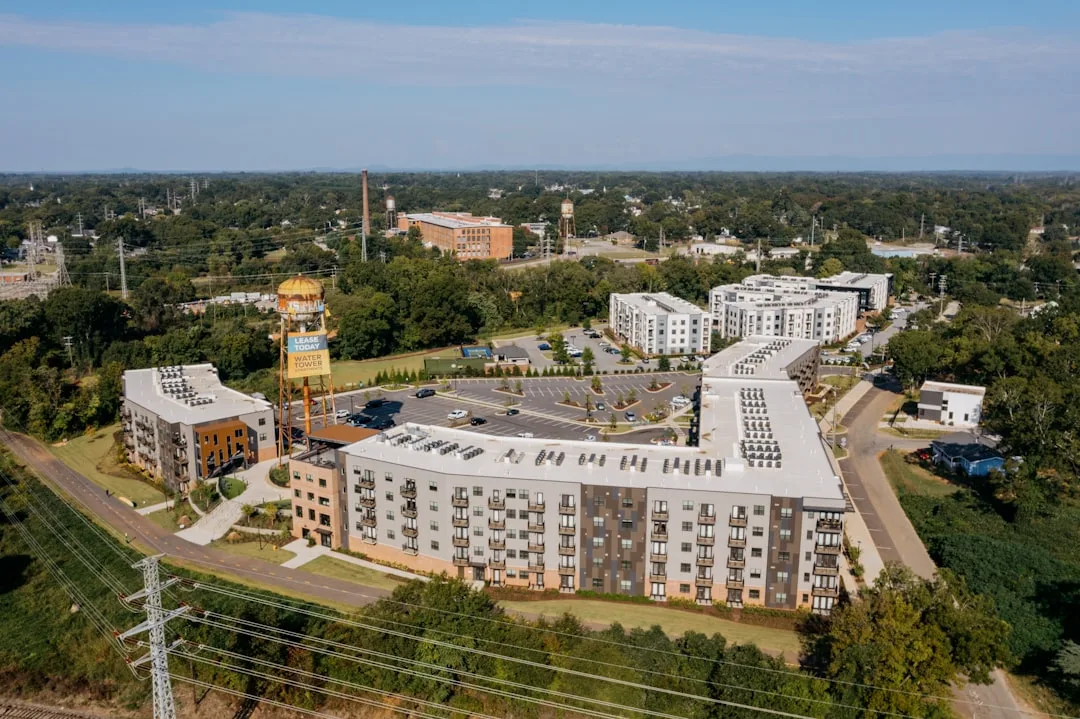
Developers like Lennar and D.R. Horton have shifted their 2026 project pipelines accordingly. Rather than building cul-de-sac-heavy subdivisions on the urban fringe, both firms are now prioritizing infill projects in maturing suburbs with existing walkable cores. This isn’t about luxury; it’s about practicality. Two-car households are now the exception, not the rule, in suburban buyer psychology.
Quick Tips
- Check Walk Score before making an offer—it directly correlates to resale value in 2026
- Prioritize neighborhoods within half a mile of grocery stores, pharmacies, or transit stops
- Ask your agent for 3-year price trend data for walkable vs. car-dependent neighborhoods in your region
- Factor in future walkability: planned transit expansions or new mixed-use developments can unlock premiums before they’re obvious
The Transit-Adjacent Property Boom
Public transit, once ignored in suburban markets, is now a primary valuation lever. Properties within a quarter-mile of commuter rail, bus rapid transit, or light rail stations are seeing the steepest appreciation curves. In the Philadelphia suburbs, homes near SEPTA stations jumped 16% in value between January and June 2026, while non-transit-adjacent properties in the same zip codes rose only 4%.
This pattern repeats in Denver, Portland, Austin, and the Twin Cities. The Shoeline Light Rail extension near Seattle has triggered a secondary wave of suburban development concentrated along station areas. Mixed-use buildings—combining apartments, office space, and ground-floor retail—are clustered within walking distance of these hubs, a stark contrast to the bedroom-community model that dominated the 1990s and 2000s.
| Neighborhood Type | Average Price Gain (Jan–Jun 2026) | Days on Market |
|---|---|---|
| Walkable + Transit-Adjacent | +12–16% | 16–22 days |
| Walkable, No Transit | +7–11% | 24–32 days |
| Car-Dependent, Suburban | +1–3% | 38–52 days |
| Isolated New Development | −2–0% | 60+ days |
The Mistaken Buyer Trap: Thinking Scale Beats Location
The #1 error first-time suburban buyers make in 2026 is prioritizing lot size and square footage over walkability and location scores. A buyer will pay $520,000 for a 4-bedroom house on a quarter-acre cul-de-sac three miles from the nearest retail, then resent it when their teenage children can’t walk anywhere and when resale interest evaporates two years later. Meanwhile, a comparable home in the same school district—but on a smaller lot, 15 minutes on foot from downtown or a transit station—appreciates steadily and sells in under three weeks.
The psychology behind this error is rooted in the suburban mythology of the previous two decades: more space = better investment. That equation is broken in 2026. Younger buyers (ages 28–42) are the primary movers, and their priority hierarchy now reads: walkability, transit access, proximity to services, then square footage. When you’re choosing between a 2,800-square-foot house on an isolated lot or a 2,200-square-foot townhome on a tree-lined main street with shops and a coffee roaster on the same block, the townhome wins in both lifestyle satisfaction and long-term equity.
What Builders Are Learning
The Legal and Financial Safeguards to Consider
As the real estate market shifts toward denser, mixed-use developments, the legal landscape becomes more complex. Properties in walkable neighborhoods often involve shared infrastructure, homeowner associations, and municipal zoning regulations that differ substantially from traditional suburban plots. Understanding these nuances before purchasing is essential. Working with a knowledgeable real estate professional can help you navigate easements, density restrictions, and long-term development plans that might affect your property’s future value. Having access to reliable legal guidance is increasingly important—not only during a transaction, but as an ongoing resource for property ownership. 5 Reasons to Know a Real Estate Attorney Even When Not Selling Your Home outlines why maintaining this relationship throughout your ownership journey can protect your interests and clarify obligations you may not have anticipated.
Financial considerations also extend beyond the mortgage rate. Mixed-use and infill properties may have different tax assessments, special improvement districts, or planned capital contributions for neighborhood amenities. Some developments fund ongoing streetscape maintenance, transit improvements, or community facilities through assessments. Knowing these costs upfront—and whether they align with your budget and values—is crucial to long-term satisfaction. When evaluating a property in a walkable neighborhood, account for these layered financial realities alongside traditional metrics like price-to-rent ratios and comparable sales.
Making Your Selection in a Changing Market
The shift toward walkability and density is reshaping which neighborhoods and property types hold their value. Rather than chasing the largest footprint, today’s savvy buyers are prioritizing location characteristics that support both lifestyle and equity. Proximity to employment hubs, established transit corridors, and vibrant street-level retail are becoming the reliable value anchors—not distance from urban centers. Essential Tips for Selecting Your Ideal Real Estate Home provides a framework for evaluating properties beyond square footage, encouraging you to assess walkability scores, neighborhood trajectory, and long-term demographic trends alongside traditional inspection and appraisal metrics.
The 2026 real estate environment rewards intentionality. Whether you’re a first-time buyer, a young family, or someone seeking a lower-maintenance lifestyle, take time to clarify what proximity, access, and community actually mean to you—and then verify those features exist in any neighborhood you’re considering. The builders, lenders, and city planners are all adapting to this new reality. By aligning your purchase decision with these broader market shifts, you position yourself to build equity in communities that will only become more desirable as walkability continues to shape residential demand.