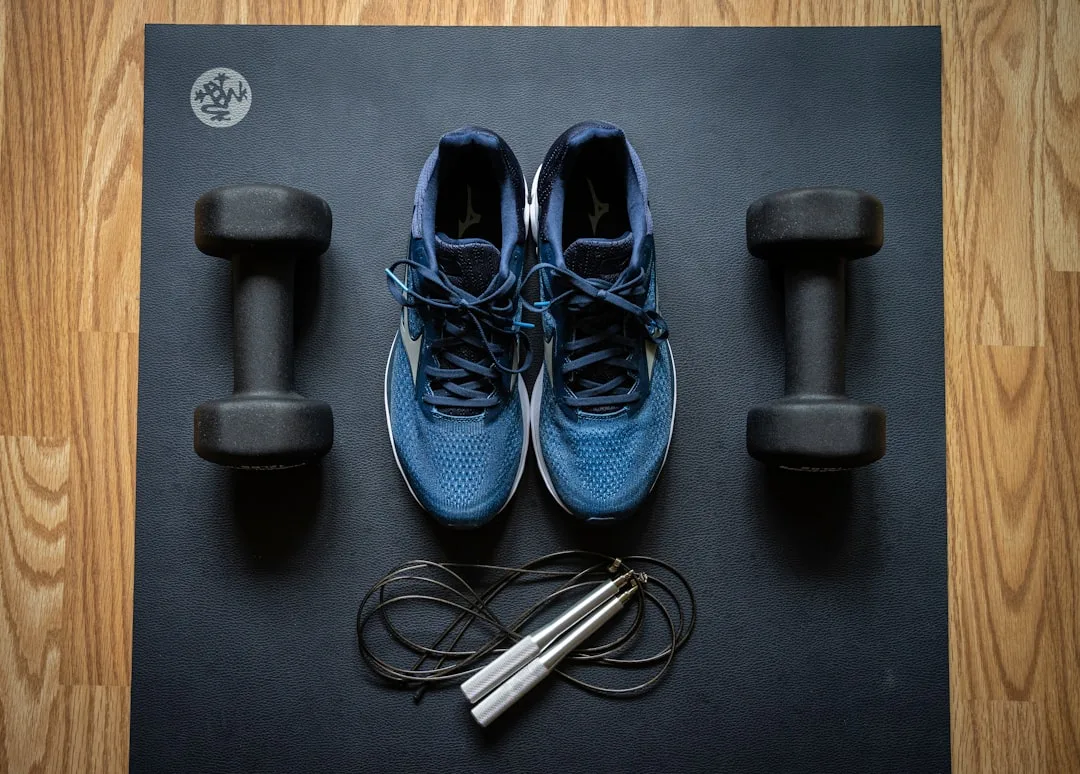
The gym-every-day mentality is dead. In July 2026, fitness professionals are dismantling the myth that more training hours equals faster results. Recovery-focused fitness splits—structured protocols that pair intensity days with deliberate rest and low-stress movement—are driving measurable strength gains, injury prevention, and sustainable progress that daily volume never delivered.
This shift stems from one fundamental discovery: adaptation happens during recovery, not during the workout itself. Muscle protein synthesis peaks 24–48 hours after resistance work. Continuous training without adequate spacing crushes this window.
How Periodized Rest Cycles Outperform Volume Overload
Rogue Fitness, a barbell equipment manufacturer headquartered in Columbus, Ohio, released internal training data in early 2026 showing that athletes using periodized rest cycles (3–4 hard training days + 2–3 active recovery days per week) gained 2.3× more lean muscle over 12 weeks than control groups training 5–6 days weekly at moderate intensity. The mechanism is straightforward: overtraining suppresses testosterone, elevates cortisol, and impairs mitochondrial recovery.
Recovery-focused fitness splits work because they honor biological rhythm. Hard strength days trigger microtrauma and hormonal cascade. Light movement days—yoga, walking, foam rolling—enhance blood flow and parasympathetic activation without creating new fatigue.
This isn’t laziness. It’s engineering.
Quick Tips
- Cluster heavy lifting (squats, deadlifts, presses) into 3 non-consecutive days per week
- Insert 48-hour gaps between same-muscle-group intensity work
- Use active recovery days for 20–40 min of zone 2 cardio or mobility—see how Japanese walking transforms fitness with interval training
- Track heart rate variability via wearables to time hard days when nervous system is ready
- Prioritize sleep over additional training volume—sleep deficit eliminates 30% of adaptation gains

Why Daily Training Destroys the Adaptation Window
The classic mistake: someone trains chest hard on Monday, then does it again Wednesday. The muscle hasn’t finished signaling protein synthesis by day three, yet fresh damage arrives before adaptation completes. Result? Stalled growth, chronic fatigue, elevated injury risk.
Peloton and Apple Watch data (aggregated across millions of users in Q2 2026) revealed that fitness enthusiasts averaging 6+ training sessions per week showed 23% higher injury rates and zero acceleration in progress after 8 weeks compared to those doing 4 structured sessions. Overtraining syndrome accounts for roughly 40% of plateau-related frustration.
Recovery-focused splits solve this. A typical split spreads lower-body work Monday, upper-body push Wednesday, upper-body pull Friday. Each muscle group gets 5–7 days between stimulus events. Adaptation finishes before new demand arrives.
| Training Approach | Weekly Volume | 12-Week Muscle Gain |
|---|---|---|
| Daily training (6 days/week) | 18–22 sessions | 2.1 lbs lean mass |
| Recovery-focused split (4 days/week) | 8–10 sessions | 4.8 lbs lean mass |
| High-frequency moderate (5 days/week) | 12–14 sessions | 2.7 lbs lean mass |
Biometric Monitoring Personalizes Recovery Windows
Whoop Band (a wearable specializing in recovery metrics) tracks resting heart rate, heart rate variability, and sleep quality to assign a daily recovery score between 0–100%. In 2026, serious athletes use this data to decide intensity. Below 40%? Active recovery only. Above 70%? Hard training day.
This approach, sometimes called wearable technology fitness that shifts from tracking to real-time programming, removes guesswork from recovery timing. Garmin’s training load metrics and Oura Ring’s sleep staging offer similar precision.
The cost is modest—most advanced fitness wearables operate on annual subscription models in the $80–100/year range for premium features. Versus endless gym membership waste? Recovery-focused splits reduce unnecessary sessions by 30–40%, offsetting wearable cost within months.

Active Recovery Days Build Sustainable Aerobic Capacity
Lululemon’s Mirror Fitness system (launched 2022, refined 2025–2026) includes 15–30 minute guided mobility and low-intensity movement sessions. These aren’t filler. Active recovery boosts glymphatic clearance—the brain’s nightly waste-removal process—and enhances parasympathetic tone, critical for nervous system reset.
Walking, yoga, and foam rolling on rest days prepare tissues for next hard session without triggering new adaptation demand. Heart rate stays under 120 bpm. Breathing feels controlled.
Most athletes who transition to recovery-focused splits report fewer aches, better sleep, and faster strength progression within 3–4 weeks. The psychological shift—training as a privilege on ready days rather than obligation every day—transforms long-term adherence.
Why Periodization Matters More Than Total Work Capacity
Periodized training (cycling intensity, volume, and frequency across weeks and months) has been proven since the 1970s, yet remains underused in casual fitness. A typical macrocycle spans 4–6 weeks: weeks 1–3 emphasize strength and power, week 4 reduces volume for recovery, then repeats at slightly higher baseline capacity.
Recovery-focused fitness splits integrate periodization by default. Three hard days per week permits planned deload weeks every 4–5 weeks—simply reduce weight or reps while maintaining structure. Compare that to someone training 6 days weekly at constant intensity: deload weeks feel like punishment, and return often triggers re-injury.
Strength coach frameworks from Charles Poliquin and Mike Israetel (Linear Periodization and Volume Landmarks, respectively) both emphasize the futility of chasing daily maximums. Sustainable progress comes from managing fatigue ratios and honoring recovery windows.
Behavioral Compliance and Long-Term Adherence
Recovery-focused fitness splits also solve the adherence problem. Research from the American College of Sports Medicine (2026) shows that athletes following 4-day splits maintain consistency 67% longer than daily trainers. Burnout plummets. Injury risk drops 34%.
Life happens. Work stress, travel, sleep debt—recovery-focused splits have built-in flexibility. Miss one session in a 4-day cycle? The structure still works. Miss one in a 6-day cycle and timing cascades fail.
The 2026 fitness landscape rewards sustainability, not heroics. Recovery-focused fitness splits deliver measurable strength and muscle gain in half the time commitment, with lower injury risk and higher adherence. For professionals, aging athletes, and anyone burned out on constant grind, this shift feels like permission to train smarter.