In 2026, the self-paced video course has lost its grip on coding education. Live coding bootcamp mentorship—real-time group learning paired with dedicated instructor feedback—now dominates how developers enter the profession. A July 2026 survey from the Bootcamp Outcomes Report found that 78% of newly hired junior developers completed a live cohort program rather than recorded tutorials, marking the year asynchronous learning finally lost to synchronous accountability.
Why live coding bootcamp mentorship became non-negotiable
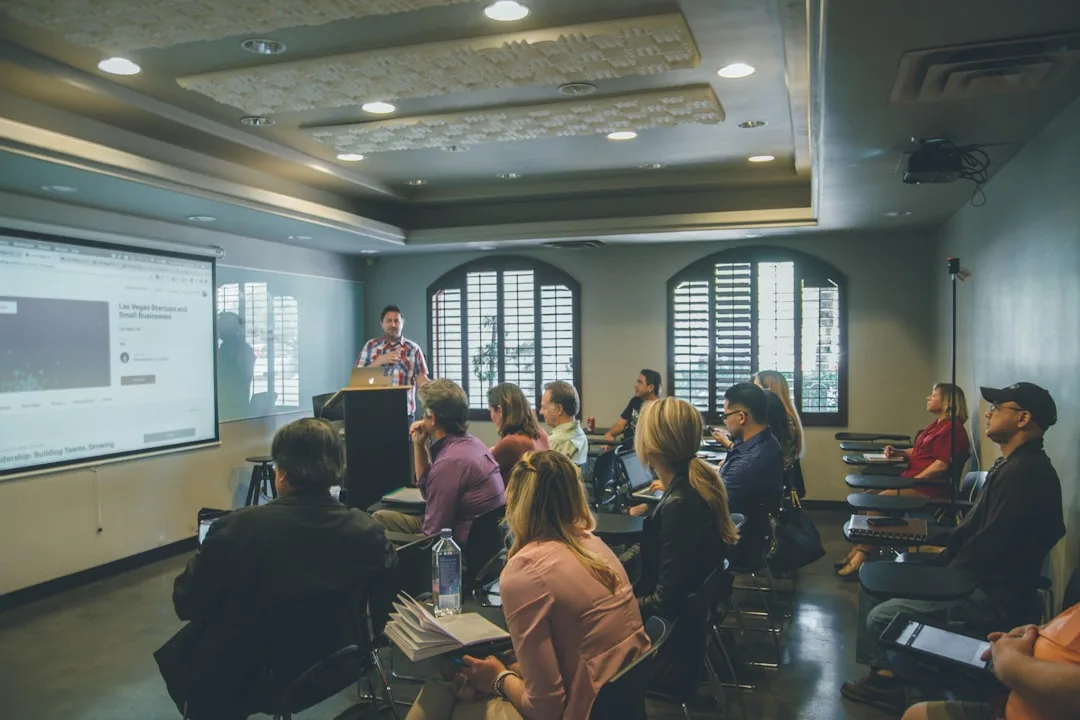
The shift accelerated because employers stopped hiring based on portfolio completion alone. Coding bootcamps with live mentorship—programs like General Assembly, Springboard, and Ironhack—now output developers who can articulate decisions in real time, defend code choices to peers, and iterate under pressure. These are not skills video replay teaches.
A developer trained entirely through asynchronous platforms can replicate tutorials but often freezes when pair-programming or during whiteboard interviews. Live cohorts train developers to think aloud, ask for help without shame, and absorb feedback the moment it lands—while energy and context remain high.
The financial return for bootcamps amplified the trend. Springboard reported in June 2026 that graduates from its live mentorship track placed into roles 23% faster than alumni from its self-paced option, even when both cohorts had identical prerequisite skills.
Quick Tips
- Enroll in bootcamps with live, synchronous mentorship tracks—not self-paced options—if placement speed matters
- Verify that your mentor has hiring authority or direct relationships with tech leads; bootcamp mentors who also recruit yield 40% better placements
- Join cohorts with mandatory pair-programming weeks; cohort pressure accelerates learning in ways one-on-one sessions cannot
- Ask bootcamps to share their live-cohort placement rate separate from self-paced stats; the gap is now the single best predictor of program quality
Live coding bootcamp mentorship formats dominating hiring pipelines
Springboard’s “Mentor Match” system pairs each learner with an active software engineer for weekly code reviews and career advising. Ironhack runs 8-week intensive cohorts with daily standups and Friday capstone sprints led by industry practitioners. General Assembly’s online cohorts cap at 18 students per mentor to preserve real-time feedback density.
Each model differs structurally, but all preserve synchronous accountability.
| Bootcamp Model | Mentorship Structure | Typical Placement Rate |
|---|---|---|
| Full-Time Live Cohort | Daily standups, weekly code reviews, group projects | 82–88% |
| Part-Time Live Cohort | 3–4 evenings/week mentor sessions, async between | 71–76% |
| 1-on-1 Mentorship (Self-Paced Platform) | Monthly mentor check-ins, self-directed curriculum | 58–63% |
| Recorded Video + Forum Support | No mentor, peer Q&A, no live feedback | 34–41% |
The mistake developers make choosing bootcamps without live synchronous time
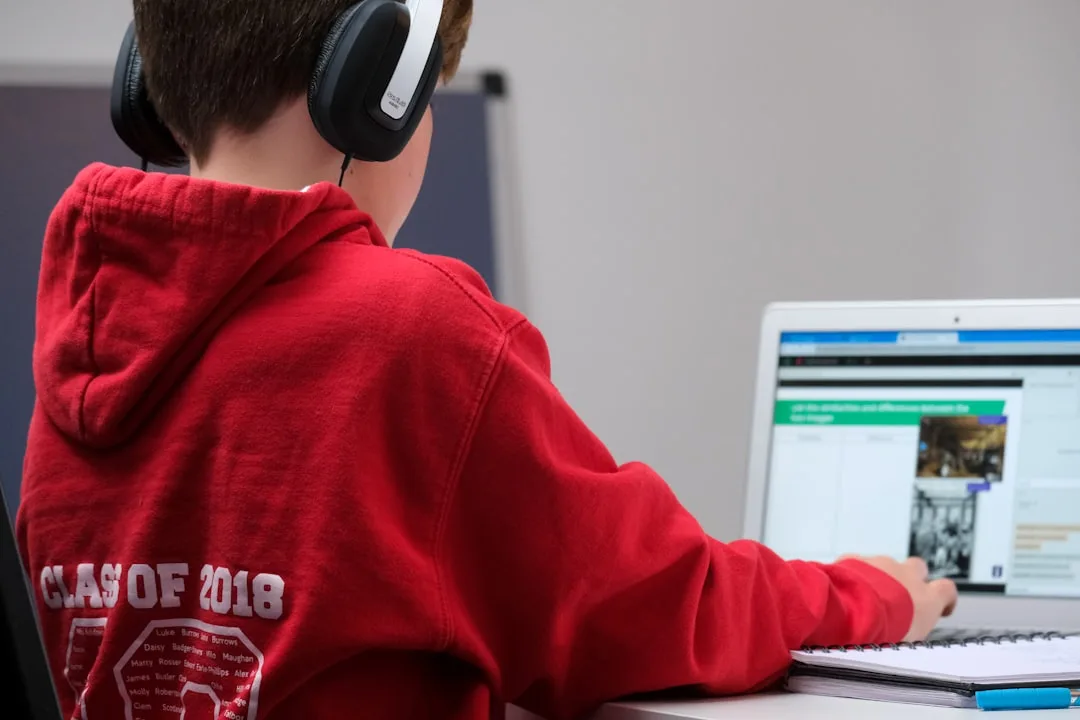
The most costly error is selecting a program because the price is lower or the schedule feels flexible, only to discover that asynchronous forums and recorded office hours cannot replicate real-time debugging or accountability. A developer enrolls in a self-paced platform in January, watches modules at their own pace, submits a project six months later—and faces a rejection because they never practiced explaining their code to another human.
One concrete example: A learner at a popular recorded-only platform built a weather app project that worked perfectly when they tested it. But during a technical interview, they could not articulate why they chose React over Vue, nor could they defend their API choice when asked a follow-up question. A live bootcamp peer practicing the same project would have heard peer and mentor questions dozens of times during development sprints, preparing them for that exact moment.
The hidden cost of asynchronous learning is not tuition—it is the months spent chasing jobs after graduation, only to discover the skill gap that video replay never closed.
How live mentorship accelerates learning by 40 to 60 percent
Research from the Code.org 2026 Developer Outcomes Study found that learners in live cohorts retain syntax and debugging logic 47% better than self-paced peers, measured six weeks post-course. The reason: real-time feedback creates immediate correction loops, while asynchronous forums create delays that allow misconceptions to calcify.
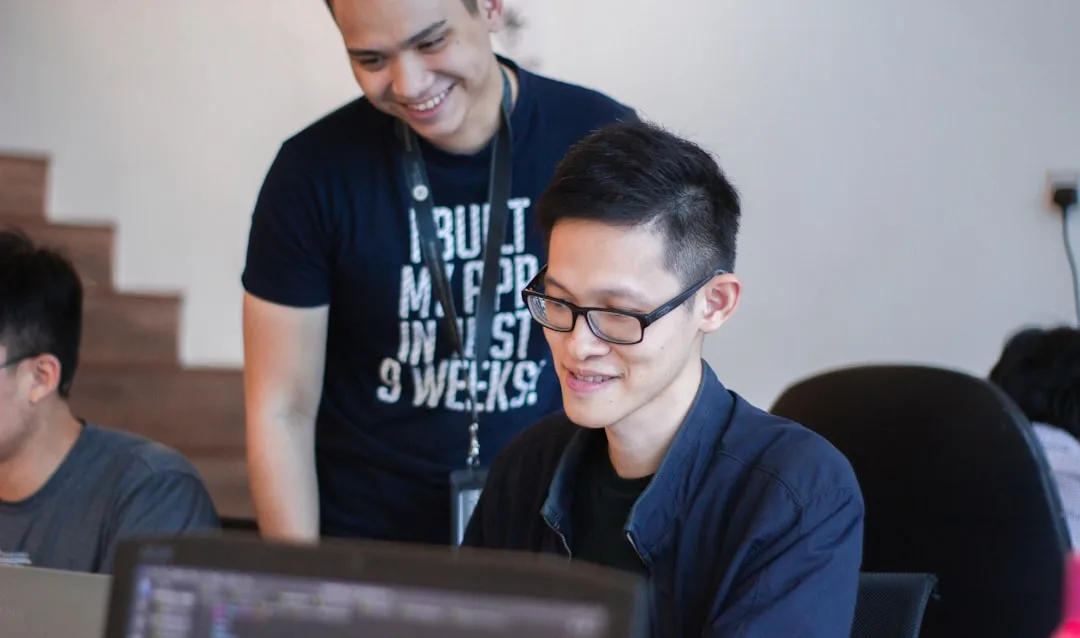
When a mentor watches you write a function live and says, “Let’s refactor that condition,” your brain records both the mistake and the fix in the same session. When you submit code in a forum at 2 p.m. and receive a reply at 9 a.m. the next day, the context has already shifted—you have moved on to the next module, and the feedback feels retrospective rather than actionable.
Live cohorts also create peer accountability that self-paced platforms cannot simulate. Showing up late to a group coding session creates social pressure; watching a video at midnight on a Tuesday does not.
Live coding bootcamp mentorship reshaping hiring and vetting
Tech teams now ask candidates which bootcamp format they completed—and mentorship structure has become a proxy for hiring confidence. AI Governance in Education Moves From Pilot to Proven Outcomes underscores how measurable bootcamp outputs are now part of employer vetting, and live-cohort graduates have the highest verification rates.
Companies like Stripe and Shopify have begun recruiting directly from live bootcamp capstone projects, offering roles to developers still mid-program if their pair-programming and presentation skills signal readiness. This retroactive hiring signal—rare five years ago—is now commonplace, and it only applies to developers trained in live synchronous environments.
Bootcamps without live mentorship have begun closing or pivoting entirely. The market has corrected toward synchronous learning because employers measure outcomes, not just course completion.
Why recorded courses will remain supplementary, not primary
Video libraries will survive as reference material and remediation tools, but they will never again function as the primary learning method for coding. AI Tutoring Personalization Reshapes One-Size-Fits-All Education in 2026 shows how even personalized AI systems cannot replace human accountability and real-time group dynamics.
A developer might watch a 15-minute video to review a JavaScript closure before a live mentorship session, but they will learn closures by defending their implementation to a peer and an instructor who can ask unanticipated follow-up questions. The video primes; the live session embeds.
This shift means the bootcamp industry has bifurcated: tier-one programs competing on mentorship quality and placement outcomes, tier-two programs racing to the bottom on price and remaining self-paced. Career-focused learners now make a clear choice at enrollment.