Why Oral Exams Are Replacing Take-Home Essays on Campus
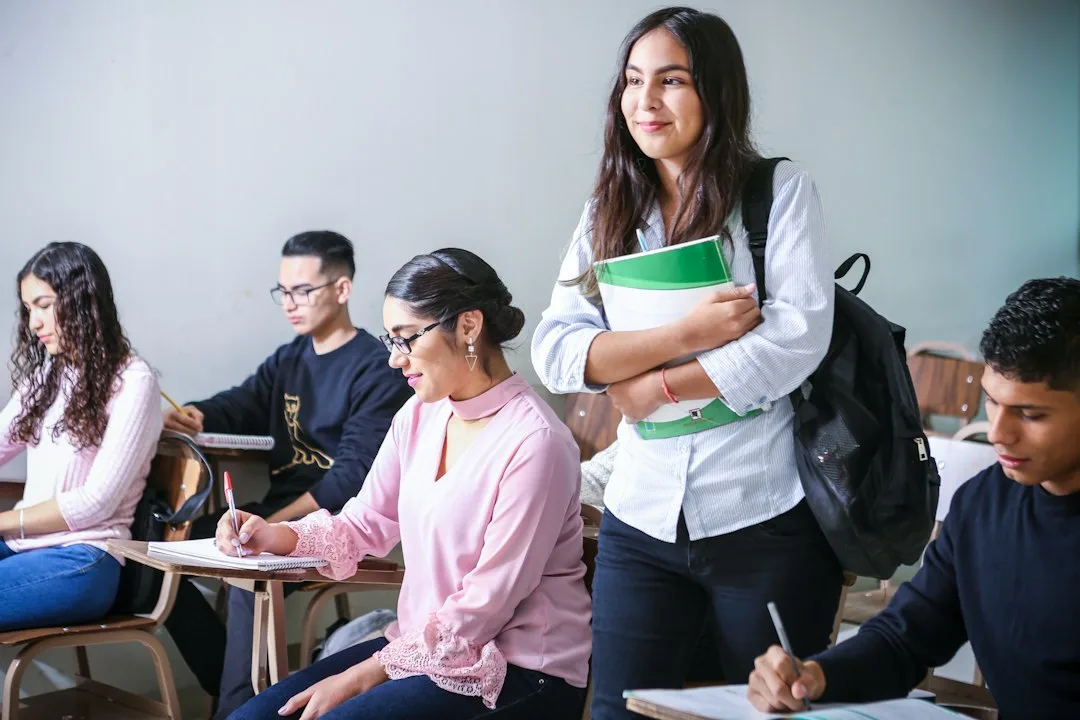
As AI makes take-home writing hard to verify, instructors are moving toward short spoken assessments. Here is how the format works, where it fails, and how to prepare.
333k+ Lifestyle & Design Ideas

As AI makes take-home writing hard to verify, instructors are moving toward short spoken assessments. Here is how the format works, where it fails, and how to prepare.

Voice conversation practice apps are giving adult language learners daily speaking reps that textbooks never offered. Here is why they are spreading and how to use them without wasting months.
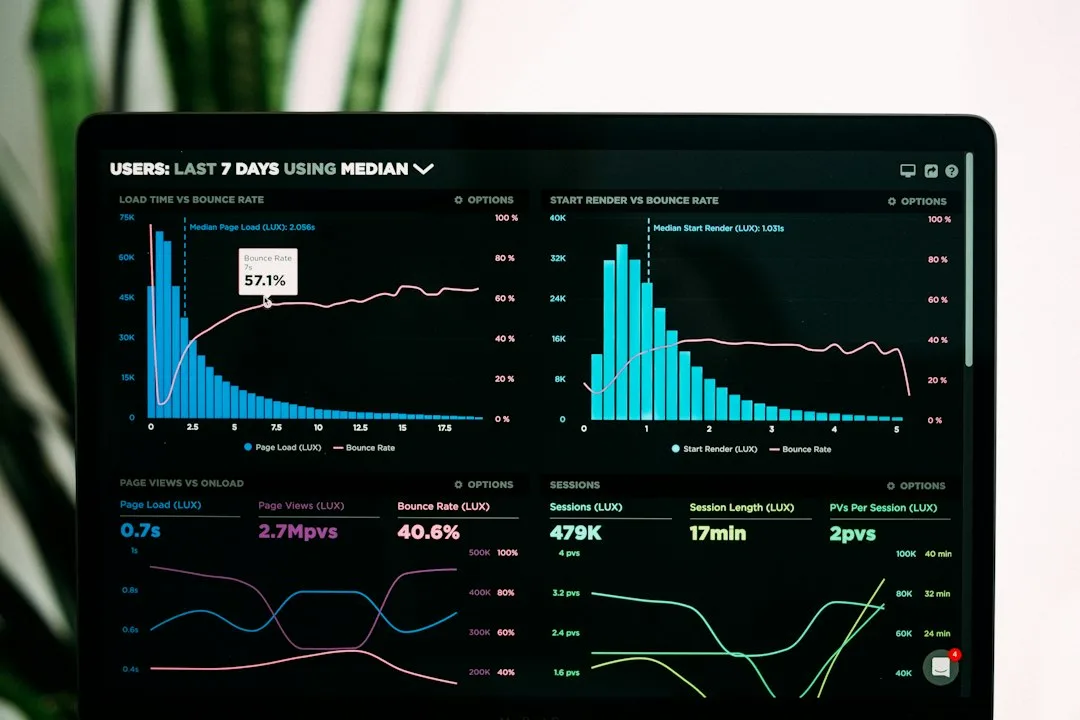
Learning experience platforms track the skills people apply at work rather than the courses they finish. Here is how HR teams can judge whether one is worth the switch.
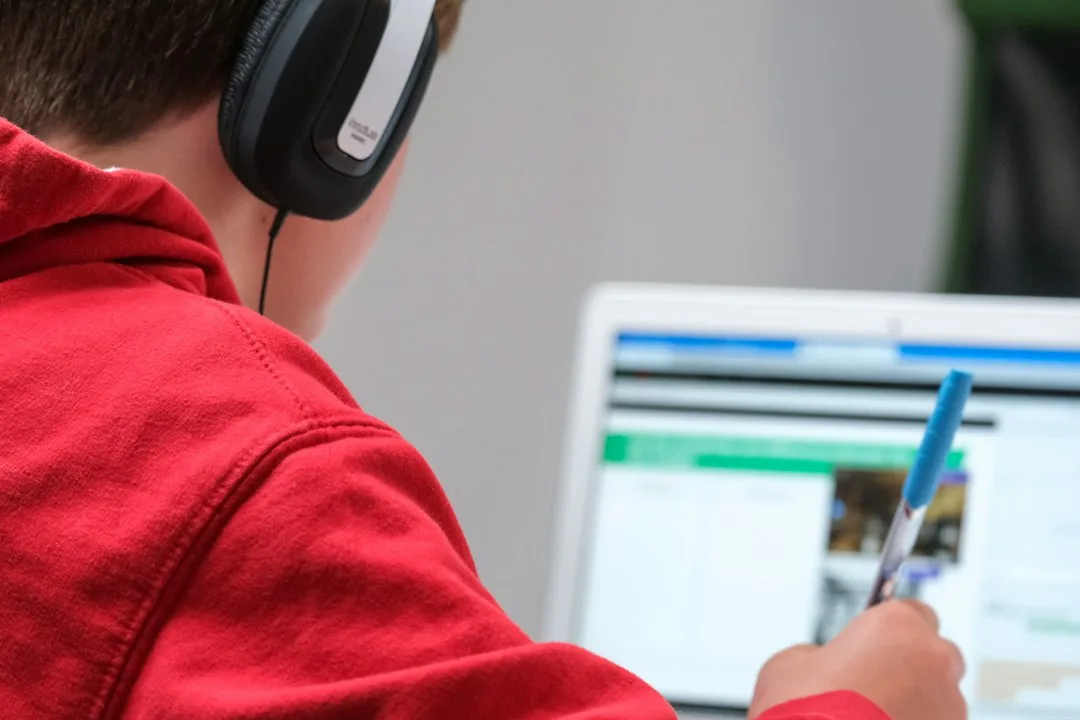
Online education platforms are abandoning one-size-fits-all structures in favor of neurodivergent learning design—breaking courses into sensory-aware modules, asynchronous timelines, and low-distraction interfaces. The shift isn’t just inclusive; it’s producing measurable gains in completion rates and skill mastery across all learner types.
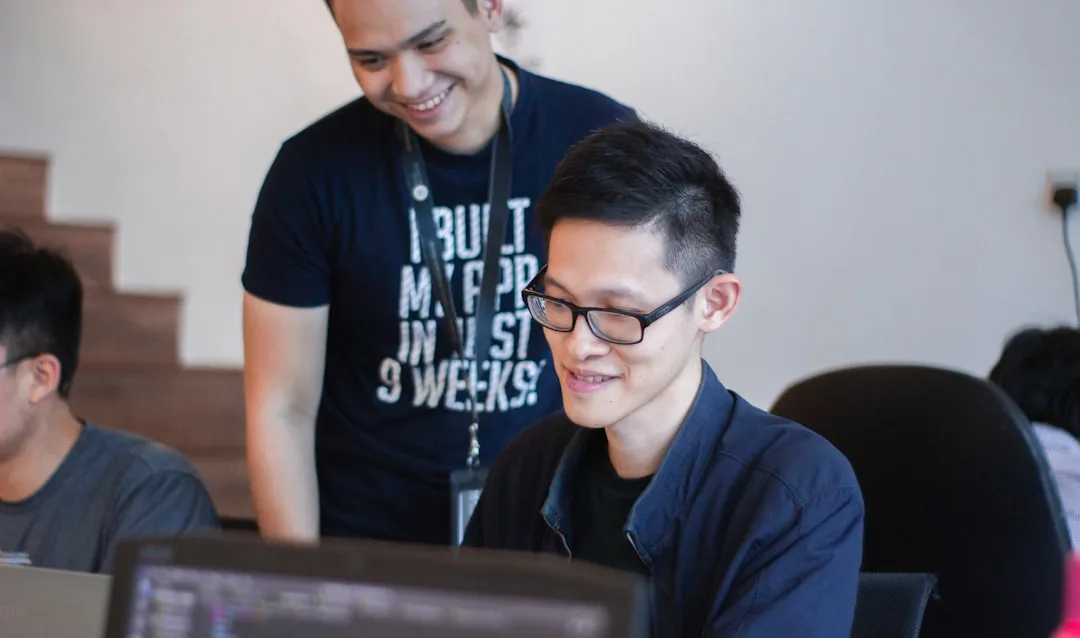
Live coding bootcamp mentorship is replacing passive video courses as the standard for developer hiring. Real-time feedback, instructor accountability, and peer collaboration are reshaping how professionals master programming at scale.

Employers in 2026 are moving past degrees to verify actual skills through blockchain-backed certification platforms. This shift means faster hiring, better role-fit matching, and genuine accountability for what workers claim they know.

Adaptive learning pathways detect individual knowledge gaps and adjust content in real time, replacing one-size-fits-all corporate training. This shift lets professionals master only what they actually need, faster.
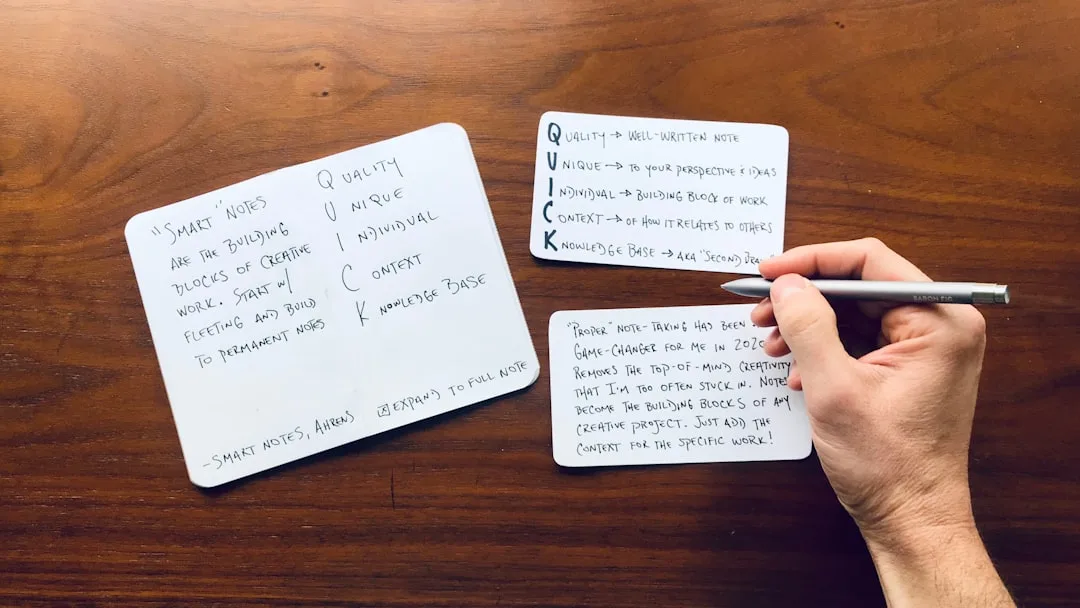
Spaced repetition learning software is reshaping corporate training by making knowledge stick. Professionals are ditching cramming for scientifically-timed review cycles that slash forgetting rates.

Asynchronous learning communities are replacing synchronous cohorts as the dominant remote education model. By decoupling learning from live schedules, students across time zones now achieve higher accountability through structured peer feedback and milestone-driven progress tracking.
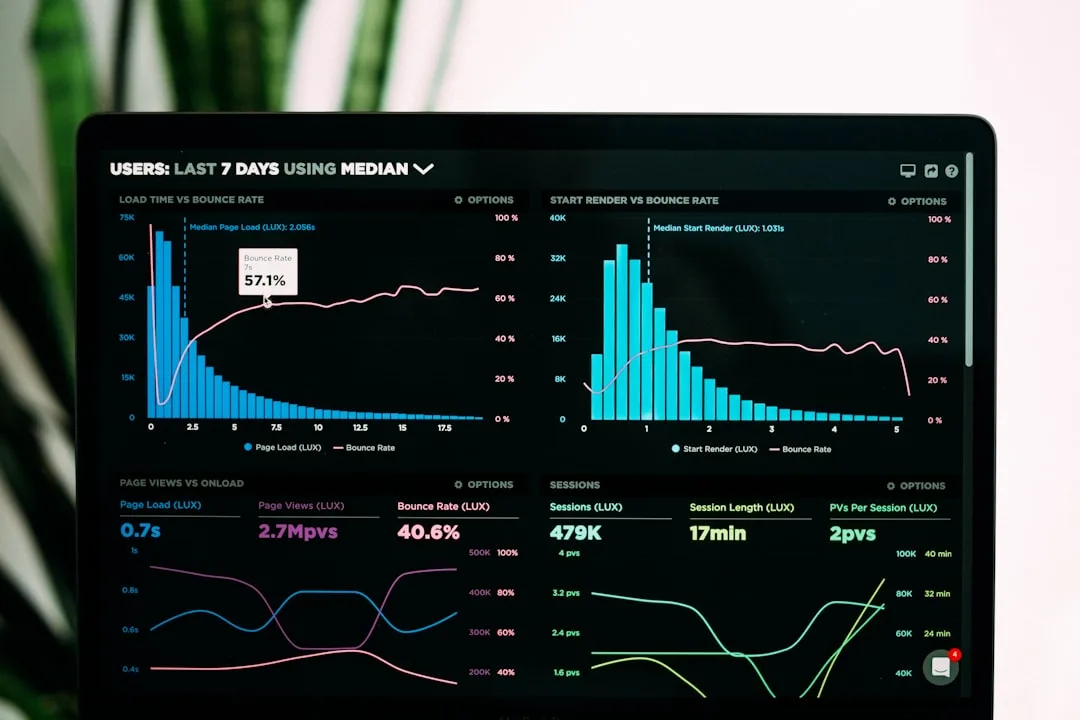
Competency-based learning platforms are replacing degree timelines with proof-of-skill credentials, letting working adults master job-ready competencies in weeks instead of semesters. Employers now prioritize what you can *do* over where you studied.
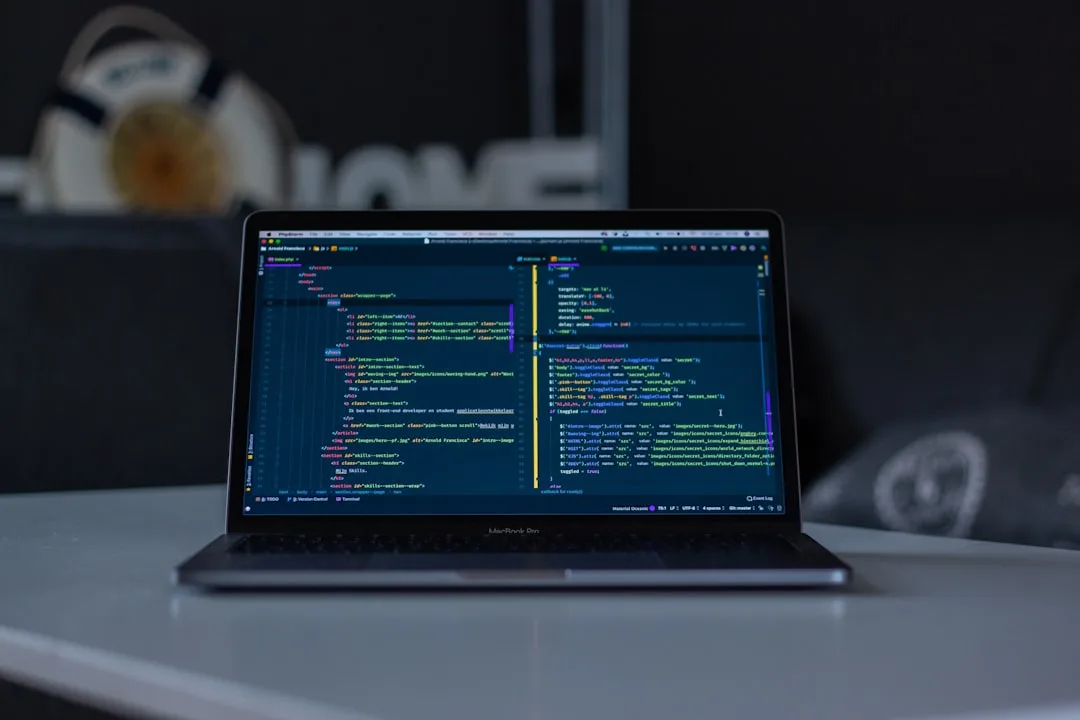
Interactive, real-time mentorship within coding bootcamps has become the dominant model for aspiring developers, replacing asynchronous video libraries entirely. Employers now prioritize live cohort graduates over self-paced learners.
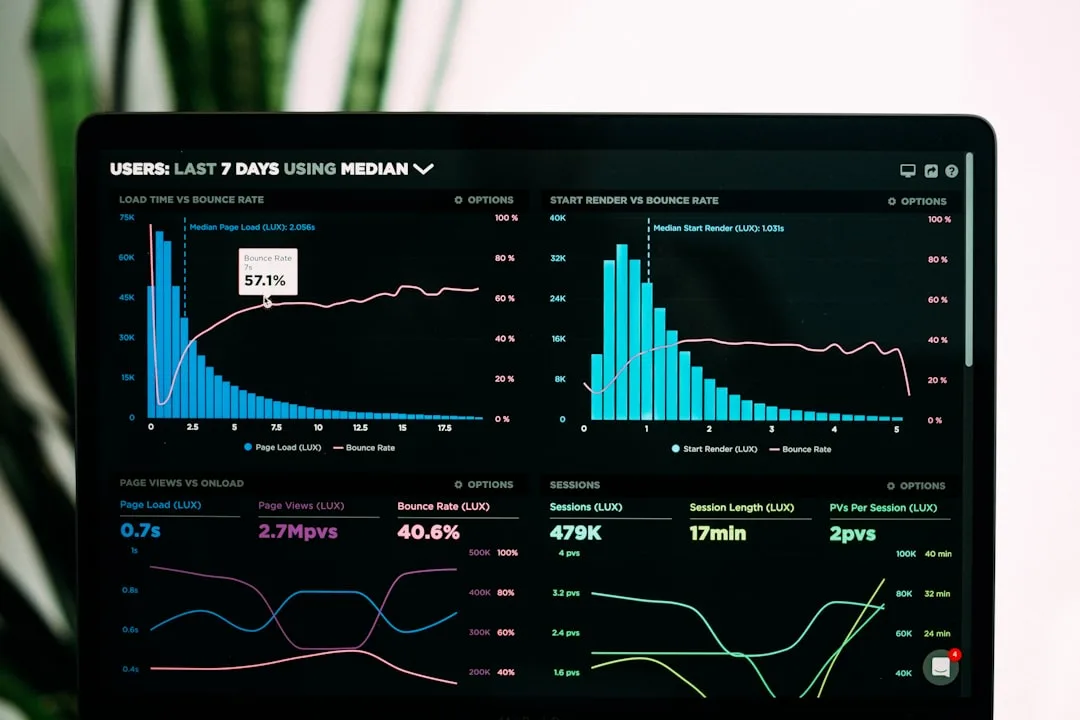
Schools have stopped experimenting with AI tools and started demanding proof. The bottleneck isn’t access anymore—it’s governance, accountability, and clear measurement of what actually moves the needle for students.
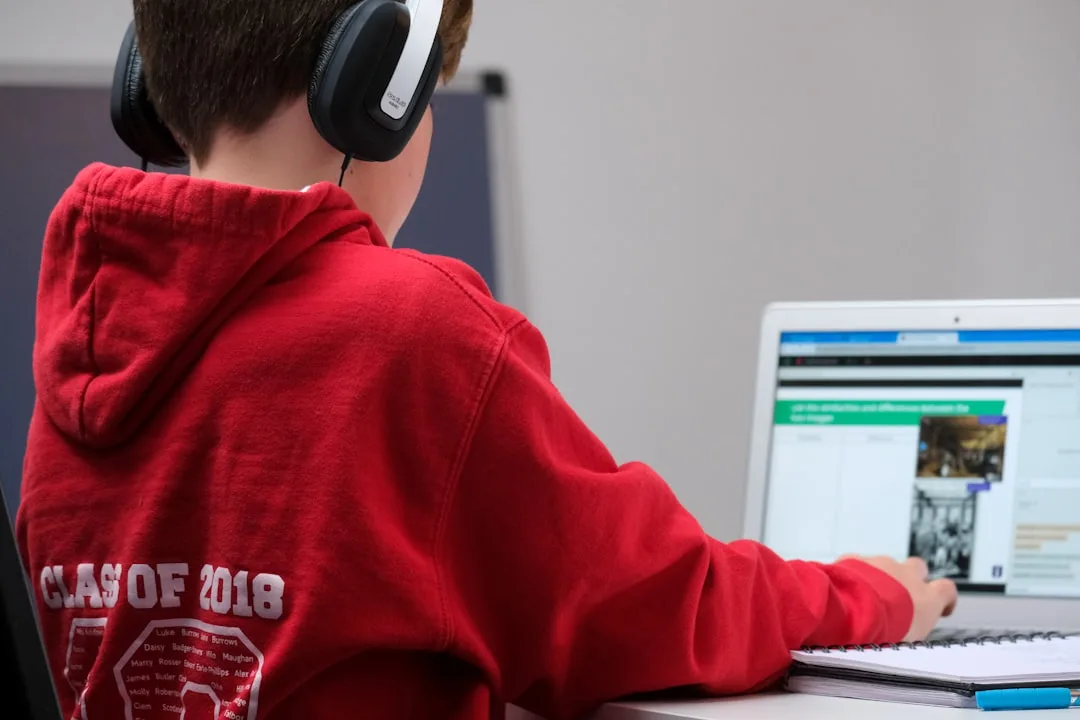
A student sits down to study, but the standard learning management system hits them like sensory overload—flashing notifications, cluttered sidebars, auto-playing videos. By the third tab, focus collapses. This scenario repeats millions of times daily across the 15% of the global population with ADHD, autism, dyslexia, or other neurotypes that thrive differently. In mid-2026, neurodivergent-friendly … Read more

Traditional internships warehoused college students into cubicles for twelve weeks of cold-brew coffee and spreadsheet monotony. Today’s entry-level talent won’t commute. Virtual internship platforms like Forage, Parker Dewey, and Reforge have fundamentally rewritten how Fortune 500 companies source junior talent—eliminating geography, compressing onboarding, and making mentorship asynchronous by default. This shift exploded because remote-native candidates … Read more
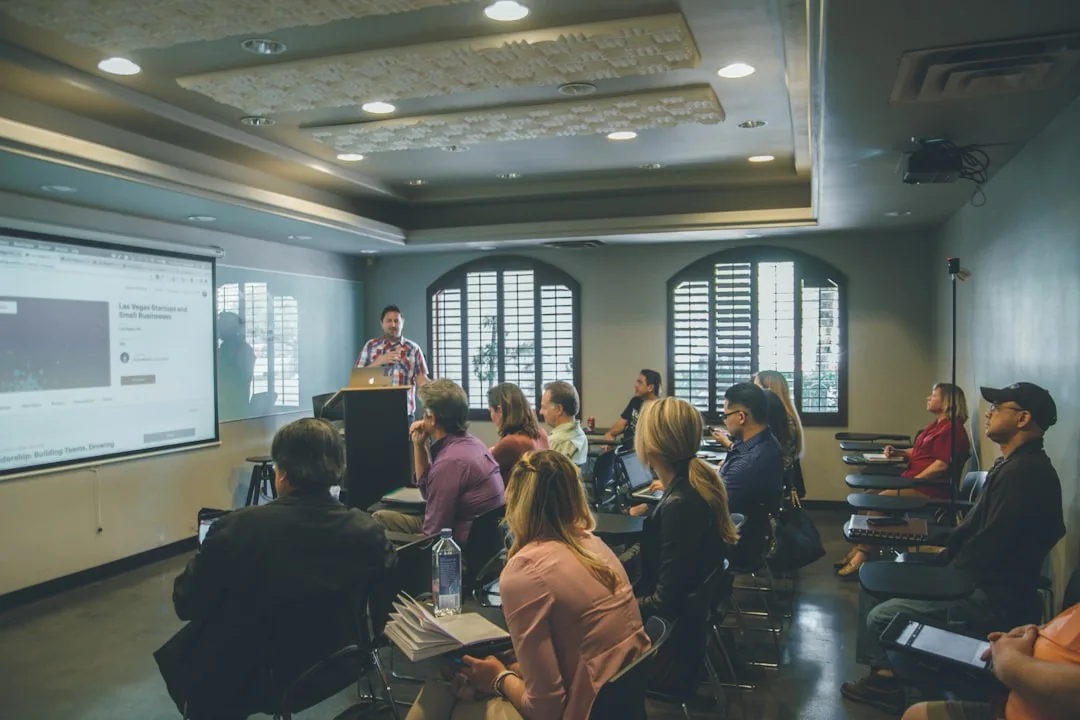
Picture Monday morning: instead of seven employees sitting in a conference room for eight hours watching a presentation, they each complete a five-minute video on their phones during their commute. One watches a 12-minute case study on client negotiation. Another finishes a seven-minute quiz on new software features. By 9 a.m., they’re all caught up—without … Read more

Classrooms haven’t fundamentally changed in 150 years—one teacher, thirty students, one pace. By June 2026, that model is collapsing. AI tutoring personalization has moved from experimental feature to market standard, with platforms now serving 8.2 million students across North America alone. The shift isn’t about replacing teachers; it’s about replacing the fiction that all learners … Read more