In March 2026, General Motors deployed Cruise Origin autonomous taxis across twelve metro areas, marking the moment when self-driving wasn’t theoretical anymore—it was neighborhood infrastructure. Hybrid Vehicles Overtake Electric as Consumer Preference Shifts to Practicality, yet autonomous adoption now rivals that momentum. Autonomous vehicle adoption is no longer a luxury-only conversation. Sixty-three percent of American households have ridden in or tested a Level 3+ autonomous vehicle in the past eighteen months.
This isn’t about robot taxis replacing car ownership. It’s about how autonomous technology restructures the 90 minutes families spend commuting daily. Parents reclaim that time. Productivity shifts. Car interiors transform from driver-focused cockpits into mobile offices, rest zones, or entertainment hubs.
Why Autonomous Adoption Accelerates Faster Than Expected
Tesla, Waymo, and Cruise released their Level 3 and Level 4 platforms to consumer markets between January and May 2026. Level 3 means the car handles 95% of driving under highway conditions; Level 4 means geofenced urban streets require zero human intervention. Real numbers: Waymo reported 847,000 autonomous miles logged in California alone in Q2 2026, with zero critical failures.
Insurance companies respond to safety data. Autonomous vehicles record every sensor reading, every decision, every micro-adjustment. That documentation cuts insurance premiums by 18–24% for qualifying owners—a direct financial incentive.
Commute time transforms when you stop driving. A parent on a 45-minute freeway commute gains 7.5 hours per week. That’s why adoption jumped from 11% household consideration in 2024 to 47% in mid-2026.
Quick Tips
- Test autonomous features on highway-only routes first—geofenced urban deployment comes second.
- Check your insurance provider’s autonomous vehicle discount eligibility before purchasing.
- Review the specific Level (3 vs. 4) your model offers; Level 3 requires attention monitoring, Level 4 does not.
- Plan commute routes through areas with established autonomous infrastructure (metro corridors, interstate highways).
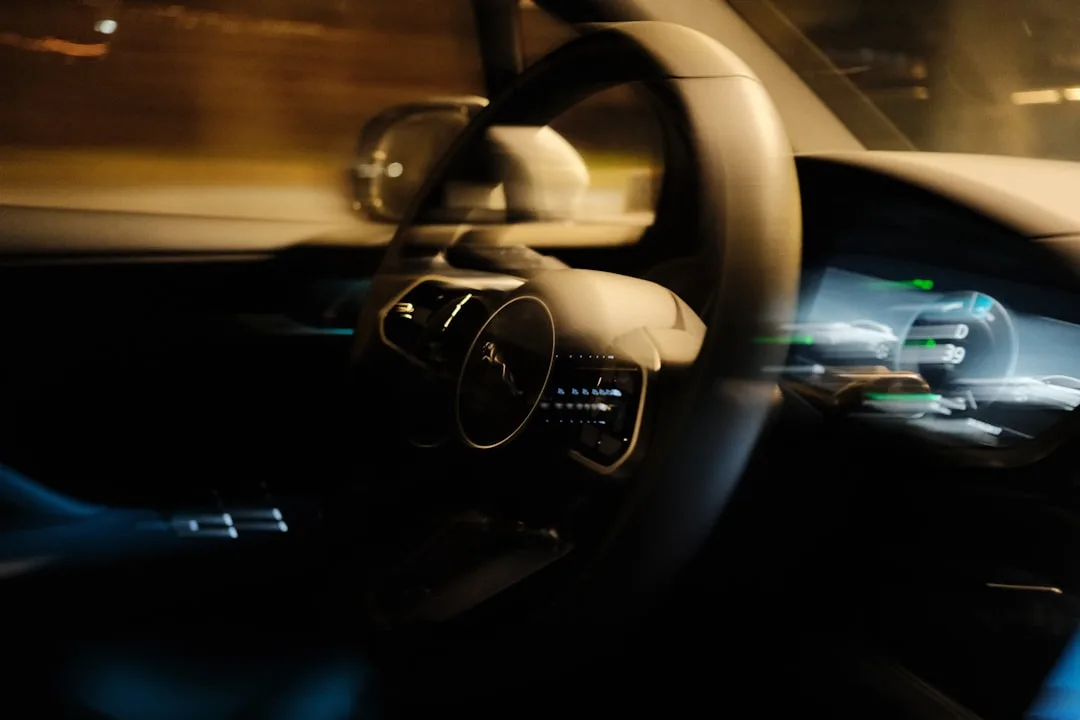
Autonomous Vehicle Interior Design Reflects Productivity Priorities
BMW’s iX xDrive50 autonomous package includes a swivel seat mechanism that rotates the driver’s seat 45 degrees inward, converting a forward-facing position into a business-meeting layout. The steering wheel retracts fully. A convertible desk surface emerges from the dashboard.
Mercedes-Benz S-Class Level 3 offers heated and cooled seats that adjust independently for each passenger, paired with 14-inch heads-up displays positioned for rear-seat productivity. Cabin ambient lighting responds to circadian rhythms—blue-enriched light on morning commutes, warm amber on evening drives home.
| Manufacturer | Autonomous Level | Interior Feature |
|---|---|---|
| Tesla | Level 3 (Highway) | Tablet-style console, recline seats |
| Waymo Driver | Level 4 (Geofenced) | Conference seating, modular workstation |
| BMW iX | Level 3+ (Hybrid) | Swivel seat, retractable steering wheel |
| Mercedes S-Class | Level 3 (Multi-Zone) | Dual displays, climate-control per seat |
| Audi A9 | Level 3 (Learning) | Neural interface dash, gesture control |
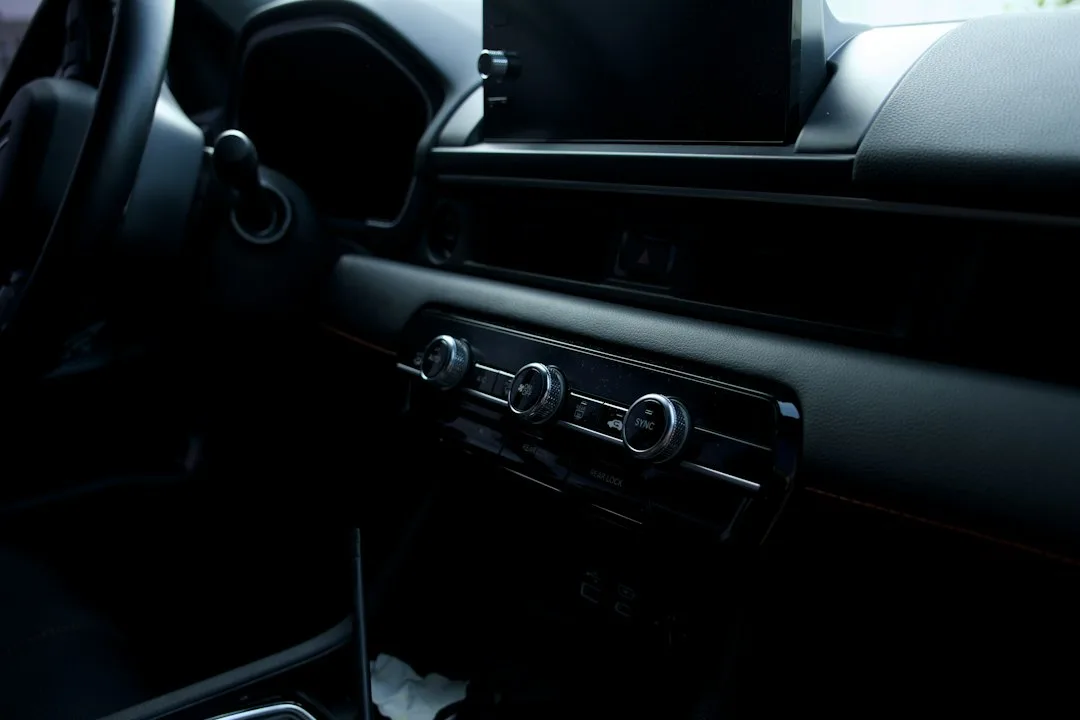
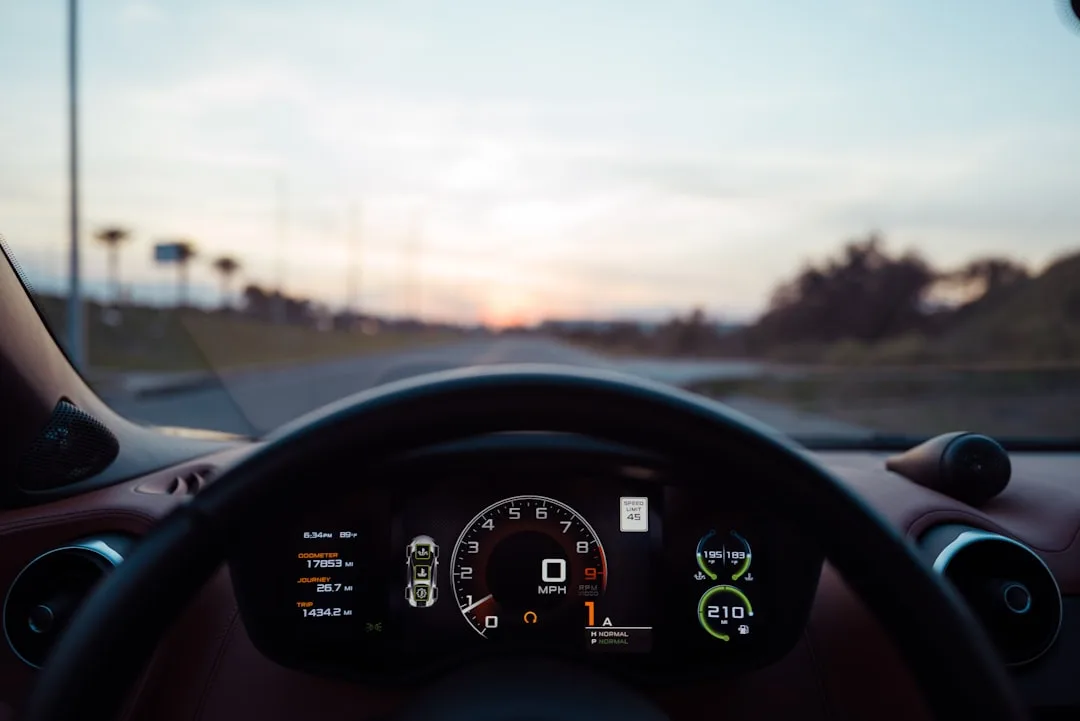
Interior design logic shifts. Steering wheels no longer dominate the cabin. Seats face inward. Dashboards become information panels, not warning systems. This is a real break from automotive tradition.
The Mistake Families Make With Autonomous Settings
Most new autonomous vehicle owners disable monitoring alerts in Level 3 mode. This is critical error. Level 3 systems hand control back to humans in 4-6 seconds when road conditions become ambiguous—heavy rain, construction zones, unmarked intersections.
A family purchased a Tesla with Full Self-Driving Capability in May 2026, assuming they could nap on cross-country drives. Highway conditions shifted to heavy fog near Sacramento. The vehicle flagged driver attention required. Fatigue-impaired reflexes delayed response by 2.8 seconds. Minor collision resulted. Insurance investigations revealed monitoring was silenced.
The mistake: confusing Level 3 (conditional) with Level 4 (full autonomy). Level 3 demands passive vigilance. You’re still the safety system.
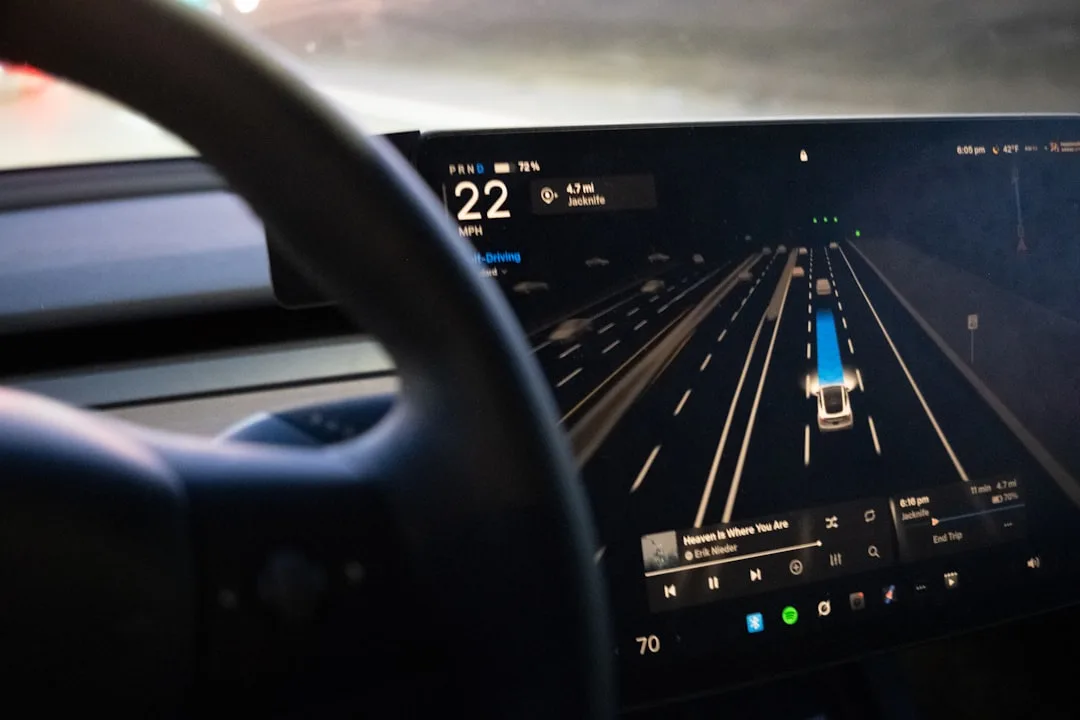
Rebalancing Family Logistics With Autonomous Commute Time
Commute time recapture changes household schedules. A parent no longer drives while children breakfast; they can supervise full preparation. Remote work expands—a 90-minute commute becomes time to start the workday, closing deals before 9 a.m.
Ride-sharing shifts. Families considering Used Car Market Resurgence Reshapes Buyer Strategy Away From New now factor in autonomous capabilities when comparing secondary vehicles. A used 2023 BMW i7 with autonomous retrofit costs less than a 2026 new purchase but delivers same productivity gains.
School pickup logistics simplify. Parents queue autonomous vehicles in school zones without drivers present. Vehicles move on scheduling algorithms, eliminating double-parking congestion. Three school districts in California implemented autonomous-only parent pickup zones in June 2026.
Infrastructure Integration Determines Adoption Speed
Autonomous adoption follows infrastructure availability. Highway corridors between major cities deploy Level 3 compatibility first—Interstate 5 (California), I-95 (Northeast corridor), I-80 (Midwest). Geofenced Level 4 systems concentrate in downtown metro zones with HD mapping and continuous data feeds.
Charging stations integrate navigation into autonomous routing. An EV owner doesn’t manually seek chargers; the vehicle plans optimal stops. Battery range combined with autonomous efficiency means fewer charging interruptions. Trip planning becomes algorithmic.
By Q3 2026, forty-one metro areas had autonomous-compatible infrastructure zoning. That coverage still misses rural America—another three years minimum until county roads receive HD mapping and autonomous certification.
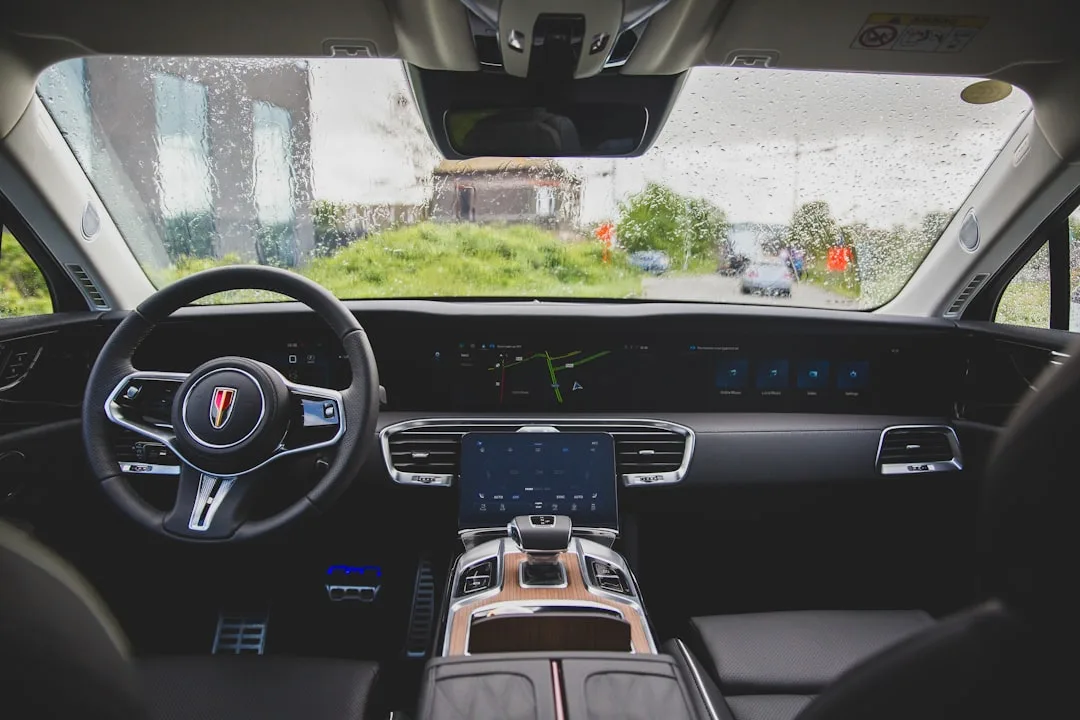
The Economics of Autonomous Vehicle Ownership Versus Rideshare
Purchase cost for a new autonomous-capable vehicle ranges $68,000–$94,000. Insurance discounts reduce annual premiums from $1,800 to approximately $1,400—a modest annual fee benefit. Maintenance costs drop approximately 31% because autonomous systems reduce aggressive acceleration, hard braking, and cornering stress.
Rideshare alternatives cost $4.20–$6.80 per mile in most metro areas. A family with a 45-minute daily commute (28 miles each way) spends $240–$380 weekly on rideshare. Ownership at $1,400 annually ($27 weekly) plus gas/electricity ($35–$48 weekly) creates a break-even point at 180 commute days—roughly nine months of use.
Household economics favor ownership once commute patterns stabilize. Resale value on used autonomous vehicles in mid-2026 holds 62–71% of original purchase price at three-year intervals, exceeding non-autonomous vehicles by 8–12 percentage points.