Quick Scan
- The curly shag suits 2B through 3C curl patterns — the key variable is length, not texture type.
- Modern 2026 versions use razoring for softer perimeters, not the hard stepped layers of the original '70s cut.
- Trim every 10–12 weeks or the crown layers lose lift and the cut loses its entire point.
- SheaMoisture Curl Mousse plus Cantu Curl Cream under $25 covers 90% of daily styling needs for this cut.
- Air-drying is the correct finish — scrunch out crunch only after the mousse has dried completely.
The curly shag haircut is having a full-blown moment in 2026, and it is not just nostalgia talking. Searches for this cut rose 22% between 2025 and 2026, and Pinterest reported a 45% spike in curly shag inspiration saves across social platforms. What makes it magnetic right now is the timing — the ’70s Beatnik revival is everywhere, and this cut sits at the exact intersection of retro attitude and low-maintenance natural texture that women aged 25 to 45 are actively seeking.
What the Curly Shag Haircut Actually Does to Your Curl Pattern
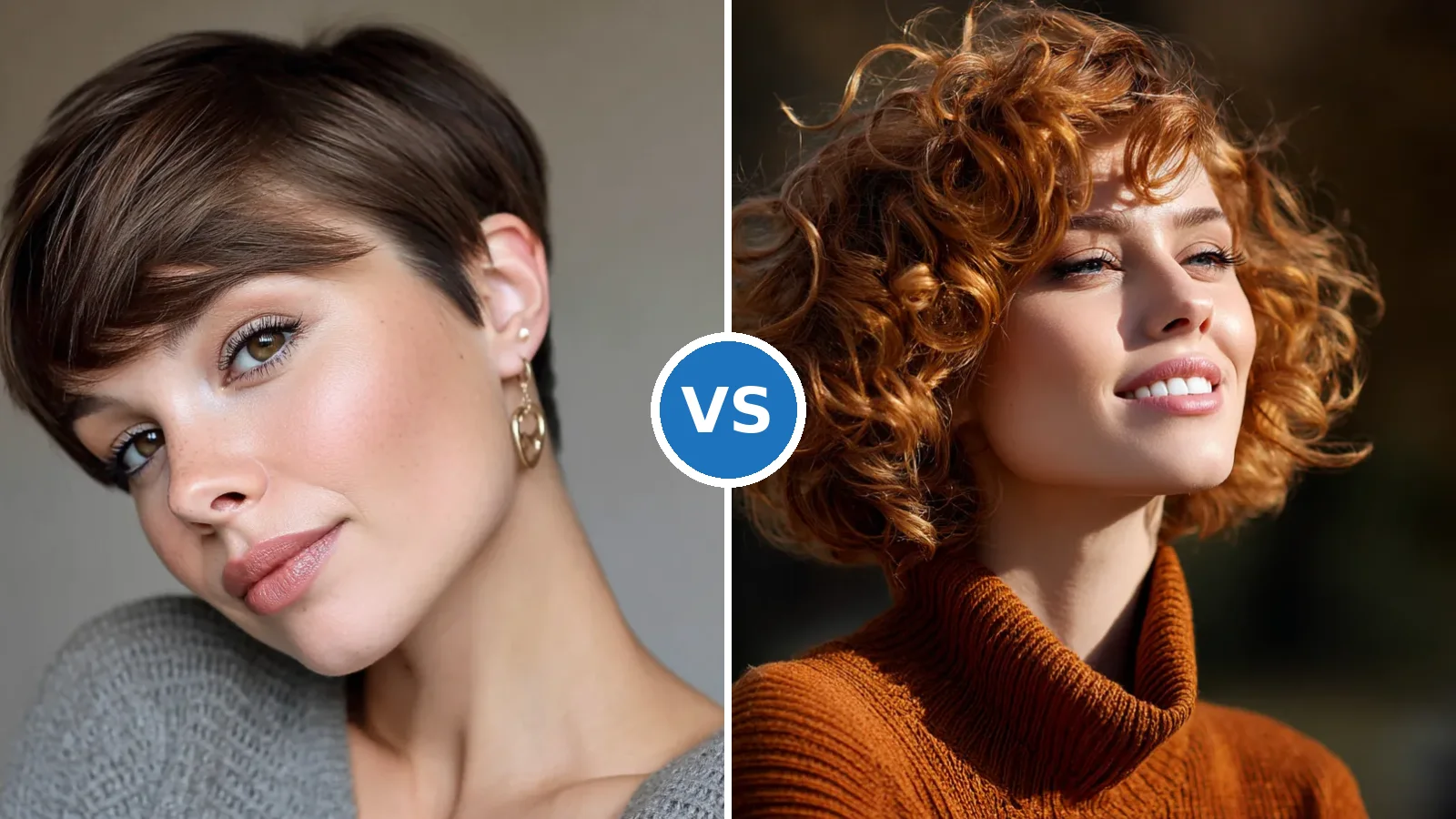
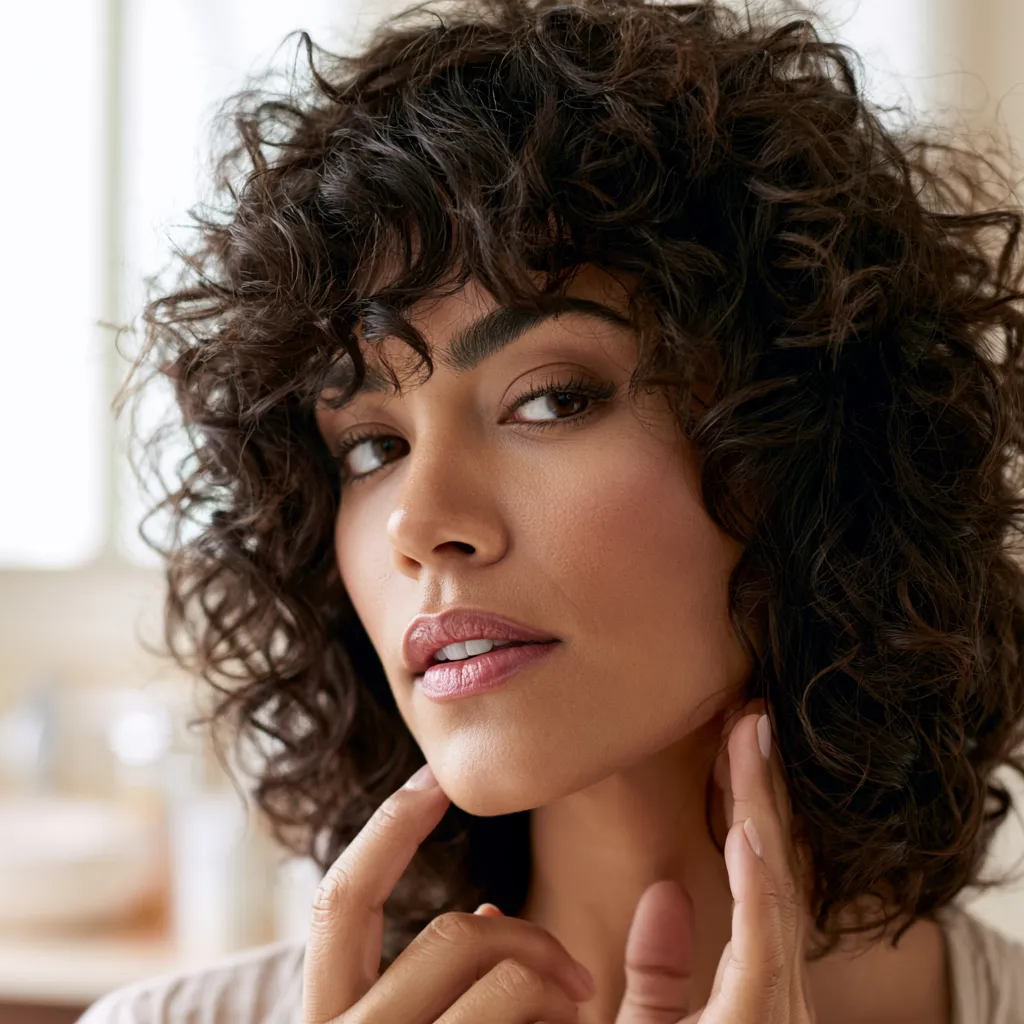
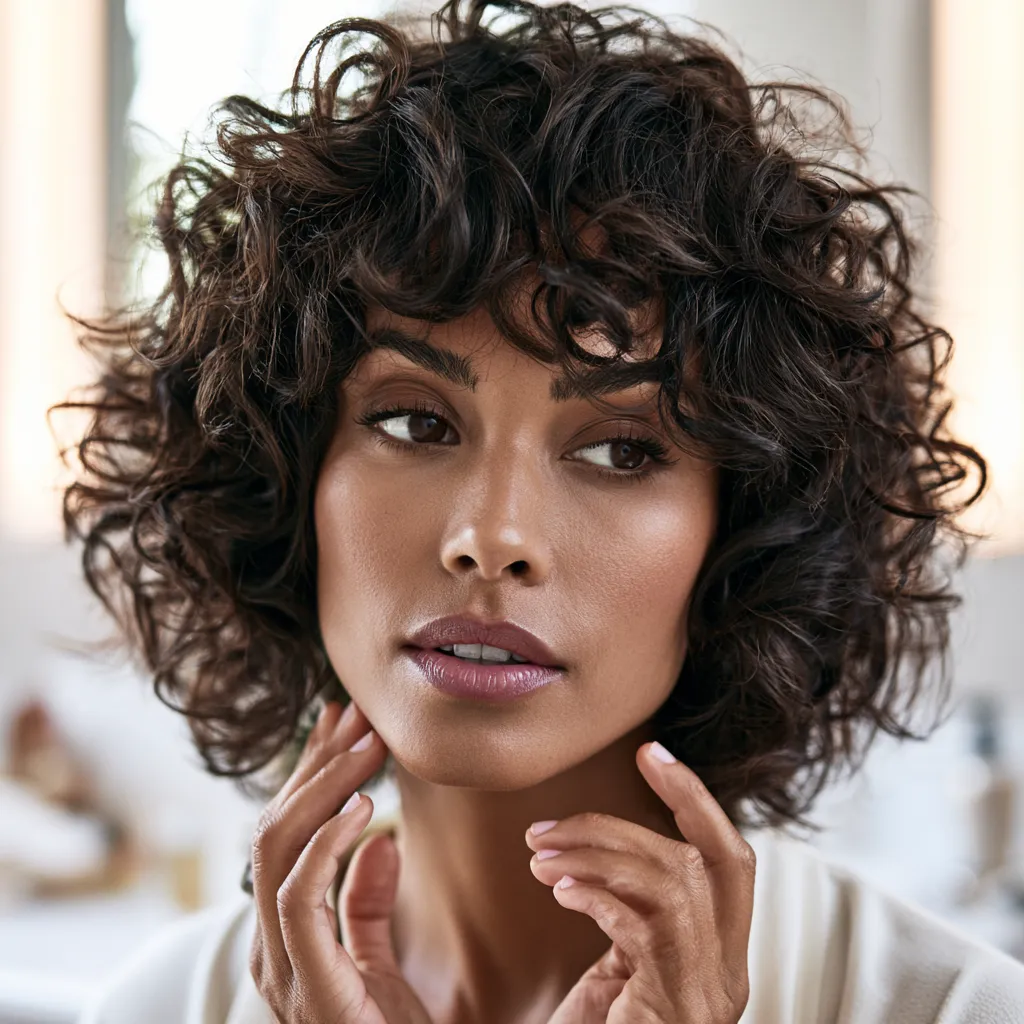
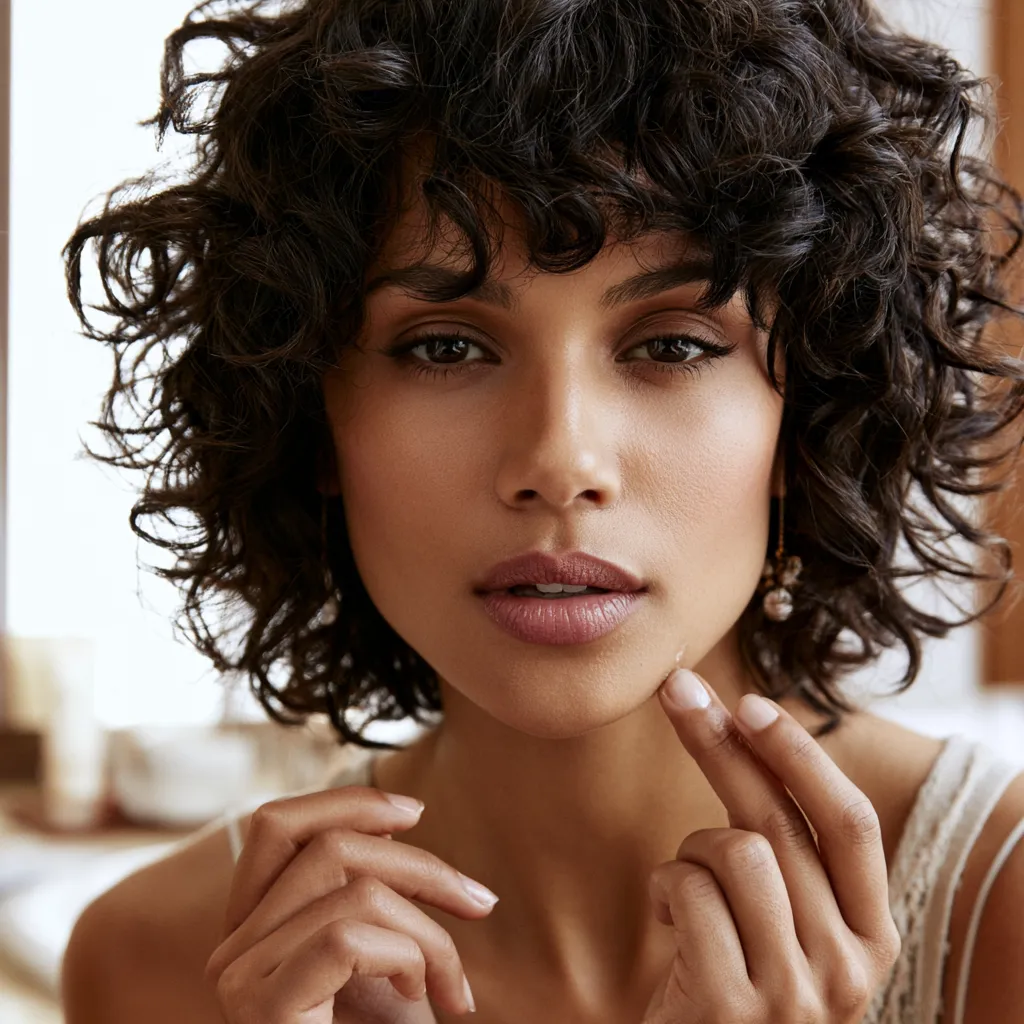
The curly shag is not a single rigid cut. It is a framework built on short layers at the crown, choppy ends, and intentional volume — and for wavy and curly hair, that framework does something structural. Layers lift the curl at the root rather than weighing it down. The result is a silhouette that looks edited, not accidental.
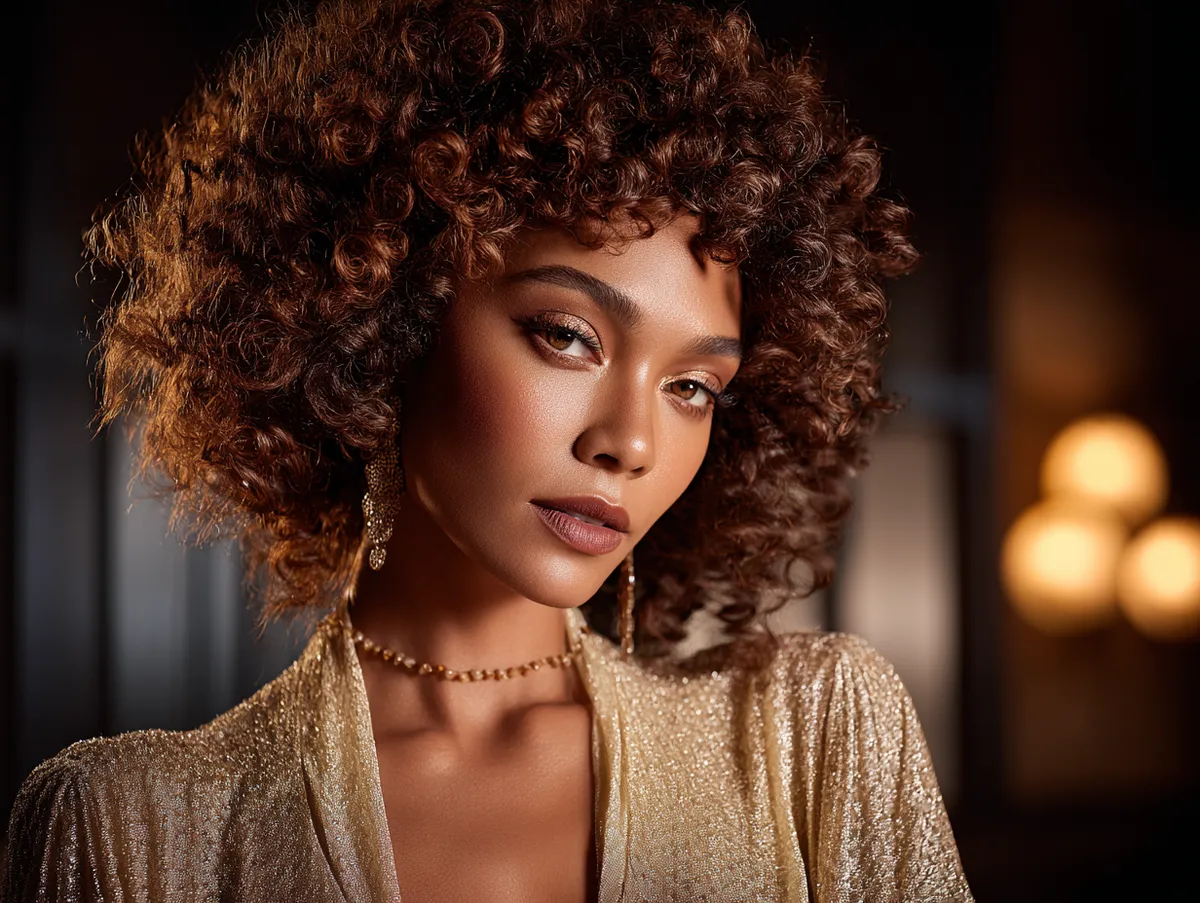
This cut suits 2B to 3B curl patterns particularly well. Looser waves gain definition and bounce they simply cannot get from a blunt hem. Tighter 3A to 3C textures benefit from the weight removal — curls spring up, coil more cleanly, and stop clumping into one heavy mass at the ends. For Wavy Curly Hair Secrets for Frizz Free Perfection, layer placement is everything, and the shag gets that right.
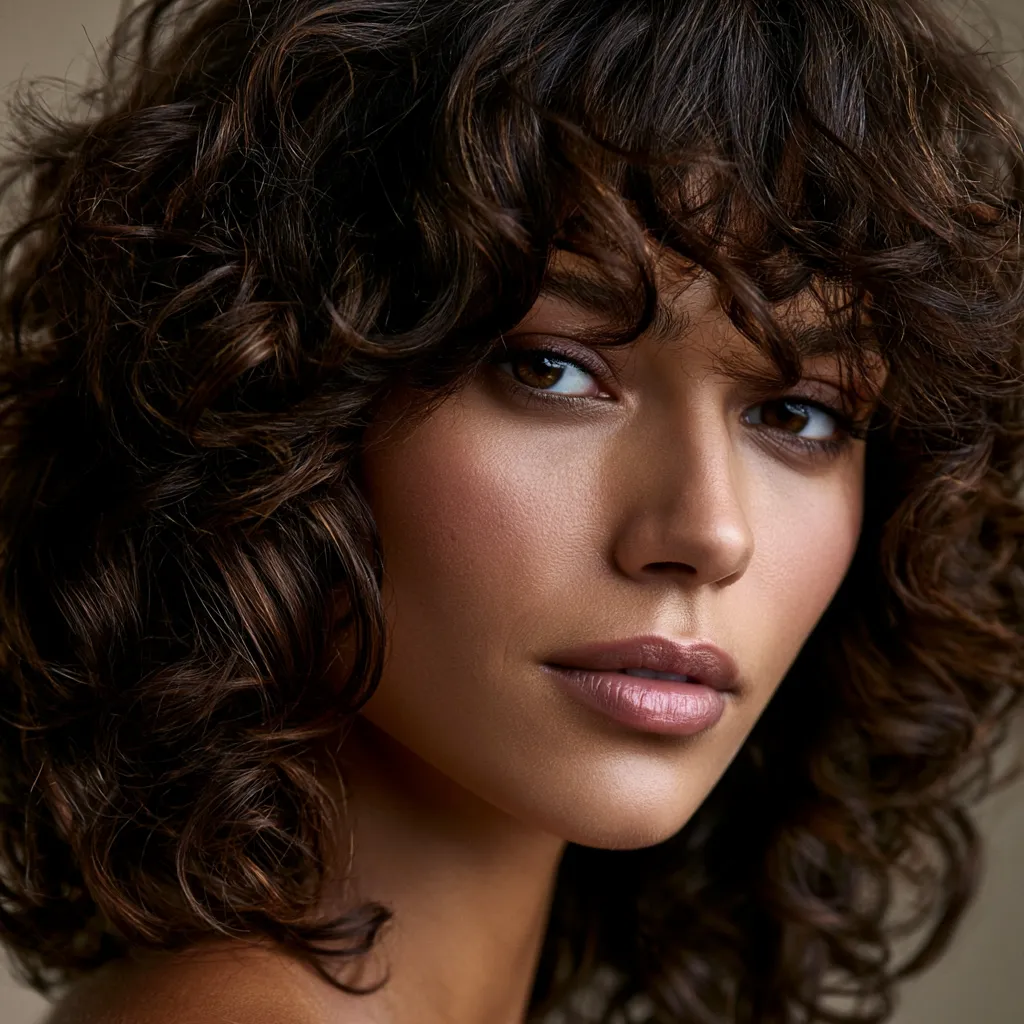
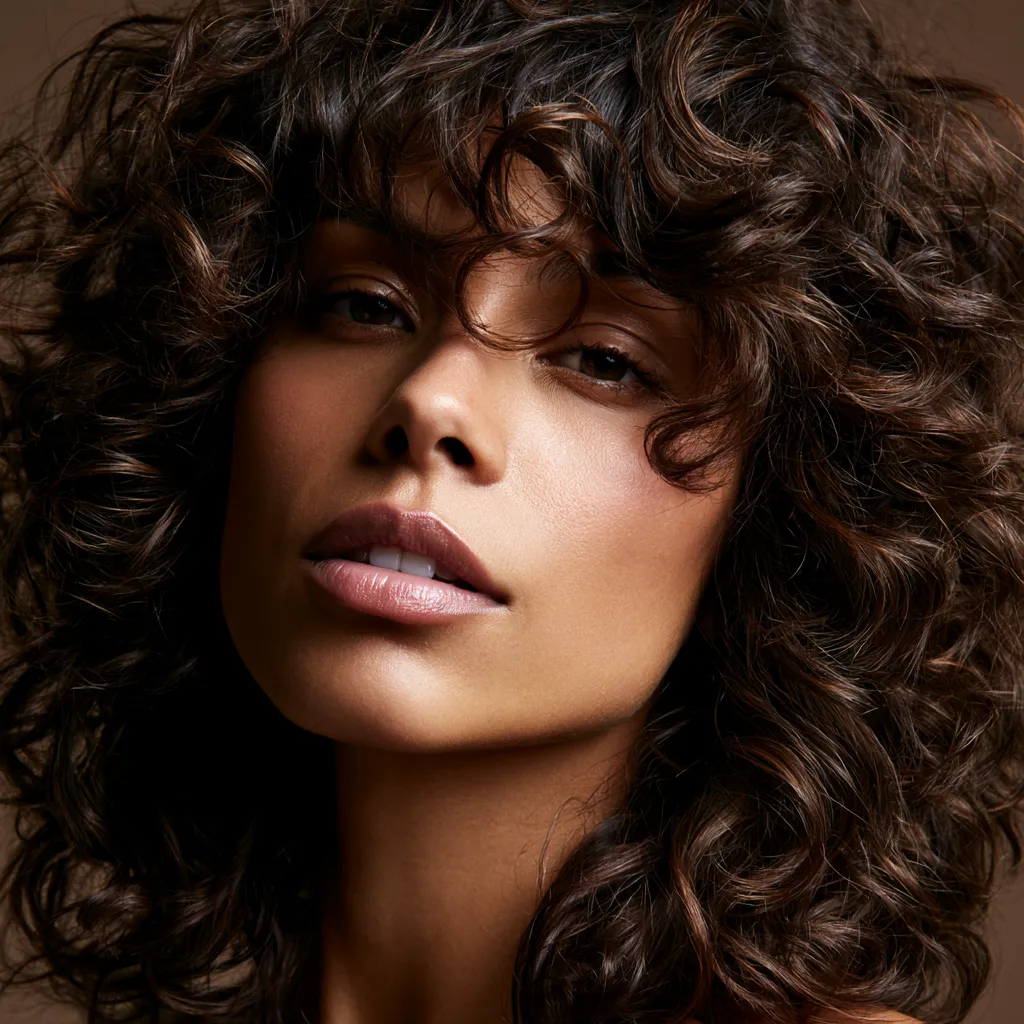
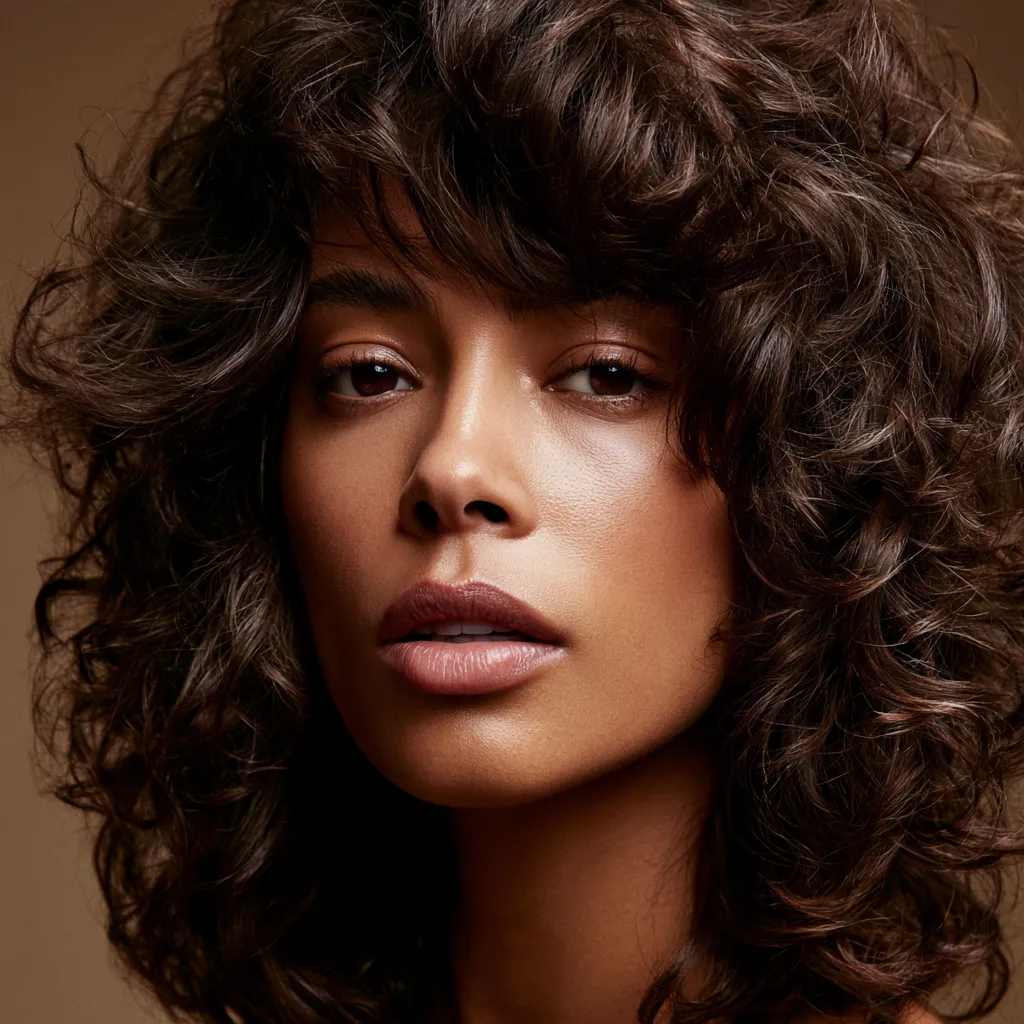
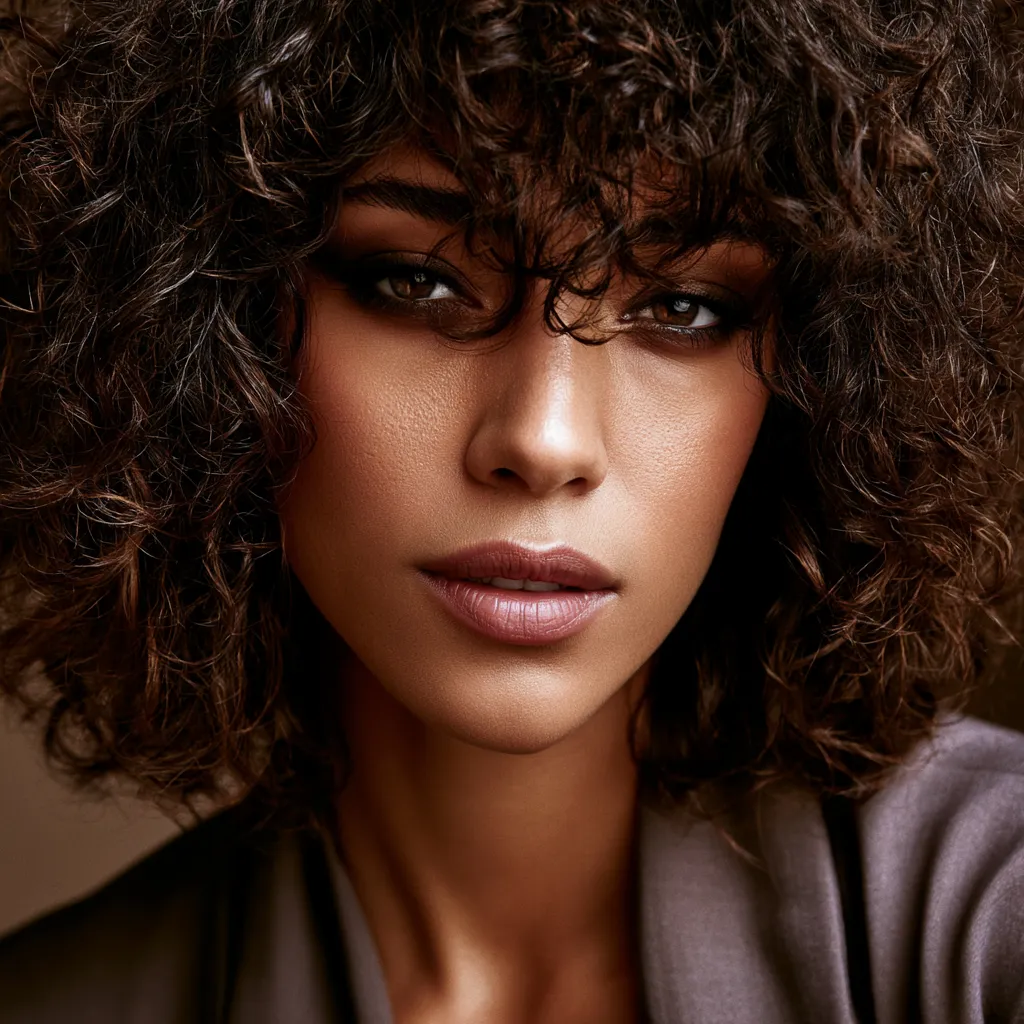
What separates the 2026 version from its 1970s predecessor? Less dramatic contrast between crown and back lengths. Modern stylists now use razoring techniques to create softness at the perimeter rather than hard steps. Celebrity hairstylist Marcos Diaz described it in Marie Claire as a cut that brings “personality and edge” through “choppy layers and lived-in movement” — and the razored finish is precisely what creates that lived-in feel without looking unpolished.
Face-framing is the other signature element. The modern curly shag features a fringe — either curtain bangs or, in 2026’s bolder iteration, a full across-the-forehead fringe that commits fully to the retro reference. Curtain bangs remain the more wearable option for first-timers, softening the forehead and creating symmetry without requiring daily styling. The full fringe is a statement. It lands best on oval and heart face shapes where the forehead is the widest point.
What should you avoid? Do not ask your stylist for uniform layers cut parallel to the floor. That technique works on straight hair but fights curl movement — it creates a triangular silhouette that widens at the bottom rather than lifting at the crown. Curl-specific razoring or point-cutting is the correct method, and if your stylist reaches for the razor, that is a good sign.
Don’t Do This
- Do not ask for uniform parallel layers — this creates a triangular silhouette that widens at the bottom and fights curl movement instead of lifting it.
- Do not get this cut hoping it will reduce frizz on its own — layers without hydration increase frizz, so arrive at your appointment with moisturized, defined hair.
- Do not use dry shampoo at the crown for second-day refresh — buildup flattens the volume the cut creates, killing its defining feature.
- Do not let your stylist cut 3C hair wet without accounting for shrinkage — curls typically shrink 2–3 inches when dry, and the cut must compensate for that.
Curl Types and Length Combinations That Carry This Cut Best
Not every curl type gets the same version of this cut. That is worth understanding before you walk into the salon with a saved Pinterest image. The mini shag — inspired directly by Jane Fonda and Rita Hayworth’s 1970s silhouettes — works exceptionally well on fine-haired wavy types because specialists confirm it can add up to 40% extra volume through light layering and a tapered fringe. Fine 2B waves that normally fall flat by noon respond to this structure immediately.
Medium-length curly shags are the most searched variation right now. Pinterest currently hosts active collections titled “50 Curly Shag Haircuts for Medium Hair” and “27 Trending Curly Shag Haircuts In 2026” — both dominating the category. Medium length gives 3A and 3B curls enough weight to maintain their coil shape while still letting the layers create separation. Shoulder-length shags in particular photograph well because the fringe and the curl texture are both visible without either element competing for attention.

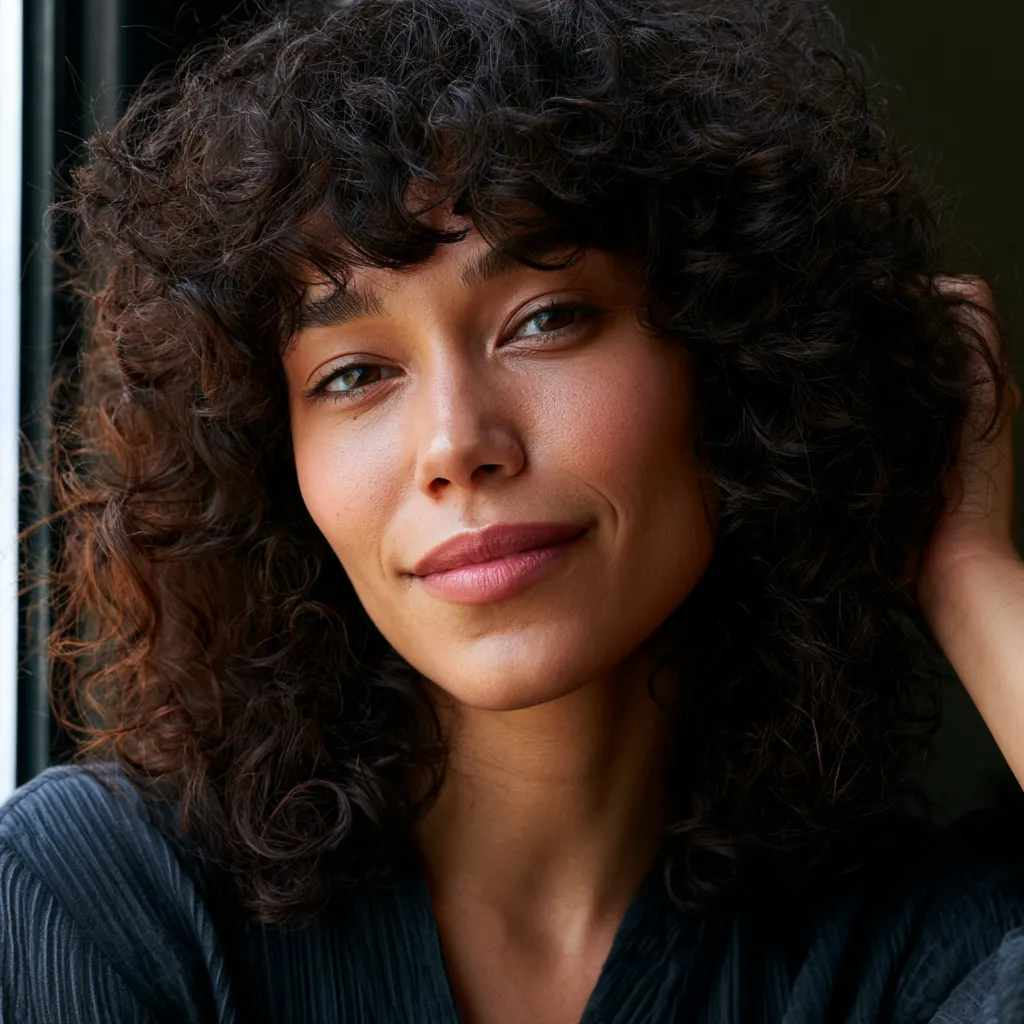
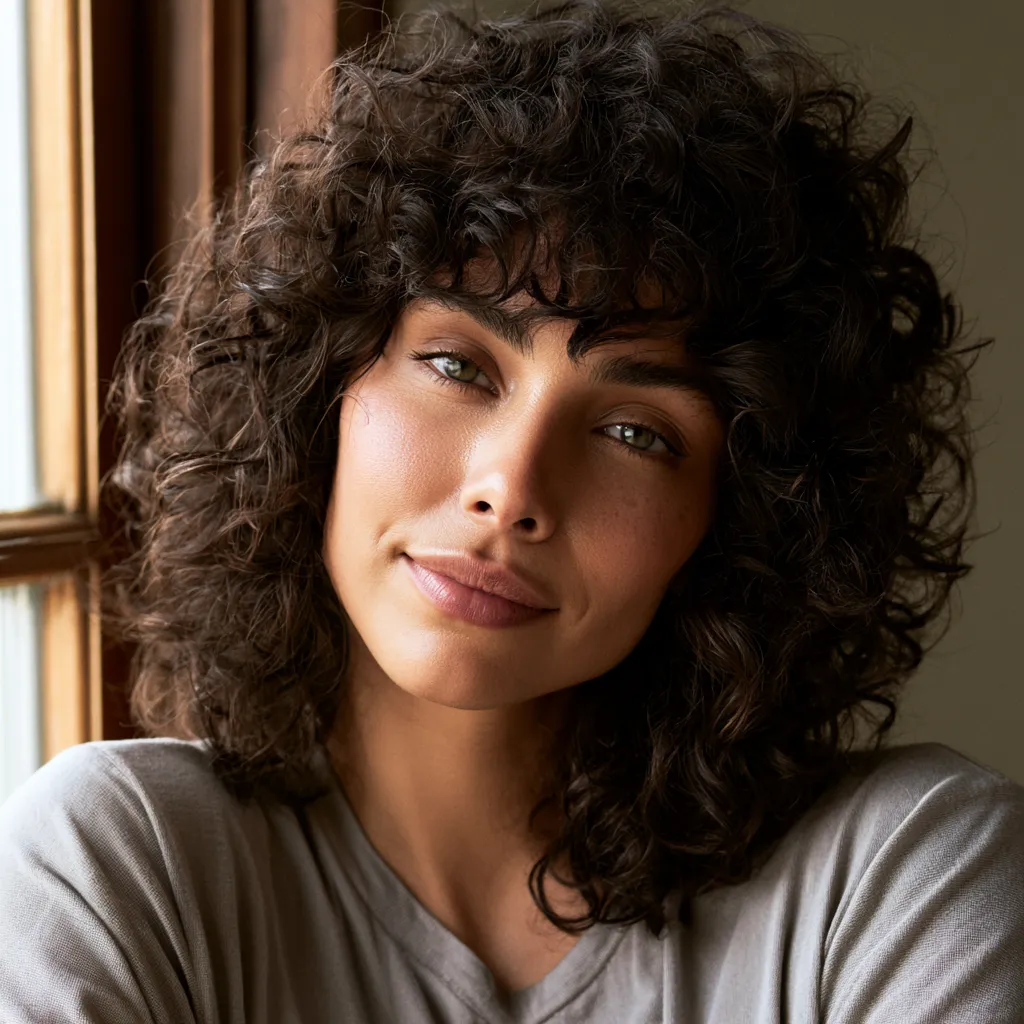
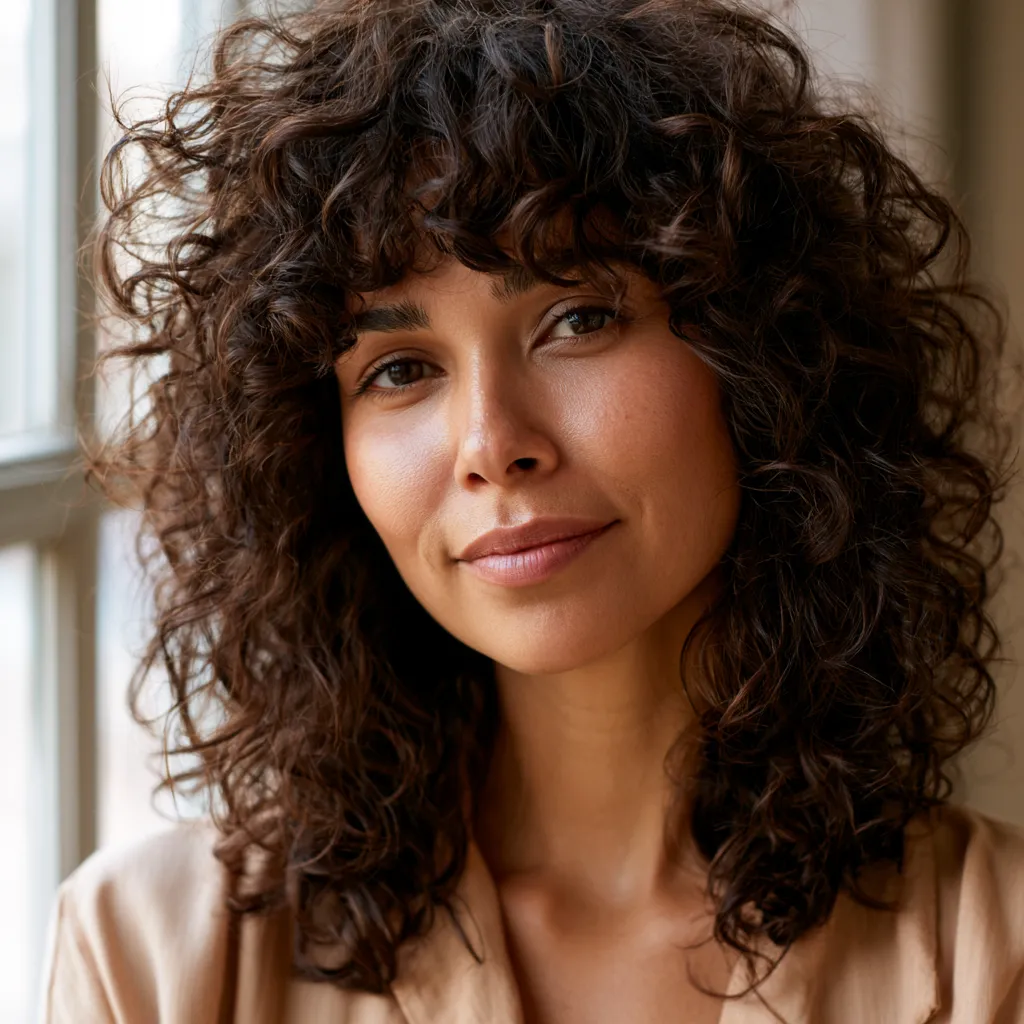
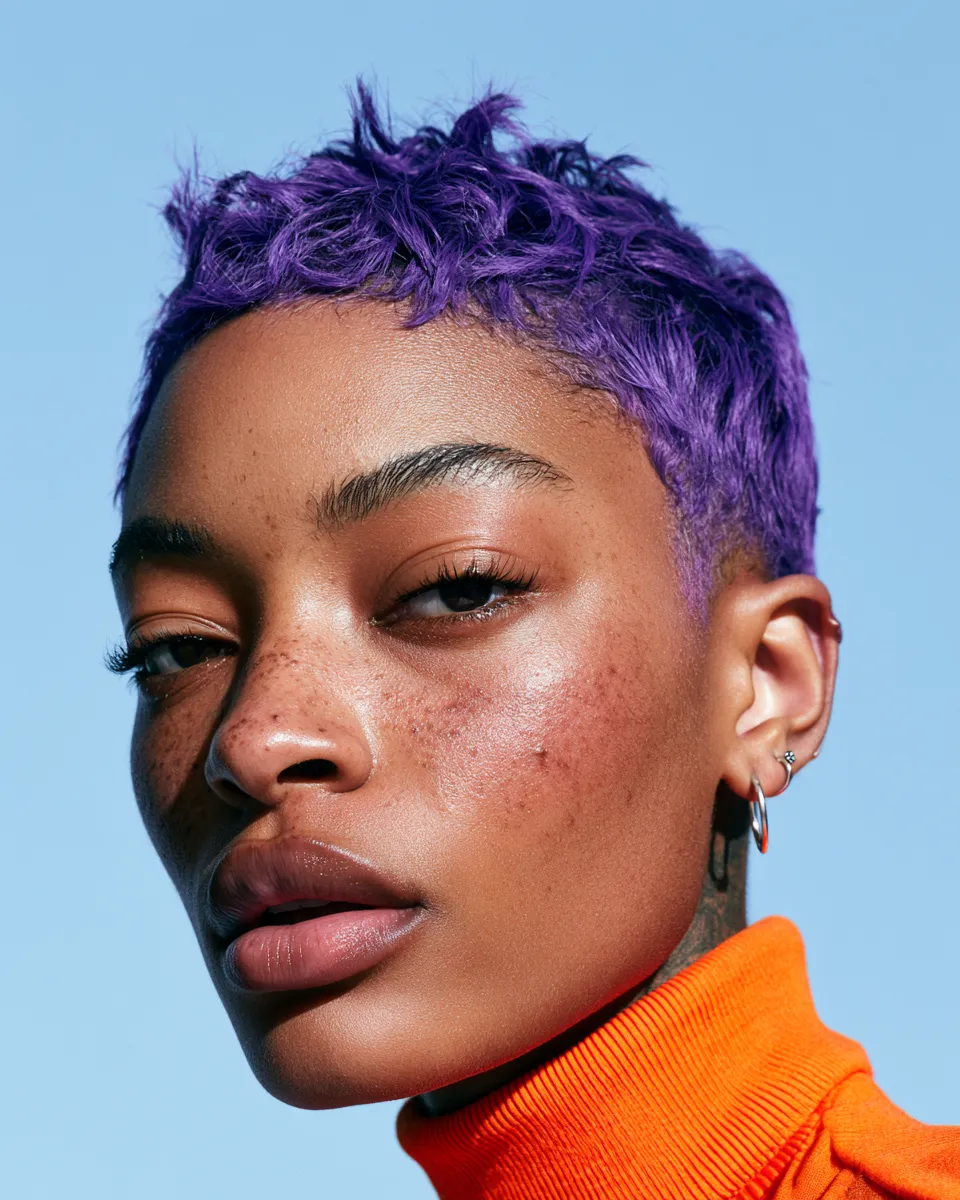
For tighter 3C textures, the short shag is the more reliable choice. Rogerio Cavalcante, master stylist at The Second Floor Salon and founder of Brazil Edition, put it directly: the shag “frames the face beautifully and air-dries well, making it a low-maintenance but high-impact look.” At shorter lengths, 3C curls shrink significantly — your stylist needs to account for that shrinkage factor, typically cutting two to three inches longer than the target dry length. If they are cutting your 3C hair dry, that is correct practice. If they are cutting it wet without accounting for shrinkage, speak up.
You can explore more cut variations shaped for natural texture in the 6+ Trendy Wavy Curly Hair Cuts to Try This Year collection — especially useful if you are deciding between a shag and a butterfly cut before your appointment.
Color enhances this cut without being required. The 2026 approach focuses on depth without overpowering the curl pattern — airy crowns, textured ends, and dimensional tones that shadow the layers rather than highlight them uniformly. Warm caramel ribbons through brown curls read as natural movement. Avoid heavy, solid color blocking on a shag — it flattens the visual texture the layers are working to create.
One common mistake: choosing a shag because you want to reduce frizz. Layers do not reduce frizz on their own — they can actually increase it if your hair is not hydrated before the cut. Come into your appointment with clean, well-moisturized hair so your stylist sees your actual curl pattern. A cut designed around dehydrated, frizzy hair will look different once your moisture routine is back on track.
| Cut | Best Curl Type | Key Difference |
|---|---|---|
| Curly Shag | 2B – 3C | Even layering, lifted crown, less back contrast |
| Curly Mullet | 3A – 4A | Dramatic short front, long back, angular shape |
| Butterfly Cut | 2A – 3A | Long layers from crown only, wings at face frame |
| Curly Bob | 3B – 4B | Blunt perimeter, minimal layering, round silhouette |
| Mini Shag | 2A – 2C | Short overall length, tapered fringe, fine hair friendly |
Products and Maintenance That Keep Curly Shag Layers Looking Fresh
The curly shag is a low-maintenance cut — but low-maintenance does not mean no product. The layers need definition or they blur together into a shapeless mass by mid-afternoon. The right products take about three minutes to apply and make a visible difference from the first use.
Start with SheaMoisture’s Curl Mousse for detangling and defining. Apply it section by section while hair is soaking wet, working it through each layer from root to end. The mousse holds the layer separation the cut creates without turning crunch into a helmet. Follow with Cantu’s Curl Cream — scrunched upward into the ends — to add bounce specifically to the choppy perimeter where definition matters most. These two products together cost under $25 at most drugstores and outperform options triple the price for porous curly hair.
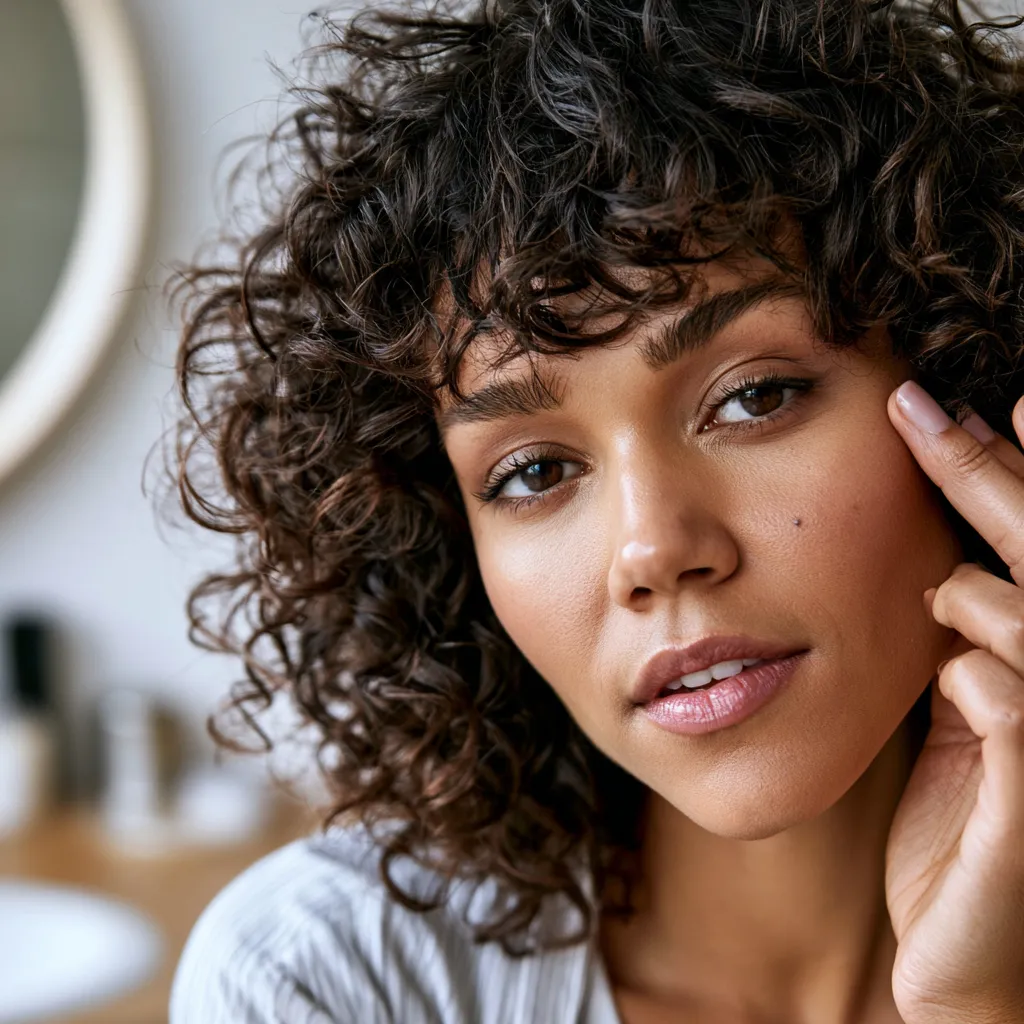
Air-drying is the preferred finish for a 2026 curly shag. Cavalcante specifically noted that this cut “naturally falls into place and looks editorial even on air-dried hair.” What does that mean practically? Scrunch out the crunch after the mousse dries fully — do not touch it while wet — and the layers will separate with texture rather than frizz.
For days when you want more edge, Bedroom.Hair by Kevin Murphy is a texturizing spray that creates the bedhead shag look intentionally. Retail price runs around $38 for 150ml. Spray it lightly through dry layers, scrunch once, and the cut reads as deliberately undone rather than just slept-in. On soft shag styles with ombre color, O&M Desert Dry dry texture spray (approximately $32) adds finishing grip without disturbing the color dimension — particularly useful at the ends where ombre transitions need texture to read clearly.
Maintenance schedule matters with this cut. Trims every 10 to 12 weeks are the recommended window to keep layers fresh. Go longer than 12 weeks and the crown layers lose their lift as they grow out — the defining characteristic of the cut disappears before the overall length does. If you cannot commit to a trim schedule, this is not the right cut. A growing-out shag looks neither intentional nor styled; it looks like a cut that was abandoned halfway through.
Deep conditioning every two weeks keeps the razored ends from drying out. Razoring opens the cuticle more than scissor-cutting does — it creates texture, but it also makes those ends more vulnerable to moisture loss. A weekly leave-in and a bi-weekly mask like the Briogeo Don’t Despair, Repair Deep Conditioning Mask (around $42 for 8oz) will protect the ends between trims and keep the shag looking intentional through its full 10 to 12 week cycle.
One final anti-advice that stylists rarely say out loud: do not refresh this cut with dry shampoo at the crown. Dry shampoo buildup on layered curly hair flattens the very volume the cut is designed to create. If you need second-day refresh, flip your head forward, scrunch lightly with wet hands, and let it air-dry again. The shag re-sets itself with minimal intervention — which is the entire point of getting it in the first place.
FAQ
Is the curly shag haircut good for thick hair?
Yes — thick curly hair benefits significantly from the weight removal the shag provides. The layers reduce bulk at the ends while preserving volume at the crown. Ask your stylist to use razoring through the mid-lengths to prevent a pyramid shape as the hair grows.
Can I get a curly shag if my hair is 2A or 2B wavy?
Absolutely. Looser wave patterns gain the most visible volume boost from the shag structure. The mini shag variation works especially well on 2A and 2B types, adding up to 40% more volume through light layering and a tapered fringe without weighing the wave down.
How long does a curly shag take to grow out?
Most clients start losing the defining lift at the crown around the 10 to 12 week mark. Beyond 14 weeks, the layers blend into a general long shag silhouette that reads as grown-out rather than intentional. Regular trims are non-negotiable for this cut to keep its shape.
Does the curly shag work with bangs if I have a small forehead?
Curtain bangs are the better option for smaller foreheads — they frame without covering. The full across-the-forehead fringe that is trending in 2026 works best on oval and heart face shapes where the forehead is one of the wider features. Your stylist can cut curtain bangs to graze the brow rather than sit at the middle of the forehead to adjust the proportion.
What is the difference between a curly shag and a curly mullet?
The curly mullet keeps dramatic length at the back while shortening aggressively at the front and sides. The curly shag distributes layers more evenly and does not emphasize the back length — it is more rounded than angular. The 2026 shag deliberately reduces the contrast between top and back lengths compared to older versions, making it softer and more wearable than a mullet.
How do I tell my stylist exactly what I want?
Bring a reference image from one of the active Pinterest collections — '27 Trending Curly Shag Haircuts In 2026' is a reliable starting point. Specify your curl type, mention that you want razored or point-cut ends rather than blunt shears, and ask them to cut dry if your texture is 3B or tighter to account for shrinkage accurately.
Save this
Curly Shag Haircut Rewards the Women Who Commit to It
The curly shag haircut does not ask much of you — a trim every 10 to 12 weeks, two drugstore products, and the patience to let it air-dry. What it gives back is a silhouette with real structure, a fringe that shifts the focal point of your face, and layers that make your curl pattern look like the result of intention rather than luck.
This is the cut that defines spring 2026 for wavy and curly hair — not because it is new, but because it has finally been refined for natural texture in a way the original 1970s version never was. Save this post.
📌 Save to Pinterest