
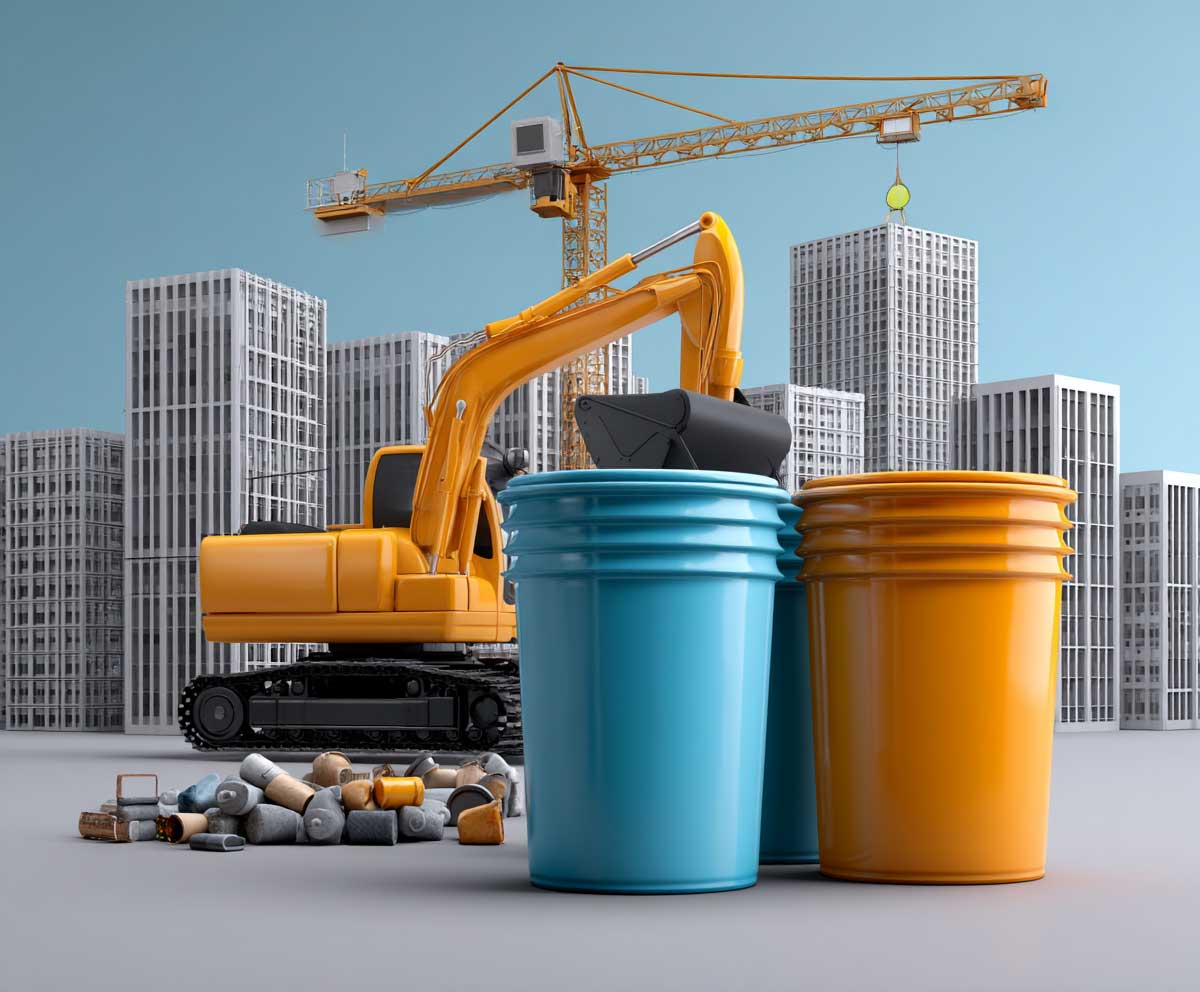
Looking to keep your construction site clean and efficient? Managing waste effectively is crucial to maintaining safety and productivity on-site. Let’s dive into smart waste removal ideas that tackle clutter head-on.
From debris to hazardous materials, improper waste handling can delay projects. Innovative solutions like scheduled pickups and recycling programs can streamline operations and reduce risks significantly.
Need a reliable service to handle waste removal? For fast and professional assistance, click here to explore same-day rubbish removal options tailored for construction sites.
Segregation at Source
Let’s kick things off with a game-changer for clean construction sites. Segregating waste at the source can drastically cut costs and boost recycling efficiency right from the start.
Why It Matters
Sorting waste as it’s generated reduces upstream costs. It ensures downstream recyclers get clean materials, making it easier to reuse and repurpose what’s discarded.
How to Implement
Start by setting up clear bins for different waste types. Label them for metals, plastics, and organics to guide your team in proper disposal habits.
Incentives and Penalties
Consider rewarding workers for proper segregation or enforcing penalties for non-compliance. This approach, seen in cities like Bangalore, can drive a cultural shift on-site.
Community Action
Engage your crew with training on segregation benefits. A collective effort, supported by local rules, can make this practice second nature on construction projects.
Reuse and Recycling Programs
Diving into reuse and recycling programs can transform your construction waste game. These initiatives keep materials out of landfills and give them a second life.
Partnering with organizations like TerraCycle offers free recycling for hard-to-recycle items. Their programs help manage everything from packaging to complex materials with ease.
- Identify Reusable Items: Before tossing anything, check for materials like wood or metal that can be reused in future projects or sold for scrap.
- Set Up Collection Points: Create designated spots for recyclable materials, ensuring they’re sorted and ready for pickup by recycling partners or local services.
- Educate Your Team: Train workers on what can be recycled. A quick session can prevent contamination and maximize the program’s impact on-site.
By integrating these steps, watch your waste footprint shrink. It’s a practical way to contribute to sustainability while keeping your site tidy and compliant.
On-site Waste Processing
Processing waste right on your construction site can save time and money. It minimizes transport needs and tackles disposal issues before they pile up.
Choose the Right Equipment
Invest in compactors or shredders to handle bulk waste. These tools reduce volume, making storage and disposal far more manageable on busy sites.
Partner with Experts
Collaborate with services like Clean Harbors for hazardous waste handling. Their expertise ensures safe, compliant disposal of tricky materials like chemicals or sludge through liquid waste removal armidale.
Safety First
Always prioritize safety protocols during on-site processing. Train your team to operate machinery and handle hazardous waste to prevent accidents or spills.
Track and Monitor
Keep records of processed waste to stay compliant with regulations. Monitoring also helps identify patterns, so you can refine your waste management strategy.
Smart Waste Bins
Imagine bins that tell you when they’re full. Smart waste bins are revolutionizing construction sites by optimizing collection and reducing overflow messes.
Equipped with sensors and IoT connectivity, these bins track fill levels in real-time. Check out solutions at RTS for cutting-edge options tailored for efficiency.
- Real-Time Monitoring: Sensors alert you when bins need emptying, cutting down unnecessary trips and saving fuel for collection vehicles on-site.
- Auto-Sorting Features: Some bins sort waste automatically, ensuring materials like plastics and metals are separated without extra effort from your team.
- Data Insights: Analytics from smart bins reveal waste patterns, helping plan better resource allocation and improve overall site sustainability practices.
Adopting smart bins means cleaner sites and smarter operations. They’re a small investment for a big payoff in efficiency and environmental impact.
AI Recycling Robots
Ever thought robots could sort your construction waste? AI recycling robots are here, using computer vision to streamline recycling with incredible precision.
Boosting Efficiency
These robots identify and sort materials like plastics and metals rapidly. They cut down manual labor, saving time on busy construction sites.
Circular Economy Impact
By enhancing sorting accuracy, AI robots support a circular economy. More materials get recycled, reducing the need for virgin resources on projects.
Cost Savings
Automating sorting slashes operational costs. Less human intervention means fewer errors and lower expenses for waste management over the long haul.
Scalable Solutions
From small sites to large facilities, AI robots adapt to your needs. Their tech can scale, ensuring consistent recycling no matter the project size.
Solar-Powered Trash Compactors
Solar-powered trash compactors are a brilliant addition to construction sites. They compact waste, hold more, and run on clean, renewable energy.
Units like CleanCUBE from Ecube Labs can store up to five times more waste. They also cut collection trips by 80%, saving resources.
- Solar Efficiency: Powered by the sun, these compactors operate without extra electricity costs, functioning for weeks even on cloudy days.
- Space Saving: By compacting waste, they reduce bin overflow, keeping your site cleaner and more organized without needing frequent pickups.
- Smart Features: Many come with wireless data transmission, alerting you to fill levels and optimizing collection schedules for maximum efficiency.
Installing these compactors shows a commitment to sustainability. They’re a practical, eco-friendly way to manage waste while keeping your site looking sharp.
Sustainable Material Purchasing
Choosing sustainable materials for your construction projects is a proactive step. It reduces waste from the get-go and supports eco-friendly building practices.
Opt for Green Suppliers
Partner with suppliers offering recycled or renewable materials. Their products often come with certifications that ensure minimal environmental impact during production.
Prioritize Durability
Select materials built to last. Durable options mean less frequent replacements, cutting down on waste and saving money over the project’s lifespan.
Plan Purchases Carefully
Avoid over-ordering by calculating exact needs. Precise planning prevents excess materials from piling up as waste on your construction site.
Bulk Buying Benefits
Consider bulk purchases for commonly used items. This reduces packaging waste and often secures discounts, benefiting both your budget and the planet.
Sort and Recycle Debris
Sorting and recycling debris on construction sites is a must. It keeps materials out of landfills and turns waste into valuable resources.
Organize Debris Early
Set up sorting stations from day one. Separate concrete, wood, and metal to streamline recycling and prevent cross-contamination of materials.
Partner with Recycling Services
Work with companies like WM for debris recycling. They offer tailored solutions to handle construction waste efficiently and responsibly.
Train Your Crew
Educate workers on sorting protocols. A quick workshop can ensure everyone knows how to categorize debris for maximum recycling potential.
Track Recycling Progress
Monitor how much debris gets recycled. Keeping tabs helps measure impact and identify areas to improve your waste management strategy.
Minimize Waste Generation
Cutting waste before it even happens is smart for construction sites. Focus on strategies that prevent excess materials from becoming a problem.
Start with precise planning to order only what’s needed. The Nature Conservancy suggests reusable tools and avoiding single-use items to shrink your waste footprint.
- Accurate Measurements: Double-check quantities before purchasing materials. This avoids overbuying and reduces leftover scraps that often end up as waste.
- Modular Designs: Use prefabricated components where possible. They fit together with minimal cutting, reducing offcuts and debris on your site.
- Worker Awareness: Encourage mindful usage among your team. Simple reminders can prevent careless discarding and promote a culture of conservation.
By focusing on prevention, your site stays cleaner and more efficient. Less waste means fewer headaches and a smaller environmental impact overall.
Donate Unused Materials
Got leftover materials after a project? Donating unused items from your construction site can benefit others while clearing your space.
Organizations like Habitat for Humanity ReStore accept building supplies. They resell items, keeping them out of landfills and supporting community projects.
- Check Donation Options: Find local ReStores or charities accepting materials like lumber or fixtures. Many even offer pickup for large donations.
- Tax Benefits: Donating can sometimes qualify for tax deductions. Keep receipts and consult a professional to see if you’re eligible for savings.
- Community Impact: Your unused materials can help build homes or repair community spaces, making a direct positive difference beyond your site.
Donating is a win-win for everyone involved. It declutters your site, supports worthy causes, and keeps usable materials in circulation for good.
Shape Cleaner Sites
Embrace innovative waste management to keep your construction sites pristine. Implement smart solutions and sustainable practices for lasting impact. For expert help, explore War on Waste strategies. Your commitment to cleanliness transforms projects, ensuring efficiency and environmental responsibility every step of the way.
You Might Also Like





Related Topics