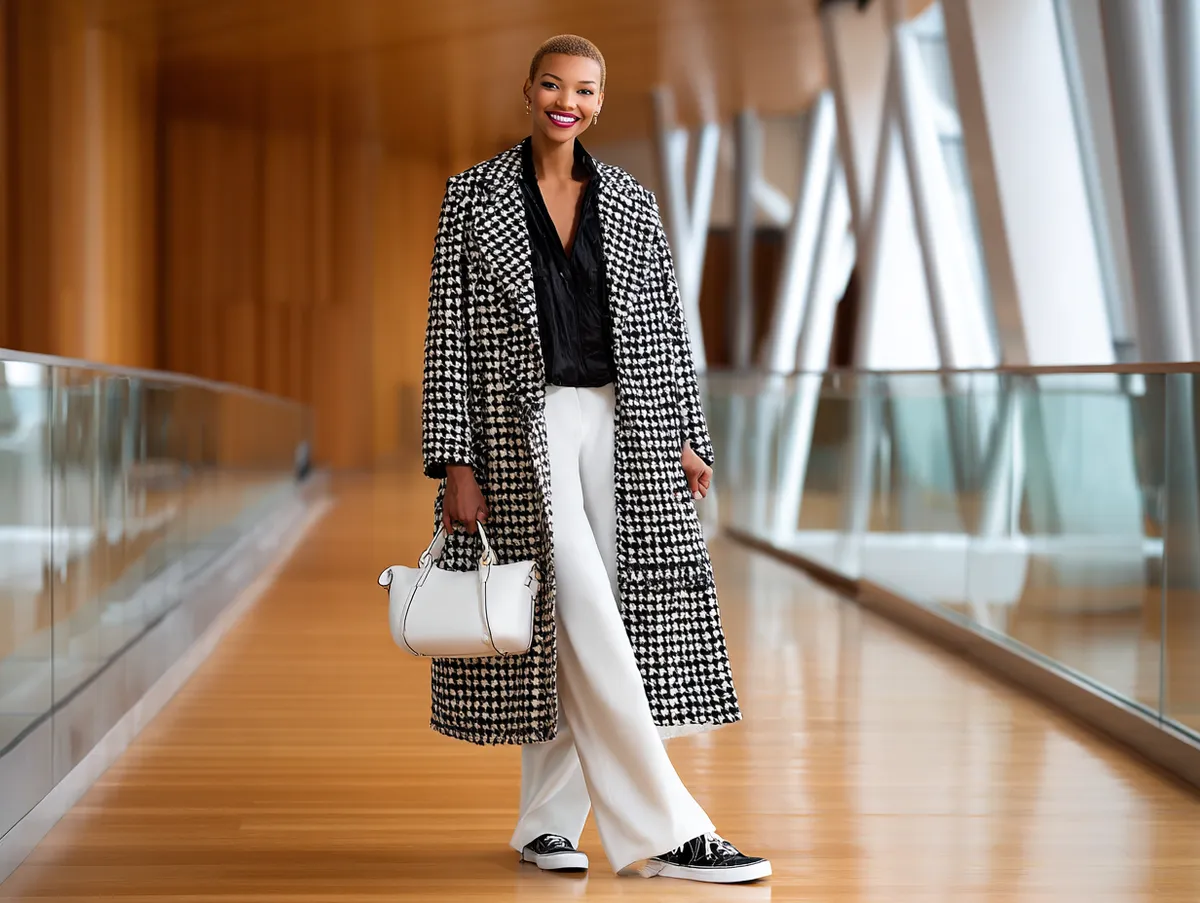
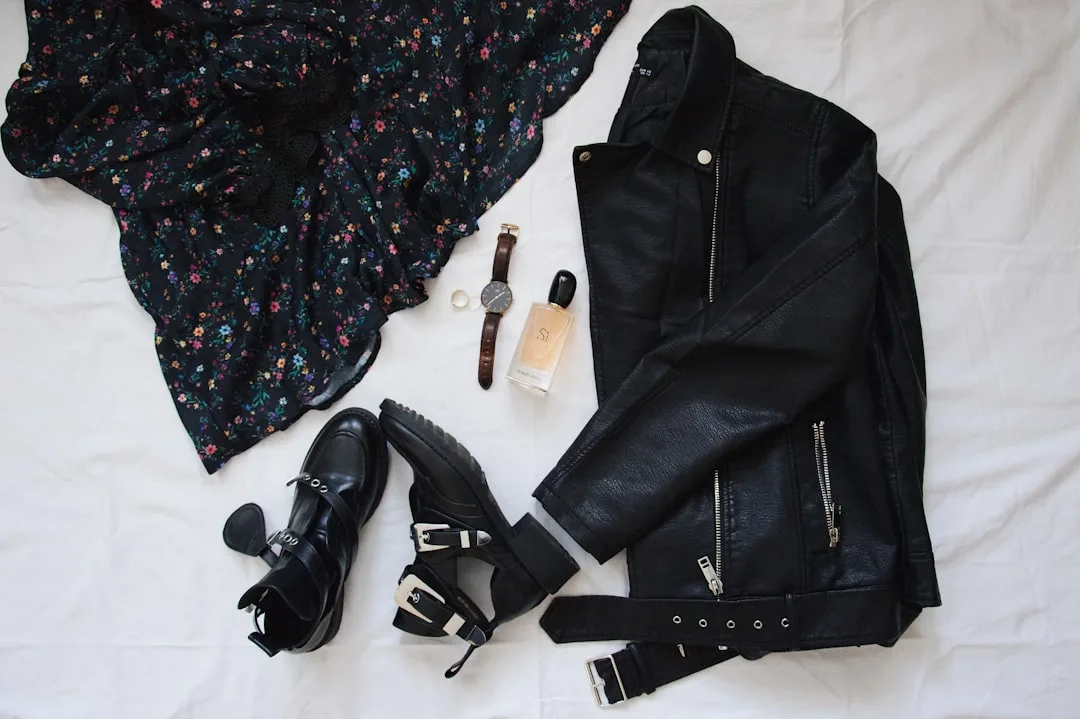
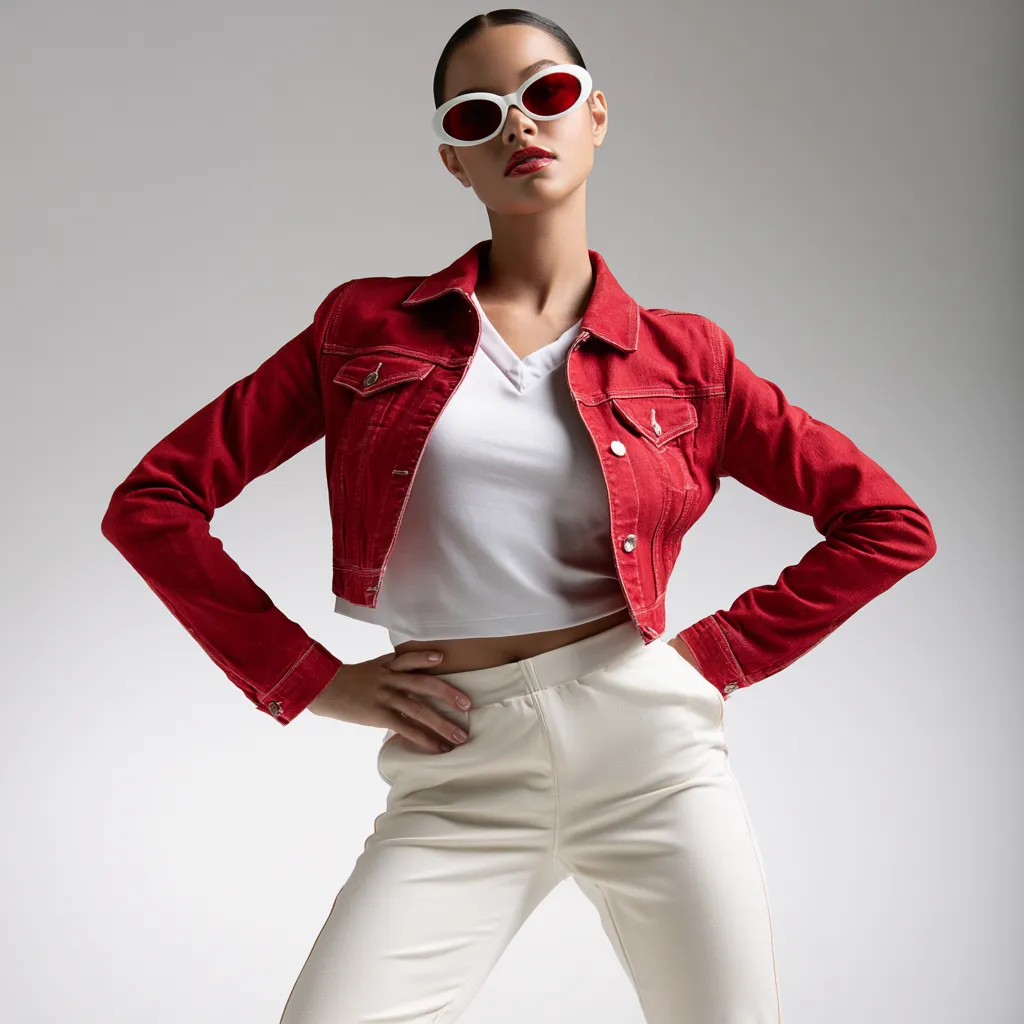
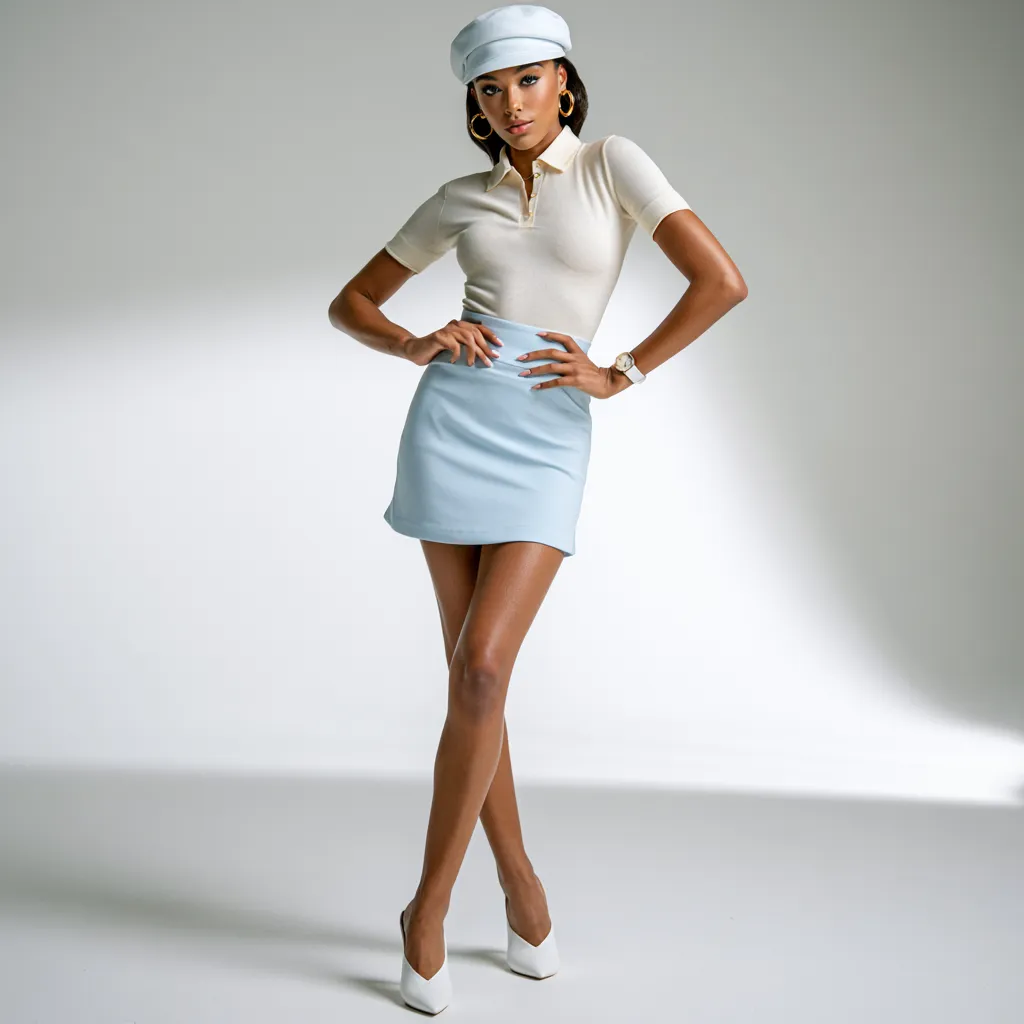
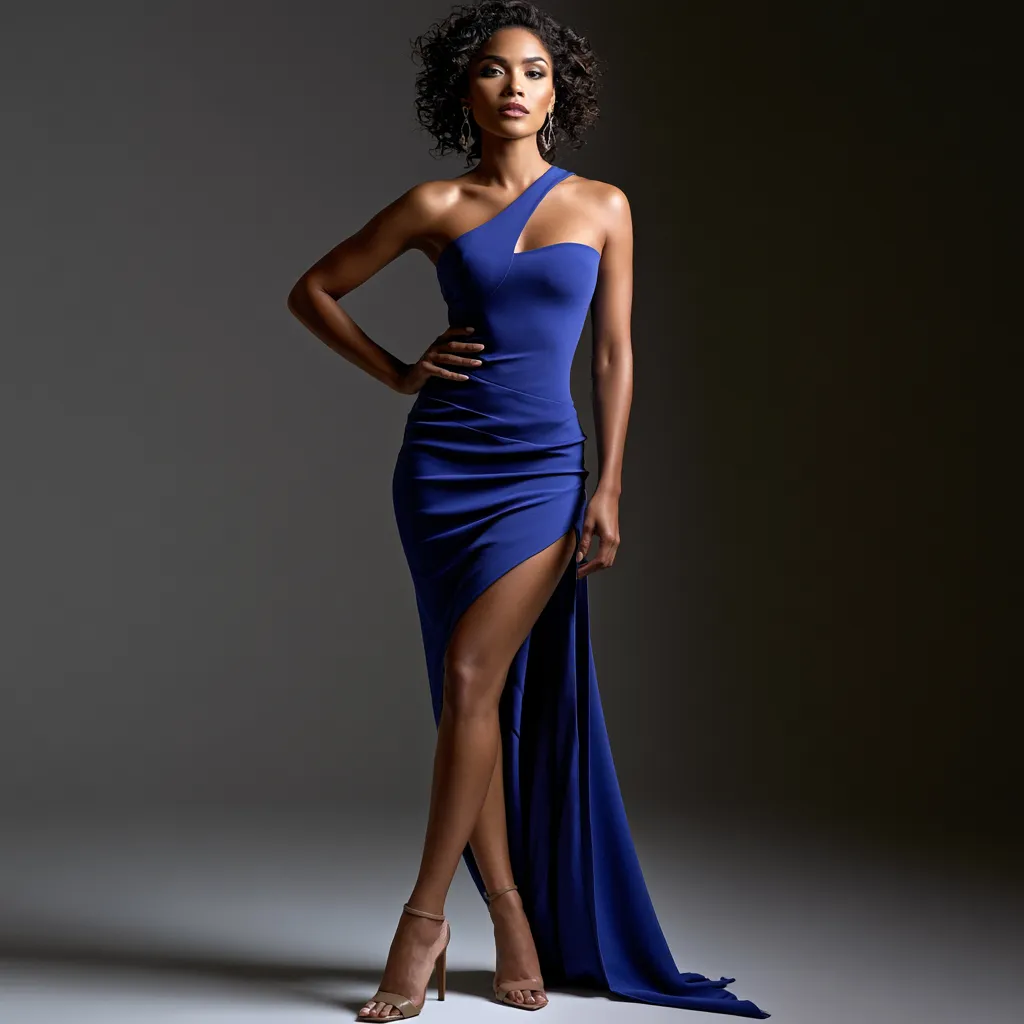
A monochrome party outfit lands differently than anything split across two or three colors — one shade head to toe reads as deliberate, sharp, and harder to pull off than it looks. The silhouette does the heavy lifting, the accessories become punctuation, and the result is either genuinely striking or obviously thrown together. This breakdown covers three colors — black, white, and red — with the specific styling mechanics that separate the polished version from the flat one.
The myth is that monochrome is low-effort. Stylists know the opposite is true. A single color amplifies every fit issue, every wrong accessory, every shoe that breaks the line. That’s also why getting it right pays off so visibly. Nail the cut and the color stays in charge. Miss it and the look deflates fast.
Black, white, and red are the three monochrome categories that generate the most search interest at parties — each one demands a different strategy. The sections below go through each with specific product references, verified price points, and the one mistake each color punishes hardest.
– All-black works when the silhouette has structure — wide-leg jumpsuit, fitted bodice, black stilettos that don’t break the line
– All-white works when the tailoring is sharp — blazer dress with deep V-neck, strappy heels, minimal silver accents only
– All-red works when the volume is earned — high-slit wrap dress, matching ankle-strap heels, red lip that pulls the palette together
– The single biggest mistake across all three: mixing textures that fight each other instead of reinforcing the color
– Party-ready black jumpsuits start from $29 (The Dress Outlet); MAJORELLE blazer dresses in white run around $278 on REVOLVE
All Black at a Party Rewards the Jumpsuit Over the Dress
An all-black monochrome party outfit built around a wide-leg jumpsuit outperforms the equivalent dress for one structural reason: the silhouette is already solved. A fitted bodice paired with a wide-leg cut creates vertical elongation from shoulder to floor — the eye reads height, not width. Dresses require more accessory work to land the same effect. The Dress Outlet carries party-ready black jumpsuits starting from $29, and the cut is what separates the ones that look like a fashion choice from the ones that look like a uniform.
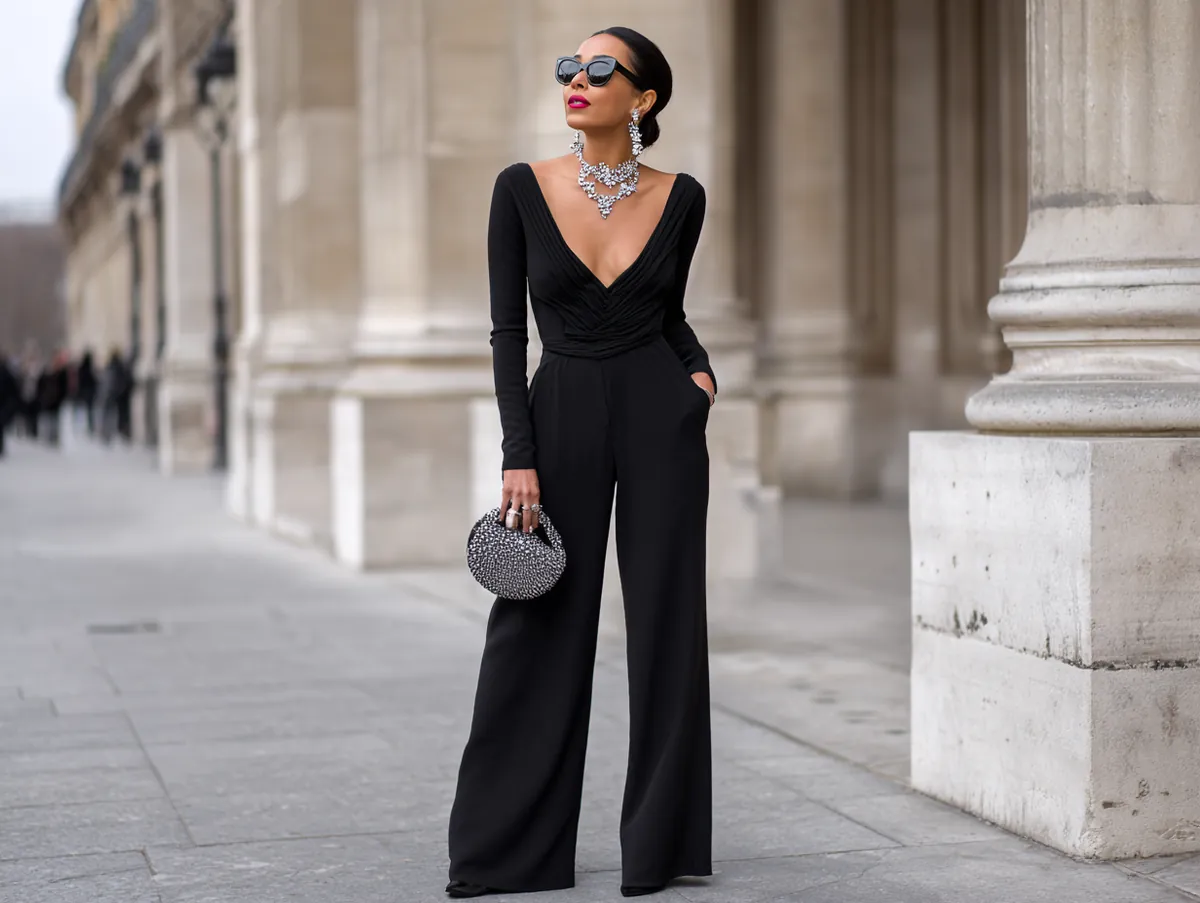
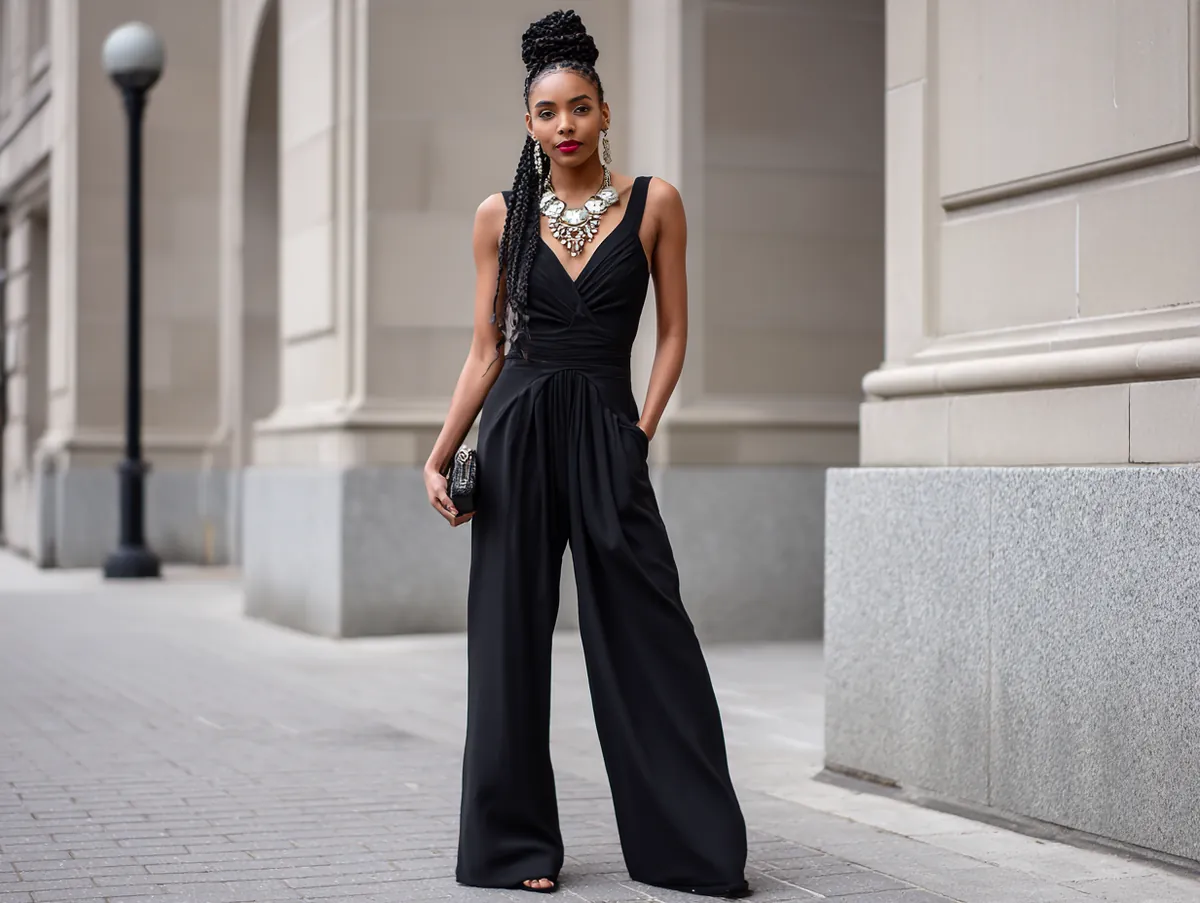


Black stilettos do two things at once: they maintain the monochrome line so the outfit reads as one unbroken column, and they add the height that wide-leg trousers demand to hang correctly. Any heel shorter than three inches and the palazzo leg drags — which is not the drama you want. A thin gold belt at the waist is the one permitted interruption: it cinches, it adds contrast, and it stops the all-black block from reading as formless. Two belt widths that work: 1 inch for sleek, 1.5 inches for structural. Anything wider tips into costume territory.
What kills this look? A chunky platform sneaker. The logic that “contrast footwear is interesting” breaks entirely in monochrome — the whole point is that the color does the visual work, and the silhouette carries it. Hoop earrings and a black satin clutch are the right accessories here. Silver hoops rather than gold keep the palette cooler, which reads sharper under party lighting. If you’re building a first monochrome look and want to understand how the same principles scale to bolder colors, the plus size birthday outfit ideas on site cover the red and sequin territory with specific styling breakdowns.
White at a Party Looks Expensive When the Tailoring Does the Work
Classy birthday outfits in white tend to split into two camps: the ones that look editorial and the ones that look bridal-adjacent in the wrong way. The blazer dress is what keeps all-white on the right side of that line. MAJORELLE’s Avori Blazer Dress, priced at $278 on REVOLVE, uses sharp collar lines and a fitted cut to signal fashion rather than occasion wear. The structured architecture of a blazer dress — defined shoulders, a V-neck that gives the neckline a focal point — prevents all-white from going soft and formless.
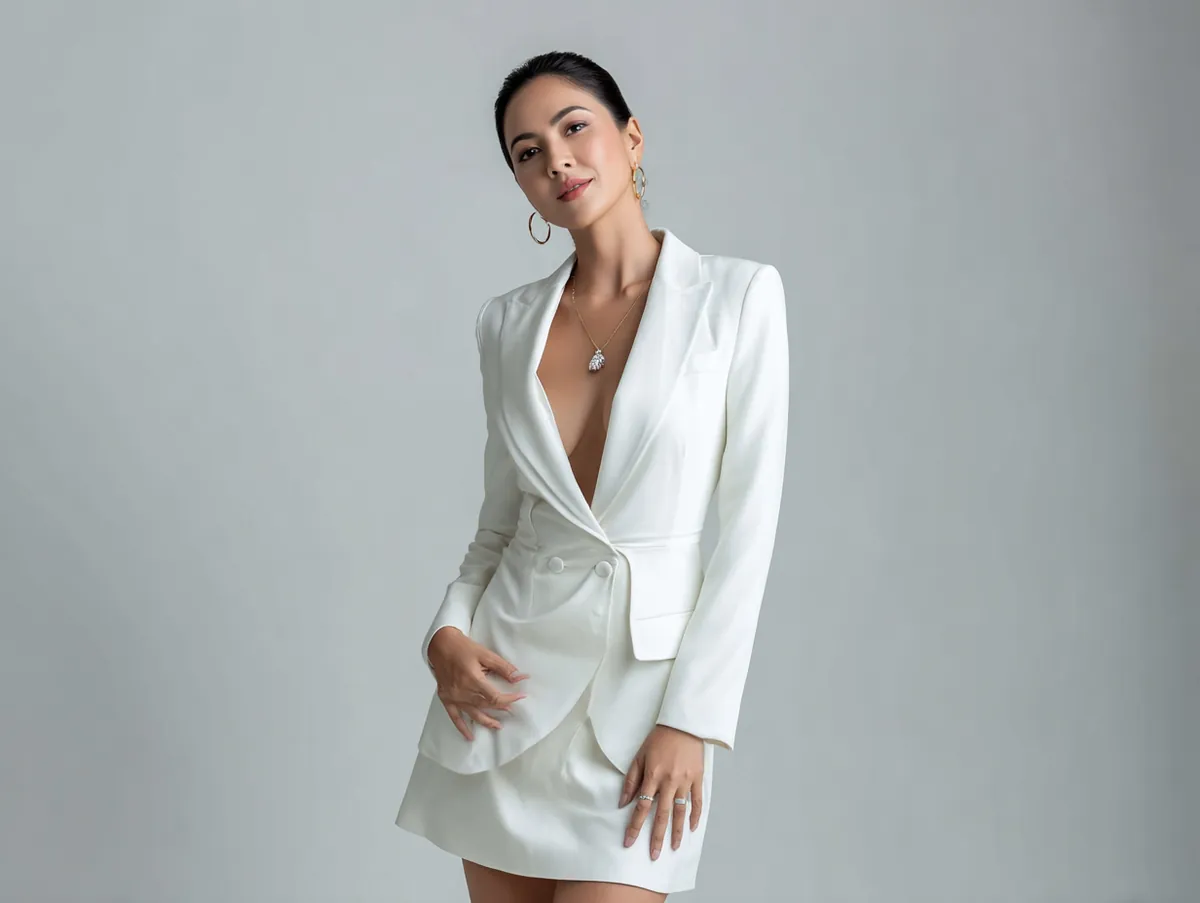


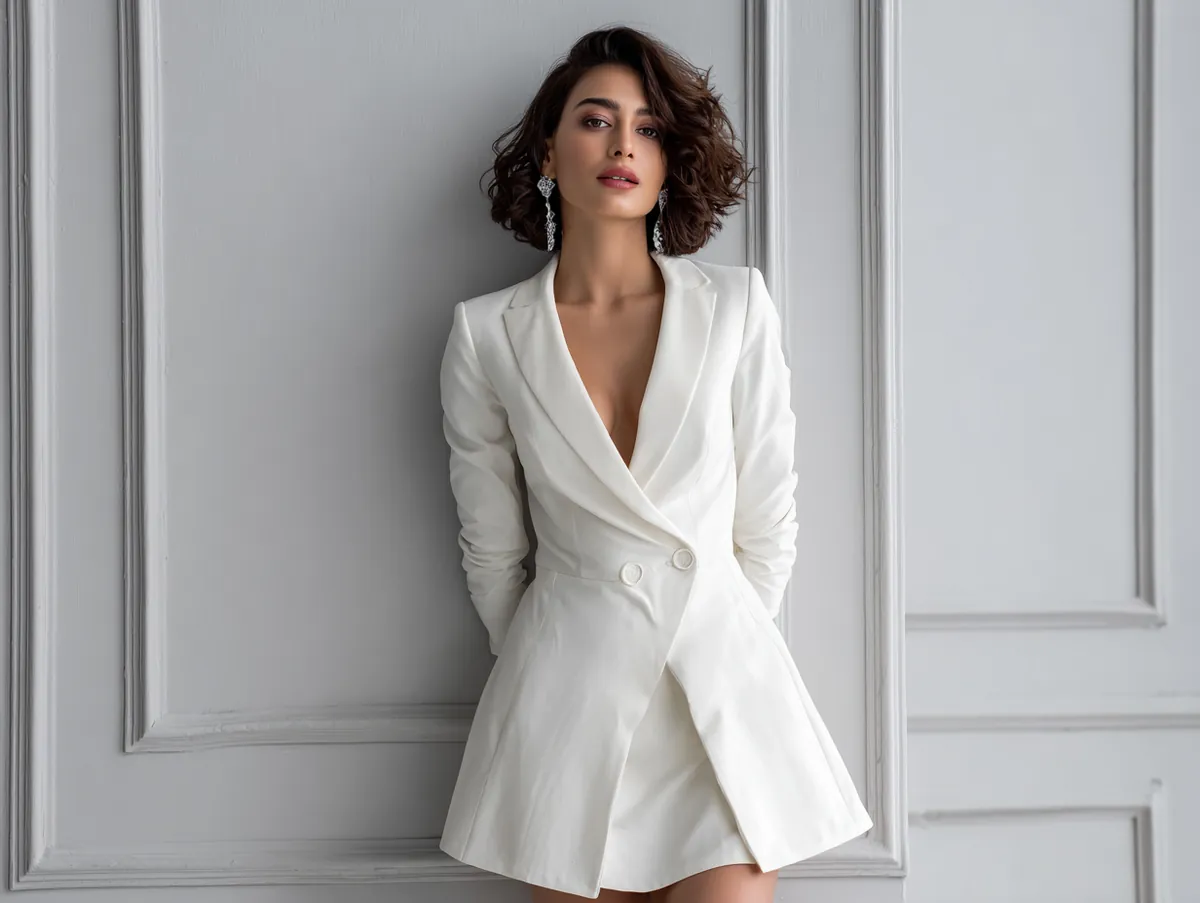


Strappy white heels are the technically correct choice here — they extend the leg line without introducing a competing color and they maintain the monochrome from hem to floor. How does this differ from the all-black look? The white outfit has less margin for silhouette error because white reflects more light and shows structure (or the lack of it) more clearly. A slightly ill-fitting blazer dress in white reads as sloppy. The same fit in black reads as moody. That asymmetry is worth knowing before you shop. A white minimalist handbag keeps the palette intact without adding the visual weight that a structured bag might introduce.
Silver bangles and drop earrings are the right accent choice rather than gold — warm-toned metals against cool white create a slight visual dissonance. The trick is to keep metallic to two items maximum. Three silver accessories and the outfit starts reading as accessorized rather than considered. The anti-advice for white monochrome: avoid ivory or cream shoes with a bright white dress. The slight tonal mismatch reads as an accident rather than a tonal choice, which is the one thing a monochrome outfit cannot afford to look like.
Don’t wear a matching bag in the same color as a statement red dress. Identical bag-and-dress color reads as accidental coordination rather than a deliberate monochrome look — let the red carry the outfit without the bag competing.
Don’t use ivory or cream shoes with bright white. The tonal gap is visible and reads as a mismatch, not a tonal variation.
Don’t add a fourth accessory “just in case.” In a monochrome outfit, each accessory is visible in a way it isn’t in a multi-color look — two or three max, chosen deliberately.
Don’t go wide-leg and low-heel in the same outfit. Wide-leg trousers need height underneath to hang correctly. A kitten heel shortens the leg, and the fabric pools.
A Monochrome Party Outfit in Red Earns Its Drama Through Cut, Not Volume
A monochrome party outfit in full red sits in a different register than black or white — the color is already doing theatrical work before the silhouette is even considered. That’s why a wrap dress with a high slit works better than a bodycon here: the slit introduces movement and air into the look, which prevents head-to-toe red from reading as a statement costume. The wrap construction does something structural too — it creates a diagonal line across the torso that breaks the flat plane of solid color without introducing a second hue. NBD’s red maxi dresses on REVOLVE start around $258, which is the price point where fabric drape stops being a problem.


Red ankle-strap heels complete the monochrome loop from dress hem to floor without breaking the color. Why ankle-strap over a plain stiletto? The strap adds a small structural element at the ankle that photographs as intentional rather than just matching — it’s a detail that confirms the look was assembled rather than grabbed. A red clutch is the right call here, but only because it reads as part of the monochrome color equation rather than an accessory afterthought. Contrast this with the all-black section: there, a contrasting clutch would work. In red, the color is so dominant that the bag needs to stay in palette or it fights the entire composition.
Red lipstick is the one “accessory” that functions as a structural element in an all-red look — it defines the face against a backdrop that’s already very saturated. Without it, the color overwhelms the features. Gold hoop earrings at medium size provide the only warm contrast the look needs. What doesn’t work here: red nail polish in a different shade of red than the dress. Two slightly mismatched reds read worse than red-and-gold. If you’re planning a minimalist approach for a different celebration and want to compare that construction, the minimalist 21st birthday outfit ideas on site show how the same silhouette logic applies with far fewer visual inputs.
| Look | Key Piece | Right Shoe | Biggest Risk |
|---|---|---|---|
| All Black | Wide-leg jumpsuit from $29 | Black stiletto, 3″+ heel | Platform sneaker breaks the line |
| All White | Blazer dress, ~$278 (MAJORELLE) | Strappy white heel | Ivory shoe creates tonal mismatch |
| All Red | Wrap dress with high slit, from $258 | Red ankle-strap heel | Second shade of red in accessories |
Rothy’s monochrome styling breakdown confirms a principle that holds across all three colors: the cohesive color scheme creates an elongating effect that flatters body types precisely because the eye reads the silhouette as one continuous line rather than a series of separate pieces. You can read their full breakdown of monochrome proportion mechanics if you want the accessorizing logic explained from a footwear-first perspective.
The Verdict
One Color, Fully Committed — That’s the Formula
Monochrome party outfits in black, white, and red each demand a specific silhouette strategy — not a uniform one. Black needs vertical structure. White needs tailoring precision. Red needs movement built into the cut.
The shared rule across all three: your shoe has to stay in palette, your accessories have to stay at two or three pieces, and your fit has to be close enough to show the color is doing something intentional.
Save this post before the next party decision hits last-minute.