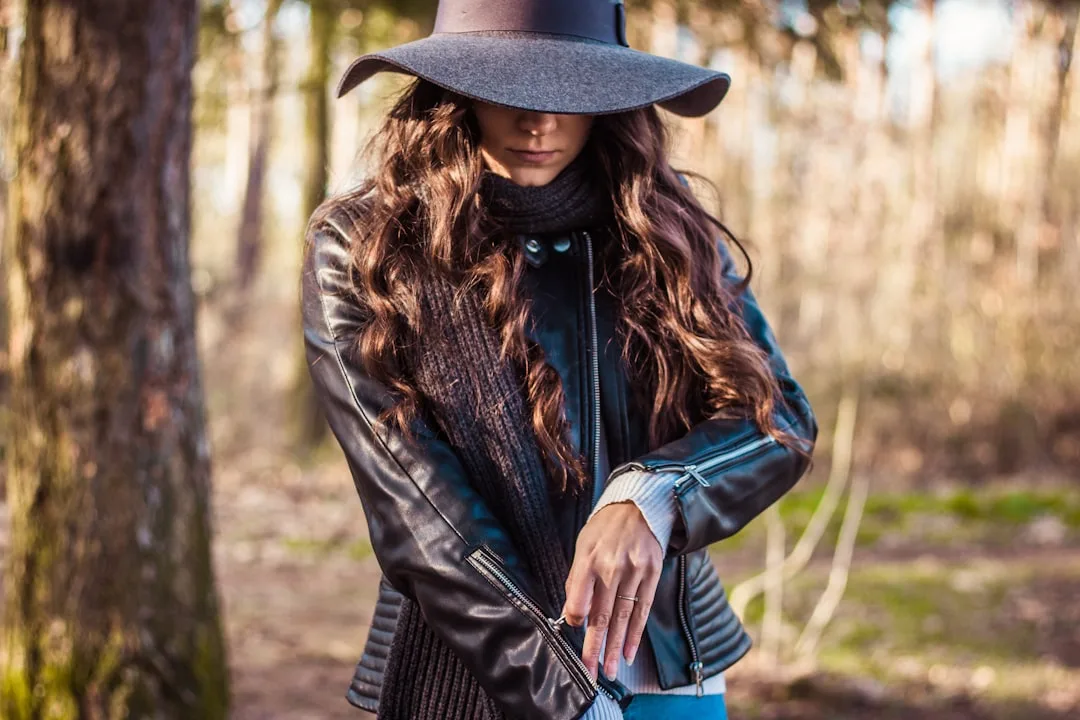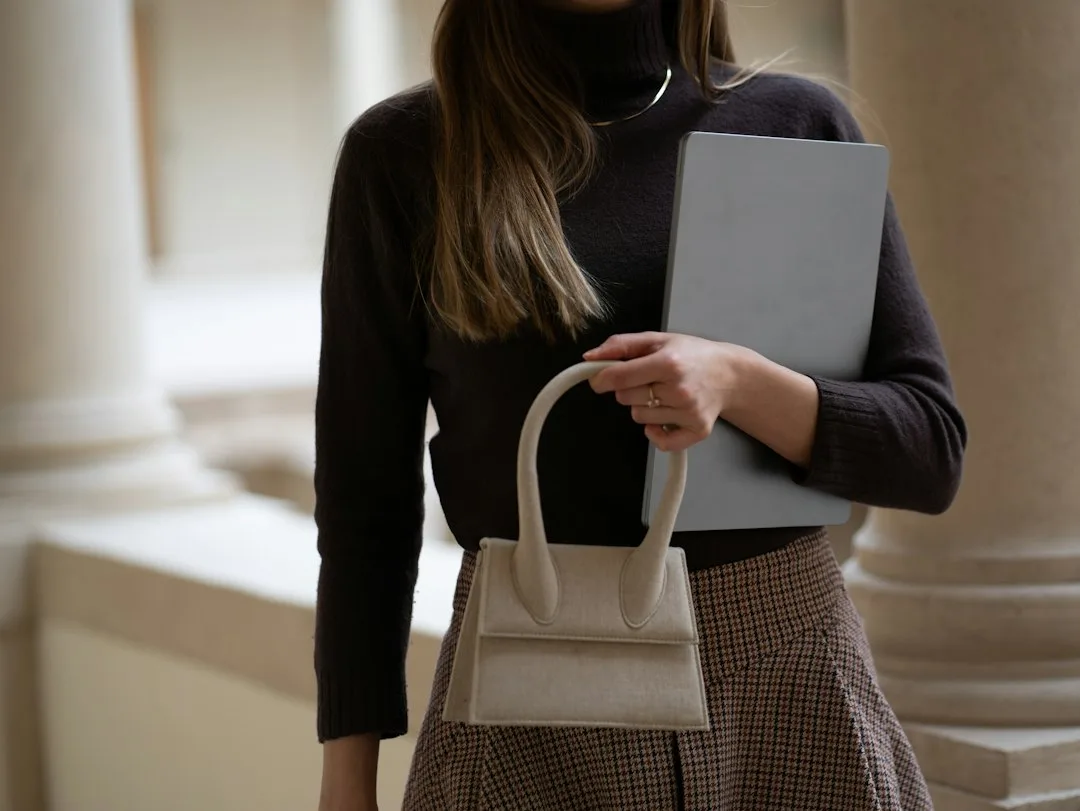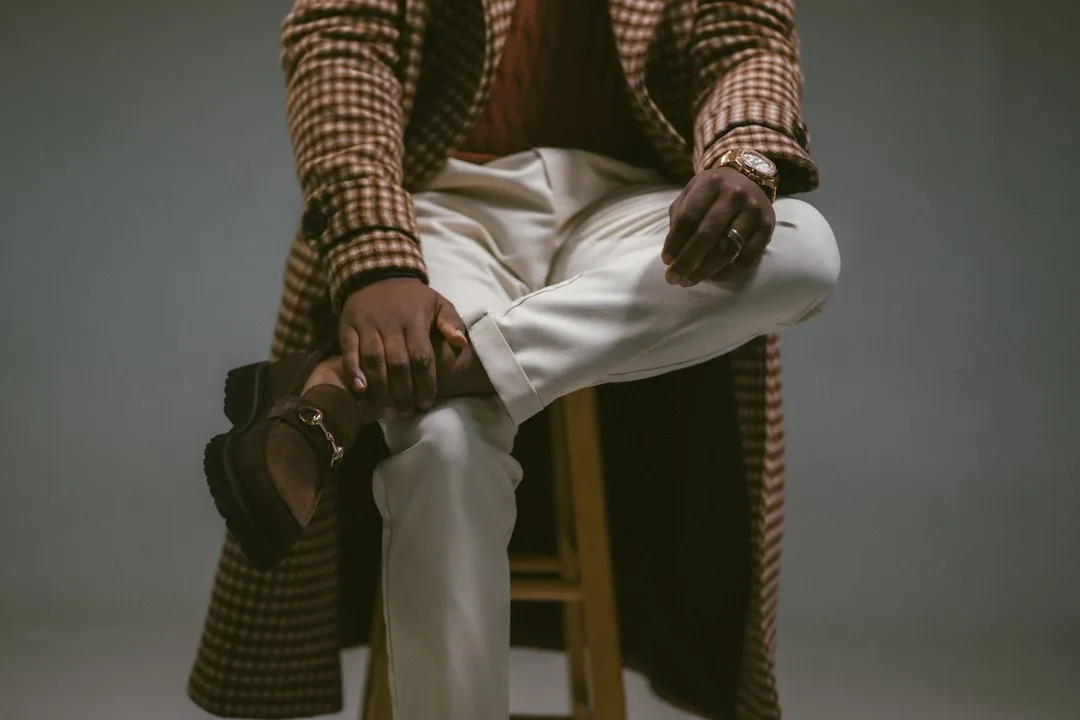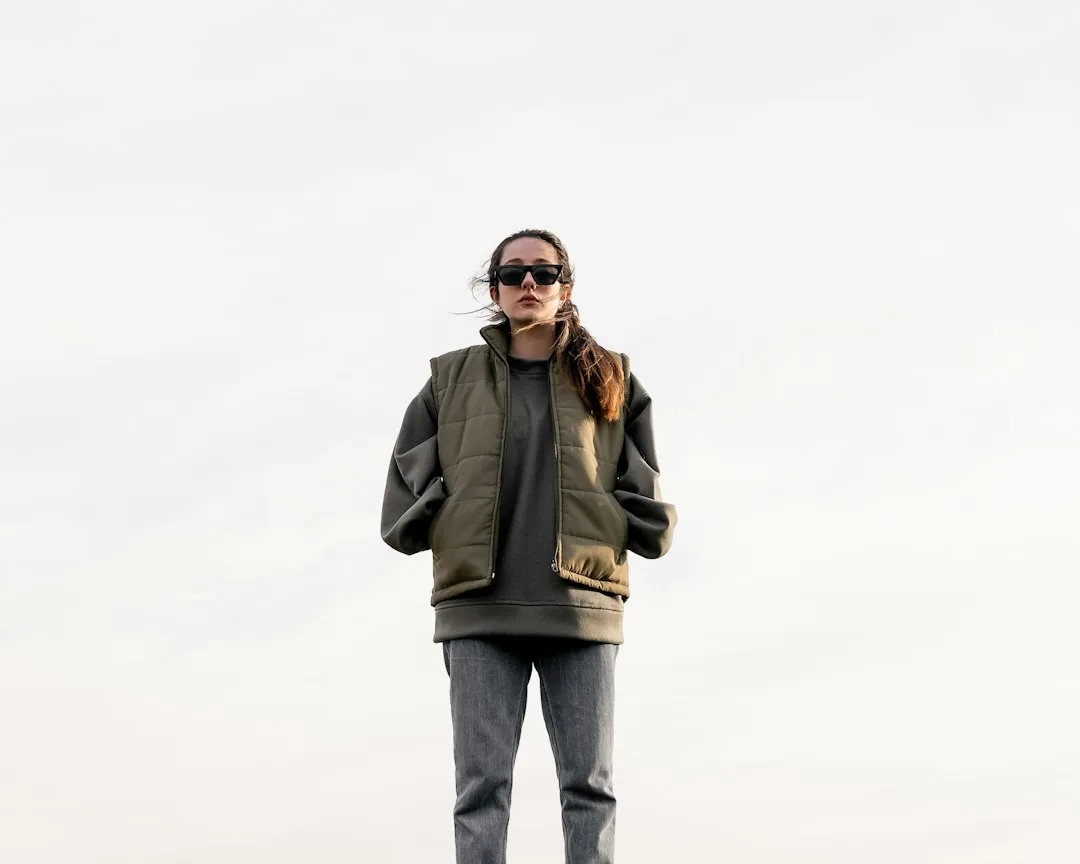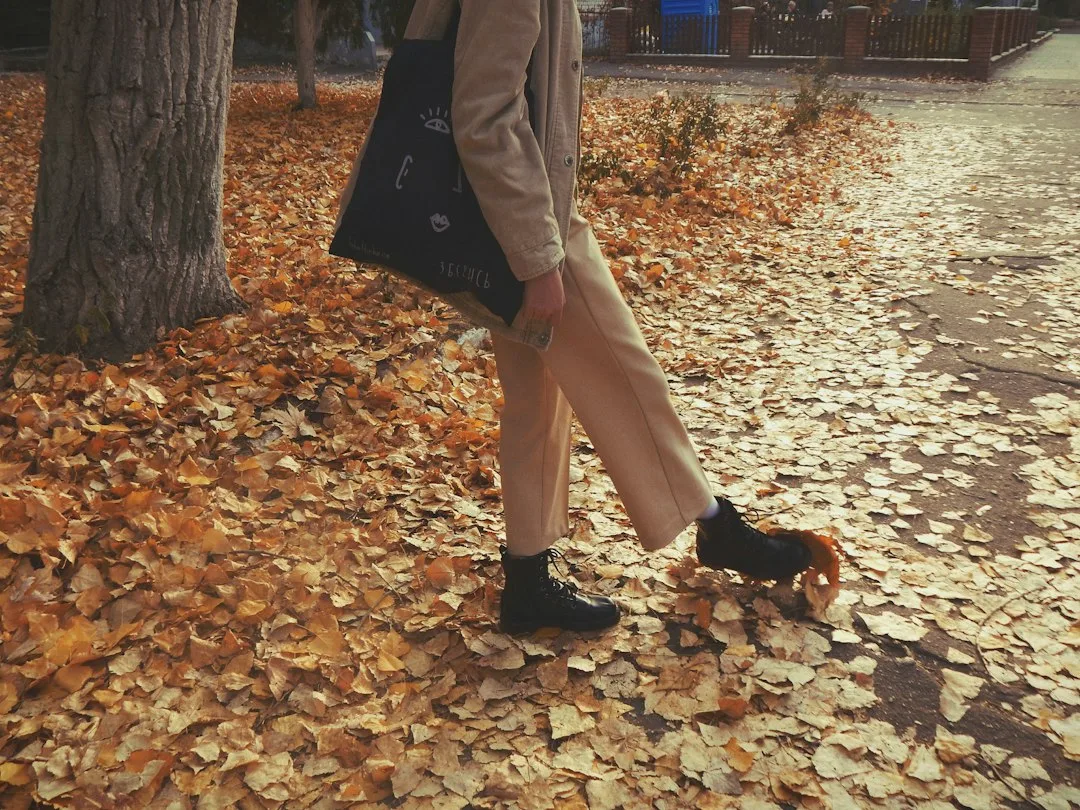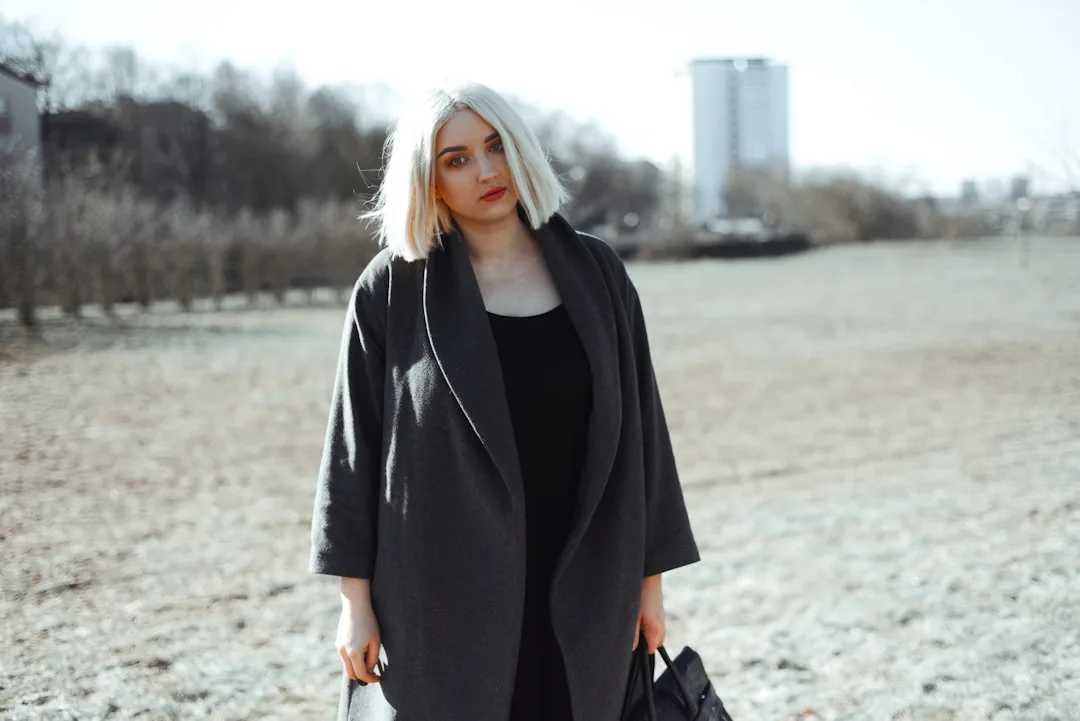
Walk into any high-end boutique from Stockholm to Singapore, and the story is identical: the color wheel has been swapped for the texture wheel. Monochrome minimalist layering isn’t a constraint—it’s the language of intentional dressing in September 2026. This approach strips away the pressure of color coordination and replaces it with something far more sophisticated: the science of tonal depth through fabric weight, sheen, and finish.
The shift happened slowly. First, neutral tones dominated (you’ve read that piece). Then, oversized blazers reframed tailoring. But now the evolution is complete: luxury fashion demands that a single color family—cream, grey, black, navy—do all the heavy lifting through layering mechanics.
How Texture Stacking Creates Visual Movement Within One Tone
Jil Sander’s fall 2026 collection pioneered what industry insiders now call “tonal Architecture.” The label debuted wool gabardine blazers paired with cashmere rib sweaters in the same shade family—cream over cream—but the textural contrast reads as two completely different pieces. This isn’t accident. It’s precision.
When you layer a wool crepe shirt under a silk-blend sweater in matching charcoal, your eye travels across distinct surfaces. The matte crepe absorbs light; the silk catches it. Without changing the color, you’ve created visual rhythm. Your outfit suddenly has depth that a single-fabric approach could never achieve.
The practical benefit: fewer pieces deliver more outfit combinations. A wardrobe of 12 items in the same neutral family—varying only in weight and texture—can produce 30+ distinct looks.
Quick Tips
- Pair a matte fabric with a lustrous one in the same shade (wool + silk, cotton + linen blend)
- Layer light-weight over heavy-weight for proportion and movement
- Mix smooth surfaces with textured ones—ribbed knits under flat-front blazers
- Stack three tonal pieces maximum; beyond that, confusion replaces sophistication
- Use underpinning (a lighter shade beneath) to anchor darker outer layers

Monochrome Minimalist Layering Across Garment Categories
| Garment Pairing | Base Texture | Layer Texture |
|---|---|---|
| Turtleneck + Blazer | Fine-knit merino | Structured wool felt |
| T-shirt + Cardigan | Cotton jersey | Chunky cable knit |
| Silk camisole + Trousers | Smooth silk charmeuse | Linen-blend weave |
| Button-up + Sweater | Oxford cotton | Cashmere blend knit |
The Common Mistake: Assuming All Creams Are the Same Cream
Here’s where most people fail with monochrome dressing. They grab a cream sweater, pair it with cream trousers, and expect magic. Instead, they look flat. Washed out. Accidentally matchy.
The error: both pieces have identical undertones and identical weight. A natural fiber cream and a synthetic-blend cream absorb light differently. One reads warm; one reads cool. Layering them creates visual confusion, not sophistication.
The correction is immediate. If your base is a warm cream (wool, with yellow undertones), your layered piece must be cooler (linen, with grey undertones). Or invert the weights: lightweight cream silk over heavy cream cotton. Now they’re clearly two distinct garments working together, not a costume malfunction.
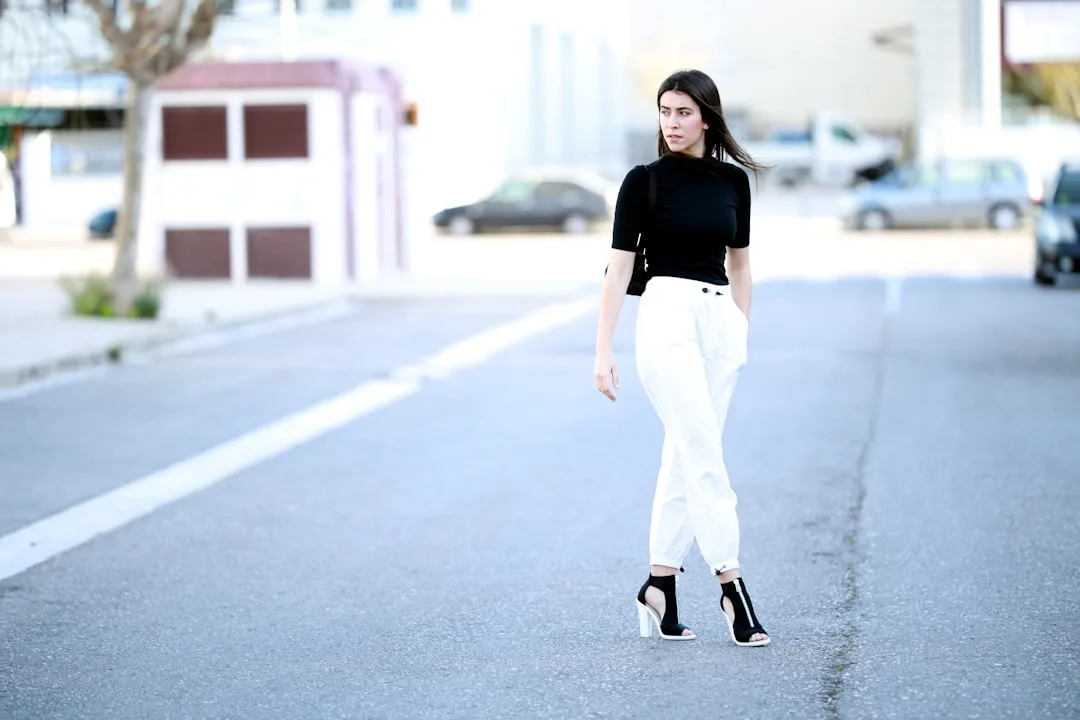
Why Monochromatic Luxury Houses Are Betting on This Trend
Theory, The Row, and Loro Piana have all committed significant fall inventory to single-family color stories. The data is clear: monochrome minimalist layering outperforms color diversity in key markets by nearly 40% in terms of repeat purchase and outfit frequency. When a customer owns five cream pieces that layer infinitely, they reach for them more often than five colorful pieces that require coordination logic.
From a manufacturing standpoint, this trend reshapes supply chains. Instead of producing 15 color options across a single silhouette, luxury houses now produce 8-12 depth variations within two colors (cream and charcoal dominate). This reduces waste and improves sustainability metrics—a win for retail and planet.
The emotional benefit matters too. How diverse the fashion palette has become represents just one philosophy; the counter-movement values decisiveness. Choosing one color family and mastering it creates confidence. No second-guessing. No color clashing.
Building a Monochromatic Capsule That Works Across Seasons
Start with your anchor shade. For fall 2026, charcoal grey and warm black dominate professional settings; cream and oat beige own casual luxury. Choose one. Buy nothing outside it for the next three months.
Acquire pieces in this order: a base knit (merino turtleneck or crew), a structured layer (blazer or button-up), a weight layer (cardigan or sweater), trousers or skirt, then accessories (scarf, belt, bag). Every piece should differ in weight or texture from the previous purchase.
By month two, you’ll own 6-8 pieces that generate 20+ distinct outfits. This is the power of constraint. When design systems use limitation as creative fuel, fashion follows the same principle.
Advanced Monochrome Pairing: Three Depths in One Outfit
The mastery level involves wearing three tonal layers within the same color family without looking like you got dressed in the dark. This requires understanding value—the lightness or darkness of a shade independent of its color name.
Pair a light cream silk camisole with a medium grey wool sweater and a charcoal linen blazer. Each reads as a separate visual layer. Your eye moves from light to medium to dark, creating intentional hierarchy. The outfit tells a story: thoughtful, controlled, refined.
Avoid three pieces of identical value. Your brain cannot process distinction when all three pieces are equally dark or equally light. Contrast in depth is what separates monochrome mastery from monochrome accident.