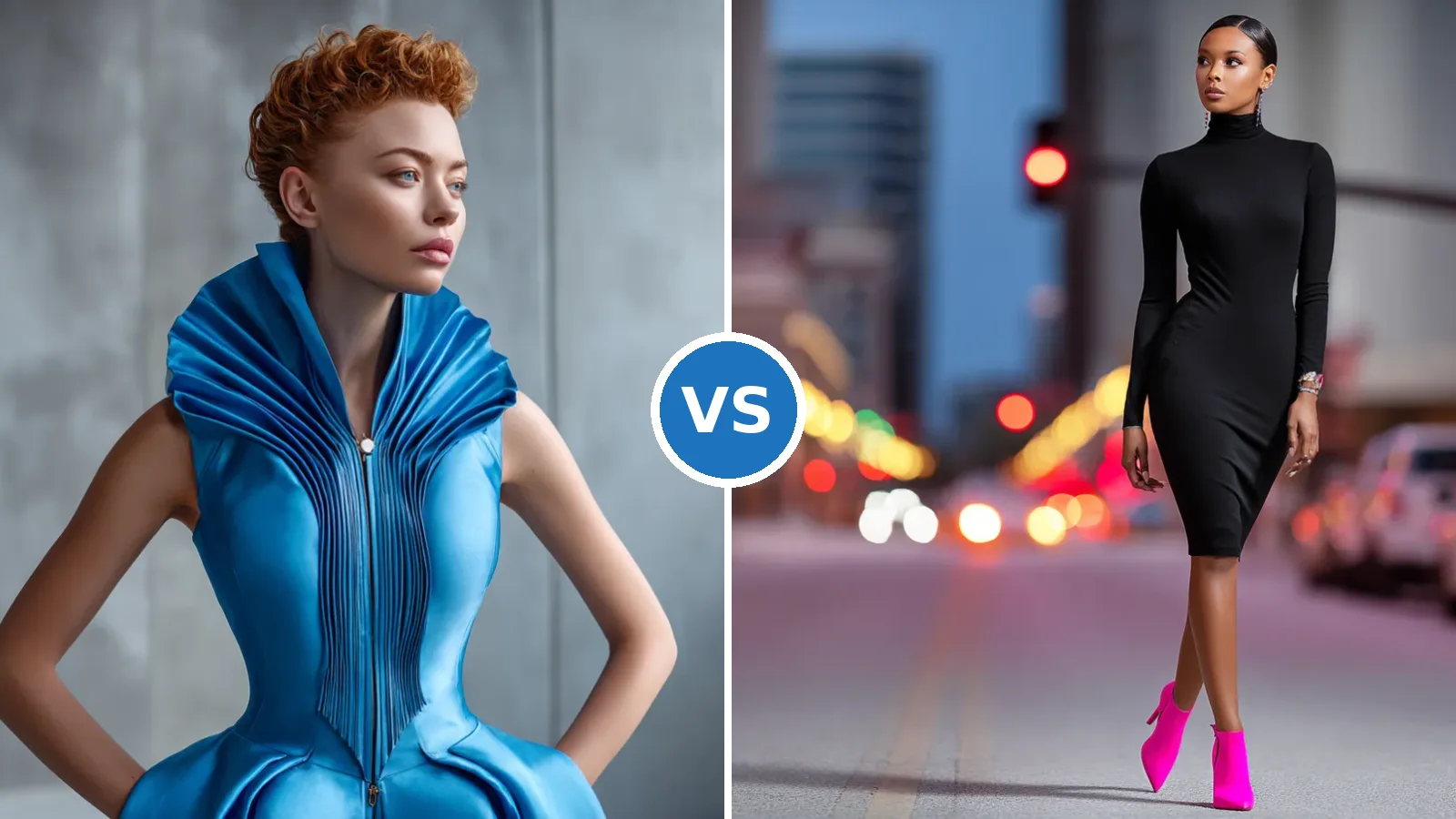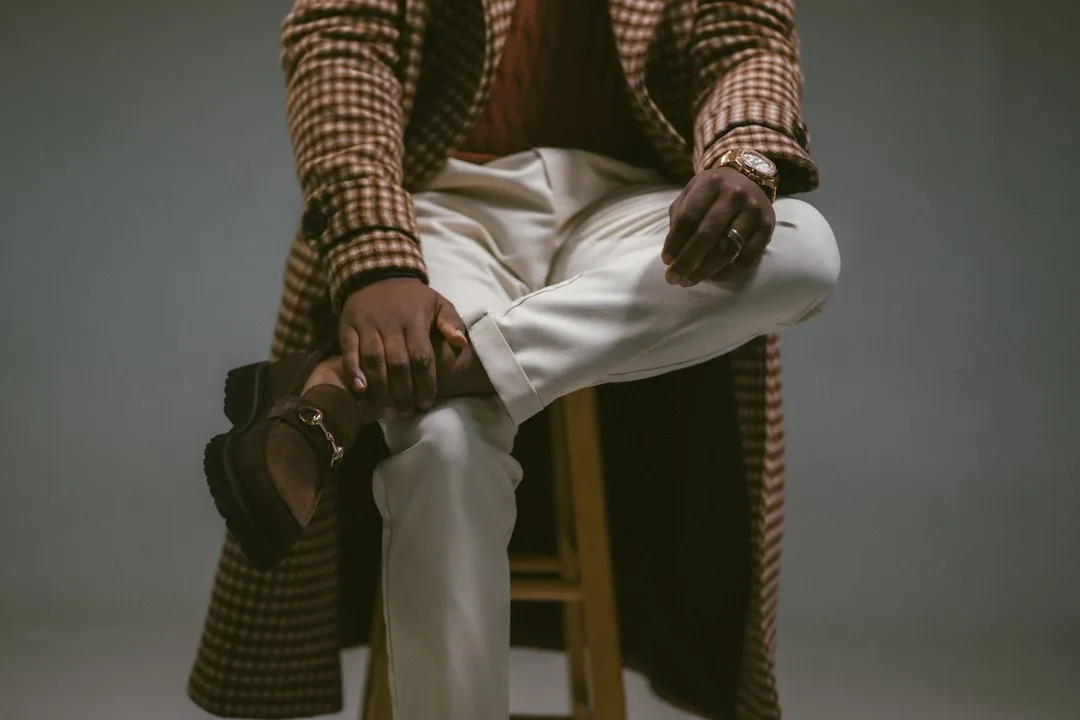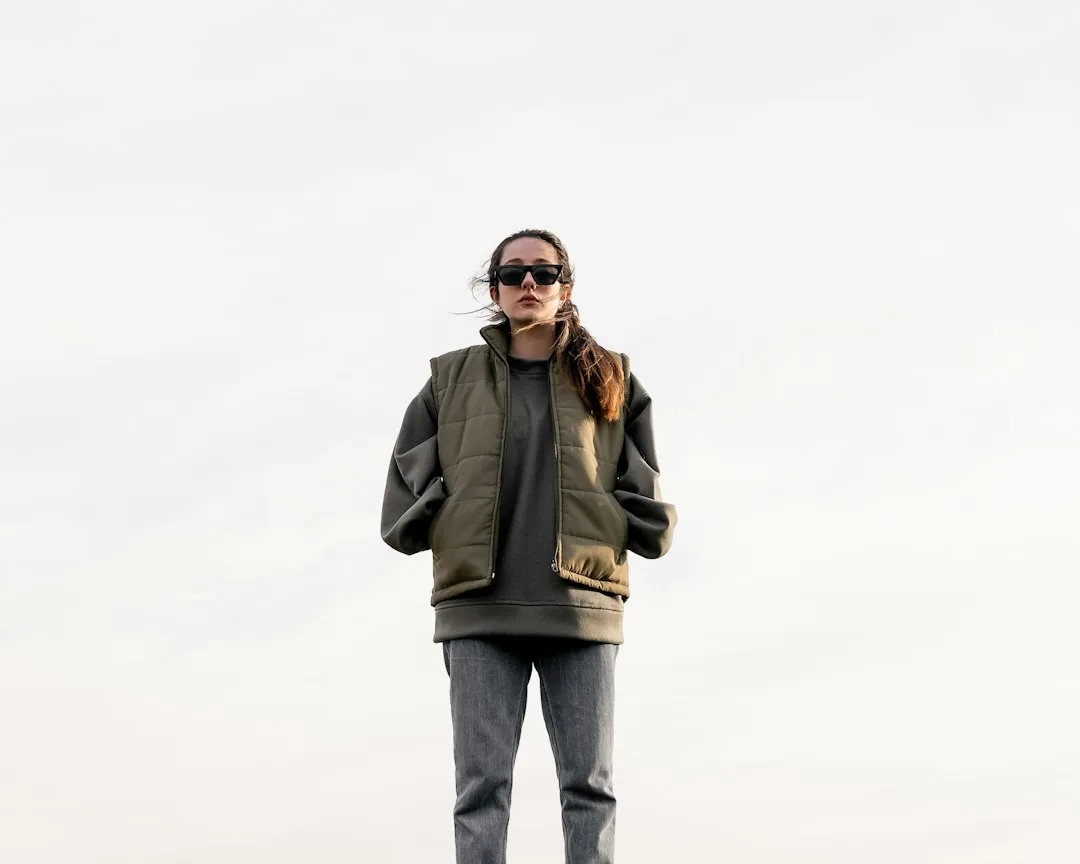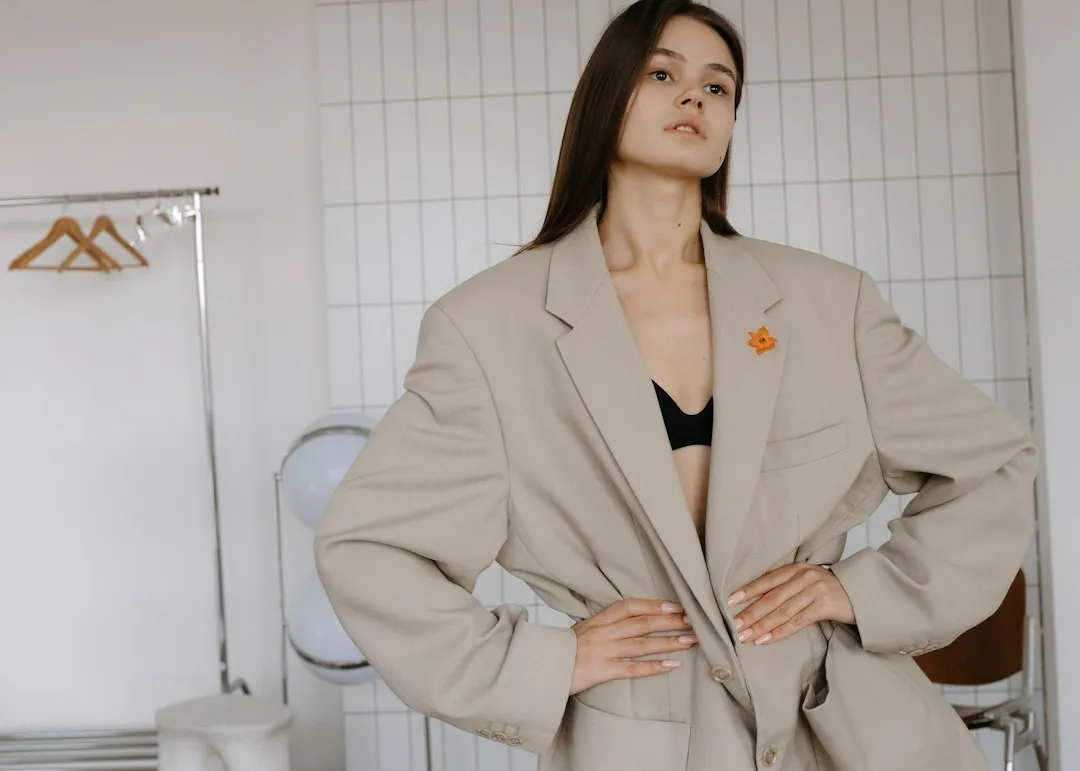
Walk into any major city in September 2026 and you’ll spot the same silhouette: a structured leather vest worn over everything from crisp button-ups to flowing midi dresses. Structured leather vests have become fall’s unexpected anchor piece, and the reason is architectural. Unlike oversized blazers or soft cardigans, these vests create a rigid frame that transforms whatever sits beneath them.
Why Leather Structure Replaced Soft Layering
For the past three seasons, layering meant adding volume—oversized shirts, balloon sleeves, dropped armholes. Fall 2026 inverted that logic. Brands like Mango and COS began releasing vests in saddle leather and vegetable-tanned hides, emphasizing seaming, darts, and architectural necklines rather than forgiving drape.
The shift reflects a broader minimalist turn. Structured leather vests demand presence without excess fabric. A single vest worn over a white cotton shirt reads as intentional dressing, not thrown-together layering.
Two things happened simultaneously. First, quiet luxury minimalism (the trend of understated tailoring) matured beyond footwear into outerwear. Second, consumers tired of trends that required five pieces to execute.
Quick Tips
- Layer a camel or tobacco vest over neutral knits to add shape without visual weight
- Pair structured vests with relaxed-fit trousers to balance proportion
- Tuck button-ups fully into vests for a defined waistline
- Choose vests with visible seaming—invisible construction reads as shapeless
- Belt over the vest with a slim leather belt to emphasize structure
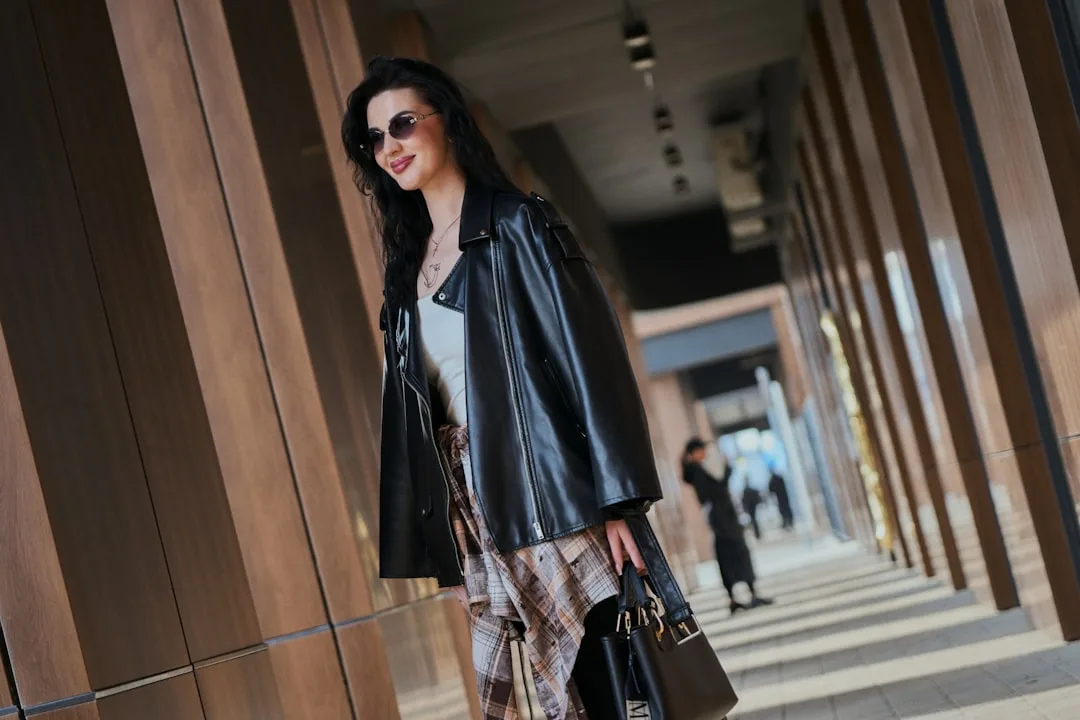
Styling Leather Vests Across Five Body Types
A vest’s rigidity means it responds to different frames in measurable ways. For pear-shaped bodies, the vest’s narrow shoulders and tapered sides draw eye upward, balancing proportions naturally. For apple shapes, a structured vest worn open over a dress adds vertical line without adding bust volume.
Hourglass bodies benefit from belted vests that emphasize the natural waist. Petite frames should seek vests with cropped length (hitting just below the hip) rather than standard cuts that overwhelm shorter proportions. Rectangular body types can layer vests over cinched dresses to create the illusion of curves.
| Body Type | Best Vest Style | Ideal Undershirt |
|---|---|---|
| Pear | Shoulder-padded, cinched waist | Light-colored knit or shirt |
| Apple | Open front, sharp lapels | Fitted or wrap dress |
| Hourglass | Fitted, beltable waist | Any fitted piece |
| Petite | Cropped, high armhole | Tailored button-up |
| Rectangular | Peplum or belted | Dress with defined waist |
The Common Mistake Most People Make
Here’s where most shoppers go wrong: they buy vests too large, thinking structure equals room. A woman with a 36-inch bust purchases a 40-inch vest expecting it to layer smoothly. Instead, the vest balloons, the seams float away from the body, and the architectural line disappears entirely.
Structured leather vests require true-to-size or even snug fits. The leather itself won’t soften or relax like cotton will. A vest that feels tight in the dressing room is correct; one that feels comfortable often means you’re swimming in it.
Buy one size up if you plan to layer heavy sweaters underneath. But for shirt layering—the primary use case—go standard size. Leather vests from brands like Wilsons the Leather Experts and Tandy Leather Goods maintain their shape for decades, so spending time getting the fit right pays dividends.

Color, Material, and Hardware Choices
Black remains dominant, but fall 2026 brought unexpected neutrals into rotation. Camel, cognac, and tobacco leather now rival black for professional settings. This shift mirrors the broader move toward modern house color palettes that favor warmth over cool tones—the same psychology applies to personal adornment.
Material matters acutely here. Full-grain leather develops character and patina over time, creating the illusion of investment-worthiness. Suede offers softness but requires maintenance and doesn’t age as gracefully. Nappa leather feels luxurious initially but shows creasing within weeks if the vest fits snugly.
Hardware—snaps, rivets, D-rings—should be minimal for structured vests. Excessive hardware reads as costume, not clothing. Functional closures in brushed silver or aged bronze feel contemporary; shiny gold hardware dates quickly.
Occasions Where Structured Vests Replace Expected Pieces
In September 2026, structured leather vests have begun replacing blazers in business-casual environments. A vest with dress trousers and a fitted shirt projects authority without the formality of tailored jacket shoulders. This works because vests expose the arm and shoulder line, reading as less restrictive than full jackets.
For casual settings, layer a vest over oversized t-shirts or relaxed button-ups to add intentionality. A vest transforms a simple outfit into deliberate styling. Weekend looks pair vests with jeans and loafers; evening looks feature vests over midi dresses with pointed-toe shoes.
The vest also solves a practical problem: mid-layer anxiety. Jackets are too much; cardigans feel too soft. A structured vest provides warmth and visual weight without committing to outerwear. As seasons shift from summer to fall, this transitional piece becomes essential.
Sourcing Quality Vests That Last
Premium structured leather vests typically range in the $150–300 bracket depending on tannery and construction. Brands including AllSaints and Schott NYC dominate here, both offering certified leather and reinforced seaming. Lower-priced options exist, but bonded leather and vinyl vests deteriorate within a season of regular wear.
Check the vest’s lining before purchasing. Cupro or silk linings feel premium and resist clinging to layers. Cotton sateen works but generates friction, making layering uncomfortable. The lining also affects how the vest hangs—cheap unlined vests buckle at the back.
Structured leather vests represent the fall 2026 turn toward pieces that earn their place through durability and repetition. This isn’t a trend meant to cycle out; it’s foundational dressing that improves with age. Unlike band tees or novelty silhouettes, vests anchor wardrobes for years, bridging seasonal shifts and style evolutions. Investing in one structured vest in black or camel—sourced from makers prioritizing full-grain leather and clean seaming—returns dividends across hundreds of outfits.