Sarah Chen spent four hours planning the main reception menu but zero minutes considering what would happen at 11 p.m. Three years ago, that would have been normal. Today, it’s the opposite of strategic. After-party event planning has become the hidden metric by which seasoned hosts measure success—and it’s reshaping how celebrations are structured across weddings, milestone birthdays, corporate events, and destination gatherings throughout 2026.
The after-party was once what happened when uninvited guests showed up at someone’s apartment. Now it’s a deliberate second act, often held at a separate curated venue with its own catering, music, dress code, and guest list logistics. This shift isn’t cosmetic. It fundamentally changes venue selection, timeline design, and how event budgets are allocated.
Why After-Party Event Planning Has Become Non-Negotiable
Ritz-Carlton and Four Seasons event teams report that 62% of high-profile celebration bookings now include a secondary venue request—something that barely registered five years ago. The reason is simple: guests want depth. A four-hour seated dinner followed by cake and dancing feels flat to people accustomed to television production values and curated streaming experiences.
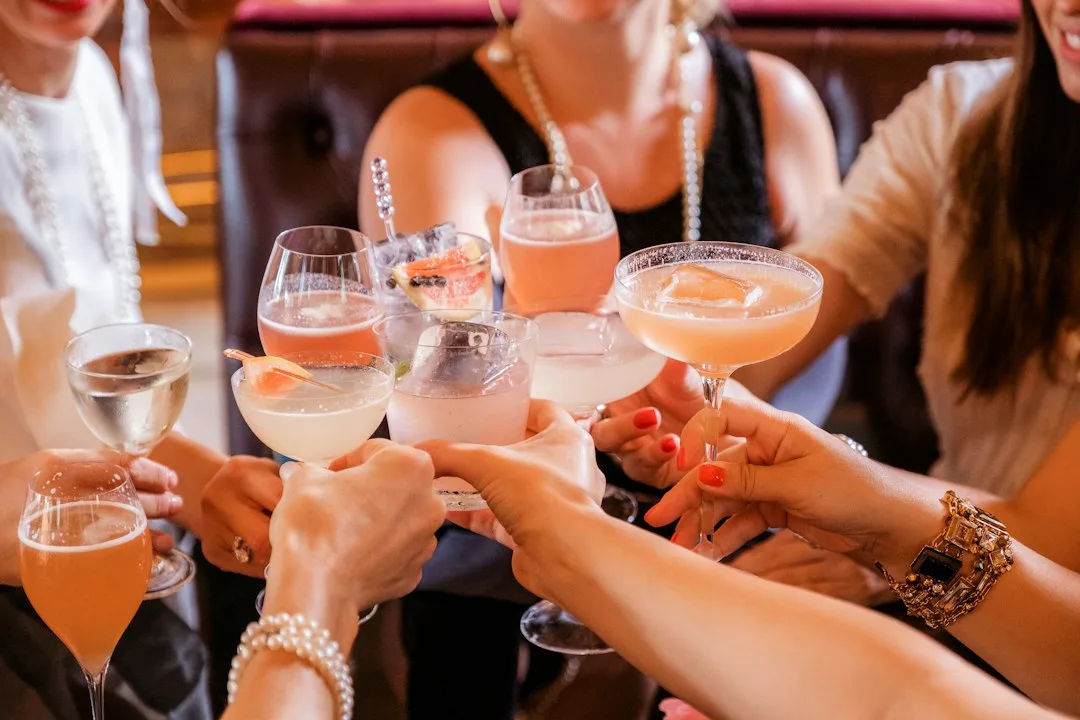
After-party event planning solves this by creating momentum and exclusivity. The main event welcomes everyone invited. The after-party becomes permission to go deeper—different energy, smaller footprint, intentional vibe. This mirrors how Corporate Team Building Events 2026 use hybrid experiences to drive employee retention, where transition between spaces and experience layers builds stronger connection than single-location standardization ever could.
Event planners now schedule 15-minute buffer windows for guests to change clothes, regroup, or skip the after-party entirely. This permission to filter the guest list organically—rather than through explicit invitation architecture—reduces social awkwardness and allows the remaining crowd to feel genuinely selective.
Quick Tips
- Reserve secondary venue early—top rooftop bars and lounges book after-party slots 8-10 weeks ahead
- Plan guest transition logistics: designate a lead time (typically 45-90 minutes after main event close) to allow venue changeover
- Design a distinct dress code signal—different music genre, lighting style, or cocktail type makes the shift feel intentional, not like everyone just wandered somewhere
- Cap after-party headcount deliberately; 30% reduction from main guest list is standard to preserve exclusivity
The After-Party Venue Strategy and Execution
Soho House locations across major cities have created dedicated event packages specifically for after-parties—private rooms bookable 10 p.m. to 2 a.m., with standing-room layouts and full bar packages priced to accommodate last-minute guest additions. This is strategic response to demand. Five years ago, venues treated after-parties as walk-ins or overflow accidents.
| After-Party Venue Type | Best Use Case | Guest Experience Focus |
|---|---|---|
| Rooftop lounge with skyline view | Destination weddings, milestone birthdays | Continuity with outdoor ceremony vibe |
| Speakeasy or craft cocktail bar | Corporate celebrations, reunion weekends | Intimate conversation, exploratory atmosphere |
| Members club with private library | Wedding after-parties, luxury networking | Exclusivity and retreat feeling |
| Boutique nightclub with VIP section | Birthday celebrations, young professional events | Elevated energy and dance-forward vibe |
| Luxury hotel suite or private residence | Ultra-intimate gatherings, destination weekends | Control and personalization without venue constraints |
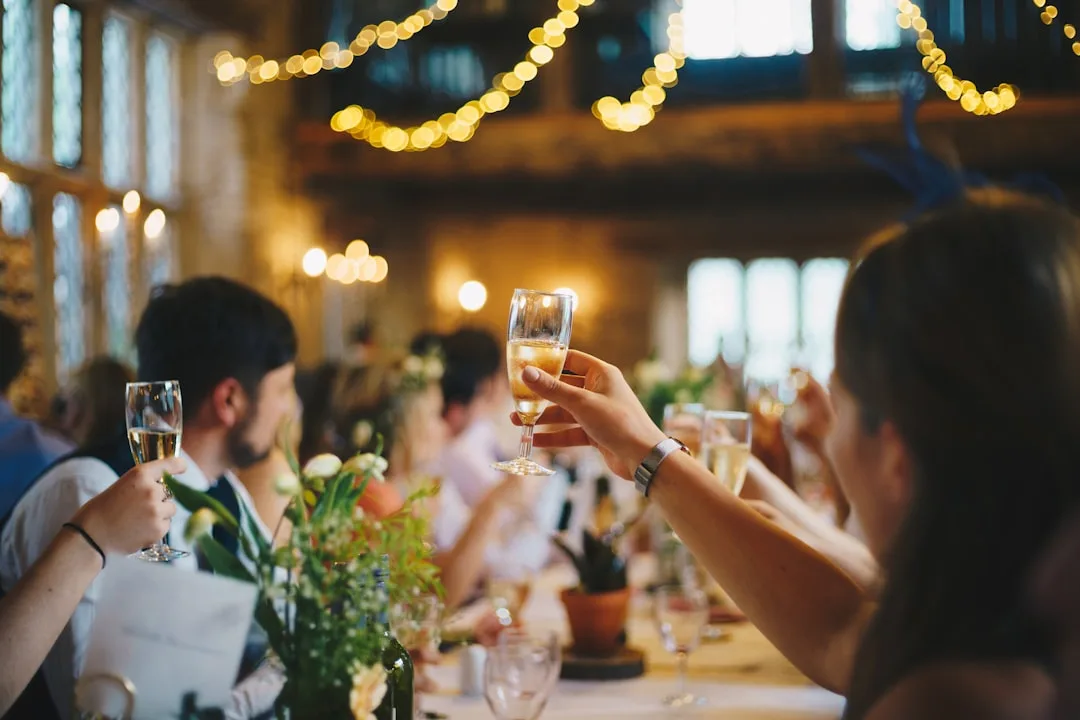
The critical detail many hosts miss: after-party venues should feel physically distinct from the main event. If both spaces have the same lighting temperature, music style, or decor palette, guests experience fatigue rather than refreshment. A seated dinner in warm amber lighting should transition to a cocktail lounge with cooler whites and blues, or from classical strings to live DJ energy.
The Biggest After-Party Planning Mistake
The #1 failure point is inviting the same caterer and bar manager to both venues without re-briefing them on guest energy expectations. Marcus Rodriguez hosted a 120-person wedding at a historic estate with white-glove service, five courses, and a string quartet. He then booked an adjacent carriage house for the after-party with identical staffing and bar setup.
The result: guests arrived expecting a mood shift and found the same formal service continuing in a smaller space. The after-party felt like a redundant encore rather than a distinct experience. The bar moved slowly because staff were trained on event-style mixing, not rapid cocktail service. Within 45 minutes, half the after-party guests left to find a local bar with genuine energy.
The lesson is hard: after-party venue staffing requires different training, different pacing expectations, and different KPIs. Speed, flexibility, and atmospheric management matter more than mise-en-place precision.
Music, Lighting, and Mood Architecture
Punchdrunk Events, which manages high-profile celebrations across London and New York, now treats after-party audio design as a separate contract line item from main event music. Main event DJs typically follow a predetermined setlist or band program. After-party success demands real-time reading of crowd energy, rapid genre shifts, and willingness to abandon prepared material if it’s not landing.
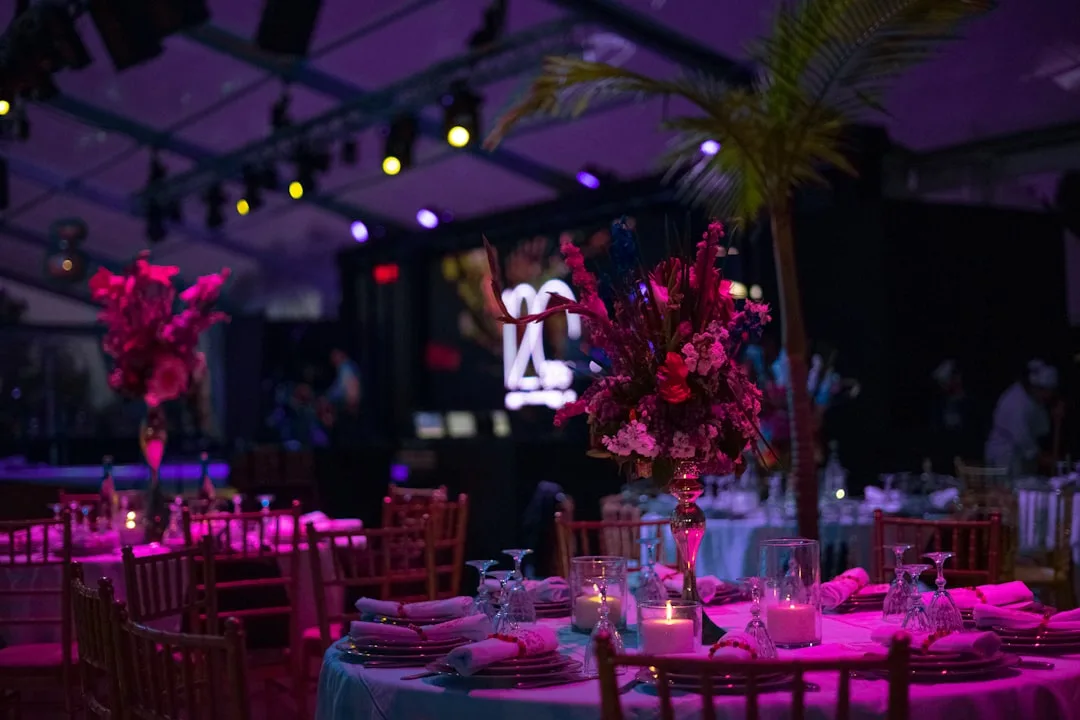
Lighting design follows similar logic. Main event lighting emphasizes ambiance, visibility, and photography clarity. After-party lighting becomes more atmospheric—lower color temperature, more dramatic shadows, perhaps projection or neon elements that create a club or lounge feeling rather than event lighting. This physical shift signals to the brain that the party has entered a different mode.