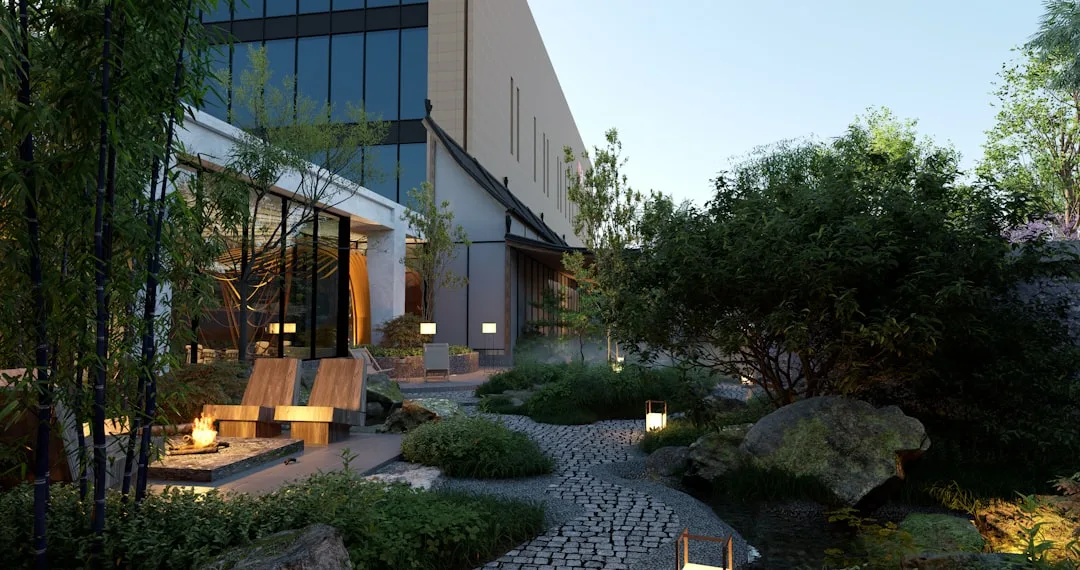
Your lawn drowns after a three-inch rainfall. Water pools against the foundation. The municipal storm drain overflows. This is the reality facing 40 million American homeowners in June 2026—and bioswales are the answer nobody expected to find beautiful. What began as ecological infrastructure in the Pacific Northwest has evolved into a landscape statement piece, merging functional stormwater management with aesthetic garden design. Unlike permeable pavers or rain barrels, bioswales work invisibly underground while transforming the visible garden surface into planted beauty.
Why Bioswales Became Standard in 2026 Residential Design
Extreme precipitation events increased 55% since 2015, forcing homeowners to choose: costly French drains buried under concrete, or integrated landscapes that manage water while adding value. The Environmental Protection Agency’s 2026 stormwater guidelines shifted from containing runoff to infiltrating it—a legal mandate in 47 states by May 2026. Bioswales redirect roof and surface water into planted channels where native vegetation and engineered soil layers filter contaminants while recharging groundwater.
The economics are undeniable. A 1,200-square-foot residential bioswale system costs $4,500–$7,200 installed through firms like Rain Wise Design ($8,500 for custom layouts including soil engineering), compared to $12,000–$18,000 for traditional underground stormwater systems. Over ten years, bioswales eliminate the $300 annual municipal stormwater fees imposed in Seattle, Denver, and Portland.
Homeowners discovered that bioswales photograph as well as they function.
- Size bioswales for the 95th percentile rainfall event—typically 1.5 inches for most regions
- Plant sedges, switchgrass, and native shrubs—avoid turf that compacts infiltration
- Slope bioswale sides at 3:1 ratio to prevent erosion and improve mowing access
- Install underdrain systems in clay soils where infiltration rates fall below 0.5 inches/hour
- Mulch with 3 inches of wood chips to reduce evaporation and suppress weeds
How Professional Bioswales Differ From DIY Rain Gardens
The most common failure in residential stormwater projects happens when homeowners confuse rain gardens with bioswales. A rain garden is a shallow basin that collects and holds water temporarily—useful for small roof runoff. A bioswale is a linear, engineered channel that moves water from source to infiltration point while filtering it through multiple soil horizons. The distinction matters because DIY rain gardens fail within 18 months when clay subsoil prevents drainage, leaving standing water that breeds mosquitoes and roots rot beneath plantings.
Professional installations begin with soil percolation testing—measuring how many inches of water infiltrate per hour. If your site has 2-inch clay subsoil, a bioswale requires an engineered underdrain (perforated PVC pipe in gravel) that captures water and directs it to daylight or municipal stormwater. Rain gardens lack this infrastructure and clog. The EarthTech Bioswale Design Kit ($650) includes testing equipment, but labor from licensed landscape architects averages $1,800–$3,200 for site analysis and engineering drawings. This investment prevents $6,000+ in repairs from failed systems.
One example: a Portland homeowner installed a DIY rain garden in 2024 based on Pinterest designs using only topsoil and ornamental grasses. After three storms, ponding killed the plantings and created a mosquito nursery. A retrofit bioswale with proper soil stratification ($5,400) fixed it permanently.
Selecting Native Plants and Soil Specifications for Bioswale Performance
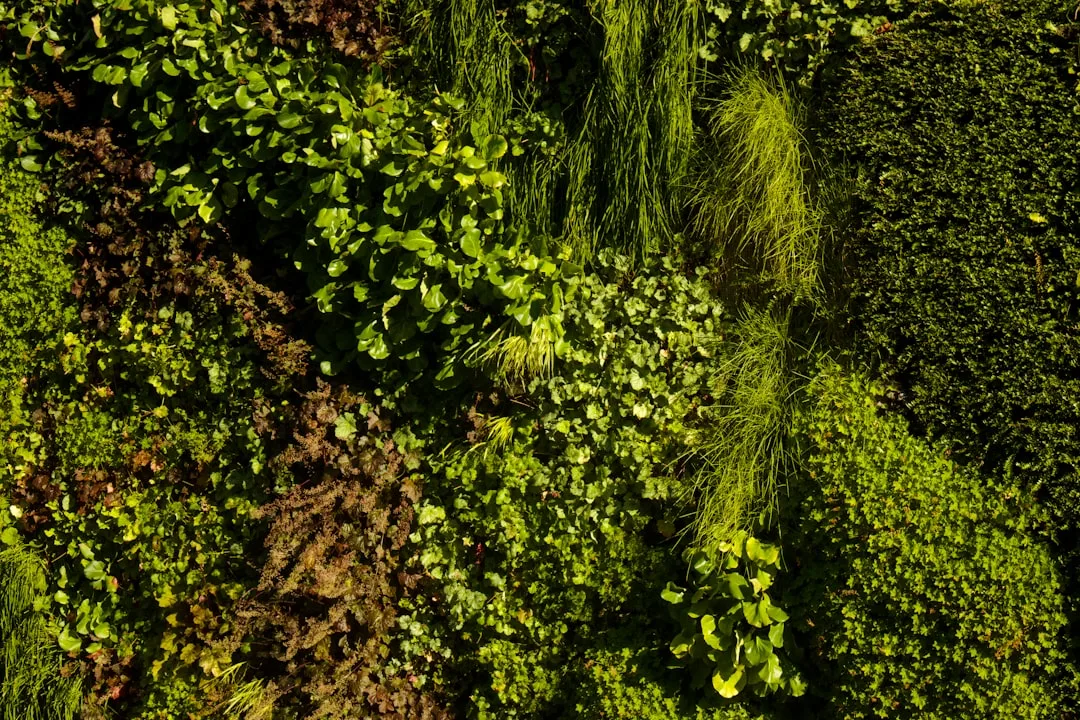
Plant selection determines whether a bioswale looks like intentional garden design or accidentally flooded landscape. The trend in 2026 moves away from ornamental grasses alone toward mixed-layer planting: sedges in the saturated zone, perennials in transition areas, and shrubs at the margins. Landscape designers favor Sedge varieties like Carex nebrascensis ($8–$12 per plant) and Juncus effusus, which tolerate both wet and dry cycles that bioswales naturally create. As rainfall patterns shift, these plants outperform traditional ornamental grasses like miscanthus, which rot in persistent moisture.
Soil engineering is where bioswales succeed or fail invisibly. Engineered soil media—sold under brands like Horticultural Products Supply (HPS Bioswale Mix, $45–$65 per cubic yard) and ESC Lab Sciences—uses graded sand, aged compost, and granular activated carbon to remove nitrogen and phosphorus while maintaining infiltration rates above 2 inches per hour. Homemade topsoil mixes compact over time, reducing permeability by 40% within two years. A 20-foot bioswale requires 25–35 cubic yards of engineered media, costing $1,100–$2,275 installed—a hidden cost most DIY projects omit.
The French aesthetic of naturalistic water management influences 2026 bioswale aesthetics, blending hydrology with ornamental composition.
Municipal Incentives and Long-Term Property Value Impact
By June 2026, 34 states offer direct bioswale installation rebates ranging from $1,000–$3,500, funded by stormwater utility credits. Seattle’s Stormwater Rebate Program covers 50% of bioswale costs up to $10,000 for qualifying residential properties, creating net installation costs near $2,000–$3,500. Denver and Austin offer equivalent programs through municipal water authorities, recognizing that distributed residential bioswales reduce strain on overwhelmed central stormwater infrastructure.
Property appraisers quantify bioswale value differently than decorative landscaping. A functional bioswale system adds 2–4% to property valuation in flood-prone neighborhoods, while decorative rain gardens add negligible resale value. In Portland, Boulder, and coastal New England markets, homes with documented stormwater management sold 8–12% faster in 2025–2026 than comparable properties without it. This reflects buyer awareness that municipal stormwater fee increases will continue, making properties with managed runoff objectively cheaper to own.
The long-term maintenance cost advantage becomes clear at year five: a properly engineered bioswale with native plants costs $200–$400 annually to maintain, mostly seasonal plant care and mulch replacement. Underground systems with mechanical pumps average $800–$1,500 yearly in service calls, filter replacements, and electricity. Over 20 years, bioswales save $12,000–$22,000 compared to traditional stormwater management.
Integrating Bioswales Into Existing Yard Layouts Without Redesigning Everything
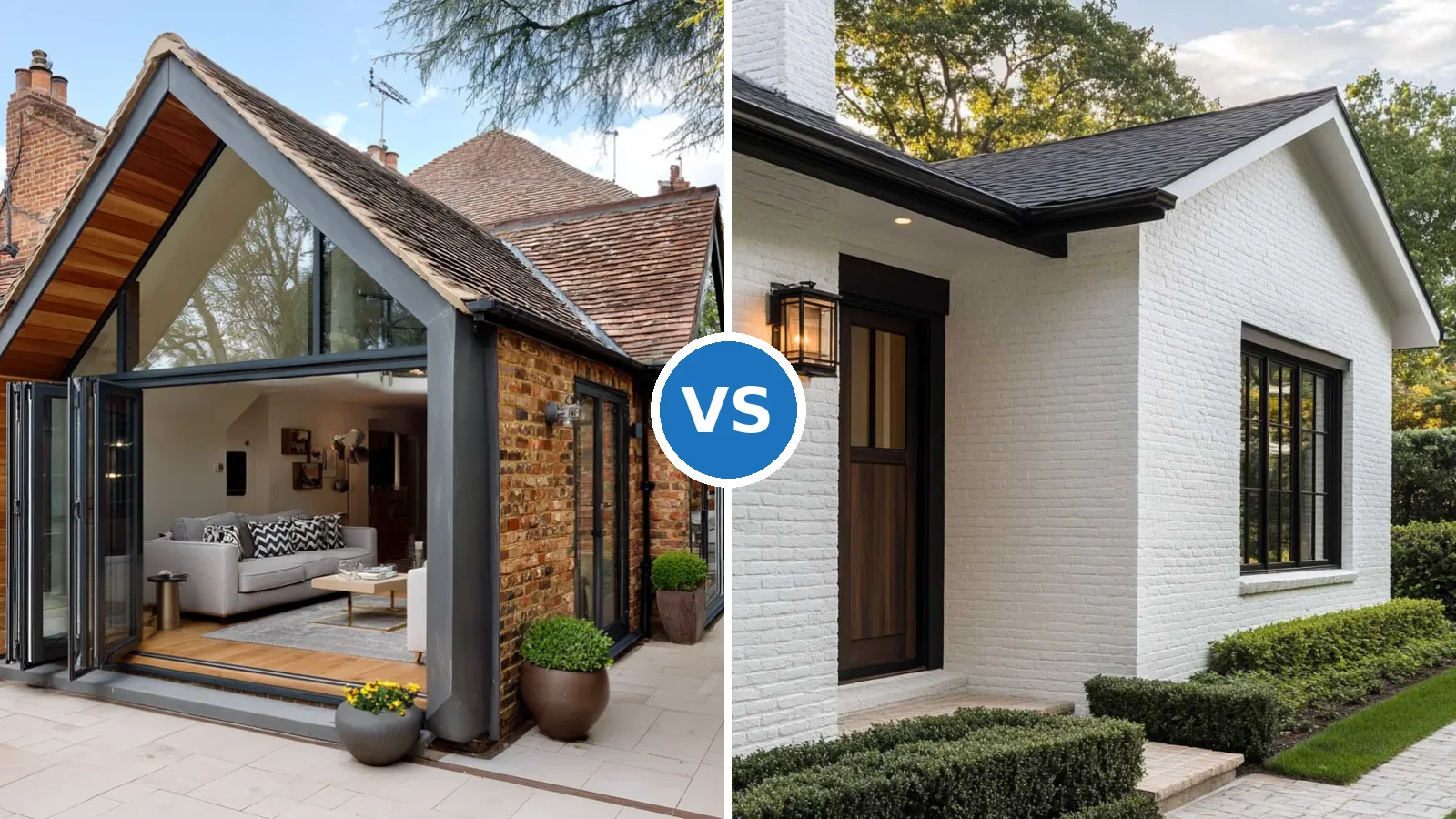
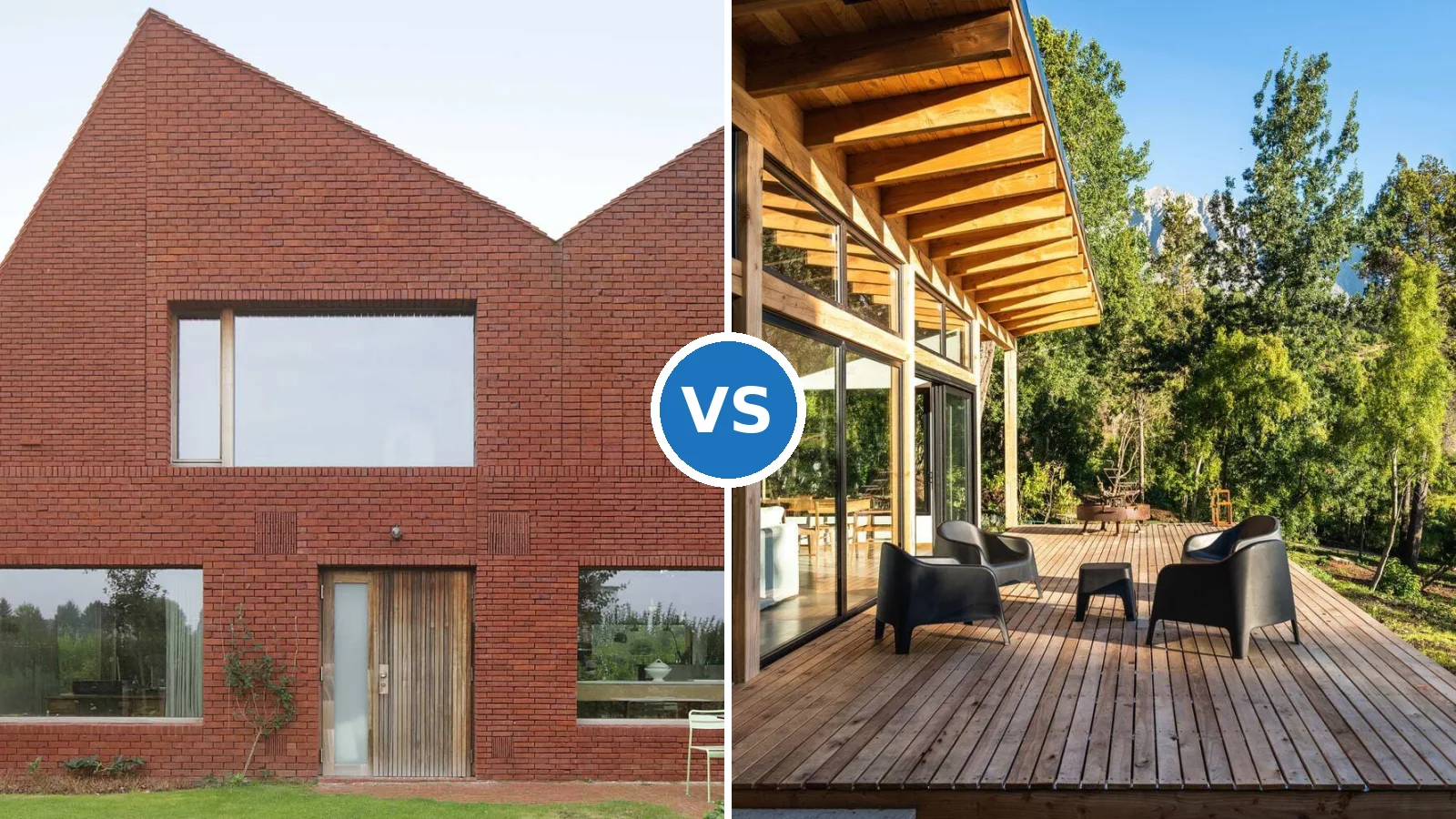
The constraint most homeowners face: bioswales work best when they’re visible, linear elements integrated into garden plans—not hidden behind sheds where water actually flows. This requires honest assessment of your property’s existing slope and water movement. Professional bioswale designs from firms like Landform Design ($2,200–$4,800 for residential master plans) map water flow before suggesting placement. What works: positioning a bioswale along a property’s downslope edge, where it becomes a planted border between your yard and the neighbor’s. What fails: cramming a bioswale into the front yard to hide it, creating a feature that contradicts your home’s lines and exterior color palette and architectural character.
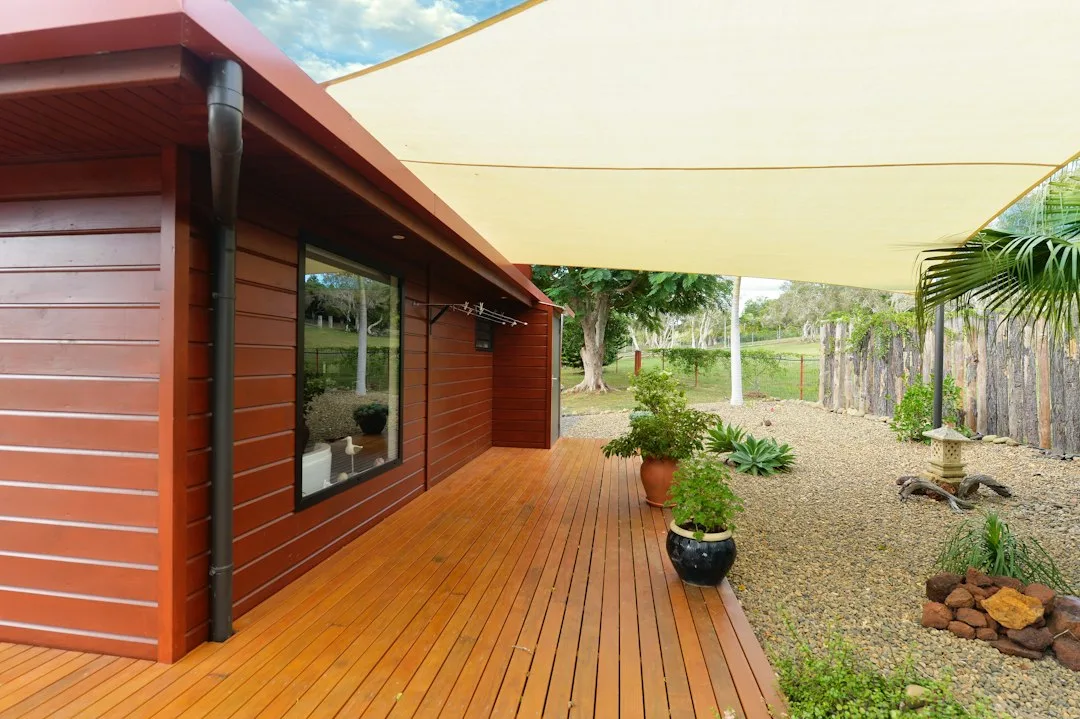
Residential examples in Denver and Seattle show bioswales work within farmhouse and contemporary designs when planted with intention. Carex nebrascensis, sedums, and native shrubs create textural interest year-round. In winter, dried seed heads read as intentional composition, not neglect. Hardscape edges—permeable paving, boulders, or steel borders ($800–$2,400 depending on material and length)—define the bioswale as a designed feature rather than a drainage problem.
One successful retrofit: a 1970s ranch home in Boulder expanded its bioswale into a 35-foot planted swale following the rear property line, replacing a neglected dog run and screening a chain-link fence. The $6,200 installation captured roof runoff and eliminated the homeowner’s $420 annual stormwater fee, paying for itself in 15 years while creating a layered, naturalistic garden edge.