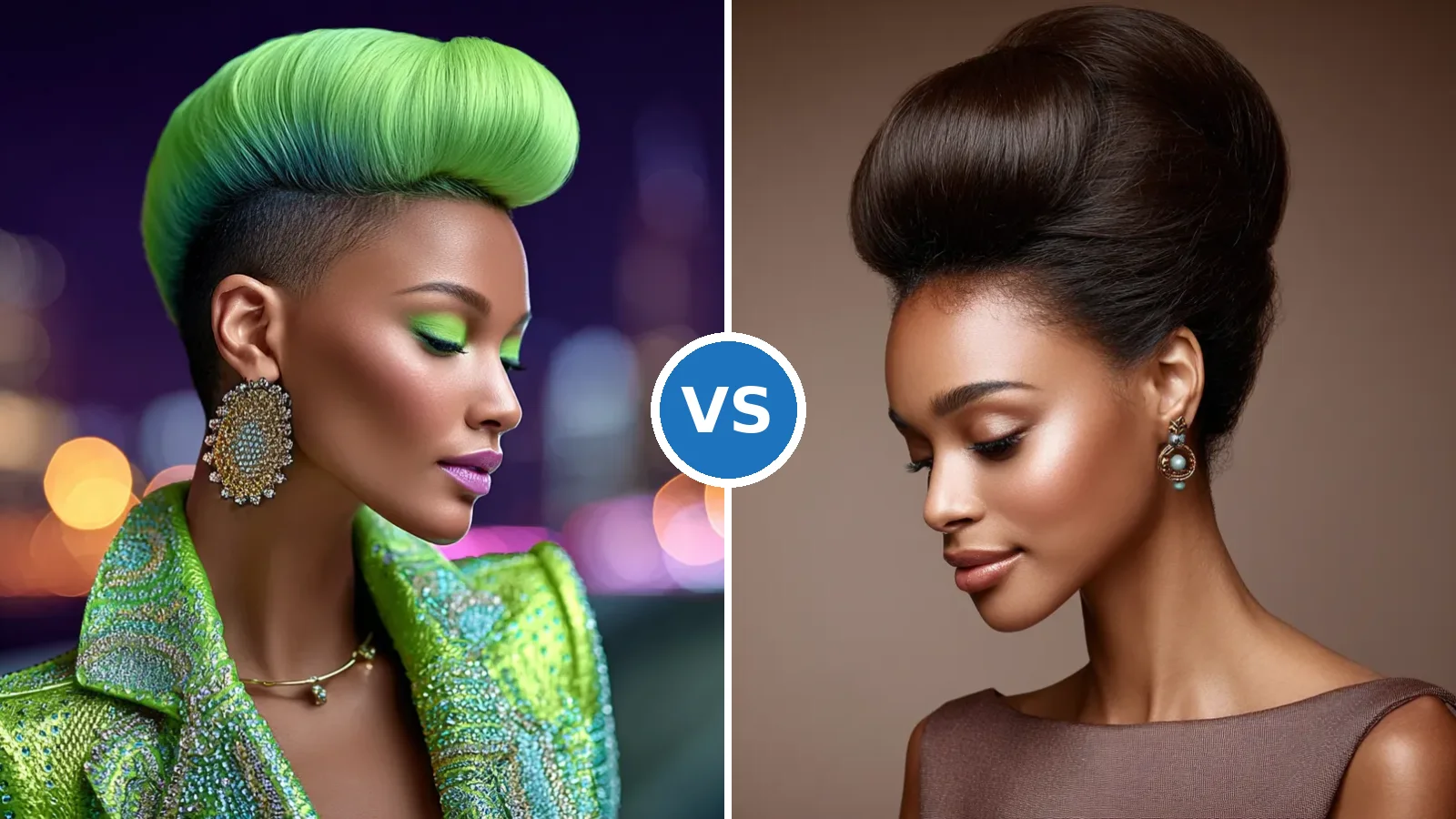
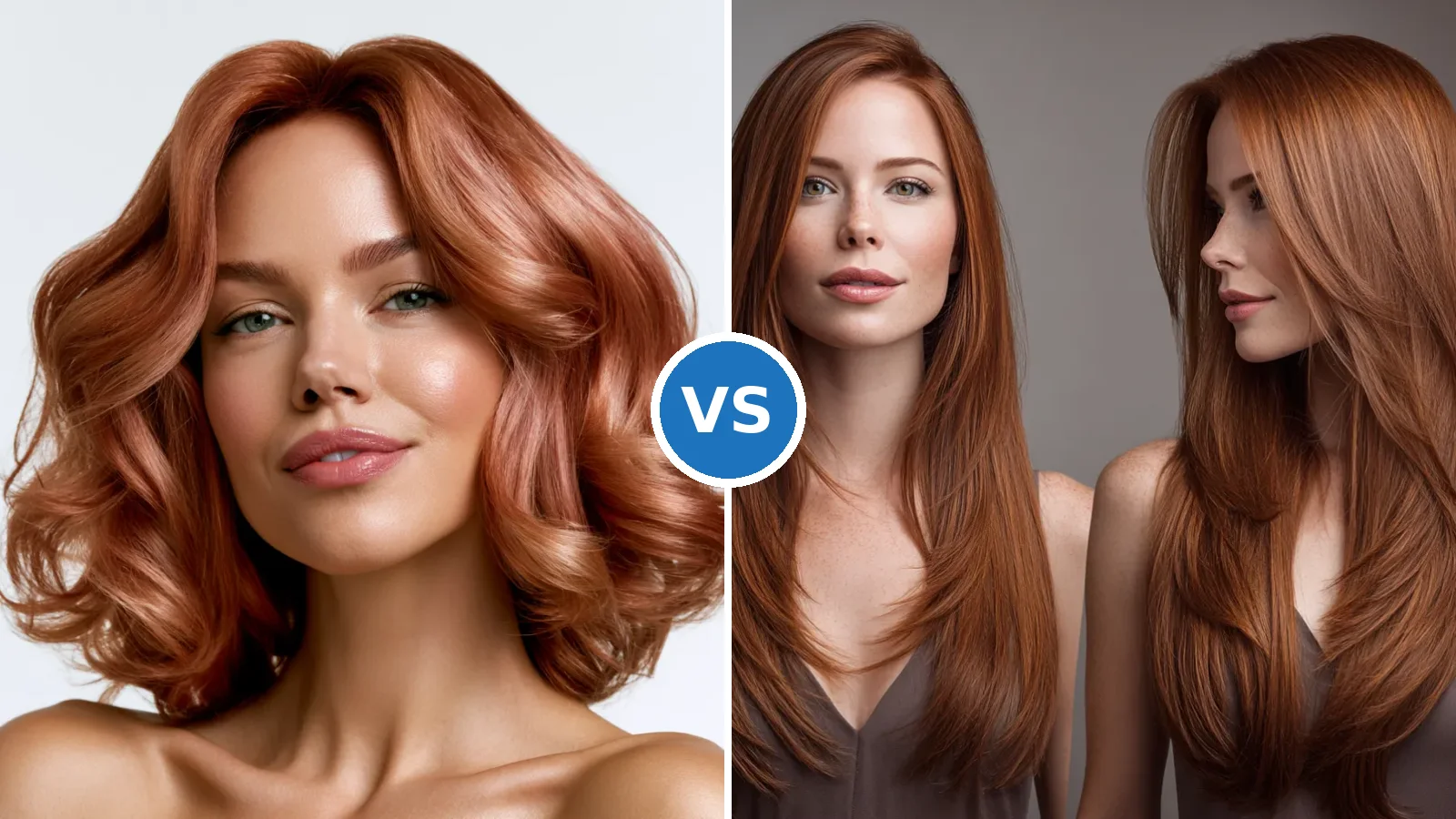
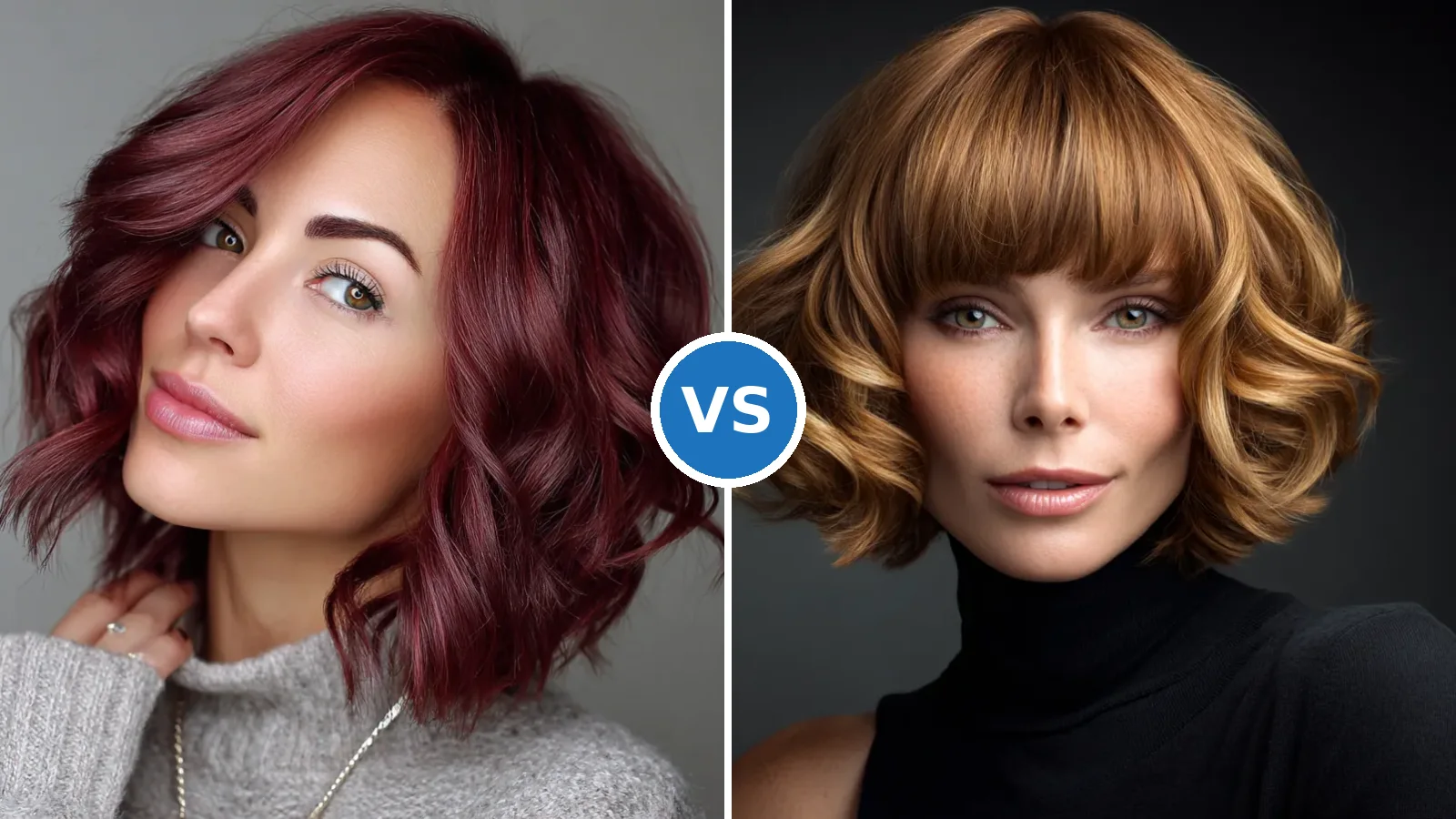
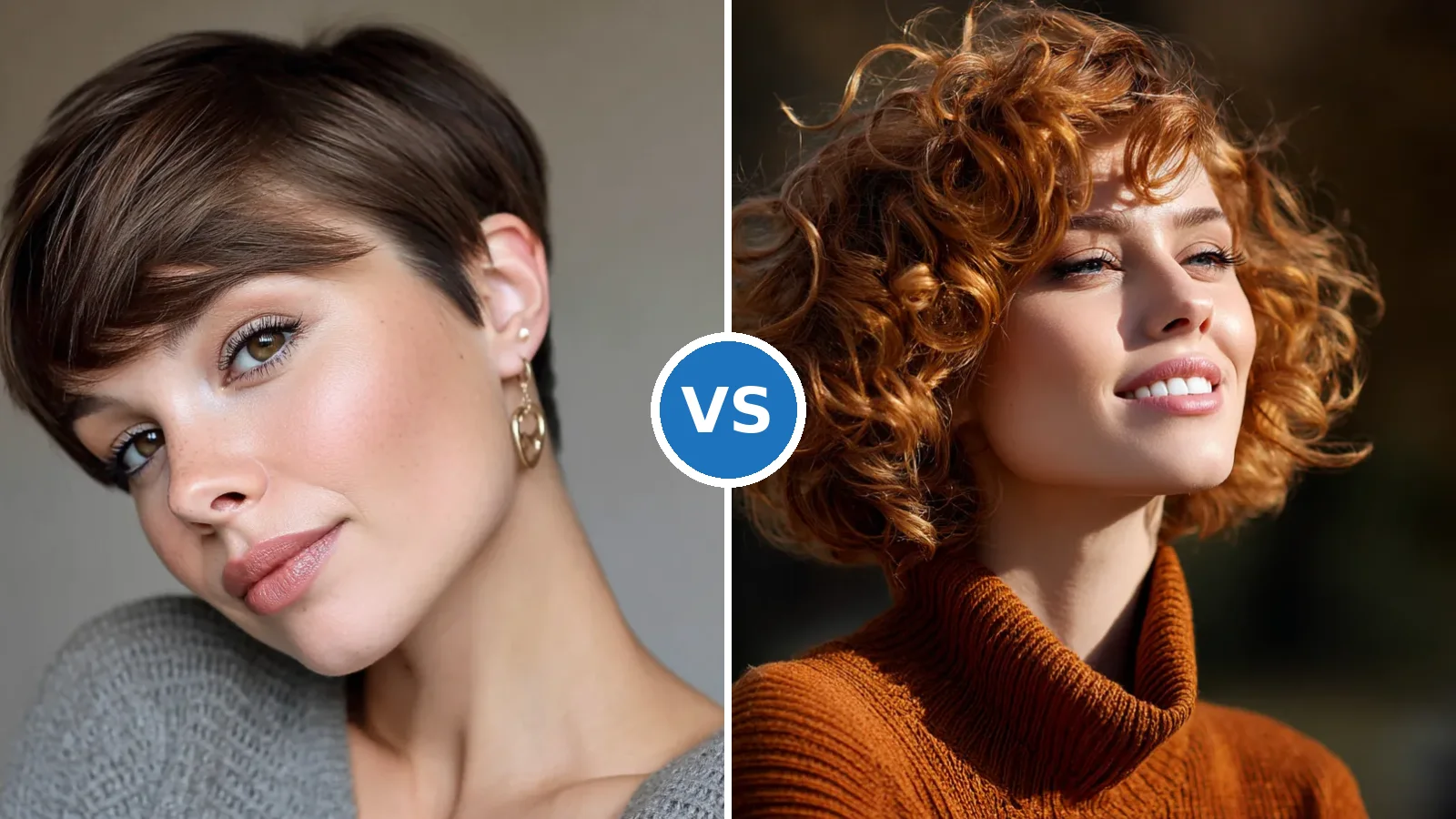
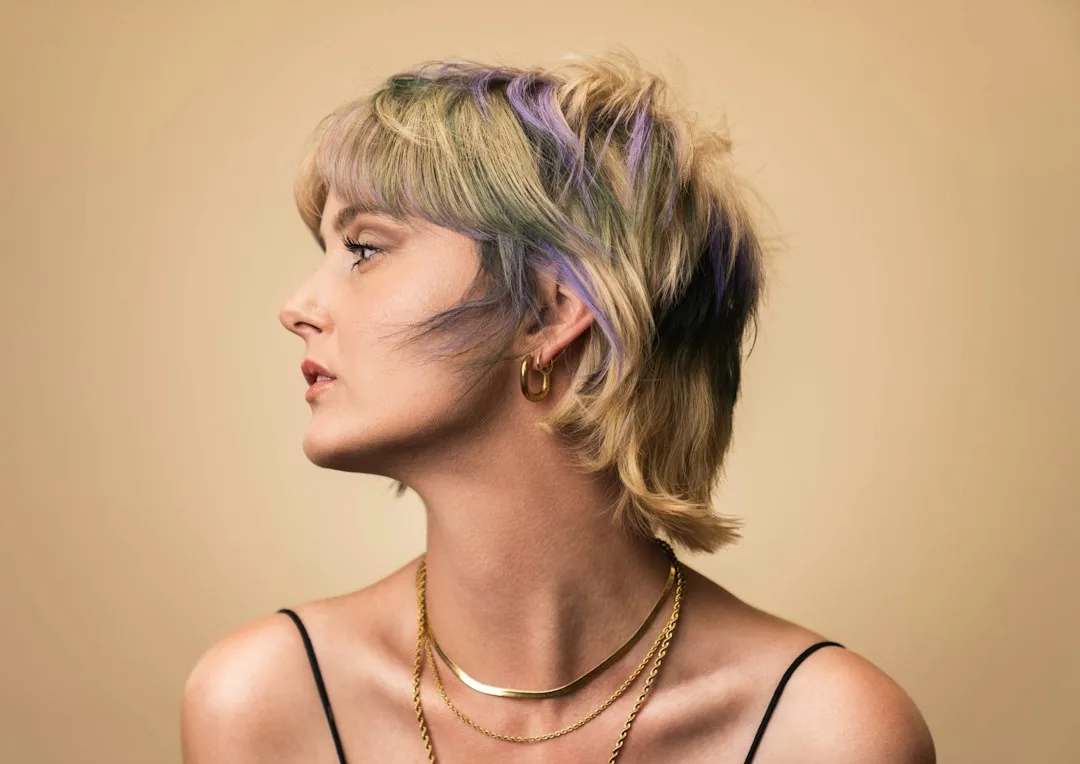
The modern pageboy haircut keeps showing up on runways, street style shoots, and Pinterest boards for one reason that most people miss: the shape itself never stopped working. I’ve watched this cut cycle through dismissal and revival at least three times in my career, and every comeback lands harder than the last. What separates a fresh pageboy from a dated one isn’t the cut — it’s the weight distribution, the finish, and how deliberately the stylist shapes the curve at the ends.
You’ll notice that the women pulling off this look in 2025 aren’t copying Dorothy Hamill or Lady Di. They’re wearing a modern pageboy haircut with softened geometry, adjusted length, and color that treats the shape as architecture. The cut works at 22, at 38, and at 57, but each decade calls for a different interpretation — texture, product choice, and line placement all shift to serve the face rather than fight it.
Three distinct versions live in this article: a youthful soft variation, a structured mid-life interpretation, and a refined mature expression. Each has its own logic, its own product list, and its own pitfalls. Pick the one that matches where you are right now — not where the trend says you should be.
- The pageboy haircut works across all ages when the curve-in at the ends is matched to jaw length — off by half an inch and the whole shape reads heavy.
- Layered pageboy cuts need softening at the ends, not volume at the crown — adding bulk up top destroys the rounded silhouette.
- Long pageboy versions sit best at collarbone length; shorter versions land cleanest at jaw or just below the ear.
- Modern pageboy hairstyles skip the poker-straight finish — a slight bend at the ends, achieved with a 32mm barrel, reads current instead of retro.
- Color matters: warm balayage and dimensional brunettes animate the shape; flat, single-process color makes it look like a wig.
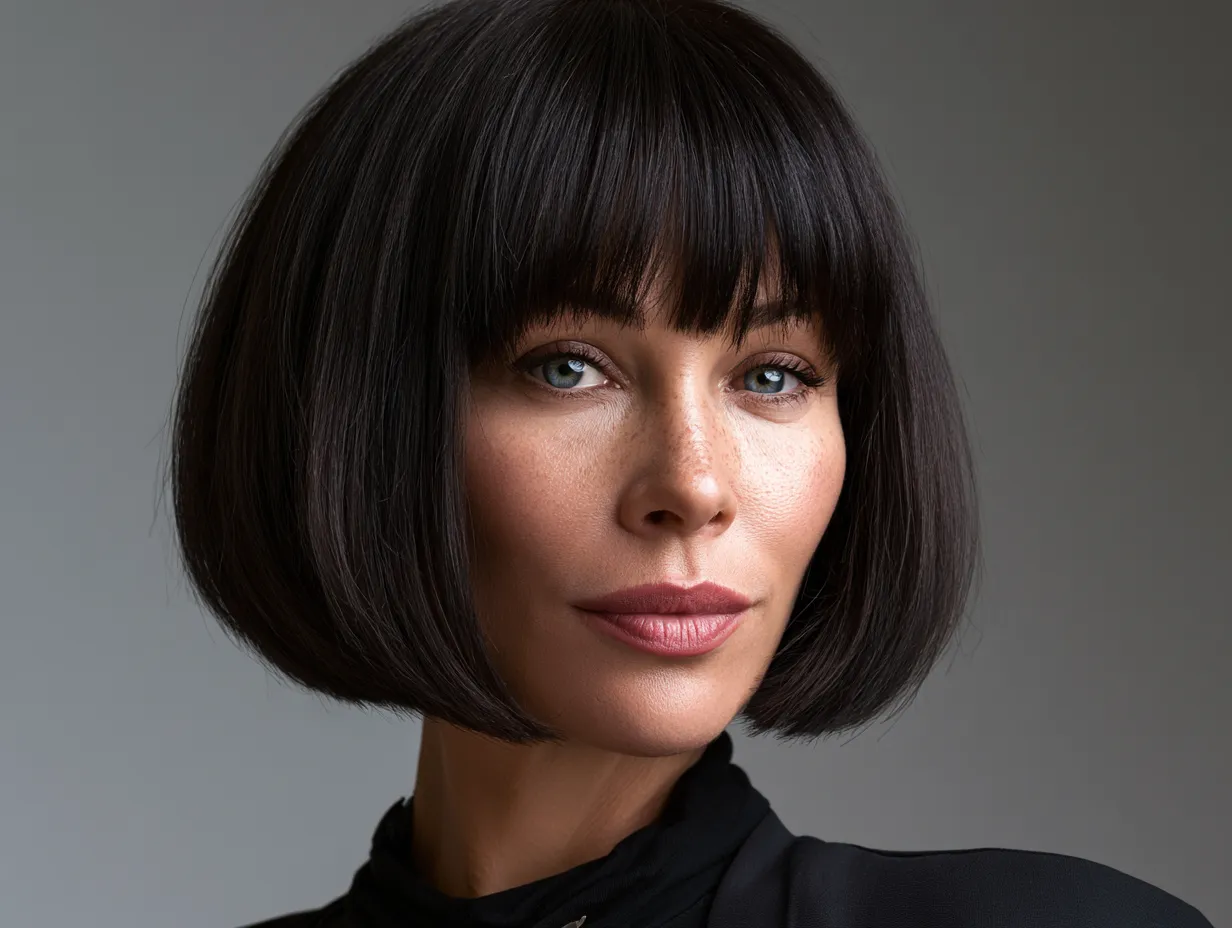
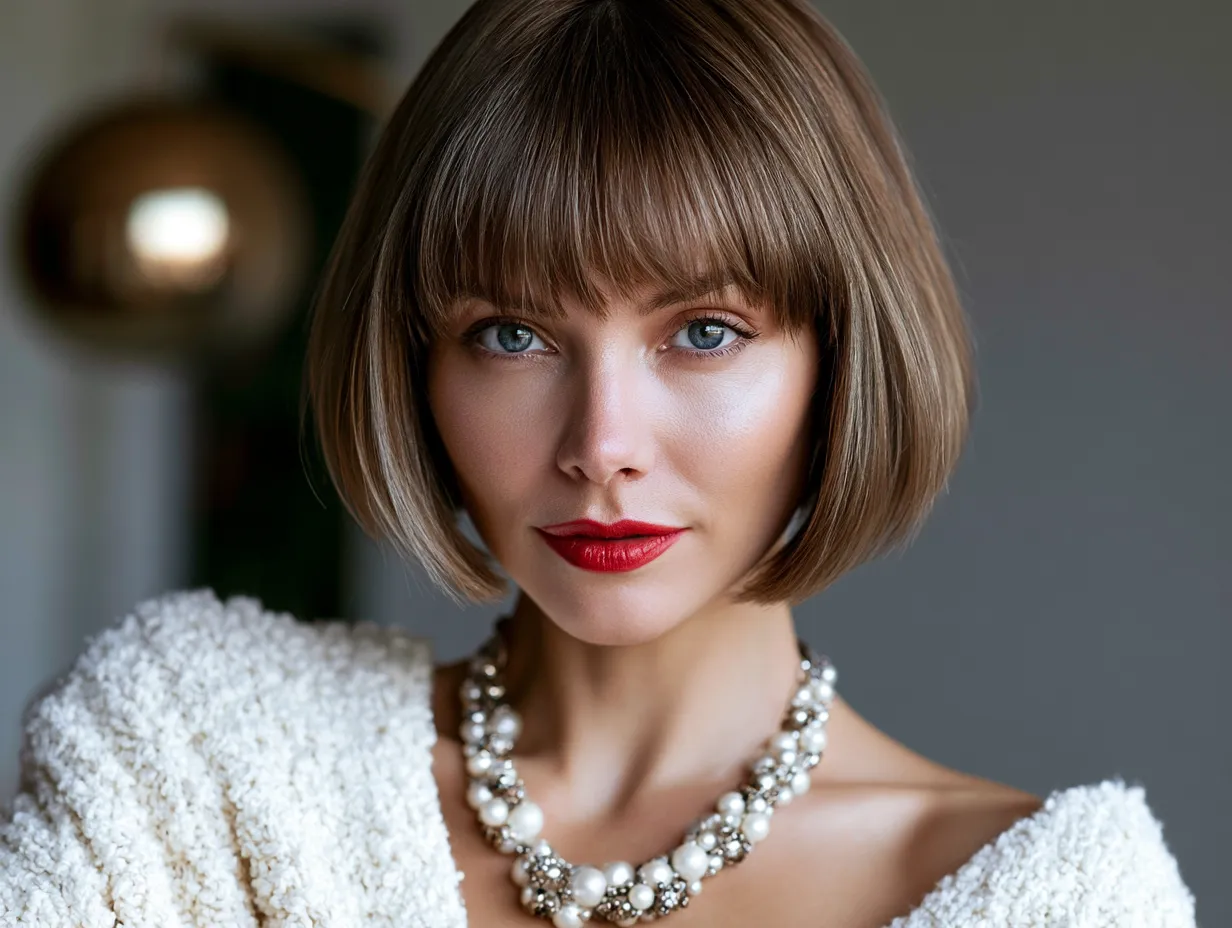
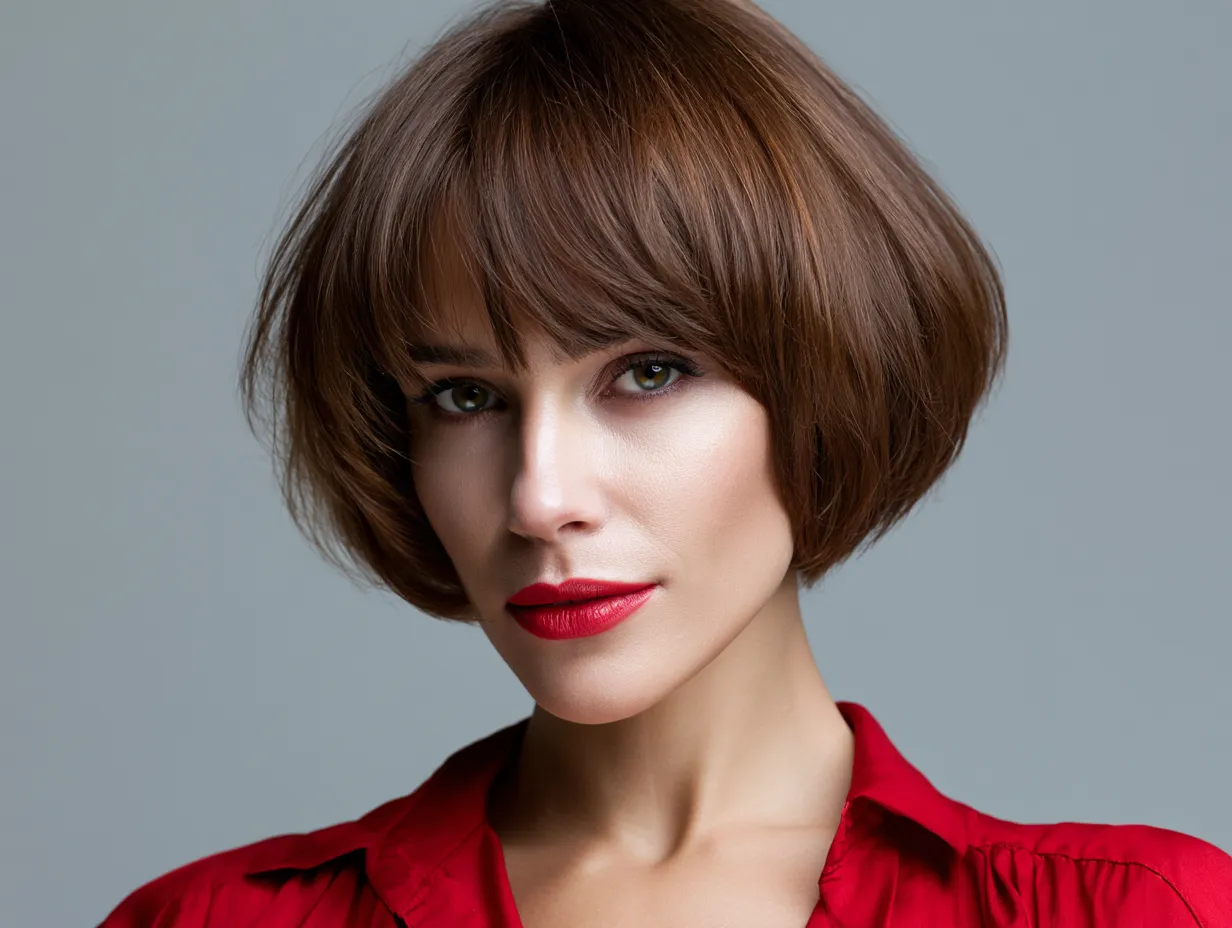
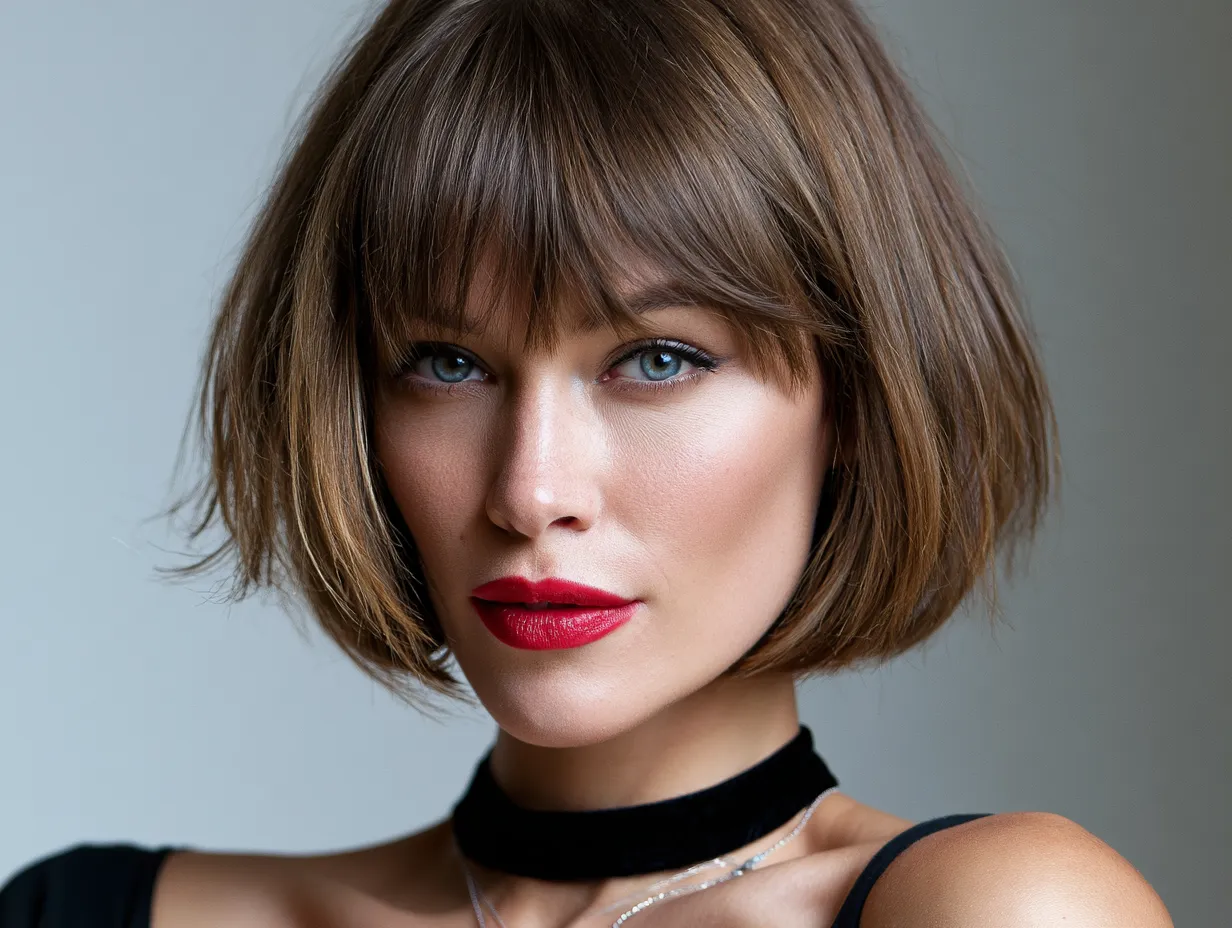
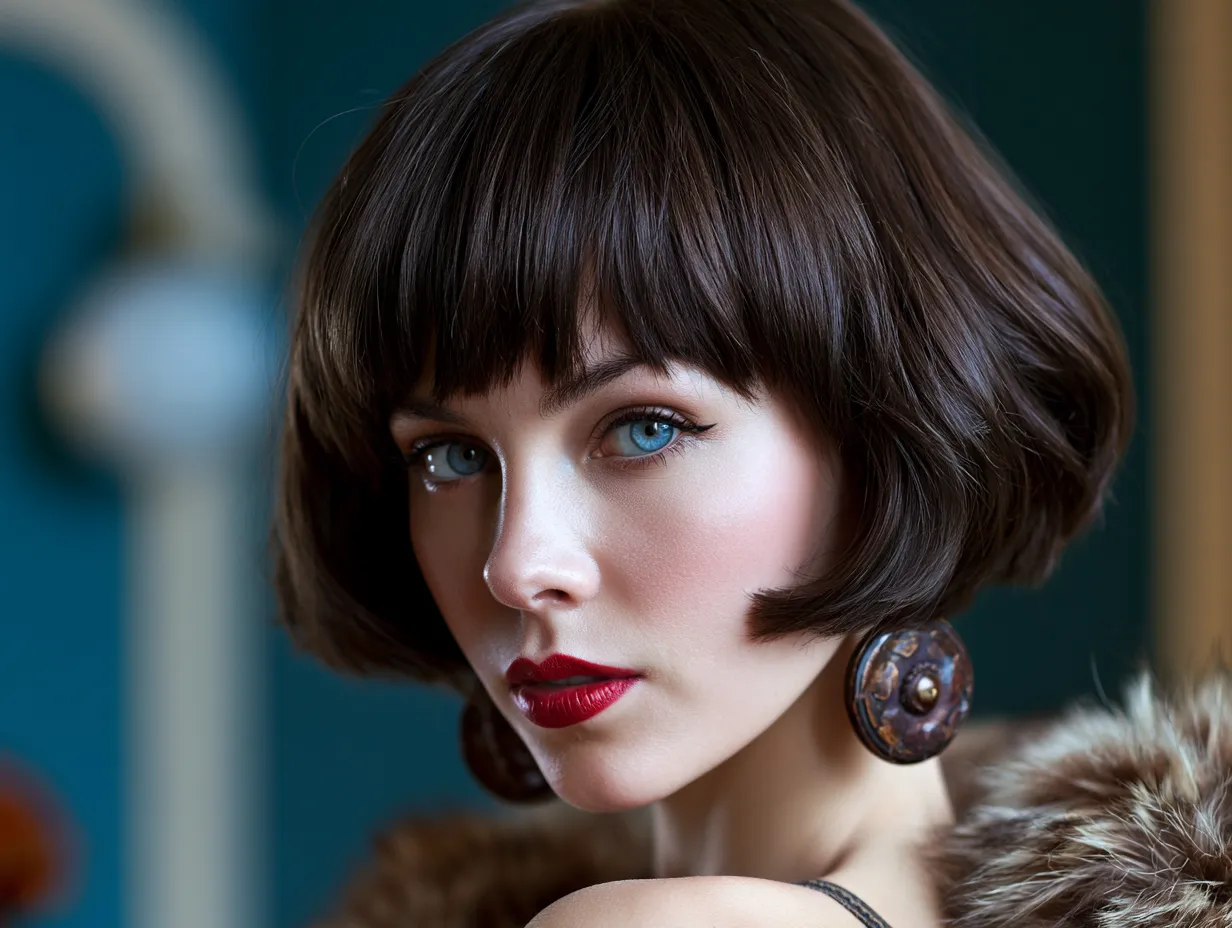
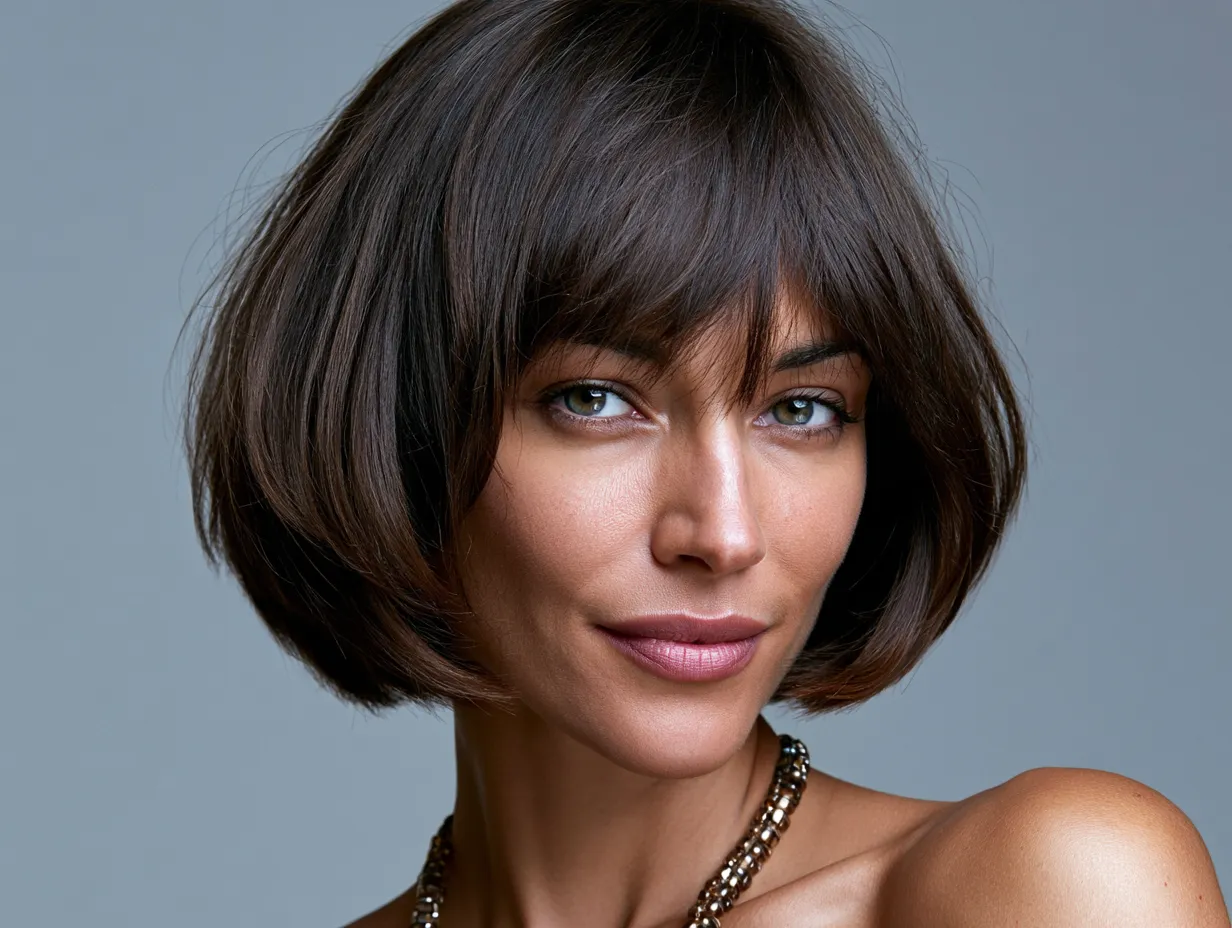
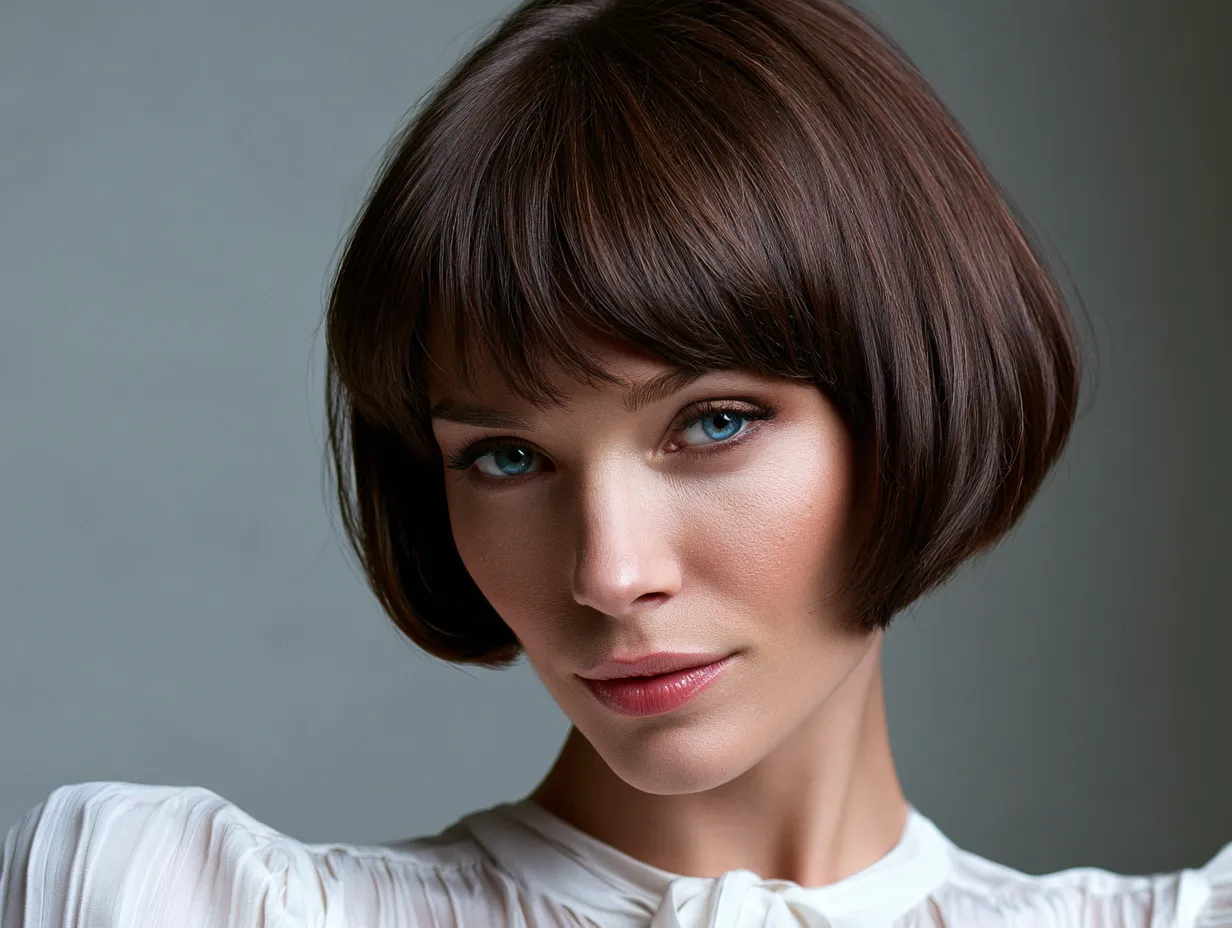
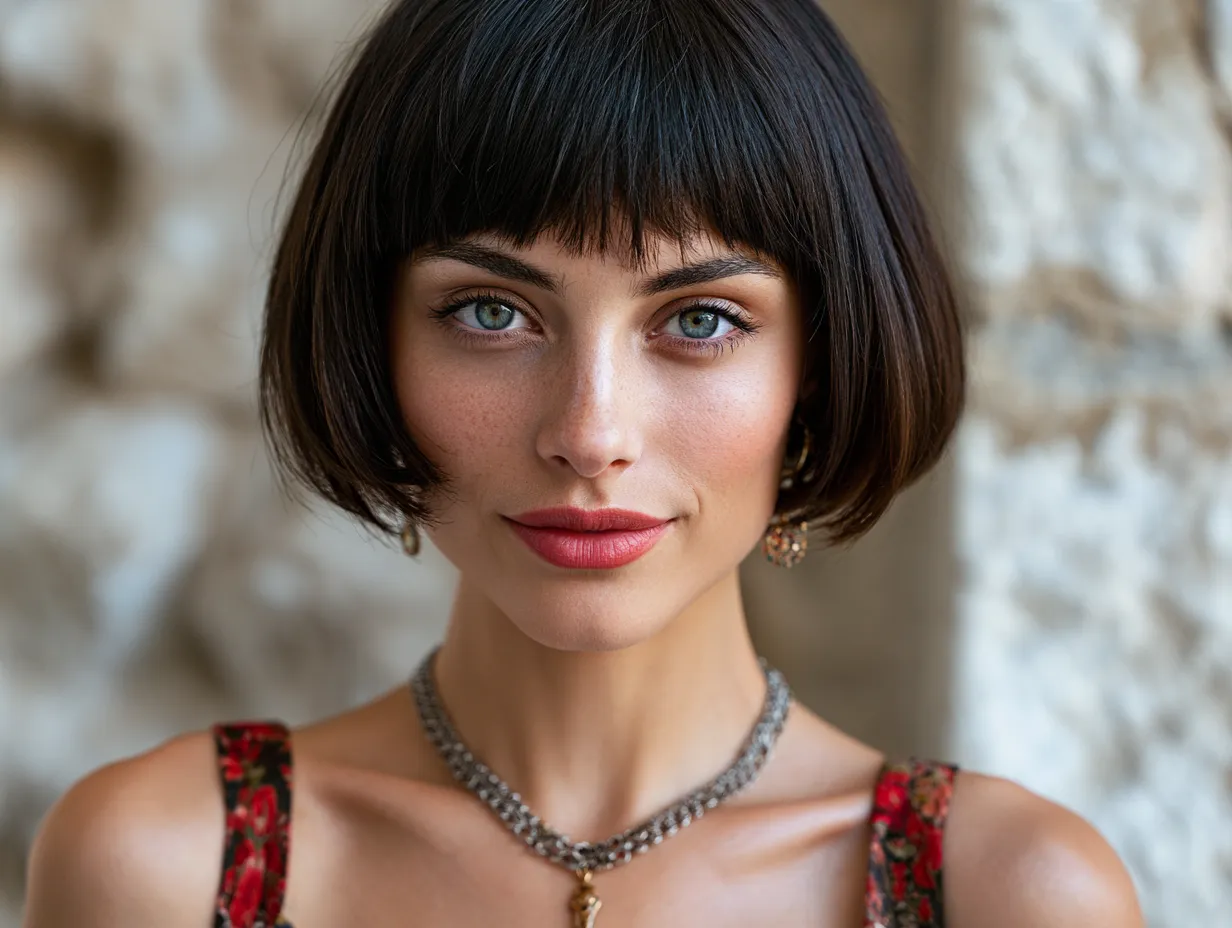
Soft Layered Pageboy Haircut for Younger Hair Textures
The layered pageboy haircut is where most women in their twenties and early thirties should start — specifically because layers prevent the rounded outline from sitting flat and heavy against the head. I’ve had this cut twice and the difference between a bad execution and a good one was entirely whether my stylist point-cut the ends or blunt-chopped them. Point-cutting opens the weight line; blunt-chopping seals it shut and gives you the Shrek bowl cut everyone fears.
Oribe Dry Texturizing Spray ($46 at Sephora) is your best friend with this version. A small amount worked into the mid-lengths before blow-drying adds the separation that stops the hair from clumping into one heavy mass. You’ll want a round brush — the Olivia Garden NanoThermic 2-inch works for jaw-length cuts — and you drag the ends inward and down during the final pass. That inward drag is what creates the signature pageboy curve without a flat iron.


Color at this stage should add dimension rather than flatten the shape. Warm balayage — think Wella Professionals Color Touch in 7/3 melted into a natural base — gives the curve visual depth and makes the ends look intentional rather than blunt. Avoid single-process color at this age; it removes the tonal variation that makes short hair read as three-dimensional. I stole this trick from my colorist: she always keeps the ends two shades lighter than the root, which optically lifts the outline and makes the rounded silhouette look airy instead of dense.
What kills the youthful pageboy? Over-straightening. Running a flat iron through the entire length every day collapses the layered structure and leaves you with a heavy, rigid shape that photographs like a helmet. Air-drying 80% of the way, then finishing with the round brush, preserves the movement the layers were cut to create. Also worth knowing: this version needs a trim every seven to eight weeks, not twelve. The layers grow out unevenly and the outline starts looking shaggy rather than soft past that window. For more shape inspiration that pairs well with this length, layered short hair with warm caramel accents shows how dimensional color transforms a similar cut.
Skip the dry shampoo-as-volume hack on a layered pageboy. It coats the ends and kills the movement the layers were designed to create. I made this mistake for three months and could not figure out why my cut looked heavier every week — it was the Batiste buildup. Use a clarifying shampoo once a week (Neutrogena Anti-Residue, around $9) and rely on a light texturizing spray for lift instead. Also: never ask for face-framing pieces on a pageboy. They disrupt the rounded silhouette and turn the cut into a disconnected bob that pleases no one.
Modern Pageboy Haircut at Mid-Life Demands Structural Precision
The modern pageboy haircut at 35 to 50 is an exercise in controlled geometry — and it’s where most stylists either nail it or completely lose the plot. At this stage, fine hair needs internal weight to hold the outline, while thicker hair needs strategic removal so the ends don’t flare. My go-to ask in the salon: “Keep the exterior line clean and remove weight from inside the curve, not from the perimeter.” That single instruction has saved me from every mushroom-shaped execution I used to walk out with.
Kerastase Discipline Oleo-Relax ($48 for 100ml) applied to damp hair before blow-drying keeps the curve smooth without stiffness. The trick is using four drops, no more — this product is concentrated and too much weighs the ends down past the natural curl point, collapsing the silhouette before you even finish styling. You’ll notice the shape holds better when you set it with a cool-air shot at the end of blow-drying rather than letting it cool on its own.


Does this version work without bangs? Yes — and often better. The no-bangs pageboy haircut sits longer at the front, creating a slightly asymmetric frame that reads far more contemporary than the blunt fringe version. Pushing the front pieces behind the ear reveals the jawline and modernizes the silhouette instantly. What doesn’t work: a center part on a rounded outline. Center parts require angular or asymmetric cuts to anchor them; on a classic pageboy, a center part splits the curve and makes the shape look accidental rather than architectural.
Rich dimensional brunettes are the color story for this version. Aveda Full Spectrum Protective Color in Auburn Brown with hand-painted highlights around the face costs around $180 to $220 at a full-service salon and looks fresh for twelve weeks before a gloss refresh. Natural silvers, if they’re appearing, can be woven into a platinum balayage that works with the shape rather than against it — the contrast of silver against a dark base at this length is genuinely striking rather than aging. For closely related shapes that show how this structure translates across different styling approaches, the short layered bob with peekaboo highlights demonstrates how color placement can animate a similar jaw-length silhouette.
Refined Pageboy Hairstyle in Later Years Rejects the Anti-Aging Trap
The pageboy hairstyle at 55 and beyond is not about disguising age — it’s about making the haircut do the same work that good tailoring does: create clean lines that frame rather than fight the face. I own two reference photos I show my stylist every time: one of Joanna Lumley in her Purdey-cut era and one of a current editorial where the same shape appears on a woman in her sixties with natural gray. The cut is identical. The difference is intention and finish.
Fine hair at this stage needs a different technical approach. Ask your stylist to cut this version on dry hair rather than wet — at least the final shaping pass. Wet cutting creates tension that isn’t there in real life, and the shape often springs shorter and rounder than intended once it dries. Philip Kingsley Elasticizer ($45 for 150ml) used as a pre-wash treatment once a week rebuilds elasticity in hair that’s lost density, which directly affects how well the pageboy curve holds its shape between appointments.
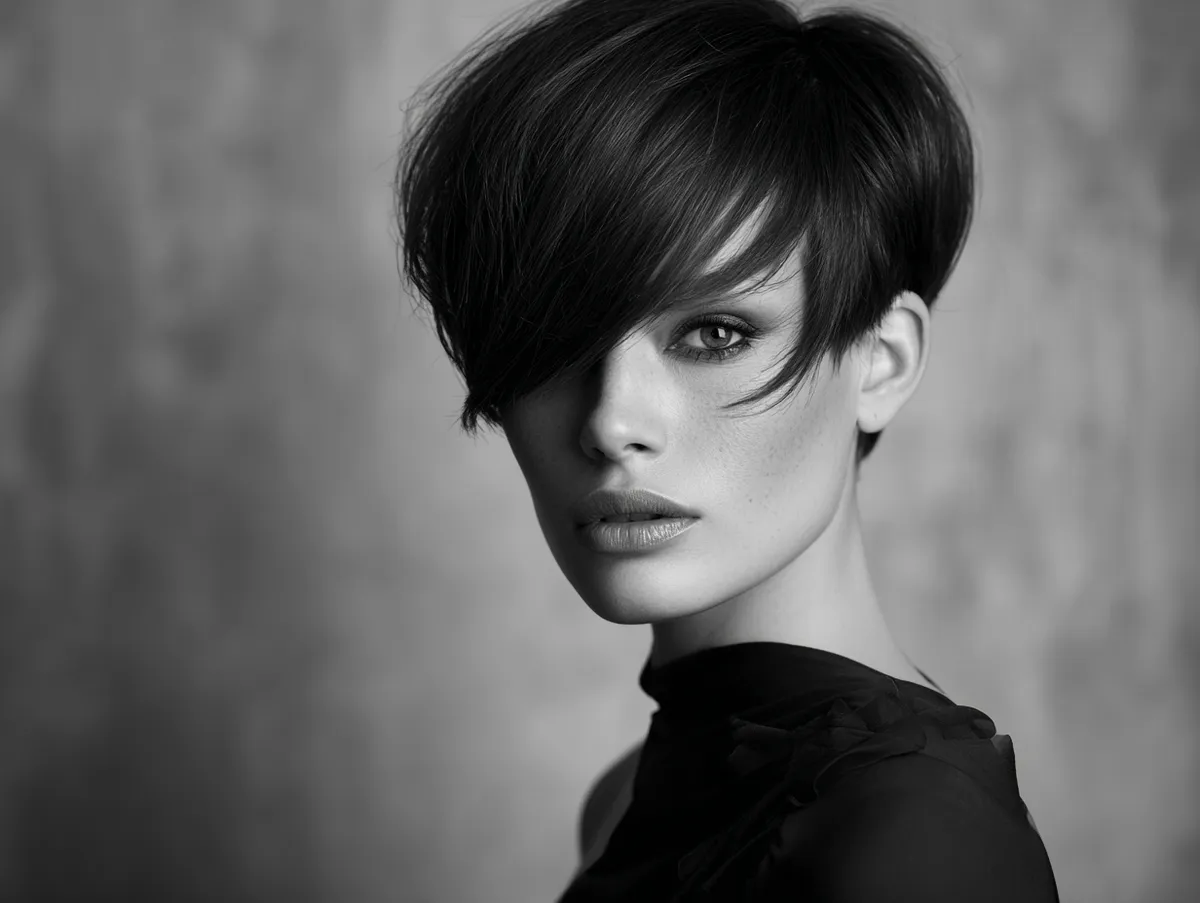


Shine is the real anti-aging tool at this stage — and a pageboy haircut benefits from it more than almost any other shape because the smooth curve catches light. L’Oréal Professionnel Steampod ($299) used on the final pass of blow-drying seals the cuticle and delivers a glass-like finish that photographs ten years younger. The alternative — dry, rough-textured ends on a rounded cut — reads as neglect rather than style. Think of the pageboy as a lacquered piece of furniture: the quality of the finish is as important as the underlying structure.
Pearl whites, warm caramels, and true chocolate tones are all flattering at this length. What doesn’t work: heavy ash colors or cool-toned platinum without a warm gloss over the top. Ash drains warmth from the face and makes the space around the cheekbones look hollow. I’ve watched colorists make this mistake on clients with stunning natural silver coming through — covering it with a flat ash instead of enhancing it with a pearl toner. A purple-based toner ($12 to $18 at professional supply stores) neutralizes brassiness without stripping warmth, and the difference is visible from across the room. For further reading on how salon professionals approach this shape’s comeback, Glam’s breakdown of modern pageboy variations covers seven contemporary updates that hairstylists are actually executing in salons right now.
ArtFasad Verdict
The Pageboy Haircut Earns Its Reputation by Surviving Every Decade That Tries to Retire It
Layers at the ends — not at the crown — are what separate a modern pageboy from its dated ancestor. The finish (smooth and glossy) and the curve depth (matched to your jaw length) matter more than whether you add bangs.
Color should animate the shape: dimensional warm tones on younger hair, pearl or caramel enhancement on silver hair, and always a shine treatment as the final step.
Match the version to your decade of life and your stylist’s technical strengths. Ask explicitly for point-cutting at the weight line. And every six to eight weeks, not twelve — this shape earns its precision through maintenance. Save this post.