A sock bun hairstyle solves the morning math problem most updos can’t: it looks deliberate, holds through a full day, and takes under five minutes once you know the mechanics. The name comes from the rolled sock or foam donut that scaffolds the bun from inside — no heat, no complicated technique, no third hand required.
The styles below cover five color stories — pink, electric blue, copper, purple, and neon green — each with its own visual personality and finishing logic. Bold hair color isn’t incidental here. The color is the point, and the sock bun shape amplifies it by creating a compact, high-contrast silhouette that reads from across a room. What changes between sections is how the color’s specific undertone interacts with volume, smoothness, and placement.
The quick easy hairstyles for long hair on ArtFasad cover buns, braids, and half-up styles for bold colored hair in depth — worth reading alongside this if you’re building a full styling rotation. For a deeper look at updo shaping on long hair, the elegant updos for long hair collection shows how bun placement and finish affect the overall silhouette.
– A sock bun hairstyle reaches wearable shape in under 5 minutes using a rolled sock or foam donut ($2.93–$3.78 at Walmart)
– Match your sock or donut color to your hair — a mismatched base shows through thin or fine strands
– Tease the ponytail before rolling for voluminous styles; smooth with a serum for sleek ones
– Color-treated hair needs a sulfate-free shampoo (Pureology Strength Cure, $38/9 oz) to stay vibrant
– Dermatologists recommend rotating bun placement daily — wearing any tight updo in the same spot repeatedly contributes to traction alopecia
– Five color stories here: pink, electric blue, copper, purple, neon green — each with a distinct finish approach
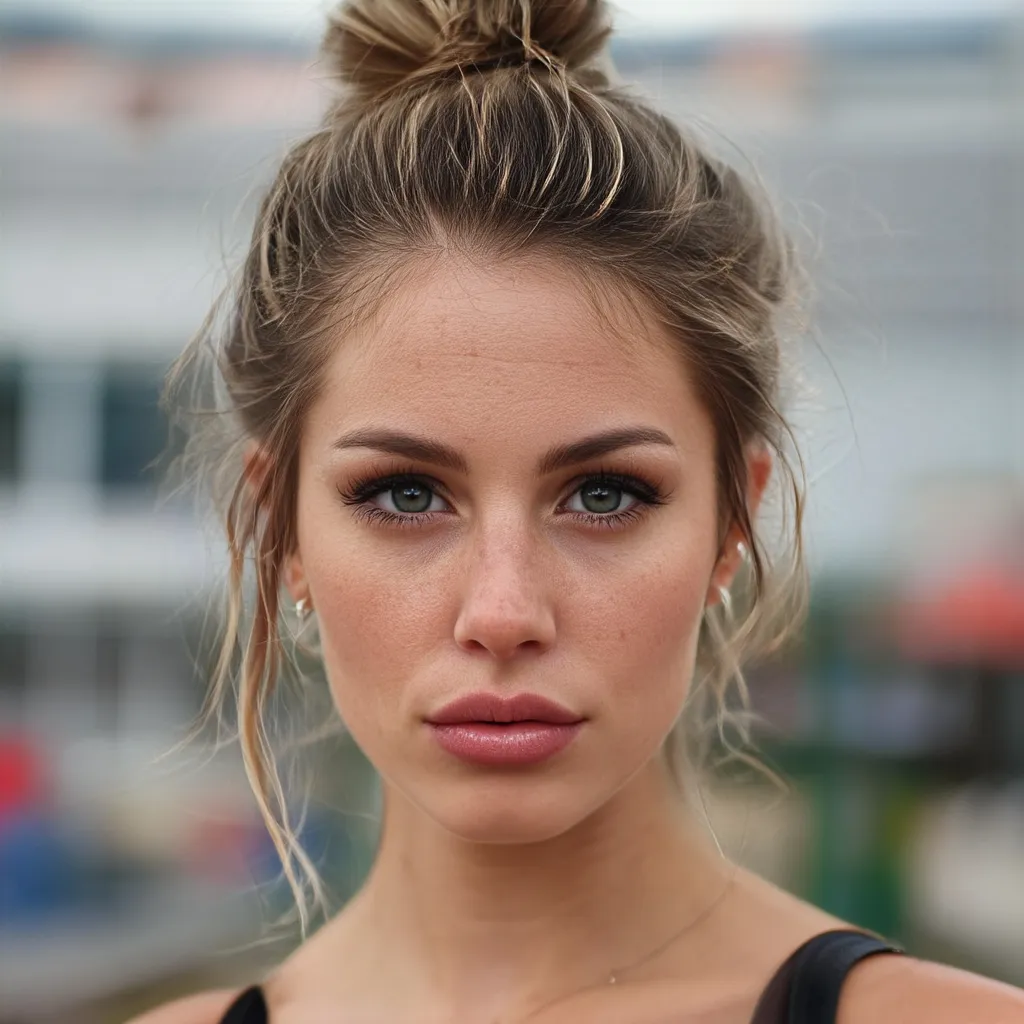
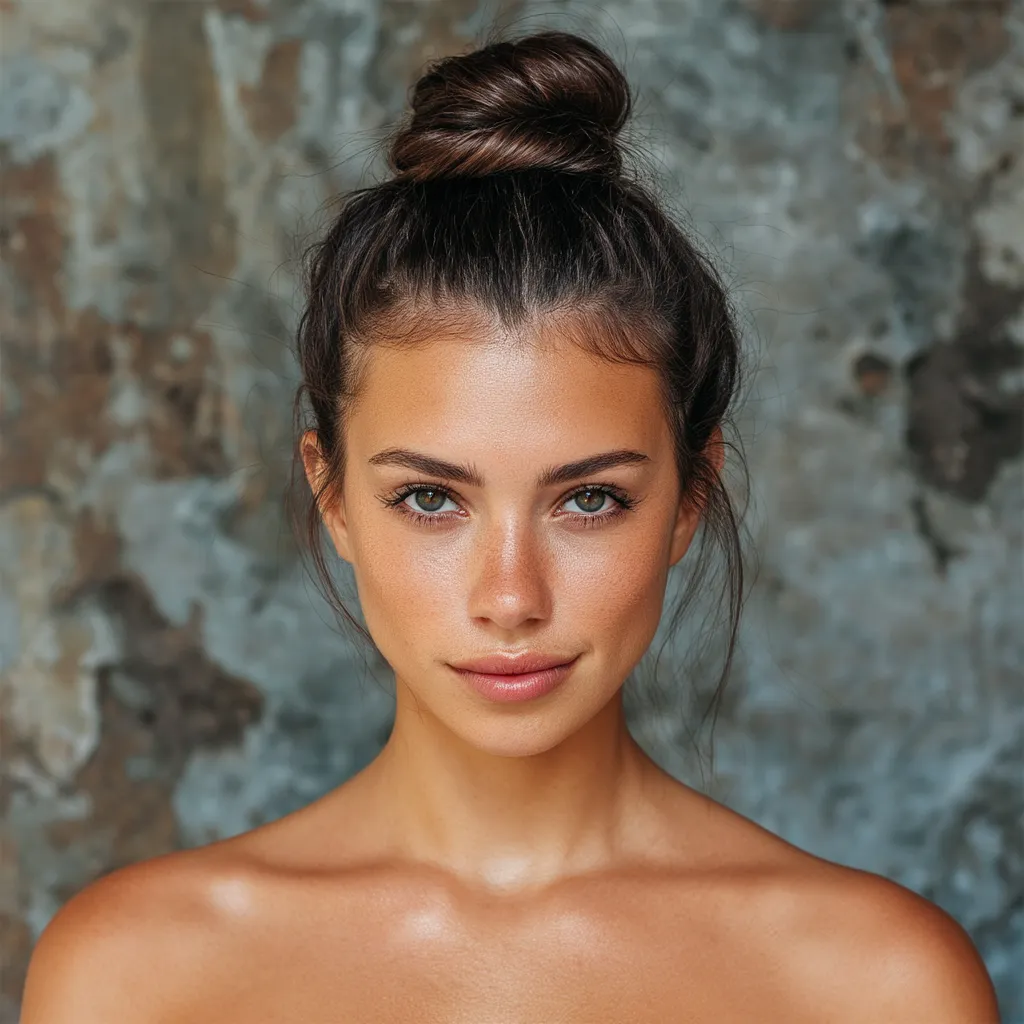
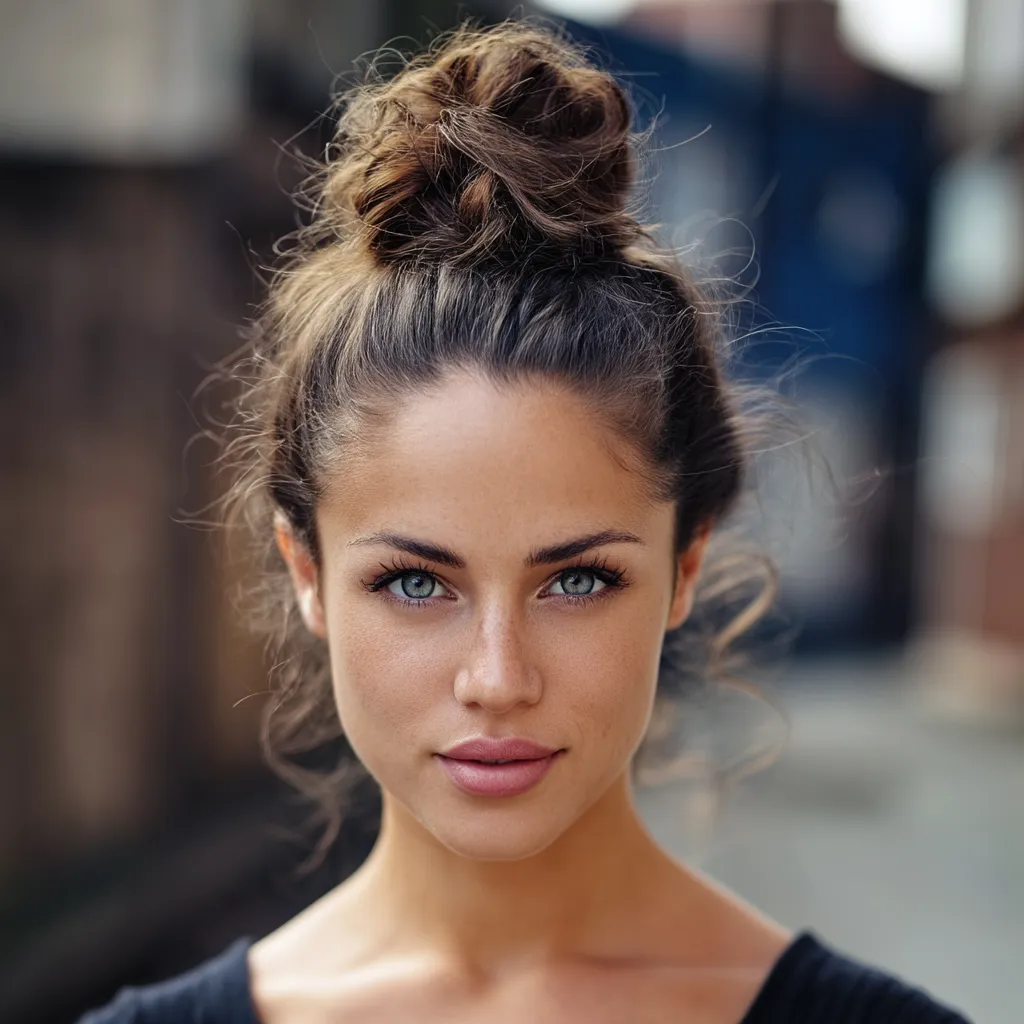
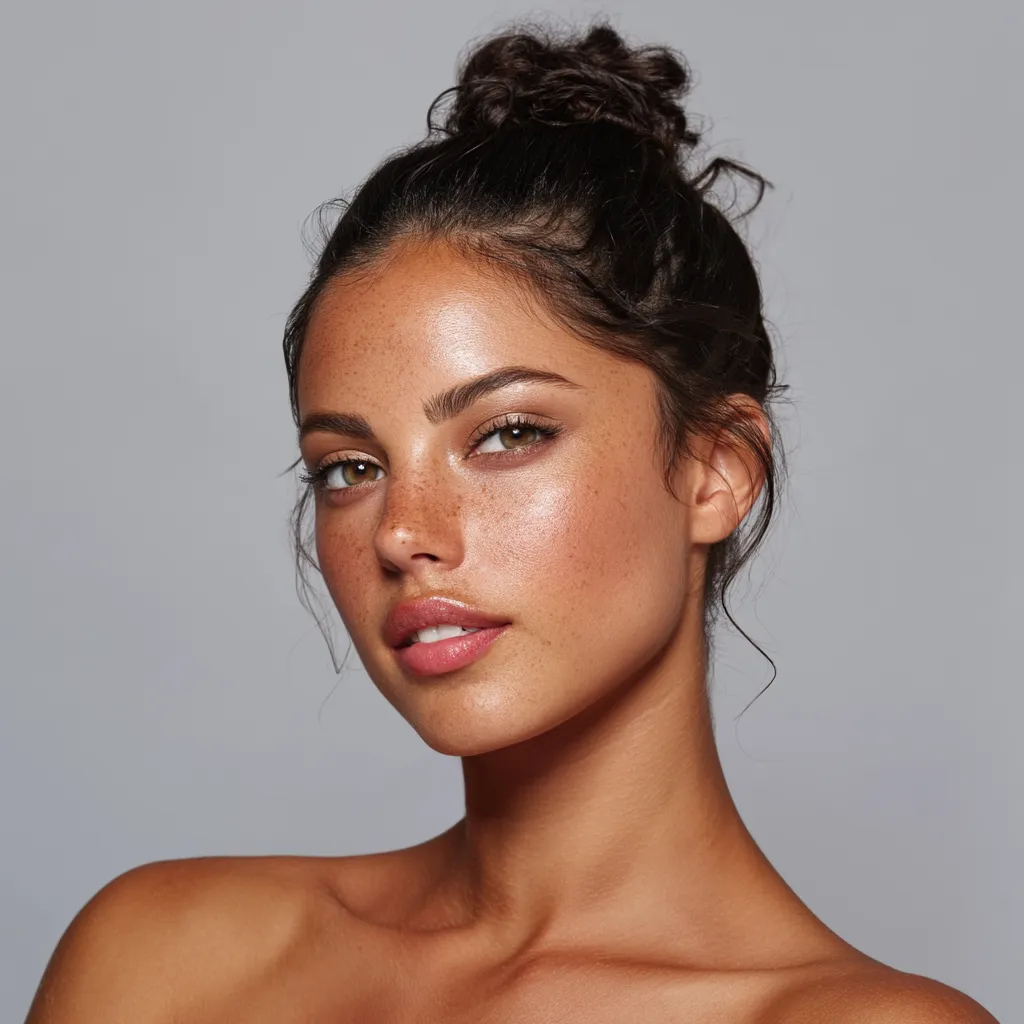
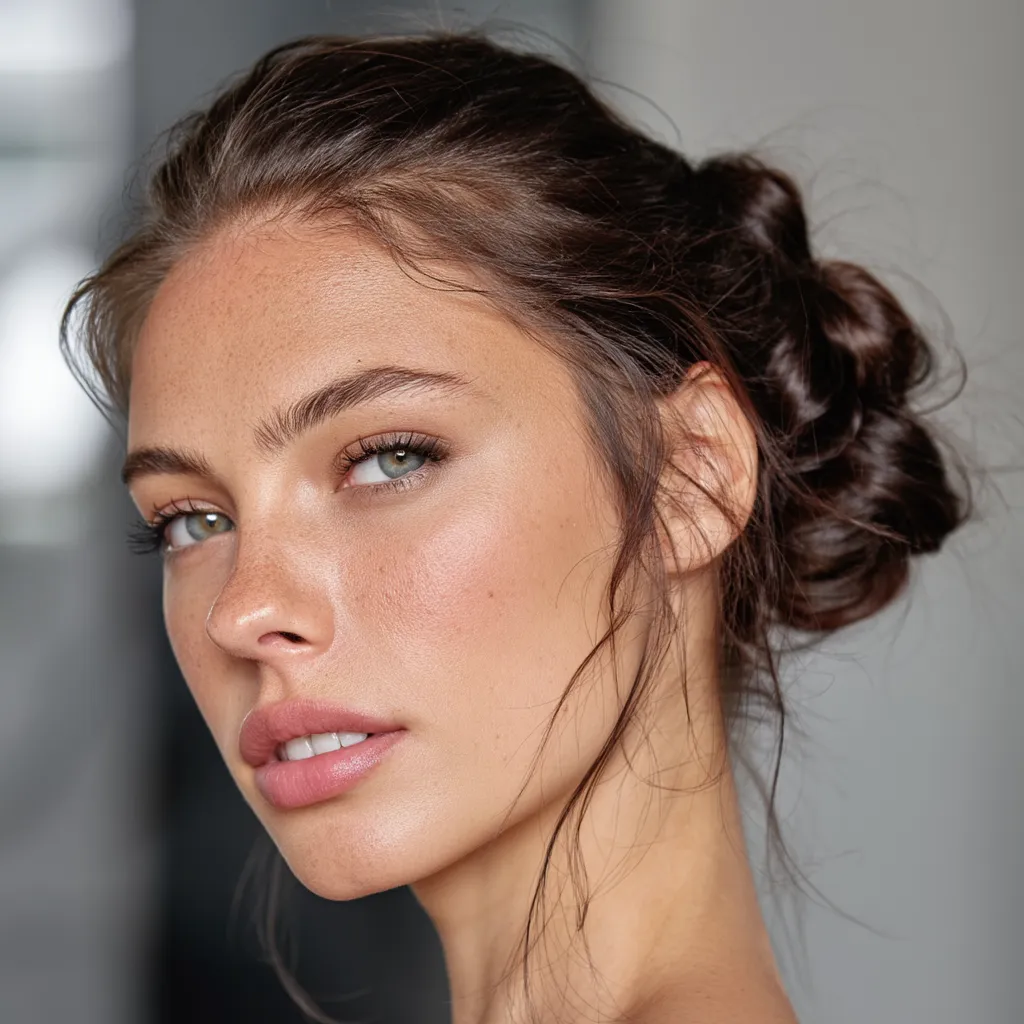
Pink Hair Earns Its Bun When the Donut Disappears
A sock bun with vibrant pink hair succeeds or fails on a single variable: whether the rolled sock underneath is visible. Pink at medium or high saturation is translucent enough that a white or grey base shows through as a dull ring — the opposite of the clean, round bun shape the style promises. Match the donut to your pink tone, or use a flesh-toned base if the pink is a true neon. Brush out tangles first, pull a high ponytail, and slide the donut to the ponytail’s tip. Spread hair evenly around it like you’re covering a spool, then roll the whole thing downward toward the elastic until it sits at the base.


The high placement does a specific job for pink hair: it keeps the color elevated where light hits it directly. A low or mid-bun on pink reads flat because the saturated pigment needs light exposure to read as vivid rather than washed out. What does not work — and this surprises people — is a messy or loose pink sock bun. Pink at high saturation is already visually loud; pairing it with an imprecise shape makes the whole look read unfinished. The trick here is deliberate contrast: the bolder the color, the tighter and more structured the bun needs to be.
Color-protecting shampoo is not optional for pink hair. Pink and red pigments are the first to rinse out because they use large dye molecules that sit on the cuticle surface rather than penetrating the cortex. Pureology Strength Cure Shampoo ($38 for 9 oz at Ulta) is sulfate-free and specifically formulated for color-treated hair — the 9 oz bottle yields over 75 washes per the brand’s own testing, which makes the price-per-wash more reasonable than it looks on the shelf. Wash in cool water; hot water lifts the cuticle and accelerates color loss.
Electric Blue Calls for a Sock Bun Hairstyle With a Sealed Surface
The smooth sock bun updo works differently on electric blue than on any other vivid color because blue pigment creates depth when compressed — the sealed surface of a sleek bun makes the color read almost lacquered, like an enamel object rather than just styled hair. Start by applying a pea-sized amount of frizz-control serum from mid-shaft to ends before gathering the ponytail. This matters more for blue than for pink or purple because blue shows texture irregularities at high contrast. Once the serum is worked through, gather the hair into a ponytail at crown height, smooth the surface with a soft-bristle brush, then roll the donut down as you would normally — but stop and re-smooth any sections that bunch.
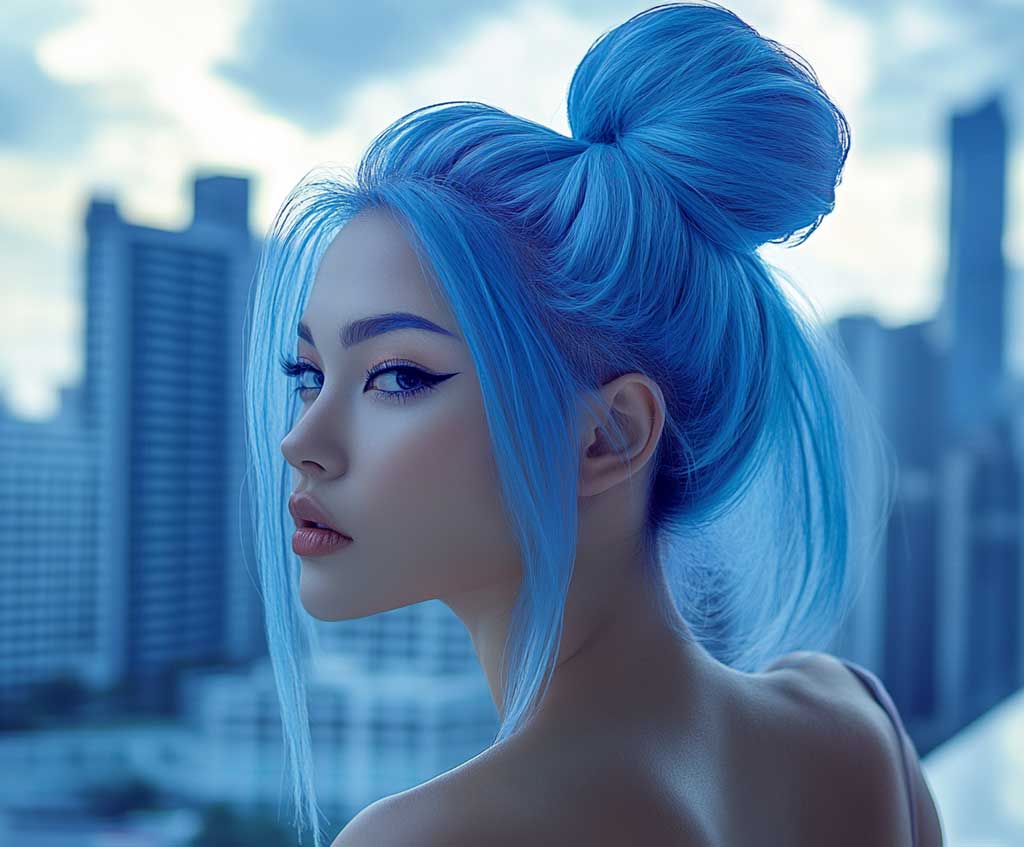


Does the outfit choice affect how electric blue reads? Yes — significantly. Minimalist outfits in black, white, or cream let the blue carry the look without visual competition. Pattern or another bold color in the outfit splits attention, which dilutes the impact of the hair. Stylists who work with fashion-forward clients with vivid color routinely recommend monochrome dressing as the default when the hair is the statement. The sleek blue bun on a structured black jacket reads editorial; the same bun on a floral print becomes visual noise.
The anti-mistake for this look: skipping the pins. A sock bun without bobby pins securing the ends can loosen over a few hours, especially on fine or silky blue-dyed hair. Blue hair that has been through even one bleach-and-tone session is typically more porous and slippery at the surface. Secure the end pieces with two or three pins in an X-pattern against the base of the bun. Once those are in, a light mist of medium-hold hairspray from 12 inches away finishes the surface without adding white residue.
Copper Sock Bun Hairstyle Relies on Warmth, Not Volume
Copper hair styled in a sock bun hairstyle operates on a different principle than pink or blue: the warmth of the tone does the visual heavy lifting, so the bun shape can be softer. Copper pigment is a blend of red and orange with high reflectivity, which means even a bun that is slightly less structured than ideal still catches light and reads polished. Gather the hair into a mid-to-high ponytail, use a copper or auburn-tinted donut (not beige, which reads orange against warm copper), and roll with light tension. A light mist of hairspray after rolling locks flyaways without dulling the sheen.


The dimension question is worth asking here: does copper hair look better in a bun when there is some wave to it, or straightened? Stylists consistently recommend going into the bun with hair that has at least a little natural texture or air-dried wave, because the copper-to-orange highlights in naturally wavy hair create more visual interest than flat-ironed strands that compress into a single uniform tone. The sock bun shape itself provides roundness and structure; the wave provides life within that shape. Straightening first and then bunning produces a look that reads flat against the richness the color actually has.
Copper fades faster in UV light than most other vivid colors because it contains red pigment molecules, which are the most photosensitive in the visible spectrum. Wearing the hair up in a sock bun actually reduces UV exposure to the lengths — a small but real advantage over wearing copper hair down on sunny days. Use a hydrating, sulfate-free shampoo formulated for color-treated hair; L’Oréal Paris EverPure shampoos start at around $9 at mass retailers and are specifically designed to extend color life between salon visits without stripping natural oils.
Don’t pull the bun as tight as possible every single morning. Dermatologists at the American Academy of Dermatology flag repeated tension from tight daily updos as a driver of traction alopecia — hair loss that starts at the hairline and can become permanent if the pulling continues long enough. The solution is not to abandon the sock bun; it is to vary the placement (crown today, slightly lower tomorrow), loosen the ponytail base slightly, and let the hair rest fully down at least one day per week. If the scalp hurts when you pull the ponytail, the elastic is too tight — full stop.
Don’t skip the color-matching step for the donut. A white foam donut under copper or pink hair shows through the rolled layers as a ghostly ring, undermining the whole shape. Buy two or three foam donuts in different shades or DIY one from a sock in a matching tone.
Don’t use a tiny donut on thick hair. An undersized bun base gets buried inside the hair before it reaches the elastic, producing a flat oval shape instead of a round bun. Thickness dictates donut size — aim for a base roughly 3.5 inches in diameter for medium to thick hair.
Purple Sock Bun Updo Holds Shape When You Tease First
A voluminous sock bun hairstyle in bright purple works because purple pigment has the highest perceived saturation of any vivid hair color under indoor light — the color appears to push toward the viewer, creating depth. To use this to its advantage, the bun itself needs volume, not sleekness. Tease the ponytail lightly with a fine-tooth comb before sliding on the donut. Two or three passes of backcombing near the mid-shaft adds enough body that the hair wraps the donut with visible fullness rather than lying flat against it. Wrap the ends around the base and pin securely, then finish with a light-hold volumizing spray rather than a firm hairspray.


What outfit context works for a voluminous purple sock bun? Neutral or monochromatic outfits — grey, black, off-white — allow the purple to dominate. Avoid pairing with other saturated colors at the same intensity, because competing hues of equal brightness cancel each other’s visual impact. Think of the outfit as a frame: a simple dark frame makes the purple bun the painting. This is the same principle a gallery uses when it paints walls white so the art pops — the rule applies to personal styling just as directly.
How long does a voluminous purple sock bun stay fluffy through a full workday? With a light-hold volumizing spray — Kenra Platinum Silkening Mist runs about $28 at professional beauty retailers — the initial volume typically holds 6 to 8 hours before the teased sections compress under the weight of the hair. The practical fix: re-pull the pin at the back of the bun and use your fingers to gently lift the outer surface at the 5-hour mark. Takes thirty seconds and restores most of the original shape without any product reapplication.
Neon Green Demands the Sock Bun Hairstyle Stay Smooth and Clean
A neon green hair bun with a sock works specifically because the sock bun shape — round, compact, geometric — creates a visual foil for a color that is inherently organic and vivid. Neon green reads slightly acidic in certain lights, which means any textural irregularity in the bun reads as part of the color rather than the style. The approach here mirrors the electric blue section: smooth the hair thoroughly with a frizz serum before gathering, brush the ponytail with a boar-bristle brush before rolling to lay down the cuticle, and use a matching green-tinted or dark foam donut. The result is a bun that looks sculpted, which is the correct contrast to the color’s edge.

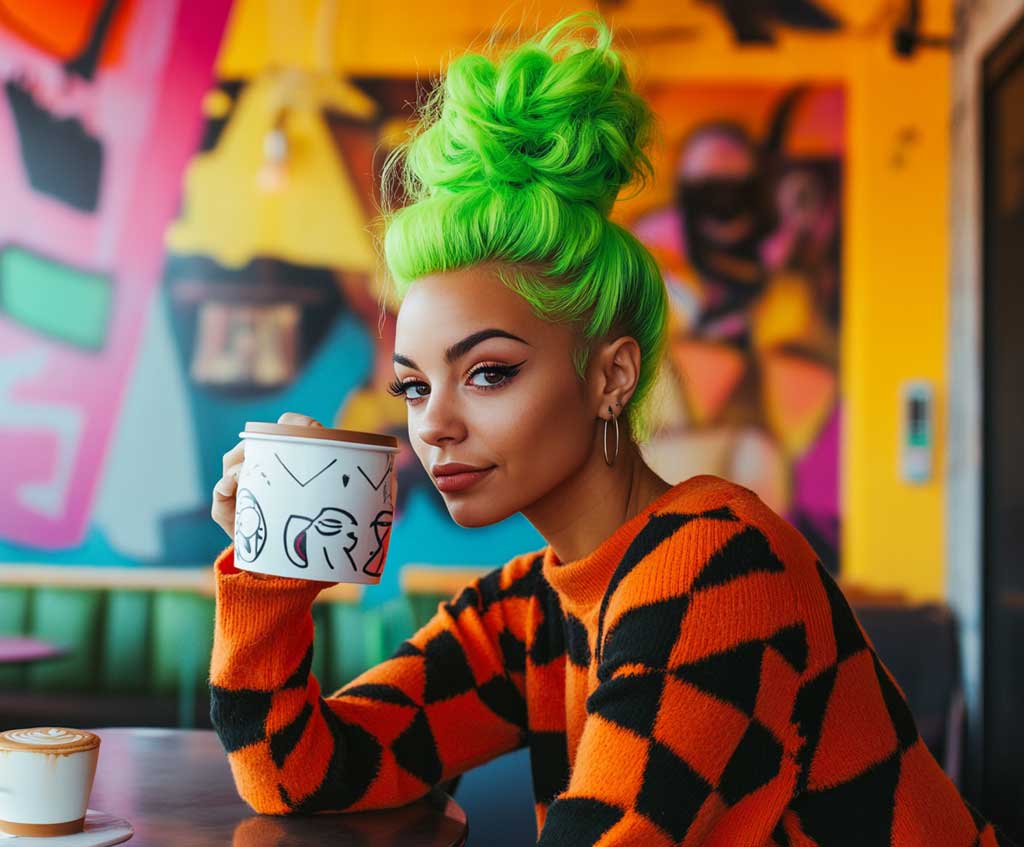


Neon green is the fastest-fading vivid color after red. The yellow component in neon green is highly water-soluble, which means every wash strips a measurable amount of pigment. The approach stylists recommend is reducing wash frequency to twice per week maximum while the color is fresh, and using dry shampoo — Batiste’s aerosol formula runs about $9 at drugstores — between washes to absorb oil without water contact. Cold rinses over the bun after finishing a wash accelerate the cuticle seal and extend color intensity by an estimated two to three additional days per wash cycle compared to rinsing with warm water.
Metallic accessories are the right finishing element for neon green rather than matching or complementary color accessories. Chrome, gunmetal, or antique silver pins near the base of the bun echo the color’s electric quality without competing with it. Gold runs warm and softens the look; silver keeps the edge. The American Academy of Dermatology notes on its hair loss and hairstyles page that any style worn tightly at the same point every day risks follicle stress over time — a good reminder to vary placement even with a style as efficient as the sock bun.
| Color | Bun Finish | Donut Match | Key Risk |
|---|---|---|---|
| Vibrant Pink | Tight and structured | Match pink tone exactly | Visible donut through fine strands |
| Electric Blue | Sealed and sleek | Dark navy or black | Slippage on porous bleached hair |
| Copper | Soft with slight wave | Auburn or copper tone | UV fade on exposed lengths |
| Bright Purple | Teased and voluminous | Violet or dark purple | Volume compression after 5–6 hours |
| Neon Green | Smooth and sculpted | Dark tinted or clear | Fast pigment fade with frequent washing |
BOTTOM LINE
A Sock Bun Hairstyle That Holds Is Mostly a Prep Problem, Not a Technique Problem
The donut size, donut color, and ponytail prep — serum for sleek, tease for voluminous — determine 80% of the result before a single strand rolls over the base. Get those three variables right and the bun almost constructs itself.
Bold hair colors need to be matched to their bun logic: smooth surfaces for blue and green, structured shapes for pink, soft texture for copper, teased volume for purple. Wearing the wrong finish for the color is the single most common reason a vivid-hair sock bun looks off.
Rotate your bun placement daily. The convenience of the sock bun makes daily repetition tempting, but dermatologists flag tight daily updos at the same point as a traction alopecia risk. A small variation in height or a single down-day per week keeps the style sustainable long term. Save this post.