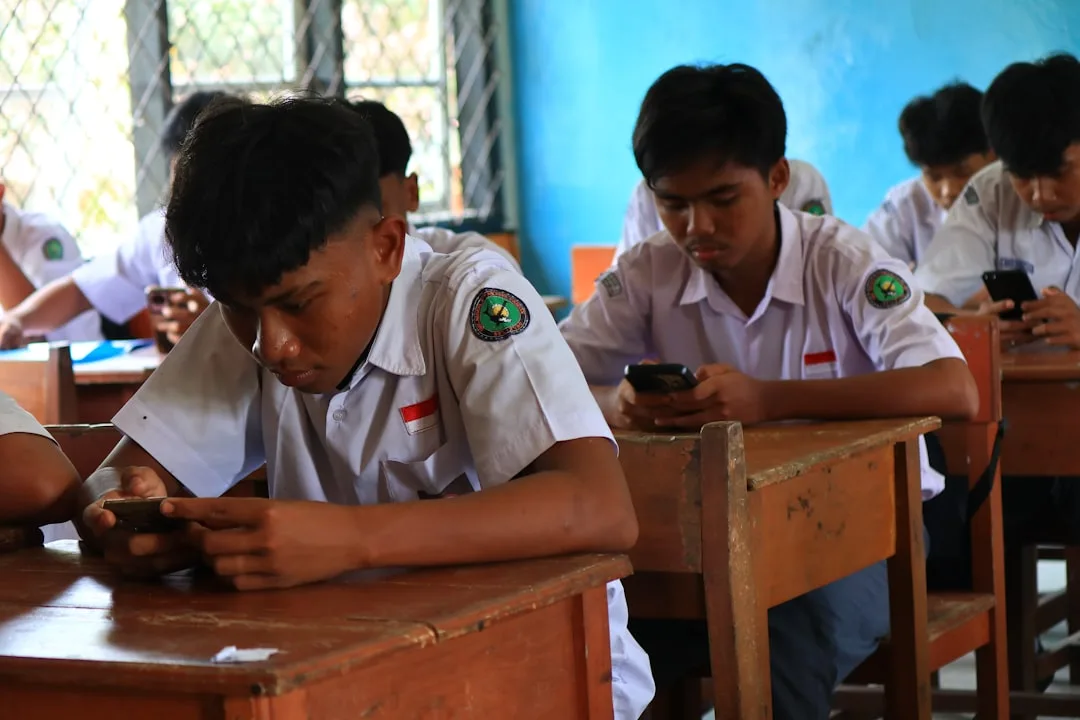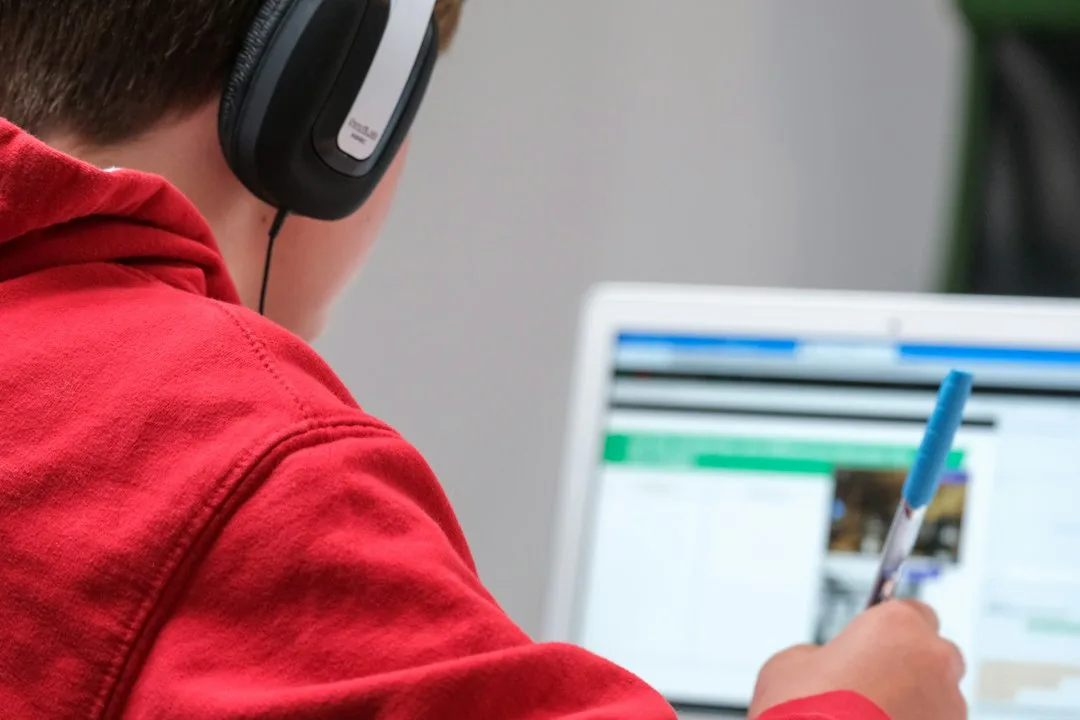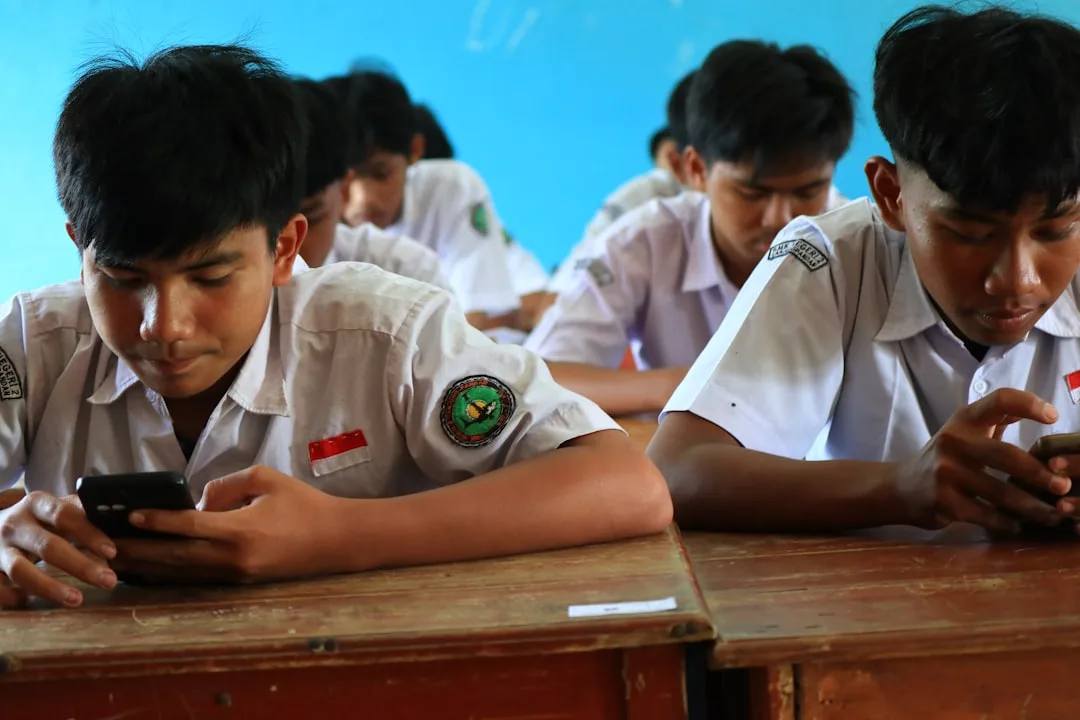
Walk into a secondary classroom in mid-2026, and you’ll notice something shifting. It’s not that phones are disappearing—it’s that the conversation about them has fundamentally changed. For the first time, student cell phone restrictions are being framed not as punishment for rule-breaking, but as a necessity for restoring the deep attention students need to actually learn. At least 32 states are now moving to restrict or ban student cell phone use, marking a tectonic shift in how educators, parents, and policymakers understand the problem.
Why attention, not discipline, became the real debate
Nearly 80 percent of teachers say they regularly compete with phones and social media for students’ attention, according to recent educator surveys. More than half of high school students admit to using their phones during class. These aren’t small numbers—they represent a systemic fracture in the learning environment.
What changed isn’t the phone use itself. It’s the recognition that the issue isn’t primarily behavioral. A student scrolling through social media during a lesson isn’t being defiant; they’re being pulled by algorithms designed to fragment attention. Teachers report a sharp increase in phone use during instruction, especially at the secondary level, and early evidence suggests that limiting phones improves both grades and focus measurably.
The shift toward student cell phone restrictions reflects a broader maturity in the education conversation. Administrators realize that banning phones works only when the ban addresses why students reach for them in the first place: the engineered appeal of platforms competing for their neural bandwidth.
Quick Tips
- Implement phone-free zones during core instruction time, not as punishment but as attention restoration
- Create a specific phone storage protocol—designated bins or lockers, not pockets or backpacks
- Model the behavior: staff phone policies must match student restrictions or credibility collapses
- Connect the restriction to positive outcomes: share data on grade improvements, not discipline statistics
- Start with high-stakes learning periods (testing, project work) before expanding campus-wide

The data proving restricted phones actually improve outcomes
Schools implementing phone restrictions are seeing measurable results. Early evidence from districts testing these policies shows improvements in both academic performance and classroom engagement. When students aren’t fragmenting their attention, they retain information differently. Teachers report being able to hold whole-group discussions longer without losing student focus.
The mechanism is straightforward: the phone isn’t just a distraction in the moment. Its presence alone—even silent in a pocket—creates what researchers call “cognitive load.” The brain allocates resources to the possibility of missing a notification. Remove that possibility, and working memory frees up for actual learning.
One practical example: a district in a mid-Atlantic state saw reading comprehension scores climb 8-12 percent in the first semester after implementing a middle-school phone restriction policy. No other variables changed. The only shift was attention architecture.
| Policy Approach | Implementation Level | Reported Outcomes |
|---|---|---|
| Classroom-only restrictions | Individual teacher choice | Moderate engagement gains, inconsistent adoption |
| Campus-wide ban during instruction | School-wide policy | Significant focus and grade improvements |
| Full-day restriction with break exceptions | State or district mandate | Strongest results; requires adult modeling |
| Bring-your-own-device with blocking tools | Technology-mediated policy | Mixed results without physical separation |
The mistake schools make: discipline without addressing adult modeling
Here’s where most phone restriction initiatives fail: they treat the policy as a student behavior problem rather than a systemic attention problem. A school implementing a student phone ban while teachers check their devices during class sends a message that contradicts the entire policy. Trust collapses, and the rule feels punitive rather than protective.
One high school in the Northeast launched a strict phone ban in fall 2025 without addressing staff device use. Within two months, student compliance had deteriorated. The narrative had shifted from “we’re protecting your focus” to “you’re being controlled.” By spring, the principal reported the policy was barely enforceable because students saw the hypocrisy as the real message.
The conversation isn’t just about taking phones away. It’s about recognizing that fractured attention is a shared crisis—adults included. Teachers competing with phones need permission and modeling to model phone discipline themselves. Without that, restrictions feel like control rather than care.

How education technology is adapting to prioritize human connection
Interestingly, the phone restriction trend is happening alongside a broader shift in AI tutoring personalization reshaping one-size-fits-all education. Education technology in 2026 is increasingly prioritizing human connection, not replacing it. Tools designed to reduce screen time while increasing engagement are gaining momentum: play-based learning for early grades, discussion-centered platforms, and asynchronous collaboration that doesn’t demand constant real-time presence.
The paradox isn’t lost on educators. They’re using technology more strategically—to create space for attention rather than fragment it. Personalized learning platforms handle routine instruction, freeing classroom time for dialogue, problem-solving, and mentorship. Students move deeper with fewer distractions.
This also connects to work with neurodivergent-friendly learning platforms transforming how ADHD and autism spectrum learners study. Reducing ambient distractions—phones included—creates better access for students whose attention systems work differently. Phone restrictions aren’t about punishment. They’re about inclusion.
Building focus back into school culture
The 32-state movement toward phone restrictions reflects something larger: a collective recognition that attention is a finite resource that deserves protection. It’s not about nostalgia for a pre-phone era. It’s about designing learning environments where the default is focus, not fragmentation.
Schools implementing these policies successfully are pairing restrictions with positive alternatives. Designated phone break times. Hands-on activities. Collaborative projects that require sustained concentration. The message becomes: we’re not taking something away; we’re making space for what actually builds learning.
The real shift happening in education right now centers on responsibility—both institutional and personal. Adults model attention discipline. Students get actual practice in sustained focus. And the culture of a school begins to reflect what learning actually requires: presence, depth, and the kind of attention that can’t coexist with endless notification.