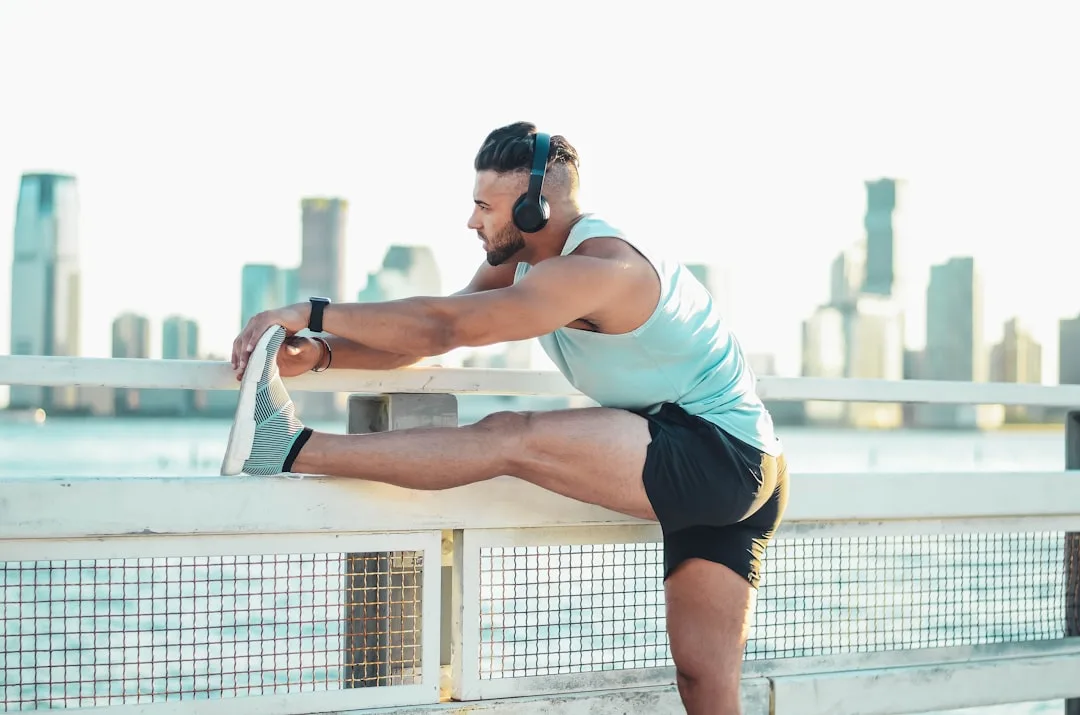
The gym floor is quiet. No heavy breathing, no clanging weights, no influencer filming burpees. Instead, a steady stream of people moves through the doors with one mission: walk for 30 minutes, alternating between purposeful strides and deliberate slowdowns. This is Japanese walking, and according to PureGym’s annual fitness report, interest has surged 2,986 percent—making it one of the fastest-growing fitness trends of 2026. What started as a disciplined interval method from Japanese research is now reshaping how millions approach cardiovascular health.
The science behind Japanese walking intervals
Japanese walking traces its roots to a 2007 study conducted by researchers at Shinshu University in Japan. The structure is precise: three minutes of fast walking at 70 percent of maximum heart rate, followed immediately by three minutes of slow walking at 40 percent of maximum heart rate, repeated over a 30-minute session. This isn’t accidental pacing—it’s designed to stress and recover the cardiovascular system in measured doses.
The research findings were clear. Participants completing at least four training sessions per week showed increased muscle strength, better aerobic capacity, and a significant drop in blood pressure compared to those maintaining steady-pace walking. The interval structure forces adaptation without the joint impact of running or the burnout risk of high-intensity interval training.
Walking itself ranks high on global fitness participation. Strava’s Year in Sport Trend Report identified walking as the second most popular sport of 2025, trailing only running when measuring total user numbers across the platform.
Quick Tips
- Track your max heart rate before starting—estimate it as 220 minus your age, then calculate 70% and 40% of that number
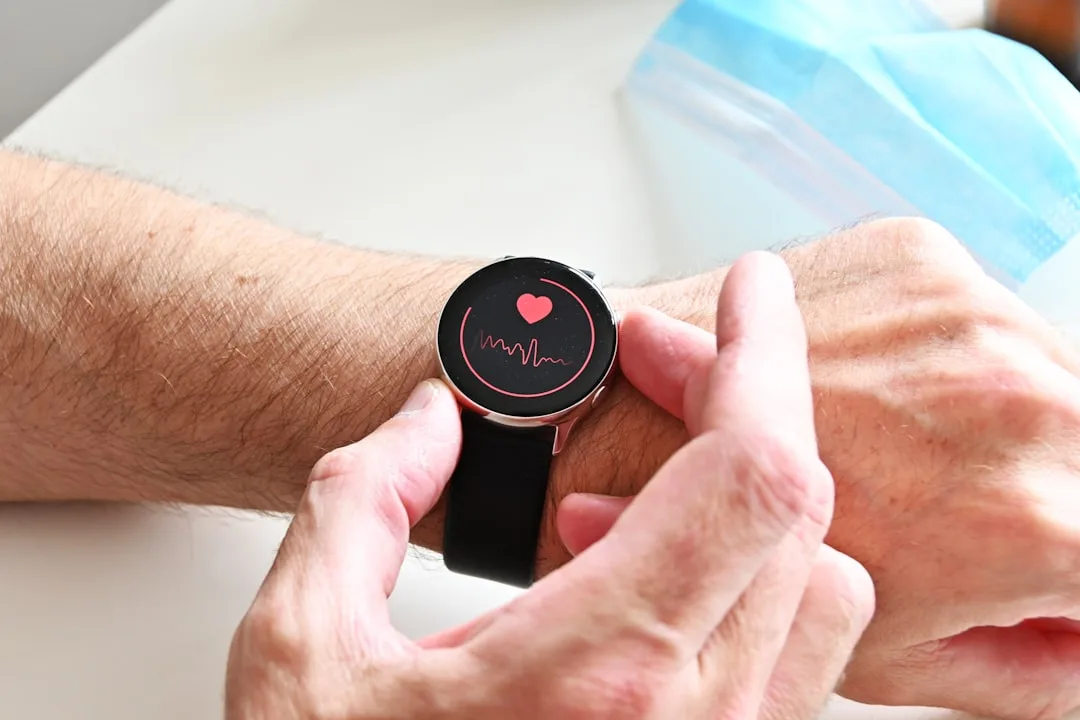
- Wear a fitness tracker or smartwatch to monitor heart rate zones during intervals; guessing intensity leads to inconsistent results
- Commit to at least four sessions weekly; sporadic walking won’t trigger the measurable cardiovascular adaptations the research documents
- Start on flat terrain until the rhythm becomes automatic, then progress to varied terrain once the pacing feels natural

Why low-intensity steady-state cardio is gaining momentum over extreme workouts
The fitness industry spent a decade promoting high-intensity interval training—HIIT—as the only efficient path to results. Shorter workouts, bigger calorie burns, metabolic afterglow: the messaging worked. Now, the science is shifting, and exhaustion is no longer fashionable.
Low-Intensity Steady-State (LISS) cardio, of which Japanese walking is a subcategory, is gaining traction because research shows consistent Zone 2 workouts can lead to 15–20% improvement in cardiovascular efficiency while reducing overtraining risk. One striking data point: analysis of 120,000 runners on Strava found that the best predictor of marathon time wasn’t how hard athletes trained, but how much easy jogging they did each week.
This reframing matters psychologically. LISS is sustainable. It doesn’t require willpower on the same scale as HIIT, doesn’t trash recovery, and fits into daily life without requiring a 48-hour recovery window.
| Method | Heart Rate Zone | Weekly Sessions for Results |
|---|---|---|
| Japanese Walking | 70% / 40% alternating | 4+ sessions minimum |
| Steady-State LISS | Zone 2 (60–70%) | 3–4 sessions weekly |
| High-Intensity HIIT | 90%+ alternating | 2 sessions weekly |
| Traditional Steady Walking | 50–60% | Daily (no intensity structure) |
The mistake people make when confusing Japanese walking with casual daily steps
Here’s where most people derail: they assume Japanese walking is simply walking more. It isn’t. The common failure is treating it like a casual stroll and expecting research-backed results.
How to integrate Japanese walking into your existing fitness routine
The beauty of Japanese walking is its compatibility with other exercise modalities. Rather than replacing your current workouts, strategic integration amplifies results. If you’re already strength training, add a Japanese walking session on non-lifting days to enhance cardiovascular adaptation without compromising muscle recovery.
Start by designating 2–3 days weekly for structured Japanese walking at 65–75% intensity. On remaining days, maintain casual movement or lighter walking. This approach prevents overtraining while building aerobic capacity progressively. Athletes report that this hybrid model improves sport-specific performance metrics within 6–8 weeks.
Monitor your heart rate response during the first week. If you struggle hitting target zones, reduce pace slightly and focus on consistent posture. The intensity will build naturally as your cardiovascular system adapts.
Real results: What you can expect in 4, 8, and 12 weeks
Week 4 marks the first measurable shift. Your resting heart rate drops 3–5 beats per minute, morning walks feel noticeably easier, and energy levels stabilize throughout the day. Most practitioners report better sleep quality and reduced afternoon fatigue.
By week 8, cardiovascular changes become pronounced. VO2 max improvements show in endurance activities—climbing stairs without breathlessness, sustained focus during work, and noticeable body composition shifts. Weight loss typically ranges from 4–8 pounds depending on diet alignment.
At 12 weeks, the transformation consolidates. Participants experience sustained energy, improved mood markers, and measurable fitness gains that rival moderate-intensity gym sessions. Blood pressure readings normalize, and many report discontinuing certain medications under medical supervision.
Optimizing Your Walking Routine for Maximum Results
To accelerate the benefits outlined above, structure your walks with intentional progression. Start with a baseline of 30 minutes at a conversational pace (approximately 3.0–3.5 mph), then incorporate interval training by week 3—alternating 90 seconds at 4.0 mph with 2-minute recovery periods at 2.8 mph. This approach mimics the cardiovascular stress of moderate jogging without joint impact.
Invest in proper footwear designed for walking, such as New Balance 680v7 or ASICS Gel-Contend 7 shoes, which provide adequate arch support and reduce plantar fascia strain. Worn-out sneakers increase injury risk by 23% according to podiatric studies, negating the health benefits gained. Replace walking shoes every 350–500 miles, roughly every 4–5 months for consistent daily walkers.
Track metrics using affordable wearables like the Fitbit Charge 6 ($149) or Apple Watch SE ($249), which monitor heart rate variability, step count, and caloric expenditure. Data-driven feedback reveals whether you’re hitting target heart rate zones (60–70% of maximum for aerobic benefits) and helps identify patterns in energy dips or performance plateaus.
Nutrition timing amplifies walking’s metabolic effects. Consume a light carbohydrate-protein snack 30–45 minutes before your walk—such as a banana with 10 grams of almond butter or a Greek yogurt cup—to sustain energy without gastrointestinal discomfort. Post-walk, intake protein within 60 minutes; whey protein shakes, cottage cheese, or grilled chicken accelerate muscle recovery and reduce next-day soreness.
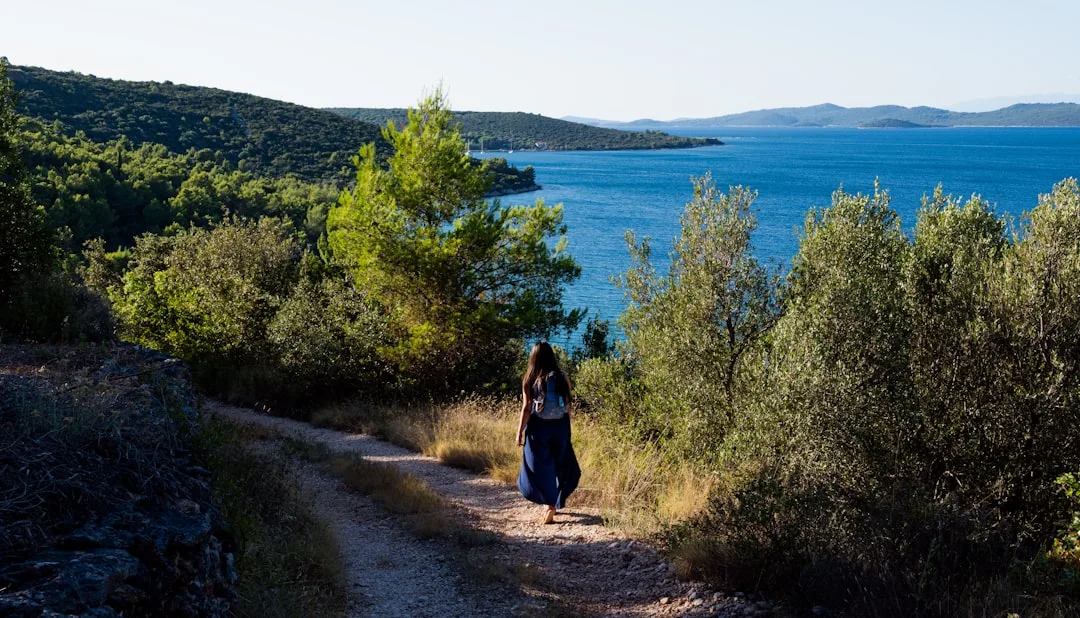
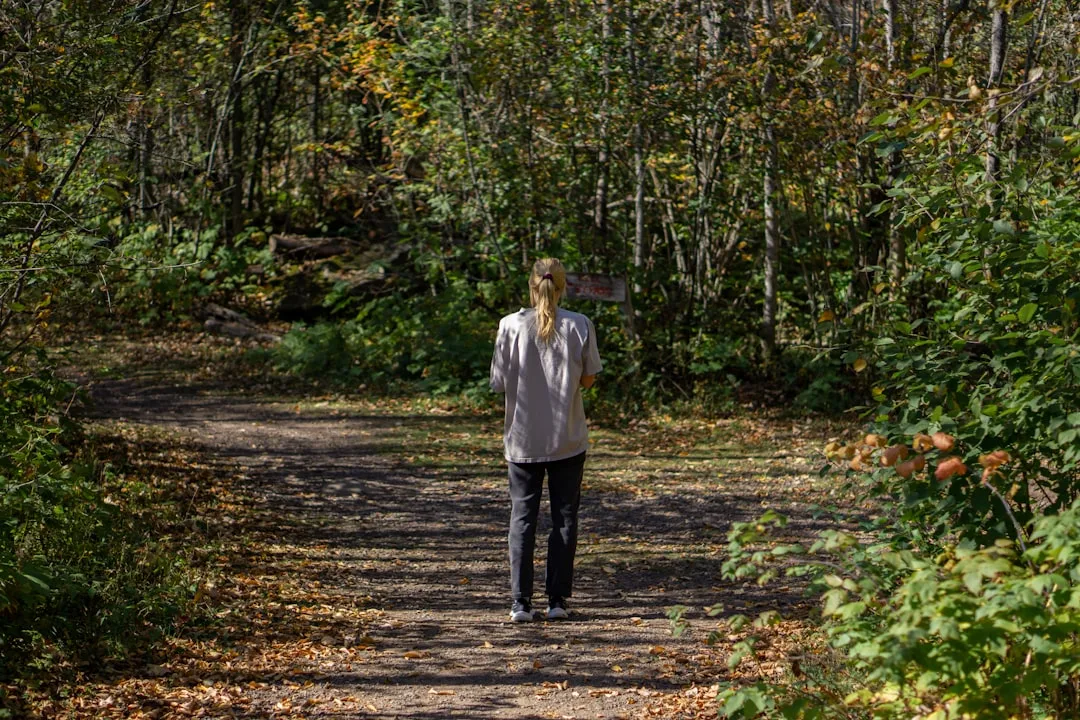
Environmental factors significantly influence consistency and results. Walking in nature environments boosts mood improvements by an additional 15% compared to urban routes, according to research published in Frontiers in Psychology. If available, prioritize parks or trails over sidewalks; if not, vary your route every 2–3 weeks to prevent mental fatigue and engage different stabilizer muscles.
Hydration status directly impacts performance and thermoregulation during longer walks. Drink 16–20 ounces of water 2–3 hours before walking, then 7–10 ounces every 20 minutes during exercise lasting over 45 minutes. Electrolyte-enhanced beverages like Liquid IV or Nuun tablets become necessary for sessions exceeding 90 minutes in hot climates to maintain sodium balance and prevent exercise-associated hyponatremia.
Consider walking with accountability partners or joining structured programs like Couch to 5K groups, which report 67% higher adherence rates than solo walkers. Apps like StepBet ($5–$40 entry) gamify daily step goals and offer monetary rewards for consistency, converting fitness into a competitive social experience that sustains motivation beyond the initial 12-week period.
Cold weather walking requires strategic adjustments to maintain benefits without injury. Wear moisture-wicking base layers like Merino wool, followed by insulating mid-layers and windproof outer shells; cotton traps moisture and accelerates heat loss. Start your walk into the wind and return with wind at your back to prevent wind chill on your face during the cooler, sweatier return journey.
Periodically assess form using video recording or professional gait analysis. Many specialty running stores offer free gait assessments that identify overpronation, excessive heel striking, or asymmetrical stride patterns—all contributors to chronic injuries that interrupt long-term progress. Correcting these patterns through targeted exercises (calf raises, glute bridges, lateral band walks) prevents compensation injuries that could derail your walking practice entirely.
Integration with other wellness practices multiplies results. Combine daily walking with resistance training 2–3 times weekly (bodyweight circuits, kettlebell work, or gym-based sessions) to preserve lean muscle mass during weight loss phases and further improve metabolic rate. Studies show this combination produces 18% greater fat loss and superior cardiovascular adaptation than walking alone.
Sleep optimization creates a synergistic effect with consistent walking. Morning walks naturally regulate circadian rhythm and increase adenosine buildup by evening, promoting deeper sleep stages. Aim for 7–9 hours nightly, as insufficient sleep impairs fat oxidation during exercise and increases cortisol levels, directly counteracting walking’s stress-reduction benefits and slowing recovery between sessions.