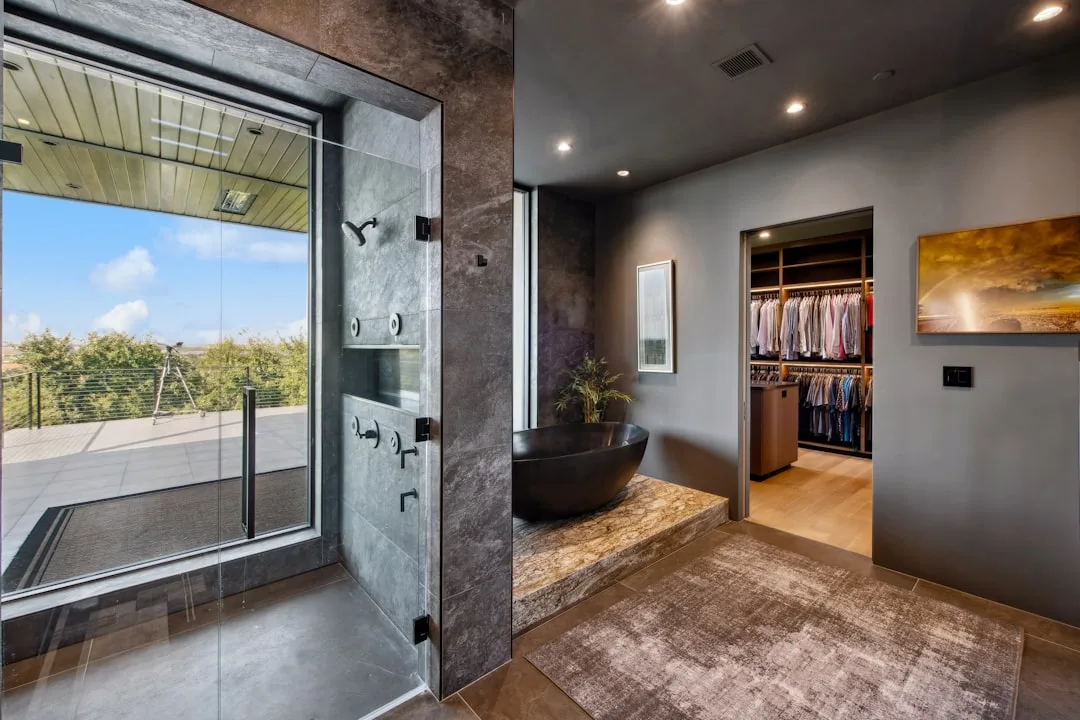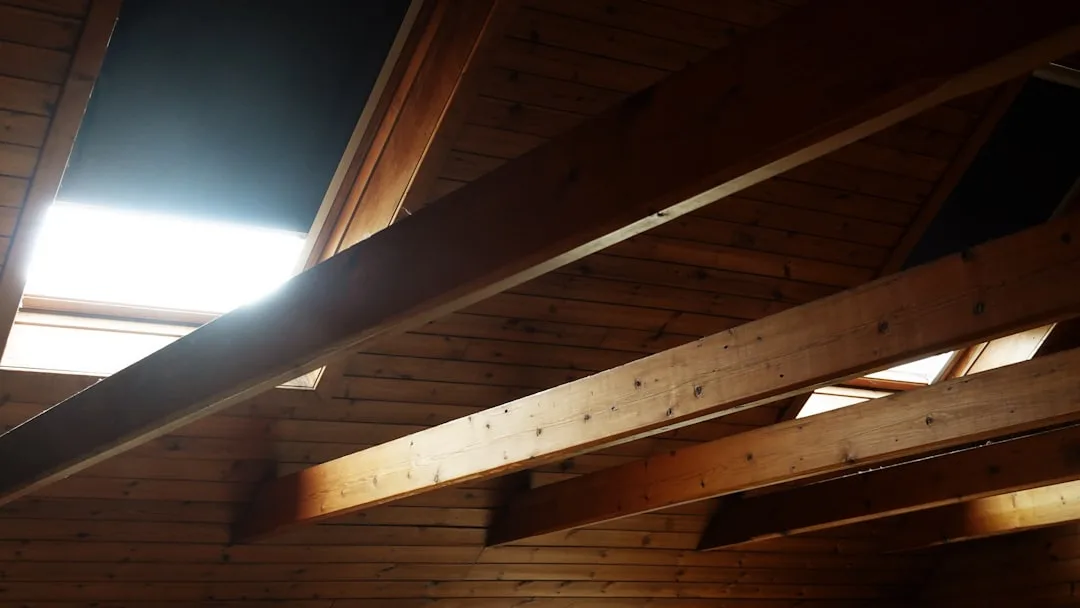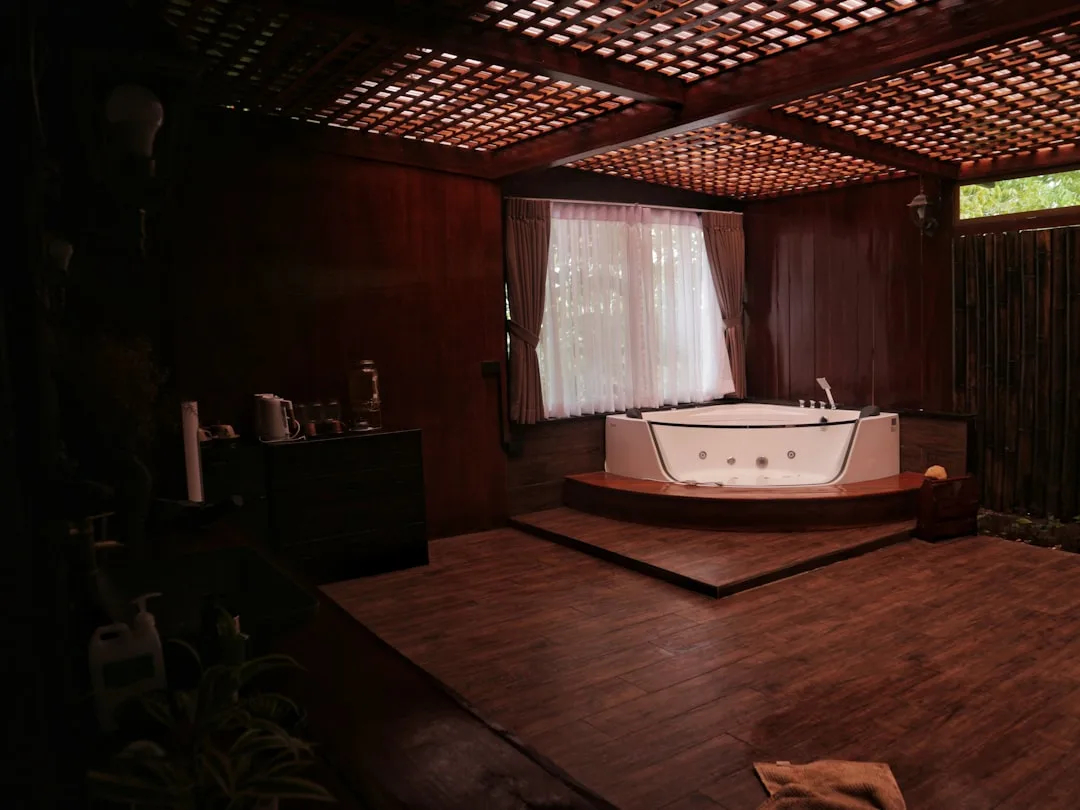
Step into a bathroom and find yourself immediately slowing down. The curved edge of a freestanding tub catches light. Stone-textured porcelain wraps the walls. A heated floor warms bare feet. This is no accident—it is the result of one of the most aggressive design pivots homeowners have made in years. Wellness room design has become the organizing principle for how people renovate their homes, driven by a genuine hunger to build spaces that restore as much as they shelter.
Why wellness room design searches exploded 164 percent
Searches for “wellness room” jumped 164 percent in recent weeks, while “calming” as a design keyword surged 139 percent. These numbers do not arrive in isolation. Related searches tell the full story: “biophilic design” climbed 112 percent, “spa” searches rose 68 percent, “home gym” climbed 46 percent, and “sensory room” interest jumped 43 percent. Homeowners are no longer asking how to renovate a bathroom or bedroom—they are asking how to build spaces that actively support their physical and mental wellbeing.
The driver is both practical and psychological. Renovation and repair spending is projected to hit a record $524 billion in early 2026, according to the Harvard Joint Center for Housing Studies, driven partly by wellness-focused upgrades. People are investing in their homes as they would invest in therapy or a gym membership. A well-executed mid-range primary bath refresh returns 60–80 percent of cost at resale while improving daily life. That return is unusual—most renovations do not recoup their full investment—which explains why wellness upgrades feel smart rather than indulgent.
Quick Tips
- Freestanding tubs, layered lighting, and quiet bench seats deliver 90 percent of wellness bath feel without the cost of saunas or cold plunges
- Large-format porcelain that mimics stone offers high impact with easier maintenance than actual stone
- Heated bathroom floors create immediate psychological shift with minimal structural disruption
- Pocket doors and built-in seating optimize acoustic comfort and privacy without removing walls
- Layered lighting—overhead, task, and accent—supports different moods within a single space
Textures and finishes driving wellness room demand
The material story behind wellness room popularity is as dramatic as the search numbers. Searches for “sandstone” jumped 257 percent. “Linen wallpaper” climbed 104 percent. “Seagrass wallpaper” rose 94 percent. “Venetian plaster” surged 94 percent. These are not bold statement choices—they are tactile, grounded, nature-connected surfaces that invite touch and create depth.
Biophilic design, the practice of incorporating nature into the built environment, now dominates wellness room strategy. Warm earth tones, curved forms, and natural textures work together to calm the nervous system. A Venetian plaster wall catches light differently throughout the day, creating visual interest without demanding attention. Linen wallpaper ages beautifully—it does not look dated in five years because it was never trendy to begin with.
| Material | Search Growth | Wellness Application |
|---|---|---|
| Sandstone | +257% | Flooring, shower surround, accent walls |
| Linen Wallpaper | +104% | Wall covering with natural texture |
| Venetian Plaster | +94% | Accent walls with subtle movement |
| Large-Format Porcelain | n/a | Stone-like appearance, easier maintenance |
How to layout a wellness room for maximum calm
Architectural data from mid-2026 reveals a significant structural pivot toward defined spaces and multi-functional zones within wellness rooms. The goal is to optimize layout transitions for acoustic comfort and privacy. Pocket doors separate a yoga nook from the main bathroom without stealing visual space. Contrasting rugs define zones within an open plan.
Furniture placement matters as much as walls. A quiet bench seat tucked into a window corner becomes a reading refuge. Built-in shelving that holds soft textiles and plants adds function without clutter. Layered lighting—overhead fixtures for cleaning, wall sconces for evening routines, accent lights for ambiance—allows a single room to serve different emotional needs at different times.
The most successful wellness rooms feel intentional but not precious. The Benefits of Professional Junk Removal at Home becomes relevant here: a room designed for calm cannot function if it contains items that do not belong. Every object should either serve a function or contribute to the sensory experience.
The mistake that makes wellness rooms look dated by 2031
Here is where most homeowners stumble: they assume overly bold “statement” colors and finishes that look incredible in magazines will age well. A saturated jewel-tone accent wall photographed beautifully in July 2026 will look very 2026 in 2031. Bold color trends move quickly. What feels daring now will feel tired in five years.
The antidote is rich but grounded earthy palettes. Warm terracottas, soft greiges, deep creams, and muted sage greens photograph beautifully and age gracefully instead. These colors do not compete for attention—they recede, allowing the textures and forms to speak. A homeowner who chooses warm sandstone tones and linen wallpaper will not regret the choice in 2031. A homeowner who chooses a saturated emerald wall with brass fixtures everywhere might not feel the same way. The Benefits of Regular Dirt Removal for Your Home’s Health extends to design decisions too—the ongoing maintenance of a space includes protecting it from choices that will feel stale.
Wellness room features that deliver maximum impact for minimum cost
Not every homeowner can afford a home sauna or cold plunge setup. Infrared saunas and cold plunges are trending as wellness investments, but freestanding tubs, layered lighting, and quiet bench seats deliver 90 percent of the wellness bath feel for a fraction of the price. A heated bathroom floor costs far less than a sauna and creates immediate psychological shift every morning.
Large-format porcelain that looks like natural stone offers high visual impact with lower maintenance demands than actual stone. A spa-inspired aesthetic emerges from the combination of materials and lighting, not from equipment alone. Clients prioritizing spaces that support daily self-care and long-term wellness can begin with foundational choices—good ventilation, warm lighting, tactile finishes—and add premium features later as budget allows.
The renovation landscape in 2026 proves that wellness room design is not a passing trend. It reflects a genuine shift in how homeowners think about the function and emotional power of residential spaces. Searches do not spike 164 percent for frivolous reasons. People are building sanctuaries because sanctuaries matter.