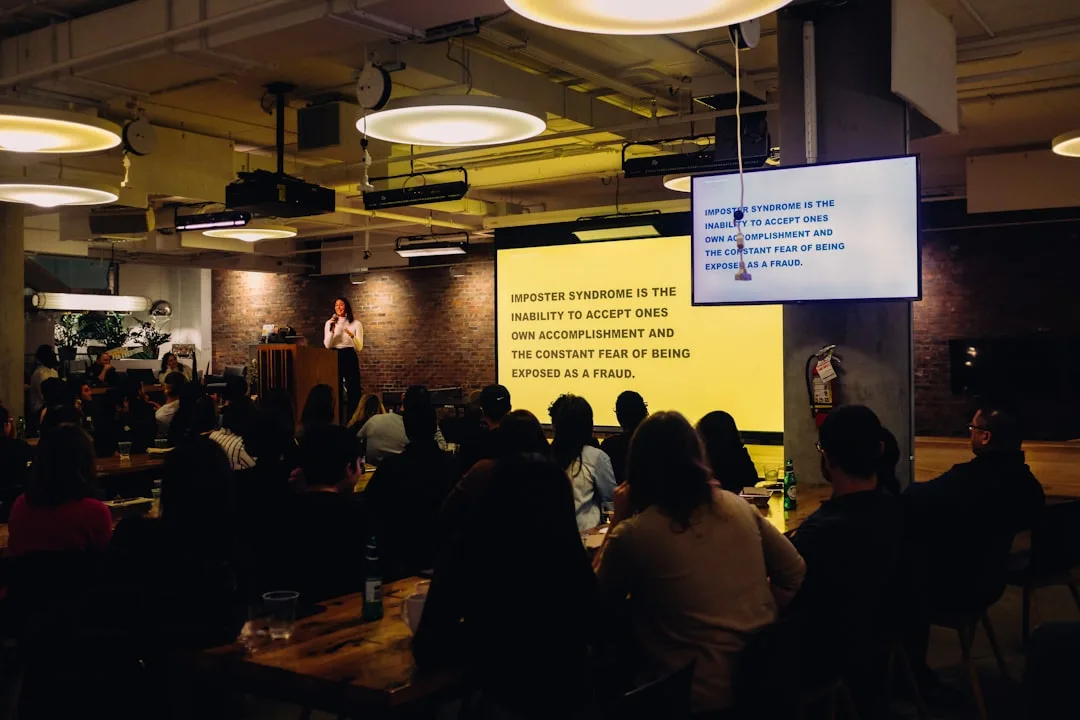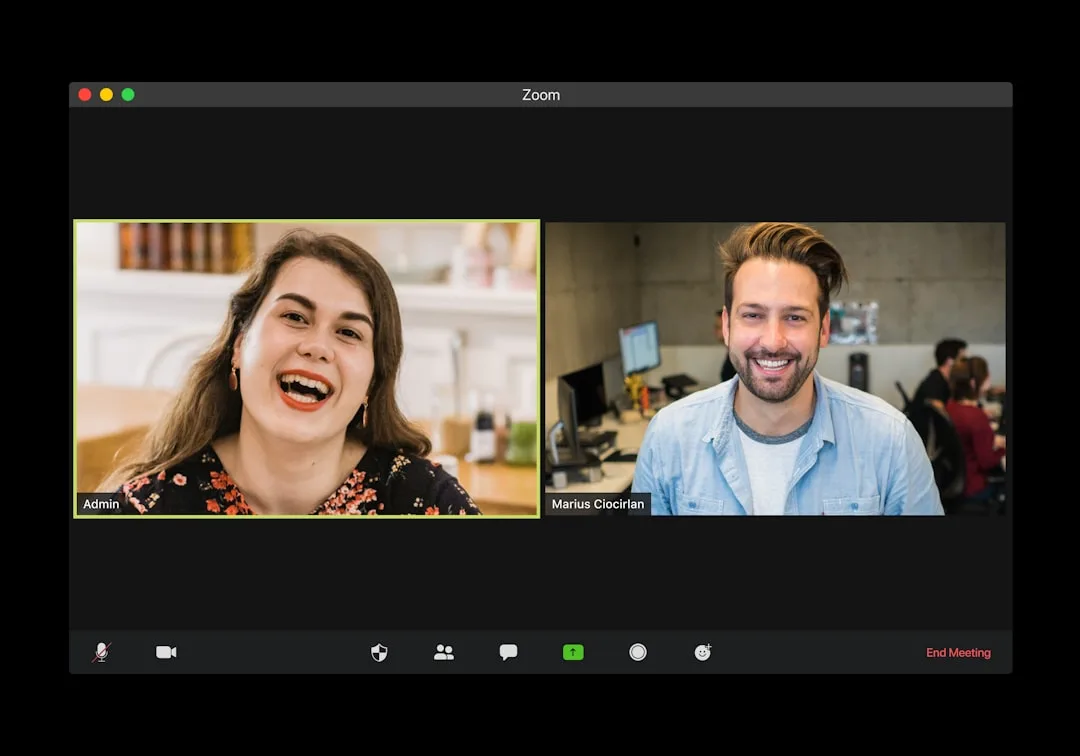
By August 2026, synchronous learning communities have become the antidote to the dropout crisis that plagued asynchronous platforms for a decade. Adults signing up for skill-building now expect real-time connection—not a library of prerecorded lectures they’ll never finish. The shift matters: research from workplace training data shows that learners in live cohorts complete programs at rates 40% higher than those in self-paced models, because another human is waiting for you at 7 p.m. Thursday.
Why synchronous learning communities outperform isolation
Coursera and Udemy built empires on the promise that learning at your own pace was freedom. It was actually permission to quit quietly. Synchronous learning communities flip this: they make leaving visible.
When you’re the only person silent in a live cohort discussion, you feel it. When your peers submit their weekly project and you haven’t started, shame works. Not cruelty—social presence.
LinkedIn Learning added synchronous cohort tracks in 2025 and saw 67% of participants complete the eight-week cycle, compared to 31% in their self-paced catalog. The only variable changed: adding a cohort meeting twice weekly where everyone attended live, cameras on.
Quick Tips
- Choose cohorts that start on a fixed date. Open-enrollment models split focus across time zones and undermine synchronicity.
- Attend live sessions even if recordings exist. The accountability vanishes the moment you can watch later.
- Select a program with a defined 8-12 week run. Infinite enrollments mean cohorts stall waiting for latecomers.
- Prioritize cohorts with peer project reviews, not just instructor feedback. Strangers critique you harder than authority figures.

How real-time feedback loops accelerate learning
MasterClass pivoted hard toward synchronous cohorts in 2024, bundling live office hours with their premium classes. The model works because feedback arrives while your work is fresh.
In asynchronous systems, you submit work, wait days for an automated response or email, lose momentum, and move on. In synchronous cohorts, you present your project to peers at 8 p.m., get three different takes on it immediately, revise the next day while the insights are live in your mind.
Generative AI tutoring platforms like Wyzant experimented with this: students in live group tutoring sessions with peers—not one-on-one—learned faster because they had to articulate their confusion in real time, watch someone else solve it wrong, and see correction happen instantly.
| Learning Model | Completion Rate | Peer Feedback Timing |
|---|---|---|
| Asynchronous self-paced | 28% | 3-5 days later |
| Synchronous live cohort | 68% | Same session, minutes |
| Hybrid (weekly sync + async homework) | 74% | Mixed: immediate in session, 2 days for work review |
| Instructor one-on-one mentorship | 91% | Immediate, personalized |
The common failure: treating synchronous as optional
Many platforms rolled out synchronous cohorts but failed to enforce attendance. Skillshare tried this in 2023—they created live teaching sessions but didn’t require participation, didn’t penalize absences, and didn’t bar people from progressing without attending.
The result: people treated sync meetings as bonus office hours, attended once or twice, and reverted to self-paced browsing. The cohort fragmented. Trust dissolved. Peers stopped showing up because they watched others ghost.
The platforms that work make attendance mandatory or tie completion badges to participation. Thinkful, a coding bootcamp, requires developers to attend live code review sessions twice weekly as a condition of graduation. Attendance in their programs runs 94% because enrollment is non-refundable only after week one, and the social contract is clear: we show up.

Synchronous cohorts reshape corporate training ROI
Enterprise learning teams discovered this shift first. IBM redesigned their new-hire onboarding in 2025 to include live cohort learning: 50 hires start on the same Monday, attend three synchronous workshops weekly for six weeks, collaborate on real projects with peers, and present results live.
The time-to-productivity shrank from 14 weeks to 9 weeks. Why? Cohort members pushed each other past confusion, shared shortcuts, and built relationships that lasted—making them stay longer at the company.
Bloomberg, Goldman Sachs, and McKinsey all expanded synchronous cohort models in their training pipelines because the data was undeniable: peer presence raises stakes. See AI Governance in Education Moves From Pilot to Proven Outcomes for how live cohorts interact with AI-assisted grading to scale feedback without bottlenecking instructors.
What synchronous learning demands of learners
The trade-off is real: you must show up. Synchronous communities eliminate the fantasy of learning at 2 a.m. on your own timeline.
If you live in Singapore and the cohort meets at 9 a.m. Pacific, you’re in at 1 a.m. your time—or you drop out. Time zones break synchronicity. The best programs either recruit regionally or accept that some people can’t join.
Tech platforms like Maven and Kajabi now let instructors set multiple cohort tracks (morning East Coast, evening Central, weekend Pacific) to solve this, but each cohort still runs live with fixed dates. This fragments scaling but preserves accountability.
Consider AI Tutoring Personalization Reshapes One-Size-Fits-All Education in 2026 for how personalized paths fit inside synchronous cohorts—you and your peers learn together, but your assignments adapt to your level.
Synchronous learning communities as the modern accountability standard
By August 2026, the question is no longer whether adults prefer asynchronous or synchronous learning. Completion data has made synchronous the baseline expectation for serious skill-building.
Adults who choose self-paced models are now making an explicit trade: flexibility for isolation and higher dropout risk. Most don’t want that deal once they understand it.
Synchronous learning communities work because they restore something online education stripped away: the cost of disappearing. You’re accountable to five peers who notice you’re gone, not to an algorithm that cheerfully suggests you retry the quiz later.
Tools for Building and Joining Accountable Learning Communities
These resources are for readers who want to go beyond the article — whether you’re designing a synchronous course, looking for a live cohort to join, or setting up accountability structures for your own group.
How do I actually design synchronous sessions and accountability checkpoints into an online course?
Where can I find a live cohort-based course to join that has real deadlines and peer interaction?
What steps do I need to take to set up my own cohort course with built-in accountability?