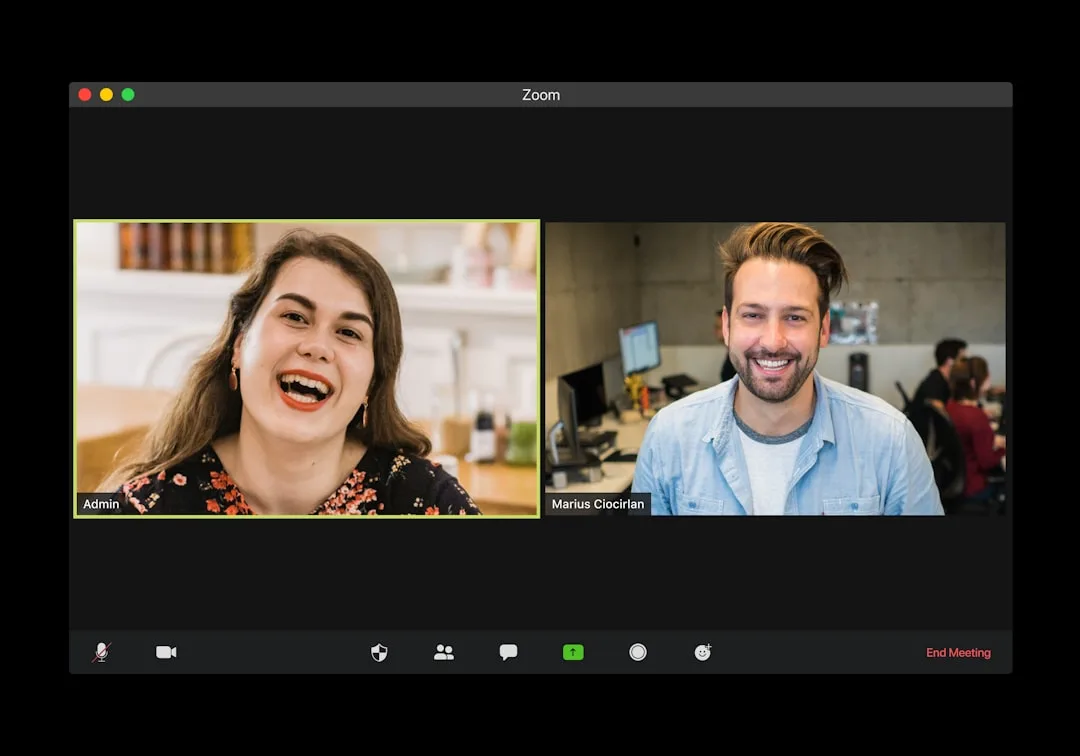
By mid-2026, asynchronous learning communities have quietly become the dominant format for how professionals actually upskill. Not because they’re trendy, but because they work: a learner in Singapore can submit a project on Tuesday; a mentor in Toronto reviews it Wednesday; peer feedback rolls in Thursday and Friday; the learner iterates over the weekend. No meeting invites. No timezone negotiation. Real momentum.
Traditional cohort-based learning demanded synchronous presence—everyone live, same time, same Zoom call. That worked for career-changers with flexible schedules. It failed for most working parents, shift workers, and anyone managing caregiving responsibilities.
Asynchronous learning communities remove that friction without removing accountability. Here’s why they’re reshaping how adults learn in 2026.
Why Async Communities Outperform Self-Paced Learning Alone
Thinkific, the learning platform provider, released a comparative study in early 2026 showing that learners in asynchronous communities with structured peer feedback completed capstone projects at 67% higher rates than solo self-paced learners. The difference wasn’t course design—it was social friction. A learner working alone can disappear. A learner in a community faces gentle, nonpunitive accountability: someone is waiting to read your work.
This is why Coursera’s new Async Cohort tracks, launched in February 2026, separate themselves from their library of pre-recorded courses. In a Coursera async cohort, you work through modules on your own schedule, but you’re grouped with 20–30 peers who are working on the same capstone. You post drafts to a shared workspace. Others comment within 48 hours. Instructors review flagged submissions. By the time you submit final work, you’ve iterated three times based on real human feedback.
Solo learners never get that friction. They optimize for completion, not depth.
Quick Tips
- Join a community with structured peer feedback cycles—not just a discussion forum where comments get lost.
- Look for 48–72 hour review windows so async cycles feel tight, not glacial.
- Pick a cohort starting date that aligns with your capacity for 3–5 hours/week, not when you think you’ll have time.
- Verify the platform has threaded discussions or pinned feedback so you can find critique without email overload.
The Role of Asynchronous Learning in Remote Accountability
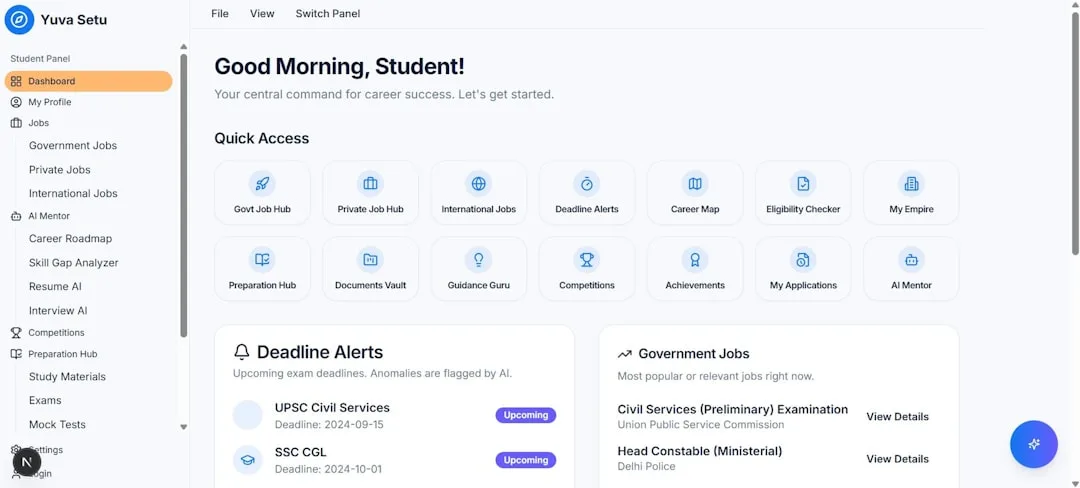
General Assembly, the coding bootcamp operator, shifted 40% of its in-person cohort curriculum to async-first delivery starting in June 2026. Instructors were skeptical. Asynchrony meant no real-time debugging, no live office hours. Yet within three months, completion rates climbed 12 percentage points above the synchronous cohorts running in parallel. The difference wasn’t technology—it was accountability design. Asynchronous doesn’t mean unsupervised. Structured peer review cycles, automated progress dashboards, and weekly async standups created a rhythm that remote learners could depend on.
The insight applies beyond coding bootcamps. When learners know feedback arrives predictably within 48 hours, when they can see their peers’ work in a threaded format rather than a real-time Zoom chat, and when instructors publish rubrics upfront, asynchronous accountability becomes tangible. It removes the friction of “I didn’t know if my work was good enough” or “I submitted something and never heard back.”
How Peer Accountability Replaces Passive Feedback
Traditional online courses often rely on instructor feedback as the sole accountability mechanism. One expert grades, one learner receives comments, and the cycle stops. Peer accountability inverts this. When you know three cohort mates will review your code, your essay, or your project—and you’ll review theirs—the stakes feel real. You’re not performing for a distant authority. You’re contributing to a shared standard.
Platforms experimenting with structured peer review cycles report that learners spend 30–40% longer on drafts when peer review is mandatory and visible. Not because they’re forced, but because the social contract shifts. You’re no longer a student submitting to a teacher. You’re a team member preparing work that affects your peers’ learning. This framing matters. It transforms passive consumption into active accountability.
The best peer accountability systems pair anonymity (so critique feels safer) with traceability (so effort is recognized). Rubrics are shared in advance. Reviewers provide specific, actionable feedback—not just “good job.” And learners see patterns: if three reviewers flag the same gap, it becomes a learning opportunity, not a personal failing.
Integration with AI Tutoring and Personalization
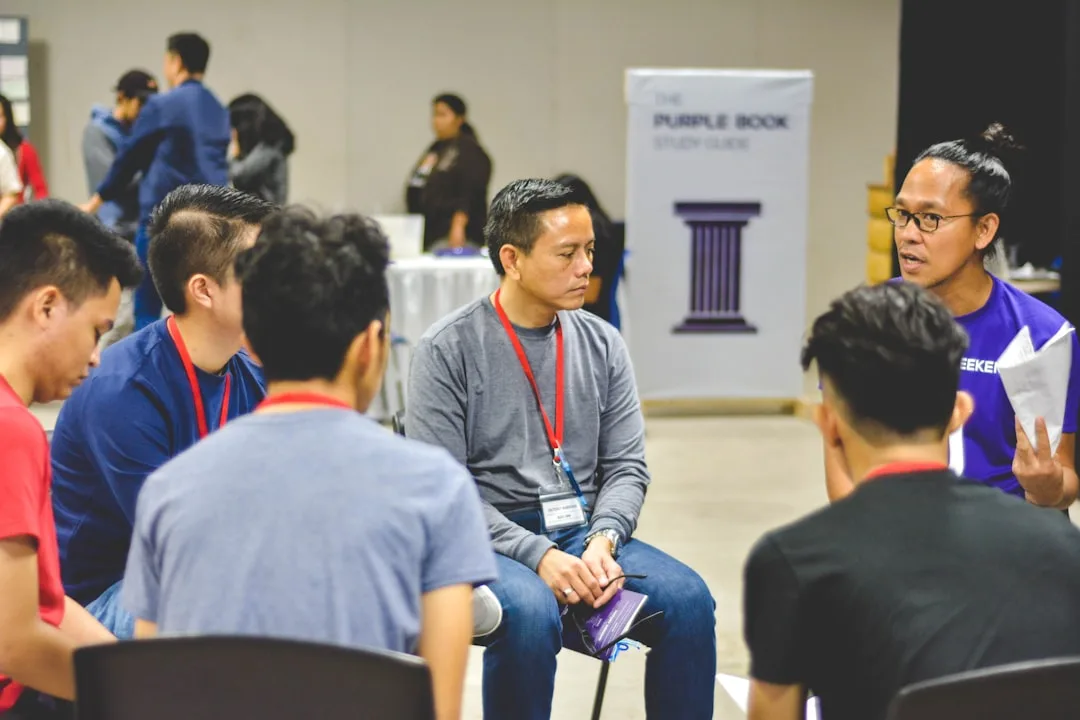
Asynchronous accountability doesn’t work in isolation. When paired with AI Tutoring Personalization Reshapes One-Size-Fits-All Education in 2026, it creates a two-layer feedback system. The AI offers immediate, personalized hints and micro-lessons tailored to your knowledge gaps. Peers offer contextualized critique that reflects real-world standards. Together, they close the gap between “I got the answer right” and “I understand why this matters.”
An early-stage online MBA program combined weekly async cohort standups with an AI tutoring layer for quantitative modules. Learners submitted draft problem sets, received AI-generated guidance on conceptual errors within minutes, then posted their revised work to peer review. Cohort members could then focus their feedback on reasoning and interpretation rather than mechanical corrections. The combination reduced grading burden on instructors while deepening peer dialogue.
Governance and Trust in Distributed Accountability
Scaling asynchronous accountability requires governance. Who sets standards? How are disputes resolved? What happens if someone consistently submits low-effort reviews? AI Governance in Education Moves From Pilot to Proven Outcomes highlights the emerging need for transparent rubrics, auditable review logs, and algorithmic fairness checks in systems that combine human and automated feedback.
Early programs treating peer review as informal (optional comments, unmoderated discussions) saw a 50% drop in engagement by week four. Programs treating peer review as formal (required rubrics, peer review grades, instructor spot-checks of quality) maintained engagement. The governance doesn’t eliminate trust—it creates the infrastructure that makes trust possible. Learners know their work will be seen by accountable reviewers, not lost in a forum.
The emergence of learning records stored on blockchain or in transparent platforms also signals a shift. Cohort members can verify that feedback was given, that revisions happened, and that progress was tracked—not just take the instructor’s word for it. This auditability strengthens the social contract of async learning. Accountability isn’t a soft concept. It’s a designed feature, verifiable and fair.
Related Topics