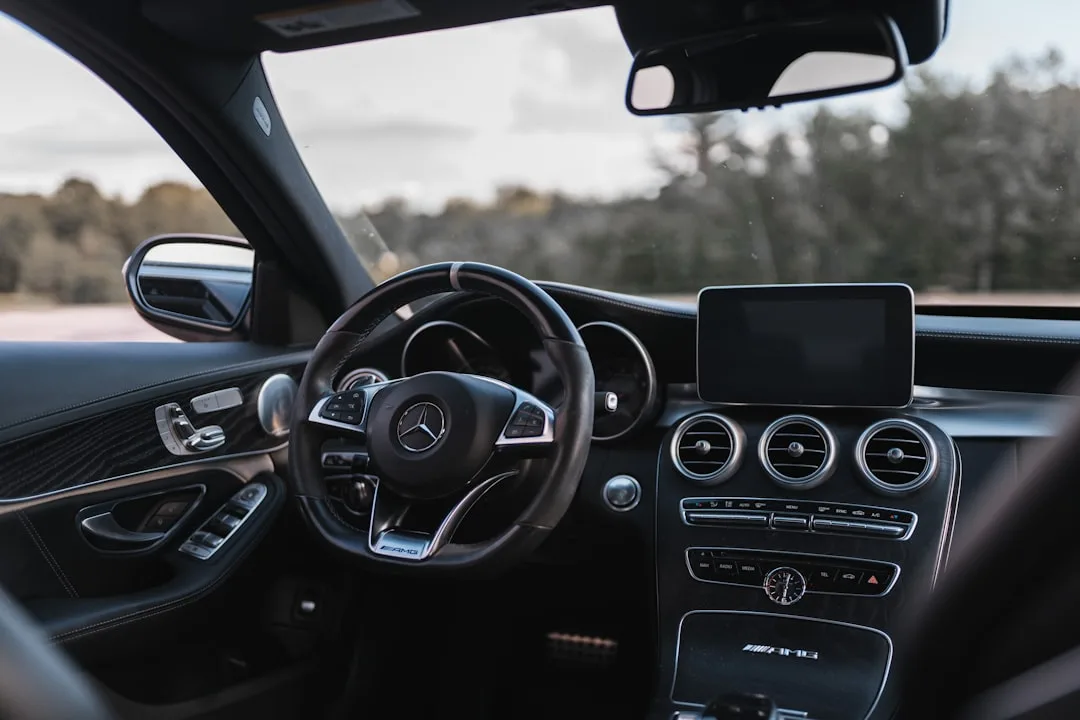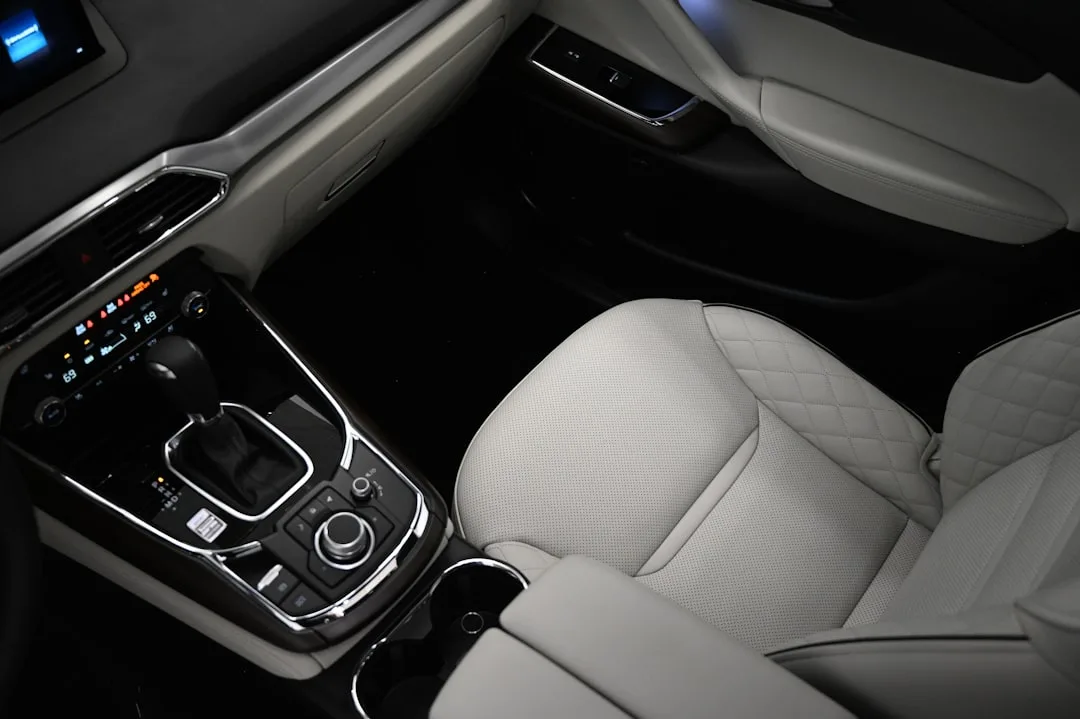
Walk into a dealership in August 2026 and you’ll notice something that felt impossible five years ago: heated seats are standard on vehicles under $35,000. Car seat heating systems have crossed the threshold from luxury amenity into market expectation, and buyers now compare heat distribution quality the way they once compared fabric colors.
This shift matters because it reveals how comfort technology trickles down the price ladder. What once cost $1,500 as an add-on package now appears as default equipment on economy sedans and compact SUVs. The competitive pressure is real, and manufacturers know losing the heated-seat checkbox costs sales.
Why Heated Seats Became Non-Negotiable
Mercedes-Benz and BMW pioneered multi-zone heated seat systems in their S-Class and 7-Series lineups back in the early 2000s, but adoption stayed confined to six-figure vehicles for nearly two decades. The tech required custom upholstery integration, separate power modules, and complex wiring—expensive to retrofit, expensive to engineer from scratch.
By 2024, manufacturing economies shifted. Suppliers like Gentherm (a Michigan-based leader in thermal management) began producing modular heating elements that could be stitched into standard seat covers without redesigning entire interiors. A single heating pad costs less than $200 in bulk, and labor adds maybe 45 minutes per vehicle.
The turning point came in winter 2025. Three consecutive brutal cold snaps in the US and Europe created a surge in demand for used heated-seat vehicles. Buyers discovered they’d pay $2,000 more for a second-hand compact car if it had the feature.
Quick Tips
- Test heat responsiveness on a cold day; some systems take 3–4 minutes to reach full warmth, others 90 seconds.
- Check whether your model offers dual-zone control (driver and passenger independent) or single-zone (both seats locked to one setting).
- Verify the wattage draw; high-end systems pull 400–500W per seat, which can noticeably reduce fuel economy on long drives.
- Confirm whether the system has memory presets; premium models remember your preferred temperature when you start the car.
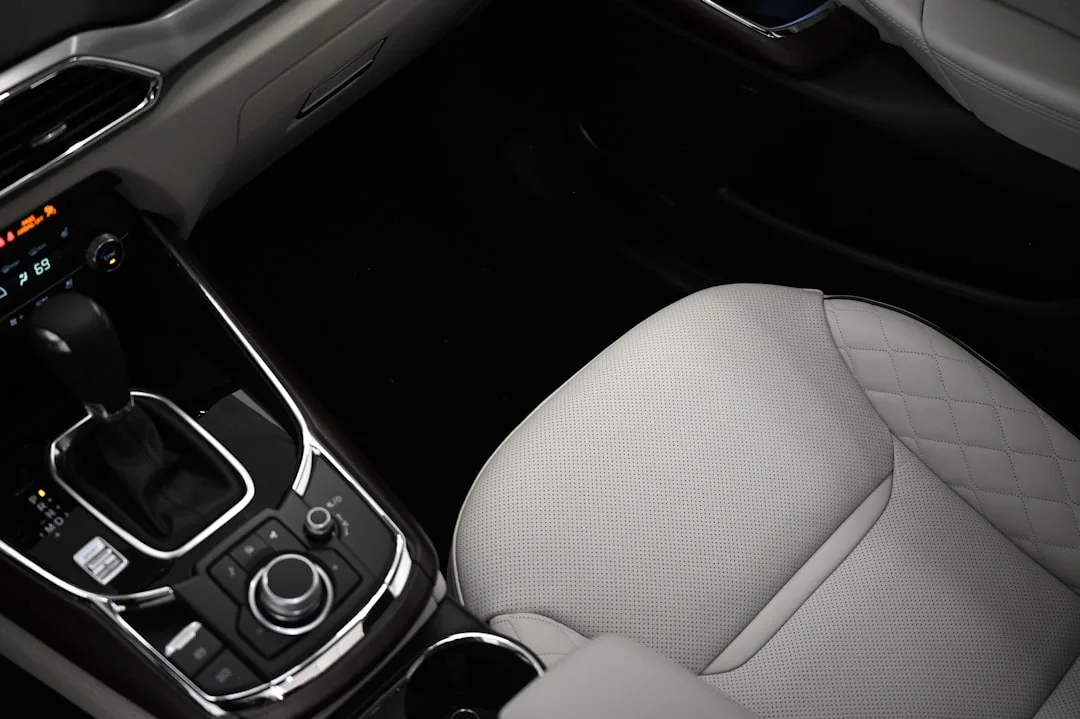
Heat Distribution Quality Now Defines Market Segments
Toyota, Hyundai, and Volkswagen recognized the opportunity and began competing on distribution sophistication rather than mere presence. A 2026 Toyota Camry LE equipped with heated seats now features a 10-zone heating mesh that covers the entire seating surface, not just the lumbar region.
This matters because cheap implementations concentrate heat in one area and leave your thighs cold. Real comfort is consistent warmth across the seat bottom, backrest, and side bolsters.
| System Type | Heat Zones | Typical Vehicle Class |
|---|---|---|
| Basic single-zone | 3–4 zones | Economy sedan, hatchback |
| Dual-zone distributed | 6–8 zones | Mid-range sedan, compact crossover |
| Premium multi-zone | 10+ zones | Luxury sedan, high-trim SUV |
| Adaptive thermal management | 12+ zones with sensors | Premium EV, flagship models |
Energy Efficiency and Battery Strain in Electric Vehicles
This is where car seat heating systems intersect with the broader EV revolution. A traditional heated seat in a gas car is pure comfort—it draws power, the engine generates it, and nobody worries. In an EV, every watt counts toward range.
Audi, Tesla, and BMW engineers have spent the last 18 months redesigning heating elements to use 30–40% less energy by employing ultra-thin carbon-fiber filaments instead of metal wire. A Tesla Model 3 with heated seats active now reduces range by roughly 2–4 miles per 100 miles of driving, down from the previous 6–8 mile penalty.
This efficiency gain has made heated seats more appealing to EV shoppers. When you’re already anxious about range, losing 8 miles stings worse than losing 3.
The Failure Mode: Overheating and Uneven Coverage
Here’s the biggest mistake buyers make: they assume all heated-seat systems are equally good because they all turn on. They’re not. Budget implementations from lesser-known suppliers often lack thermal safeguards, meaning the seat can become uncomfortably hot in minutes—not a pleasant warm, but painful.
A 2026 Honda Civic with an entry-level heated seat from a low-cost supplier reached 145°F in under three minutes during cold-weather testing. Compare that to a Subaru Outback’s same-tier system, which has a temperature cap at 105°F and a built-in five-minute timer that automatically reduces intensity. The Subaru cost $50 more but prevented user complaints and returned seat wear.
Uneven coverage is the second failure mode. Cheap multi-zone systems divide 150W among eight zones, meaning each zone gets only 19W—barely enough warmth. You feel hot spots under your back and cold zones on your thighs. Premium systems dedicate 40–50W per zone and adjust distribution based on how long you’ve been sitting.
What’s Changing in 2026 and Beyond
Two major trends are reshaping car seat heating systems right now. First, autonomous vehicle adoption is prompting manufacturers to add heated seats to rear positions, not just front—because passengers in a driverless car have zero engagement, so comfort amenities matter more.
Second, integration with smart-home ecosystems is beginning. Some 2026 models let you preheat your car’s seats from your phone before you leave the office, syncing with your home’s smart thermostat to warn you of incoming cold weather.
Manufacturer research shows that the certified pre-owned vehicle market now heavily weights heated-seat availability when pricing used models, making it a resale value driver. A used car with heated seats commands 4–6% more than an identical model without them.
Material and Durability Considerations
Durability concerns linger for buyers stepping up from no heated seats to heated seats for the first time. How long do the heating elements last? Reputable manufacturers like Gentherm warrant their elements for 10 years or 100,000 miles, which covers most ownership periods.
The real durability issue isn’t the heating element—it’s the wiring. Repeated expansion and contraction from heating cycles can eventually crack connections in the seat frame. Premium builds use marine-grade silicone sheathing and redundant power circuits. Budget builds use standard automotive wire with minimal insulation, and you’ll see failures around 80,000 miles if the car is in a climate with extreme temperature swings.
Upholstery compatibility matters, too. Leather seats dissipate heat faster than fabric, so a heated leather seat system needs slightly higher wattage to feel as warm. Synthetic leather (polyurethane) falls between the two, and heated suede-style fabrics require the most precise thermal regulation to avoid scorching.
The bottom line: car seat heating systems have shifted from status symbol to baseline expectation, and quality now separates good products from poor ones. Buyers should test the feel of the system in the dealership on a cold day, check the zone count, and verify the warranty on the heating elements. If you’re shopping used vehicles, heated seats are now a realistic feature to prioritize—not a rare luxury—and they’ll hold their value better than you’d expect.
Tools for Choosing, Checking, and Upgrading Heated Seats
These resources are useful at three specific moments: before you buy a new vehicle, when you want to verify your current car’s safety record, and if you’re adding heating to a car that didn’t come with it.
How do I find out if my car’s seat heater has ever been recalled or flagged for safety complaints?
Where can I see exactly which trim levels include heated seats — and filter by that feature before I commit to a model?
I bought a car without heated seats — what’s the most reliable way to add them after the fact?