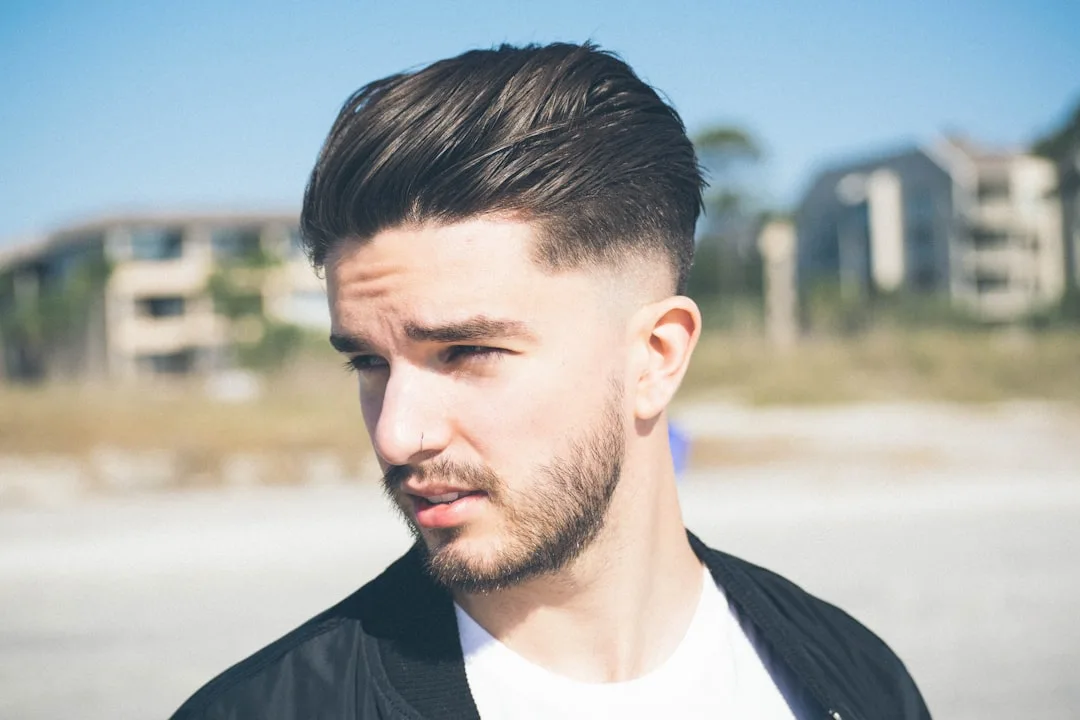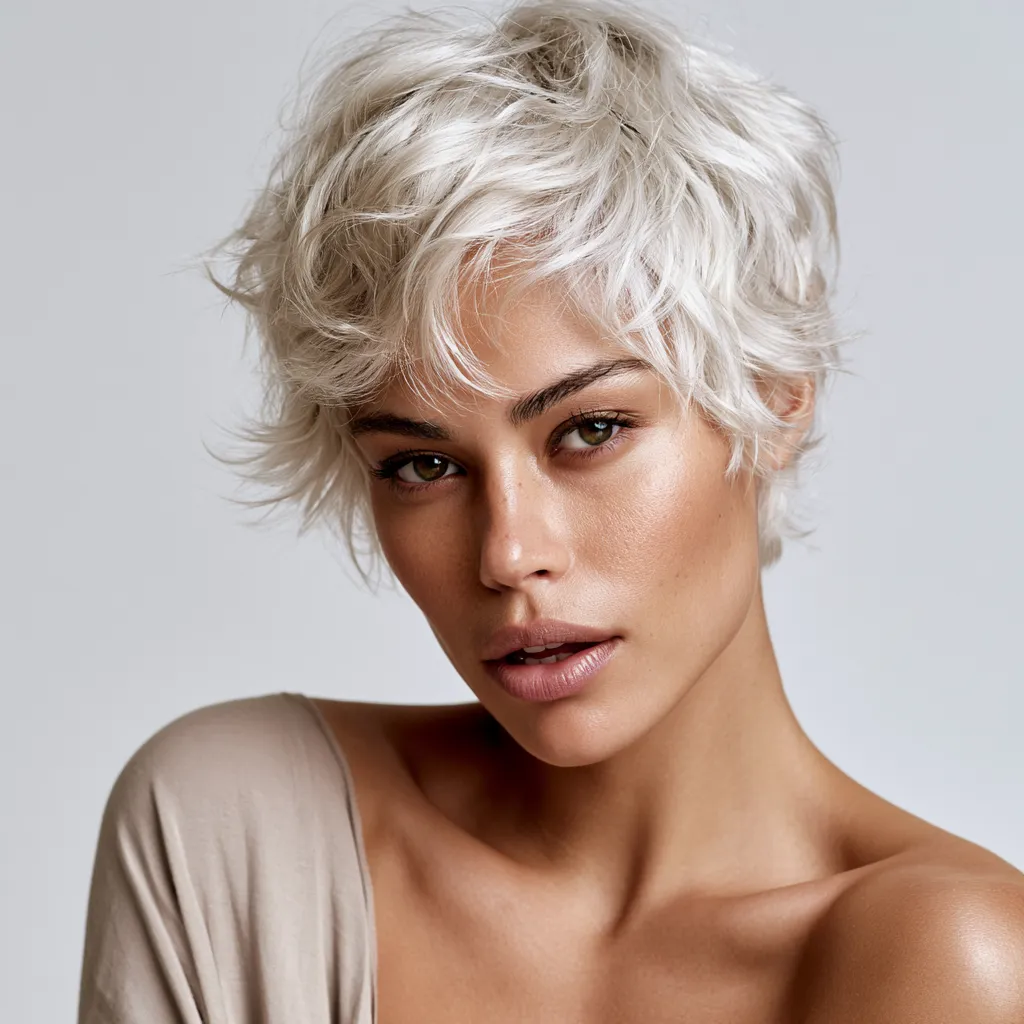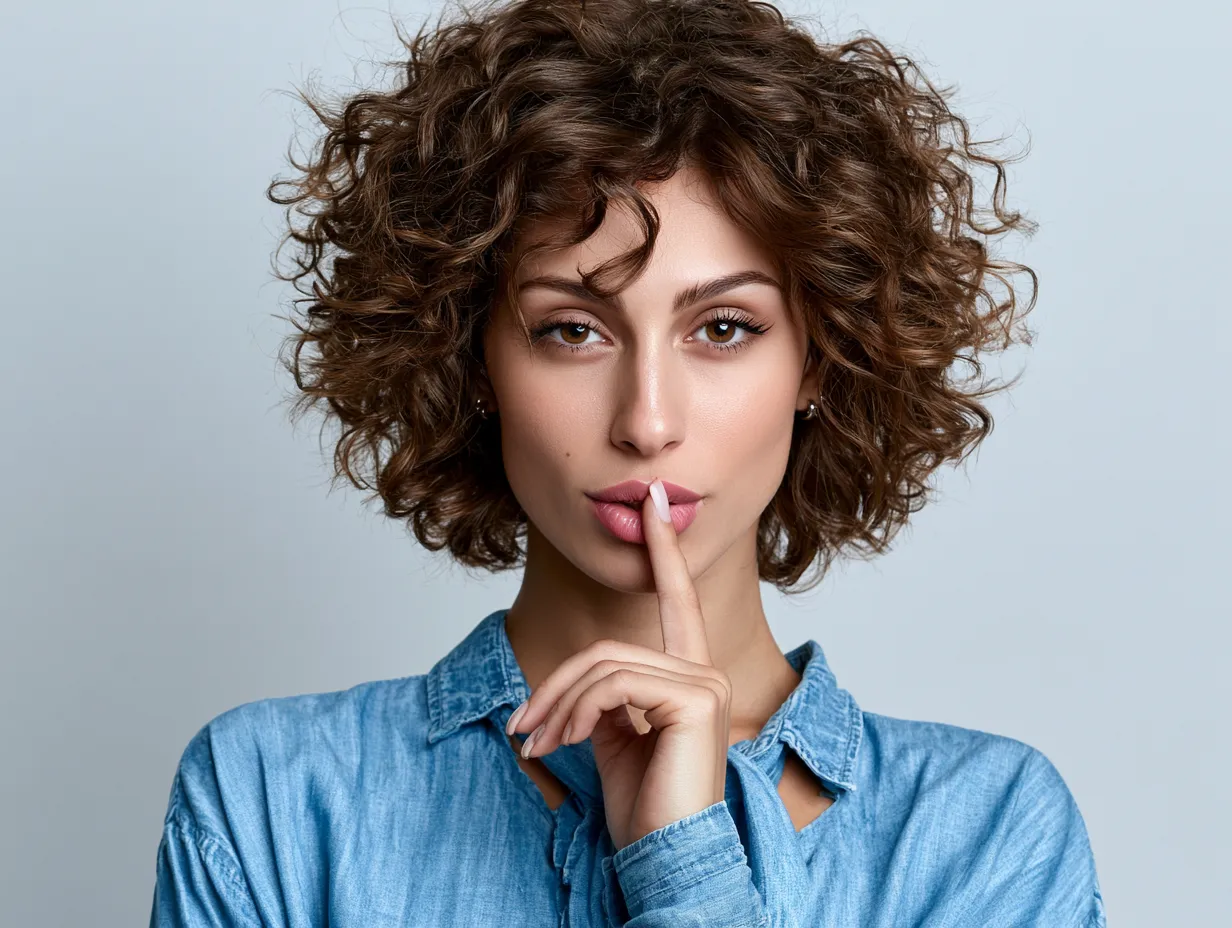
Curly hairstyles for short hair should be the easiest thing in the world — no length pulling curls flat, no weight fighting the coil. You’d think. I’ve tried every summer style in this post on my own 4A hair, and the ones that actually survived August humidity share a single logic: they work with the physics of short curls, not against them. High puff with a scarf, tapered sides with sun-kissed highlights, slicked-back wet look — each one is a different answer to the same problem. You need to know which one fits your curl type before you waste a Saturday morning on the wrong approach.
Short curls have a gravitational advantage longer curls never get. Cut the length and your coils spring outward, creating real volume instead of the kind you fake with product. My curls looked twice as full after my first short cut — that’s physics, not marketing. The downside is that short curly styles are architectural: they depend on precise shape that humidity and sweat test every single day. The three styles in this post are the ones that pass that test.
Main target styles: High puff with scarf, tapered side cut with highlights, slicked-back wet look
Best product for puff: Curl cream + edge control; no heavy butters — they weigh down short coils
Best product for wet look: Strong-hold gel (Eco Styler Olive Oil Gel, ~$5) on soaking-wet hair
Highlight approach: Balayage or freehand painting — never foil highlights on tight curls
Biggest mistake: Applying any product to dry or damp hair — kills clumping before it starts
Trim schedule: Every 6–8 weeks for tapered and sculpted short curly cuts to hold shape
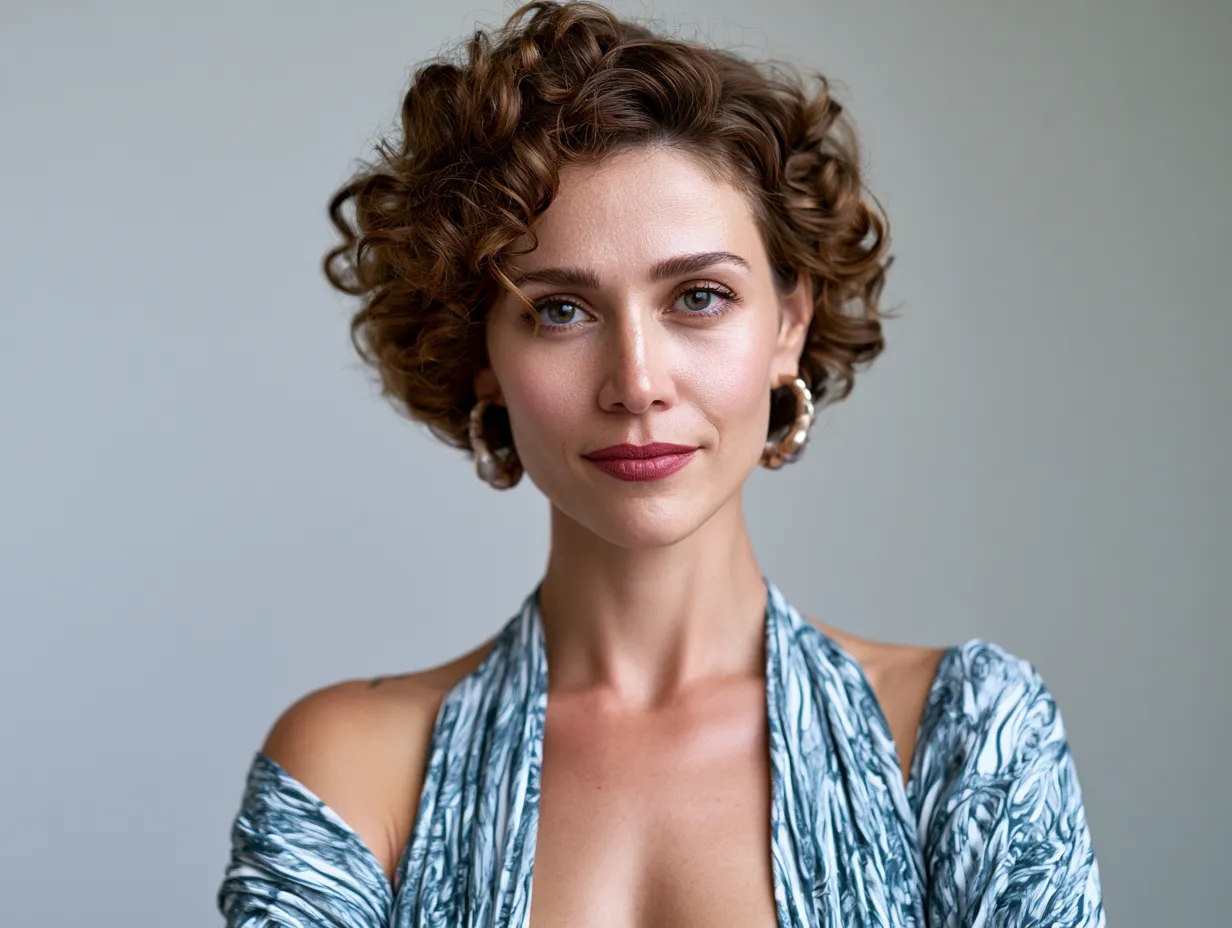
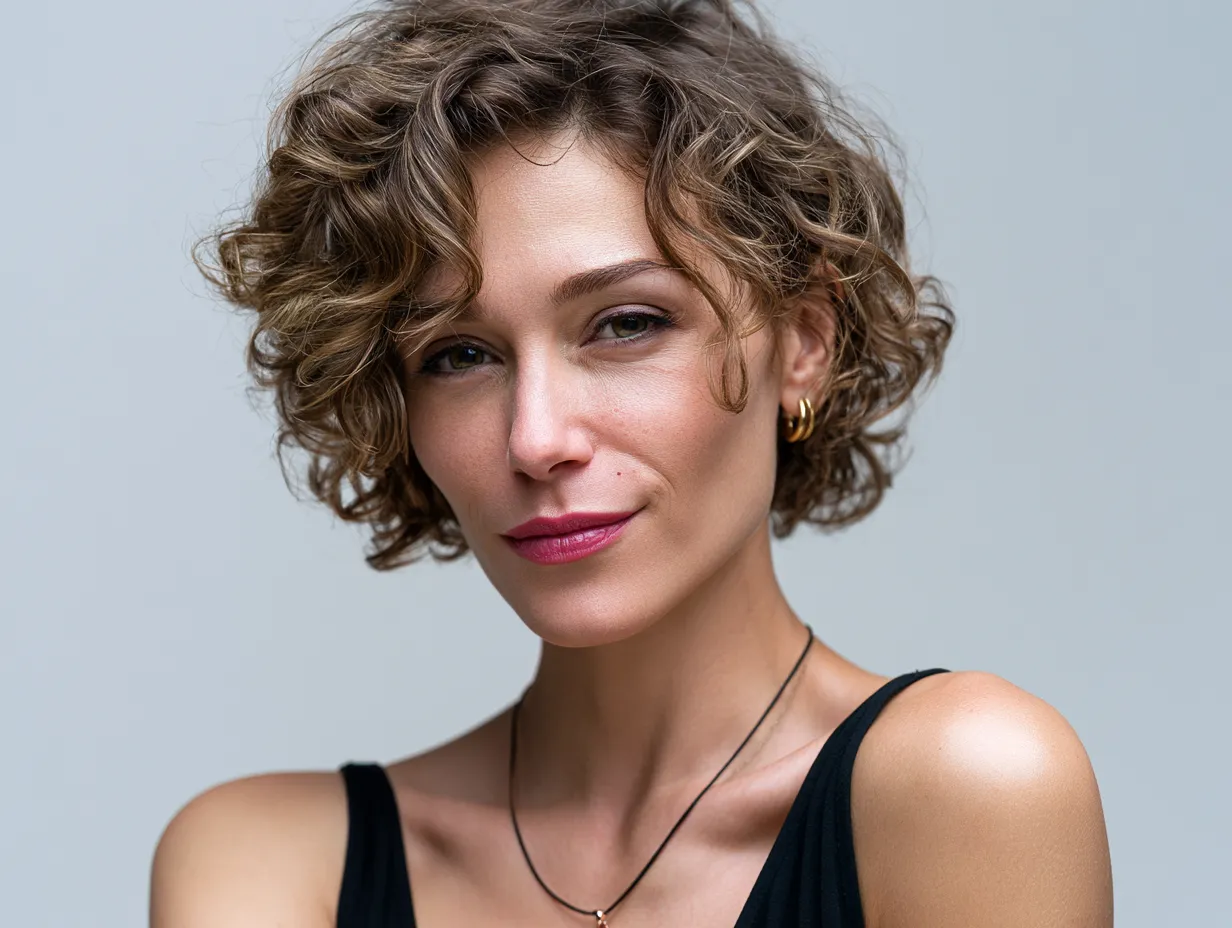
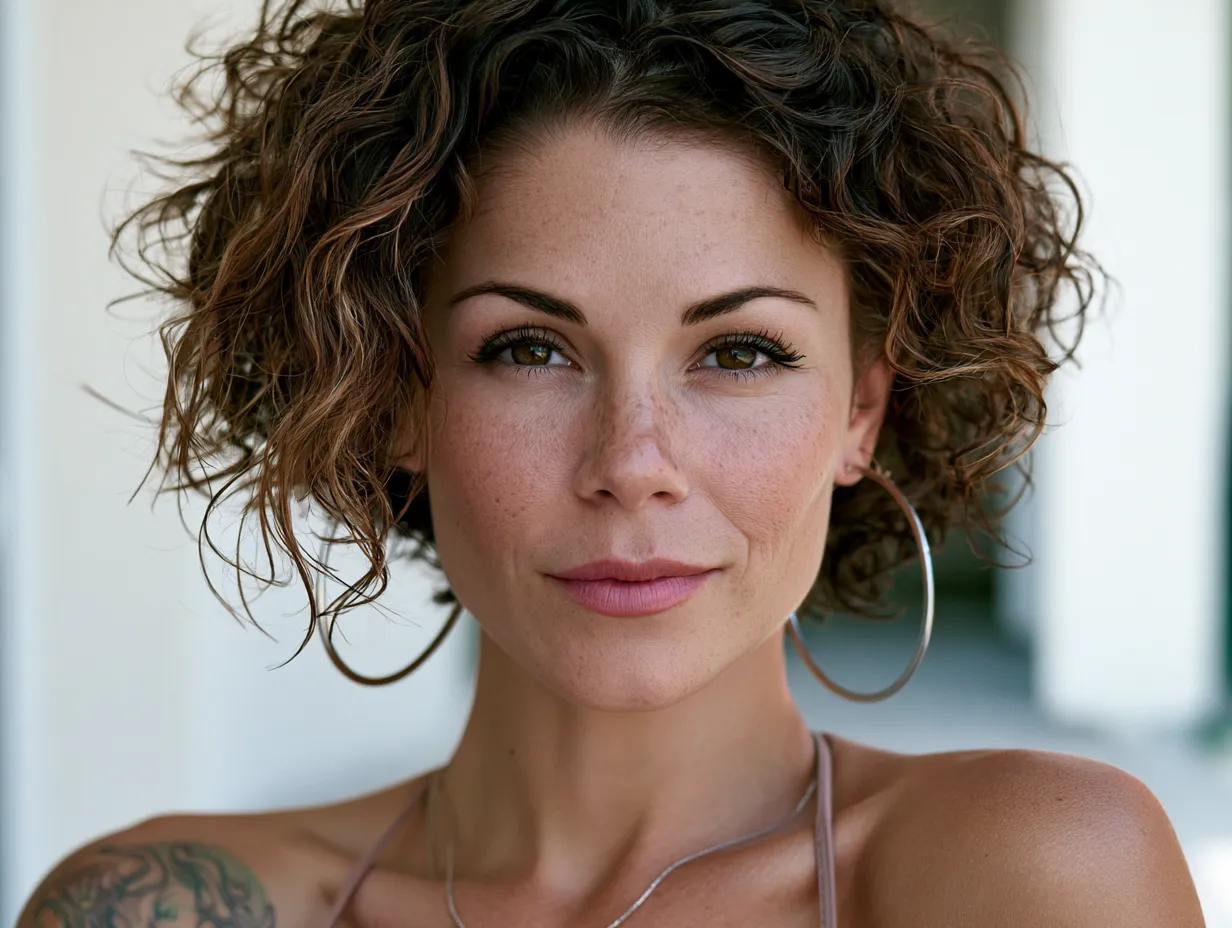
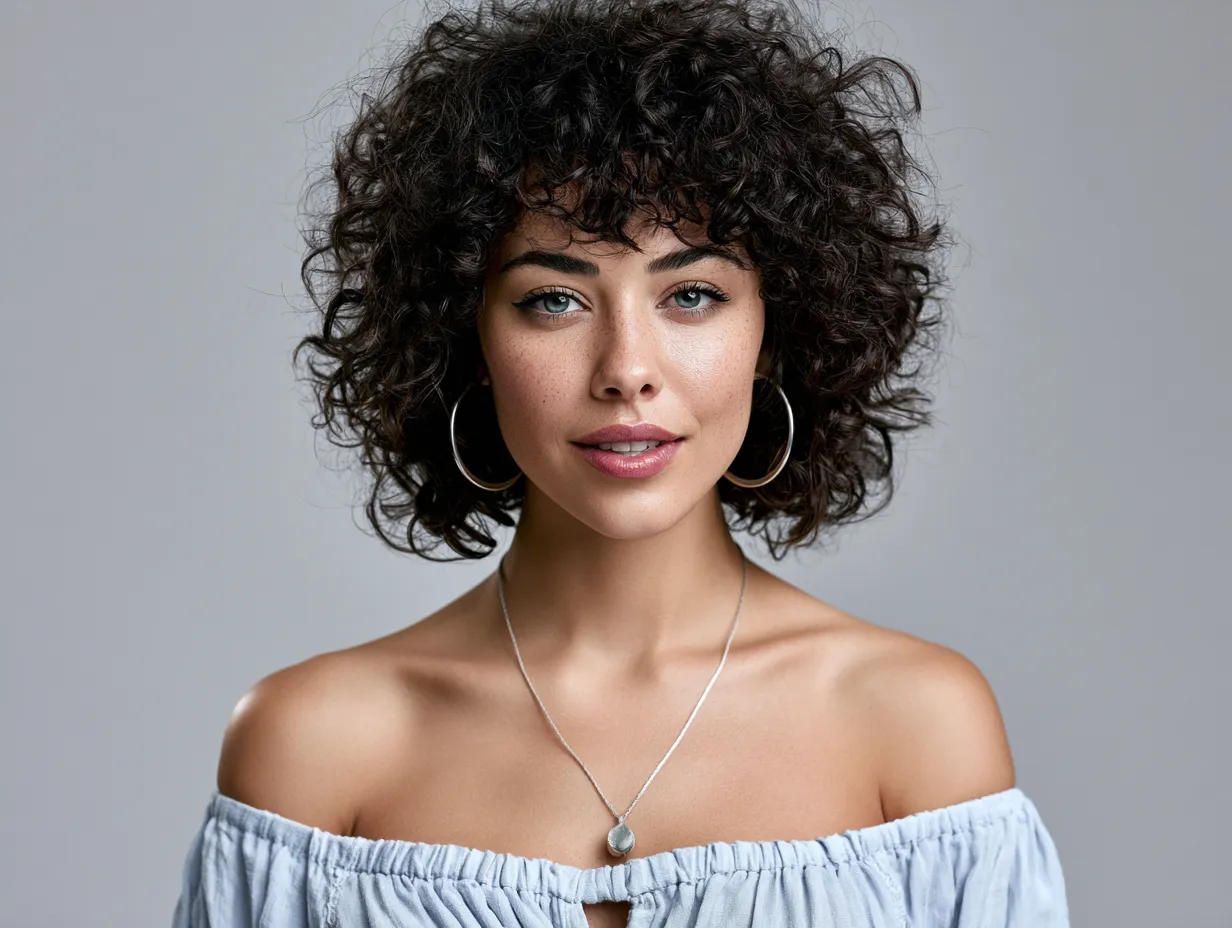
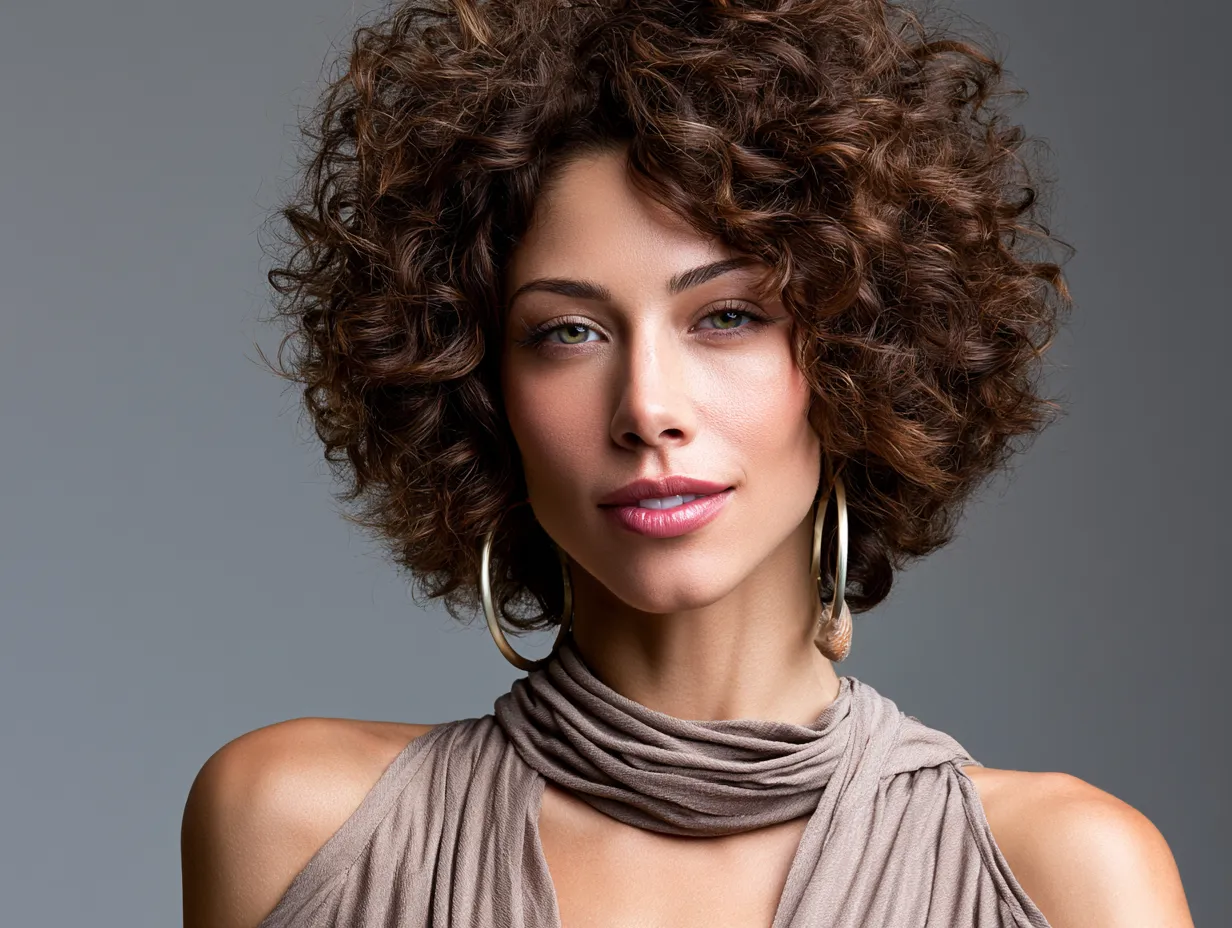
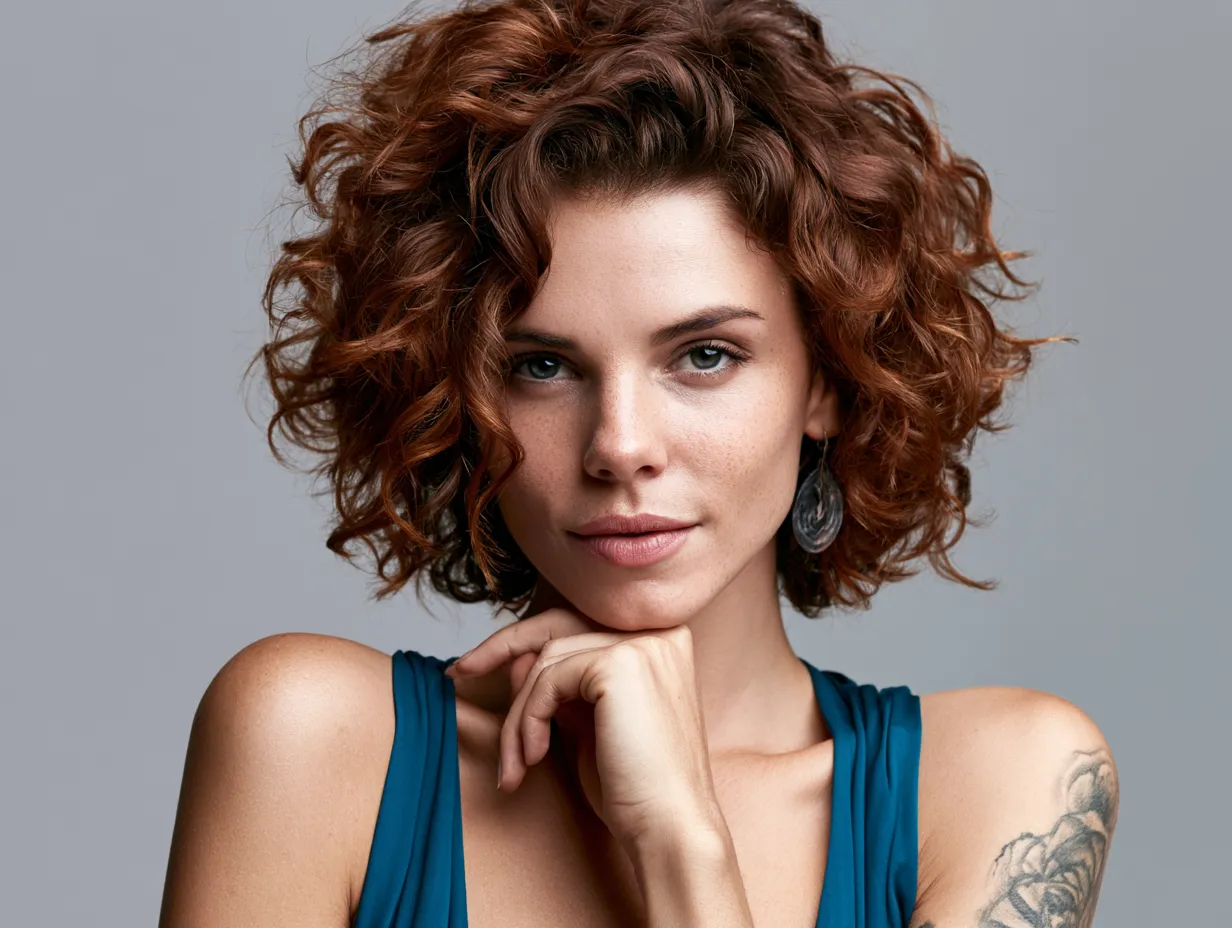
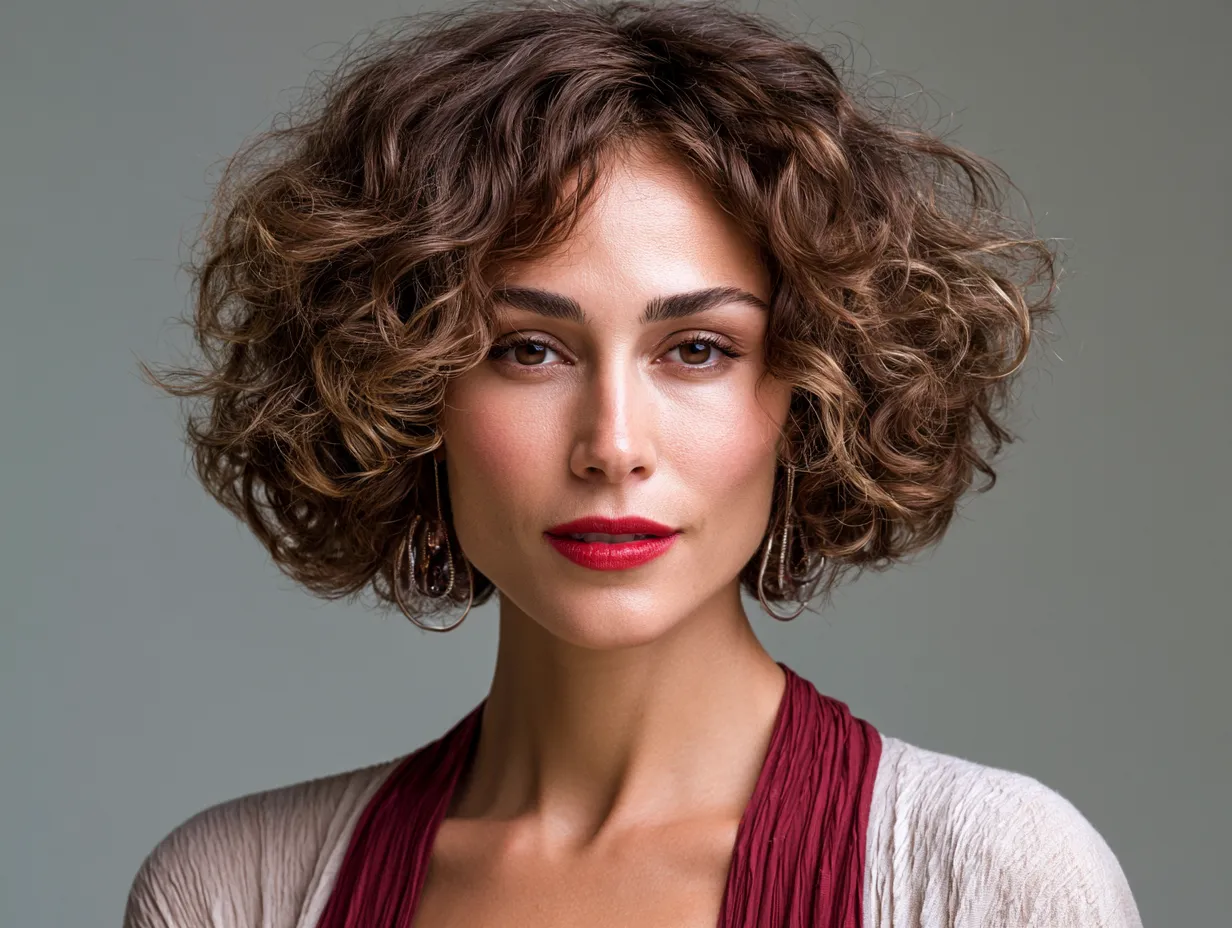
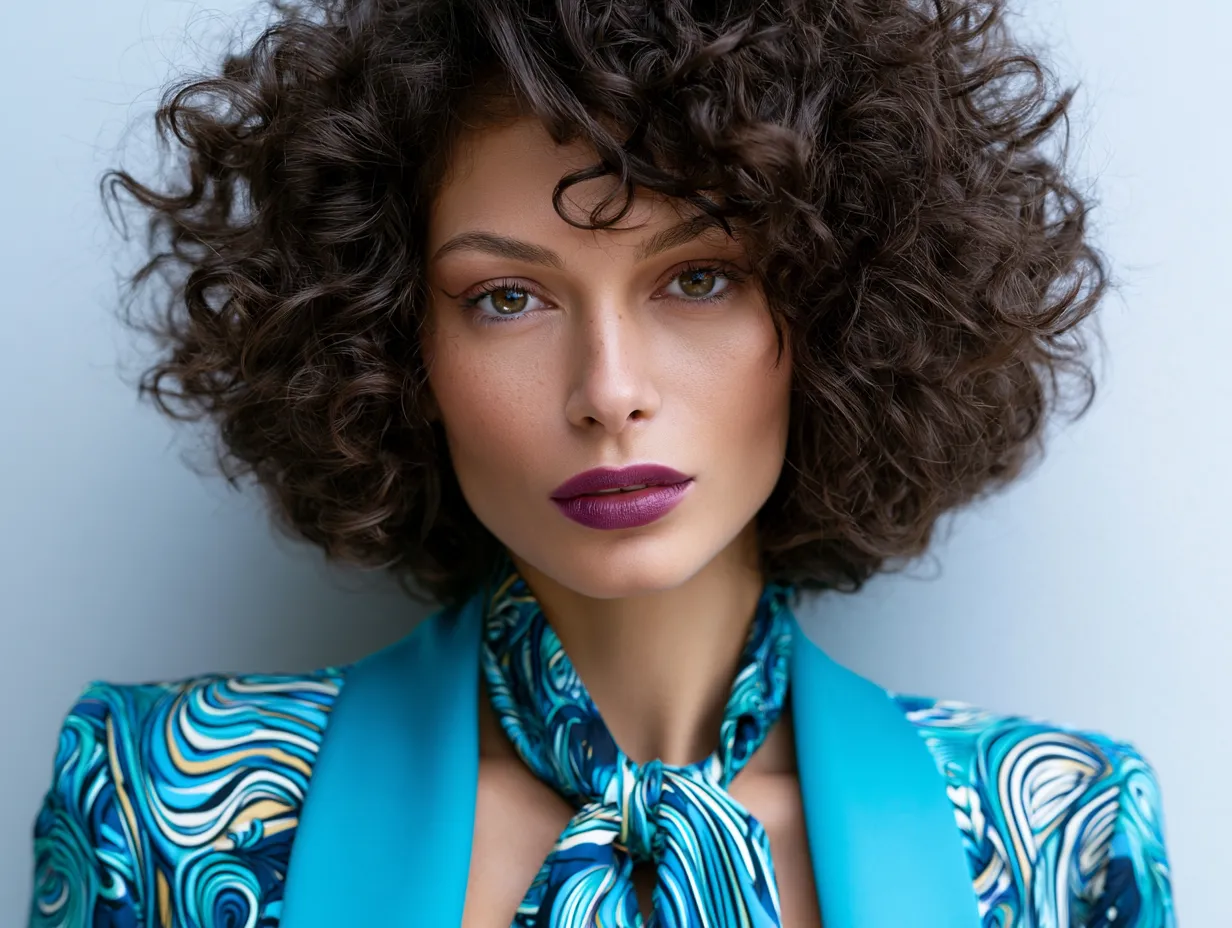
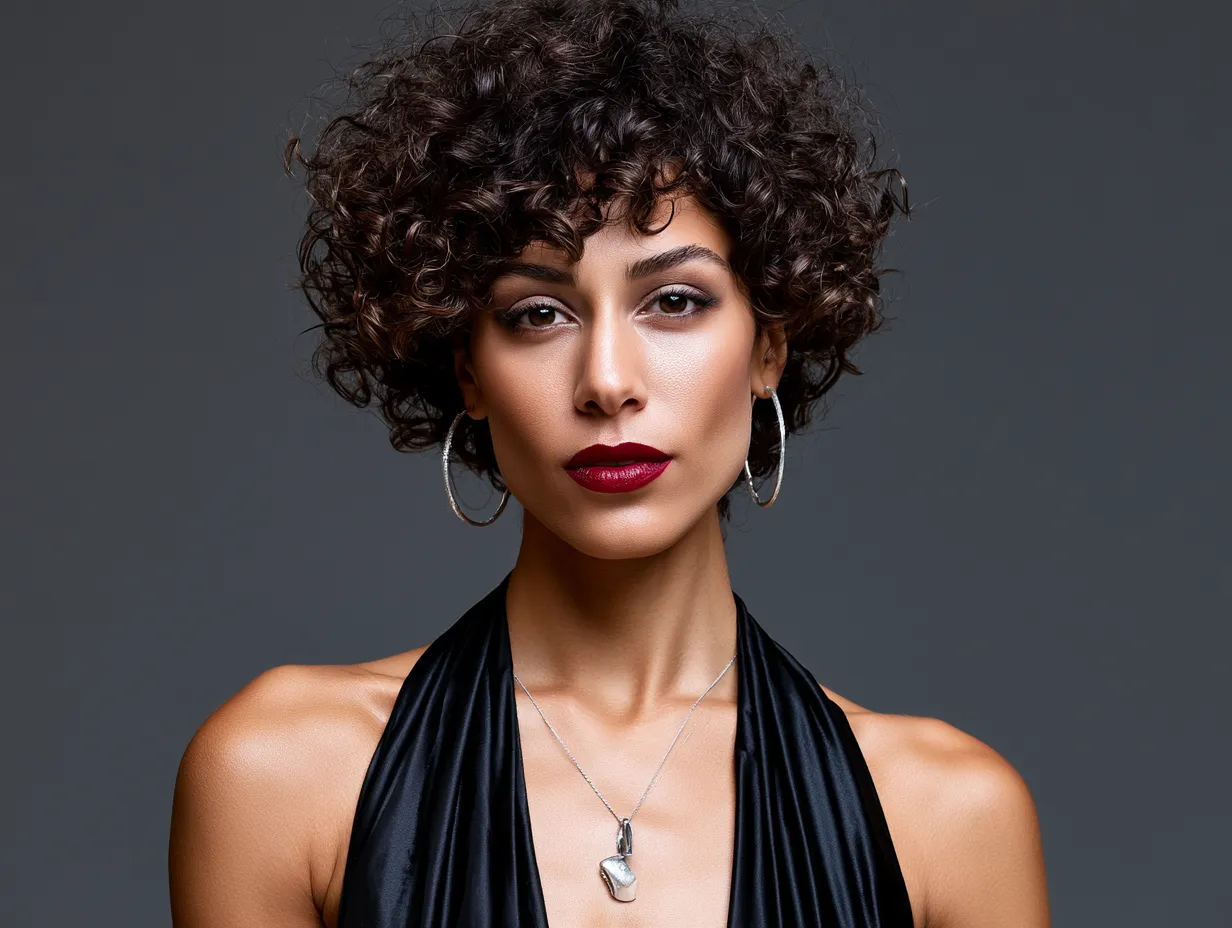
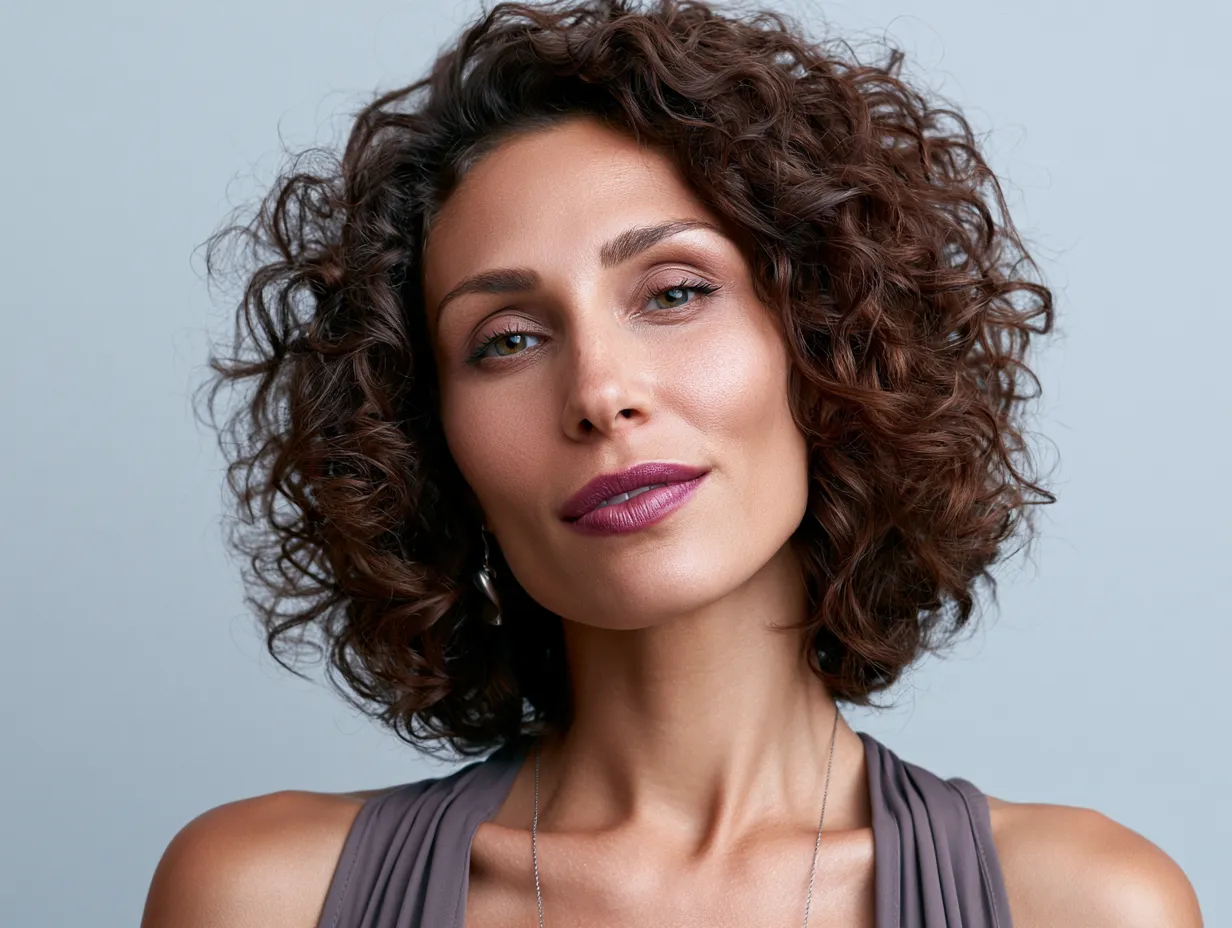
High Puff and Wrapped Scarf — the Style That Doubles as Temperature Control
A high puff paired with a wrapped scarf is my go-to when the thermometer climbs past 90°F and styling patience is zero. Lifting curly hairstyles for short hair off the neck immediately cuts the heat-trapped-at-the-scalp problem that kills every other style by noon. Tightly coiled textures — type 4A and 4B — benefit most here: the coil spring creates height naturally without teasing or backcombing. And the scarf absorbs sweat at the hairline so your edges aren’t fighting humidity all afternoon.


The scarf choice matters more than people admit. Bright prints — coral, lemon, turquoise — read as intentional accessory rather than “I ran out of time.” I stole this trick from a stylist in Harlem who wraps scarves only in silk or satin, never cotton, because cotton causes friction that tears curl clumps apart by lunchtime. A $12 satin scarf from Amazon does the job better than a $40 cotton one from a boutique. Wrap at the base of the puff, knot at the front for presence or tuck behind for sleekness. Both work. Both hold.
Styling sequence matters. Stretch your curls slightly upward first — not with heat, just with gentle tension while the hair is still wet. Gather everything into the puff with a soft fabric band (never elastic, which snaps curl clumps). Leave the top ends loose and full; flattening them defeats the entire point. Apply Cantu Shea Butter Curl Activator ($8) before gathering, not after — putting cream on top of a finished puff just weighs the edges down and creates stiffness where you want bounce. Edge control like Camille Rose Edges & More ($10) handles the hairline perimeter without the white cast that cheaper products leave under direct sunlight.
Among curly hairstyles for short hair, this one has the best longevity-to-effort ratio I’ve found. Refreshed with a water mist and a quick re-knot of the scarf, it survives a beach day, a commute, and dinner. The scarf absorbs scalp sweat so you’re not arriving anywhere with a damp hairline. And on second-day hair, the puff actually improves — the previous day’s curl cream has distributed and the coils group more cleanly. Don’t make the mistake of washing every morning; second-day puff is frequently better than day-one.
Don’t stretch the puff with heat before gathering — even 30 seconds of blow-drying the roots weakens the coil spring that creates the height you’re trying to build. The whole point of this shape is the natural tension in short curls springing upward. Apply product on dripping-wet hair, gather, and let the coil do its job. Artificially stretched puffs collapse within two hours in summer heat. Real spring holds all day.
Tapered Sides and Sun-Kissed Highlights — Sculpted Volume, Zero Neck Heat
Short curls with tapered sides and golden highlights are what happens when you ask a haircut to do the styling work for you. I’ve bought the curl creams, I’ve tried the diffuser attachments, but nothing changes a style’s daily performance like an actual architectural cut. The tapered silhouette removes bulk from the back and sides — exactly where summer heat accumulates — while the top curls stand free with real volume. You’ll notice the difference on day one: suddenly your neck is cool and your crown has presence.


The highlight placement is what separates this from other curly hairstyles for short hair. Foil highlights on tight curls create hard lines that look painted-on rather than sun-earned. Balayage or freehand painting is the correct technique — a colorist applies color directly to curl segments, following the coil’s natural movement so dimension builds organically. Expect to pay $120–$180 at a salon with curly-hair colorist experience. The less expensive box bleach option is not a detour worth taking on textured hair; the processing time required for lift on coarser curl types is too aggressive for home control.
For daily maintenance, lightweight is the principle. Mousse — specifically DevaCurl Frizz-Free Volumizing Foam ($26) — gives definition without the weight that drags crown curls downward. Apply on wet hair, scrunch from ends toward roots, diffuse on low. What doesn’t work here: heavy curl butter applied in large sections. I tried shea butter on a tapered cut once and the crown curls sat completely flat by noon. The tapered shape is doing the sculpting; the product just needs to maintain moisture, not add mass. Natural curly short hairstyles respond best to this layered-light approach regardless of cut style.
As it grows out, this cut stays proportionally good for 6–8 weeks — longer than most short styles because the taper grows into a slightly fuller version of itself rather than widening uncontrollably. That means fewer salon visits during peak summer travel. At 10 weeks the sides start to lose the gradient and the shape looks less intentional, but you’re never looking at a bad haircut, just a slightly relaxed one. Budget $50–$80 for trims at a curly-specialist salon; a standard trim from someone unfamiliar with curl-specific cutting often removes the wrong weight in the wrong places.
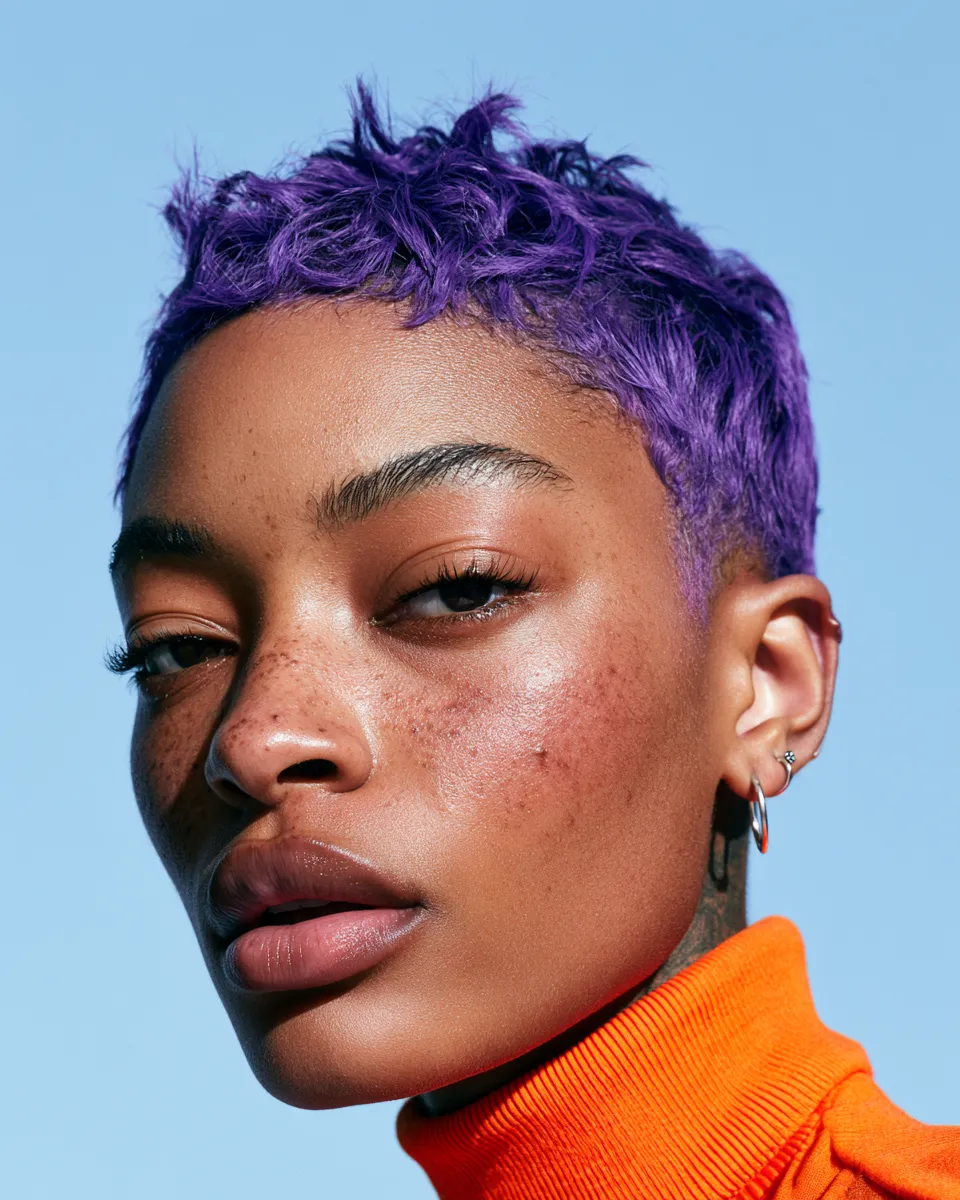
Short haircuts for curly hair in this style photograph better than almost any other option. The contrast between the tapered sides and the illuminated crown curls reads as high editorial in natural light. No filter, no setup — just good shape and decent sunlight. If you’ve been nervous about going this short, this is the cut that makes short curly hair look like a deliberate fashion statement and not a maintenance decision. Short curly haircuts for office settings use the same tapered logic — just with less aggressive highlight placement.
Slicked Roots and Wet-Look Shine — Humidity Resistance Built Into the Finish
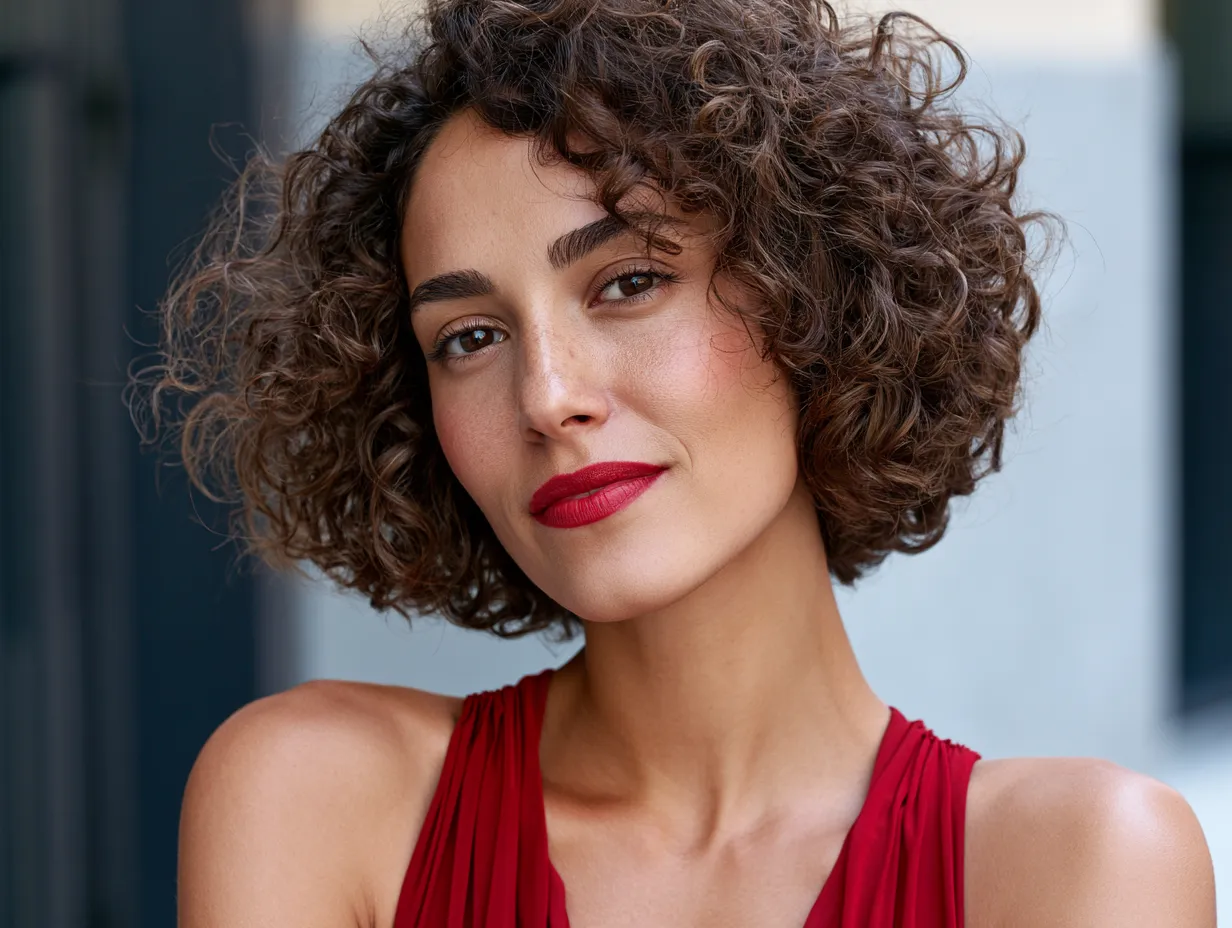
Slicked-back roots with defined wet-look curls are humidity’s match. Most curly hairstyles for short hair fight the moisture in summer air and lose. This one recruits it. The wet look finish pre-loads the hair with exactly the kind of moisture content that prevents the cuticle from swelling further and going frizzy — curl expert Ouidad’s logic from NaturallyCurly is that a cuticle already filled with moisture can’t absorb more. That’s why this look lasts through the afternoon when every other style has already gone sideways. Literally and literally.


Start on fully saturated hair — not damp, not misted, actually dripping. Eco Styler Olive Oil Gel (~$5 for 16oz at Sally Beauty) is my go-to here: strong hold, adds shine, doesn’t flake. Apply generously to the root area and brush back with a soft-bristle brush while keeping the mid-lengths and ends untouched. The contrast is the whole point — controlled, smooth shine at the roots, natural curl pattern from mid-length downward. Do not brush the ends. Brushing the ends on any curl type creates frizz, not smoothness. The look is contrast, not all-over sleekness.
Loose ringlets get an almost ocean-drenched effect from this treatment. Tighter coils get strong definition and controlled volume — each coil reads as intentional rather than accidental. What doesn’t work: using a light-hold mousse at the roots instead of gel. I tried it. The roots re-expanded in 45 minutes in 80% humidity. You need a real hold gel at the base; the rest of the hair can be styled with lighter products to preserve texture contrast. Think of the roots as the foundation and the curl ends as the decorative layer.
This is the style that transitions from daytime to evening without a touch-up. Large earrings, a bold lip, and this look is nighttime-ready in 30 seconds. Pair it with the kind of clothes that photograph well against reflective surfaces — linen, silk, anything that catches the same light the hair does. For the refresh: mist the roots lightly with water, add a fingertip’s worth of gel, brush back again. Done. Unlike dry-styled curls that frizz the moment you step outside, this look is practically un-ruin-able.
Curly hairstyles for short hair don’t need elaborate technique to read as polished. This one takes six minutes on freshly washed hair and lives on your second-day routine in four. The shine element makes the styling look intentional even when you did it fast. And on hot days when touching your hair as little as possible is the actual goal, keeping the structure close to the scalp keeps you cooler than any loose style will.
Short Curly Hair in Summer
Cut First. Product Second. Heat Last.
Every style in this post improves by 40% with the right underlying cut. Tapered sides need a curl specialist. Puffs need a fabric band. Wet looks need real-hold gel and saturated hair. Get the foundation right and summer stops being a fight.
Humidity isn’t your enemy with short curls — length is. Short curly hair springs outward because there’s nothing pulling it flat. Work with that and every morning gets faster.
Save this post before your next salon appointment — the cut questions are worth keeping.