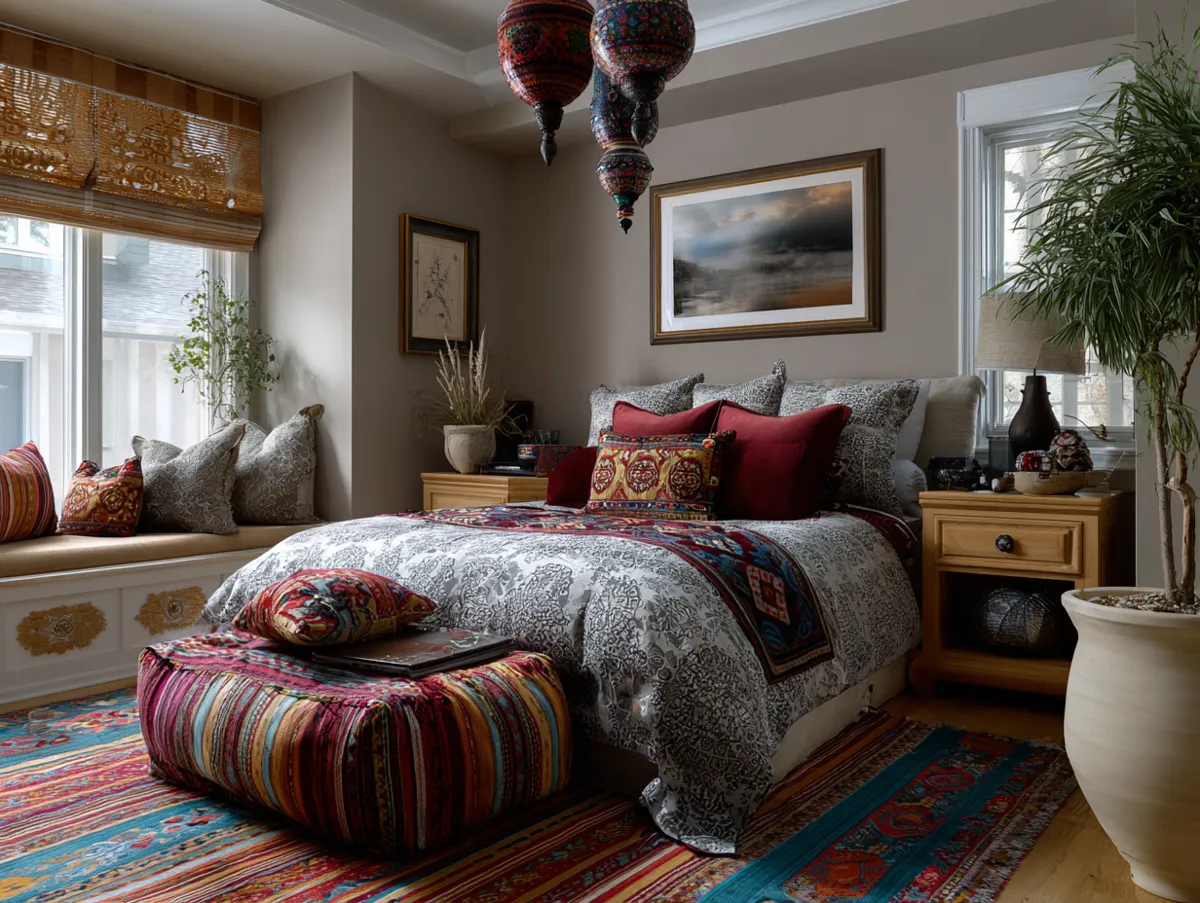
A plywood bedroom is one of the cheapest ways to get furniture that reads custom-made, and it holds up better than most flat-pack alternatives. Birch plywood keeps screws tight because its veneers are cross-laminated, so a bed or wardrobe built from it can stay solid for 15–20 years or more, while budget particleboard pieces often need replacing after about 6. Does it still look modern? Yes, as long as the exposed edges, the grain and the proportions are treated as the design rather than hidden. Start with the bed, because it sets the scale for everything else in the room.
Cost is the second reason people switch. Typical prices for a 3/4-inch Baltic birch 4×8 sheet run about $90–$190, with $120 as a common middle figure, while ordinary 3/4-inch birch ply starts closer to $40. Indoor air is the third: US rules cap hardwood plywood at 0.05 ppm of formaldehyde, against 0.09 ppm for particleboard and 0.11 ppm for MDF. Buy Baltic birch for anything you will see and touch, and keep cheaper ply for hidden backs and drawer bottoms.
The sections below cover platform beds, nightstands and wardrobes with real sizes, plus the styling rules that keep plywood from looking like a workshop project. Each piece comes with one number worth checking before you buy or build. Measure your mattress height and your free wall length first, since those two figures decide most of the choices that follow.
Quick Scan
- Plywood furniture typically lasts 15–20+ years vs about 6 years for budget particleboard.
- A 3/4-inch Baltic birch 4×8 sheet costs about $90–$190; regular birch ply starts near $40.
- Formaldehyde caps: 0.05 ppm for hardwood plywood vs 0.09 ppm particleboard and 0.11 ppm MDF.
- Keep platform bed slats 3 inches apart or less, and give a queen frame a center support leg.
- Set nightstands level with the mattress top or up to 2–4 inches above it.
- Sliding wardrobes need about 26 inches of depth vs 24 inches for hinged ones, but zero door swing space.
Birch Ply Beats Particleboard in a Modern Plywood Bedroom
Plywood for the bedroom earns its place through structure before style. Each sheet is built from thin wood veneers glued with the grain of every layer turned against the next, much like a stack of playing cards where each card is rotated a quarter turn. That crossing is why screws bite into plywood and stay put, while particleboard grips loose chips and a refitted screw widens its own hole. Want a quick test in a store? Look at a raw edge: plywood shows stripes of veneer, particleboard shows speckled chips, and MDF looks like dense cardboard.
Baltic birch is the grade worth paying for when the edge stays visible. Its inner plies are roughly 1 mm thick and nearly void-free, so a 3/4-inch sheet typically carries 13 plies and sands to clean, even stripes. Construction-grade plywood is a structural product rather than furniture material, and its rough faces and hidden gaps show the moment you cut it. Don’t buy sheathing ply for a visible bed frame, because the filling and sanding time cancel out the lower price.
- Edge: thin, even veneer stripes with no dark gaps or voids.
- Face: clean B or BB faces for visible parts, patched faces only for backs and decks.
- Label: a TSCA Title VI compliance mark on the panel or its packaging.
- Thickness: 3/4 inch (18 mm) for frames and carcasses, 1/2 inch for drawer boxes, 1/4 inch for back panels.
Air quality is the less visible argument. Hardwood plywood sold in the US must stay under 0.05 ppm of formaldehyde under the EPA formaldehyde emission standards for composite wood products, and regulated panels made or imported after March 22, 2019 must be labeled as TSCA Title VI compliant. MDF is allowed 0.11 ppm, more than twice the plywood limit. Check for that label before any panel goes into a room you sleep in every night.
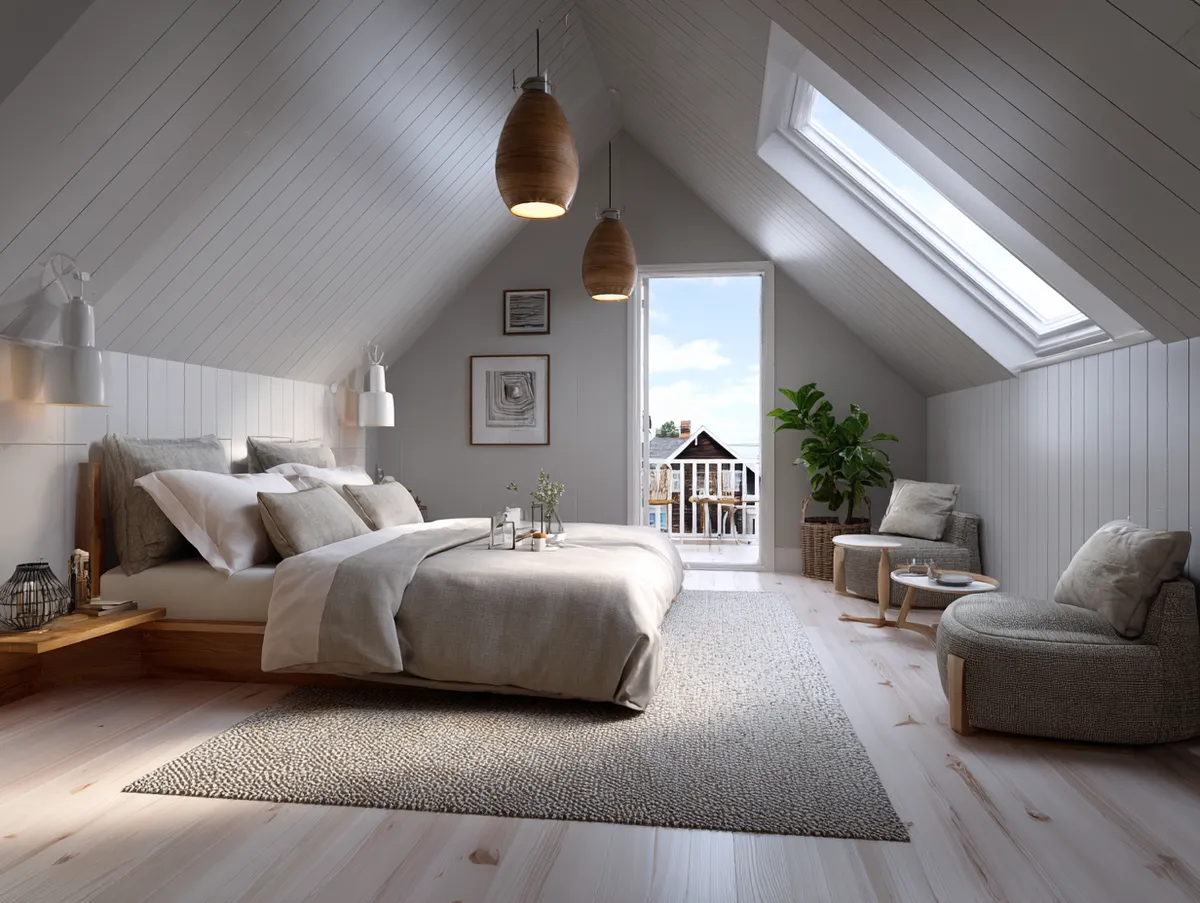
Style sits on top of that structure. Light birch plies suit both main modern directions, and this breakdown of how mid century modern and Scandinavian bedroom styles differ helps decide which one your room leans toward. Mid-century pieces rely on tapered legs and sculptural curves, while Scandinavian rooms keep plywood flat, pale and quiet. Pick one direction for the bed and let the smaller pieces follow it.
Low Plywood Bed Design That Skips the Box Spring
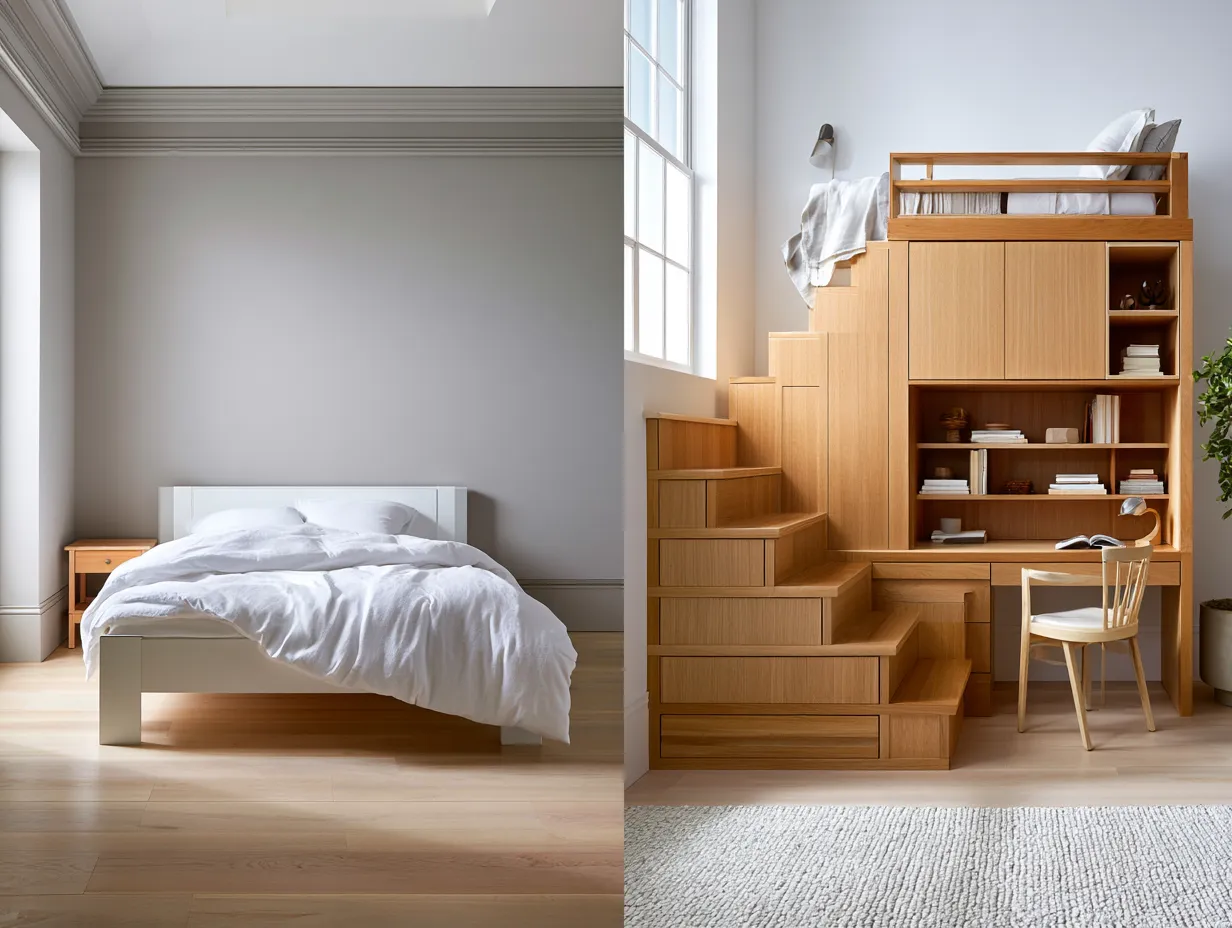
A plywood bed design built as a low platform swaps the box spring for a deck that sits directly on the frame, and that single change explains most of the modern look. A standard box spring adds about 9 inches of height, so a traditional bed with a thick mattress can reach 30–35 inches from the floor. Platform frames usually sit far lower, with ultra-low profiles at 6–12 inches and taller storage versions at 15–20 inches. Pick the frame height first, because every nightstand and lamp in the room will be measured against it.


Think of the deck the way you think of a subfloor under a rug: nobody sees it, but every sag starts there. Most mattress makers require slats no more than 3 inches apart, and a queen frame needs a center rail with at least one leg touching the floor. Is a solid plywood deck better than slats? It is flatter and simpler to build, but a sealed board traps moisture under a foam mattress, so drill a grid of ventilation holes before the mattress goes on.
Size the plywood before you buy it. A queen mattress measures 60 by 80 inches, wider than a standard 48-by-96-inch sheet, so the deck alone needs two sheets joined over the center support. At typical Baltic birch prices of $90–$190 per 3/4-inch sheet, that deck costs about $180–$380 before the side rails. Use cheaper birch ply for the hidden deck and save Baltic birch for the rails people actually see.


A plywood box bed takes the same idea further by closing the base and adding drawers or a lift-up lid. It trades airflow for storage, so it suits a small dry room better than a humid one. Don’t leave raw drawer edges unsealed, since exposed end grain soaks up spills and hand grease within months. Leave at least 2 feet of walking space on the open sides of the bed so drawers can slide out without hitting the nightstands.
- Decide the floor-to-mattress-top height before choosing a frame.
- Confirm slat gaps of 3 inches or less for warranty compliance.
- Add a center rail with a floor leg for queen and larger sizes.
- Check the TSCA Title VI label on every panel in the frame.
Plywood Nightstands Sized to the Mattress, Not the Catalog
Modern plywood furniture at the bedside works best as a simple box or open cube, and its height matters more than its style. Designers usually set a nightstand level with the top of the mattress or up to 2–4 inches above it, which puts most catalog models at 24–28 inches tall. A low platform bed changes that math: with a mattress top at 18–22 inches, a nightstand of 20–24 inches is the better match. Measure from the floor to the top of the mattress, topper included, before choosing a design.


Width and depth follow the bed. Typical nightstands run 18–24 inches wide and 16–20 inches deep, and a queen pairs well with widths of 22–24 inches. A plain plywood box 24 inches wide, 18 inches deep and 25 inches tall uses about half of a 4×8 sheet, which keeps a matched pair affordable. Why choose ply over a solid hardwood top? Cross-laminated layers resist swelling and shrinking, while a wide solid board can cup like a drying leaf, so ply suits a bedside table near a window or radiator.
Open cubes and drawer units do different jobs. An open plywood cube shows off the layered edge and holds books, while a single drawer hides chargers and cables. Don’t pick a nightstand more than 4 inches taller than the mattress, because reaching up for a phone at night strains the shoulder and looks off-balance. A lamp of roughly 24–28 inches suits a 26-inch nightstand, so buy the lamp after the table.


Sliding vs Hinged Plywood Wardrobe Designs for Real Rooms
Plywood wardrobe designs split into two camps, sliding and hinged, and the floor in front of the unit decides between them more than the look does. A hinged wardrobe is usually 24 inches deep, and each door should stay no wider than 24 inches to spare the hinges. A sliding version needs about 26 inches of depth because the track takes roughly 2 inches, yet it needs no swing space at all. Which one fits a small bedroom? Sliding doors win when the bed sits close, and about 32 inches between the wardrobe and the bed is enough to stand and pick clothes.


Plywood suits a wardrobe carcass better than particleboard because hinges and runners get worked thousands of times. Screws in particleboard loosen fastest at the edges, which is why budget doors start to sag first. A standard wardrobe stands about 7 feet tall, so a two-door sliding unit needs at least 6 feet of wall, with each panel kept under 4 feet so it runs smoothly. Use 3/4-inch ply for the sides and shelves and 1/4-inch ply for the back.
Inside, the layout decides how useful the depth is. Folded clothes need 12–15 inches between shelves, while a coat section works better at 28–30 inches deep so sleeves do not catch in the doors. Think of a sliding wardrobe as a pocket door for clothes: it gives up a little interior depth to hand back the floor. Don’t fix every shelf at one height, because adjustable shelf pins let the interior change when the clothes do.


Simple Styling Rules for a Contemporary Plywood Bedroom
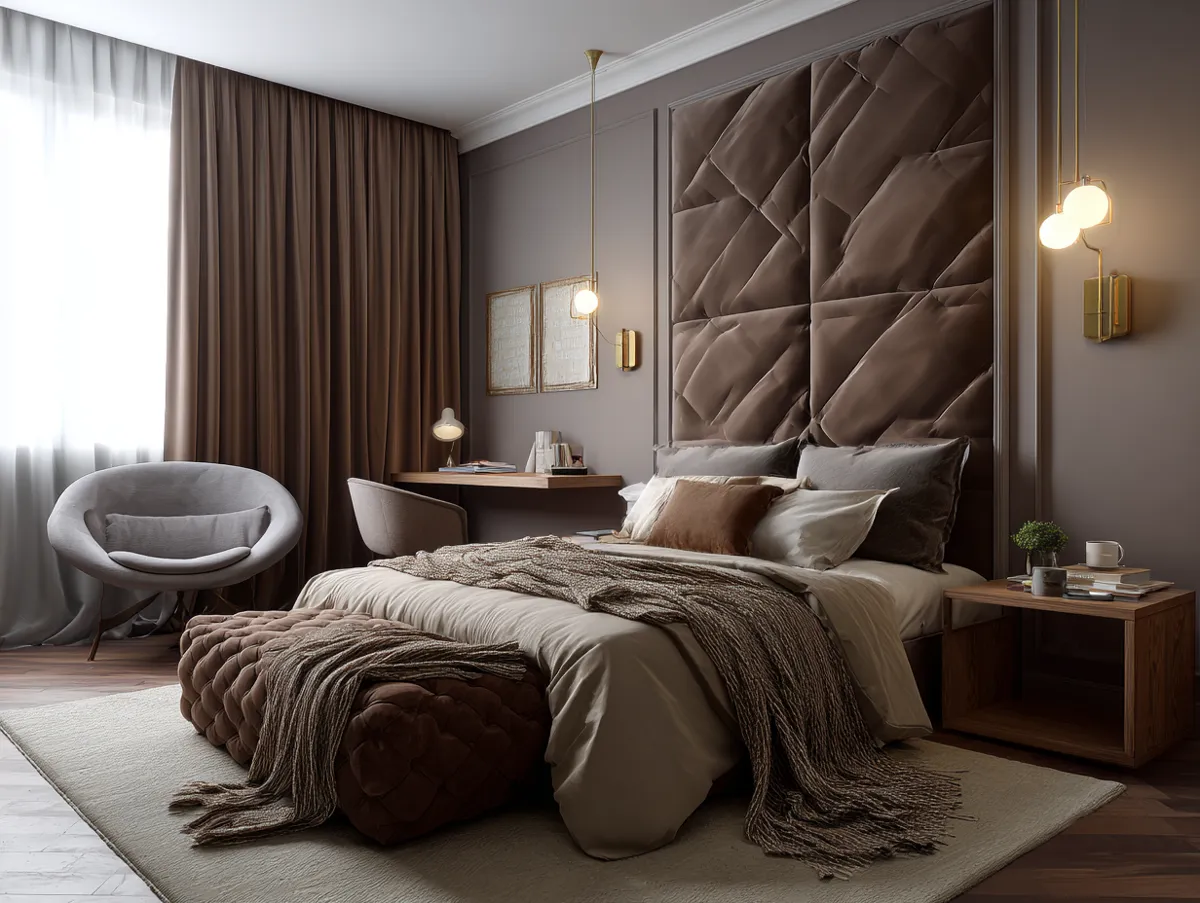
Simple plywood room design depends on restraint, with one wood tone, one accent color and plenty of bare wall around the furniture. Plywood is the plain white T-shirt of materials, sharp on its own and messy once three other wood finishes crowd it. A 60-30-10 split keeps contemporary bedroom designs balanced: about 60% for the walls, 30% for bedding and the rug, and 10% for accents. Don’t surround birch ply with oak floors, a walnut dresser and a cherry headboard; keep the floor neutral or close to the furniture tone.
Pale birch reads warmer next to cool colors, which is why blue and gray walls suit it so well. These sky blue and soft gray bedroom palettes with real paint LRVs show how a light wall keeps plywood looking fresh rather than yellow. Should the walls match the wood? No, because a contrast of a few shades separates the furniture from the background. Hold a ply offcut against each paint sample in daylight before you commit.
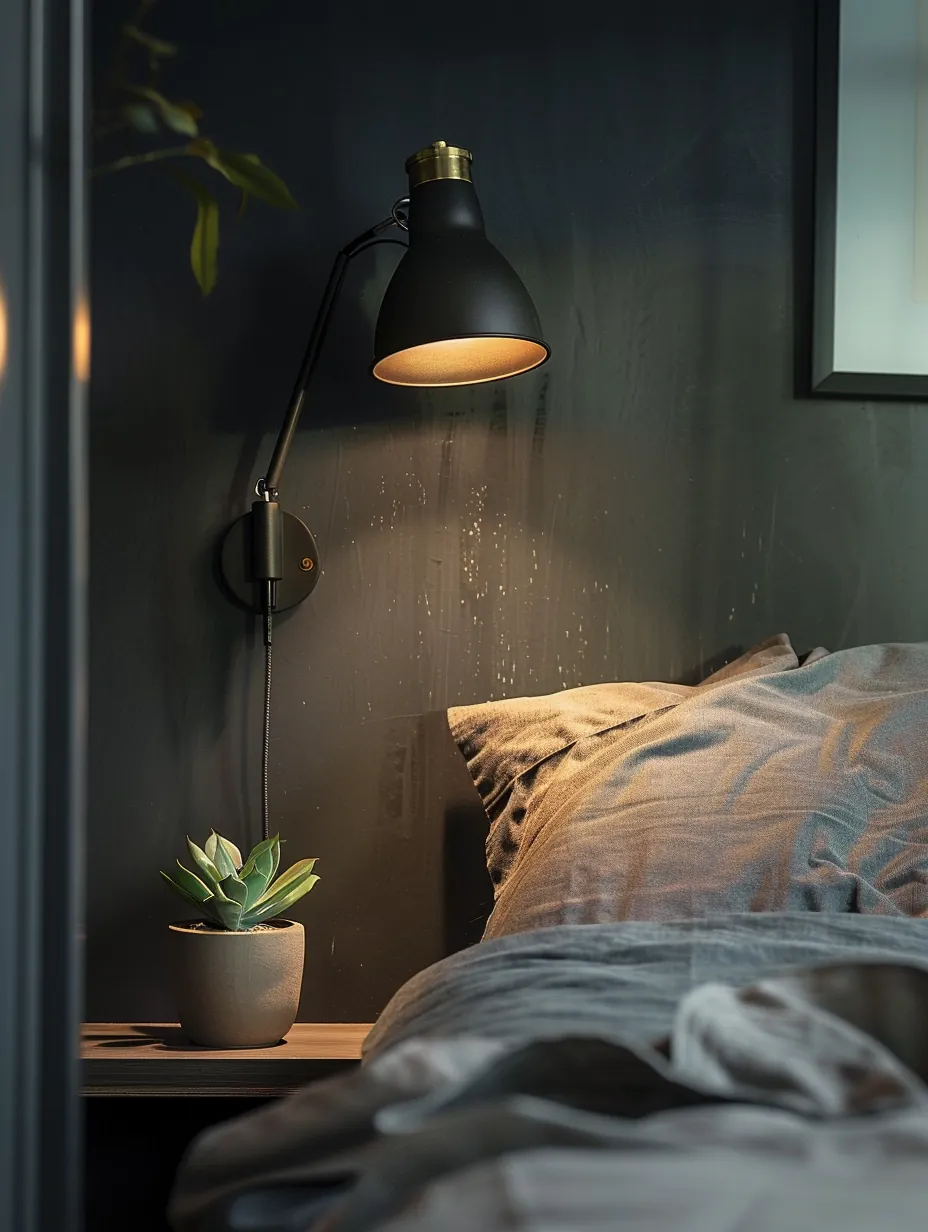
Lighting changes plywood interior design in a bedroom more than any finish after dark. Warm 2700K bulbs bring out the honey tone of birch, while 5000K daylight bulbs make it look grayish and flat. A clear matte water-based finish keeps birch close to its raw color, while oil finishes deepen it toward amber. Use warm bulbs in bedside lamps and keep cooler light for the wardrobe interior.
Don’t Do This
- Spacing bed slats 4–5 inches apart under a foam mattress instead of 3 inches or less.
- Buying a 28-inch nightstand for a platform bed whose mattress top sits at 20 inches.
- Fitting 24-inch hinged doors where the bed stands closer than 24 inches to the wardrobe.
- Using construction sheathing ply on visible parts instead of Baltic birch at $90–$190 a sheet.
- Mixing three or more wood tones next to birch ply instead of one tone plus neutrals.
Plywood Furniture Sizes and Board Specs Side by Side
Bedroom plywood design comes down to a handful of measurements per piece. The first table lines up the bed, nightstand and wardrobe options by height, footprint, sheet spec and clearance. Print it or save it before a store visit or a cut list.
| Piece | Height | Width × depth | Plywood spec | Clearance or rule |
|---|---|---|---|---|
| Low platform bed (queen) | 6–12 in frame | 60 × 80 in deck | 3/4 in birch, 2 sheets for the deck | Slats 3 in apart or less, center leg |
| Storage platform or box bed | 15–20 in frame | 60 × 80 in deck | 3/4 in sides, 1/2 in drawer boxes | About 2 ft walkway on open sides |
| Nightstand | 24–28 in (20–24 in for low beds) | 18–24 × 16–20 in | 3/4 in box, 1/4 in back | 0–4 in above mattress top |
| Hinged wardrobe | About 7 ft | Doors up to 24 in wide × 24 in deep | 3/4 in carcass and shelves | Swing space equal to door width |
| Sliding wardrobe | About 7 ft | At least 6 ft wide × 26 in deep | 3/4 in carcass, panels under 4 ft | About 32 in to the bed |
The board itself matters as much as the size. The second table compares the four common sheet materials on price, formaldehyde limits, screw holding and typical lifespan. Choose the cheapest board that still passes the screw-holding test for each part.
| Board | Price per 3/4 in 4×8 sheet | US formaldehyde cap | Screw holding | Typical lifespan |
|---|---|---|---|---|
| Baltic birch plywood | About $90–$190 | 0.05 ppm | Strong, void-free core | 15–20+ years |
| Standard birch plywood | About $40–$110 | 0.05 ppm | Strong, cross-grain | 15–20+ years |
| MDF | Below plywood | 0.11 ppm | Fair, strips under repeated load | Shorter than plywood |
| Particleboard | Below plywood | 0.09 ppm | Poor, strips easily at edges | About 6 years in budget pieces |
Ply Wins on the Numbers
Plywood beats particleboard wherever a bedroom takes real strain, with a typical lifespan of 15–20+ years against about 6 and a formaldehyde cap of 0.05 ppm against 0.09 ppm. That gap shows up first in hinges, drawer runners and bed rails. Spend the budget on those parts before anything decorative.
Build or buy the bed first. A low platform with slats no more than 3 inches apart removes the 9-inch box spring and resets the height of every other piece. Two 3/4-inch sheets cover a queen deck, so price them in from the start.
Match the bedside and storage to the bed rather than to a catalog. Nightstands belong level with the mattress top or up to 4 inches above it. A 26-inch sliding wardrobe beats a 24-inch hinged one whenever the bed sits closer than a door’s width.
Keep the styling quiet once the furniture is in. One wood tone, warm 2700K light and a 60-30-10 color split let the layered edges of birch ply do the decorating. Add accessories last and stop at roughly 10% of the room.