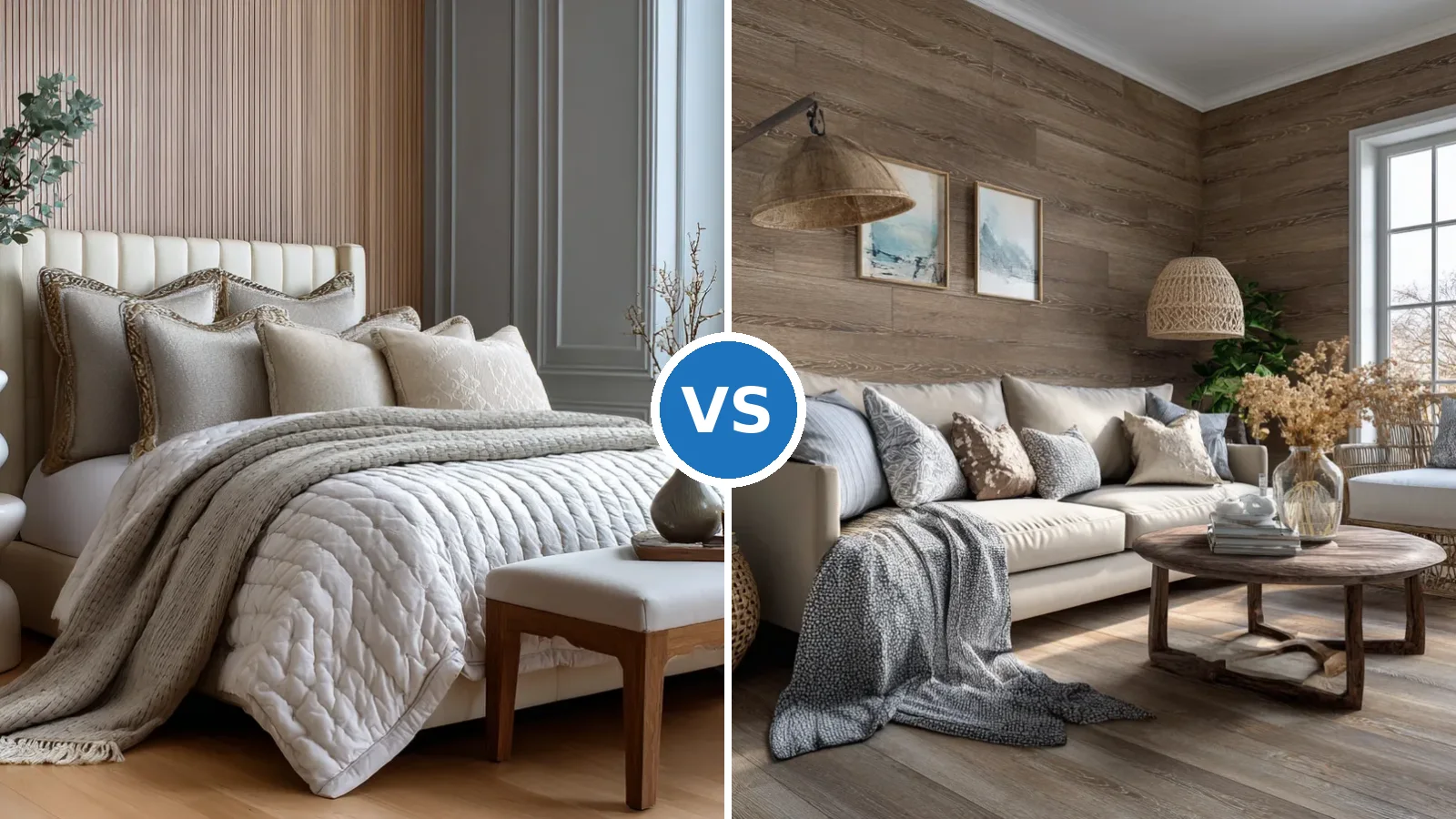
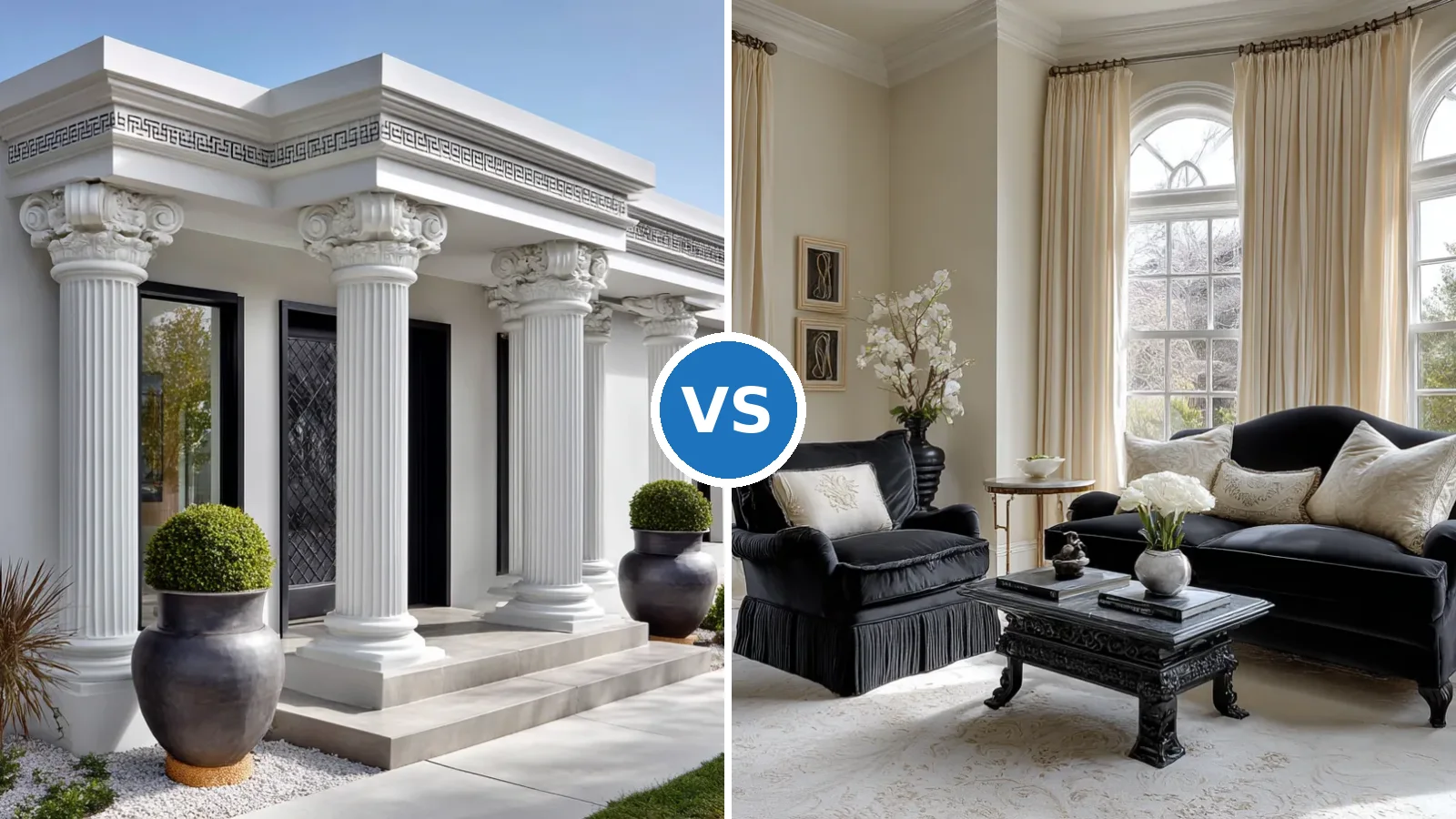
Quick Summary: Simple Kisame Design for Sala
Budget range: $270–$1,400 for a standard 20 sqm living room, depending on material and lighting.
Best material for most salas: Flat gypsum board with skim coat — clean, affordable, and easy to repaint.
Lighting that works: Warm white LED cove strips (3000K–3500K) along a drop border. Skip RGB — it dates fast.
Biggest mistake: Making the drop section too shallow. Anything under 4 inches exposes the LED strip and looks unfinished.
Timeline: 2–5 days for flat ceilings. 5–10 days for dropped or tray designs with lighting.
I spent three weekends helping my aunt pick a kisame design for her sala. She wanted something modern. Not the old carved wood panels from her parents’ house. Not a plain white slab either. Something in between.
That “in between” is harder than it sounds. Most simple kisame designs you’ll find on Pinterest look expensive — $1,400 to $2,700 for a dropped ceiling with LED cove lighting. But a flat gypsum board with recessed lights? You’re looking at $450 to $700 for a standard 20 sqm sala. Big difference.
I pulled together 21+ kisame design ideas for living rooms that hit the sweet spot: modern enough to impress visitors, simple enough that your contractor won’t mess it up. Some use PVC panels. Some go full gypsum with profile lights. A few are just paint tricks that cost almost nothing. Every type of kisame here works for a typical sala — no cathedral ceilings required.
What’s Inside This Post
✅ 21+ simple kisame design photos for sala and living room
✅ Flat, tray, and cove ceiling ideas with real cost estimates
✅ Modern kisame lighting tips (warm vs. cool, LED vs. recessed)
✅ Types of kisame compared — gypsum, PVC, and wood
✅ Kisame design for bedroom vs. sala — what to change
✅ Budget calculator for your ceiling project
Simple Kisame Design for Sala: Flat Ceilings With Clean Lines
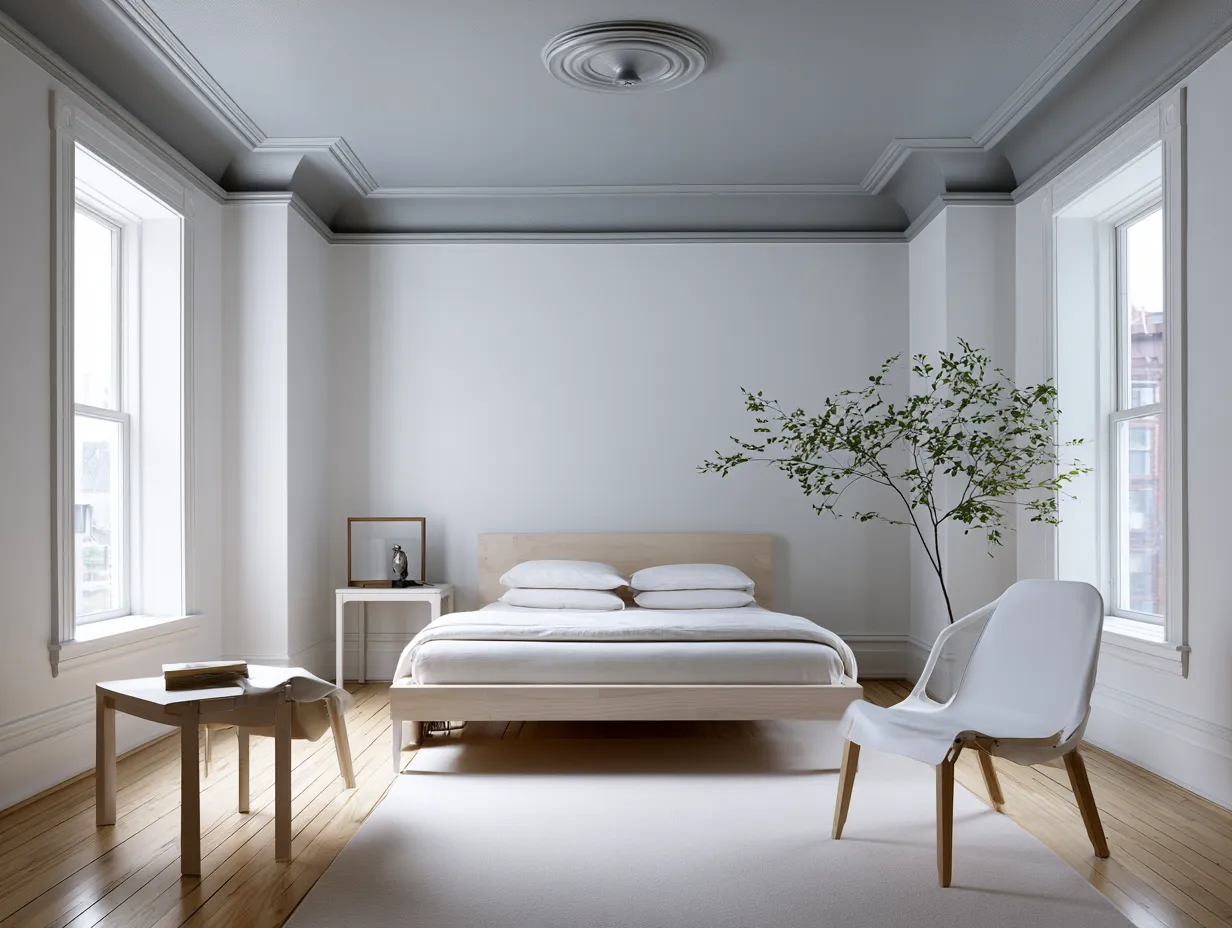
In the realm of interior design, the ceiling, or kisame, plays a pivotal role in defining the character of a room. In modern salas, a sleek and minimalist kisame design can elevate the space, bringing a sense of sophistication and contemporary elegance. The challenge lies in creating a design that is both visually appealing and in harmony with the room’s overall aesthetic.


Envision a modern sala where the ceiling becomes a canvas of simplicity and style. The kisame here is characterized by its clean lines and uncluttered appearance. This minimalist approach allows the rest of the room’s features to shine, while the ceiling itself contributes to a sense of spaciousness and openness. The design eschews ornate details in favor of a smooth and streamlined look, often incorporating flat surfaces and straight lines.
The color palette of such a kisame is typically muted, with whites, grays, or other neutral tones prevailing. These colors enhance the minimalist theme and contribute to a feeling of calm and understated elegance. If you want to go beyond the ceiling and rethink your entire sala’s look, simple POP designs for living rooms pair perfectly with flat kisame finishes. The choice of a matte or semi-gloss finish can further define the room’s ambiance, with matte finishes offering a more contemporary and sophisticated feel.
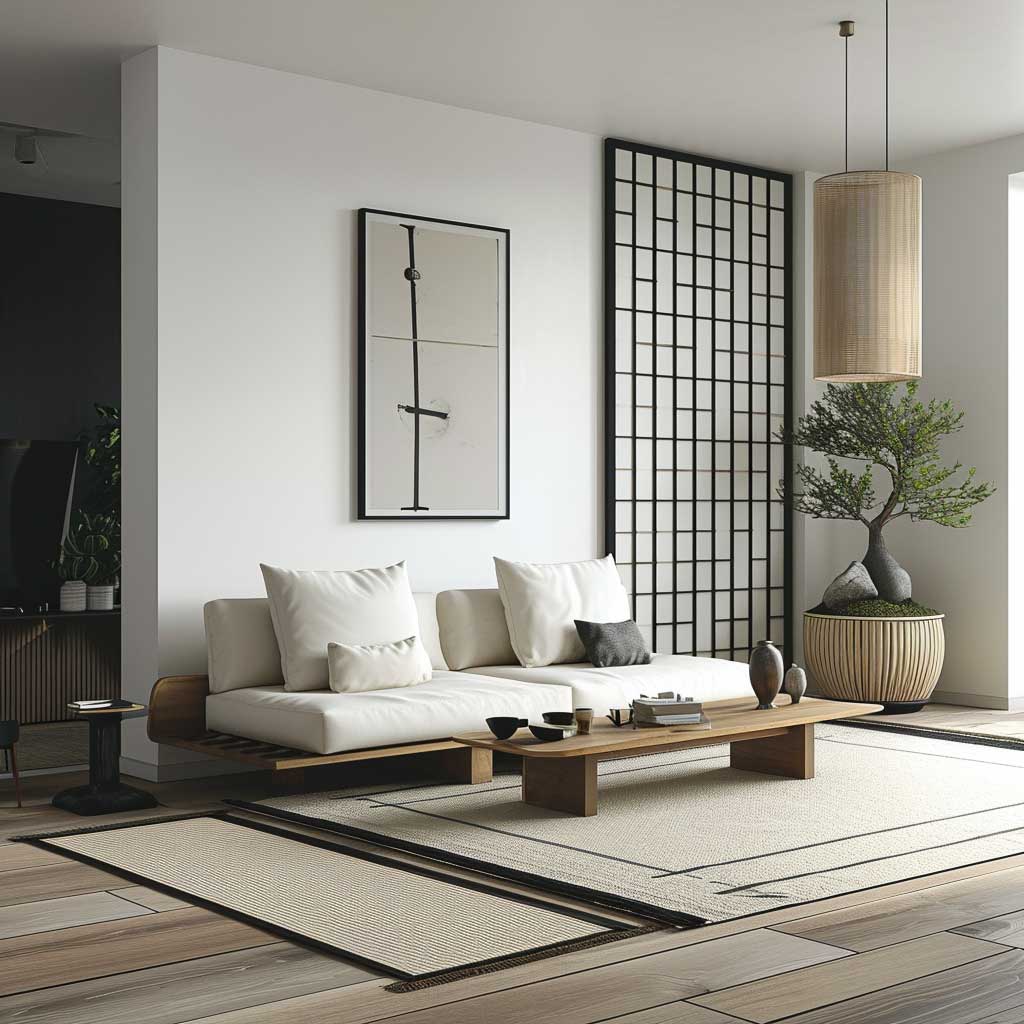
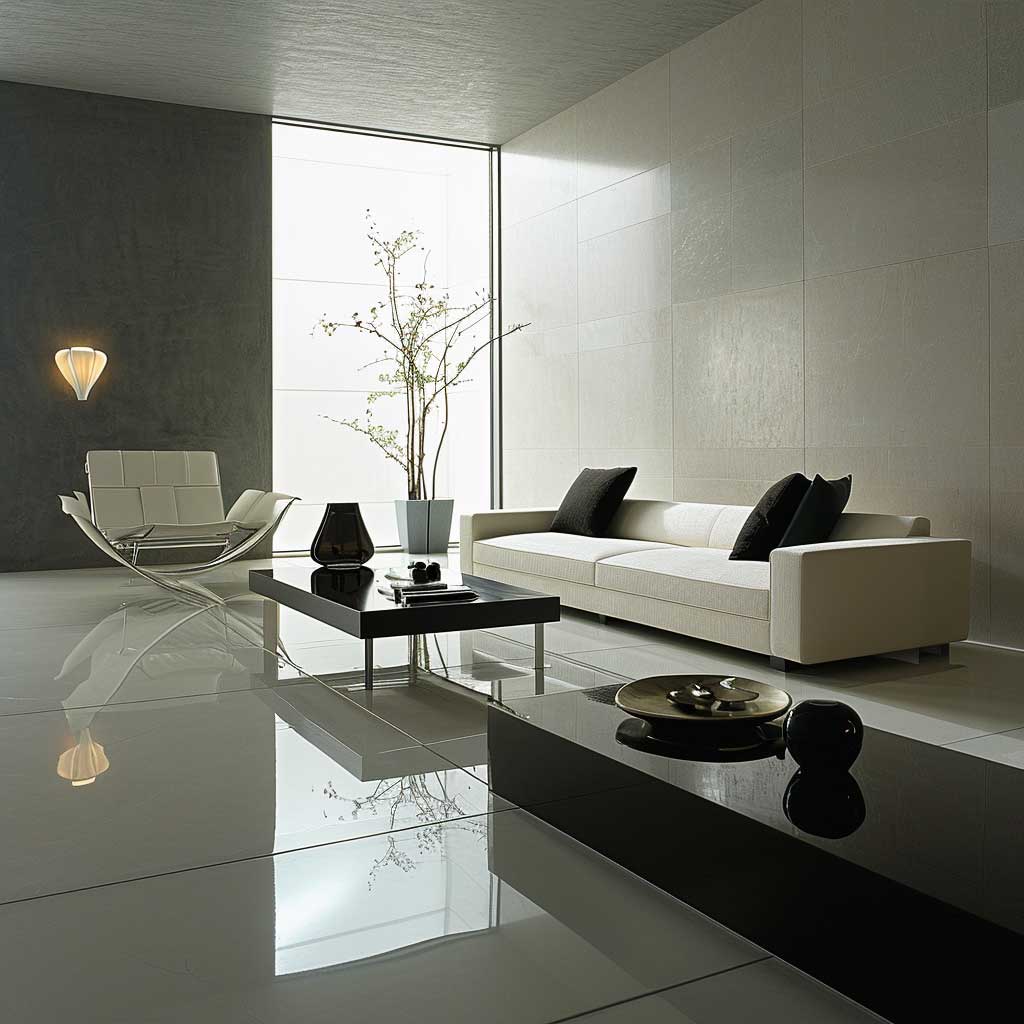

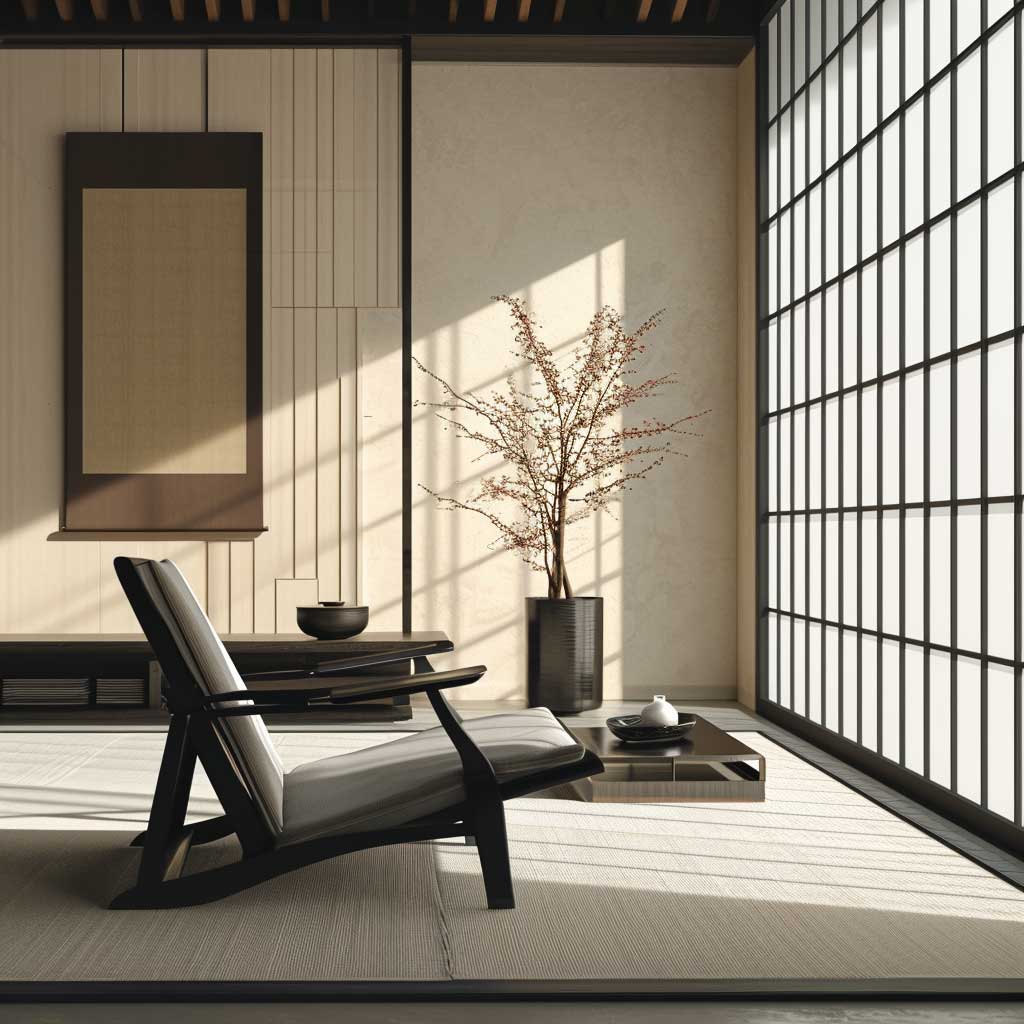
Lighting plays a crucial role in this design. Recessed lighting fixtures, LED strips, or hidden cove lighting can provide a soft, ambient glow that accentuates the sleek lines of the kisame. The lighting should be strategically placed to highlight architectural elements and create visual interest. The use of dimmable lights can also add versatility to the space, allowing for adjustments in brightness to suit different moods and occasions.
In a modern sala, the furniture and decor should complement the simplicity of the kisame. Low-profile furniture with clean lines and a neutral color scheme can harmonize with the ceiling’s minimalist design. Decorative elements should be chosen with care, ensuring they enhance rather than overwhelm the space. A few well-chosen pieces of art, a stylish rug, or some elegant throw pillows can add personality to the room without detracting from the ceiling’s understated elegance.
🚫 Don’t Do This With Your Kisame
RGB LED strips everywhere. That blue-purple glow looked cool in 2018. Now it screams “gaming setup.” Stick to warm white (3000K) or daylight (4000K) for a sala.
Mixing too many ceiling levels. Two levels max for a standard 2.7m ceiling. Three levels in a low room makes it feel like you’re sitting inside a wedding cake.
Skipping primer on gypsum. Raw gypsum absorbs paint unevenly. You’ll see blotchy patches within three months. One coat of primer costs about $14 for a 20 sqm sala. Worth it.
Hanging heavy fixtures without reinforcement. Standard gypsum holds about 3 kg per anchor point. Your 8 kg chandelier will pull through the board and land on the coffee table.
A sleek and modern kisame in a sala is more than just a design choice; it’s a statement of sophistication and contemporary style. It demonstrates how a minimalist approach can lead to a space that is both visually appealing and deeply functional, a place where simplicity and elegance coexist in perfect harmony.
Kisame Ceiling Cost Calculator
Estimate the total cost of your sala kisame project based on room size, ceiling type, and lighting.
Modern Kisame Design With Cove Lighting for Living Rooms
The design of a sala, or living room, is greatly influenced by its ceiling, known as kisame in many cultures. An elegant kisame design, especially when paired with subtle lighting, can transform a simple sala into a stylish and sophisticated space. The art lies in creating a ceiling design that not only complements the room’s decor but also enhances its overall ambiance through carefully considered lighting.
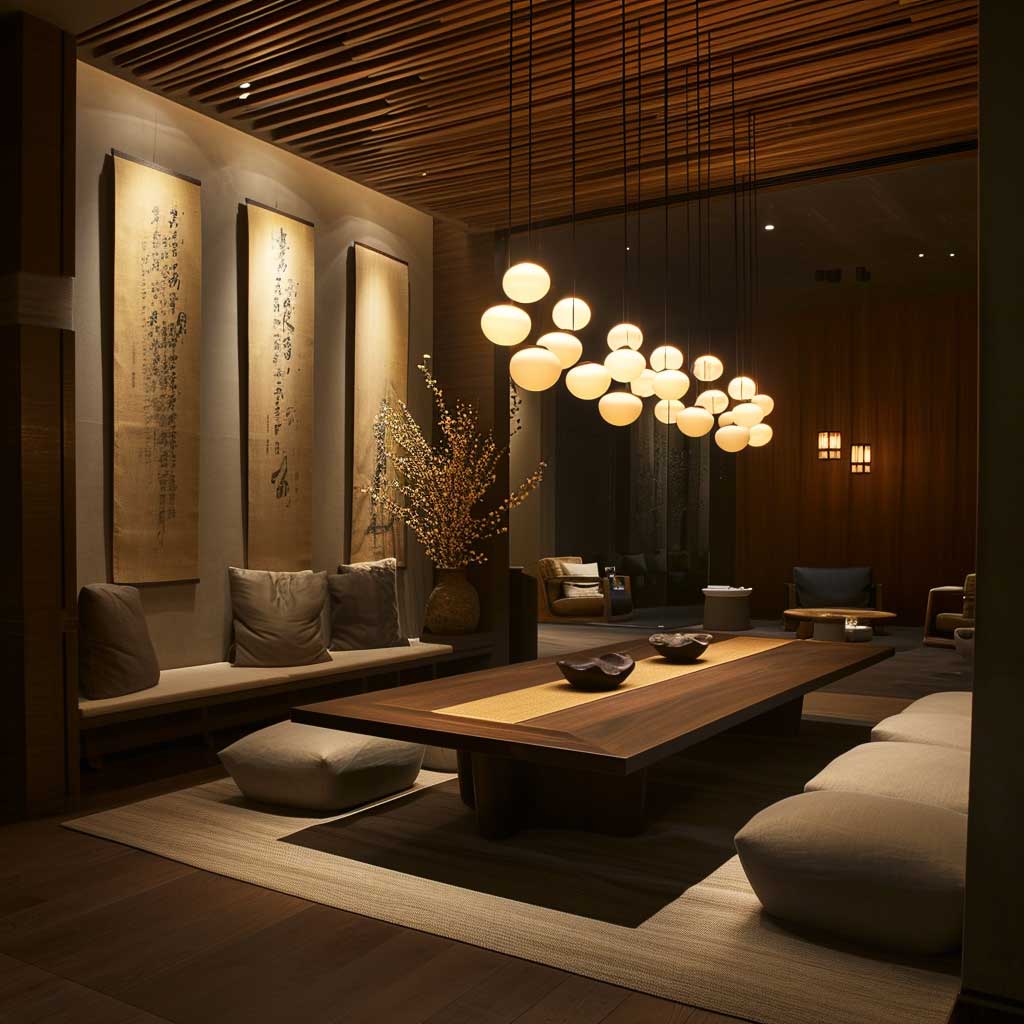
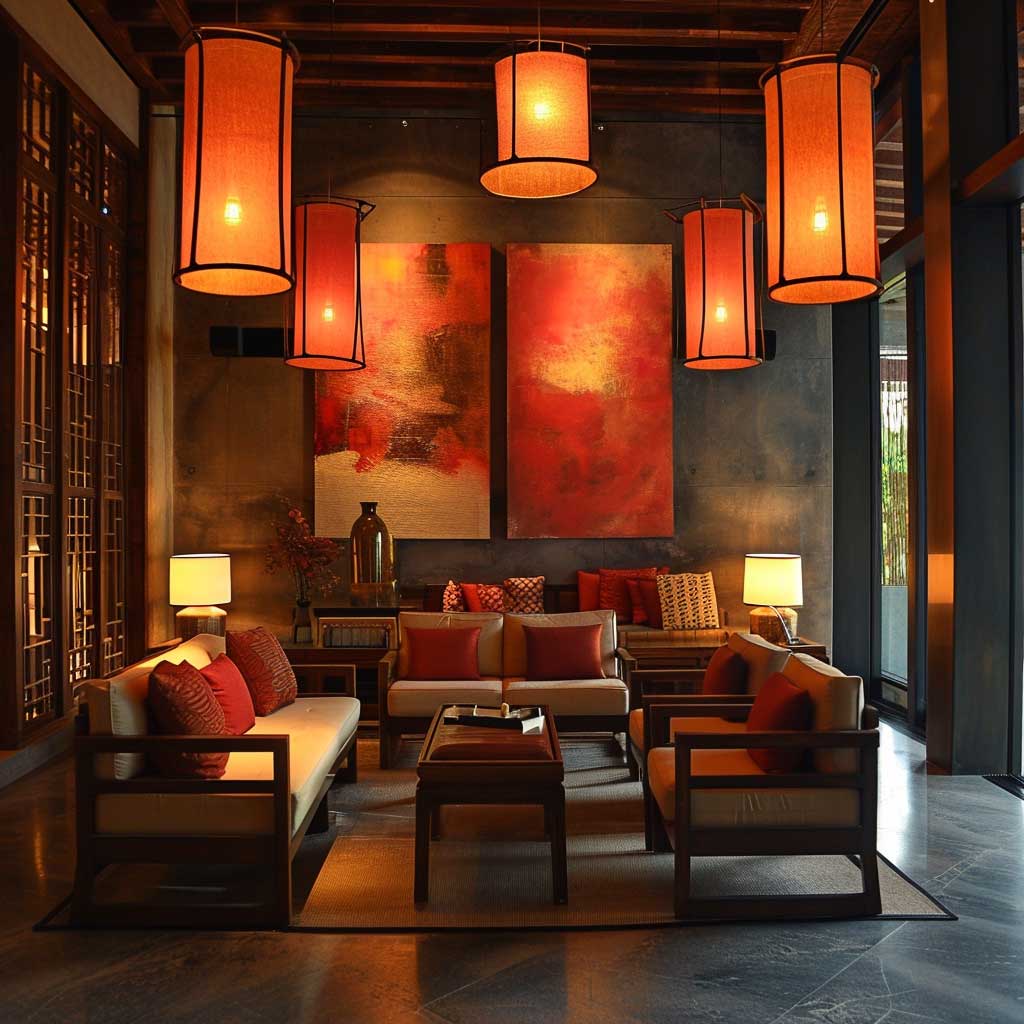

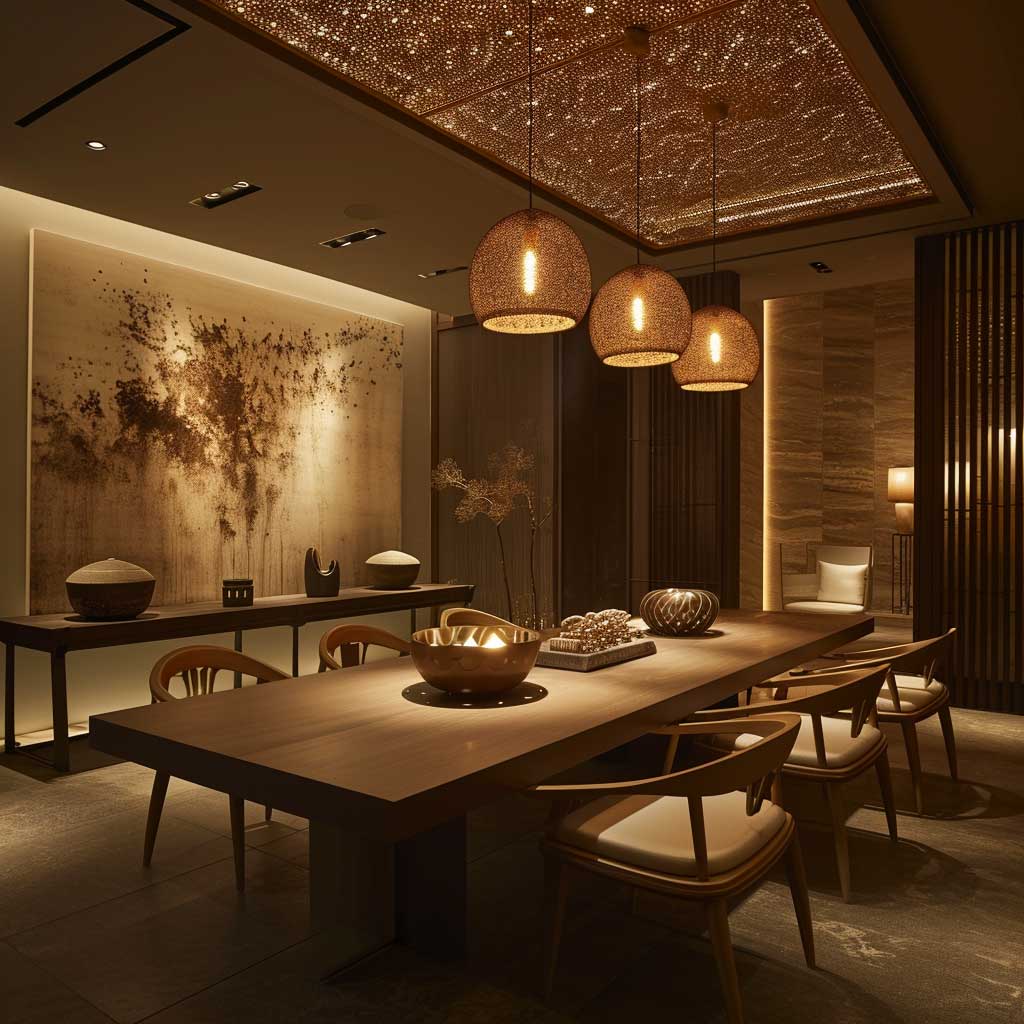
Imagine entering a sala where the kisame immediately draws your attention, not through bold patterns or bright colors, but through its understated elegance. The design is simple, perhaps featuring gentle contours or a soft, textured finish. This simplicity is key to creating a sense of sophistication and refinement. The kisame should blend seamlessly with the walls, maintaining a cohesive look that enhances the room’s sense of space and openness.
The color palette for such a kisame is often neutral, with shades of white, cream, or light gray. These colors reflect light, contributing to a brighter and more airy feel in the sala. The choice of paint finish can also impact the room’s ambiance, with matte finishes providing a modern and sophisticated touch, while a slight sheen can add a sense of luxury and depth.

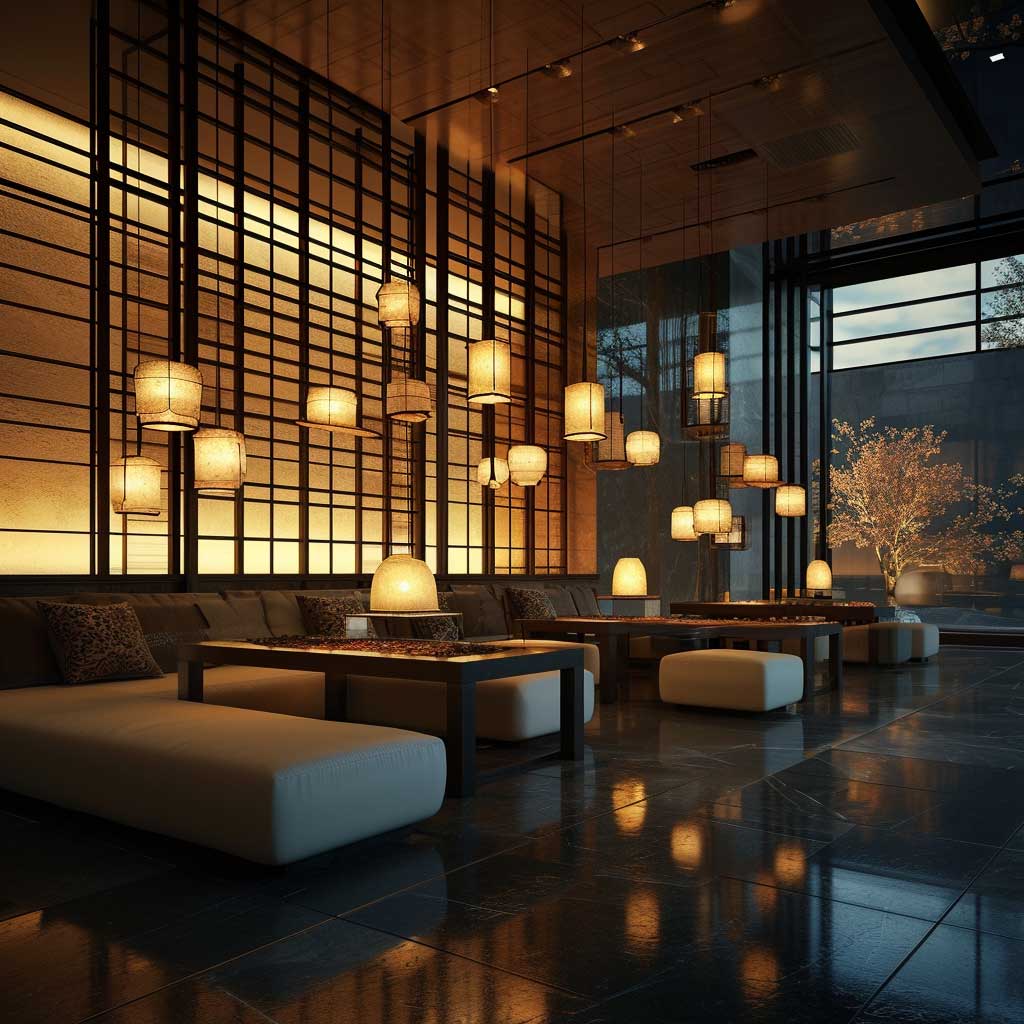
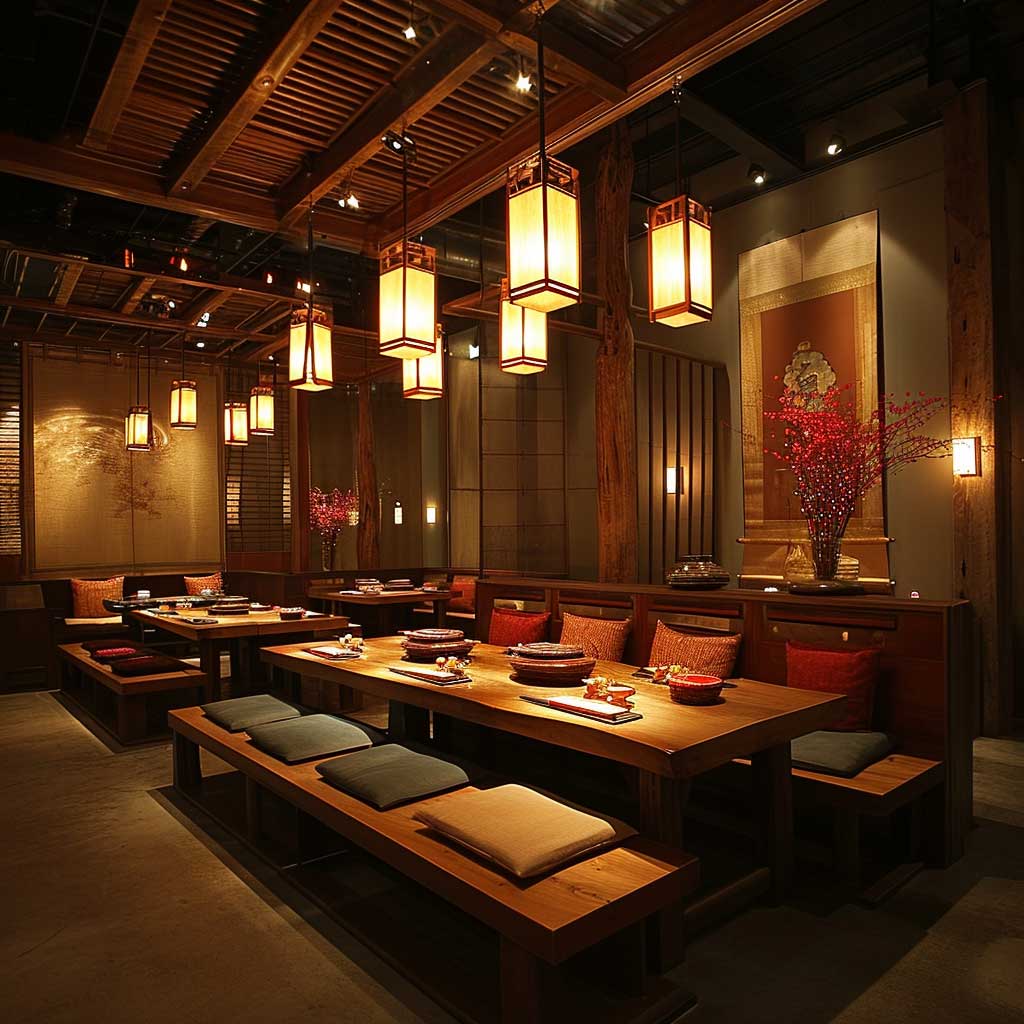
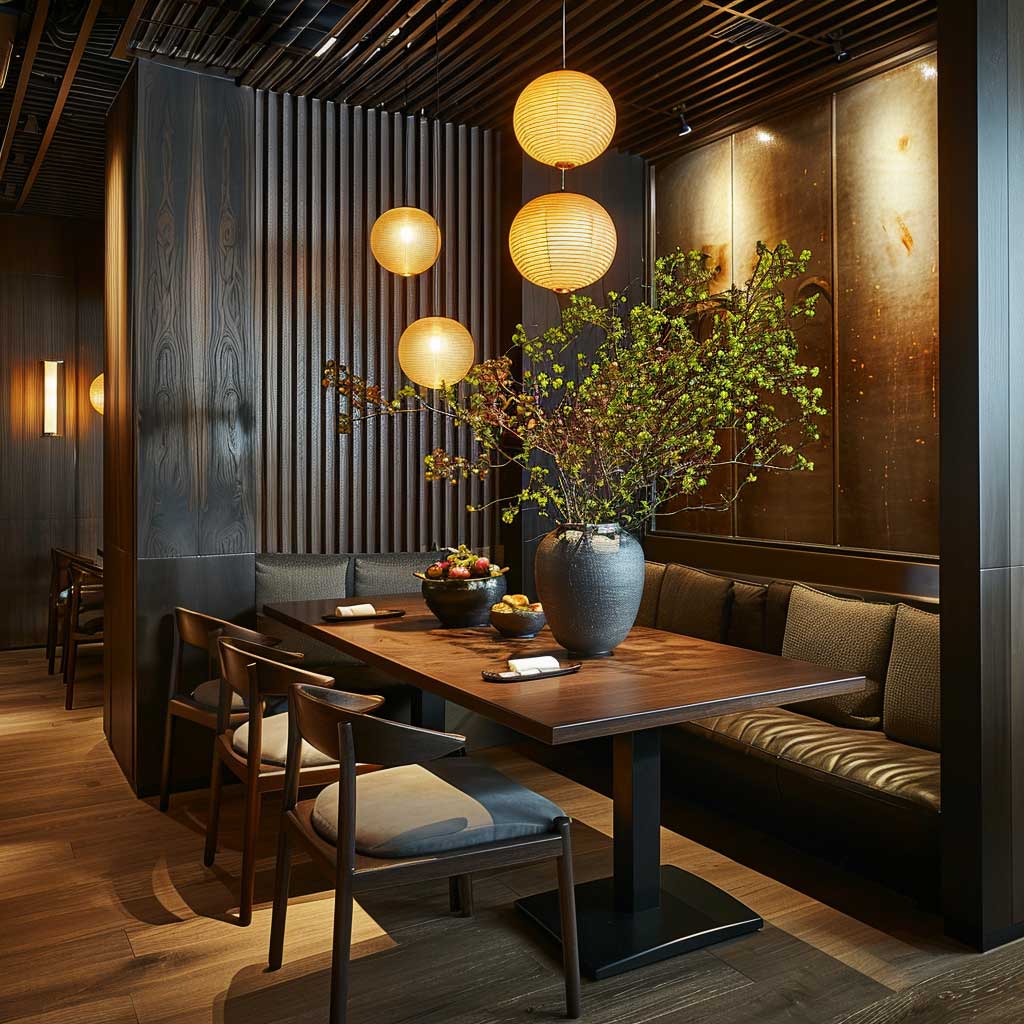
Lighting is a critical element in this kisame design. Subtle lighting fixtures, such as recessed lights, pendant lights, or hidden LED strips, can provide a warm and inviting glow. For more ceiling lighting strategies that work in any room, HGTV’s ceiling design gallery covers coffered, tray, and painted options. The placement of these lights should be strategic, illuminating key areas of the sala without causing glare or harsh shadows. Dimmable lights are particularly effective, allowing for adjustments in brightness to create the perfect mood for different times of the day or for various activities.
In a stylish sala, the furniture and decor should harmonize with the elegant kisame. Sleek, contemporary furniture with clean lines and a neutral color palette can complement the ceiling’s design. Decorative elements, such as a statement piece of art, a chic coffee table, or plush cushions, can add personality to the space. The decor should be balanced and not overly ornate, maintaining the room’s elegant and sophisticated feel.
An elegant kisame with subtle lighting in a sala is not just about aesthetics; it’s about creating an atmosphere. It’s about designing a space that feels both welcoming and stylish, a place where elegance is expressed through simplicity and attention to detail. This approach to kisame design demonstrates that sometimes, the most impactful statements are made quietly, through the careful selection of colors, textures, and lighting.
Types of Kisame Design: Which One Fits Your Sala?
Flat gypsum is the default for a reason. It’s cheap, it’s clean, it hides ugly wiring. A 20 sqm sala runs you about $270–$450 in materials alone for a basic flat gypsum board ceiling with skim coat. Contractors charge another $140–$270 for labor. Done in two days.
Drop ceilings with a border tray are the next step up. You get that recessed look around the edges without rebuilding anything structural. I’ve seen these done poorly — contractor left a 2-inch gap between the tray and the wall, and the LED strip was visible. Not the vibe. Make sure the drop is at least 4 inches deep so the light bounces off the flat center instead of blinding anyone on the sofa.
PVC panel kisame costs less than gypsum per square meter — roughly $2.70–$5.40 per panel versus $7–$11 for gypsum with finishing. The catch? PVC looks like PVC. Some homeowners don’t care. If your sala doubles as a dining area and you’re cooking three times a day, PVC wipes clean. Gypsum absorbs grease stains like a sponge.
Wooden kisame works in sala rooms with high ceilings — 3 meters or above. Below that, wood panels make the room feel like a closet. Engineered wood planks cost $9–$16 per sqm installed. Real mahogany? Triple that. Skip mahogany unless you’re building for resale value.
| Kisame Type | Cost per sqm | Install Time (20 sqm) | Best For | Avoid If |
|---|---|---|---|---|
| Flat Gypsum | $7–$11 | 2–3 days | Low ceilings, tight budgets | You want dramatic lighting effects |
| Drop/Tray Ceiling | $14–$27 | 4–7 days | Modern salas with cove lighting | Ceiling height is under 2.5m |
| PVC Panels | $2.70–$5.40 | 1–2 days | Kitchens, wet areas, rentals | You want a high-end finish |
| Wood Planks | $9–$16 | 3–5 days | High-ceiling salas, rustic interiors | Ceiling is below 3m — it’ll feel cramped |
| Painted Flat (no false ceiling) | $1.40–$2.70 | 1 day | Extreme budgets, apartments | You need to hide wiring or pipes |
Kisame Design Ideas With Color and Geometric Details
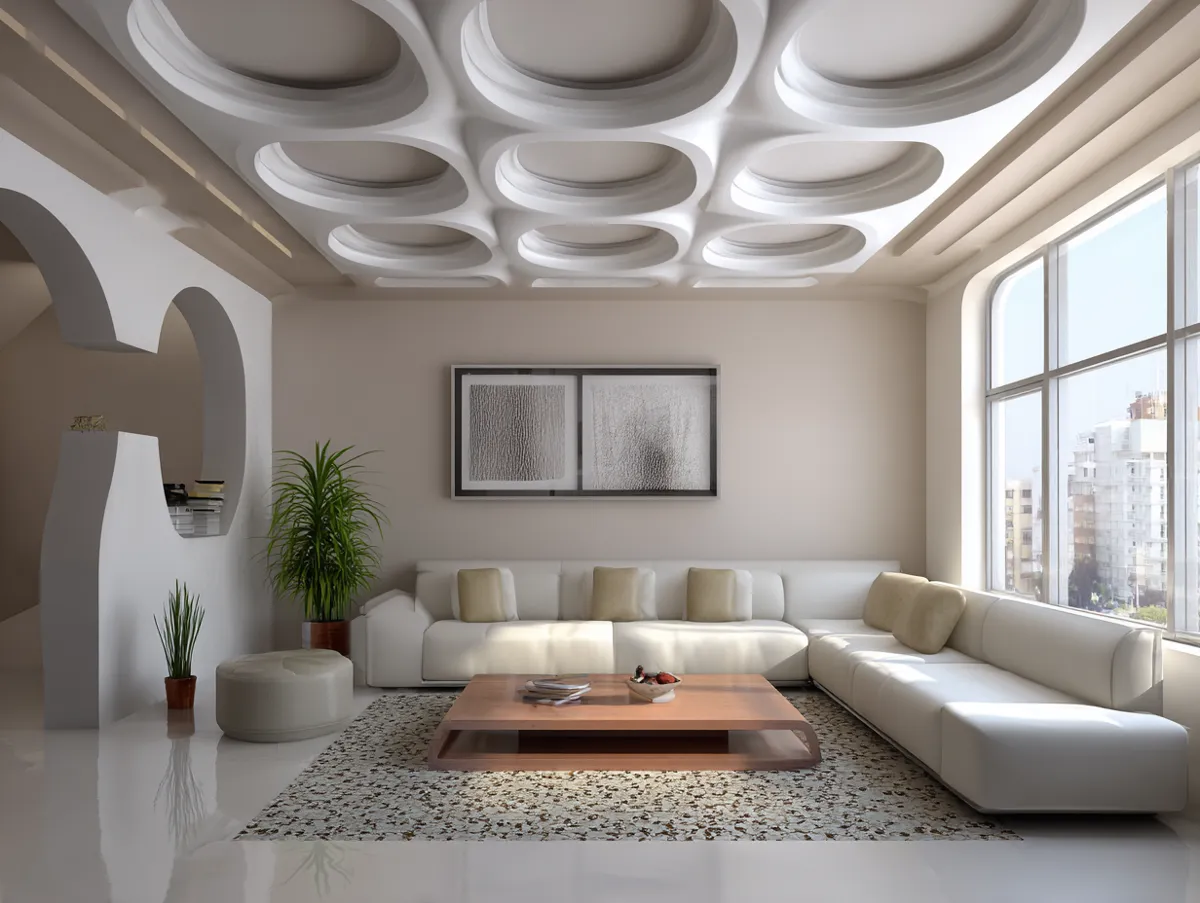
In the dynamic world of interior design, the ceiling or ‘kisame’ plays a crucial role in defining the character of a living space, particularly in a modern sala. A contemporary kisame design that blends simplicity with artistic flair can transform a room, making it a statement of creativity and modern aesthetics. The challenge lies in striking the right balance between artistic expression and the minimalist ethos that often characterizes modern design.


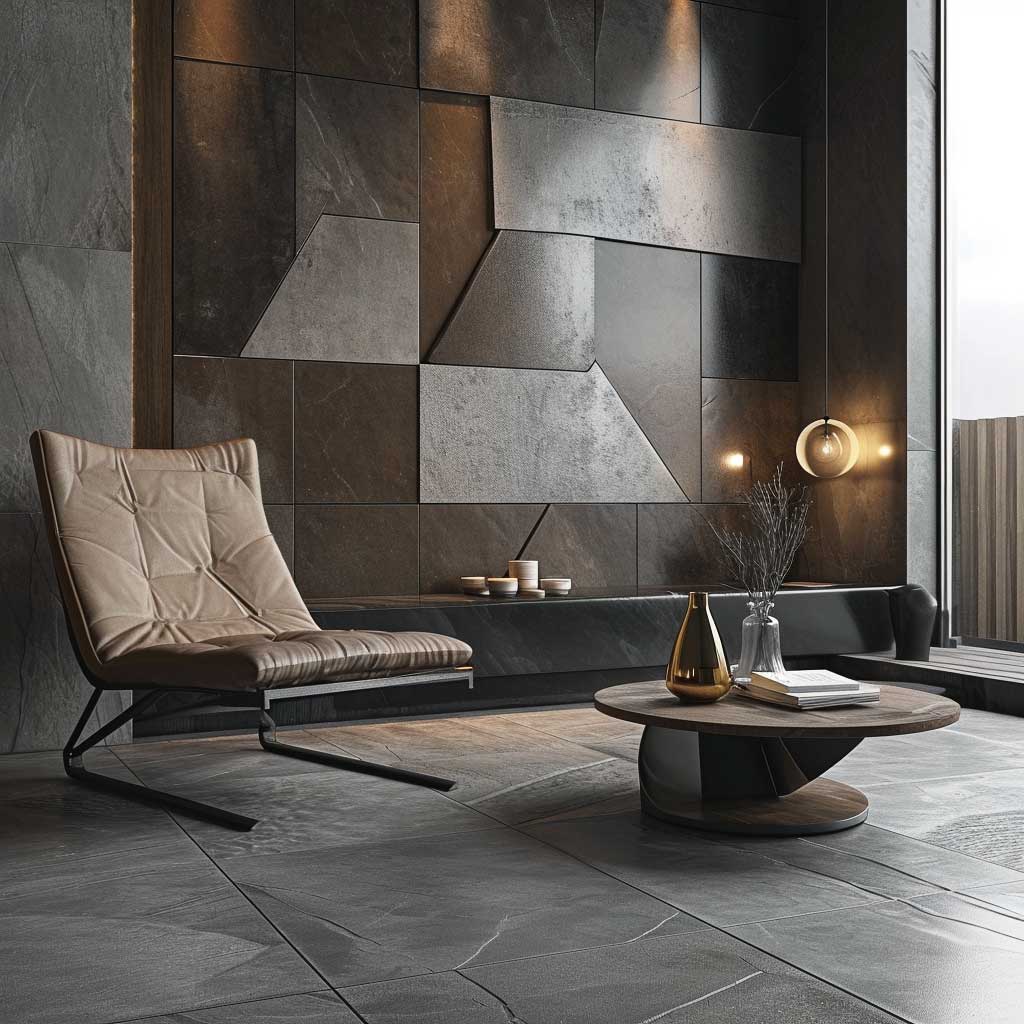
Envision a modern sala where the kisame becomes a focal point of artistic expression. This design approach goes beyond mere functionality, turning the ceiling into a piece of art. The use of geometric shapes or abstract patterns can add a unique character to the space, creating visual interest and drawing the eye upward. The key is to maintain a sense of harmony with the room’s overall design, ensuring that the kisame complements rather than overwhelms the space.
The color scheme for such a kisame can be a mix of neutral tones with strategic splashes of color. The use of color should be thoughtful and intentional, adding depth and dimension to the design. For more ideas on using trendy simple ceiling designs with texture and pattern, see how wooden and minimalist surfaces create the same visual punch without paint. Textured finishes or the incorporation of materials like wood or metal can also add to the kisame’s artistic appeal, providing a contrast to the smooth surfaces commonly found in modern interiors.
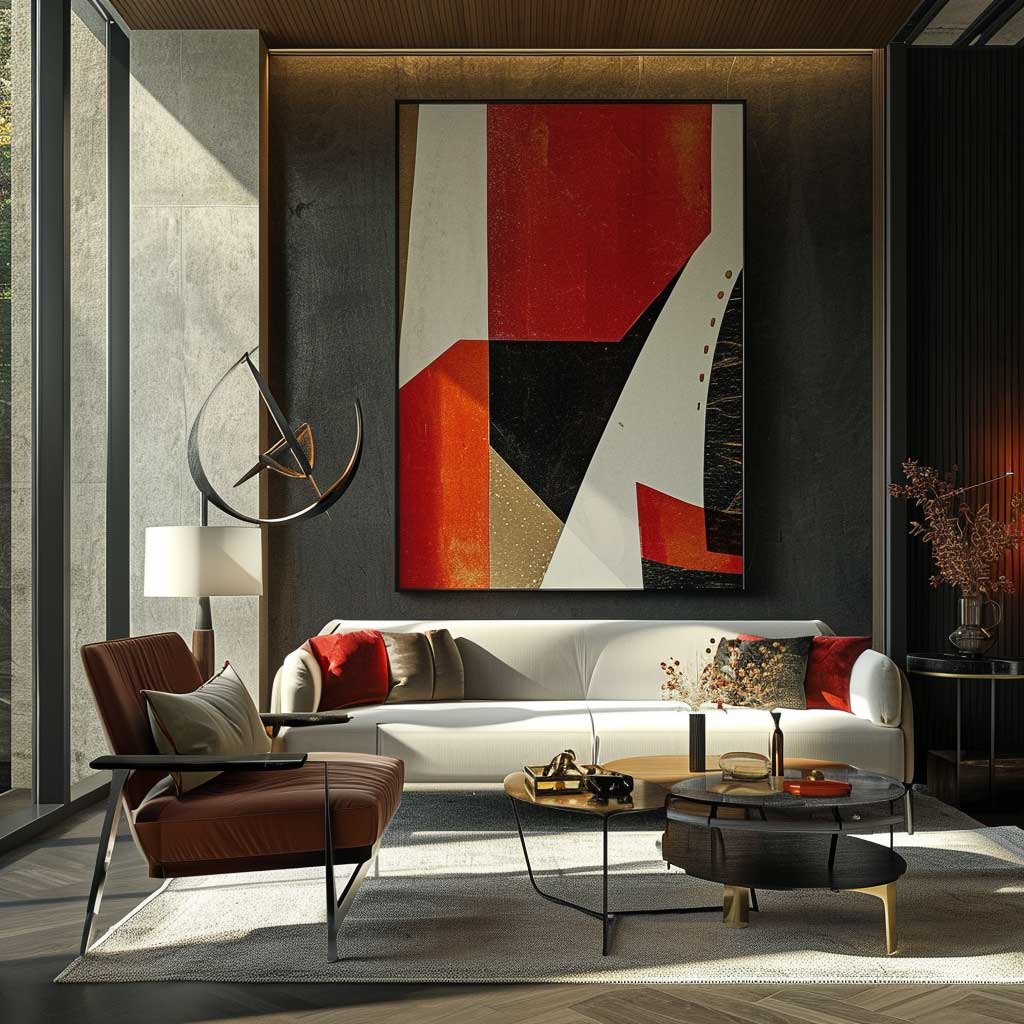
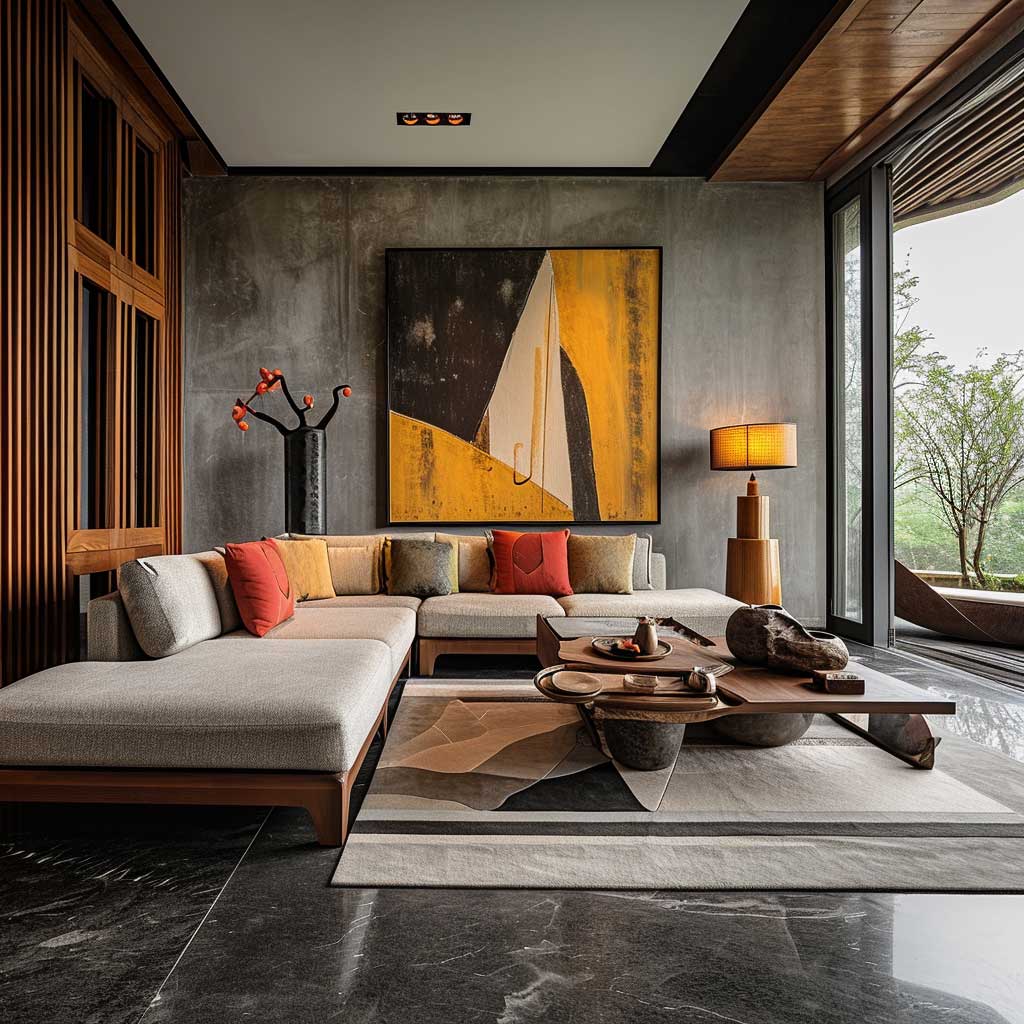
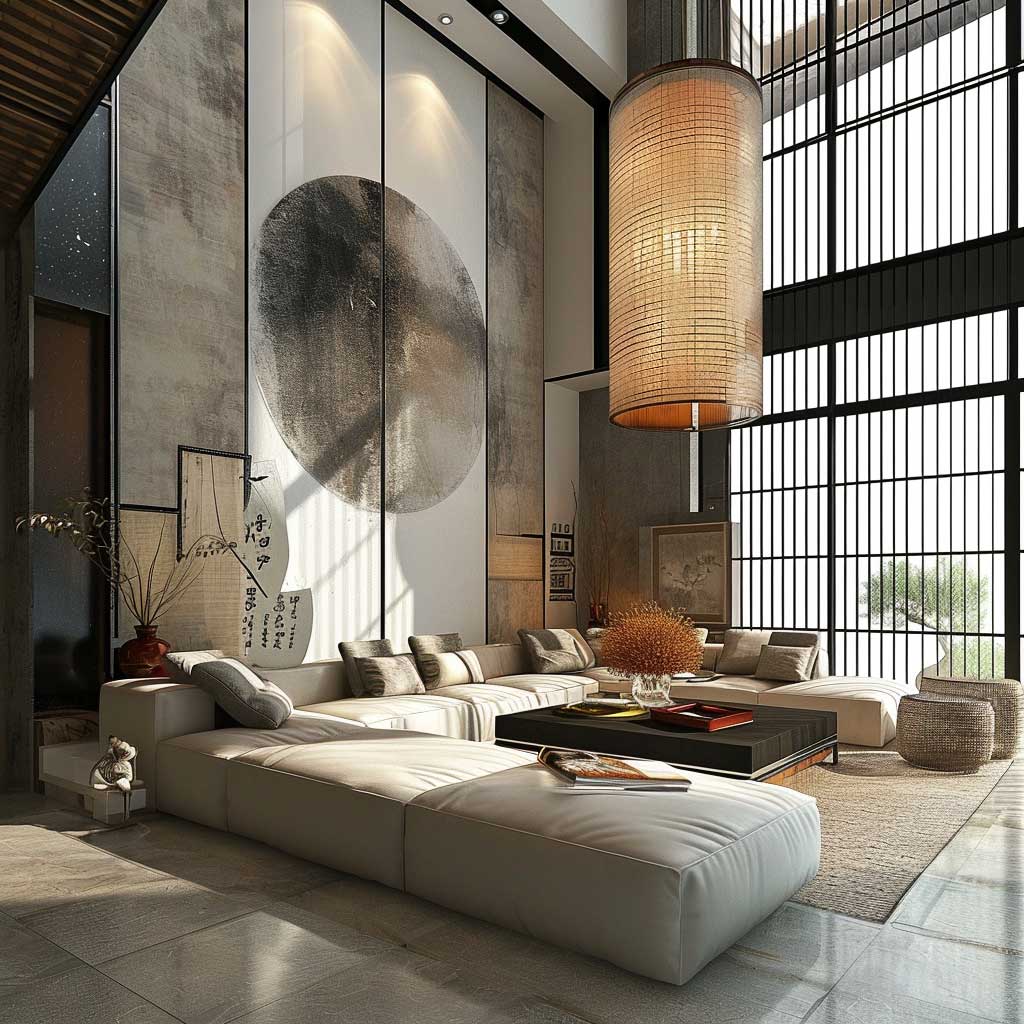

Lighting plays a significant role in showcasing the artistic elements of the kisame. Integrated lighting solutions, such as recessed LED strips or spotlights, can highlight specific features of the design. The lighting should be adjustable, allowing for different moods and atmospheres to be created within the sala, depending on the occasion or time of day.
The furniture and decor in the sala should complement the artistic kisame. Sleek, modern furniture with clean lines and understated colors can provide a counterbalance to the more expressive ceiling. Artistic elements, such as sculptures, paintings, or designer lamps, can echo the creativity of the kisame, tying the room’s aesthetic together.
A contemporary kisame with artistic flair in a modern sala is a celebration of modern design and creativity. It shows how the ceiling can be more than just a structural element, becoming a canvas for artistic expression. This approach to kisame design not only enhances the visual appeal of the sala but also creates a space that is vibrant, dynamic, and reflective of modern artistic trends.
How to Plan a Simple Kisame Design for Your Sala
A step-by-step process for choosing and installing a modern ceiling design in your Filipino living room.
Tools
- Tape measure
- Laser level
- Power drill
- Putty knife
Materials
- Gypsum board (9mm)
- Metal furring channel
- Joint compound and tape
- Primer and ceiling paint
- LED strip lights (3000K)
Measure your sala ceiling
Measure length, width, and ceiling height. Note the location of existing wiring, fans, and light fixtures. Take photos for your contractor. A 20 sqm sala needs approximately 7–8 sheets of 4×8 gypsum board.
Choose your kisame type
Flat ceiling for rooms under 2.7m. Tray or drop ceiling if you want cove lighting and have at least 2.7m clearance. PVC for wet areas or extreme budgets. Show your contractor 2–3 reference photos from this page.
Install metal furring frame
Secure carrying channels to the existing ceiling at 400mm intervals using concrete nails or expansion bolts. Attach furring channels perpendicular at 400mm spacing. Use a laser level to ensure everything is perfectly flat.
Mount gypsum boards and finish joints
Screw gypsum boards to the furring channels using drywall screws every 200mm. Apply paper tape and joint compound on all seams. Sand smooth after drying. Apply one coat of primer before painting — skipping primer causes blotchy spots within months.
Install lighting and paint
For cove lighting, mount LED strips inside the tray border facing upward so light bounces off the flat center. For recessed lights, cut holes with a drywall saw and wire connections before final paint. Apply two coats of flat white ceiling paint for the cleanest finish.
Kisame Design for Bedroom vs. Sala — What Changes?
Bedroom kisame and sala kisame look similar on Pinterest boards. They shouldn’t be built the same way. Your sala gets foot traffic, cooking fumes, and the afternoon sun blasting through windows. Your bedroom gets eight hours of darkness and maybe a ceiling fan.
For bedrooms, a flat white ceiling with a single recessed ring light works perfectly. Total cost: $90–$215. Nobody needs cove lighting above their bed. I tried it once in my master bedroom — the blue LED strip made the room look like a karaoke bar at 2 AM. Replaced it with warm white spots within a week. That mistake cost me $60 in wasted strips.
Sala ceilings need to handle the chandelier or ceiling fan load. If your kisame design includes a dropped section, make sure the contractor installs a metal furring channel strong enough for a 5–8 kg fixture. I’ve seen gypsum boards crack within six months because someone hung a heavy chandelier on a flimsy frame. Ask for 0.5mm thick C-channel minimum.
FAQ
What is a kisame in Filipino home design?
How much does a simple kisame design cost for a sala?
What is the best material for a simple kisame design?
Can I install a kisame design in a room with a low ceiling?
What LED color temperature works best for sala kisame?
Is kisame design different for bedrooms and living rooms?
Your Sala Deserves a Ceiling That Works as Hard as You Do
A simple kisame design doesn’t mean a boring one. The 21+ ideas above prove you can get a modern, clean ceiling for your sala without hiring an architect or blowing $1,800. Flat gypsum with warm cove lighting hits the sweet spot for most homes.
Pick one design. Show it to your contractor. Set a real budget before anyone starts drilling. That’s it. The ceiling you look up at every night should make you feel something — not just fill a gap between your walls.