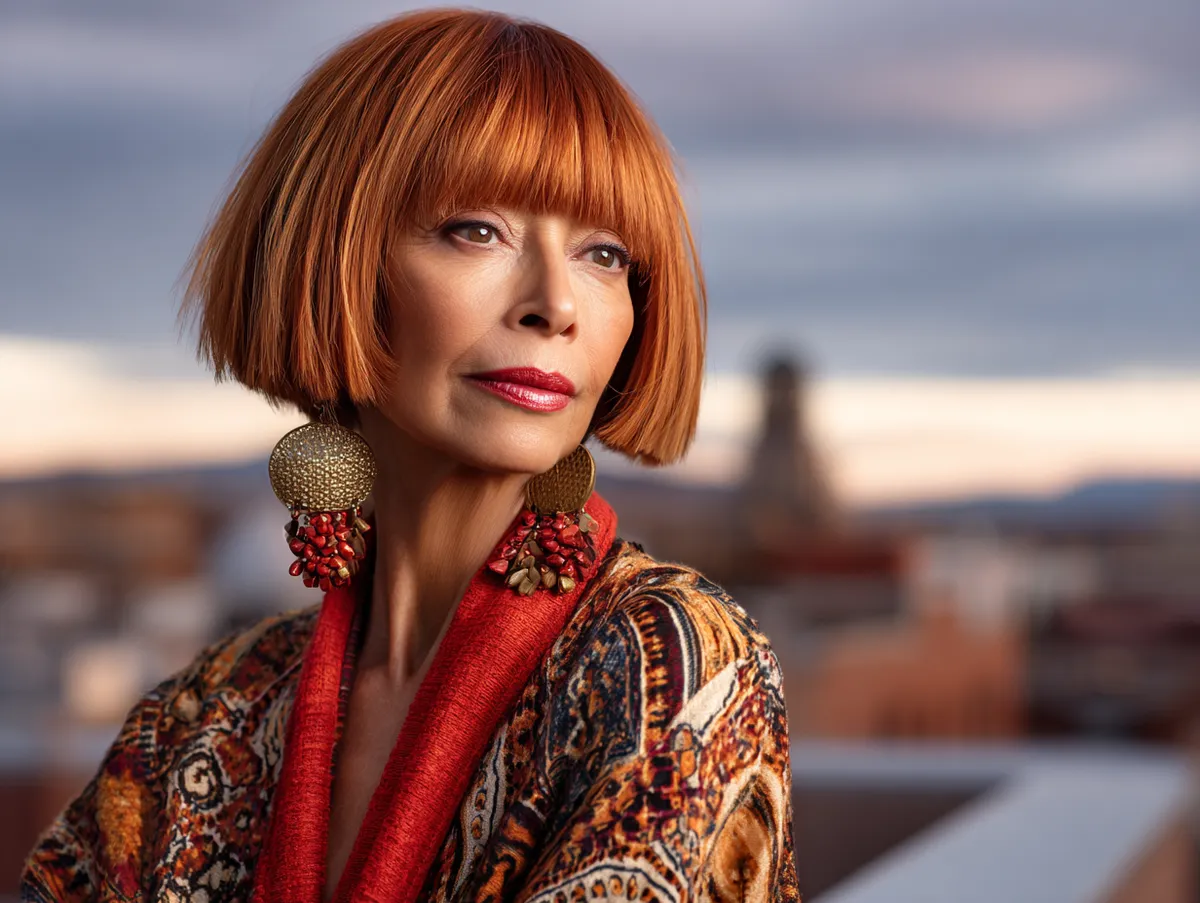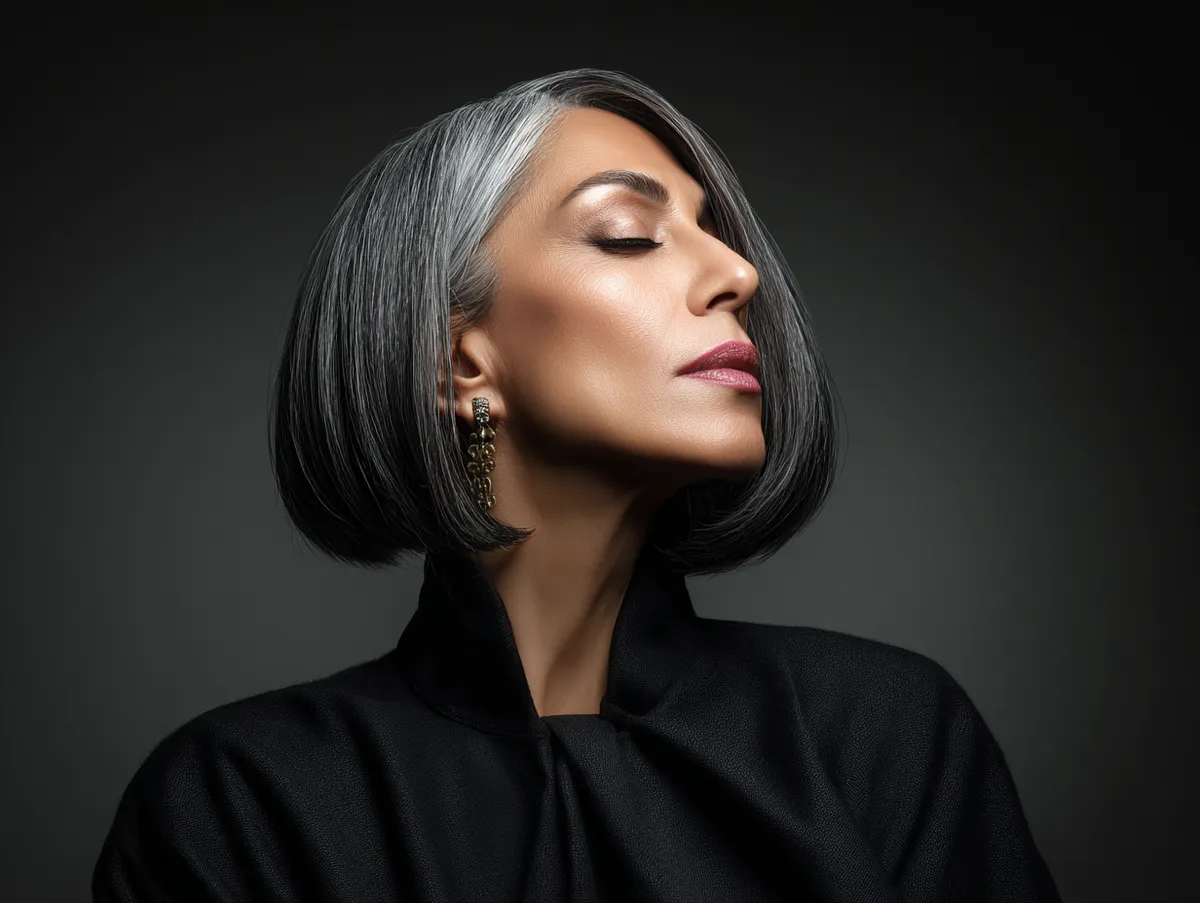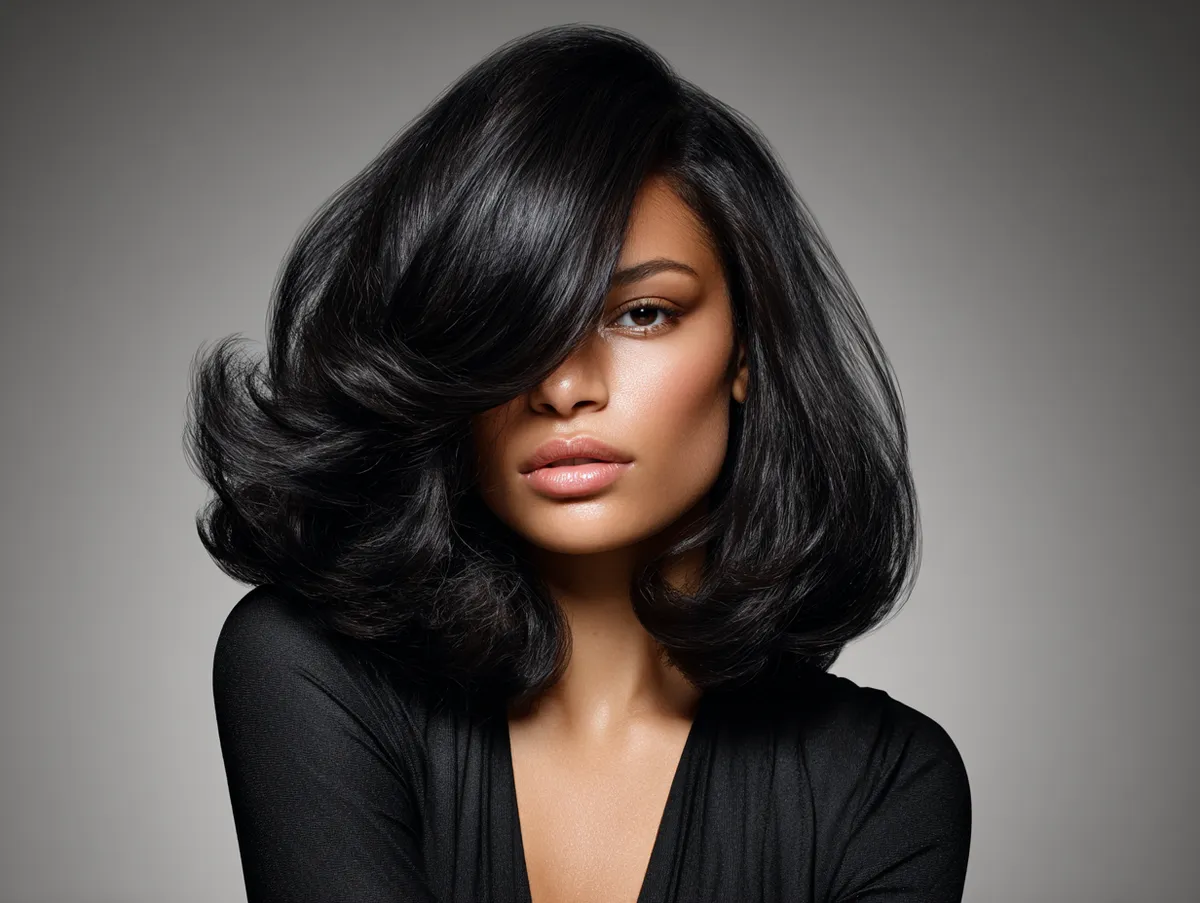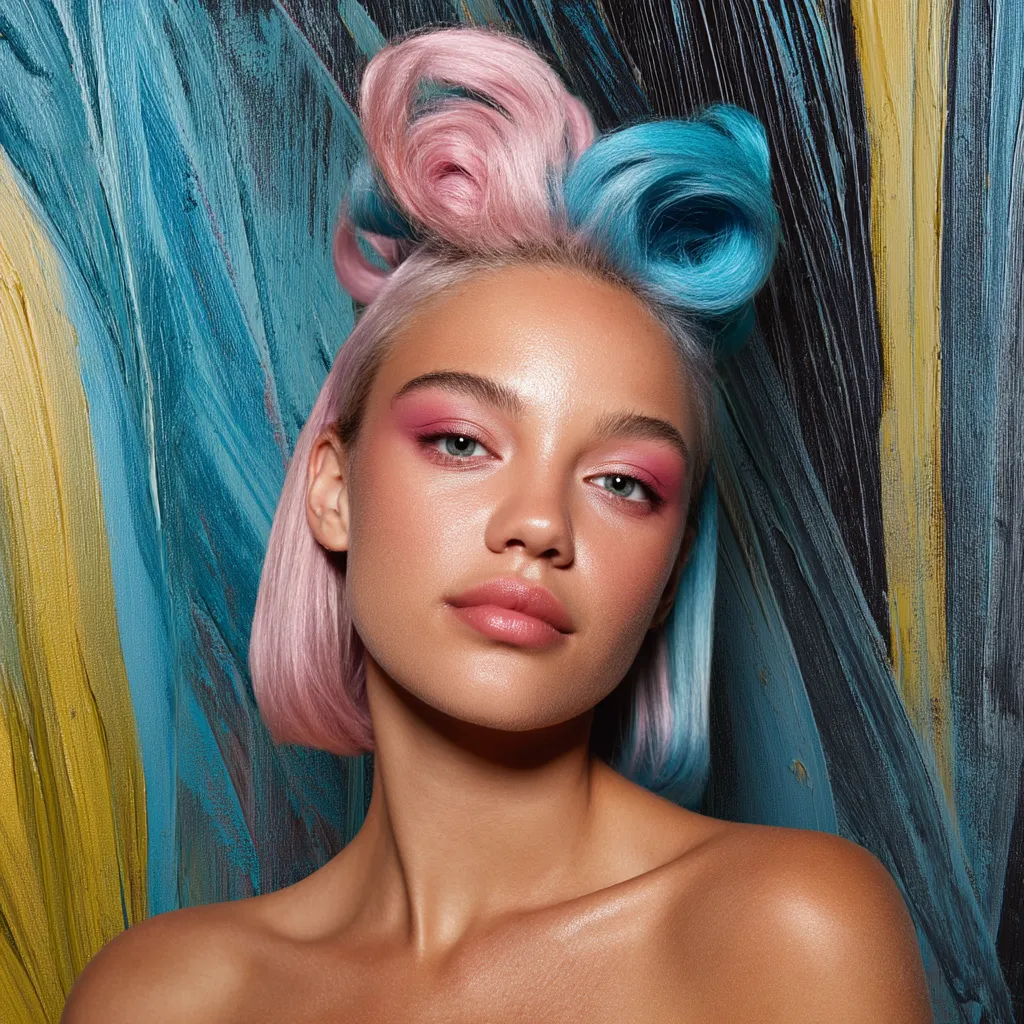
Abstract hairstyles for shoulder-length hair occupy a specific sweet spot: bold enough to read as intentional, short enough to stay manageable. These three styles pull directly from abstract art — geometric structure, asymmetric composition, fluid sculptural form — and translate those ideas into cuts and techniques that actually hold up at a dinner table or an art opening.
Shoulder-length hair sits in the range most stylists call mid-length, roughly collarbone to just past the shoulder. That’s enough length to shape, twist, braid, and layer without the weight that makes longer hair droop. The styles here exploit exactly that range.
Each section below covers one distinct look, what makes it work technically, what to avoid, and at least one number worth knowing before you book your next appointment.
Quick Scan
• Geometric layers with bold color blocks: high impact, requires color-protective upkeep and trims every 6–8 weeks for color-treated hair
• Asymmetric braids with pastel highlights: L’Oréal Colorista 1-Day Spray (~$9.95) lets you test pastel shades before committing to permanent dye
• Twisted half-up with abstract swirls: a flexible-hold hairspray applied during styling — not after — keeps the swirls intact all day







What Geometric Layers Actually Do to Shoulder-Length Hair
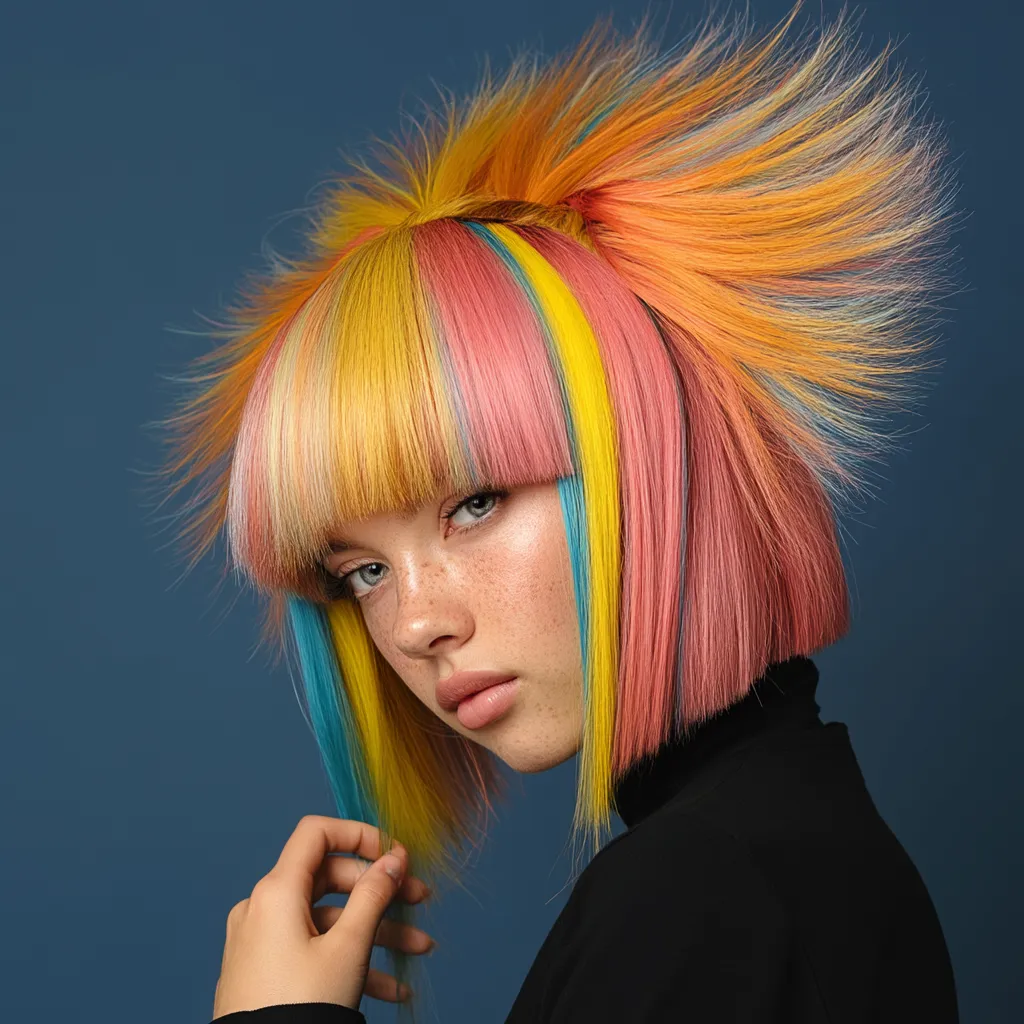
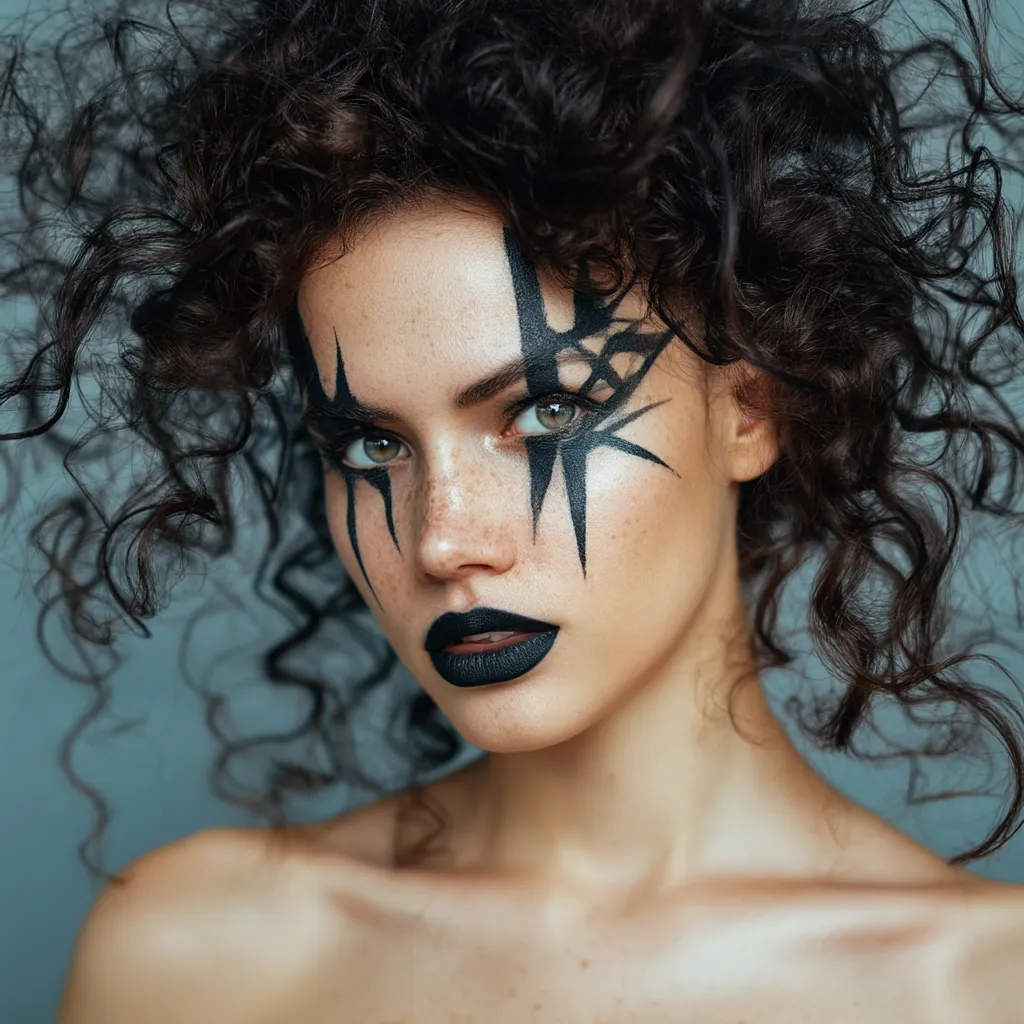
Geometric layers for shoulder-length hair work because angular cuts interact with face shape the way architectural lines interact with a room — they redirect the eye. The layers are cut at sharp, deliberate angles rather than soft blends, forming defined planes that frame the face from multiple directions at once. Ask your stylist to keep the shortest interior layers at chin level or below; anything shorter tends to flip outward in humidity and requires daily flat-iron work to correct.


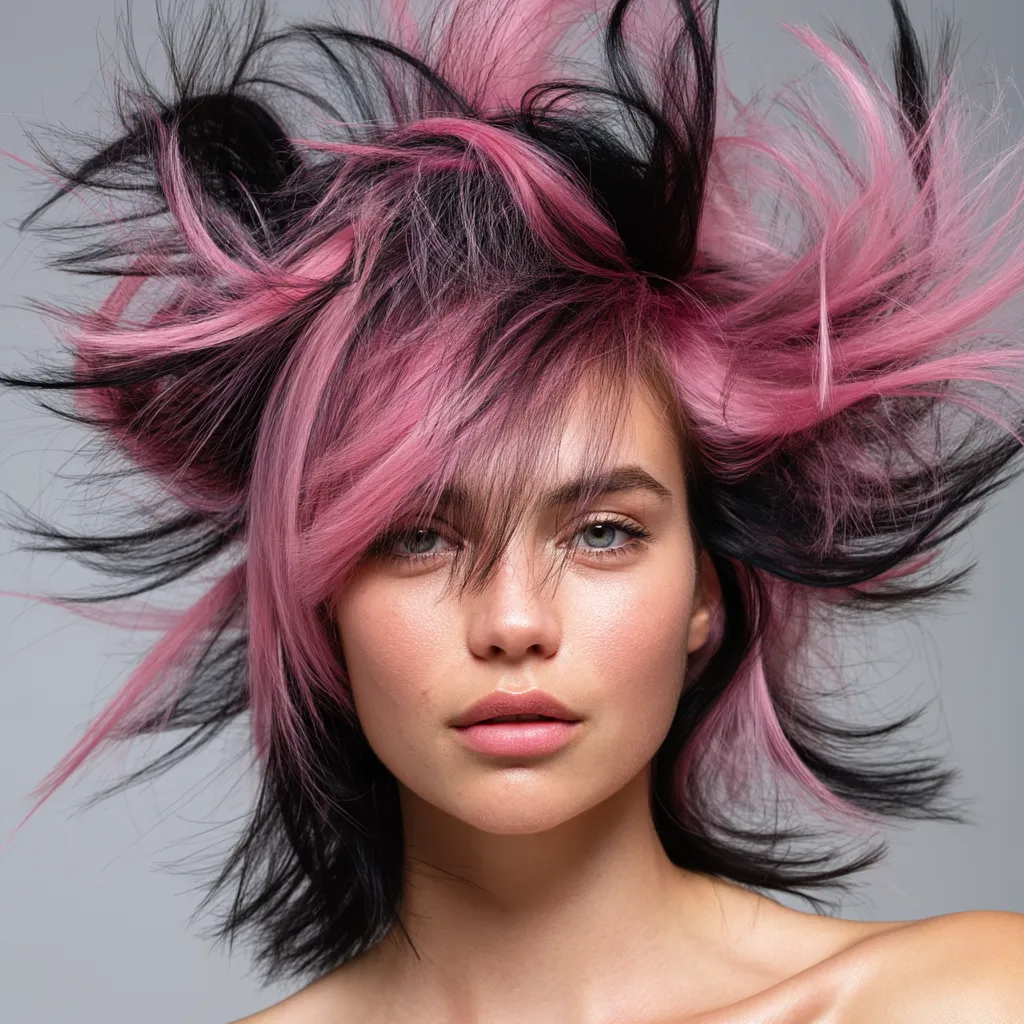
Color placement follows the same logic as the cut: blocks of red, blue, or yellow sit within defined sections rather than blending through the hair. The color doesn’t fade naturally into adjacent strands — it stops where the layer stops. That precision is what makes the whole thing read as abstract art rather than a standard highlight job. Does this mean the color fades faster along those hard edges? Yes — the perimeter of each color block oxidizes first, which is why color-protective shampoo matters here more than in almost any other style.
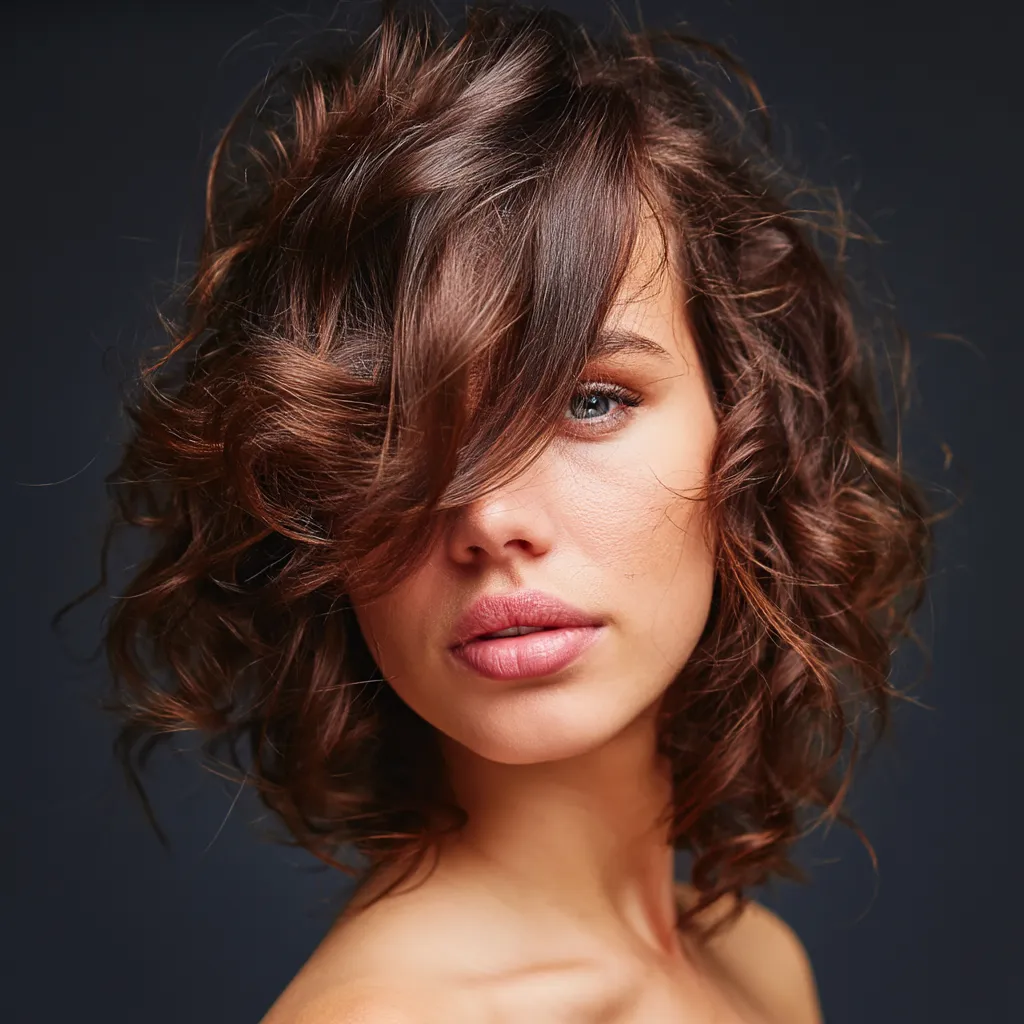
Stylists recommend scheduling trims every 6–8 weeks for color-treated hair at this length, since the sharp angles lose their definition faster than softer cuts as the hair grows out. Upscale urban salons charge $45–$75 for a women’s haircut, though precision geometric work sometimes runs higher. The investment makes sense only if you maintain it — an overgrown geometric layer doesn’t just look soft, it looks abandoned. For a different take on how layered shoulder-length hair can be worn with a polished finish, the contrast is instructive: sleek and structured versus bold and angular pull from opposite ends of the same toolbox.
Don’t Do This
Don’t attempt a DIY color block on hair that hasn’t been bleached first — the blocks won’t read as distinct colors on darker bases, and the bleed between sections will erase the geometric concept entirely. If you’re not prepared to bleach in sections with a professional, skip the bold color and focus on the cut alone.
Asymmetric Braids and Pastel Highlights on Shoulder-Length Hair
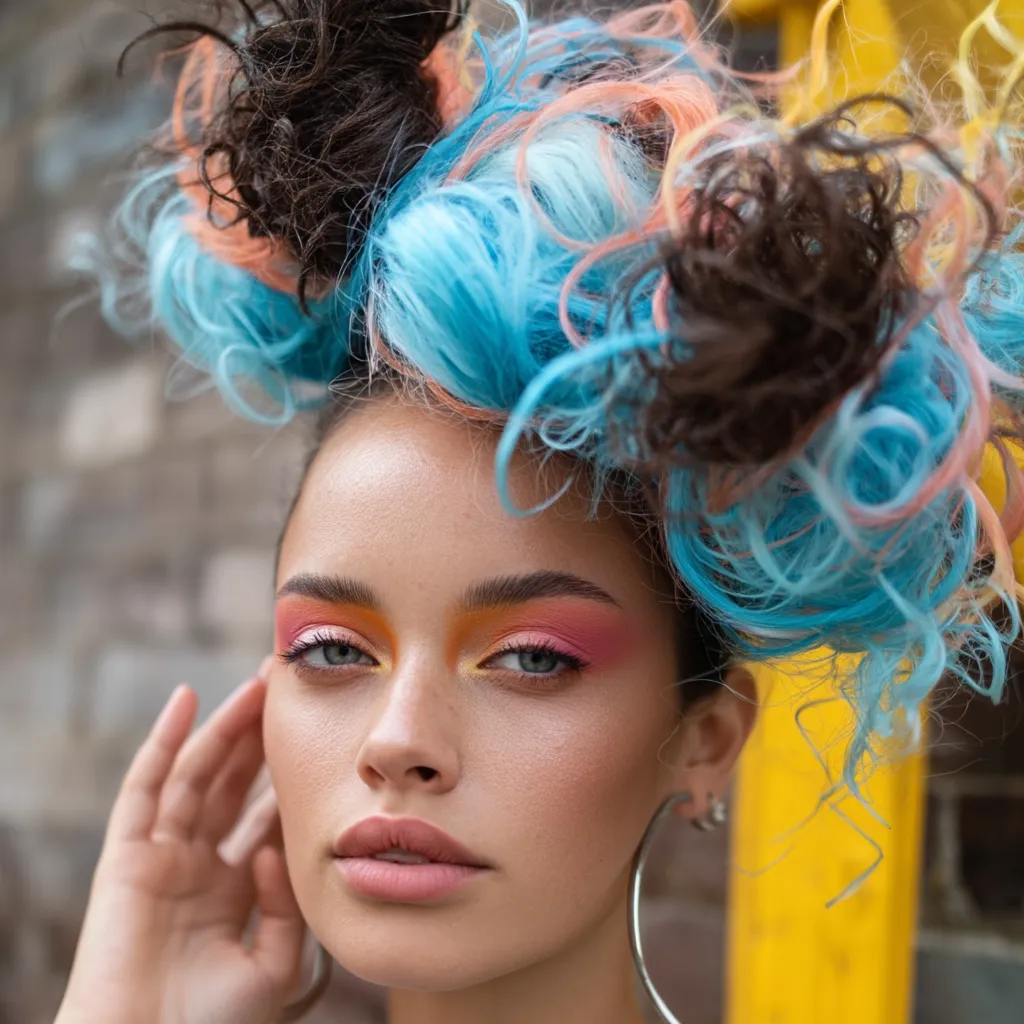
Asymmetric braids on shoulder-length hair borrow directly from abstract composition — the visual interest comes from deliberate imbalance rather than symmetry. Braids placed entirely on one side of the head shift the weight of the style laterally, creating the kind of tension that makes a person stop and look twice. The irregularity isn’t an accident; it’s the design choice.


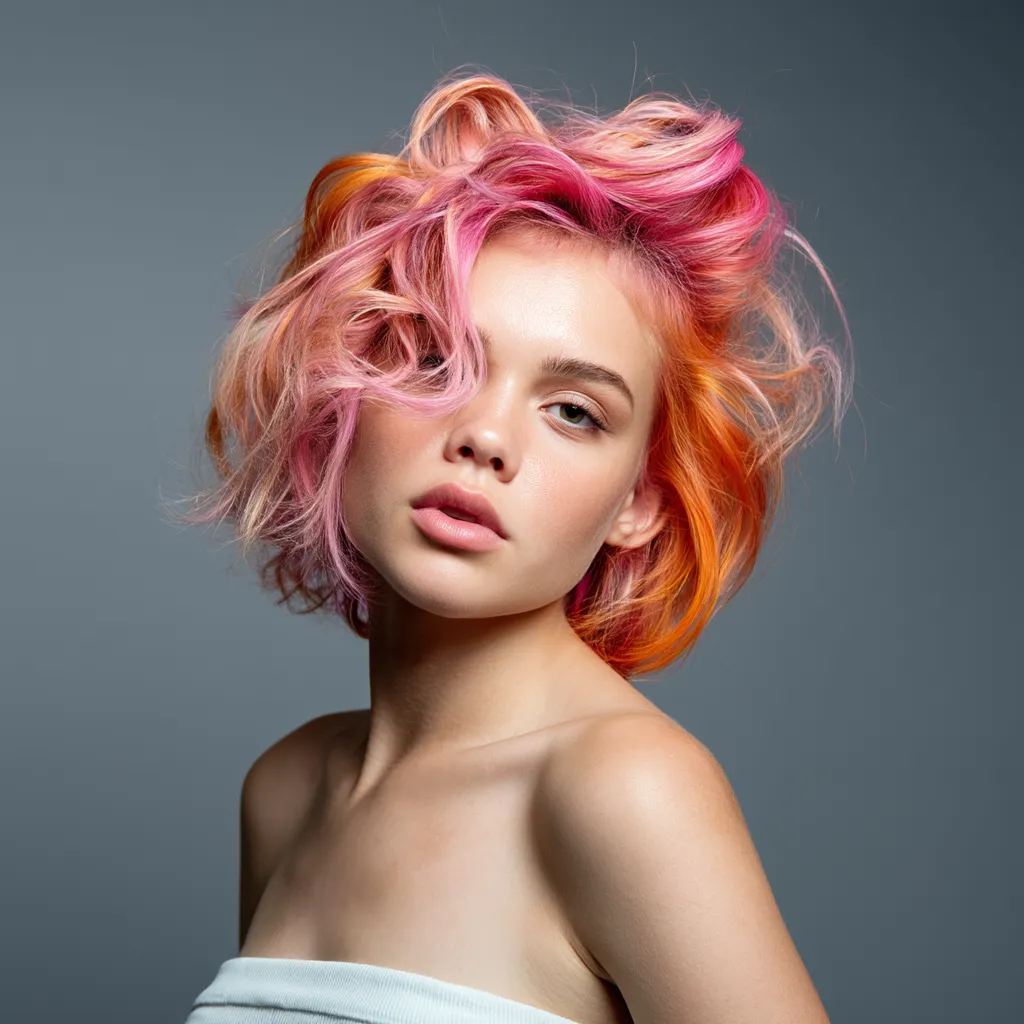
Pastel highlights in pink, lavender, and mint amplify the off-kilter quality of this look. Think of the color as punctuation — it appears where the braid appears, reinforcing the asymmetry rather than spreading evenly across all the hair. What’s the fastest way to test this before committing to permanent dye? L’Oréal Paris Colorista 1-Day Spray in Pastel Lavender runs about $9.95 at Walmart, washes out after a single wash, and shows you clearly whether a muted purple reads how you expect against your natural tone. It’s the only low-stakes rehearsal available for this kind of color decision.
Styling this look starts with sectioning the hair so the braid-side is clearly defined before a single strand gets twisted. Braiding too close to the crown flattens the asymmetric effect — keep the starting point at the temple or lower for the sharpest visual impact. For longer-term color, a stylist applies pastel dye only to the braided sections and the strands around them, keeping the non-braided side at its natural tone. For a look at how shoulder-length haircuts for thin hair use color strategically to build dimension, the techniques translate well to this braid-and-highlight approach.
The maintenance load here is lighter than it looks. Temporary chalk fades after one wash; Splat hair chalk typically lasts one to three uses, making it a better option than spray for multi-day events. Asymmetric braids themselves can last two to three days without re-braiding. Skip the heavy styling products on the non-braided side — they weigh down the contrast between structured and free-flowing, which is the whole point of the asymmetric concept.
Twisted Half-Up with Abstract Hairstyle Swirls
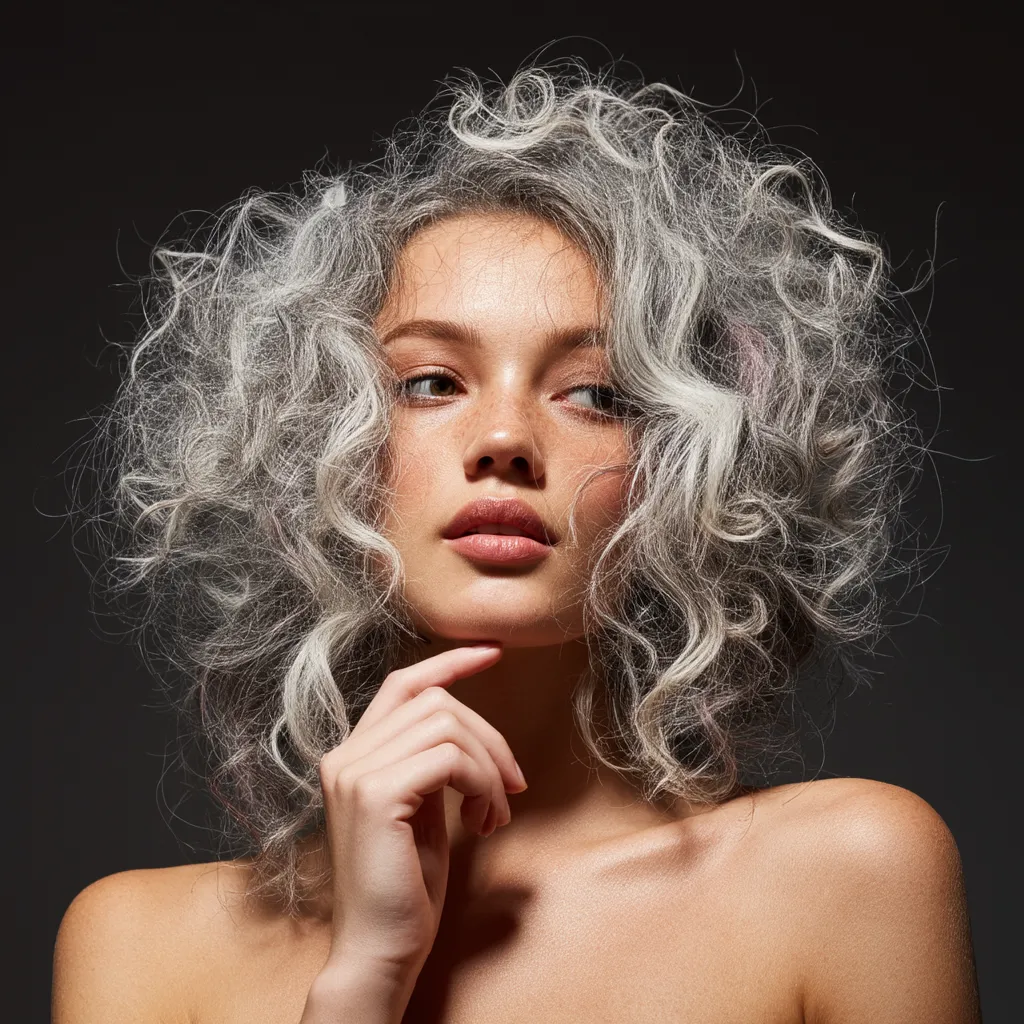
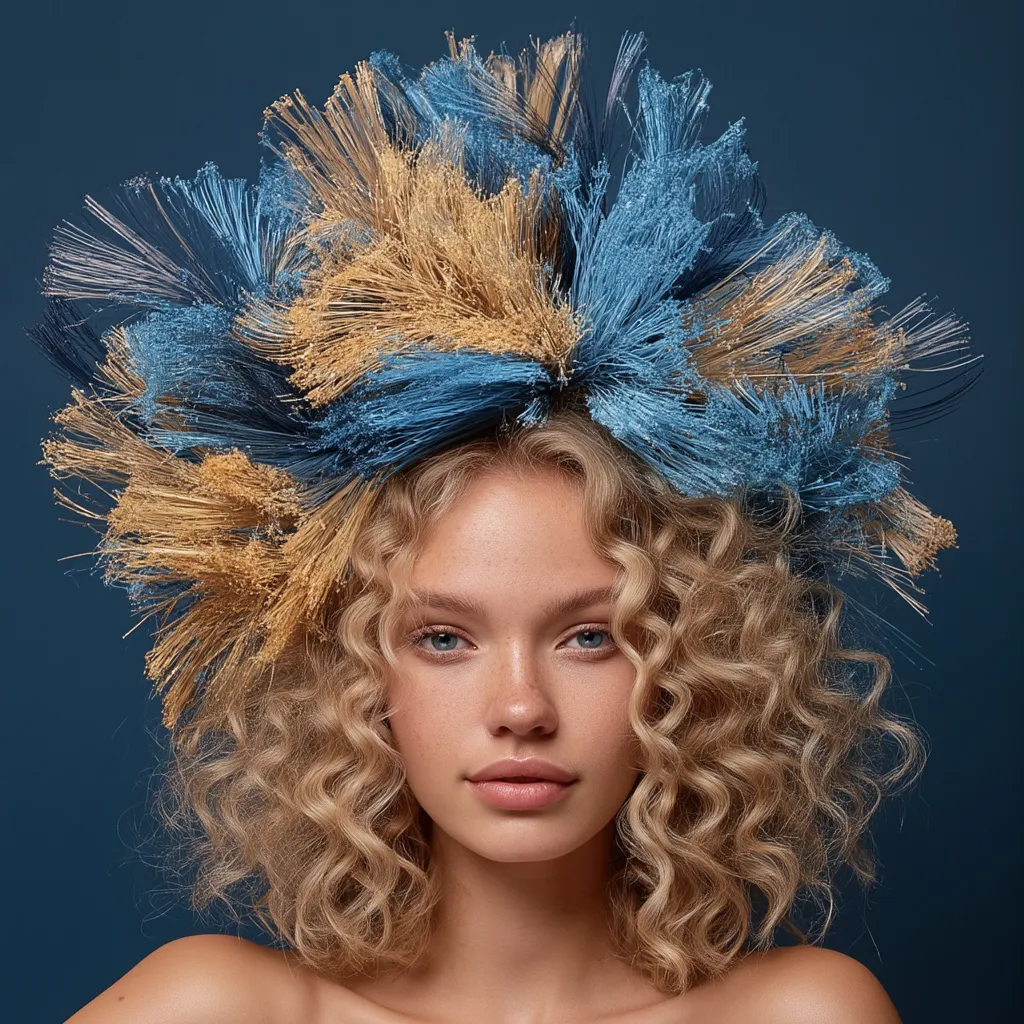
Abstract hairstyles don’t require cutting to make an impact — the twisted half-up swirl demonstrates that structure alone can create something that reads as sculptural. Sections of hair are twisted upward from the sides and crown, then pinned into overlapping spirals that reference the fluid brushstroke shapes you’d see in action painting or ink work. The lower hair stays down, creating movement below the fixed structure above.


Shoulder-length hair handles this better than longer hair for a counterintuitive reason: the shorter the hanging length below the swirls, the more the swirl structure reads as the focal point rather than competing with cascading length. Hair that hangs well past the collarbone tends to visually pull attention downward, diluting the sculptural quality of the pinned section. The trick here is applying a light-hold texturizing spray to each section before twisting, not after — grip during the twist is what gives the swirl its shape.
Stylists recommend finishing with a flexible-hold hairspray misted during the styling process, then a final light pass once everything is pinned. A medium-to-strong hold spray applied only at the end often creates a rigid feel that reads as styled rather than sculptural. Keep the bobby pins color-matched to your hair so the mechanics of the design stay invisible — visible pins are the fastest way to make a sculptural updo look like a rushed updo. Adding subtle highlights or lowlights before attempting this style makes the swirl depth visible from across a room, which is the point.
This look works for gallery events, formal dinners, and weddings where the dress code allows for something that won’t blend into the crowd. Don’t attempt it on freshly washed, ultra-smooth hair — hair with zero texture slides out of pins within the hour. One-to-two-day-old hair, or hair with a texturizing product worked through it, holds the shape significantly longer.
| Style | Key Technique | Maintenance Interval | Key Risk |
|---|---|---|---|
| Geometric Layers + Color Blocks | Angular point-cut layers, sectioned bold color | Every 6–8 weeks (color-treated) | Color bleed erases block definition |
| Asymmetric Braids + Pastel Highlights | One-sided braiding, targeted pastel placement | Temporary: per use; Permanent: 8–10 weeks | Symmetrical placement kills the concept |
| Twisted Half-Up with Swirls | Pre-twist texturizing spray, flexible-hold finish | Styling per occasion, no cut required | Freshly washed hair won’t hold pins |
L’Oréal Paris Colorista 1-Day Spray in Pastel Lavender — available at Walmart for $9.95 — is the lowest-commitment way to audition a pastel shade on the asymmetric braid look before booking a permanent color appointment.
Final Take
Three styles, one principle: structure borrowed from art holds longer than structure borrowed from trends.
Geometric layers need a trim every 6–8 weeks once color is involved — skip that window and the angles soften into something generic.
The asymmetric braid works because the imbalance is intentional. The moment it starts looking like a braid that “fell to one side,” it’s time to re-set the placement.
The twisted swirl half-up is the most occasion-specific of the three, but also the one that requires zero commitment to a new cut or color. Save this post before your next event and revisit the pinning technique.
Related Topics