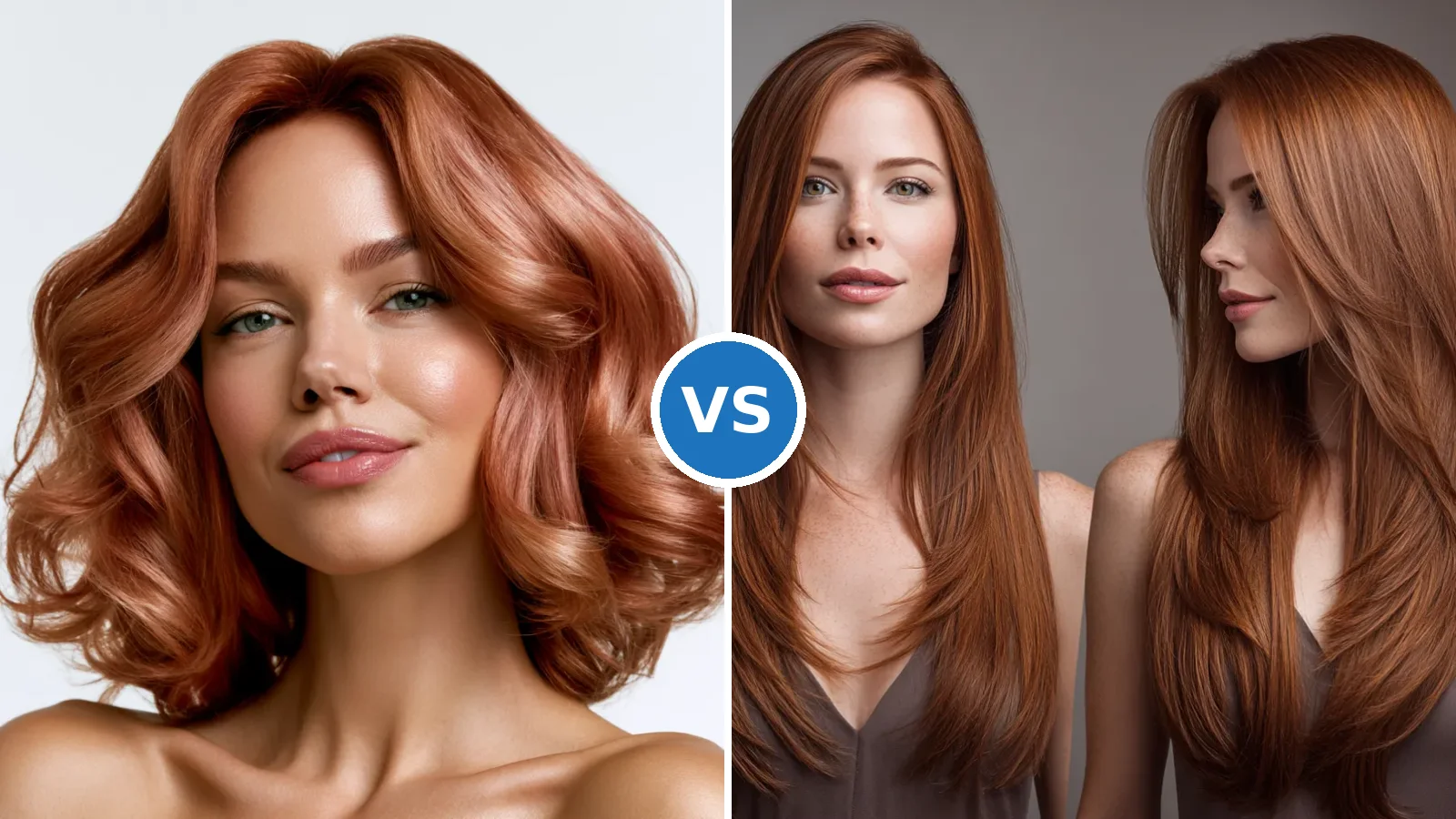
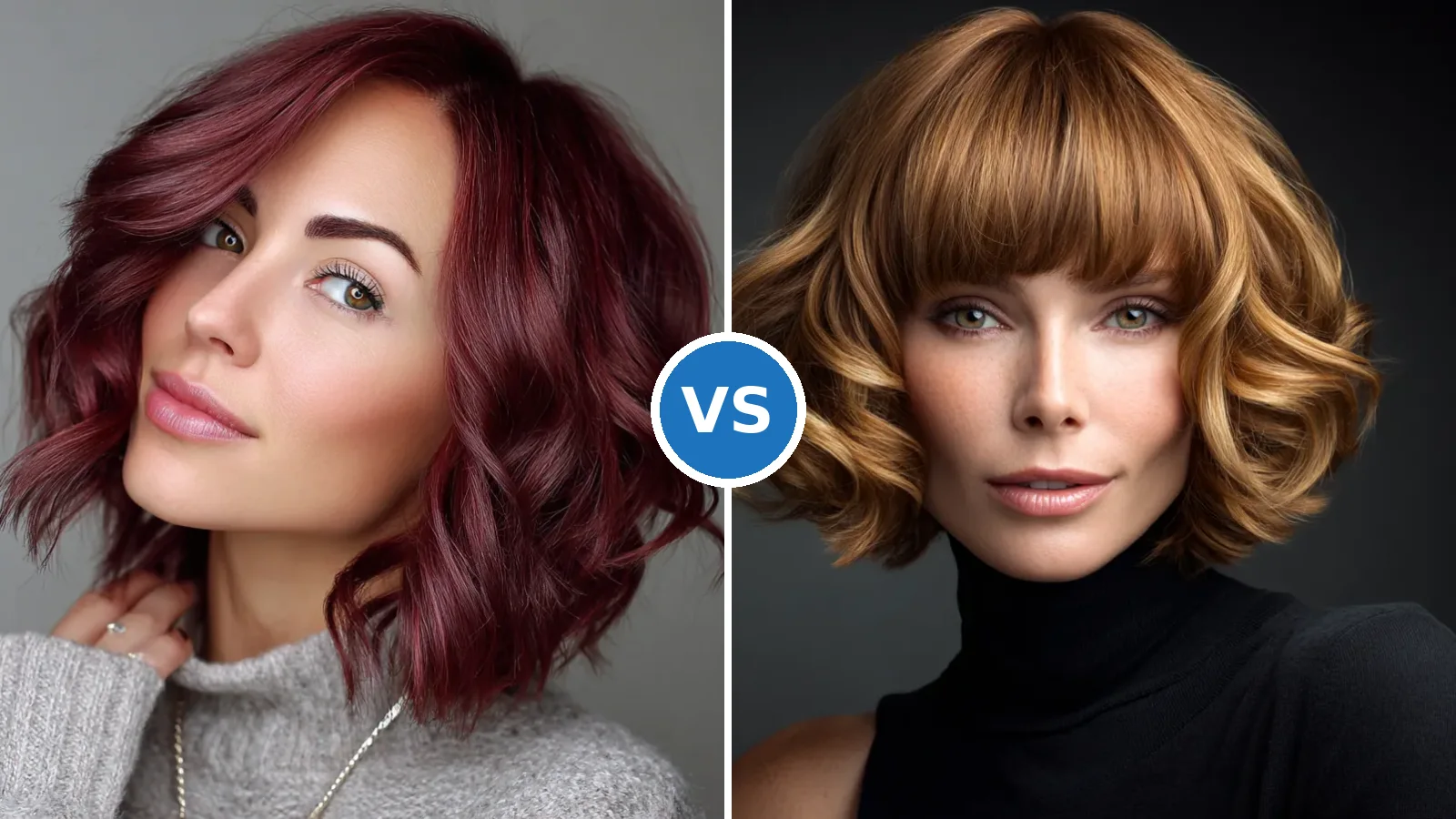
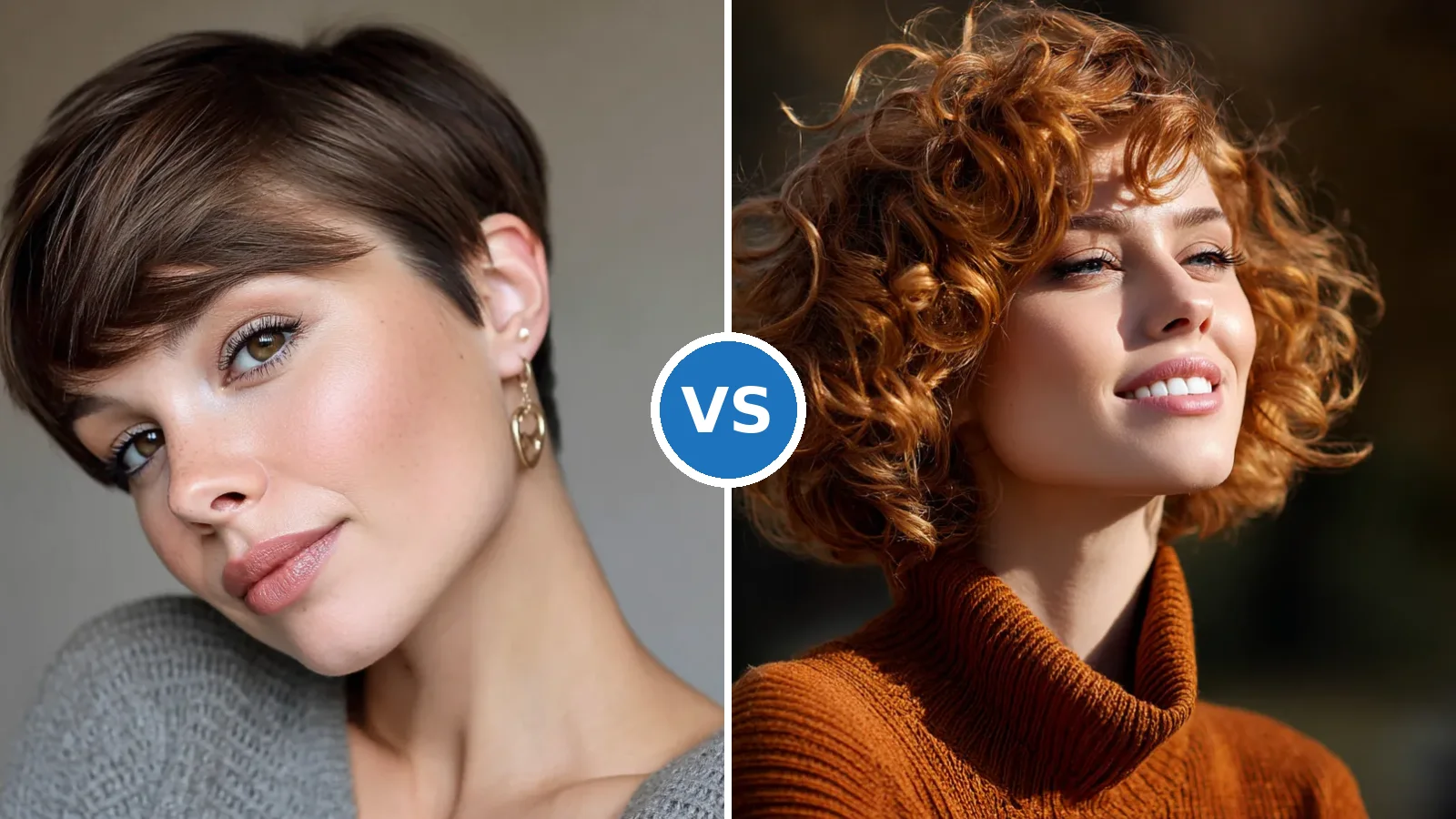
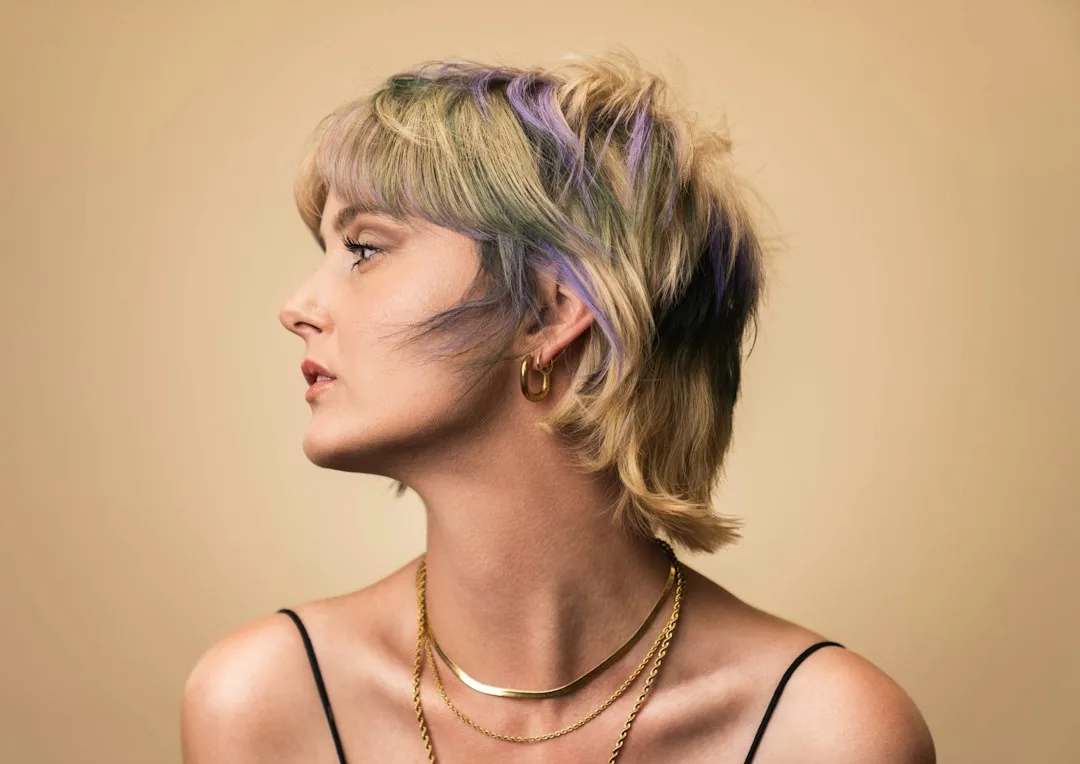
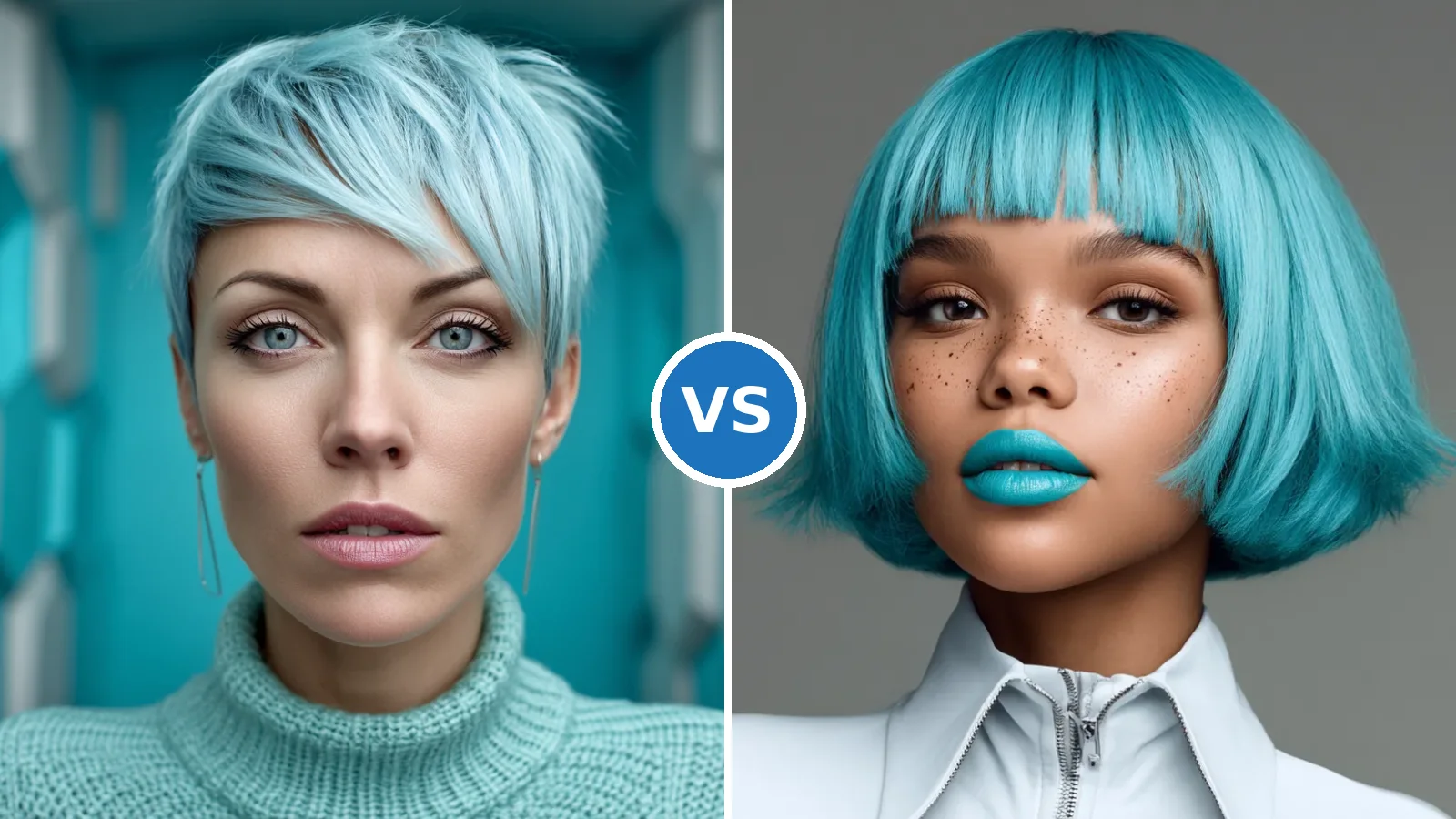
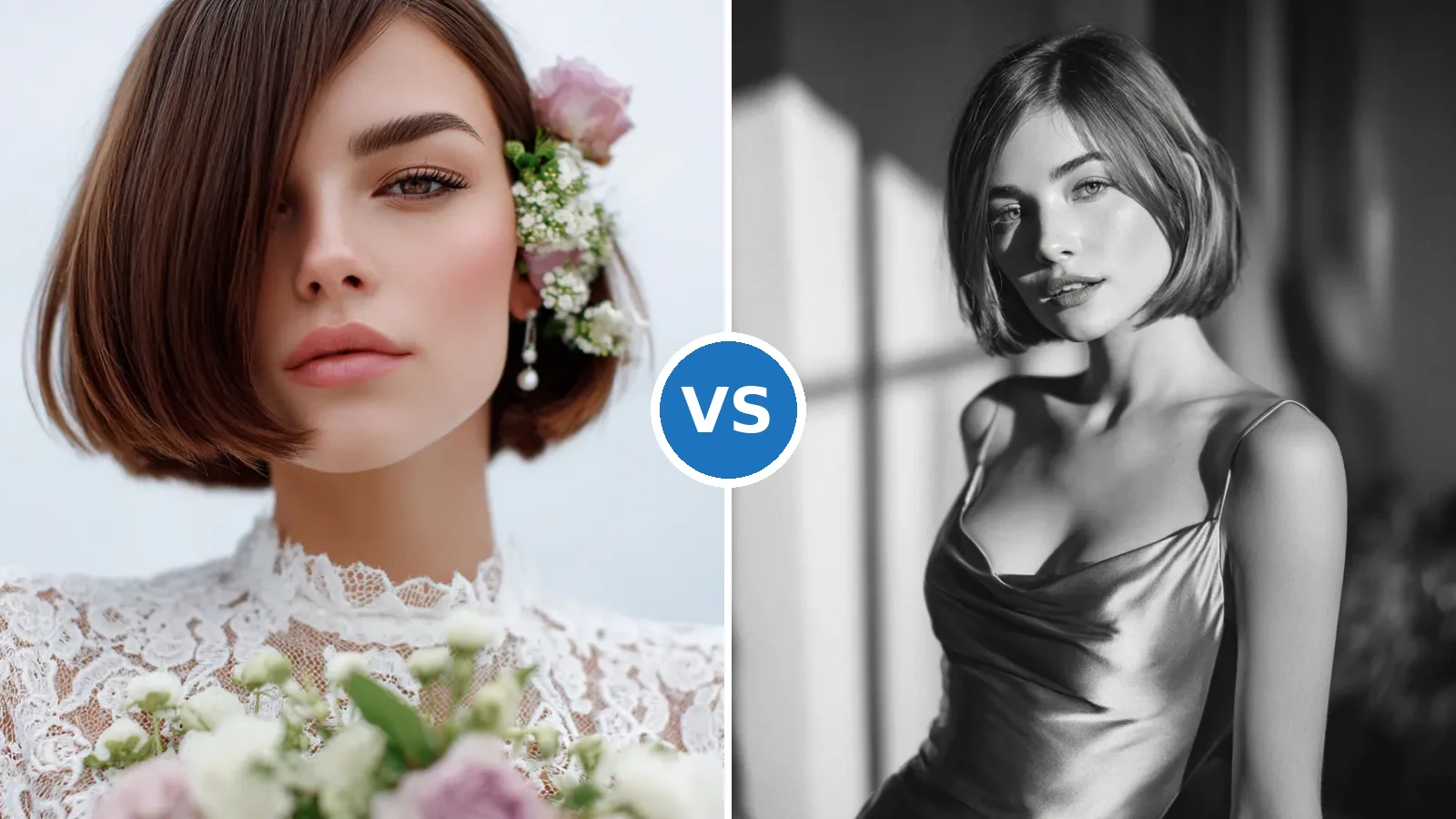
Hair styles for ladies shift fast this year, trading soft, undefined volume for structure you can actually see — a metallic-pinned braid, an angle-cut bob, or color placed with intention instead of an all-over dye job. Three looks anchor that shift: a braided crown built for events, an asymmetrical bob that reshapes a face in one cut, and pastel layers that add color without full commitment. Each one below comes with the actual products and price points behind it, not vague styling advice.
None of these three styles finish in ten minutes before work. A braided crown takes practice with sectioning, a sharp asymmetrical bob depends entirely on the stylist’s precision, and pastel layers need a maintenance routine most people skip in the first month. Skipping prep on any of them is the fastest way to end up with something that looks unfinished rather than intentional.
Quick Scan
– A braided crown with metallic clips holds shape 7-10 days with a satin bonnet routine
– An asymmetrical bob needs a trim roughly every 7 weeks to keep its angle sharp
– Pastel highlights fade fastest at the root and need refreshing every 3-4 weeks
– The comparison table below breaks down maintenance and cost for all three
– Skipping the right prep product is the most common way any of these three fail early
Metallic Clips Make a Braided Crown One of This Year’s Sharpest Hair Styles for Ladies
A braided crown used to read as purely bridal, but gold and silver clips have turned it into one of the more versatile hair styles for ladies working outside weddings too. The clips do more than decorate — they hide the pin work holding the braid’s shape, so the finish looks sculptural instead of fussy. A section-by-section Dutch braid, pinned toward the crown and dressed with a pearl or metal clip where the braids meet, holds through a full evening without a single flyaway. Think of it the way a stone archway holds weight: the strength comes from how the pieces lock together, not from any single pin doing the work.


How long does a braided crown actually last before it needs redoing? Stylists who track this kind of thing report crown braids holding shape for 7 to 10 days with a satin bonnet and light edge touch-ups, which is longer than most people expect from a braided style. Second- or third-day hair grips better than freshly washed strands, since a little natural oil gives the braid something to hold onto. Dry shampoo at the roots the morning of styling does the same job on cleaner hair.
Freshly conditioned, slippery hair is the one thing that ruins this braid fastest — the strands have no texture to grip, and the crown loosens by midday no matter how many pins go in. Day-old hair or a light dry shampoo application fixes that grip problem in minutes. For a version built specifically to survive a long night out, formal braided hairstyles for long hair cover the exact pinning order that keeps a crown updo from sagging by dessert.
A Slightly Longer Side Is Why This Asymmetrical Bob Reads Editorial, Not Everyday
Ask a stylist for the latest haircut for ladies right now, and an asymmetrical bob is what most reach for first, since one longer side reshapes a whole face without a single dye job needed. The uneven length works like a picture frame set slightly off-center — it draws the eye toward the jaw and cheekbones instead of letting the face read as one flat oval. Vivid streaks of blue or purple against dark hair add a second layer of contrast, though the cut holds its shape with or without the color. Skipping a face-shape check before that first cut is a common miss, since the same length ratio that slims an oval face can sit heavier on a rounder jaw.


How often does an asymmetrical bob need a trim to stay sharp? A senior stylist quoted by Elle recommends coming in near every seven weeks, since the shorter side grows out faster relative to the angle and the whole line goes soft without regular upkeep. Fine hair loses that crisp edge even faster, so stretching past that window usually means booking a full reshape instead of a quick trim. The same cut reads differently depending on face shape — asymmetrical bob for round or fuller face shapes breaks down which length ratio actually slims a rounder jawline instead of just adding volume at the sides.
Don’t Do This
Box-dyeing vivid streaks at home on a precision cut like this is the fastest way to wreck it. Home color doesn’t account for the cut’s angle, so the color often pools unevenly at the shorter side and looks patchy within a week. A colorist working from the same reference the cutting stylist used keeps the streaks aligned with the shape instead of fighting it.
Root-First Fading Changes How These Pastel Hair Styles for Ladies Get Washed
Soft, lived-in layers with pastel ends are the gentlest entry point into color among hair styles for ladies that still read work-appropriate. Long layers add movement without cutting into length, and pastel pink or lavender pieces sit just at the ends rather than saturating the whole head, keeping the color low-commitment. Loosely curled with a large-barrel iron, the layers catch light without needing a full head of vivid color to look finished. It reads more like a watercolor wash over the hair than a solid dye job — soft edges instead of a hard color block.


How fast does a pastel color like this actually fade? Colorists generally put pastel and other vivid shades on the faster end of the fading scale, needing a refresh roughly every 3 to 4 weeks compared with 6 to 8 weeks for standard permanent color. The color fades from the root outward first, since that’s the newest growth with the least pigment deposit, so a root-focused touch-up often costs less than redoing the full length. Washing this color daily is the fastest way to strip it — pastel pigment sits on the hair’s surface rather than penetrating it, so frequent shampooing rinses it out in days instead of weeks.
A purple or color-depositing shampoo, like Kevin Murphy’s Blonde Angel Wash at roughly $37 for 8.4 ounces, keeps the blonde base underneath pastel tones from turning brassy between salon visits. L’Oréal’s hair colorists break down how wash frequency affects fade speed across different color types, which matters more for pastel than for darker permanent shades. Flowing layers with pastel highlights work for almost any hair type, but they ask for a slower wash routine than most people are used to.
| Style | Best For | Maintenance | Key Product |
|---|---|---|---|
| Braided Crown | Events and updos | Rebraid every 7-10 days | Metallic or pearl hair clips |
| Asymmetrical Bob | Round or angular face shapes | Trim near every 7 weeks | Color-safe shampoo |
| Pastel Layers | Low-commitment color | Refresh every 3-4 weeks | Purple/color-depositing shampoo (~$37) |
THE TAKEAWAY
Small maintenance choices keep these hair styles for ladies looking sharp, not the cut or color alone.
A braided crown holds shape through a satin bonnet routine, not extra hairspray.
An asymmetrical bob needs a trim near the seven-week mark, or the angle softens first.
Pastel highlights fade from the root within three to four weeks — plan the refresh before it happens. Save this post to keep the maintenance schedule for all three styles in one place.
Related Topics