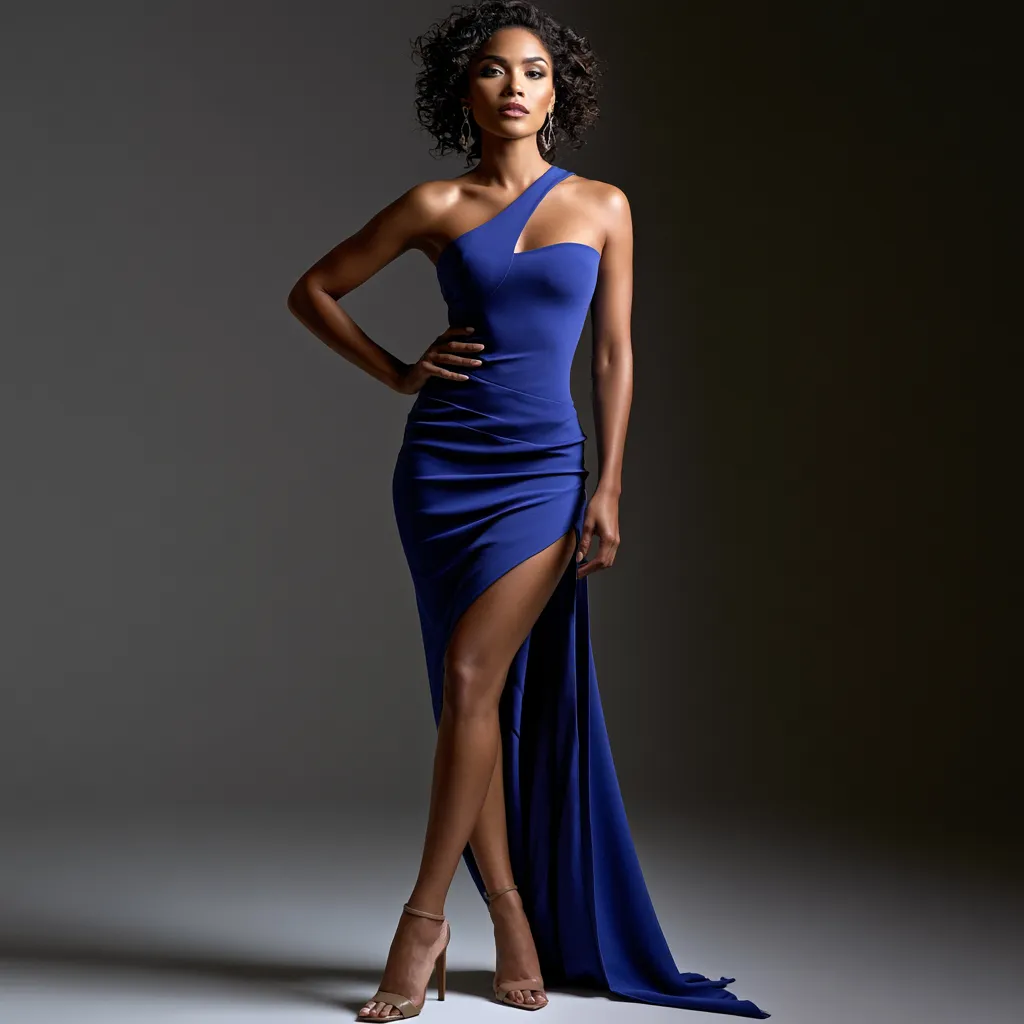
A retro polka dot look lands differently than most vintage references — the pattern does the era signaling before a single accessory is added. Whether the dots are quarter-sized on a black swing skirt or pin-sized on navy chiffon, the visual code is immediate: 1950s Hollywood, rockabilly diners, or 1960s Mod minimalism. Stylists consistently return to polka dot retro dresses when they need a look that photographs well, reads clearly in a crowd, and doesn’t require explanation.
According to the Pinterest 2025 Fall Trend Report, “polka dot outfits” searches rose 1,026% year-over-year — a number that reflects not nostalgia but active demand. The three looks below each draw from a different decade and a different silhouette, giving you a concrete starting point whether you’re reaching for a sweetheart neckline, a circle skirt, or a clean-lined shift.
Each section includes a verified price range for the dress type discussed, a specific accessory formula, and at least one thing that tends to collapse the look when done wrong. Start with whichever silhouette matches your body comfort, then use the styling notes to pull it into a full outfit.
– Black-and-white sweetheart swing dress + slim belt + kitten heels = the clearest 1950s Hollywood reference available under $50
– Red-and-white circle skirt + bandana updo + chunky heels = rockabilly formula that actually photographs; skip the petticoat unless the skirt is structured enough to support it
– Navy shift dress with small dots + ballet flats + winged liner = the most wearable retro look for daytime events — no era-specific accessories needed
– Pinterest data: “polka dot outfits” searches up 1,026% in autumn 2025
– Dot scale matters: oversized dots on a shift dress look costume-adjacent; small dots read sophisticated at every length
Black-and-White Swing Dress Retro Polka Dot Look
The black-and-white polka dot swing dress is the clearest reference point in a retro polka dot look — the silhouette and the pattern together do the decade-signaling that five accessories couldn’t. The mechanics are straightforward: the sweetheart neckline draws attention upward, the nipped waist creates the hourglass, and the full skirt generates movement. Brands like Jolly Vintage sell this construction for $35.99 to $49.99, which makes it the most accessible entry into 1950s-referencing fashion on the market. The trick is in the belt — a slim black or white grosgrain ribbon cinched at the natural waist holds the silhouette together in a way that a loose or undefined waist never does.
White kitten heels at a two-inch height are the historically accurate pairing and also the practical one: low enough for extended wear, high enough to lengthen the leg line under a full skirt. A structured handbag in cream or black keeps the palette contained. Pearl studs or a single strand of pearls add a mid-century finishing note without layering competing visual elements. Cat-eye liner — even a minimal flick — completes the makeup reference without requiring a full beauty look. The silhouette works for daytime events, garden parties, and vintage-themed occasions where you want the look to read clearly at a glance.
What doesn’t work: oversized dots on a full swing skirt. A swing silhouette amplifies everything visually, so large dots at that scale read theatrical rather than retro. Stylists recommend keeping dot size at or below one centimeter on a full skirt, reserving oversized dots for shift cuts where the absence of volume balances the print’s boldness. Also avoid a wide structured belt — it competes with the sweetheart neckline and divides the body at an unflattering proportion. A narrow ribbon or a thin leather belt at the natural waist is the ceiling here, not the floor. For vintage polka dot dress outfits with cat-eye accessories, the styling logic extends directly from this silhouette.


For a layered version in cooler weather, a fitted short cardigan in ivory or black extends the look without disrupting the silhouette. Avoid cropped jackets that end mid-skirt — they interrupt the waist-to-hem ratio that defines this silhouette’s appeal. A wide-brimmed hat in black or cream adds photography-specific drama for outdoor shoots and works proportionally with the full skirt. Think of the overall composition like a film still from the early 1950s: every element should be legible at a distance, and nothing should fight for visual priority with the polka dot print itself.
Red-and-White Circle Skirt and the Rockabilly Retro Polka Dot Outfit
A retro polka dot outfit built around a red-and-white circle skirt dress occupies a specific subcategory of vintage dressing — it references rockabilly and 1950s diner culture rather than Hollywood formality. The Dolly and Dotty “Darlene” rockabilly swing dress in red, for example, runs approximately 105 cm in total length with a 95% cotton construction, which means the fabric holds its swing shape through a full evening of movement. Chunky heels — specifically Mary Janes or rounded-toe pumps in red or black — are the correct footwear here, not stilettos; stilettos flatten the rockabilly reference into something that reads more cocktail than retro. The circle cut allows for a wide range of motion that naturally suits dancing, making this the dress silhouette most likely to actually get worn to rockabilly and vintage music events.
A bandana or printed headscarf worn as a half-updo is the single most effective accessory addition in this category. It solves a practical problem — keeping hair controlled during movement — while adding an era-specific visual note that no jewelry piece replicates. Does a petticoat add impact? Yes, but only if the circle skirt’s own construction is structured enough to hold the volume. A limp or lightweight circle skirt underneath a petticoat creates uneven volume distribution that collapses at the sides — try the skirt on its own first and only add a petticoat if the existing hem line already moves with weight. A fitted bolero or short-sleeved cardigan in matching red extends the look for events with air conditioning and keeps the color palette anchored.
Don’t pair a red-and-white polka dot circle skirt dress with a subdued or neutral shoe. The dress reads bold; the footwear needs to match the energy — red, white, or black, and always with a block or chunky heel. Nude kitten heels kill the rockabilly reference and push the look toward generic vintage rather than a specific era. Similarly, avoid adding a structured tote bag: it introduces an office-adjacent note that clashes with the dress’s inherent casual confidence. A small clutch or a structured top-handle bag in black patent is the correct scale and finish for this silhouette.


For readers who find saturated red too high-contrast for their complexion, deep burgundy with white dots preserves the retro polka dot look without the intensity. The white dot element is the non-negotiable part of this combination — it provides the visual break that makes the print legible from a distance. A layered petticoat in ivory or red under the skirt adds a full 1950s silhouette for photographs but increases the warmth of the overall look significantly; plan accordingly for outdoor settings. If wearing the full dress feels like a commitment, a tucked-in red-and-white polka dot blouse with a plain circle skirt achieves a similar visual register with more flexibility for mixing into a broader wardrobe.
Navy Shift Dress and the Polka Dot Vintage Look That Travels
The navy-and-white shift dress is the most transportable version of a polka dot vintage look — it moves from brunch to gallery visit to evening event without requiring a complete accessory change. The 1960s shift silhouette is intentionally undefined at the waist, which means it works across a wider range of body types than the cinched-waist swing dress does. A navy and white polka dot fit-and-flare in this style, such as the Unique Vintage construction at approximately $98, uses stretch fabric and princess seams to create shape without relying on a belt — a structural approach that holds through a full day of wear without adjustment. Small dots at this colorway read sophisticated rather than playful, which is what allows the dress to function in more formal settings than its red-and-white rockabilly counterpart.
Ballet flats in navy or nude are the standard pairing for daytime, and for a reason that stylists describe as proportional: a flat shoe at this dress length (typically knee or just above) keeps the leg line from being cut off mid-calf the way a short block heel might. A beehive or half-up bouffant in the hair is the era-specific reference, but a low chignon or soft waves work equally well without requiring the same styling time. Accessories should stay minimal — a slim bracelet or small stud earrings — so the polka dot pattern itself remains the visual anchor of the outfit. This is a look where addition is the enemy: every accessory competes with the print.
What shifts this from understated to complete is the makeup. A soft winged liner in black — not a dramatic cat-eye flick, just a precise line that lifts slightly at the outer corner — adds the 1960s reference that the dress’s silhouette sets up. A bold lip in red or deep berry takes the same outfit from daytime into evening without changing the dress. For layering in cooler weather, a light trench coat or a neutral-palette cropped jacket fits over the sleeveless cut without disrupting the silhouette below. Avoid pattern-mixing outerwear: a plaid, stripe, or floral jacket competes with the dots and fractures the visual clarity that makes this look work. For more outfit ideas built around pinup pencil skirt vintage silhouettes, the accessory logic from this section applies directly.


A soft window-lit background is the most flattering photographic setting for this silhouette: natural light reveals the fabric’s texture and the dot pattern’s detail without the harshness of a direct flash that flattens both. A studio white backdrop in a controlled setting also works — the simplicity of the background mirrors the simplicity of the dress. This approach speaks directly to what makes the 1960s shift such a durable reference point: it reduces fashion to its most distilled form, relying on cut and print rather than volume or decoration, which means it photographs cleanly in almost any context.
| Silhouette | Era Reference | Best Footwear | Key Risk |
|---|---|---|---|
| Swing dress (sweetheart neckline) | 1950s Hollywood | Kitten heels (white or black) | Dots too large for full skirt volume |
| Circle skirt dress (rockabilly) | 1950s diner/rockabilly | Chunky heels (red or black) | Nude shoes kill the era reference |
| Shift dress (sleeveless) | 1960s Mod minimalism | Ballet flats (navy or nude) | Over-accessorizing competes with the print |
According to a CNN/National Museums Scotland piece from August 2025, the Industrial Revolution first made perfectly round, evenly spaced polka dots reproducible at scale — which is precisely why the pattern became so associated with the optimism and abundance of postwar 1950s fashion. Understanding that mechanical origin clarifies why dot scale is so meaningful: hand-printed irregularity is vintage, machine precision is modern. The retro look depends on keeping that visual code consistent.
Style Verdict
Three silhouettes, three decades, one rule: let the dots do the talking
The black-and-white swing dress references 1950s Hollywood formality — keep dots small, belt slim, accessories understated.
The red-and-white circle skirt references rockabilly specifically — chunky heel and a bandana are non-negotiable; everything else is optional.
The navy shift dress references 1960s Mod minimalism — add nothing that competes with the print, and let the makeup carry the era reference. Save this post.