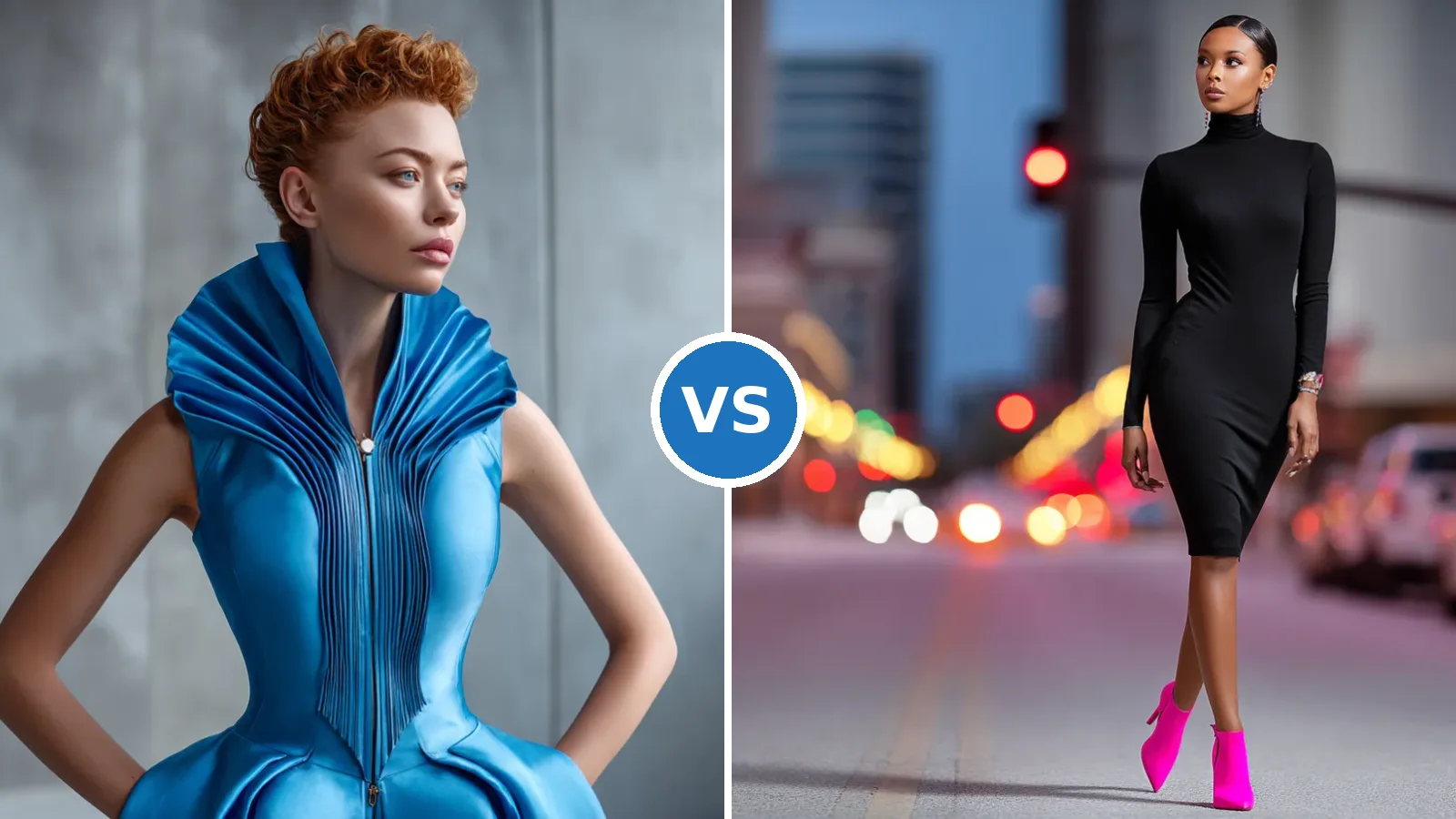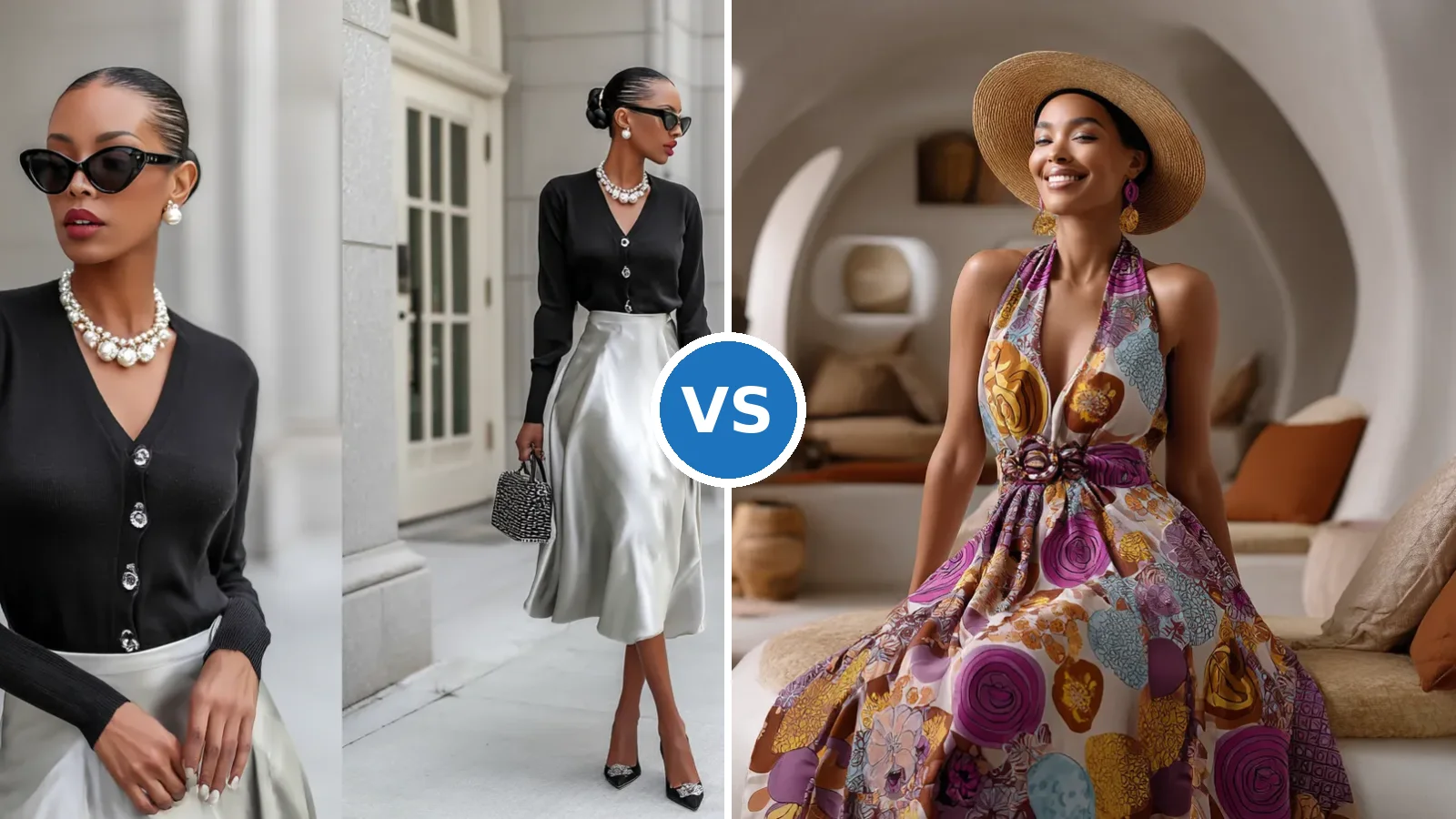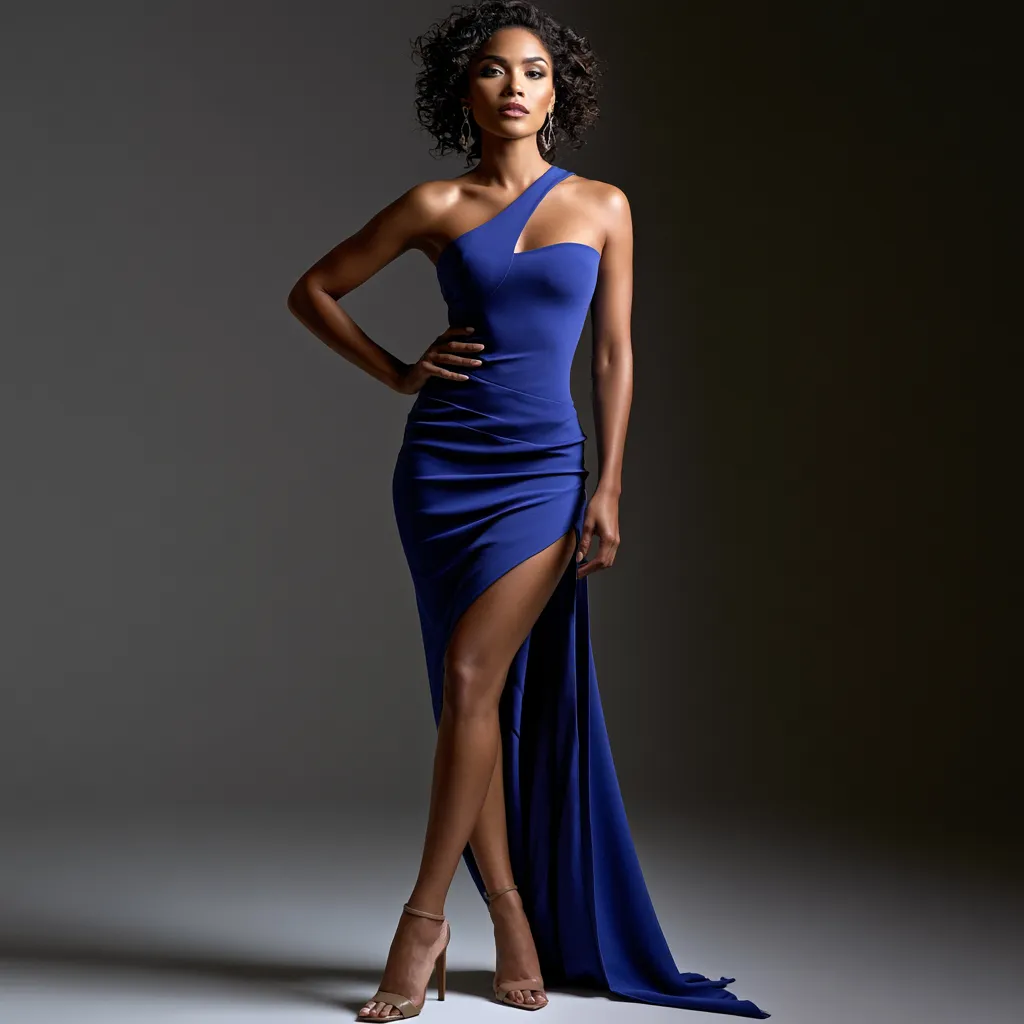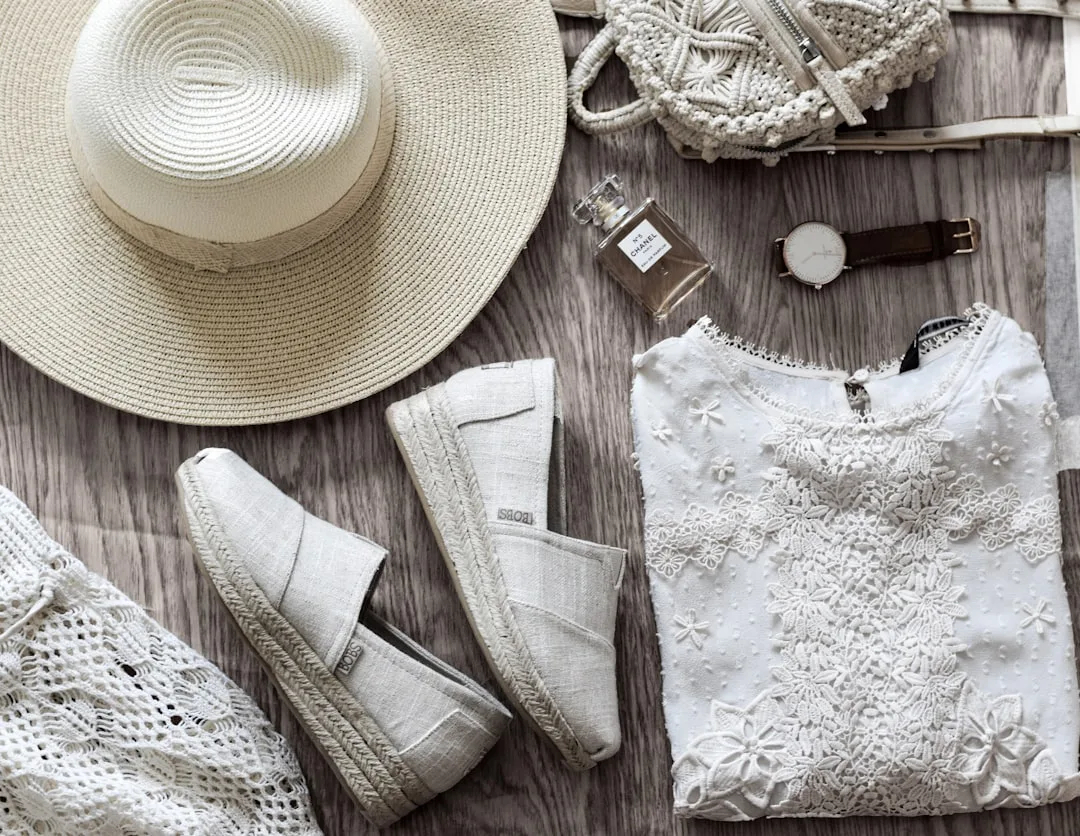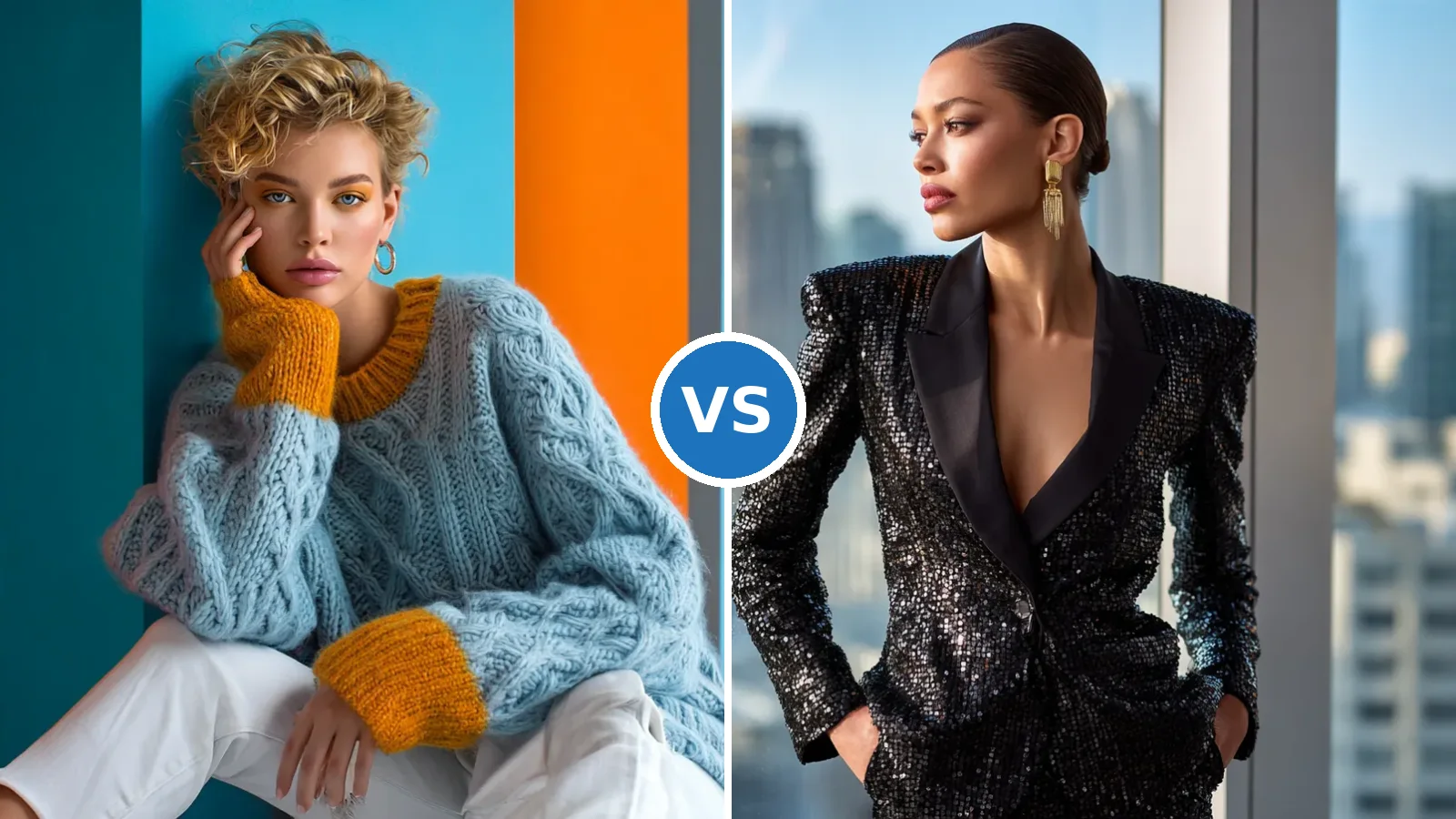
Choosing between 90s vs 80s fashion means deciding between two completely different moods. One celebrates relaxed layering and understated cool; the other broadcasts sparkle and structural power. The 90s offer simple outfit combinations with denim jackets, slip dresses, and oversized sweaters—pieces built on mixing proportions quietly. The 80s, by contrast, focus on sequined dresses with bold shoulder pads that command attention the moment you enter a room.
Both decades remain wearable today when styled correctly. Your choice depends on whether you want to blend into a crowd or stand out, how much maintenance you’re willing to commit to, and what occasions dominate your calendar.

Understanding 90s outfits vs 80s sequined dresses
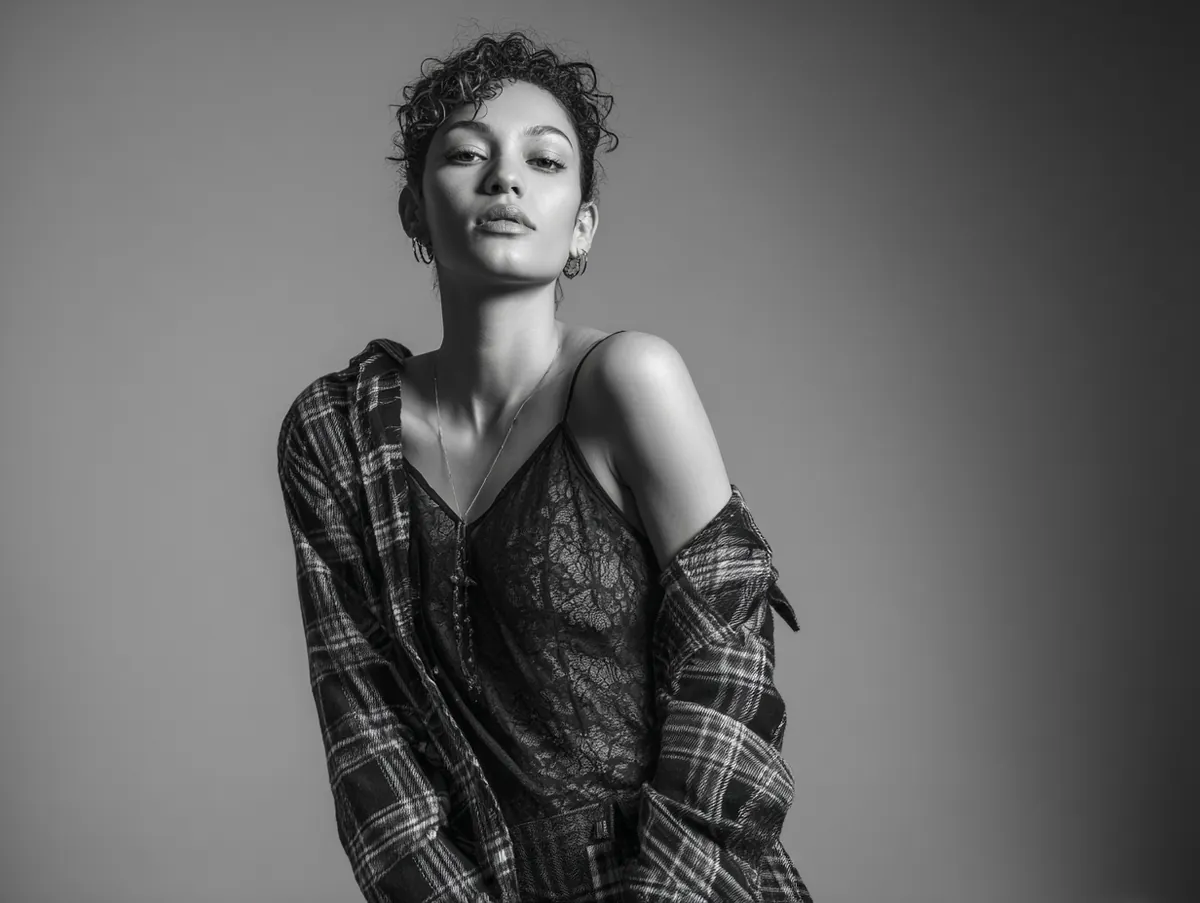
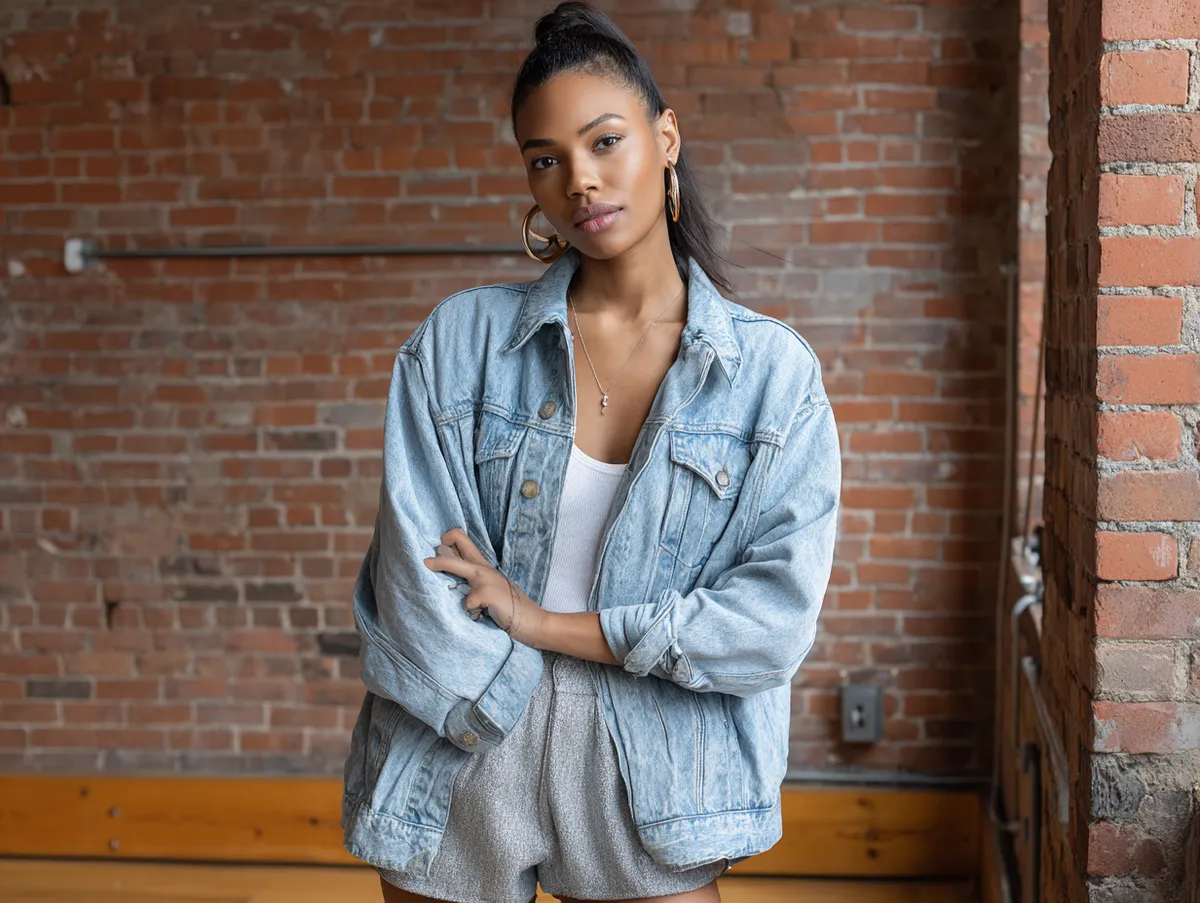
90s fashion revolves around accessible layering and proportion play. Denim jackets worn oversized, slip dresses draped under blazers, plaid skirts paired with knee-high socks, and chunky sweaters balanced with slim bottoms—these combinations work because they balance volume against fitted pieces.
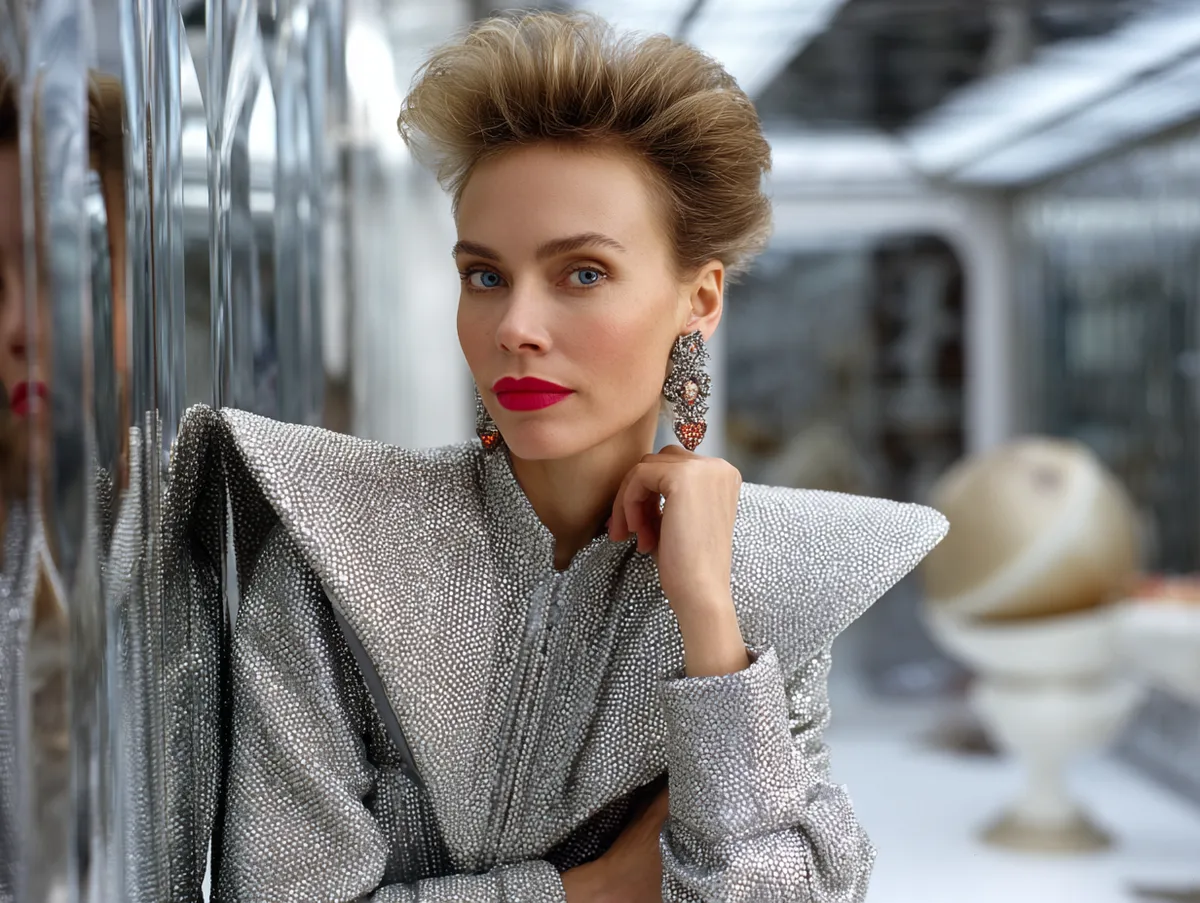
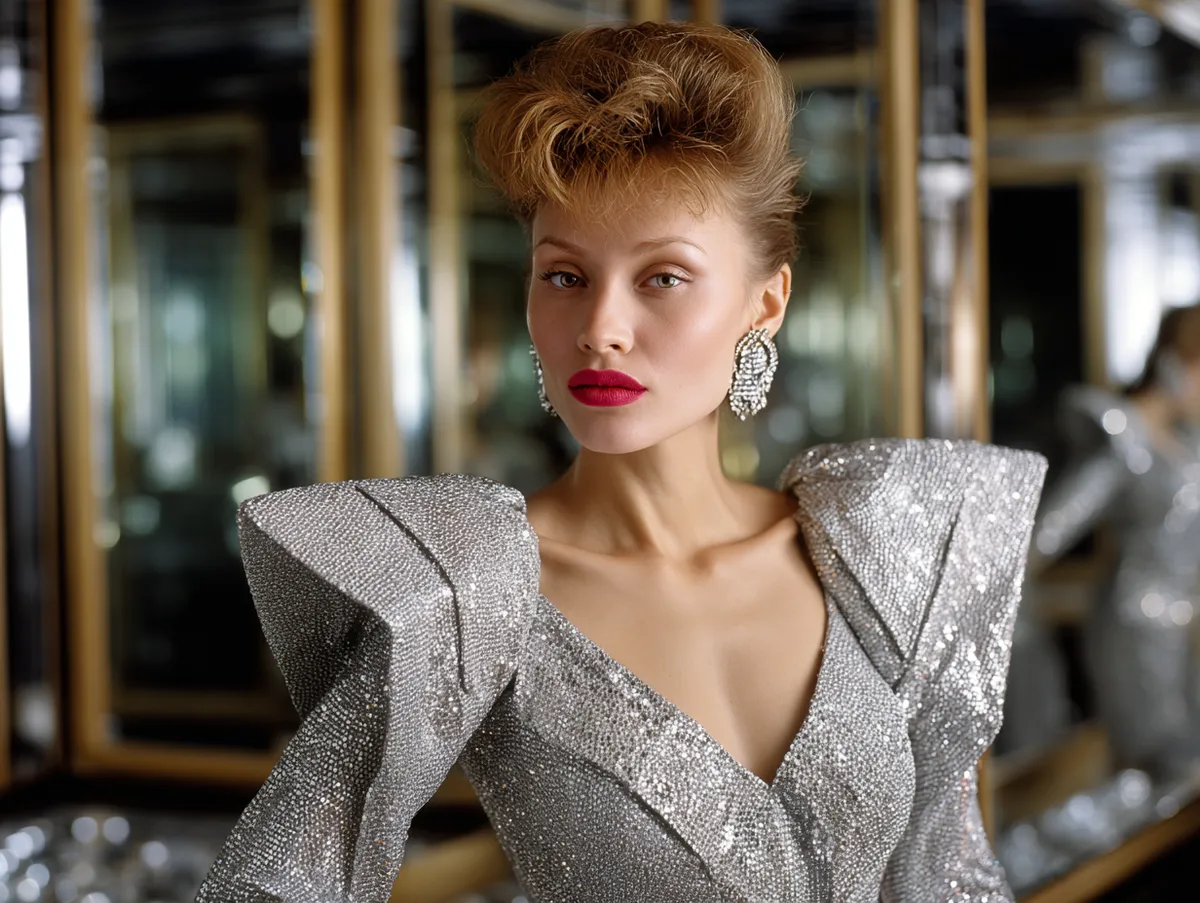
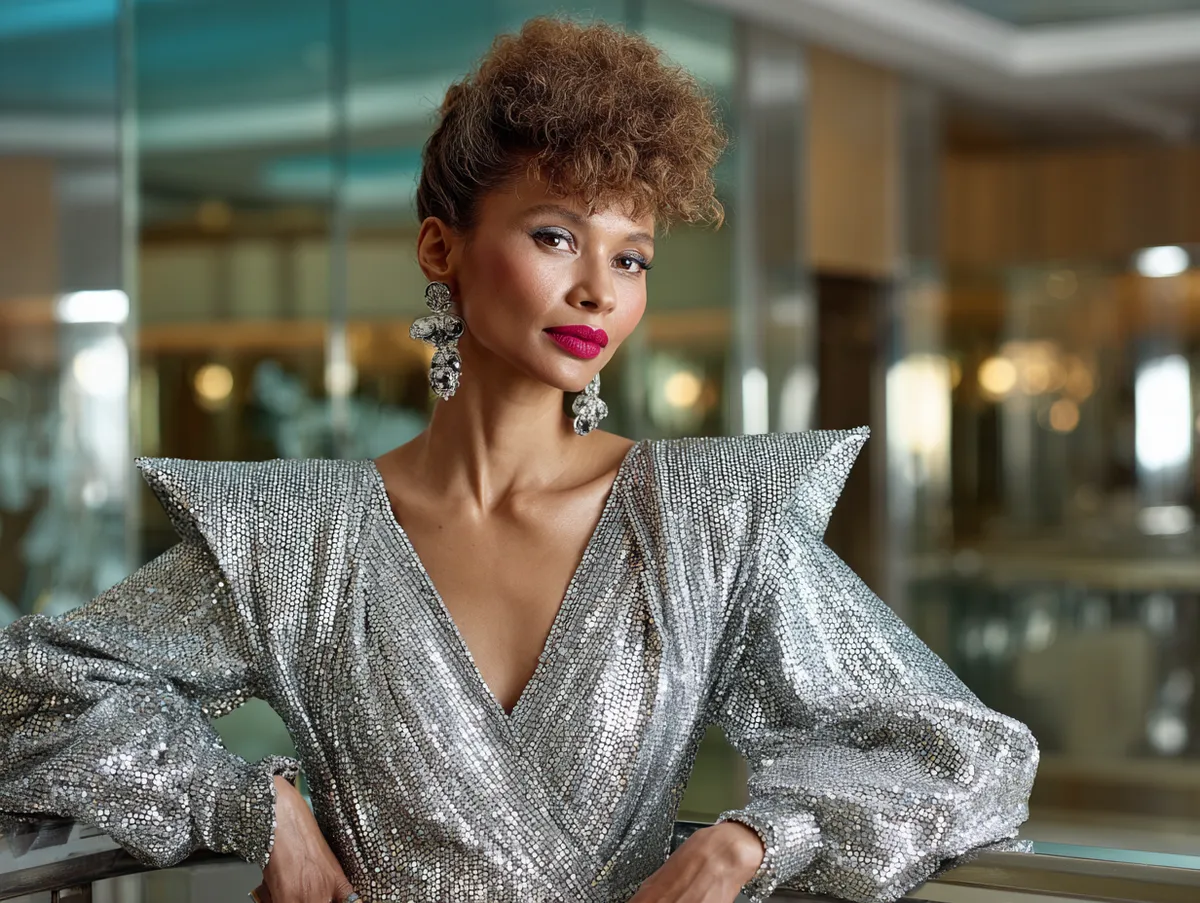
80s sequined dresses, by contrast, build authority through fabric and structure. Silver, gold, or black sequins catch light from every angle, while sharp or rounded shoulder pads create an inverted-triangle silhouette that widens the upper body and narrows the waist visually. The pads function like built-in armor for evening events.
The core difference: 90s styling says “I’m not trying too hard,” while 80s sequined dressing says “I’m impossible to ignore.”
Quick Verdict
- Choose 90s outfits if you prefer comfort, layering flexibility, and an easy casual vibe that works for everyday wear.
- Choose 80s sequined dresses if you want a show-stopping evening look that broadcasts confidence and handles formal or high-energy social events.
- Choose 90s if you’re building a flexible capsule wardrobe with multiple outfit combinations from fewer pieces.
- Choose 80s if you attend regular formal events and want pieces that immediately deliver impact without extensive accessorizing.
Styling flexibility and wearability across 90s vs 80s
90s outfits thrive on mixing and remixing. A single denim jacket layers over plain tees, floral dresses, matching jeans, or fitted turtlenecks. Plaid skirts work with cropped sweaters, oversized knits, or boxy blazers. Oversized sweaters pair with leggings, baggy jeans, or dress layers.
This flexibility means one 90s piece creates a dozen looks across different seasons and occasions. The same denim jacket works for a casual Tuesday and a weekend brunch just by changing what goes underneath.
80s sequined dresses have a narrower comfort zone. Silver versions suit formal events and upscale evenings. Gold minis command dance-floor energy and high-octane parties. Black power suits bridge formal dinners and late-night authority statements.
Mixing an 80s sequined dress into other outfits risks looking costume-like rather than intentional. The piece demands its moment—trying to pair it casually with neon leggings and oversized tees repositions it as ironic rather than elegant.
| Criteria | 90s Outfits | 80s Sequined Dresses |
|---|---|---|
| Daily wearability | High—layers work for casual to semi-formal settings | Low—designed for evening and formal events |
| Outfit combinations from single piece | Very high—one jacket creates many looks | Limited—each dress fills one specific occasion |
| Accessory flexibility | High—minimalist or bold options both work | Moderate—accessories must stay controlled |
| Layering options | Endless—built on proportion contrast | Restricted—layering a padded jacket creates bulk |
| Seasonal transition | Easy—sweaters, jackets work across months | Seasonal—most effective for fall, winter evening events |
| Budget entry point | Low—individual pieces under $50 each, multiple looks from fewer purchases | Moderate to High—vintage examples $40–$180 per dress, limited outfit combinations |
Where 90s outfits win
90s fashion excels at building genuine everyday wardrobes. The philosophy centers on accessibility—most pieces cost less than $50 individually, and the combinations emerge from items already in many closets. A plain white tee, light-wash denim jacket, and high-waisted trousers create an instantly recognizable look without specialized shopping.
Comfort is built in. Oversized sweaters and loose-fitting jeans prioritize how clothing feels on your body, not just how it photographs. This matters when you’re wearing an outfit eight hours a day.
Layering creates flexibility across seasons and weight fluctuations. Adding or removing a denim jacket, swapping slim turtlenecks for baggy sweaters, or changing tights underneath a plaid skirt adjusts the same outfit for different temperatures and body days without requiring a new wardrobe.
90s styling also forgives imperfection. Faded washes, distressed textures, and mismatched proportions are features, not mistakes. A cropped tee over a slip dress, worn intentionally, reads as intentional—not accidental.


Where 80s sequined dresses win
80s sequined dresses deliver instant presence. No accessories required, no layering needed, no proportion-balancing acts—put on the dress, and the room notices. Silver, gold, or black sequins catch every light source, and sharp or rounded shoulder pads create visual authority that flat silhouettes cannot match.
The structural pads solve a real problem. They create width at the shoulders and create a narrowed waist illusion without requiring any body-specific tailoring or shapewear. The architecture does the work.
Flexibility within formal settings sets these pieces apart. A single dress transitions from formal dinner to late-night event without changing, and the same silhouette works across decades without looking dated.
For anyone attending regular evening events, black or silver sequined dresses become cost-efficient by the third or fourth wear. Investing $80–$150 in one piece that covers multiple formal occasions beats purchasing multiple day outfits that serve the same purpose.
The biggest mistake when choosing between 90s vs 80s
The most common error is treating 90s and 80s pieces as interchangeable retro options. Many people buy an 80s sequined dress thinking it will work casually, then feel disappointed when wearing it with jeans and sneakers looks costume-like rather than cool.
Equally, someone buys 90s-style oversized sweaters and plaid skirts for an evening event, then discovers that comfortable, understated layering disappears into formal settings where impact matters. The sweater reads as casual, not elegant.
The fix: Choose your era based on your life, not your aesthetic mood. If most of your week involves casual or semi-formal settings, 90s outfits build your foundation. If your calendar fills with evening events and formal dinners, 80s sequined pieces pay for themselves immediately.
Final verdict on 90s vs 80s fashion
90s outfits win for building a flexible, wearable everyday wardrobe. The pieces layer endlessly, cost less to acquire, and forgive styling mistakes because imperfection is part of the era’s DNA. Choose this decade if you want comfort, accessibility, and the confidence that comes from casual cool.
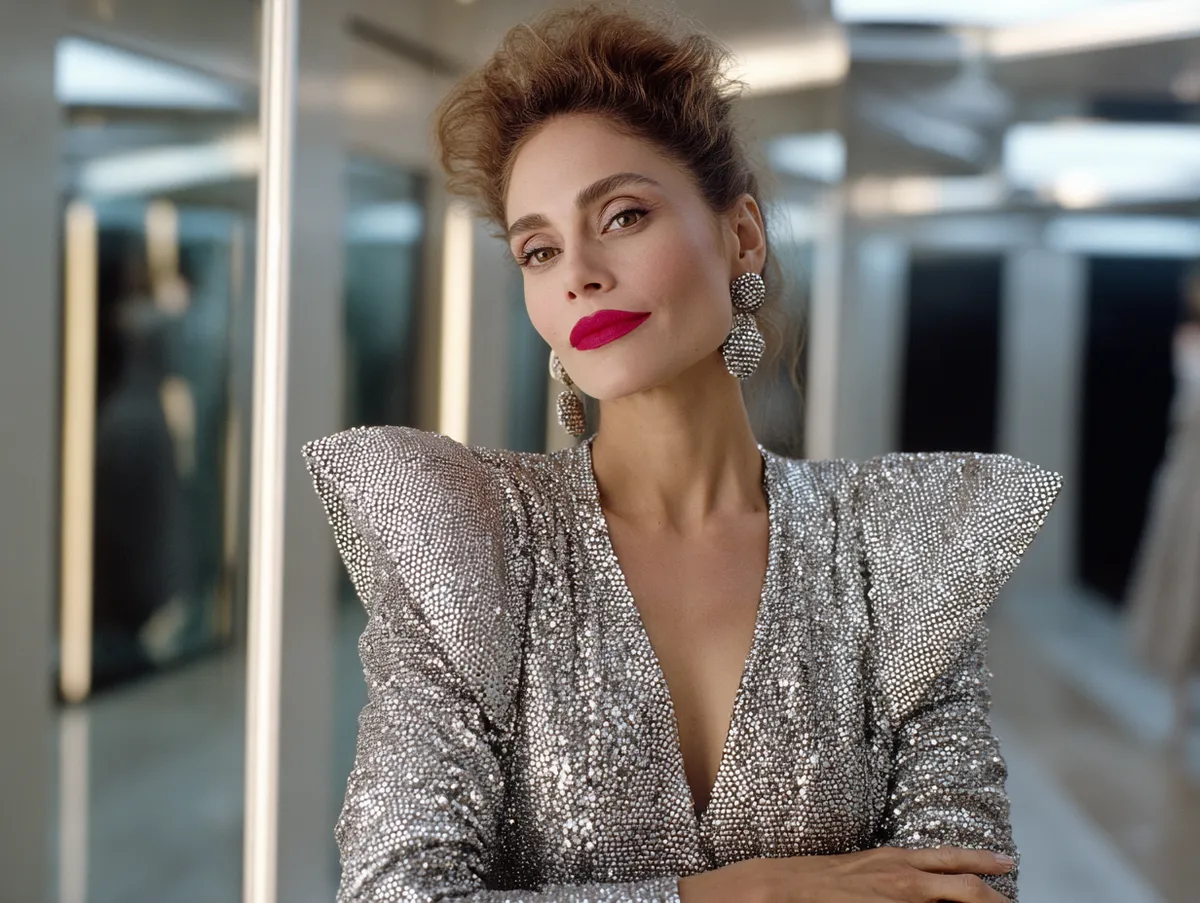
80s sequined dresses win for high-impact evening presence and formal confidence. Every dollar spent on these pieces pays off immediately across multiple events, and the architectural shoulders deliver presence without requiring endless accessorizing. Choose this decade if your week includes regular formal occasions and you want maximum impact from single pieces.
The smartest move? Build a 90s foundation for everyday dressing, then add one or two 80s sequined pieces for the formal events your life actually includes. Both eras solve different problems, and they coexist beautifully in a complete wardrobe.