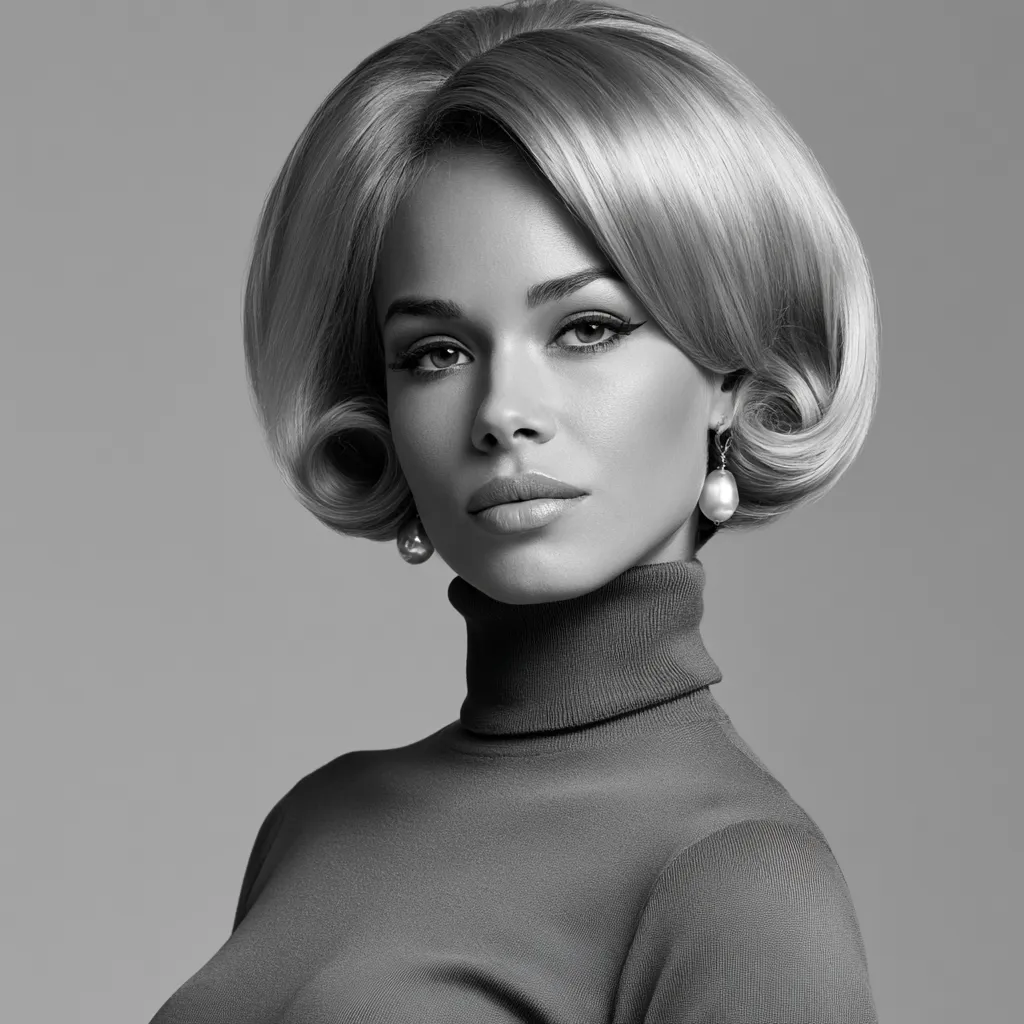
1960s hairstyles carry a structural confidence that reads immediately as polished in a boardroom or keynote setting. The sleek bob, the French twist, the low chignon — each one was built around a clear geometric logic, not fussed-over curls or spray-heavy volume. That precision is exactly what makes them translate so well to professional events six decades later.
The decade split roughly in two: early-60s styles stayed close to structured updos and architectural bobs, while the latter half drifted toward looser silhouettes. For business events, the earlier register is the right pull — before the hippie-adjacent loosening that crept in post-1966. Think Audrey Hepburn’s French twist in Breakfast at Tiffany’s (1961), not Twiggy’s mod pixie. The difference matters when a room full of colleagues is forming a first impression.
The three styles covered here — the ash blonde sleek bob, the chocolate brown French twist, and the deep auburn low chignon — represent the core of what worked then and still commands a room now. Each section includes what makes the look structurally sound, what product keeps it intact across a six-hour event, and what not to do.
— The Vidal Sassoon geometric bob, debuted in 1963–64 for Mary Quant, is the direct ancestor of the sleek business bob — no lacquer required, just a precise cut
— A French twist holds longer on second-day hair than freshly washed strands — the oils add grip
— Low chignon pins should go in at a 45-degree angle, not straight across, or the structure shifts by hour three
— Label.M Anti-Frizz Smoothing Balm (~$16.50, 150ml) is the finish product stylists reach for on all three looks
— Chocolate brown and deep auburn tones make the structural geometry of these styles more visible because the sheen runs in a single direction
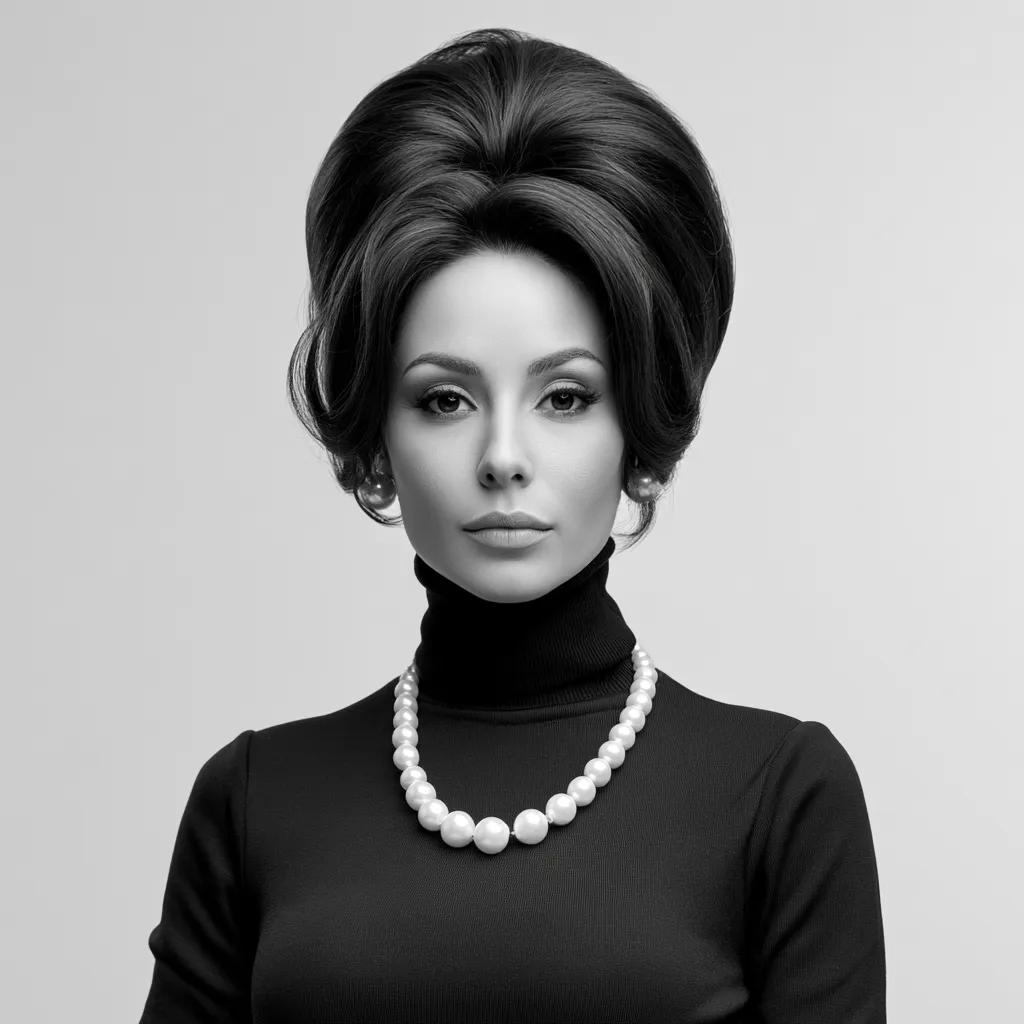
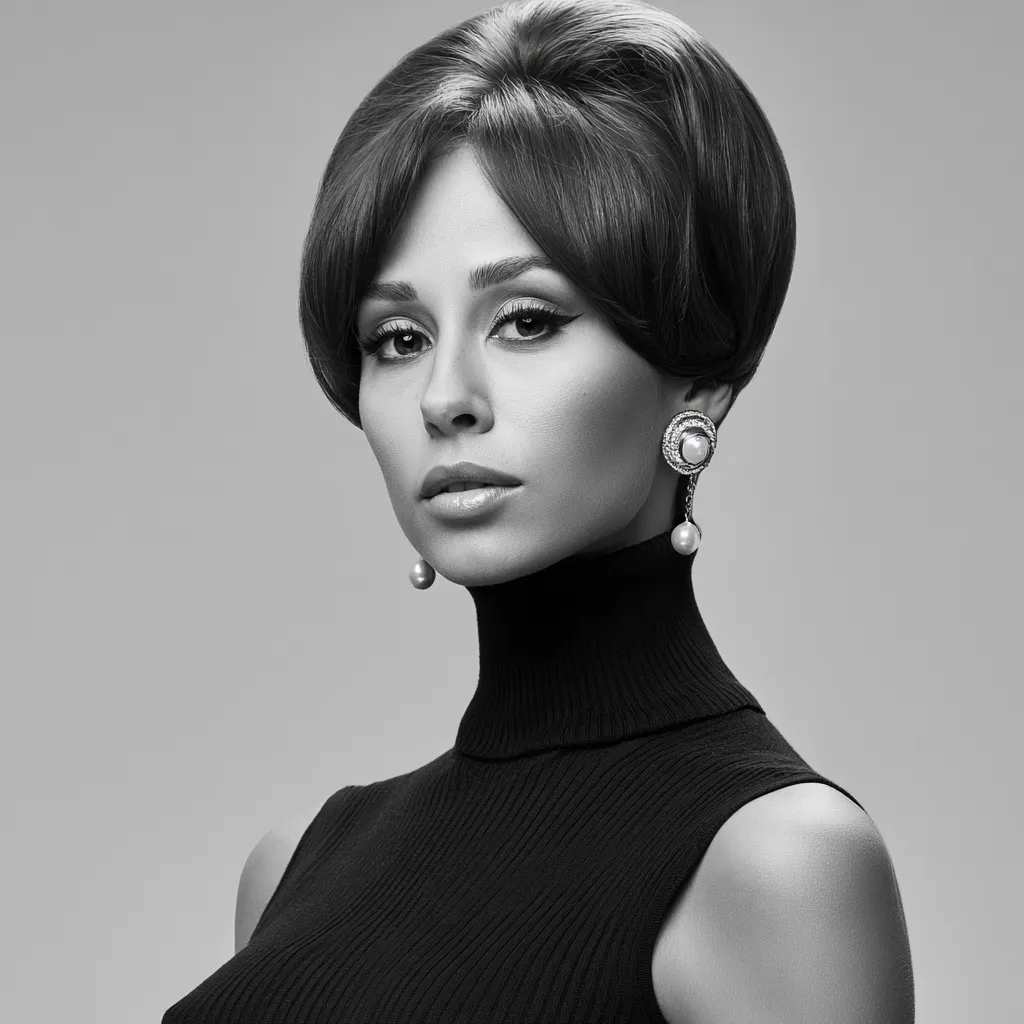
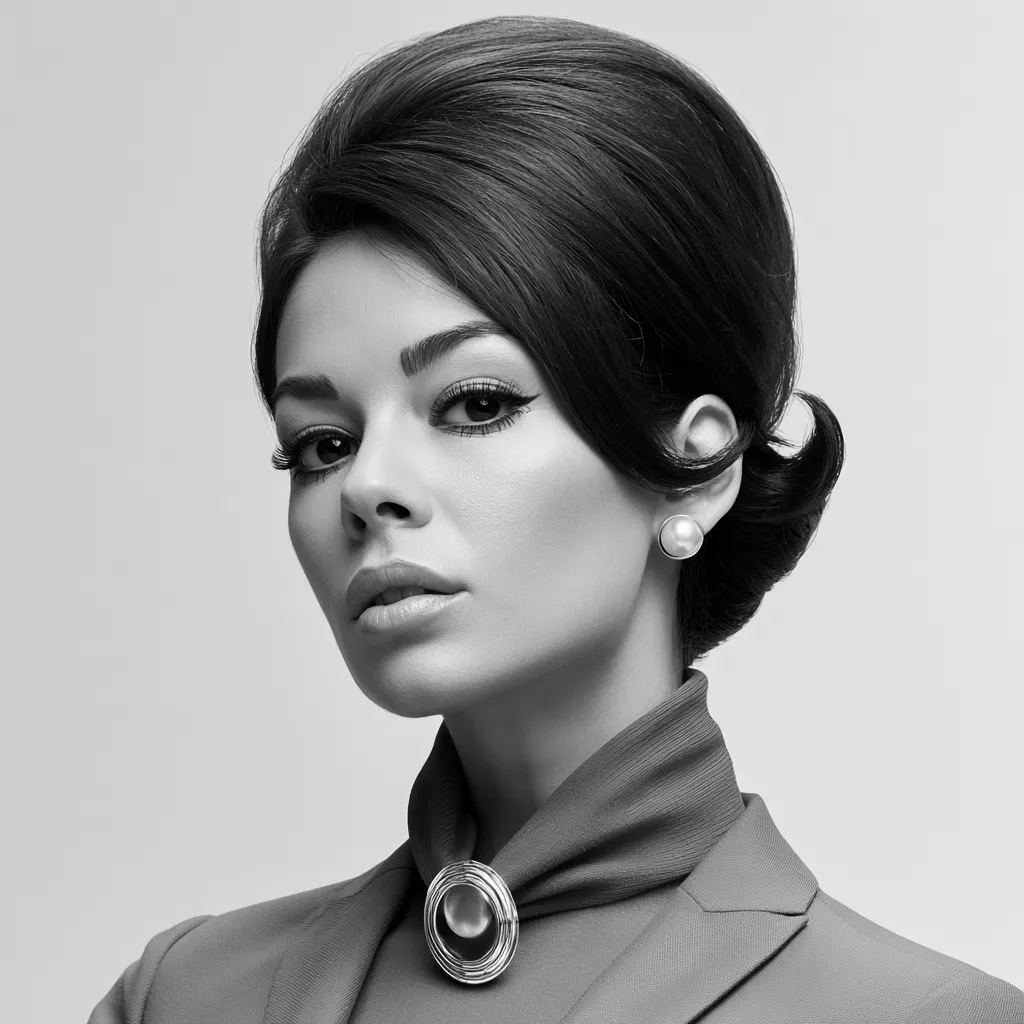
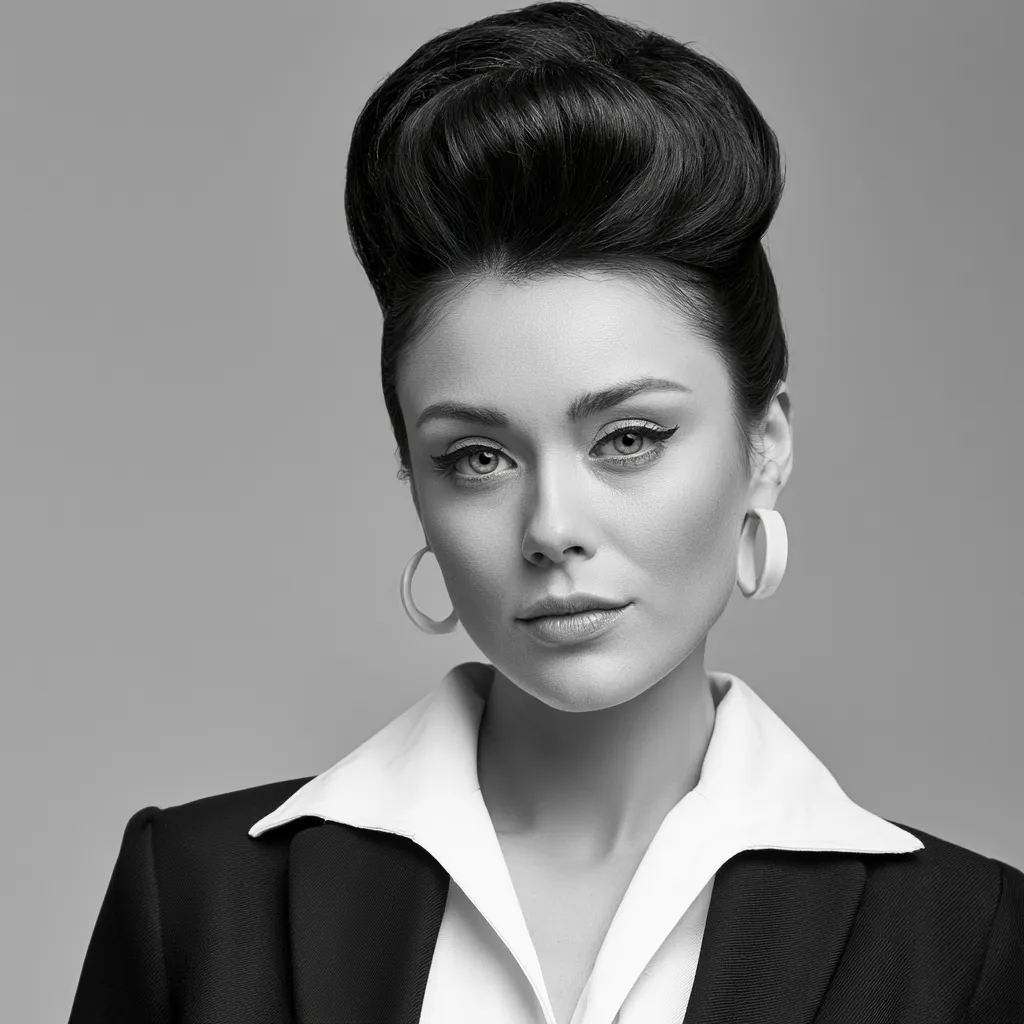
How the Ash Blonde Sleek Bob Reads in a Professional Room
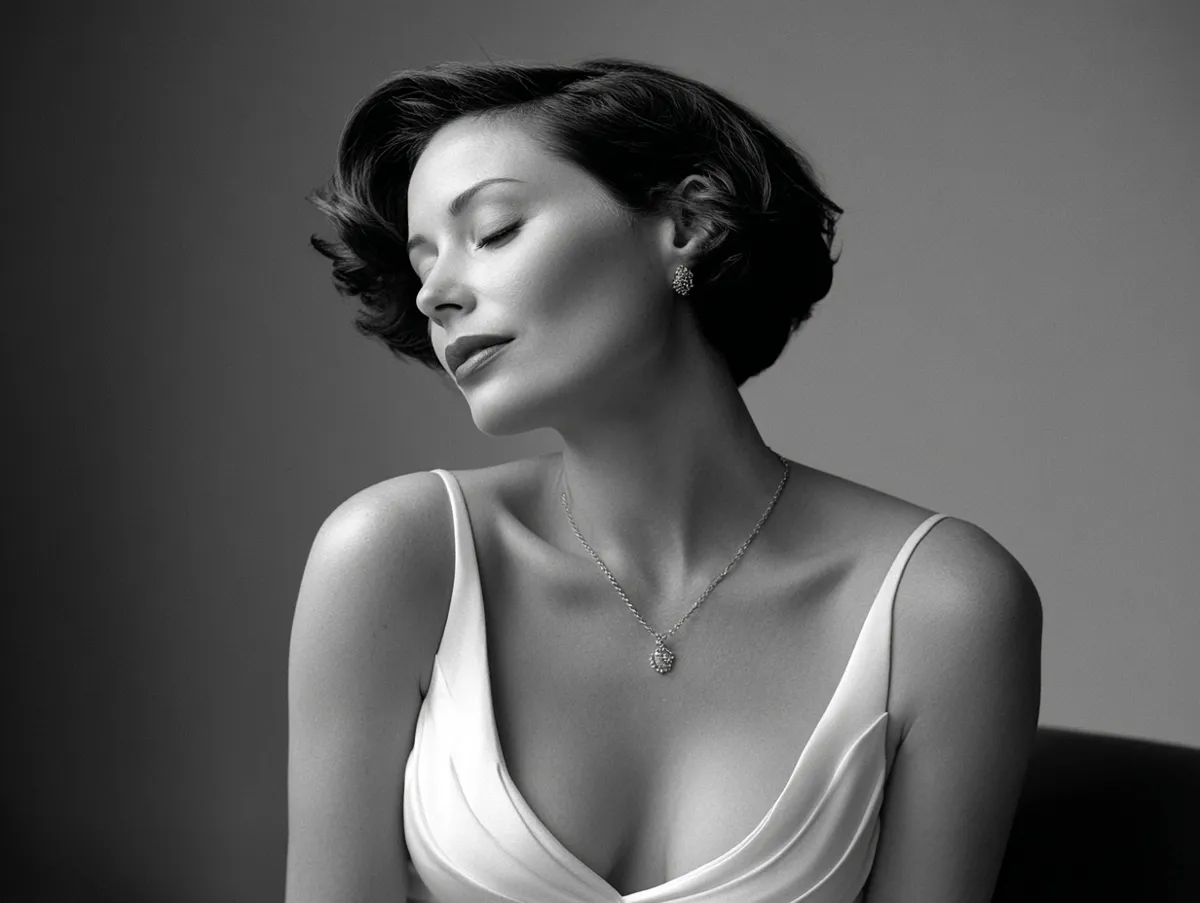
The 1960s sleek bob as a business hairstyle owes its staying power to one architect: Vidal Sassoon, who in 1963 cut fashion designer Mary Quant’s models into the first fully geometric, lacquer-free bob. Where previous salon styles required hours of roller-setting and hairspray cages, Sassoon’s version relied entirely on cut precision — the hair’s natural movement did the rest. Ash blonde tones sharpen this geometry further: the cool, desaturated tone keeps the eye on the line of the cut rather than the color, which is exactly the register professional settings reward.

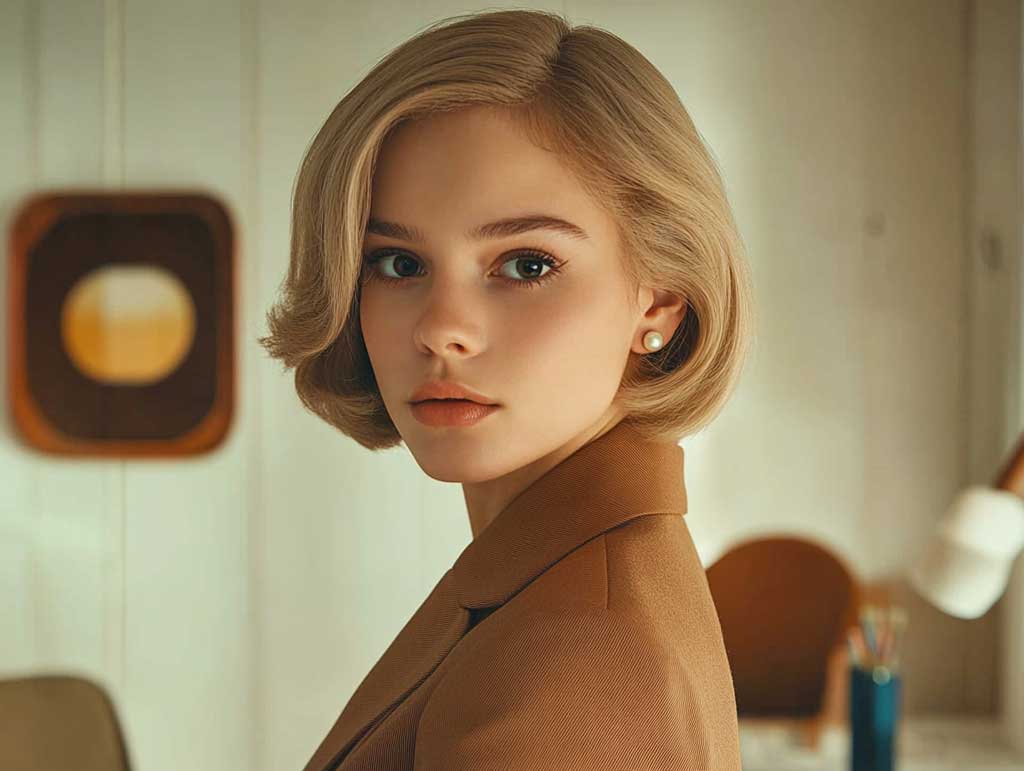


The cut should sit at jaw level — no longer. Anything grazing the collarbone softens the precision that makes this style project authority. A side part works harder than a center part here: the asymmetry creates subtle framing without ornament, and it keeps the look in its 1960s register. Does color matter as much as cut? Not really — but ash blonde specifically reduces the contrast between the hair and skin at the jawline, which sharpens how clean the ends read from across a conference table. Label.M Anti-Frizz Smoothing Balm (~$16.50 per 150ml tube) applied to damp hair before blow-drying smooths the cuticle and adds that editorial shine without weight.
Pair the bob with pearl drop earrings, not studs — the length draws attention to the neckline, which is one of the quiet signals this style sends. Tailored blazers and pencil skirts anchor the look in structured professional territory. The one mistake worth naming: don’t backcomb any section for volume. The moment you add height, the geometry collapses and the bob reads as a 1980s throwback, not a 1960s reference. If your hair is naturally fine and tends to fall flat, a round brush blow-dry is the only intervention needed. For more on working with 1960s hairstyles at styled events — including the bouffant and beehive structures — this breakdown covers the full party-ready range.
Adding curl to the ends of a sleek bob immediately erases the 1960s reference and replaces it with something undefined. The whole structural logic of this cut is straight edges and movement from the cut itself — not from styling tools. A curling iron on a bob is the fastest way to make a precise haircut look like it was done at home.
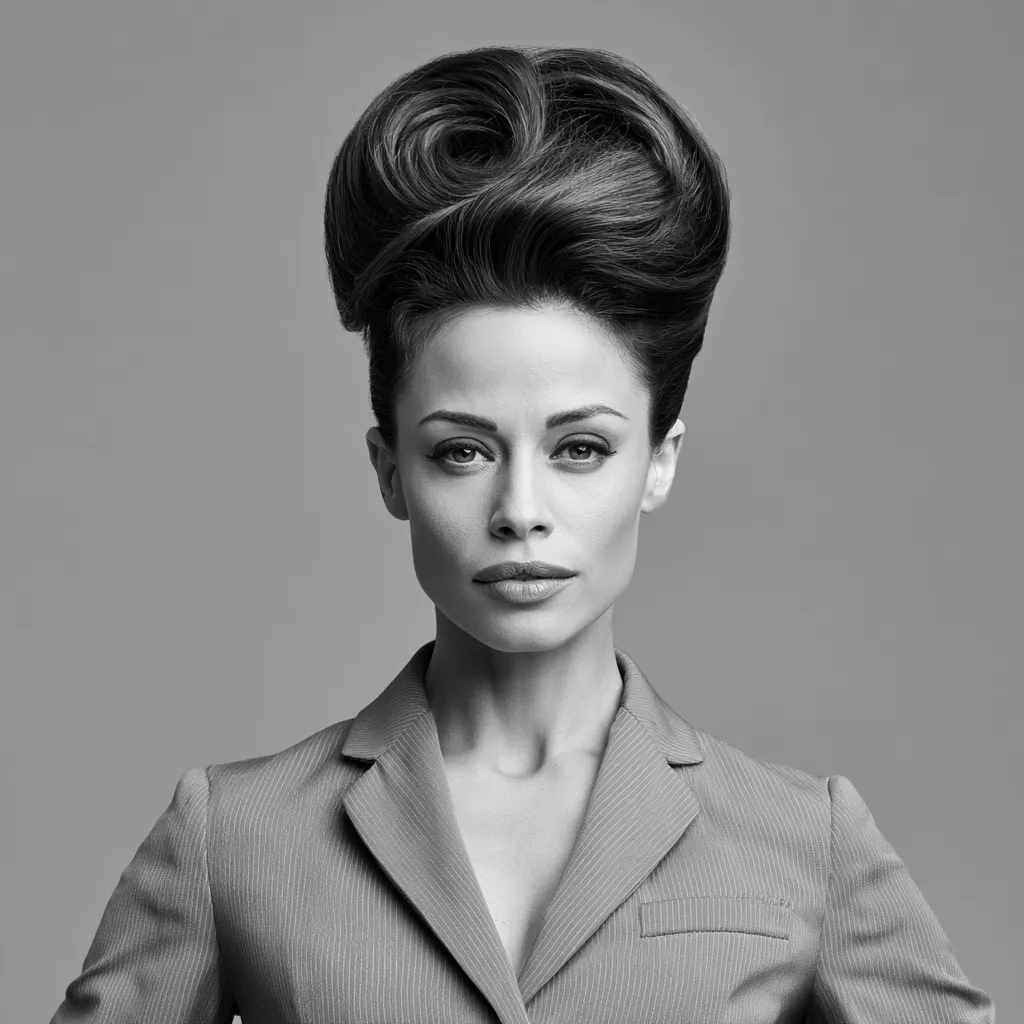
Why the 1960s French Twist Holds Its Ground in Formal Settings
The 1960s French twist hairstyle became culturally fixed the moment Audrey Hepburn wore it in Breakfast at Tiffany’s (1961) — a sleek updo that projected urban restraint while Holly Golightly’s dress did the spectacle. That pairing is still the template: the French twist is the hairstyle that agrees to let the rest of the look speak. For business events specifically, the exposed neckline creates a clean vertical line that reads as intentional composure. Joan Harris’s voluminous twist in Mad Men is the 1960s working-woman archetype for a reason — it signals that you dressed deliberately, not just appropriately.


Chocolate brown amplifies the twist’s best structural quality: depth. Darker hair tones make the vertical roll more visible from the side, because the sheen runs along the outer surface in a clear directional line rather than scattering light the way lighter shades do. The trick stylists rely on here is using the crisscross pin technique — insert one bobby pin, then slide a second over it in an X — which locks the twist far more securely than pins inserted in parallel. Most French twist failures at hour four come down to parallel pins, not product. How long should the twist hold? With a light mist of strong-hold spray at the base and the crisscross method, the structure stays intact for eight hours reliably.
What pairs with the French twist in 2025 the same way it did in 1965? Sheath dresses and structured suits in charcoal, navy, or cream. The exposed neckline naturally draws attention to earrings — statement drops or architectural geometric pieces are the right call, not delicate studs that disappear against the neck. One pattern worth avoiding: a loose, flyaway finish. The 1960s French twist is a tight, smooth roll — if pieces are escaping at the nape, the result reads as a failed updo rather than a style. A fine-tooth comb across the surface before pinning eliminates most flyaways before they start. For color-specific breakdowns of the French roll at business meetings — blonde highlights, brunette, and red tones — this page covers all three with outfit pairing guidance.
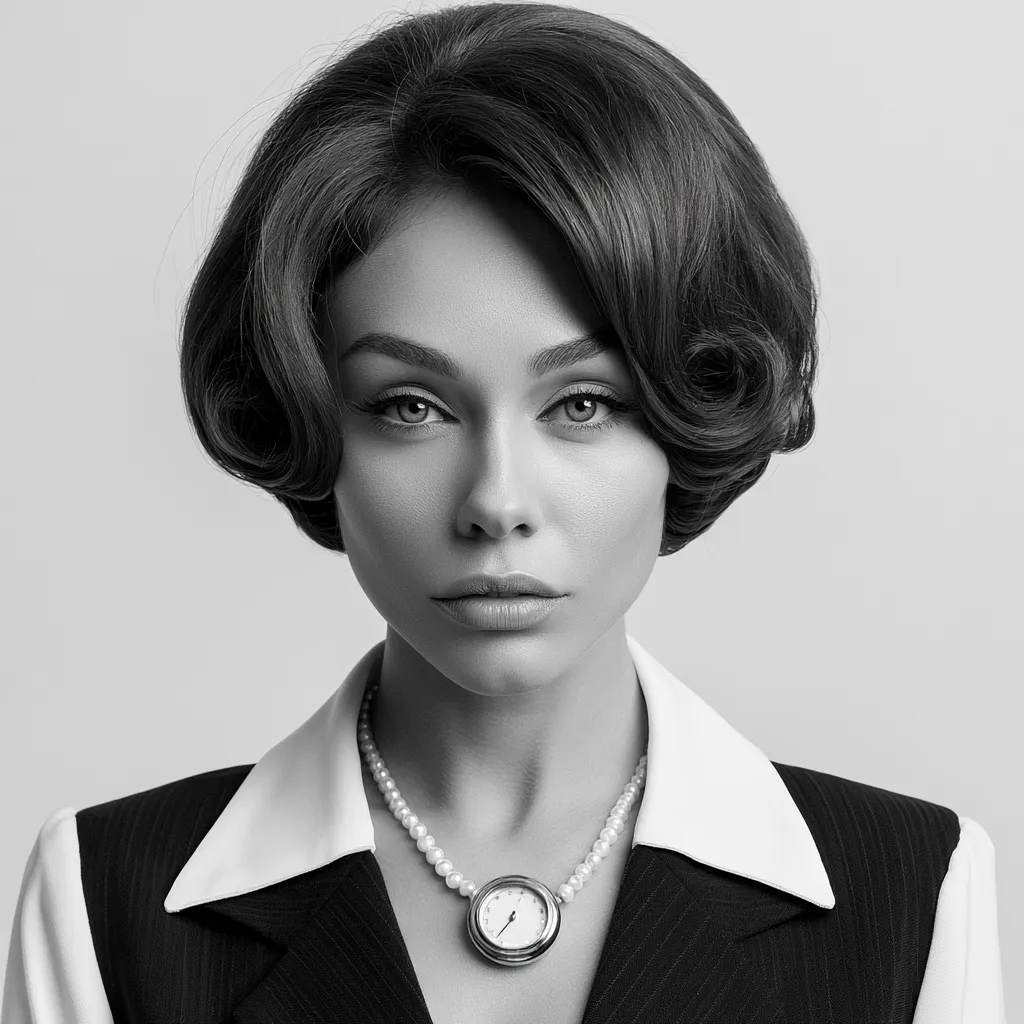
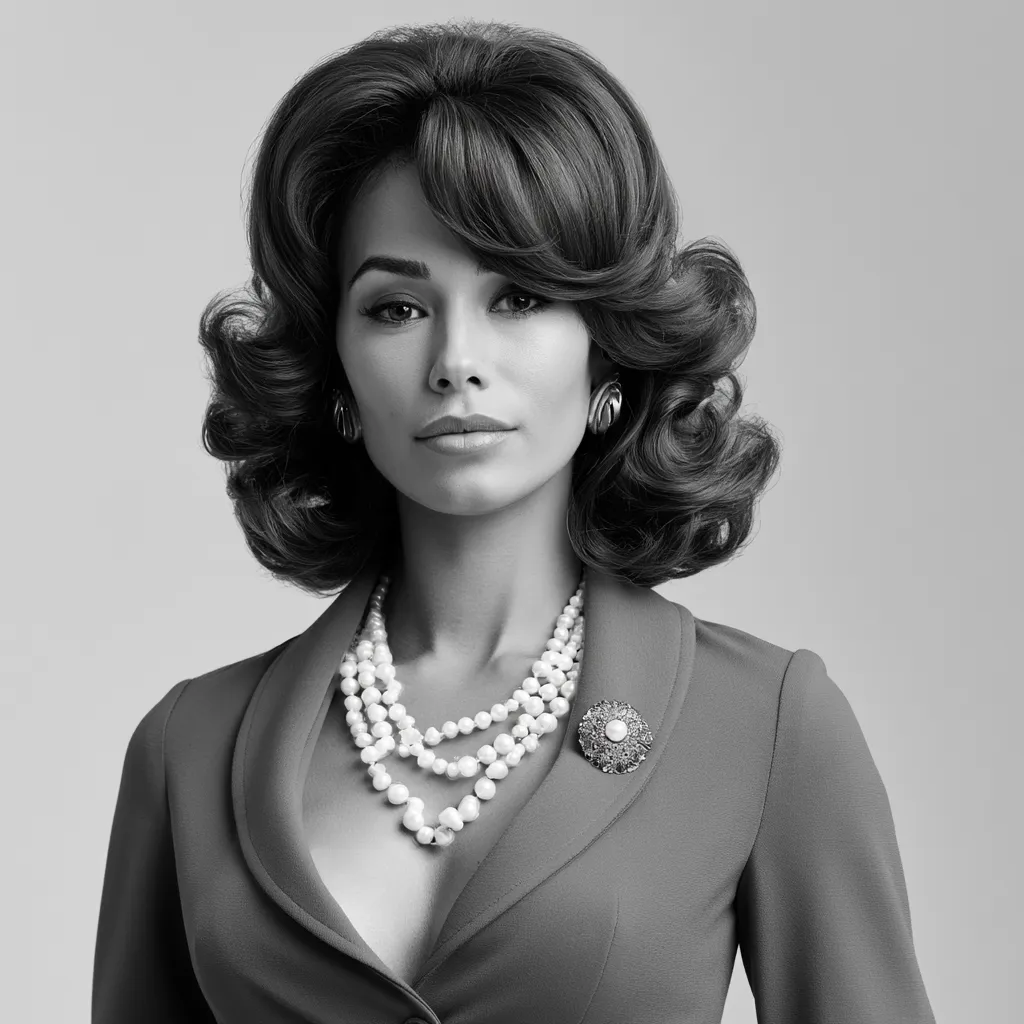
Deep Auburn Low Chignon — the 1960s Formal Look That Scales Down
Low chignon 1960s styling is the quietest of the three structures here, and that’s its professional advantage. Where the French twist makes a vertical statement and the sleek bob announces a cut, the low chignon at the nape is almost invisible at first glance — and then undeniably polished when noticed. Celebrities like actress Karen Valentine popularized this sleek low-chignon aesthetic in the 1960s, reflecting what the decade called “contemporary polish.” Deep auburn hair is the strongest color match for this structure: the warm copper-red tones catch light across the coiled surface in a way that makes the shape visible even from a distance, while remaining entirely appropriate for formal settings.
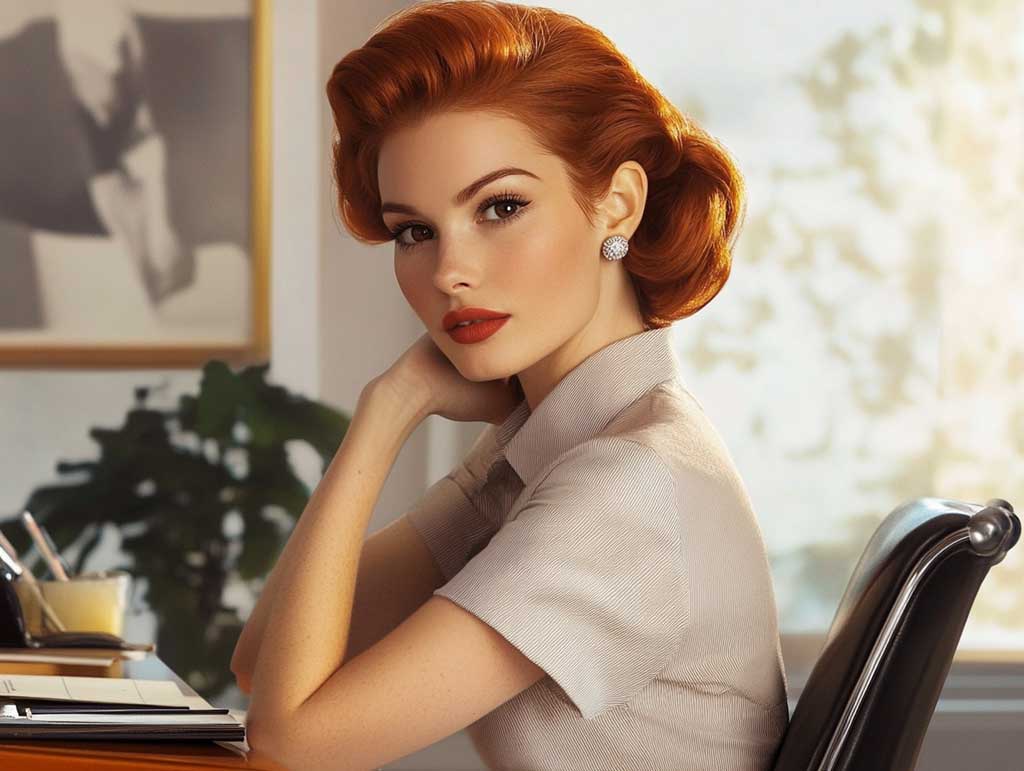


The chignon is technically distinct from a bun in one key way: it involves twisting the hair before coiling rather than simply looping. That twist is what creates the structured, knotted surface that reads as a finished style rather than a pulled-together shortcut. The key placement detail is lower-than-expected — most people position the chignon an inch too high, which pushes it into topknot territory and loses the 1960s reference entirely. Set it at the nape, centered, and flat. Pins go in at a 45-degree angle pointing inward, not horizontally across — horizontal pins shift with movement and the chignon loses its center by early afternoon.
Structured blouses and pencil skirts are the period-accurate pairing — the visual logic is a clean line from crown to hem. Statement earrings matter here more than in the bob section, because the chignon’s nape placement means the jawline and ear are fully exposed. Long drop earrings in gold or oxidized silver add intentional weight to the look without competing with the hair structure. What doesn’t work is a messy or deliberately undone finish: the chignon’s professional credibility lives entirely in its precision. A relaxed, wispy version may photograph well for editorial, but in a business event context it reads as unfinished rather than artfully undone. A quick smoothing pass with Sassoon-era precision thinking — shape from the cut, hold from placement, gloss from product — applies to this style as much as to the bob.
| Style | Best For | Key Product | Main Risk |
|---|---|---|---|
| Ash Blonde Sleek Bob | Meetings, presentations, networking | Label.M Anti-Frizz Balm (~$16.50) | Adding curl — kills the geometry |
| Chocolate Brown French Twist | Formal events, high-stakes presentations | Strong-hold spray + bobby pins (X method) | Parallel pins — twist shifts by hour four |
| Deep Auburn Low Chignon | Business events, conferences, panels | Fine-tooth comb + flat U-pins | Placement too high — reads as topknot |
ArtFasad Hair Edit
The 1960s got professional hair right — geometry over decoration, structure over volume
The sleek bob works because Vidal Sassoon removed the lacquer and let the cut carry the weight — ash blonde tones sharpen that geometry in a room.
The French twist holds because it exposes the neckline and signals deliberate dressing — chocolate brown makes the vertical roll visible from every angle.
The low chignon succeeds because it disappears at first glance and lands harder on second look — deep auburn makes the coiled structure luminous without noise. Save this post.