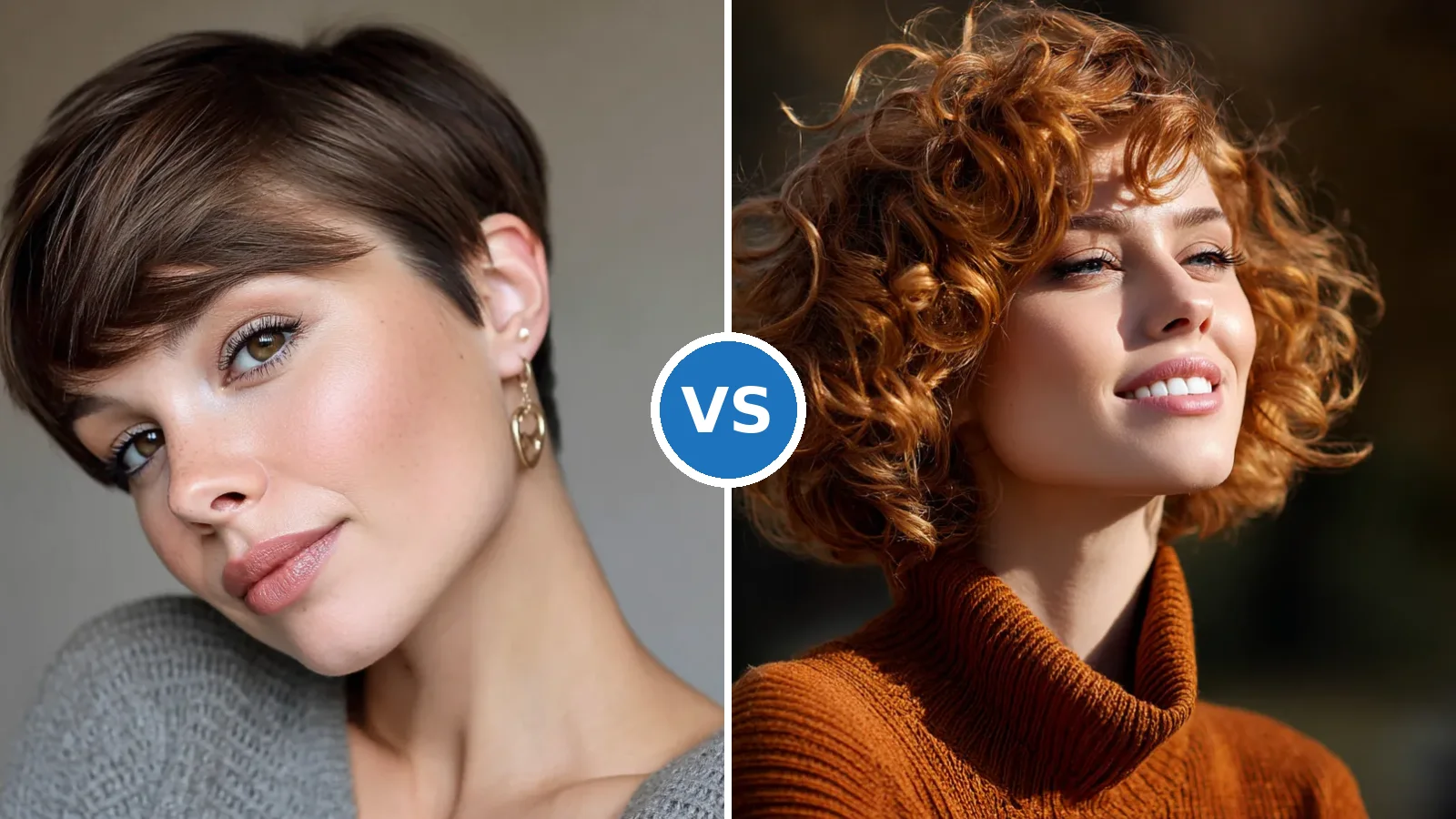
80s hairstyles defined a decade of volume, texture and pure attitude. Big curls, rock layers, glamorous waves and electric colors turned hair into a statement piece that filled rooms and stages. These looks still work today when you dial back the stiff hold and keep the drama.
The core appeal remains simple: height at the crown, movement through the lengths and a finish that refuses to disappear. Whether you start with natural curl or build it with tools, the result signals confidence without needing a single word. Modern products deliver the same silhouette with far less damage and far more shine.
From mall bangs to stage-ready spikes, the decade offered options for every face and lifestyle. The versions below keep the original energy while fitting current wardrobes and daily routines.
- Volume at the crown defined almost every popular 80s hairstyle
- Perms and heavy hairspray built the structure; modern gels replace the crunch
- Rock layers and bold color still read as rebellion when kept soft
- Glam waves and sleek deep tones adapt easily to evening and office settings
- Temporary color and heatless methods let you test the look without commitment
Vibrant Curls That Filled the Room
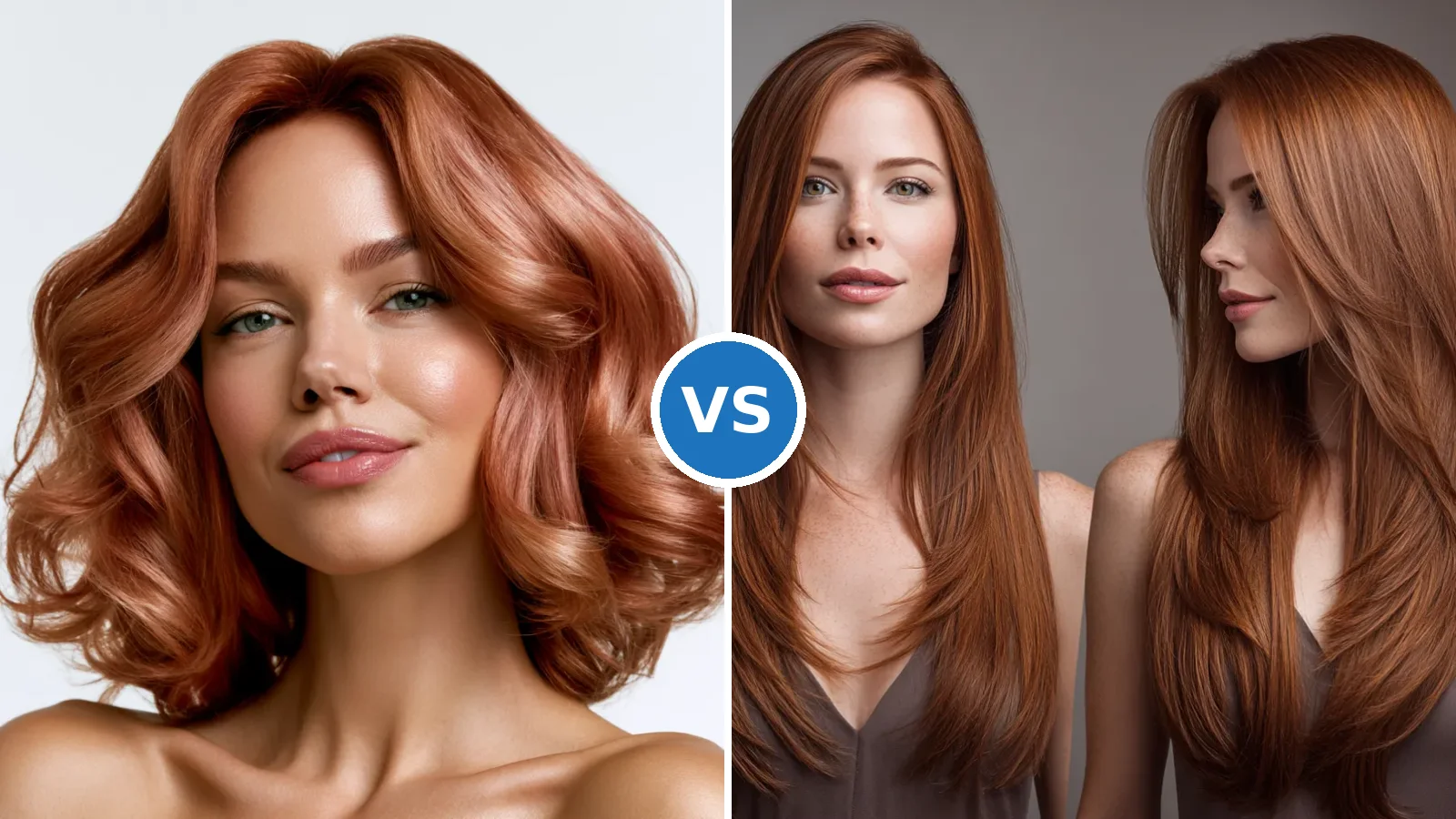
Big bouncy curls ranked among the most recognizable 80s hairstyles of the entire decade. Tight ringlets or loose spirals created a living sculpture that moved with every step. Stylists relied on mousse and maximum-hold spray to lock the shape from morning through late-night events.
How do you get the height without the helmet effect? Skip the half-can of Aqua Net that once cost about a dollar or two and instead use a modern curl cream plus a diffuser. The difference feels like switching from concrete to cloud. Finish with a light flexible spray so the curls still bounce when you turn your head.
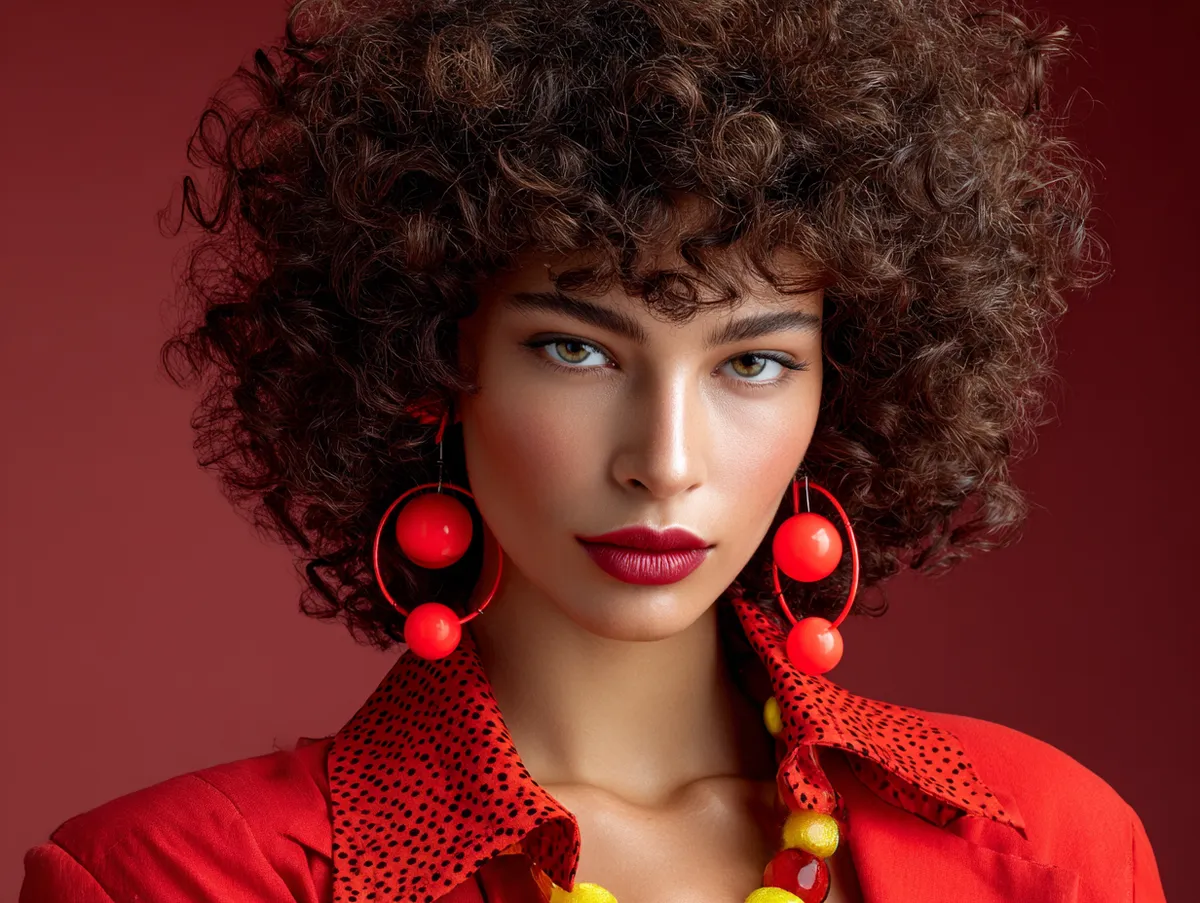
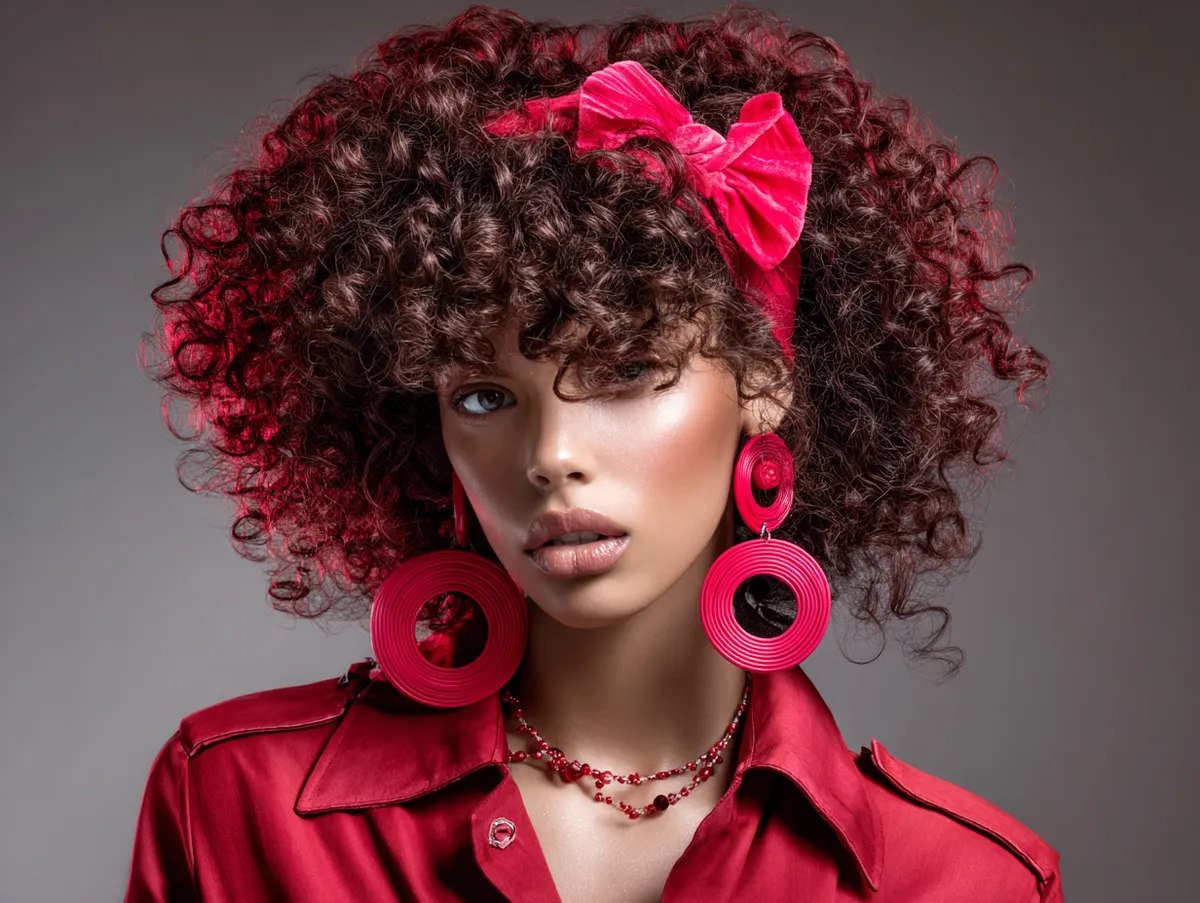
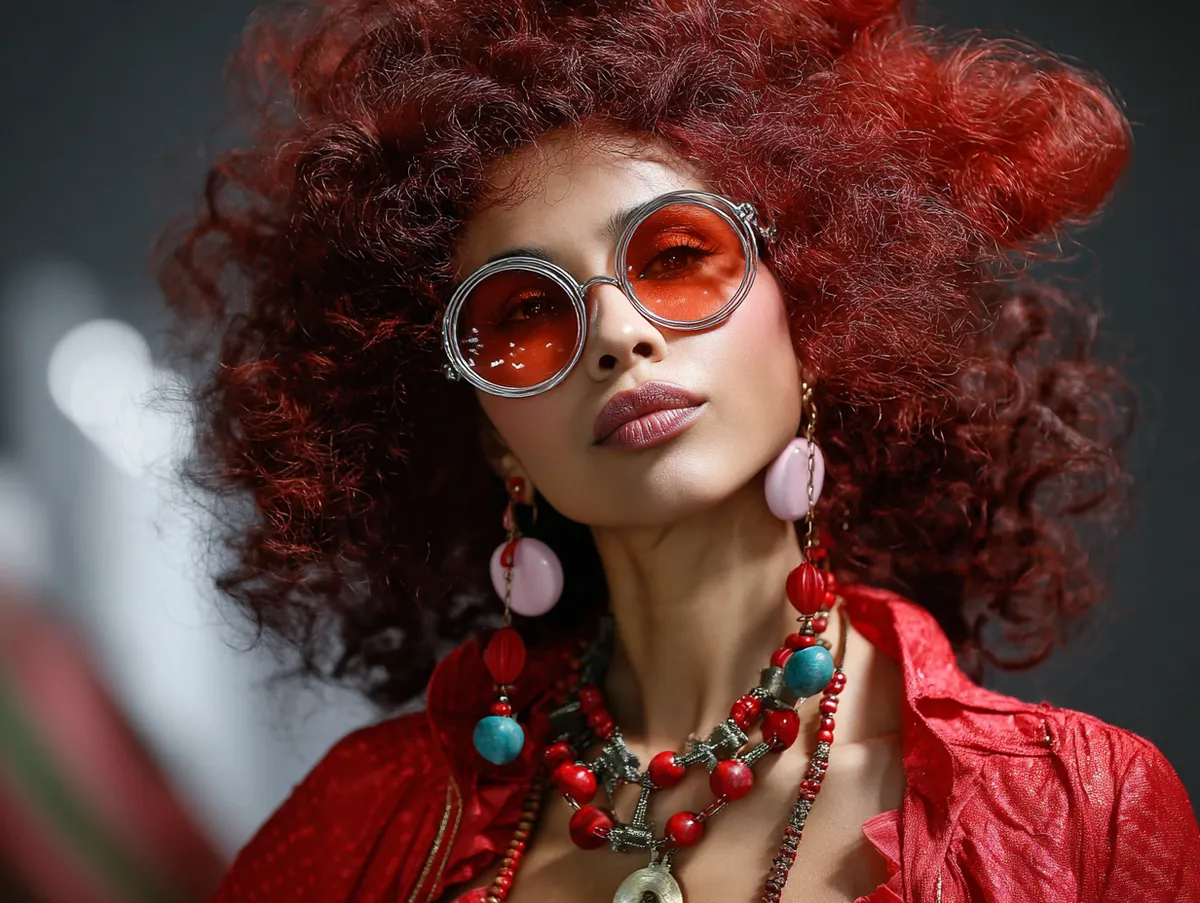
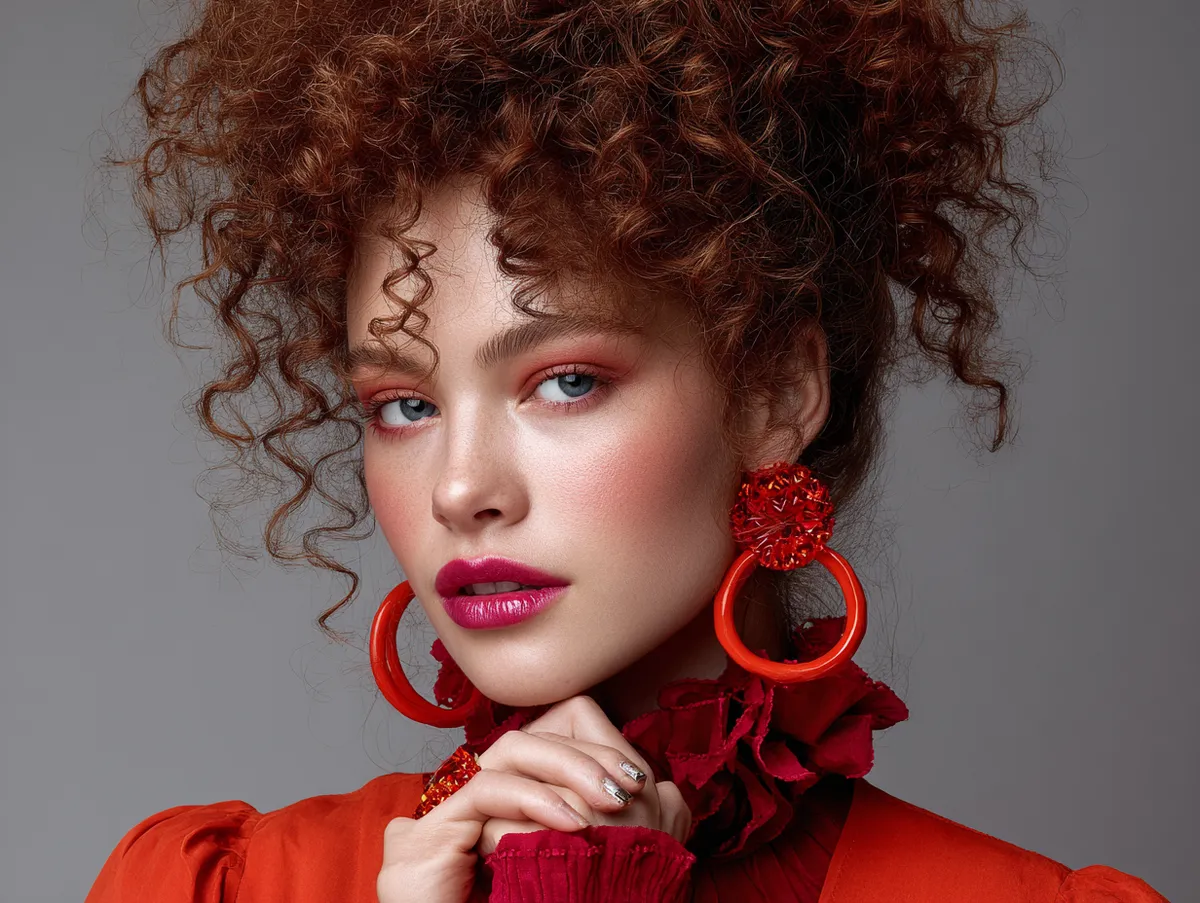
Color intensified the drama. Fiery red or golden blonde on a full head of curls looked twice as bold under stage lights or disco balls. Today the same combination works with temporary dyes that wash out in a few shampoos. Pair the curls with a wide headband or bright scrunchie and the retro signal lands without effort.
Avoid overloading the roots with product. That single mistake turns soft spirals into a rigid mass that collapses by noon. Work product through mid-lengths first, then lift the crown with a diffuser on low heat. The result holds its shape yet still feels touchable.
Rock Layers Borrowed from Stage Icons
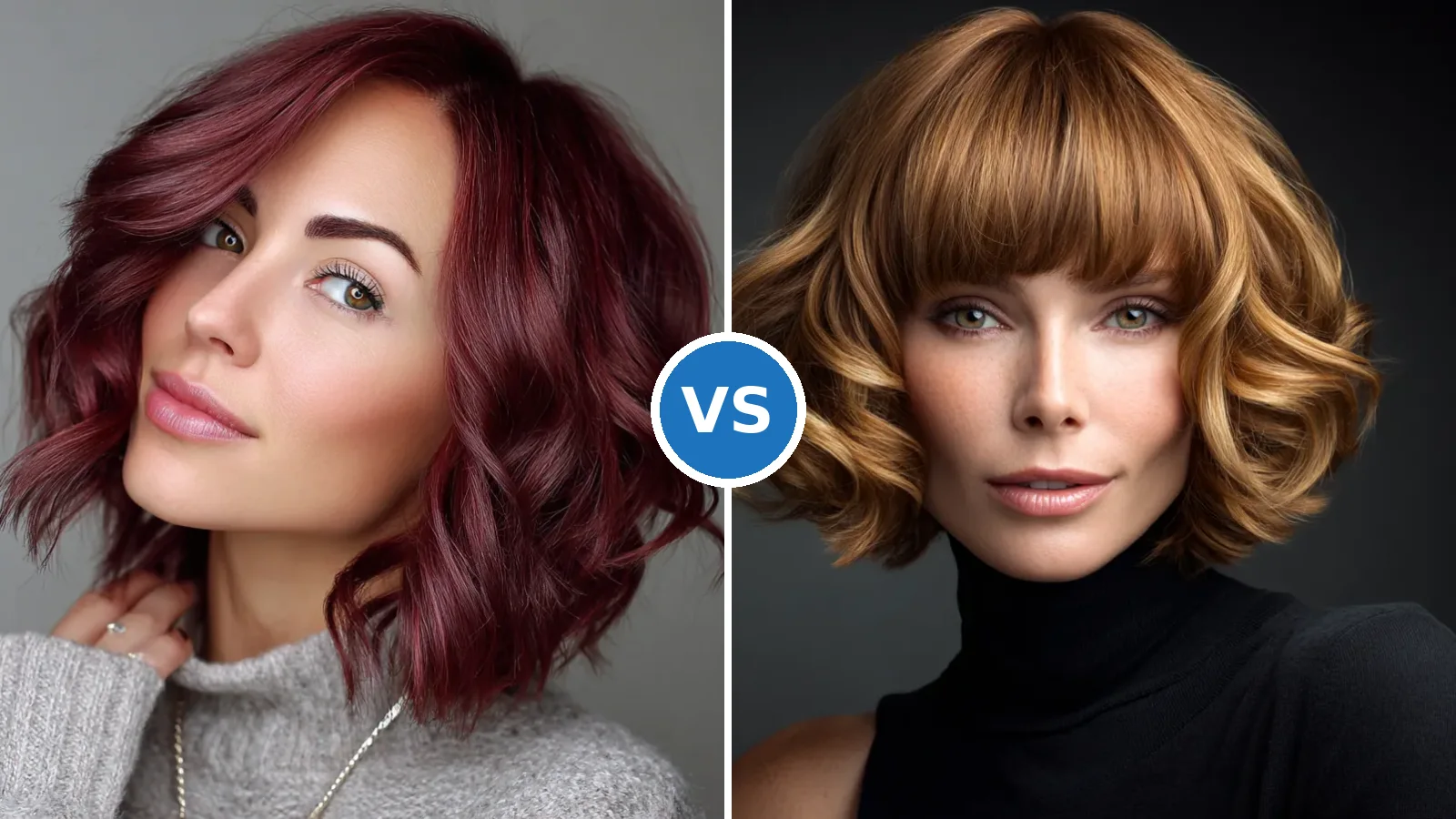
Rock-inspired 80s hairstyles thrived on texture, asymmetry and pure edge. Layered cuts moved with the music while teased roots and matte finishes survived hours under hot lights. Jet black or deep burgundy tones reinforced the rebellious mood that filled arenas.
What happens when you copy the look with today’s products? Texturizing spray and matte paste replace the stiff hairspray shell. The silhouette stays sharp yet the hair remains movable. A 90s-inspired short choppy haircut shares the same love of shattered ends and works as a natural bridge for anyone moving from 80s rock to later decades.

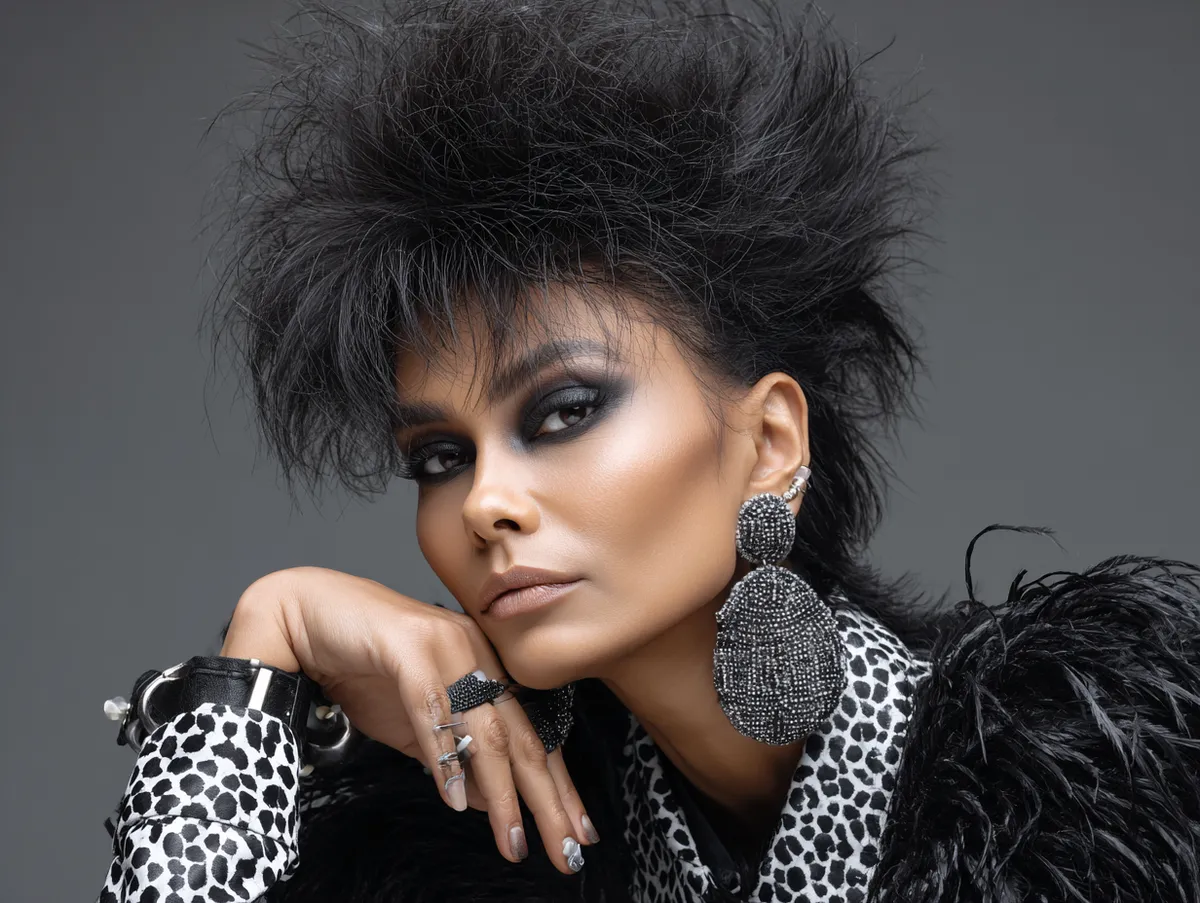
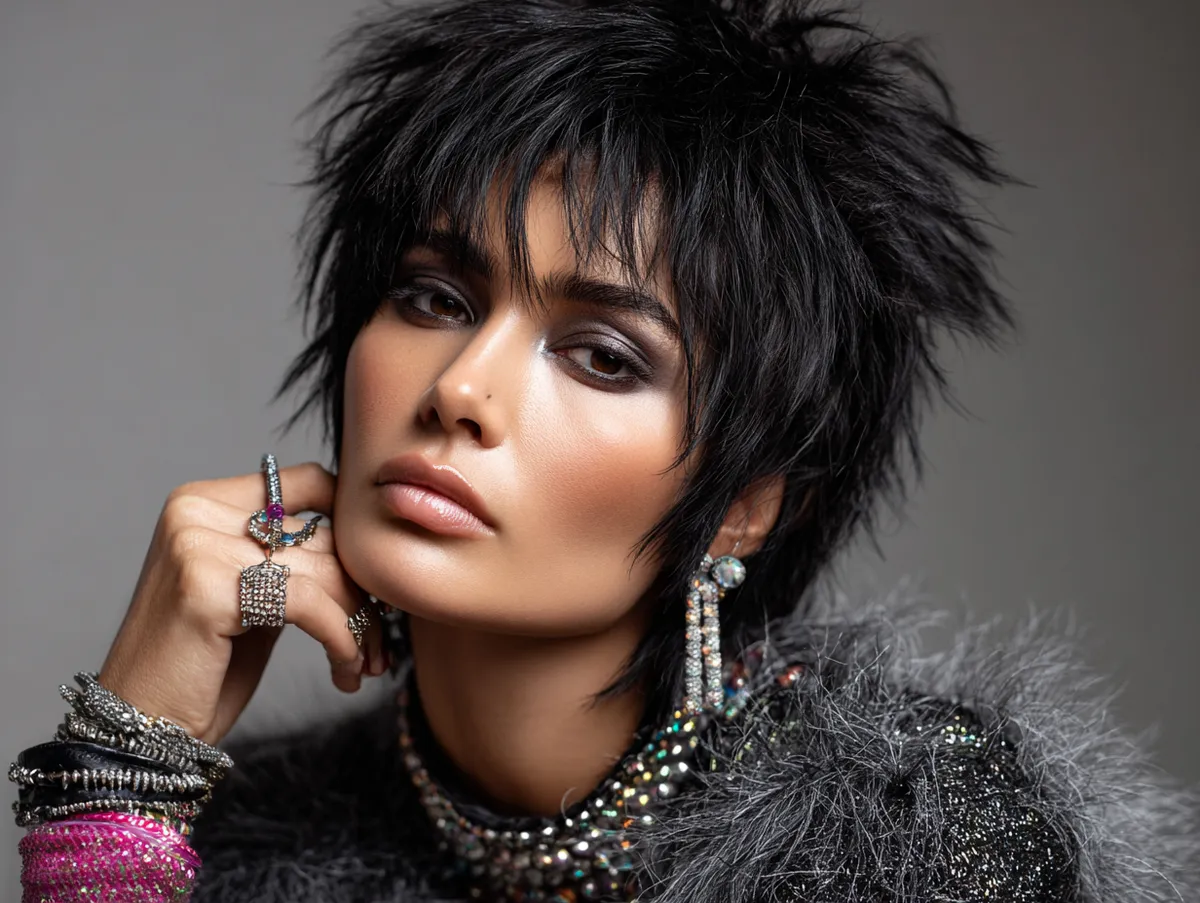
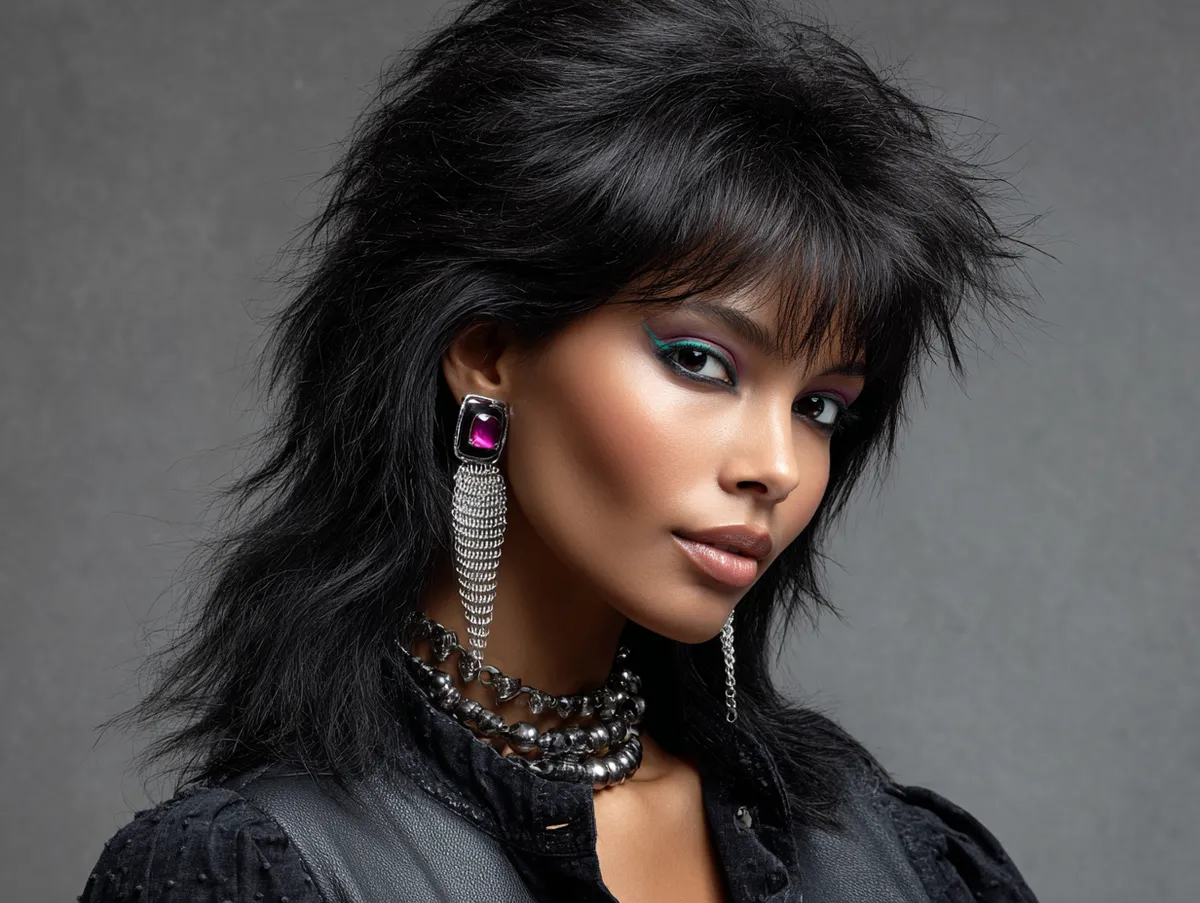
Gender lines blurred on stage and in the mirror. Both men and women wore the same volume and flamboyant details. That freedom still feels fresh. Keep the cut slightly longer on top and shorter at the nape so the shape grows out cleanly for weeks.
One hard rule: never finish with glossy serum if you want the matte rock vibe. Shine kills the attitude. A pea-size amount of paste warmed in the hands and worked through the ends delivers separation without the wet look.
Glamorous Waves Built for Evening Light
Evening 80s hairstyles favored polished volume over chaos. Golden blonde waves caught every candle and spotlight, creating a silhouette that announced arrival before the person reached the door. Rollers and careful brushing produced soft yet structured shapes that lasted through dinner and dancing.
Why did these waves feel so powerful? Height at the crown combined with smooth mid-lengths and ends. The contrast gave the face a lifted frame while the hair itself stayed elegant. Modern large-barrel irons and flexible sprays recreate the same effect in under thirty minutes.
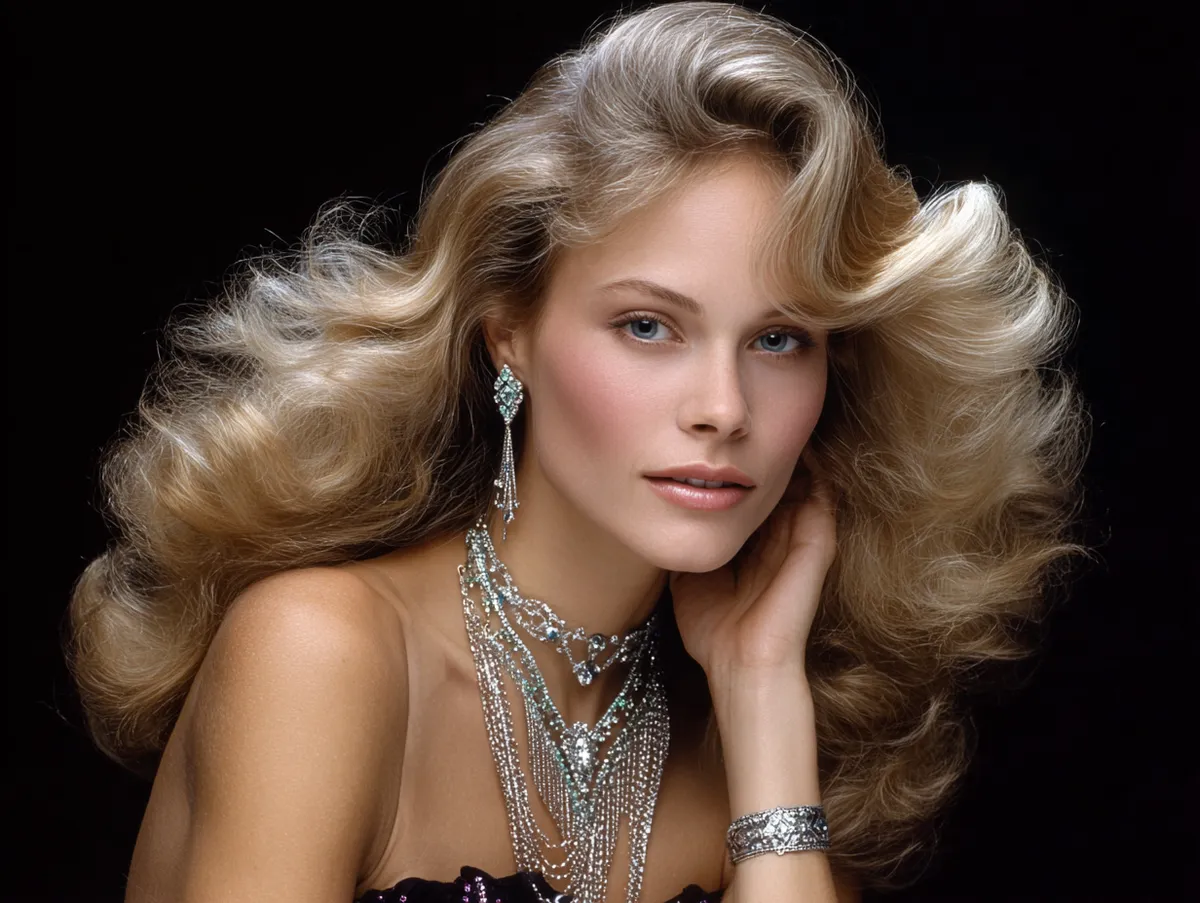
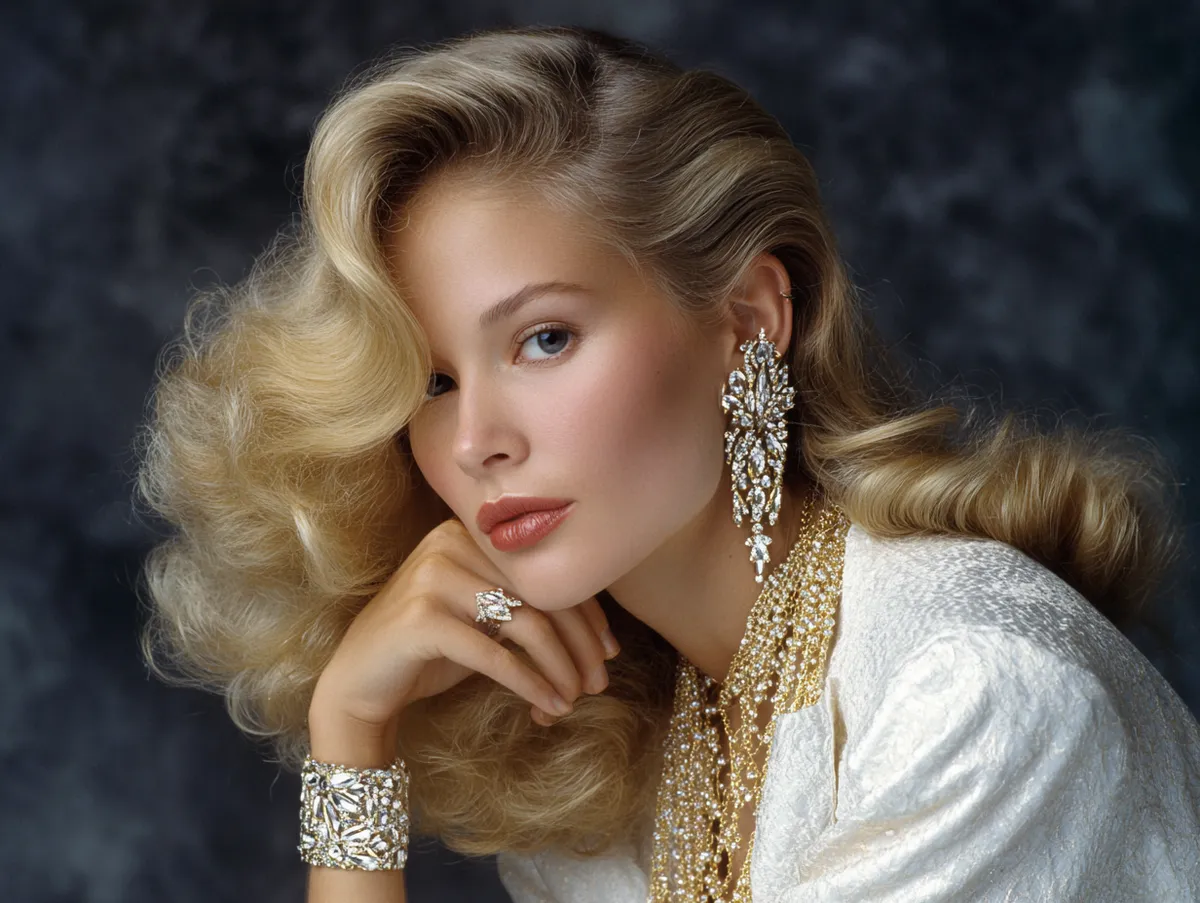
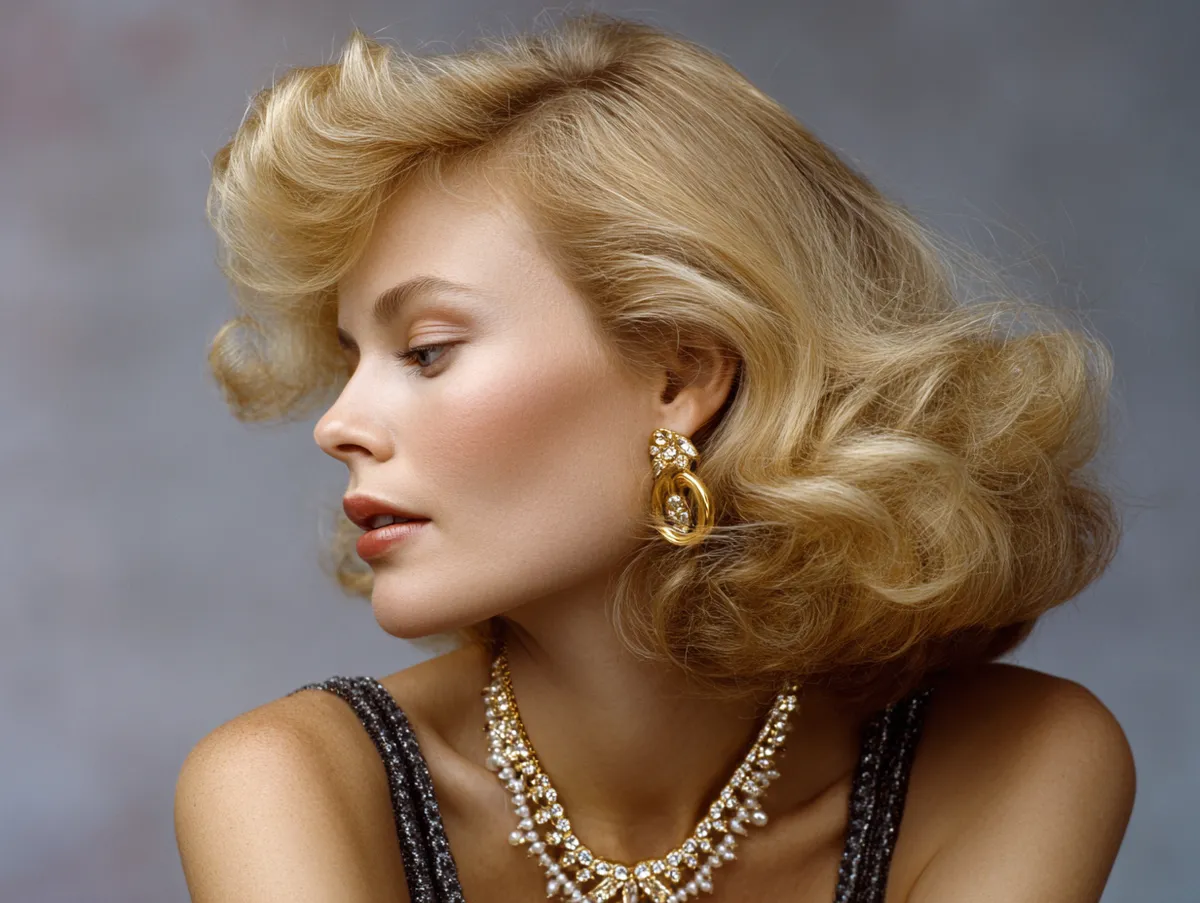
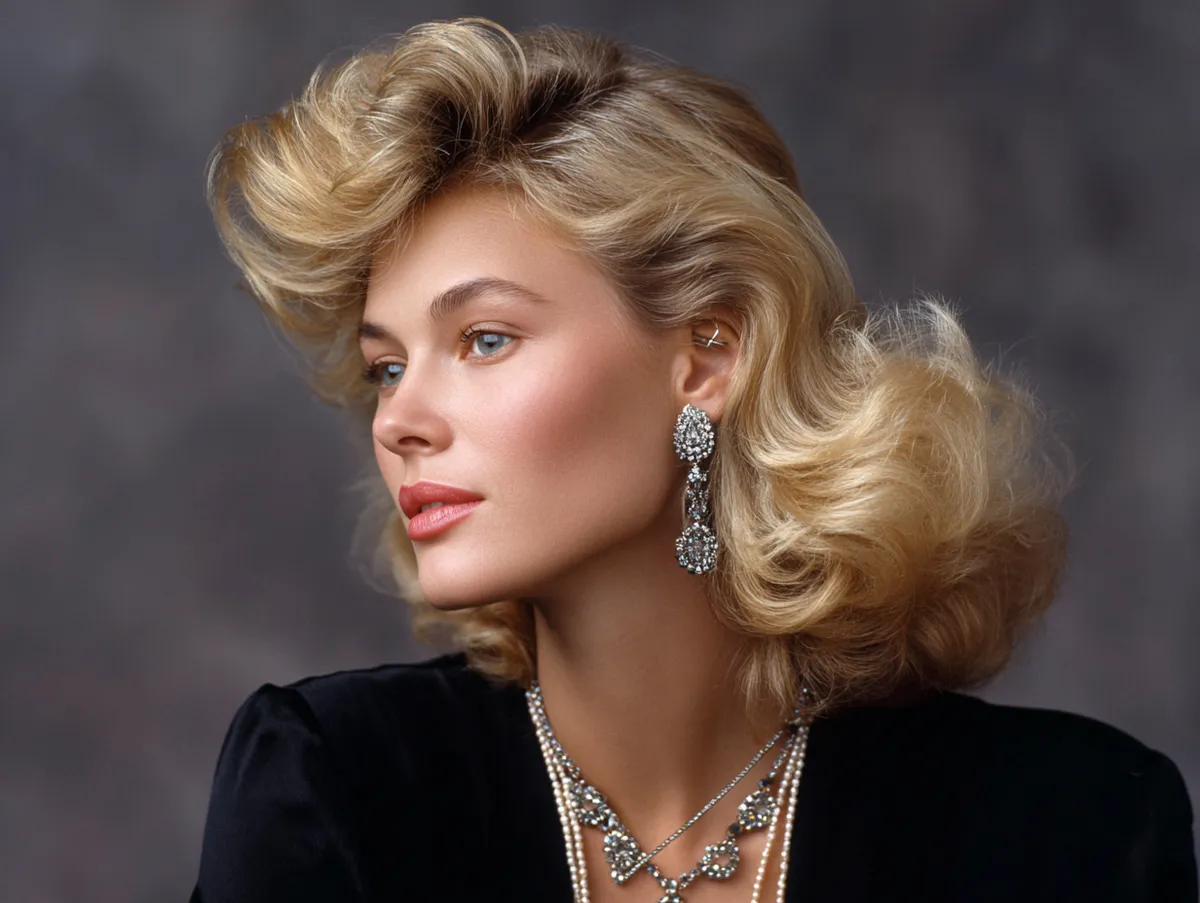
Accessories stayed minimal yet sparkling. Jeweled clips or thin combs added just enough flash without competing with the hair. The same principle holds now: one metallic piece near the temple finishes the look faster than a full head of pins.
Skip the tight ringlet pattern. It reads costume rather than glam. Brush the curls out after they cool so the wave becomes a soft S-shape. That single step separates a modern evening style from a pure retro copy.
Creative Freedom in Electric Color and Shape
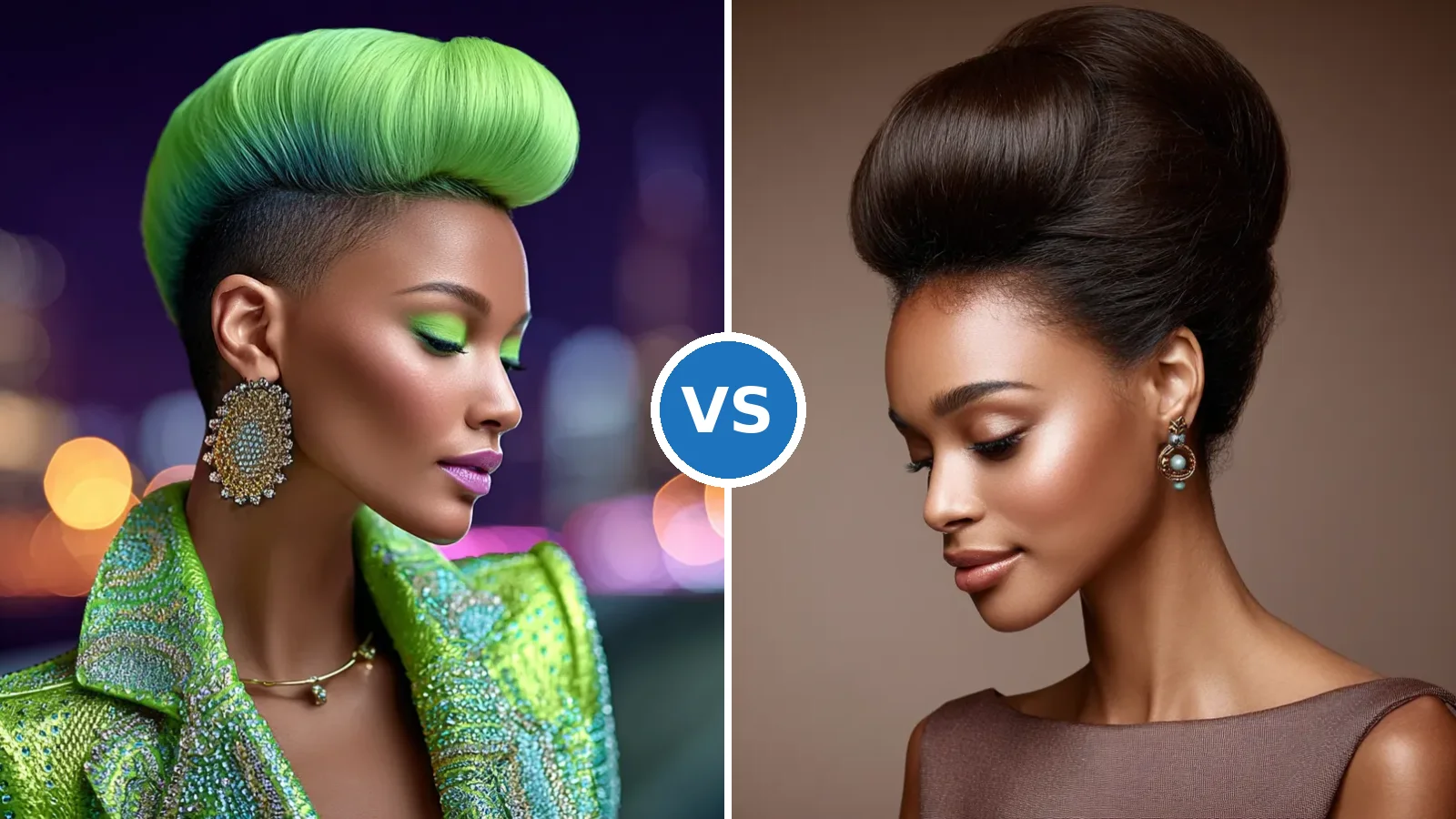
Creative 80s hairstyles treated hair as a blank canvas. Electric blue, hot pink and neon green layers announced that rules no longer applied. Shaggy cuts and asymmetrical lines amplified the message across punk and new-wave scenes.
How far can you push color without long-term risk? Temporary dyes, chalks and quality wigs deliver the same shock value and wash out clean. Pair the shade with a deliberately uneven cut and the statement lands immediately. A retro glam disco hairstyle offers a softer color path if pure neon feels too strong for daily wear.
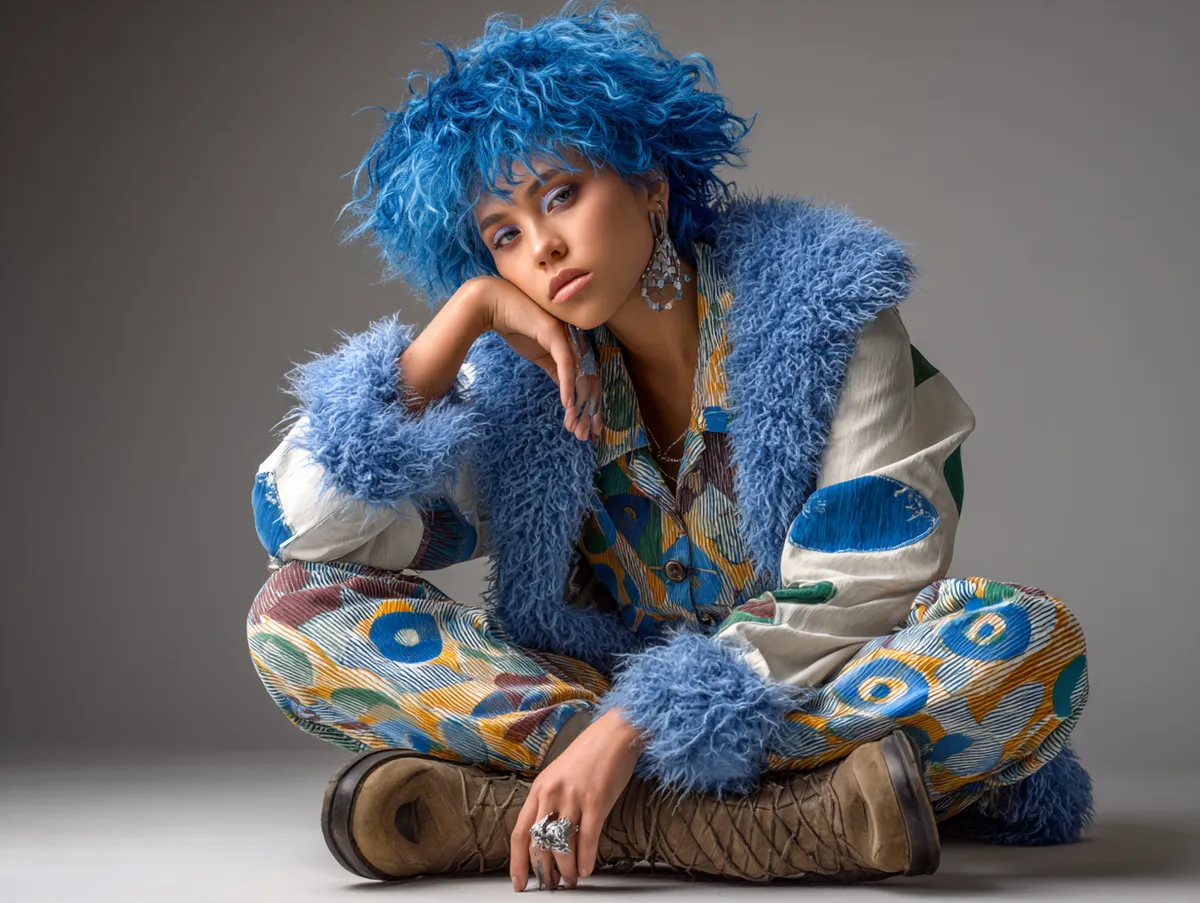
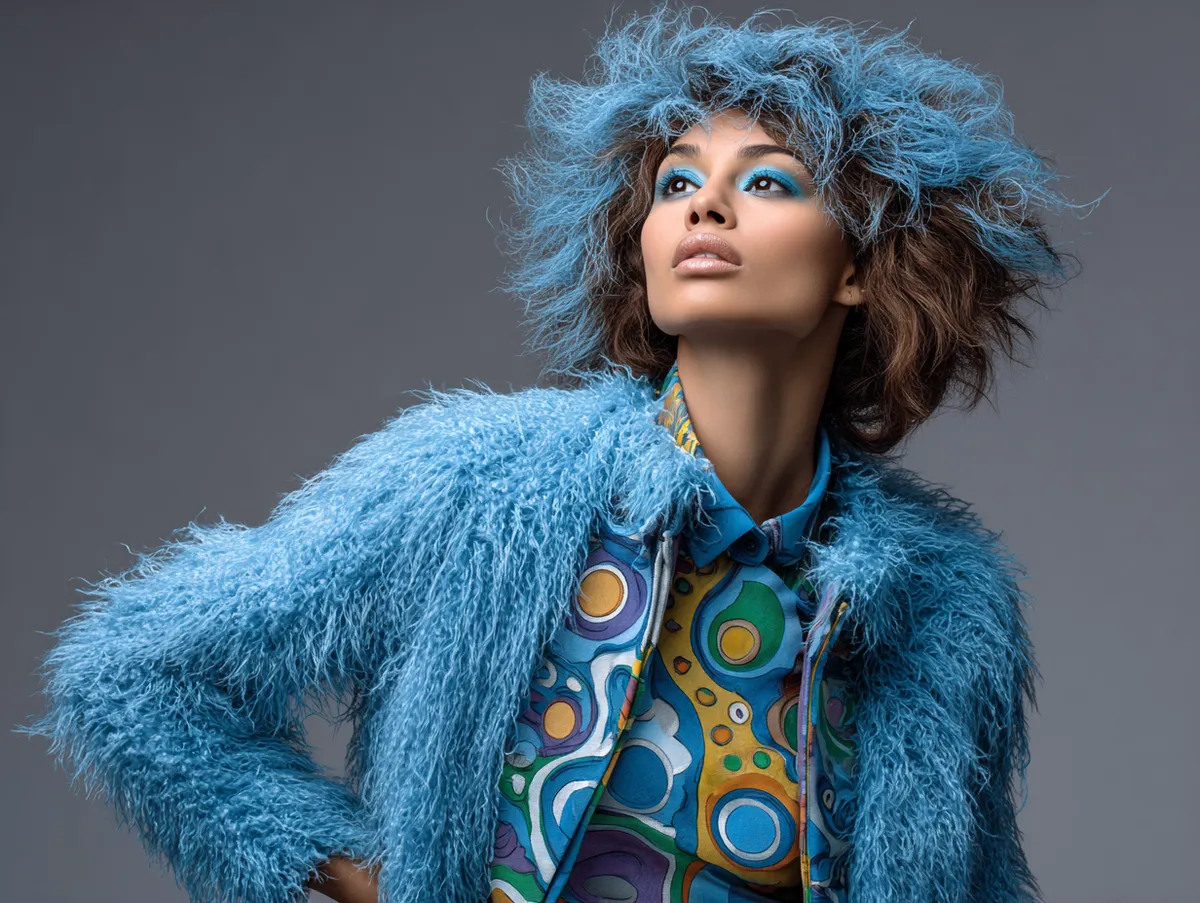
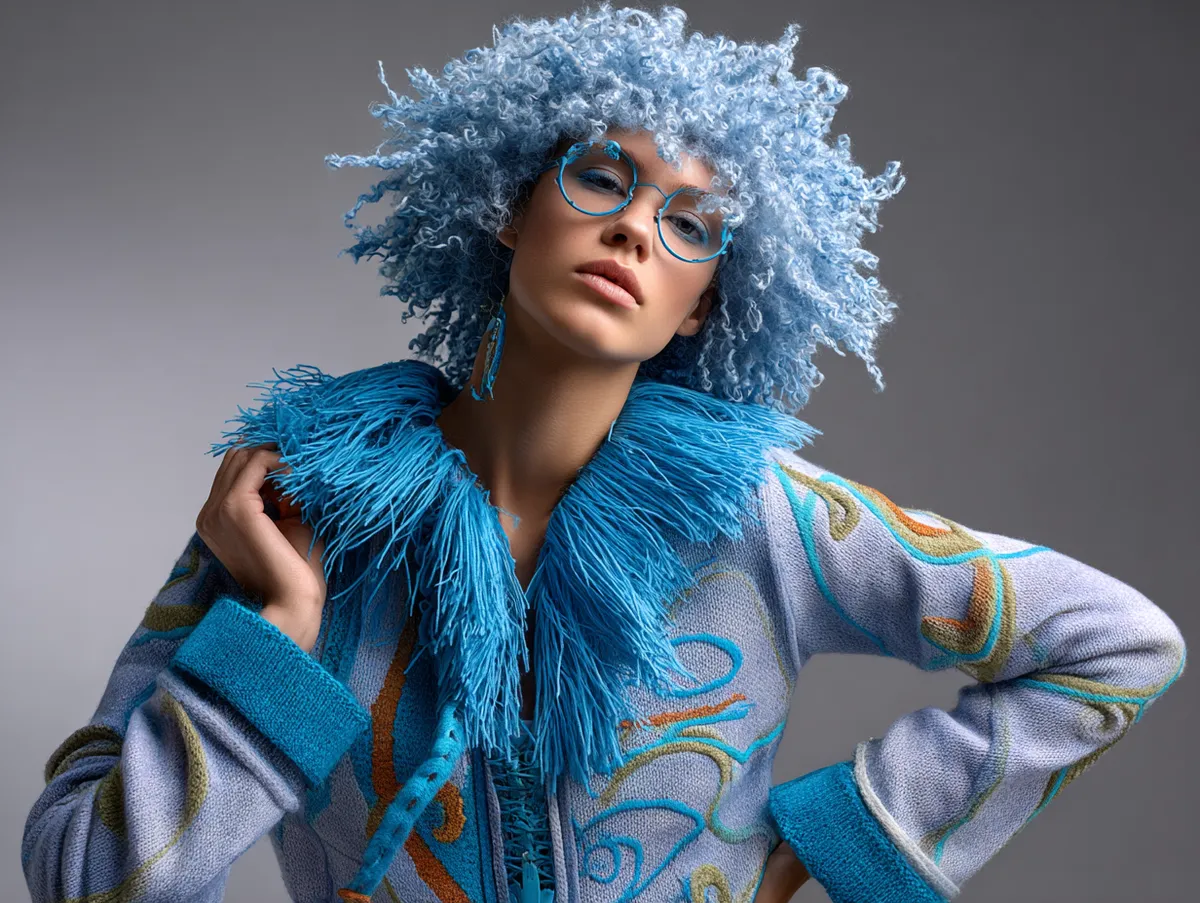
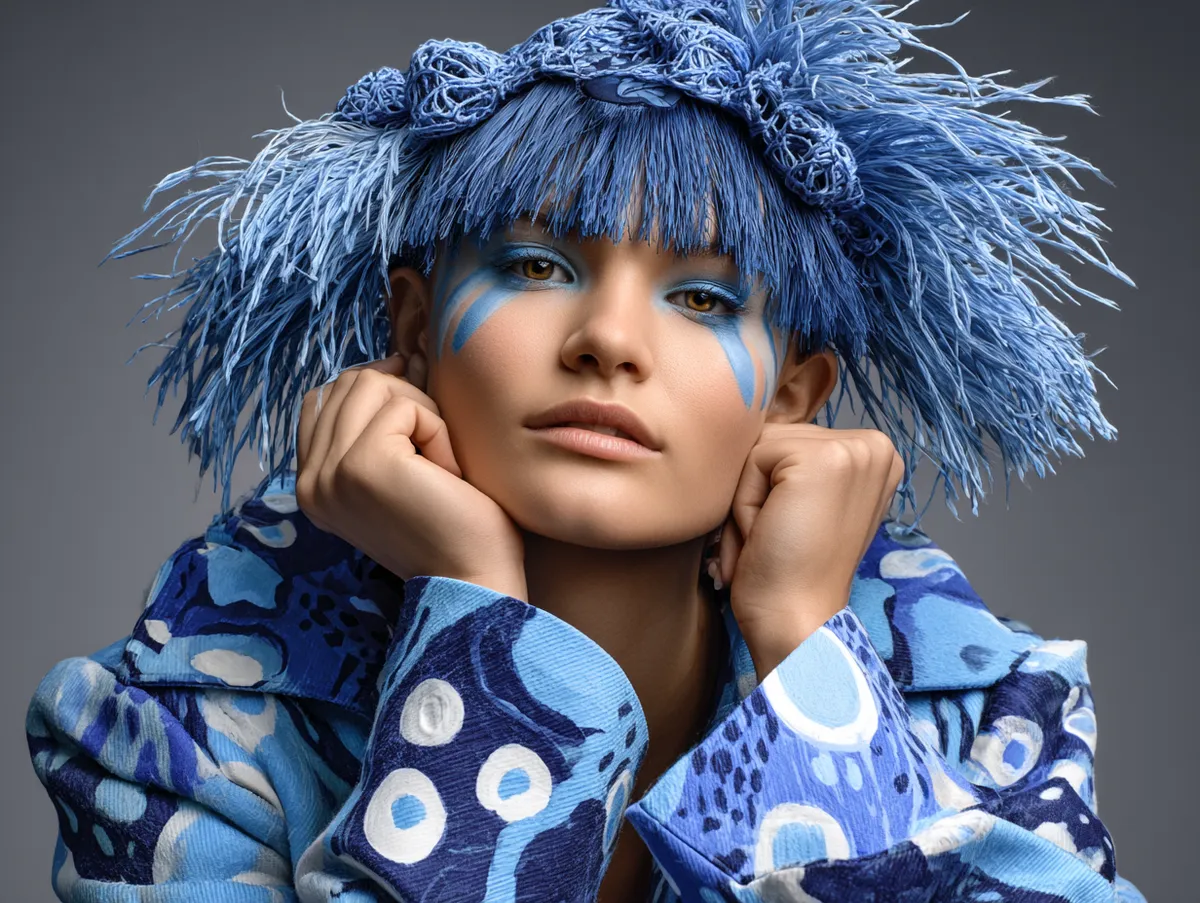
Music videos spread these looks faster than any magazine. Fans copied the shapes and then added their own twists. The same DIY energy still works. Start with a basic layered cut, then introduce color in one section only. The contrast alone creates impact.
Protect the strands. Bold color on damaged hair fades unevenly and looks tired within days. A protein treatment before the dye and a color-safe shampoo afterward keep the shade vivid longer than any extra spray.
Sleek Volume with Modern Sophistication
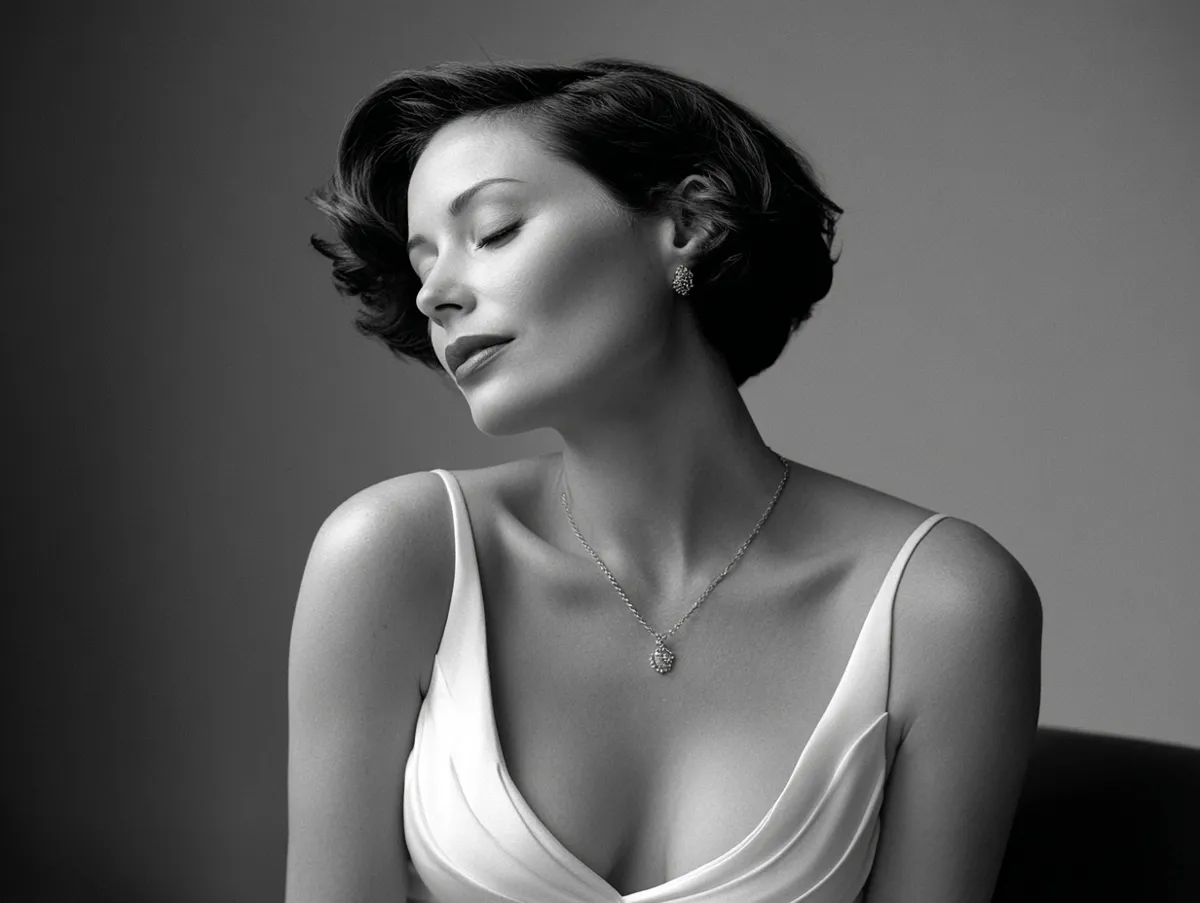
Not every 80s hairstyle shouted. Some mixed the decade’s love of height with smoother finishes and richer tones. Deep purple or burgundy layers created quiet drama that worked from office to evening without a costume change.
What keeps these styles current? Controlled volume at the crown paired with sleek mid-lengths. Blow-dry techniques and light-hold products deliver the lift without the 1980s crunch. The result feels polished yet never boring.
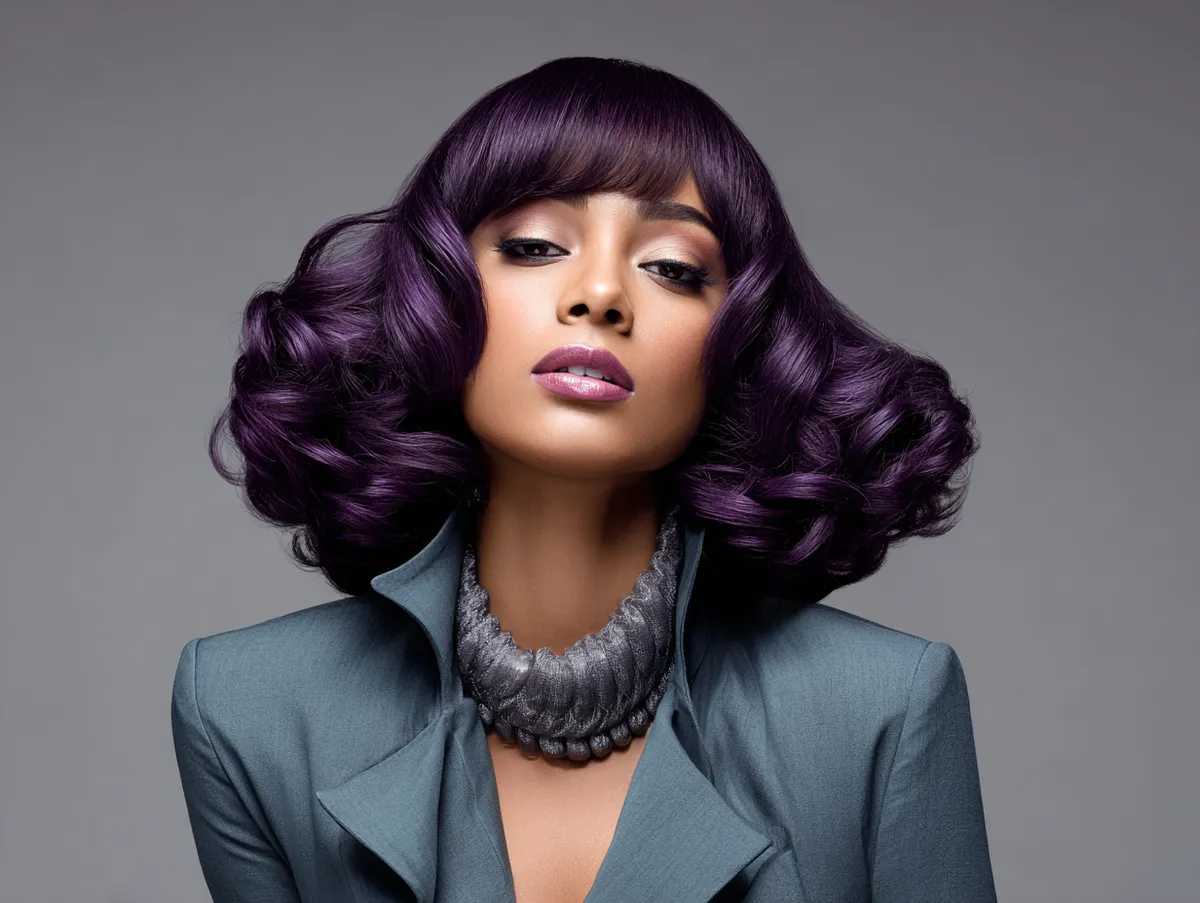
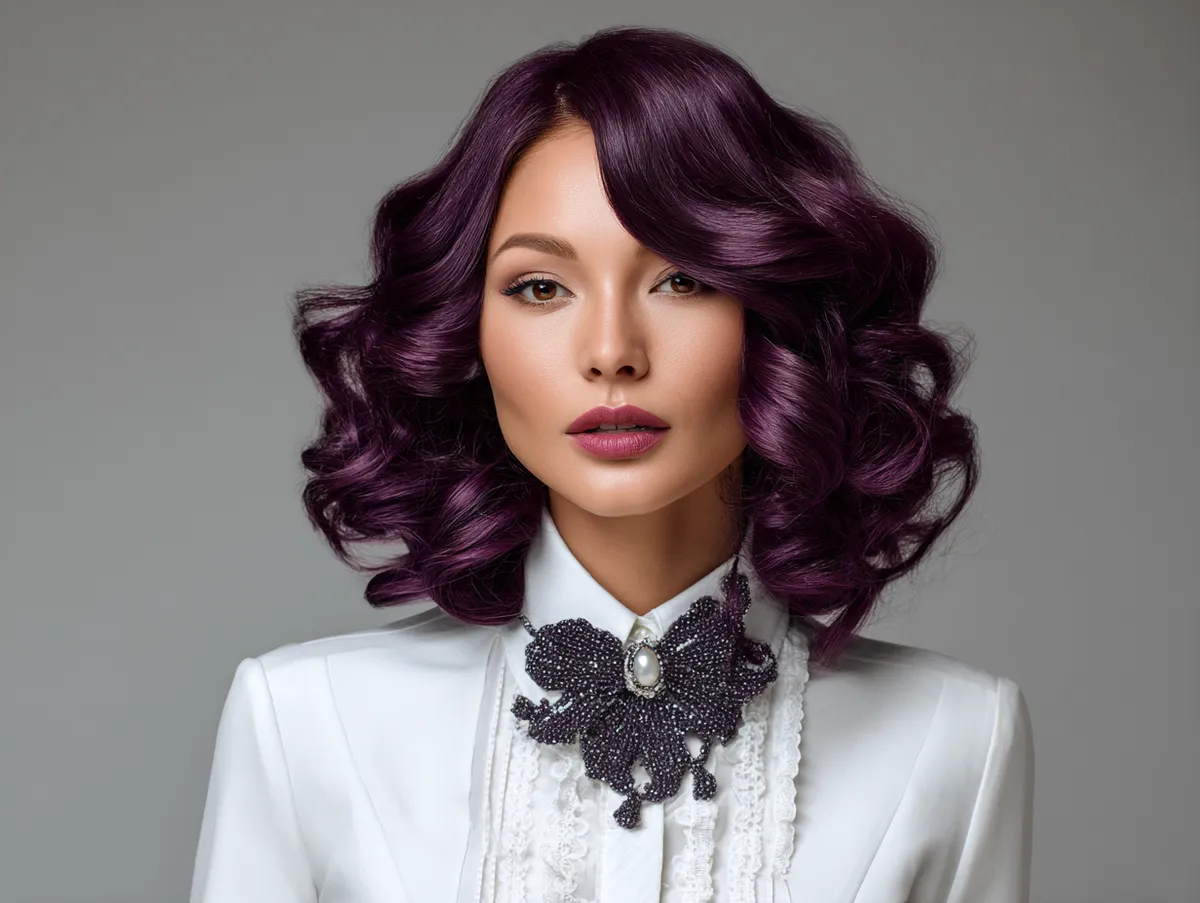
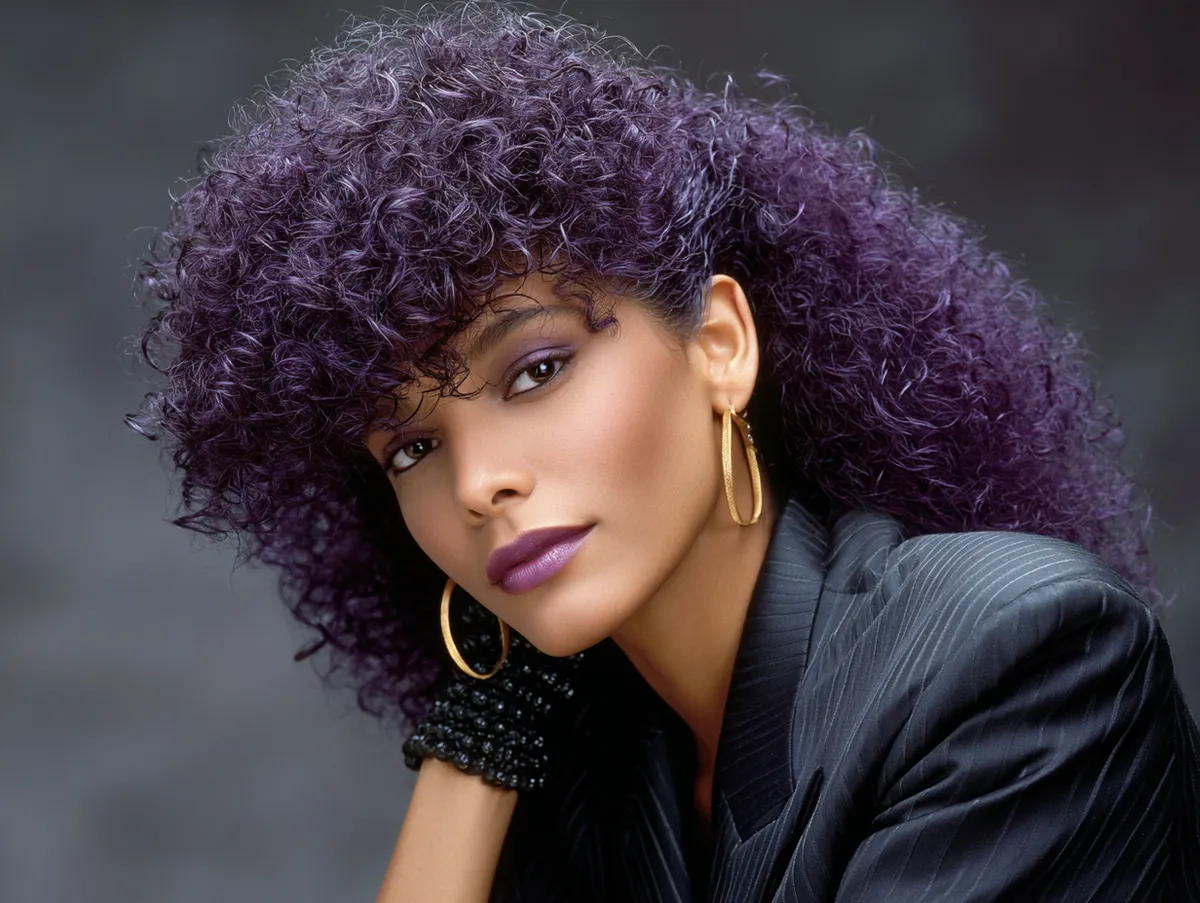
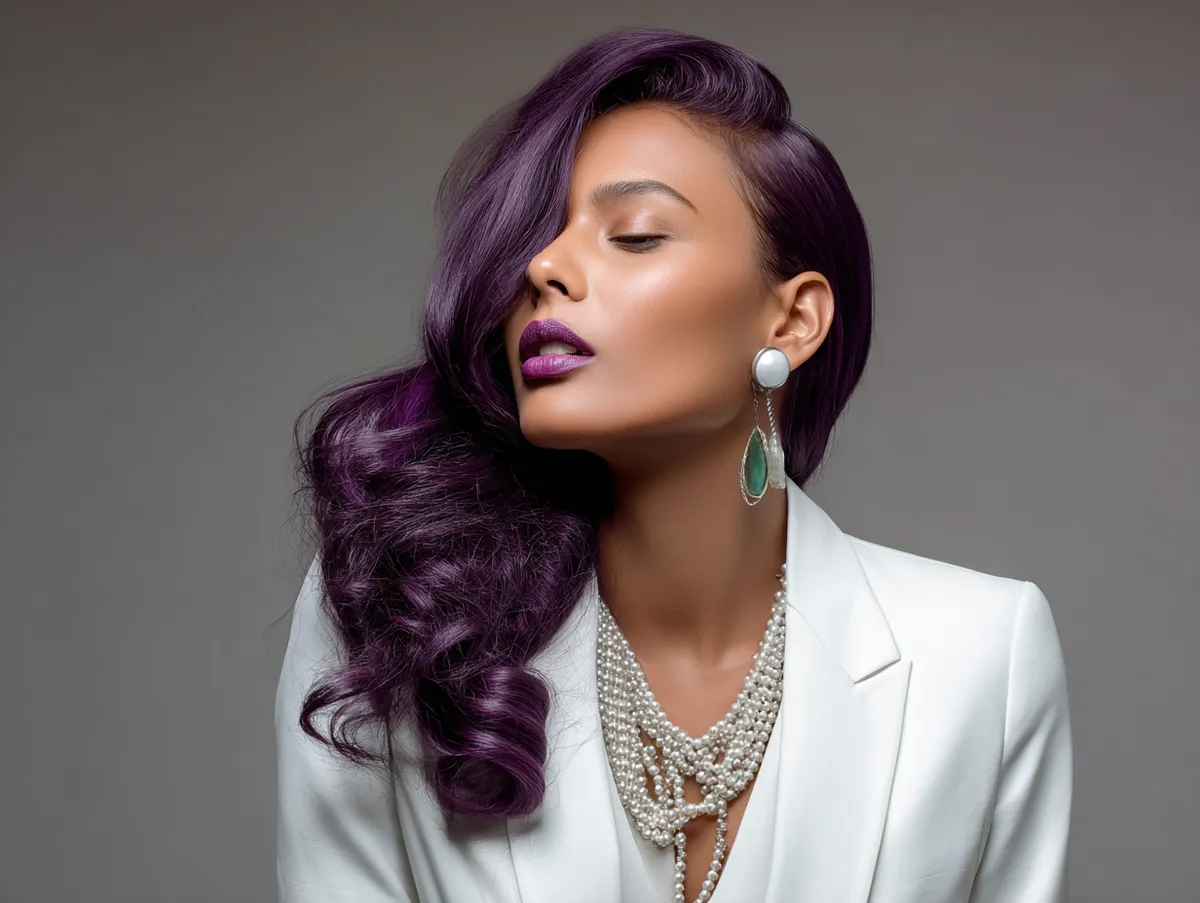
Minimalist clips or simple jewelry complete the picture. The hair already carries the statement; extra sparkle only distracts. This balance makes the look adaptable across seasons and dress codes.
Resist the urge to over-tease. Three short strokes at the crown followed by a smooth surface layer create enough height for most face shapes. More teasing only adds bulk that collapses under humidity.
Side-by-Side Style Comparison
| Style | Key Feature | Best Product Approach | Modern Wearability |
|---|---|---|---|
| Vibrant Curls | Full bounce and height | Curl cream + diffuser | High for casual and parties |
| Rock Layers | Texture and asymmetry | Matte paste + texturizing spray | High for everyday edge |
| Glam Waves | Polished volume | Large-barrel iron + flexible spray | High for evenings |
| Creative Color | Bold shade + shape | Temporary dye + light hold | Medium for statement days |
| Sleek Sophistication | Controlled lift | Blow-dry + light mousse | Highest for office and events |
Practical Takeaways for Real Life
80s hairstyles succeed when volume meets movement. The decade proved that hair can claim space and still feel personal. Choose one element—height, texture or color—and build from there rather than copying every detail at once.
Start with a strong cut. Layers or a solid base shape determine how well the style holds through the day. Products only enhance what the scissors already created.
Protect the hair. Heat and color take a toll; a simple leave-in and weekly mask keep the finish healthy enough for repeated styling. Healthy strands photograph better and last longer between salon visits.
Test temporary versions first. A clip-in piece or wash-out color reveals whether the look suits your face and lifestyle before any permanent change. The feedback is instant and risk-free.