Formal hairstyles with headbands are having a serious moment — and I don’t mean the plastic drugstore kind shoved behind your ears at the last minute. A well-chosen embellished headband placed correctly can do more for your banquet or prom look than an hour with a curling iron. I’ve styled my hair this way for three galas in the past year and not once did I miss the bobby-pin-heavy updo I used to default to.
The six looks below cover every color story and hair texture. You’ll notice each one hinges on one decision: which headband metal or finish anchors your dress color. Get that pairing right and the rest falls into place faster than you’d think.
My go-to rule is simple — if the dress is dark, go metallic on the headband. If the dress is light or neutral, pearl or rose gold wins every time. Keep that in your back pocket.
– Golden headbands read most formal on dark hair — place 2 inches behind the hairline, not flush at the edge
– Pearl white headbands + loose waves = the fastest wedding-guest look that photographs beautifully
– Emerald green is bold but controlled — pair with black or navy, never a busy print
– Rose gold is the most flattering finish for warm skin tones; works on blondes and brunettes equally
– Black headbands on a slicked-back low bun is a modern art-director aesthetic, not a school-uniform look
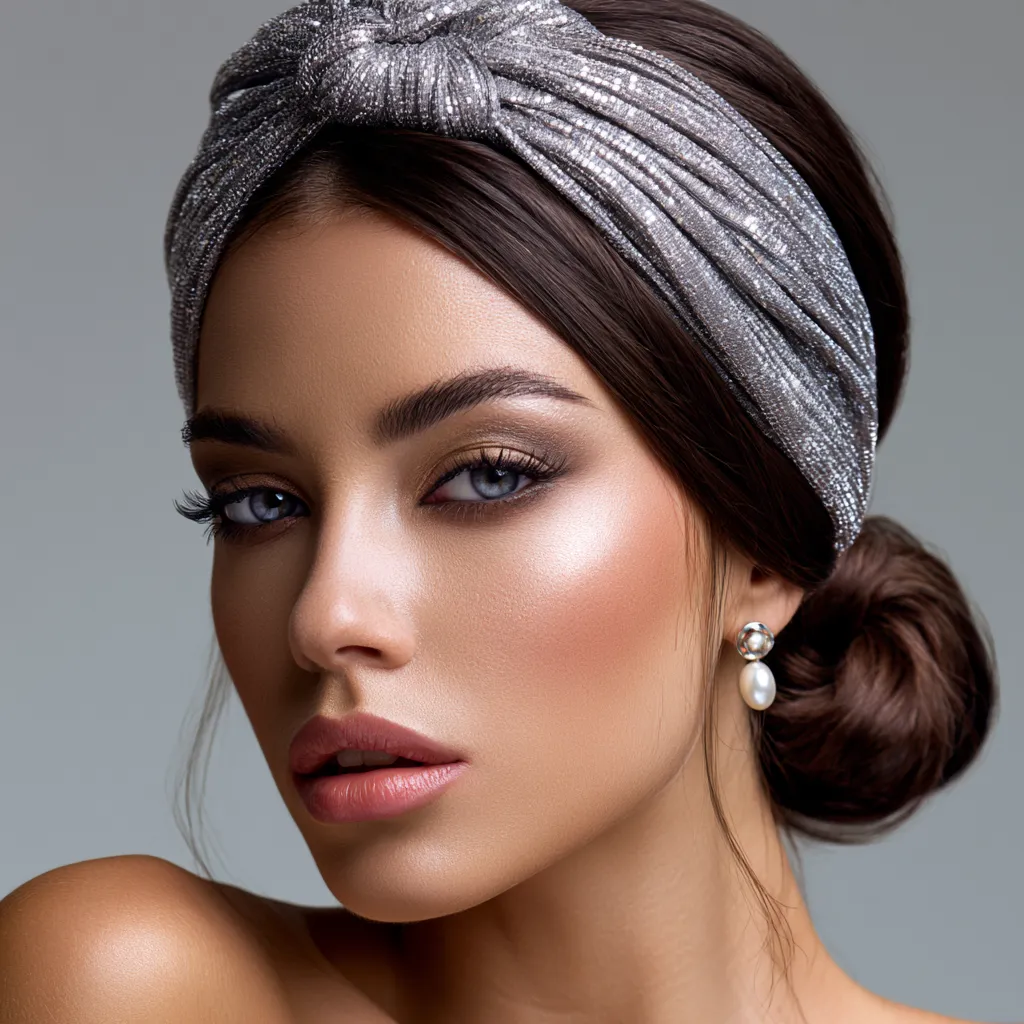
– Silver shimmer belongs on an updo or braid — on loose down hair it looks like an afterthought
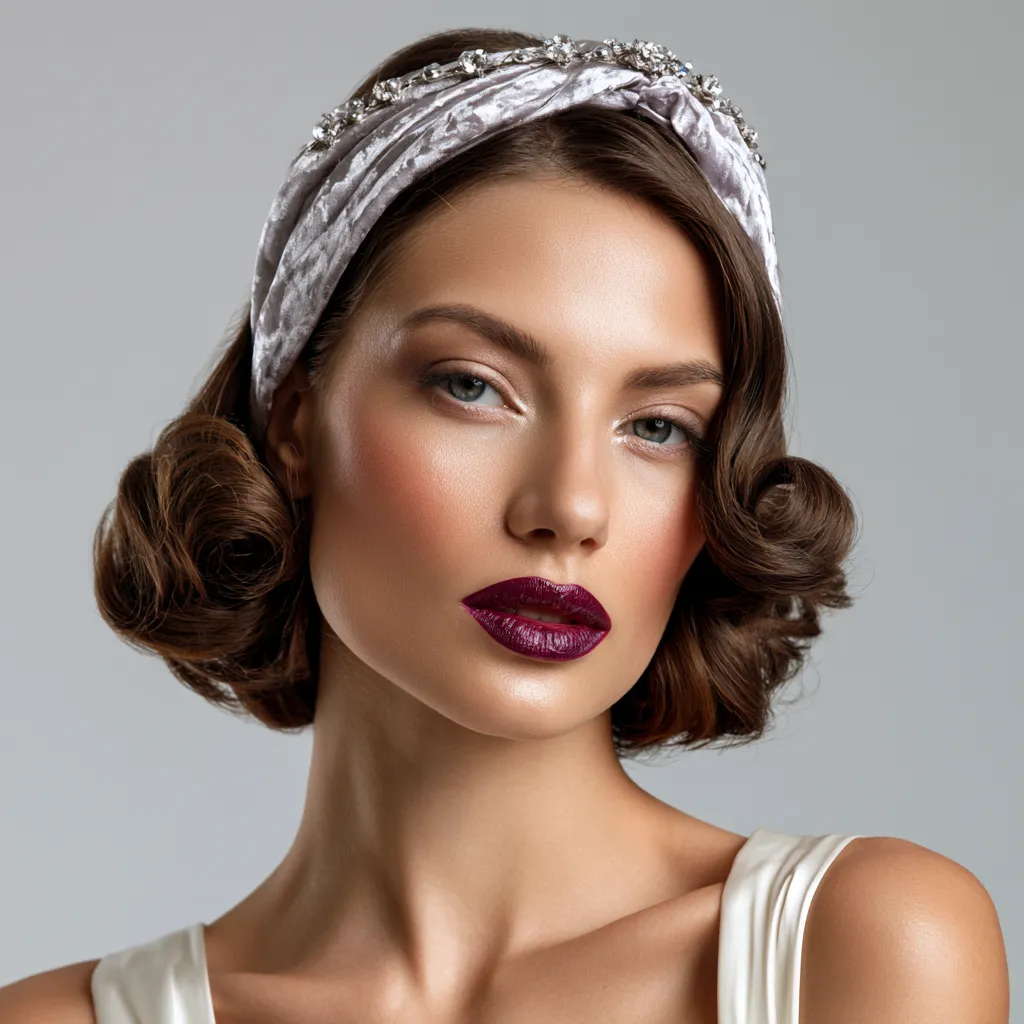
– Banquet and prom headband placement: always a few inches back from the hairline, never hard against it
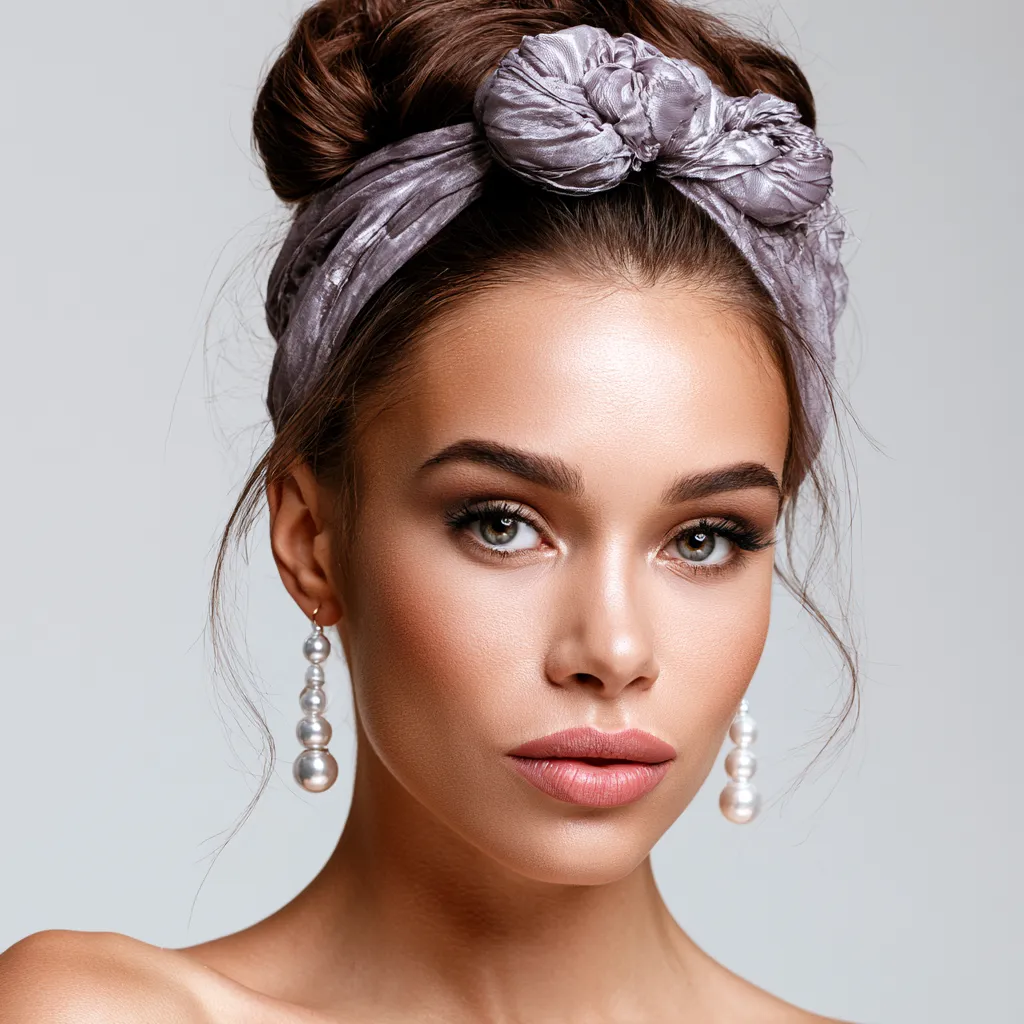
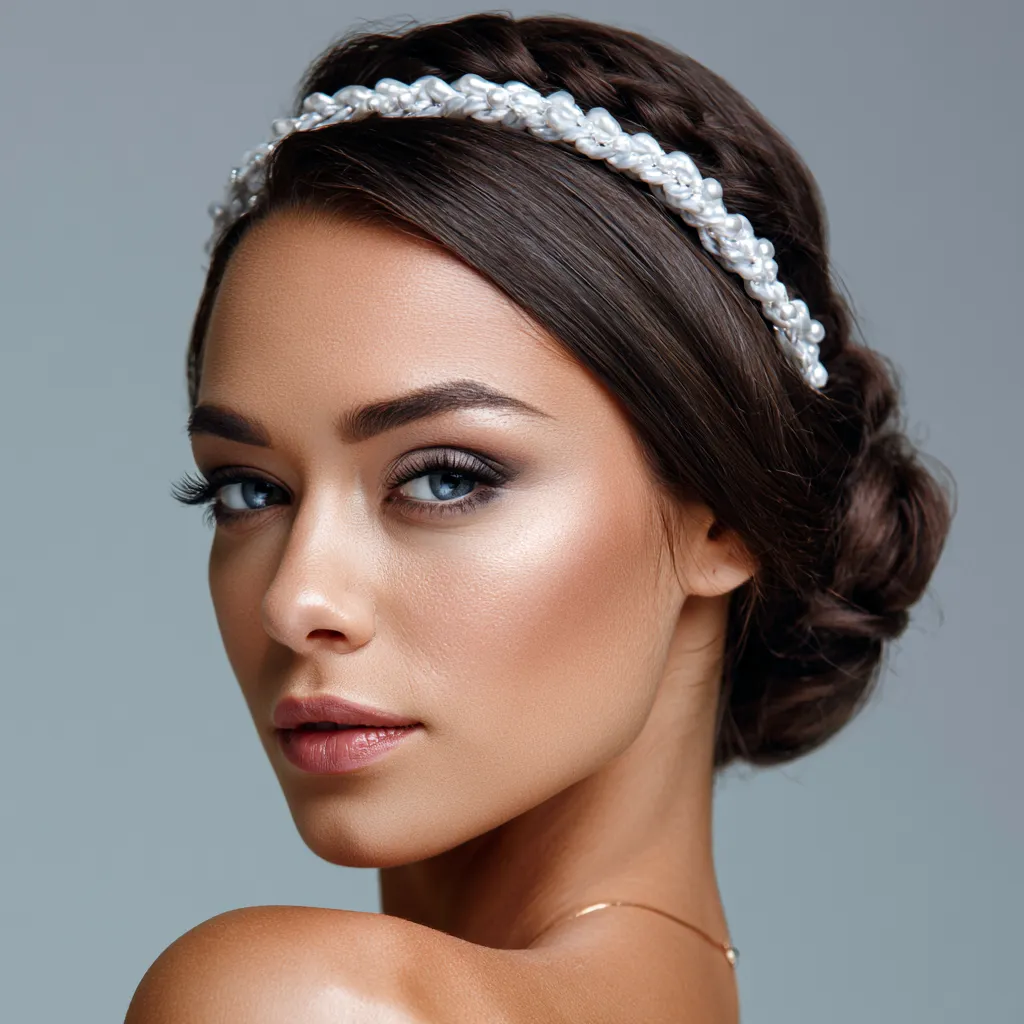
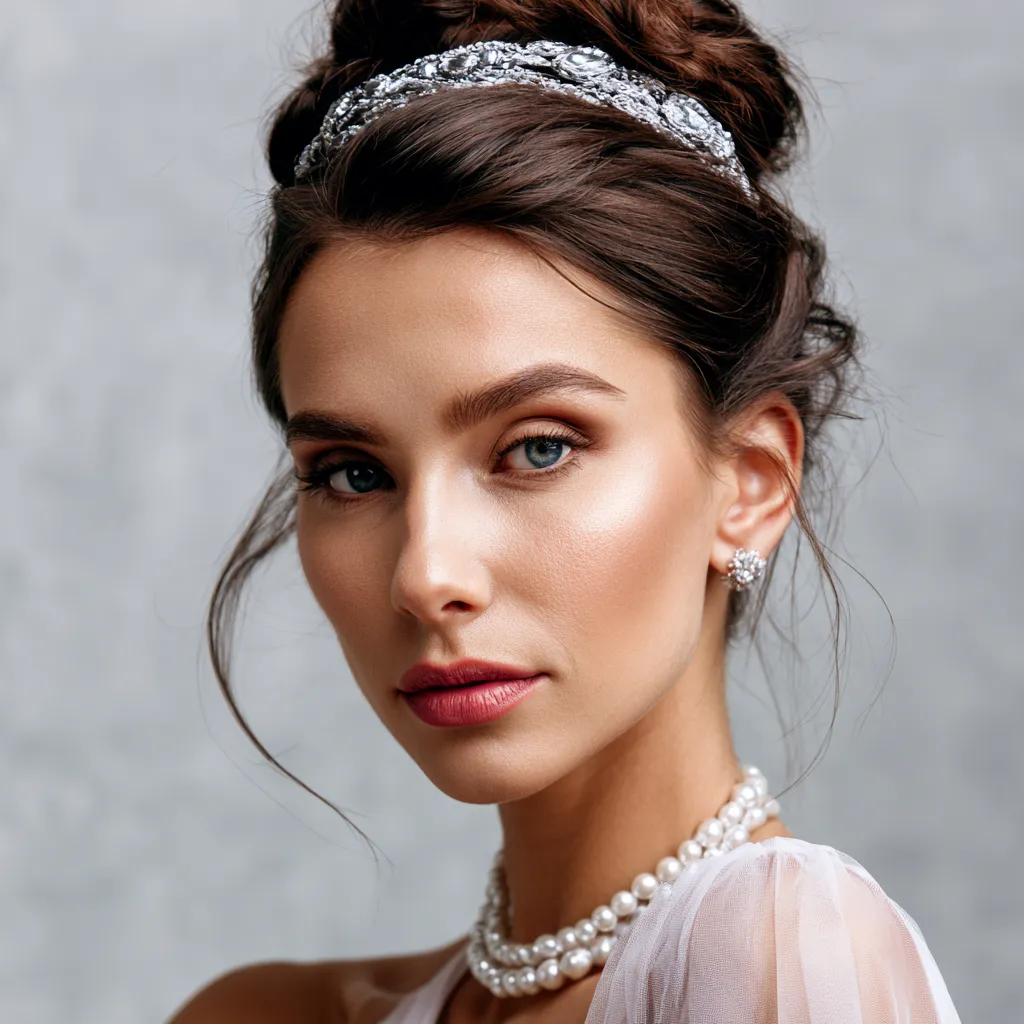
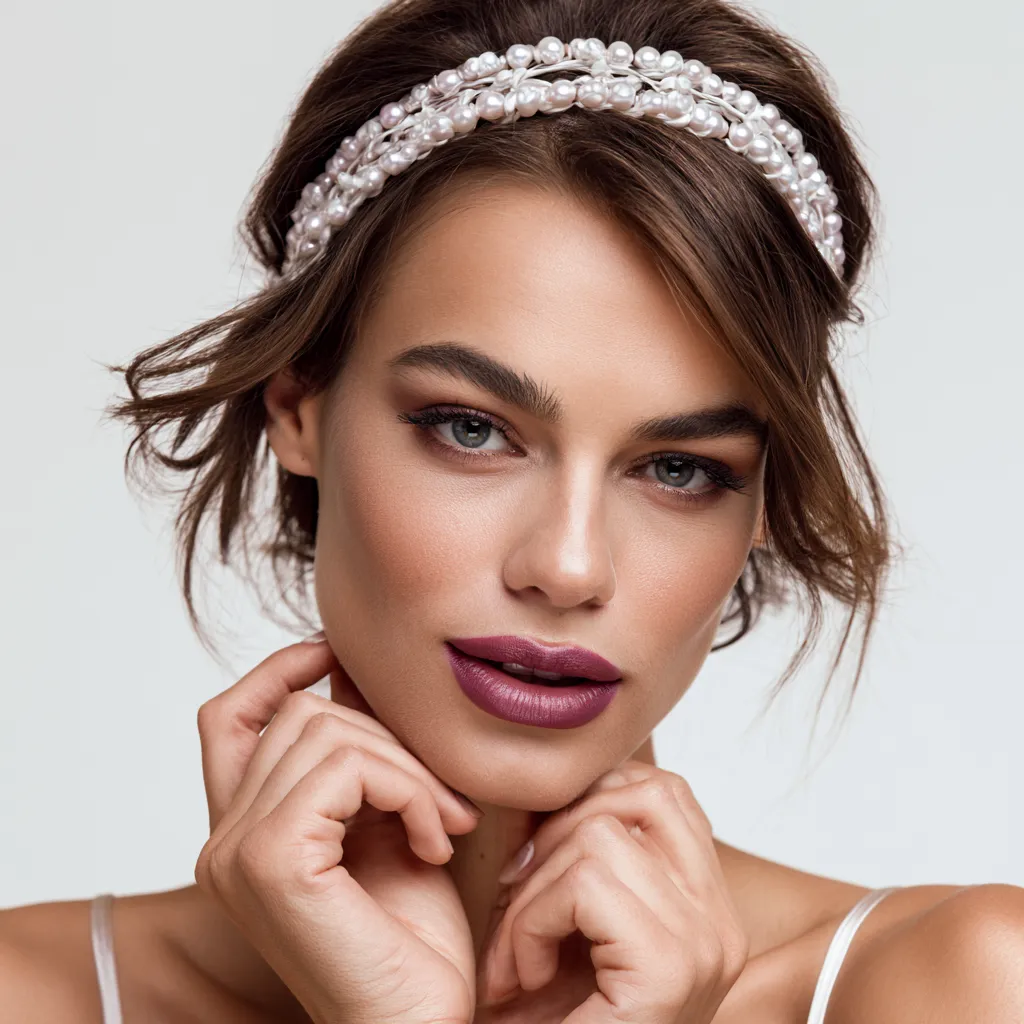
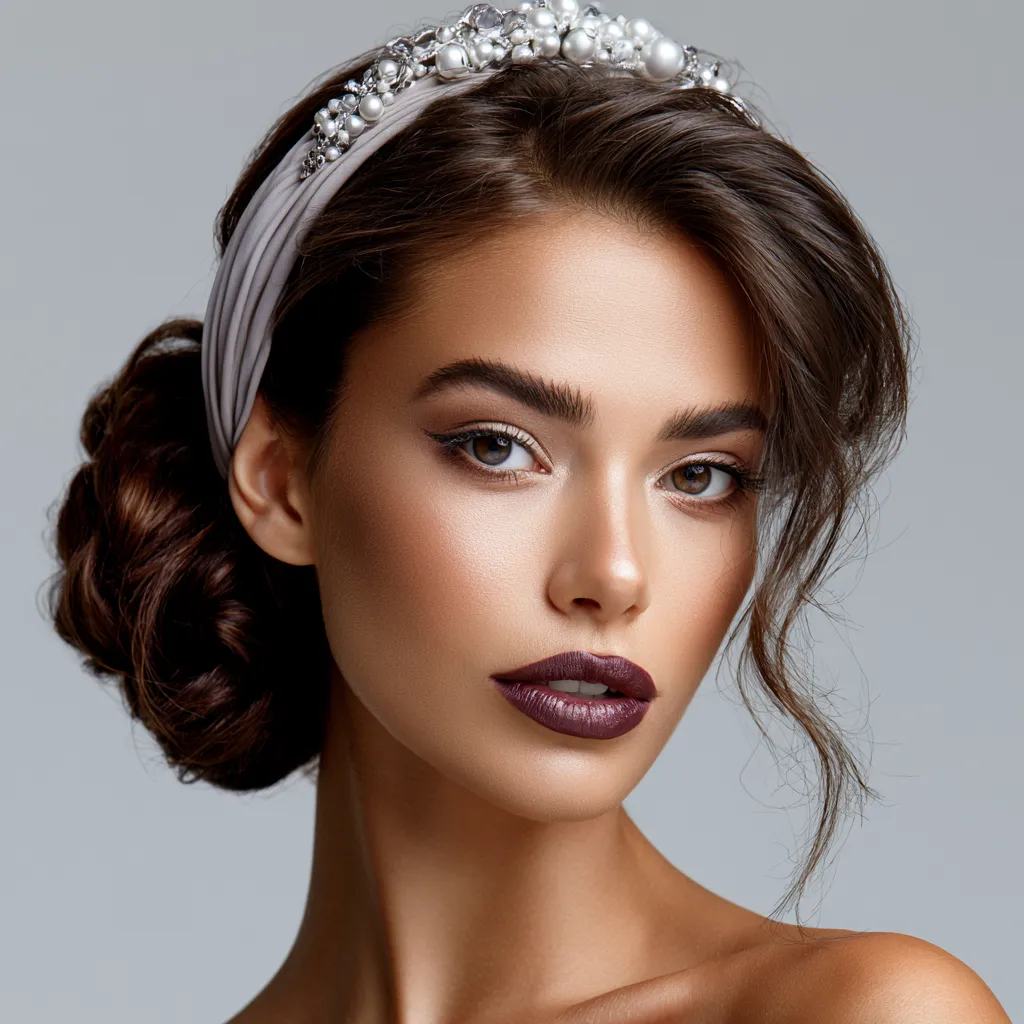
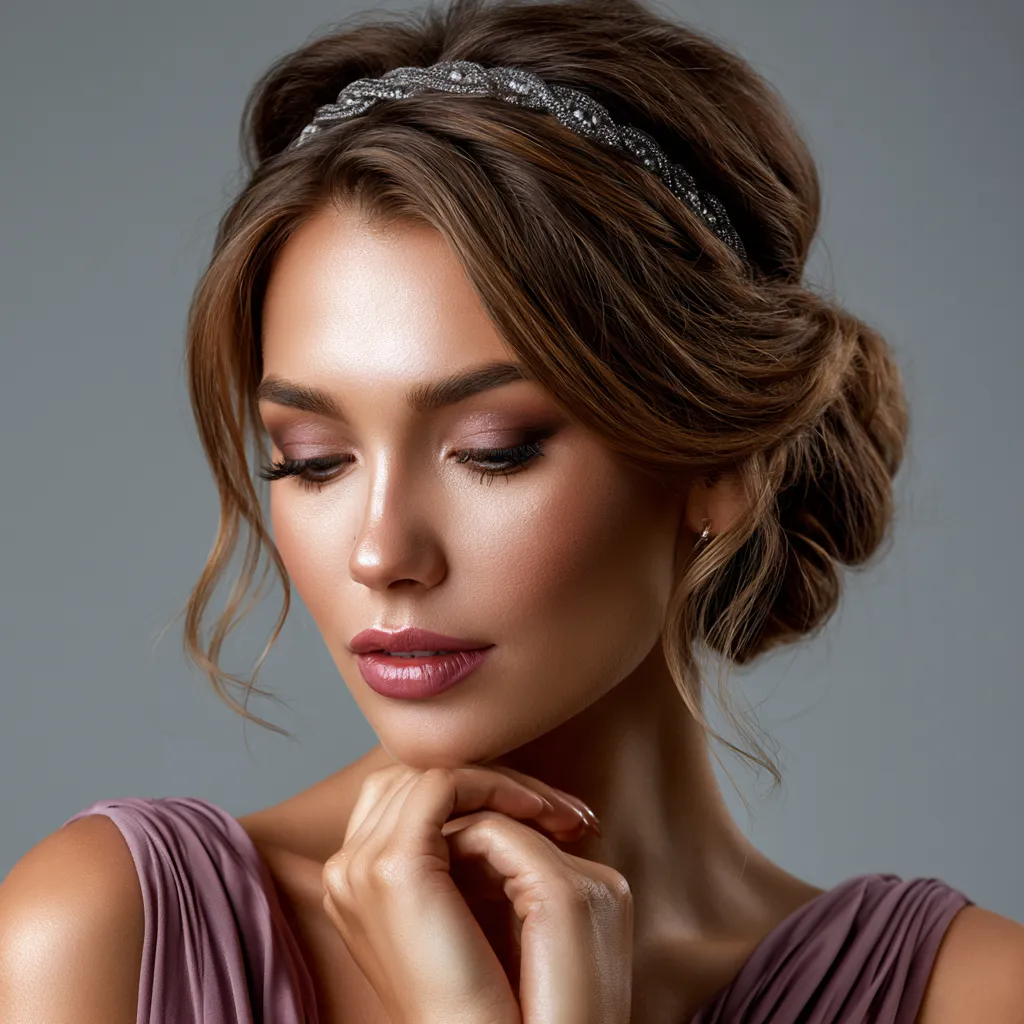
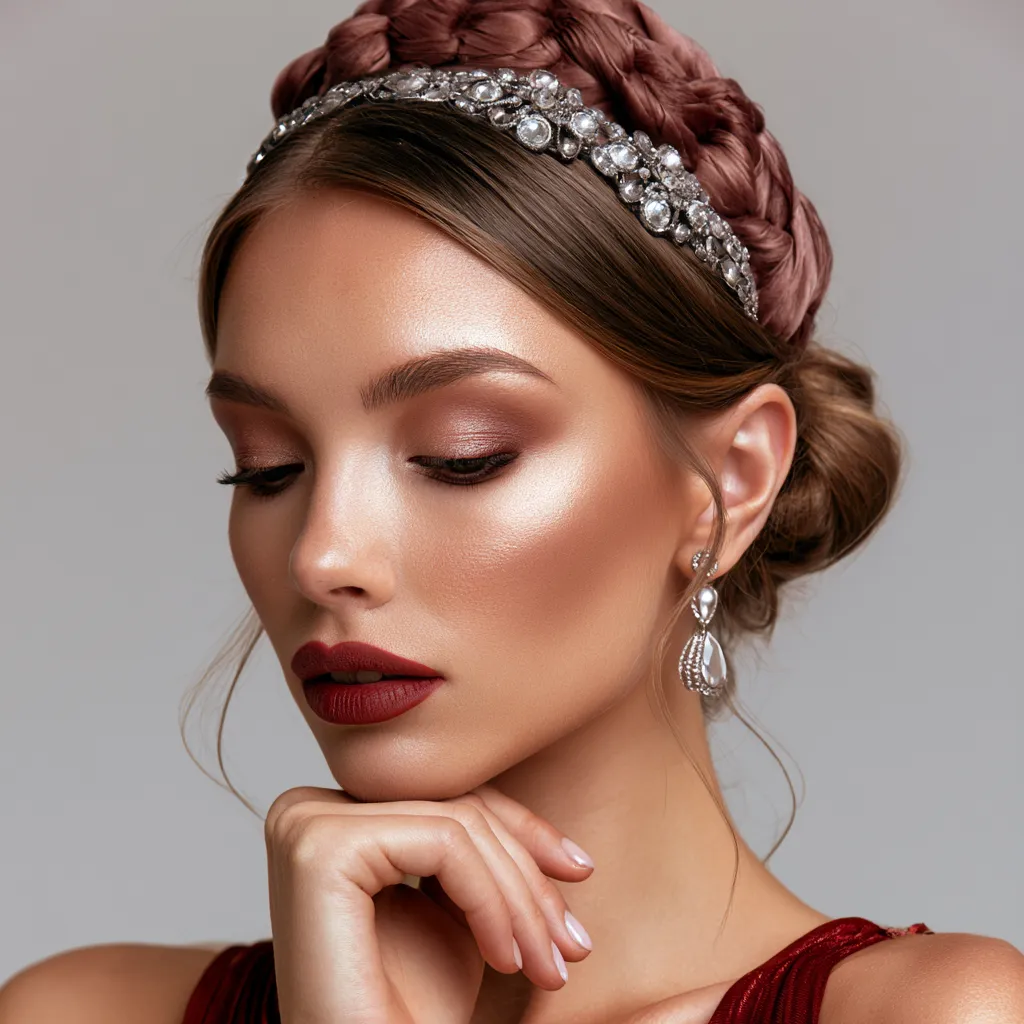
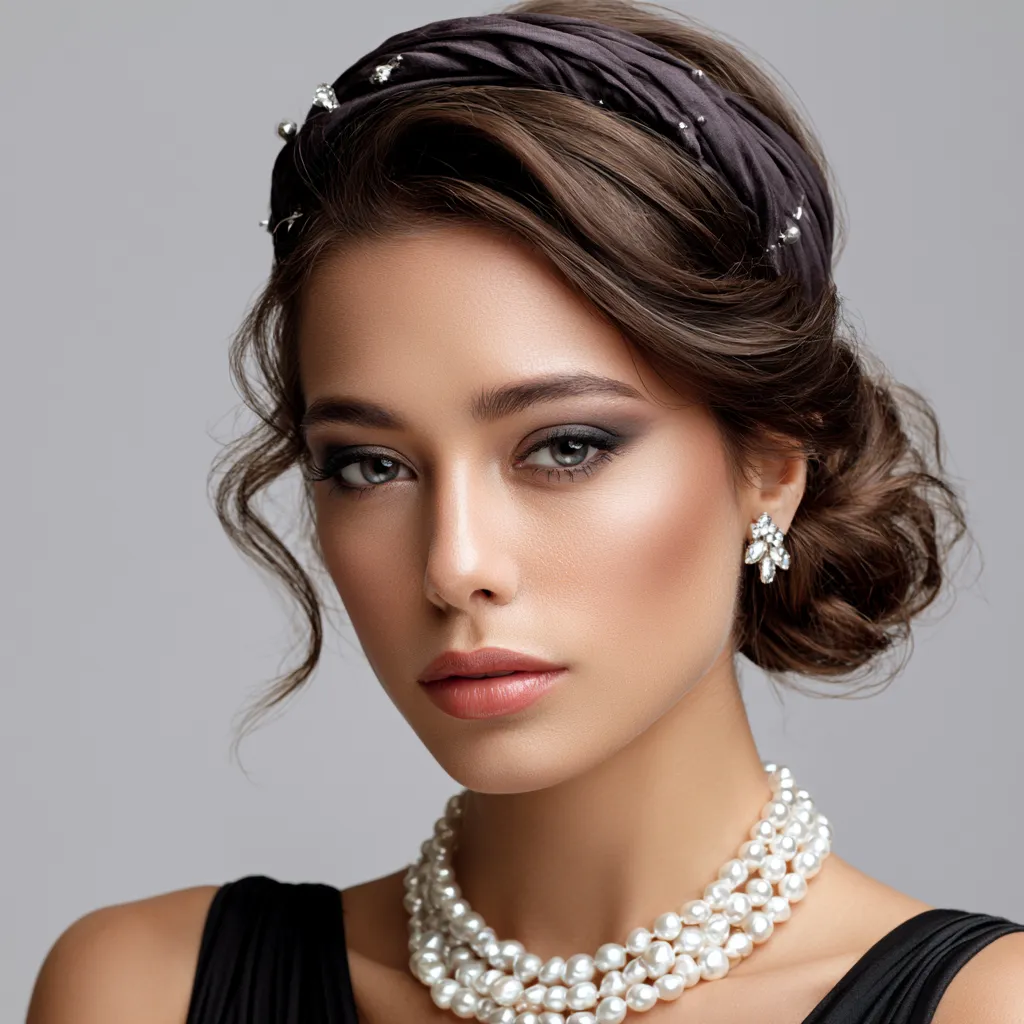
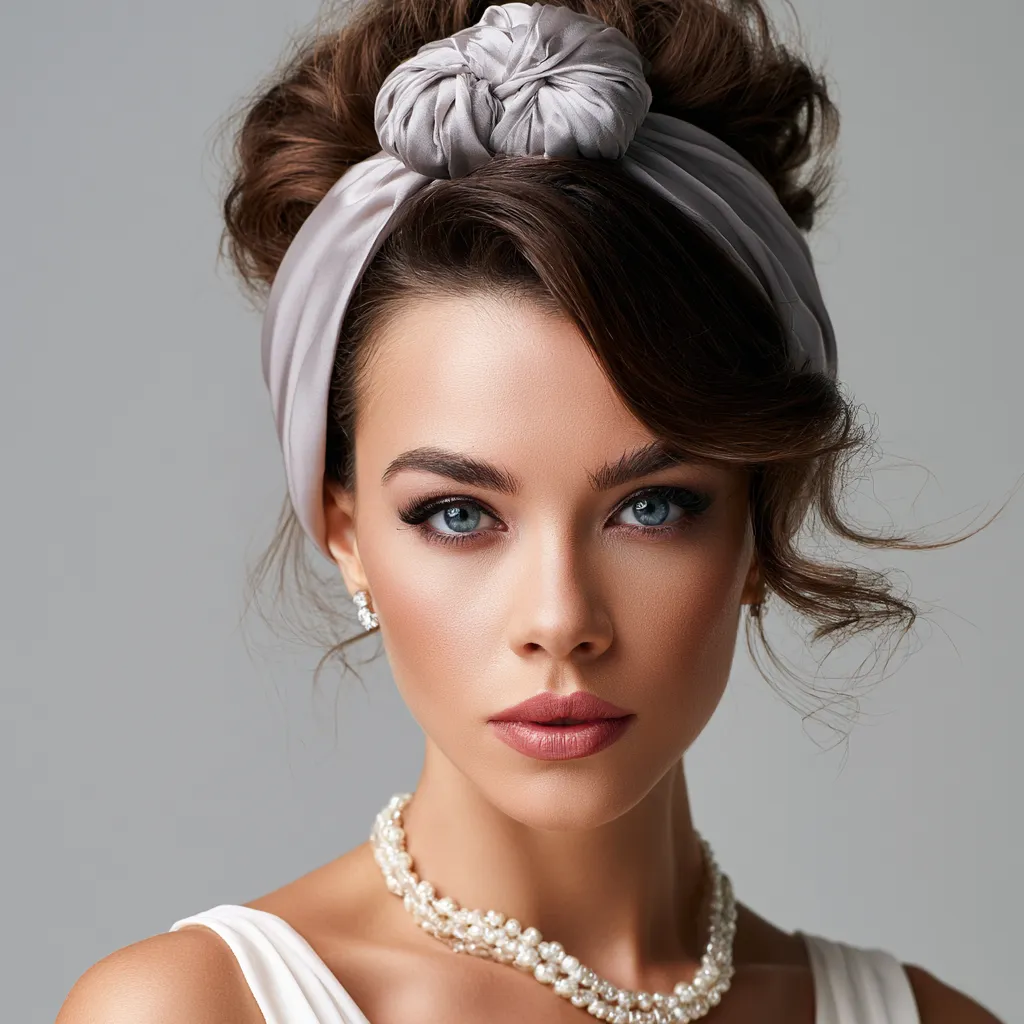
Golden Headbands Pull Focus on Dark Hair
Formal hairstyles with headbands in gold are the most searched combination for gala and banquet events — and for good reason. I own a Jennifer Behr Paloma headband in antique gold ($195) and it has replaced a full jewelry set every time I’ve worn it to a formal dinner. The key is that a gold piece doesn’t just sit on the hair — it reads as intentional, like you planned the whole look from the top down instead of accessorizing after the fact.


Start with a smoothing serum — I use Moroccanoil Treatment ($34 for 100ml) on damp hair — then blow dry straight and gather into a low chignon. The headband goes exactly two inches behind the hairline. Not one inch, not flush at the edge. Two inches back is what creates the face-framing effect you see in editorial shots; closer makes it look like it slipped forward by accident. Is the finish matte or high-polish better? High-polish gold next to dark hair creates the sharpest contrast and photographs better under venue lighting.
What doesn’t work: a gold headband on a messy half-up with visible flyaways. The whole effect depends on the hair underneath being controlled. If you’re going to a black-tie event and your hair texture fights smoothness, apply Kenra Platinum Silkening Mist before you style — it costs about $22 and buys you three extra hours of sleekness. Gold headbands pair best with gowns in midnight blue, burgundy, and deep forest green; they fight with blush and ivory, which is where rose gold takes over.
Pearl White Headbands Read Bridal Without Looking Costume
Formal hairstyles with headbands in pearl white sit at the intersection of bridal and editorial — and the reason they work is that pearls have enough visual weight to feel intentional without competing with everything else you’re wearing. I stole this trick from a wedding I attended in 2023: the bride wore a Lelet NY pearl halo headband ($145) over loose waves and it photographed better than every updo in the bridal party. No salon appointment needed.


Curl the hair in 1.5-inch sections using a barrel iron, let it cool for 90 seconds before releasing, then finger-comb rather than brush — this preserves the wave shape instead of puffing it into a frizz cloud. Place the pearl headband across the crown with two inches of hair sitting in front of it; this framing detail is what keeps the look from reading like a flower girl. You’ll notice the face looks longer and the cheekbones more defined when the front section falls forward rather than being pushed behind the band.
Pearl headbands work with pastel, champagne, and ivory dresses — but avoid pairing them with very dark gowns unless you want the headband to disappear visually. Don’t skip the hold spray: a medium-hold mist like Oribe Superfine Hair Spray ($46) keeps waves intact for six-plus hours without stiffening them. For more wedding-ready hairstyle inspiration with similar accessories, see these wedding hairstyles for long hair with rose gold and pearl accents.
Emerald Green Headbands Make a Low Bun Unforgettable
Formal hairstyles with headbands in emerald green are the choice I recommend to anyone who wants to be remembered at the event without doing anything theatrical with the hair itself. Deep jewel tones work because they anchor the eye before anything else registers — you’ll see people clock the headband from across a room. I found my current favorite at a sample sale for $60: a gold-set emerald resin band that cost more per compliment than anything else I’ve ever bought.


Pull all hair into a low bun or sleek chignon — every strand tucked, no wispy pieces left loose — and position the headband three fingers back from the hairline so the jewel surface sits centered above the forehead. Does this look feel too bold for a banquet? It doesn’t — emerald next to black, navy, or charcoal reads as deliberate color coordination, not maximalism. Minimalist dresses in dark solids are the best backdrop; a busy print underneath will fight the headband and win.
The anti-advice here: don’t wear an emerald headband with an emerald dress. Monochrome in jewel tones reads more costume than couture. One statement color, then neutrals everywhere else — that’s the actual formula. The exception is if the dress is a very different shade of green, like sage or olive, which creates a tonal play that reads intentional. For a related formal approach, the sleek low bun technique covered here is exactly the foundation this headband needs.
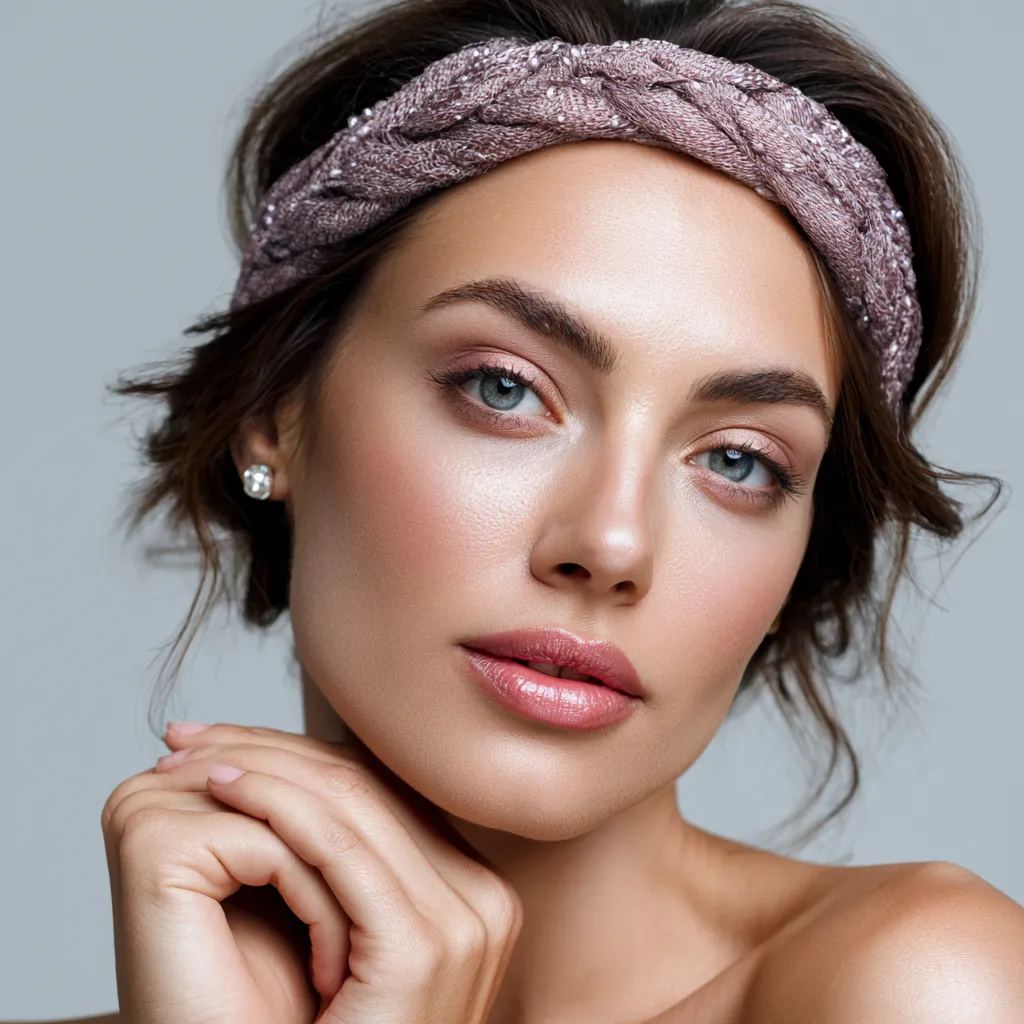
Placing the headband flush against the hairline — this is the single most common mistake with formal headband hairstyles, and it’s the reason so many looks veer into costume territory. Flush placement reads like the headband slipped forward, not like a styling choice. Always position it two to three inches behind the front hairline so there’s a panel of hair in front that frames the face. The same rule applies at prom: pushing all the hair back behind a headband is a 1995 look, not 2025. Leave face-framing pieces out front, let the headband sit mid-crown, and you’ll look editorial instead of dated.
Rose Gold Headbands on Loose Waves at Weddings
Rose gold is the warmest metallic finish you can put in your hair, which is precisely why it flatters such a wide range of skin tones. My go-to is the Anthropologie x Jennifer Behr Rosette headband around $88 — the small floral details catch light without reflecting it aggressively the way diamante pieces can. You’ll notice at weddings that rose gold accessories tend to photograph more naturally than silver, especially under the warm-toned lighting most reception venues use.


Curl the hair in loose 1.5-inch waves with a large-barrel iron, shake them out gently, and let them settle before positioning the rose gold headband across the crown — leaf or petal detail facing forward, band sitting a full two inches behind the front hairline. This is the prom hair with headband look that reads most like a professional blowout even when done at home. Blush, champagne, ivory, and dusty sage dresses are the natural partners; rose gold next to a cool-toned silver dress looks muddy rather than warm.
What kills this look: going too heavy with the finishing product. A light-hold mousse on damp hair, nothing after drying. Serum or heavy oil on the finished waves makes the hair look greasy in photos, and rose gold next to lank hair reads cheap regardless of what the headband cost. The whole point of the wavy texture is that it softens the metal — stiff or flat hair fights the delicacy of the finish. For more styling ideas that combine pearl and rose gold accents, the Fashion Gone Rogue headband placement breakdown is genuinely useful for getting the positioning right.
Black Headband Formal Hairstyles for a Minimalist Aesthetic
Formal hairstyles with headbands in black are the art-director move — the choice that says you’ve thought about it without needing anyone to notice. A matte black velvet headband or a black resin piece with minimal texture creates a razor-sharp contrast against lighter hair and reads as deliberately modern rather than understated. I wear a wide Gohar World matte band ($68) to every seated dinner where I want a polished look without any sparkle competing with my outfit.


Slick the hair back using a fine-tooth comb and medium-hold gel — I use L’Oréal Studio Line gel ($6) applied to damp hair, then dried smooth — and tie into a low bun or ponytail at the nape. Push the black headband about 2.5 inches back so the band bisects the top of the head and the crown hair behind it has visible shape. Is a thick headband better than a thin one here? Thicker reads more intentional for formal occasions; thin bands in black can look like a gym accessory that got dressed up by mistake.
The color versatility of a black headband is its biggest selling point — it works with every dress color and metal you’re wearing elsewhere. The one exception: a black velvet headband next to a black velvet dress creates a texture clash that flattens the whole look. If the dress is velvet, go for a matte resin or satin finish instead. Think of the black headband as the neutral shoe rule applied to hair: when nothing else coordinates, black works — but it deserves a deliberate pairing, not an emergency one.
Silver Shimmer Headbands Belong on Braids and Updos
Silver shimmer headbands are the highest-risk, highest-reward option in this lineup — and the reason most people get them wrong is they wear them on down hair. My rule: silver with sparkle belongs on a structured updo or braid, where the geometry of the hair gives the shimmer something to echo. On loose waves it reads prom-store, not reception. I’ve seen the difference firsthand at two formal events in the same season and it’s stark.


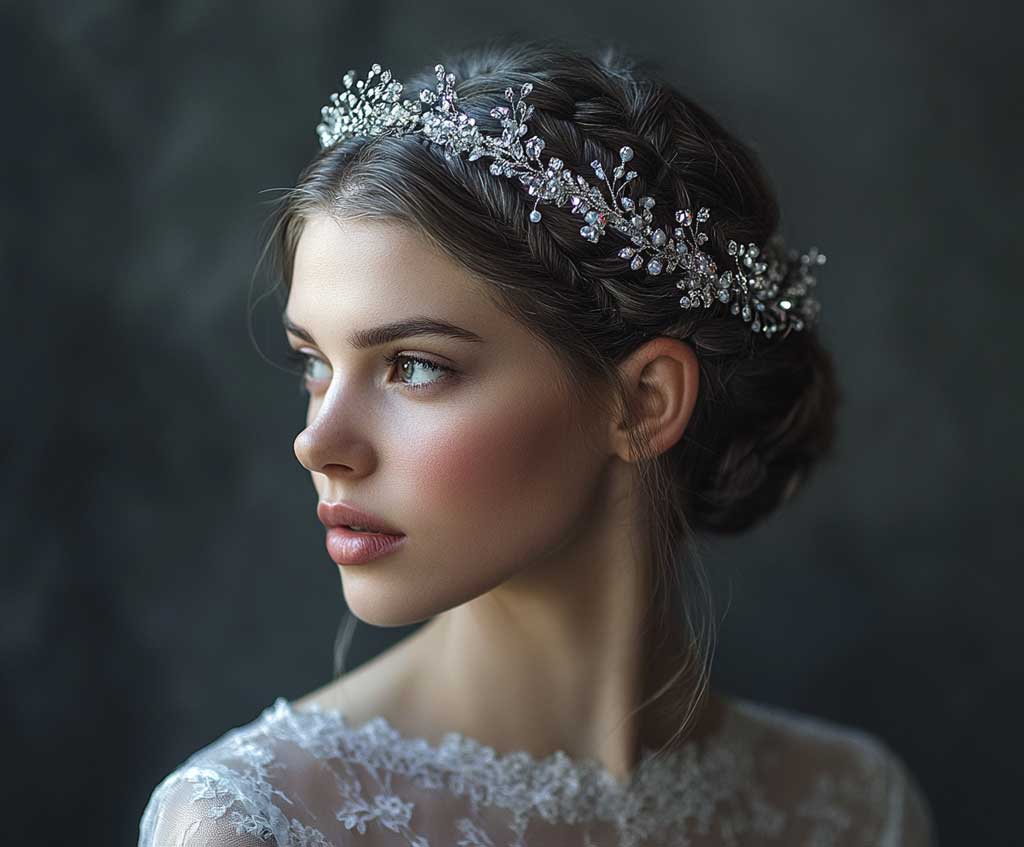
Twist sections of hair into a French or Dutch braid, pinning the end into a low or mid-height chignon, then set the silver headband across the front of the updo so its shimmer catches the angle of venue lighting. Rhinestone or crystal embellishments in the $40–$120 range from brands like Deepa Gurnani and BHLDN are the sweet spot — enough shimmer to read across a room but restrained enough not to compete with statement earrings. What do you skip when wearing a silver shimmer headband? Drop earrings. The combo of sparkle at the ears and sparkle at the crown is visual noise; choose one focal point.
Silver pairs cleanly with dresses in charcoal, ice blue, silver, and black — and works on cool-toned blondes and gray hair better than any other headband finish. Warm brunettes and redheads tend to look better in gold or rose gold because silver next to warm hair can make the skin look slightly sallow under indoor lighting. It’s the same principle as jewelry color selection: match the metal temperature to your undertone, not your hair color.
Style Verdict
Formal Hairstyles With Headbands Work Because of Placement, Not Price
The $30 headband placed correctly outperforms the $200 one jammed flat against the hairline. Two to three inches back from the front hairline, every single time — that’s the one rule that separates a polished formal look from a first-attempt one.
Match your headband metal to your dress temperature: warm metals for warm-toned gowns and skin, cool silver for icy palettes. Pearl and rose gold are your safest bets for weddings and prom hair with headband looks.
Silver shimmer belongs on structured updos and braids, not loose waves — and emerald or colored headbands need a clean dark gown underneath to land as intentional. Save this post.